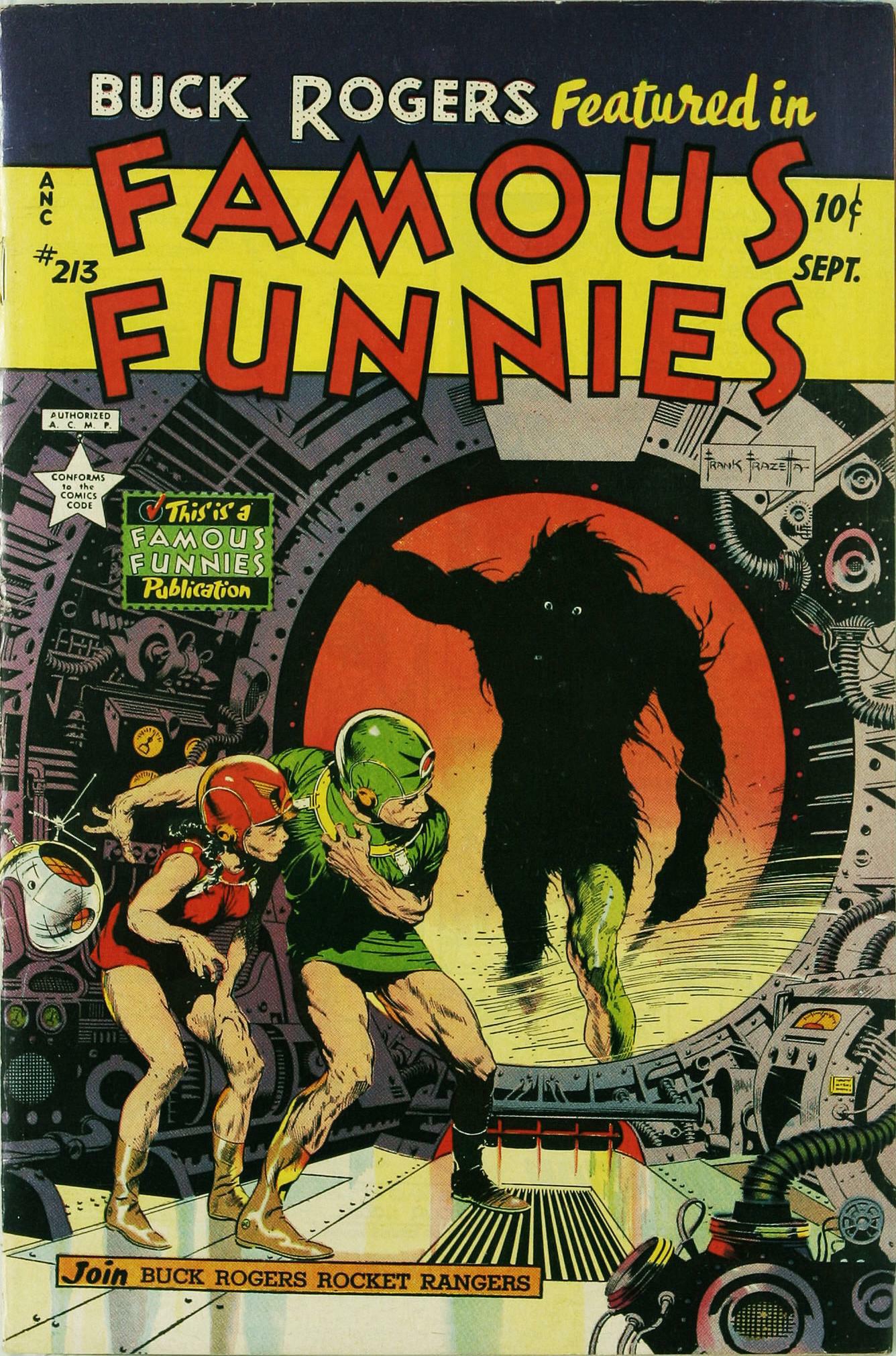
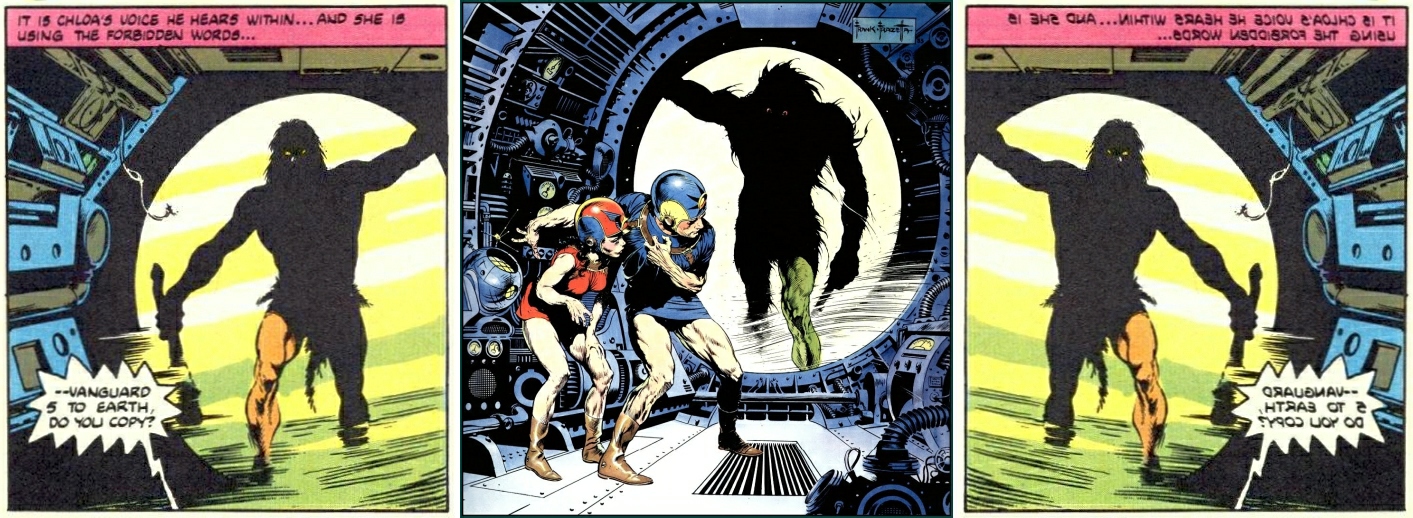

The Frazetta cover was published in September 1954; the artwork by Val Mayerik is from a story called “Domain,” with script by Bruce Jones, that appeared in Alien Worlds #1 in December 1982.
"This day's experience, set in order, none of it left ragged or lying about, all of it gathered in like treasure and finished with, set aside." –Alice Munro, "What is Remembered"
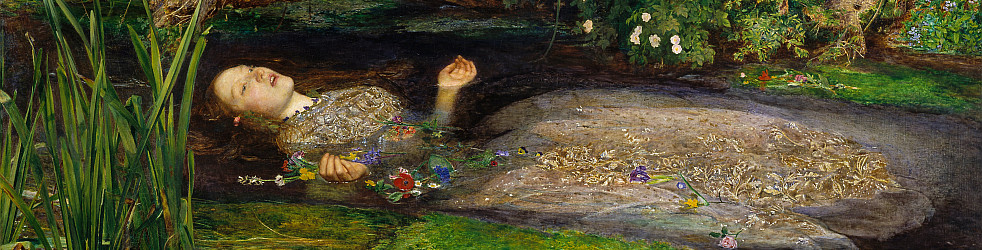
The Frazetta cover was published in September 1954; the artwork by Val Mayerik is from a story called “Domain,” with script by Bruce Jones, that appeared in Alien Worlds #1 in December 1982.
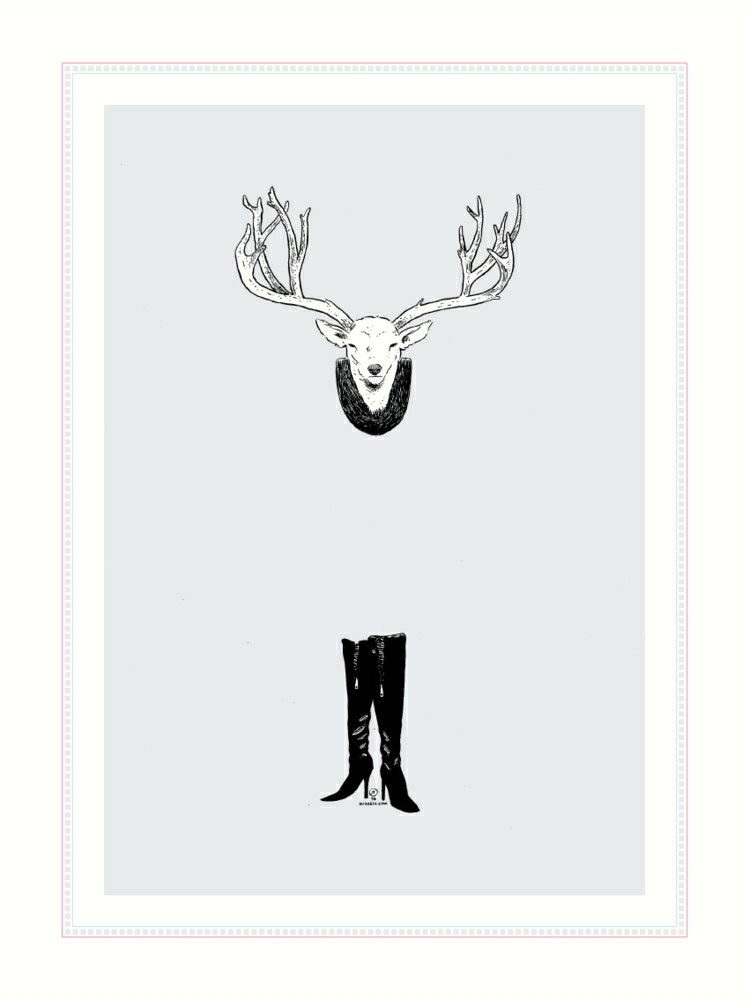
On his tumblr account today (and via a message on Google+), cartoonist/illustrator Dustin Harbin announced a sale in his big cartel store, otherwise known as The Dharbmart. Earlier this year, I purchased two “Ten-Dollar Fourths” (for US$10.00 each, natch!) and one “One-Hour Drawing” (for a mere US$30.00) from The Dharbmart, and I must tell you, I am delighted with my purchases. (Don’t trust my judgment? Do yourself a solid and check out the scans in Dharbin!’s Flickr photostream.) In fact, I was so delighted with my purchases that earlier this week I ordered a second “One Hour Drawing,” and today, after reading about the sale, I purchased a copy of the following limited edition, 9 x 12 inch colour print, entitled “The Devil You Know”:
So, dear reader, if you have a little money burning a hole in your pocket, and have a hankering to be a patron of the graphic arts, please consider a purchase from Dustin Harbin. He’s a skillful, thoughtful, dedicated artist and a disarmingly nice person who would love to sucker punch you to the funny bone with an original drawing, comic, and/or print. But if you’re interested, don’t delay! Dustin says that the sale will only run until Friday 22 July 2011, or until he runs out of stuff, whichever comes first.
BONUS LINK:
The Comics Reporter > CR Holiday Interview #5 — Dustin Harbin — posted by interviewer Tom Spurgeon on 24 December 2010.
BONUS IMAGE (added 14 December 2013):
Yesterday afternoon, I spent a little time reading at random in Painting Techniques of the Masters: Painting Lessons from the Great Masters (revised and enlarged edition) by Hereward Lester Cooke, and came across a famous portrait by Titian that, to my eye and mind, could easily have been one of the inspirations for Jeffrey Jones’s oddly proportioned but striking portrait of Robert E. Howard’s Solomon Kane, created for the first edition of a collection of Solomon Kane short stories, Red Shadows, published by Donald M. Grant in 1968:

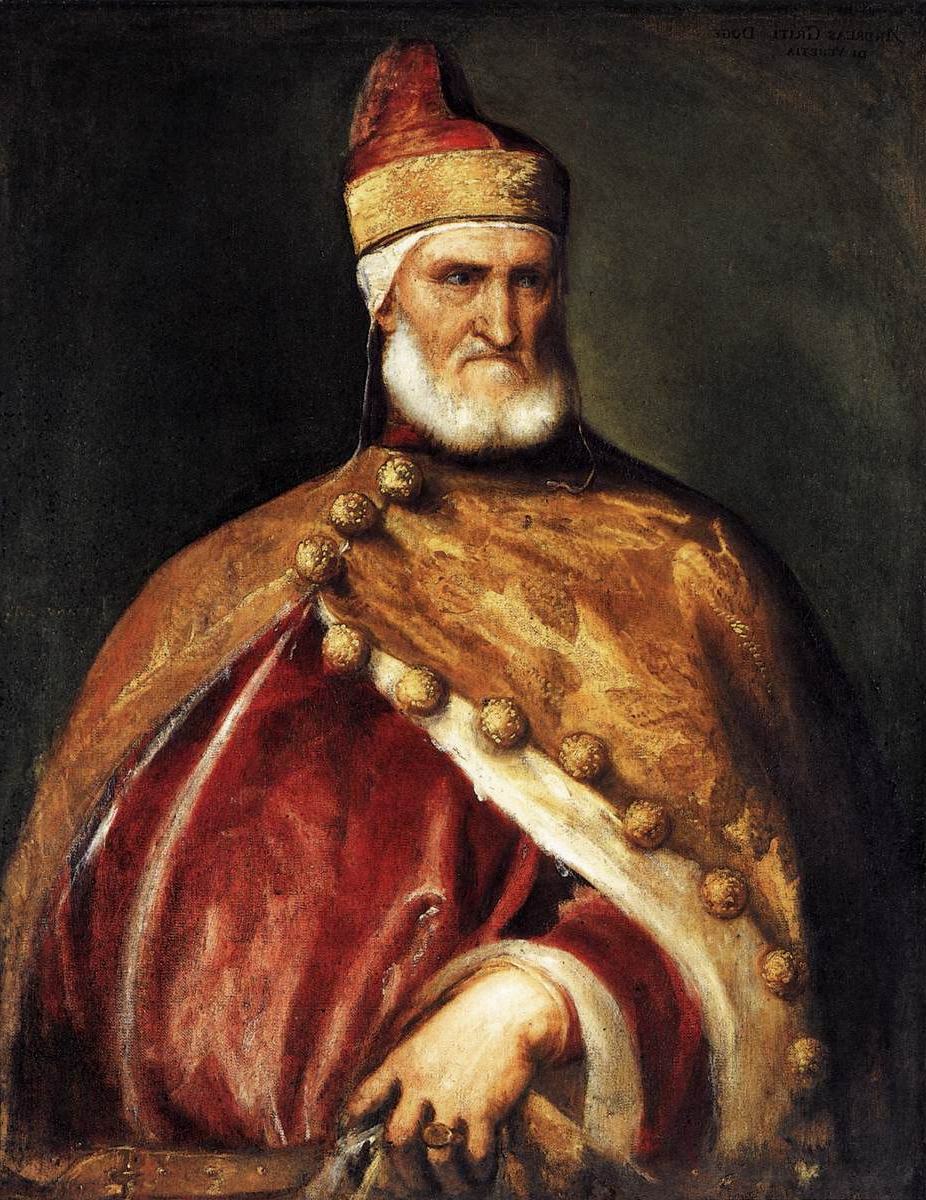
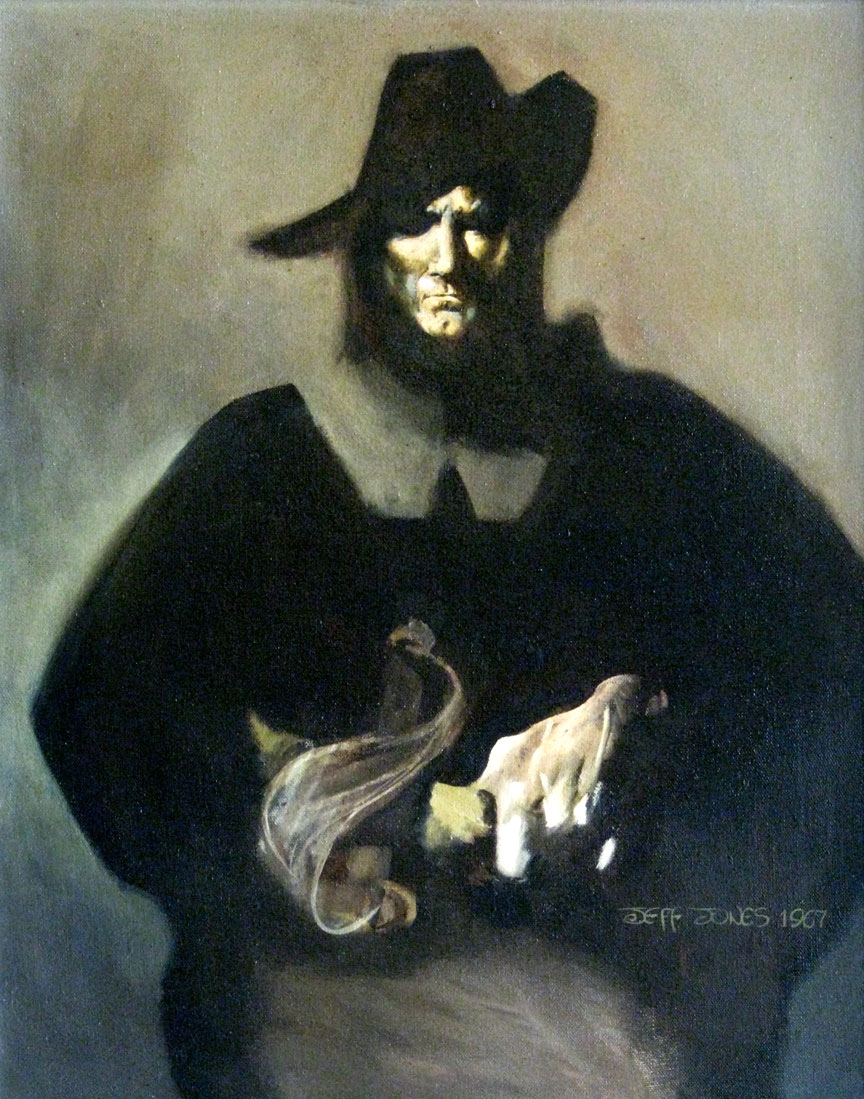

As the night wind said to the little lamb: Do you see what I see?
POSTSCRIPT:
I wonder, does anyone else think that Jones’s portrait of Solomon Kane is basically a self-portrait? Because I sure do.

Corben’s cover art for the debut album by Meat Loaf and Jim Steinman, Bat Out of Hell, is explosive, iconic, classic. And since Bat Out of Hell is one of the best-selling albums of all time, I suspect that a great many people would recognize Jason Brashill’s cover to Judge Dredd 1996 Mega-Special as a homage to it. Still, I am delighted that the magazine’s editors acknowledged, on the indicia page, that the front cover art is “after MEATLOAF: Bat Out of Hell”; I am disappointed, however, that they didn’t see fit to mention Corben by name. Because technically speaking, it’s Corben’s art alone that Jason Brashill’s work is “after”; the typographical choices of the designer of the Bat Out of Hell cover have been completely ignored.


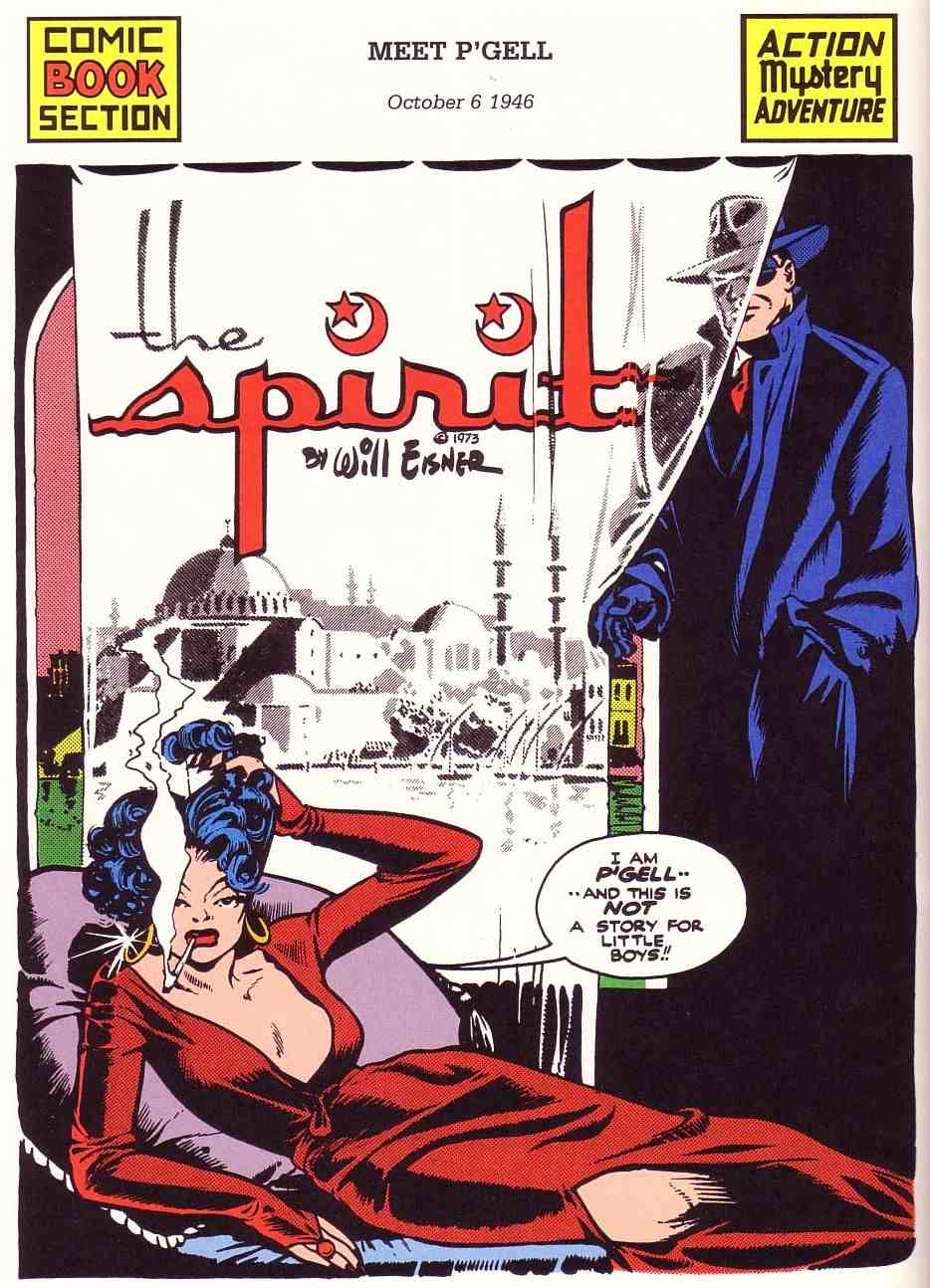
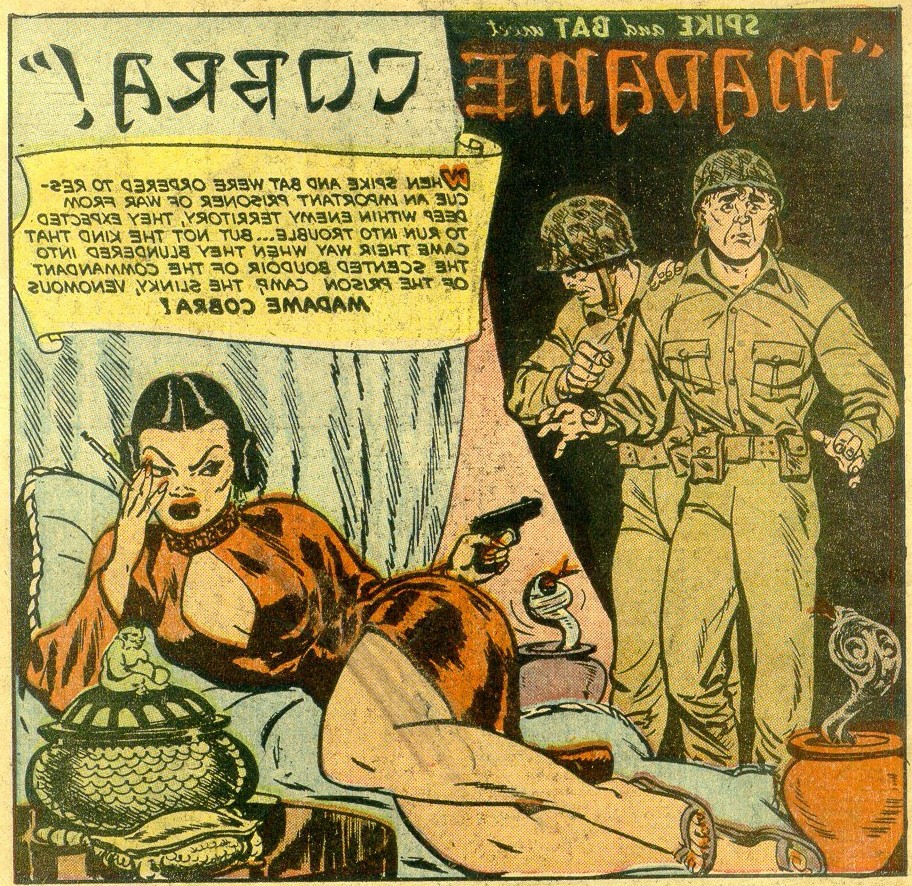
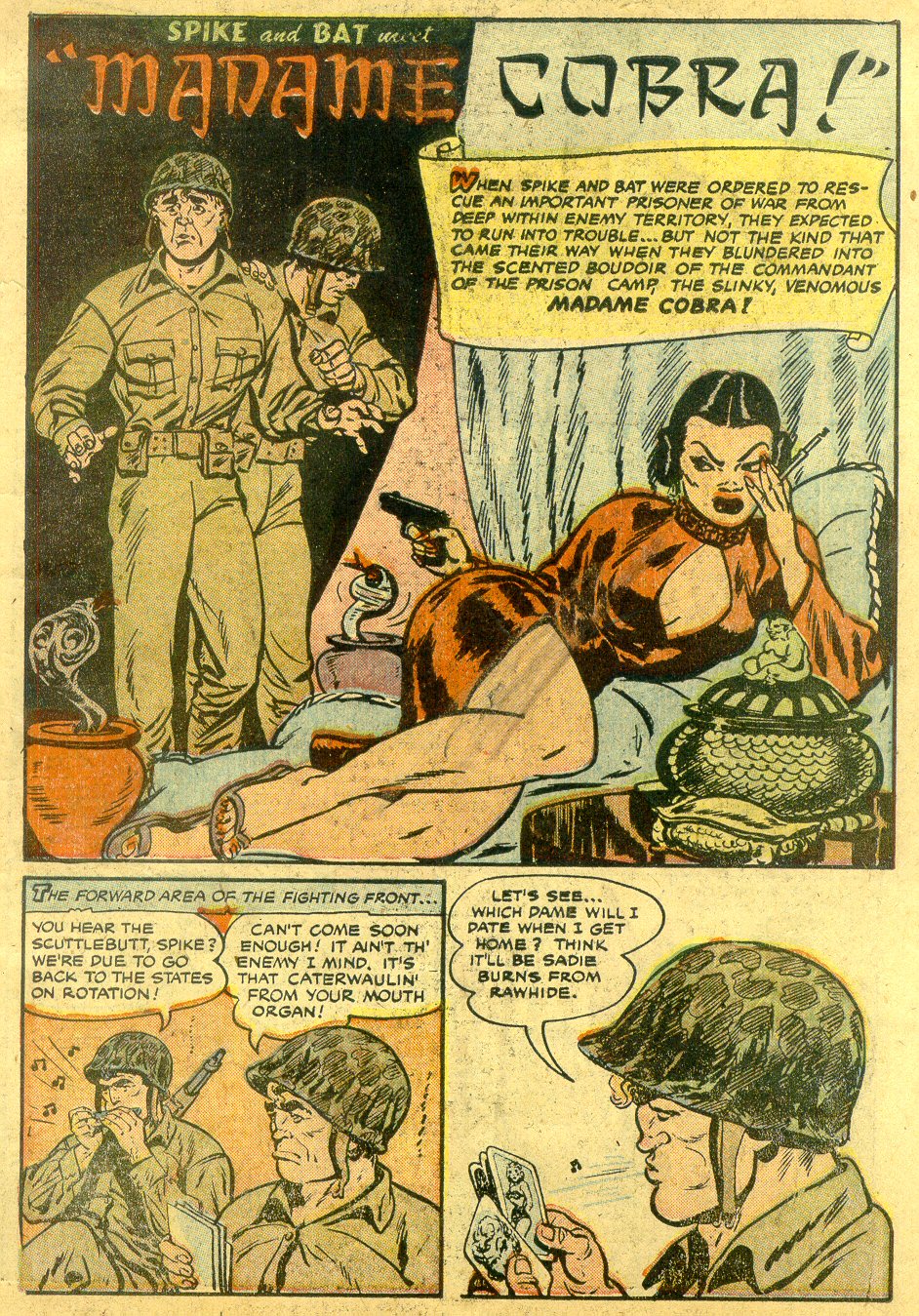
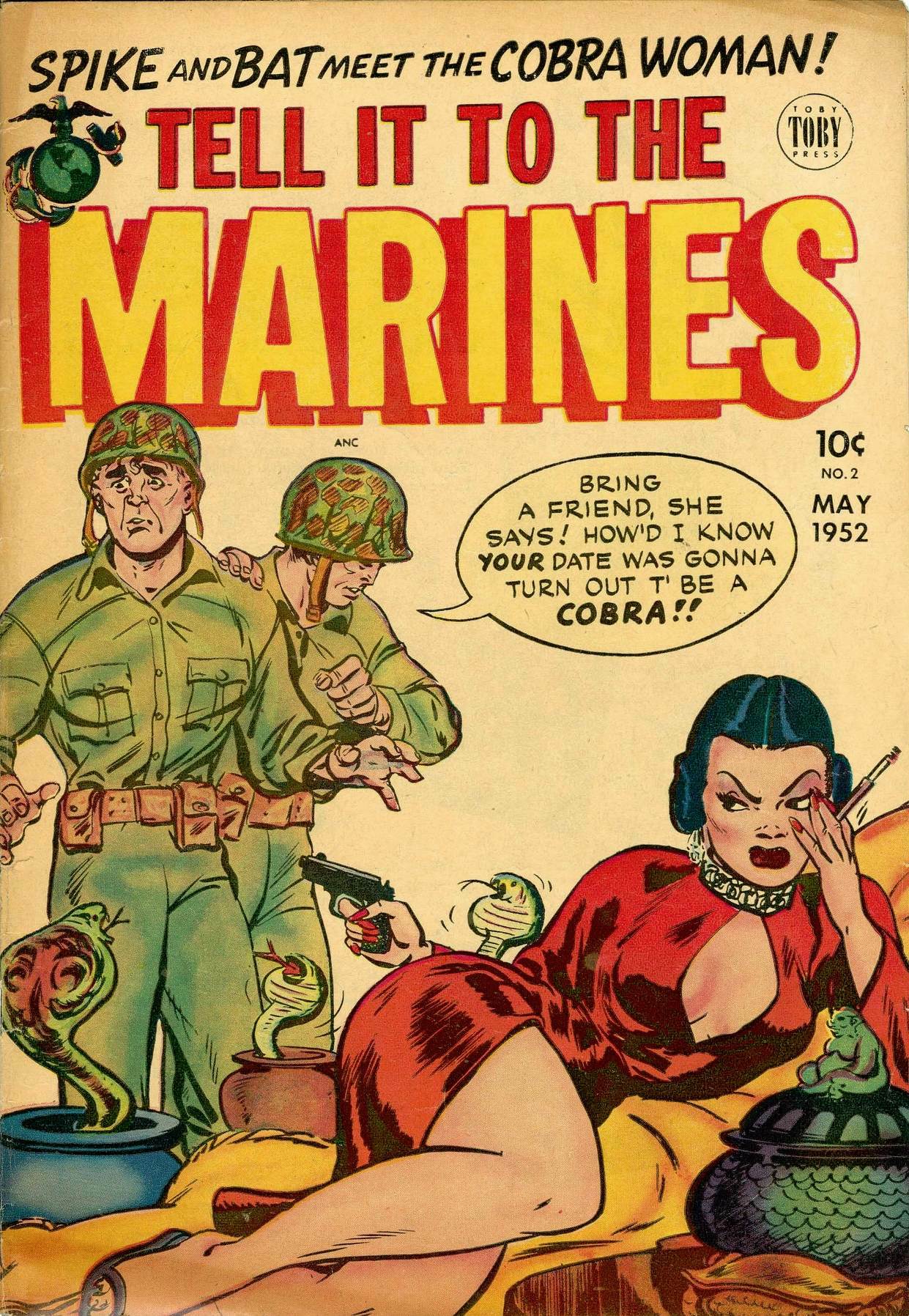
[Credits for the “Madame Cobra” artwork via comics.org.]
Flipping through the second issue of the E.C. fanzine, Squa Tront, I came across a profile of Bernie Wrightson that made me chuckle. Published in September 1968 — the same year that, according to his official Web site, Wrightson “turned pro” — the profile includes a short biographical and artistic statement as well as three full-page reproductions of Wrightson’s work. In the statement, the man formerly known as “Bernard Albert Wrightson” explains why he has decided to go by the name “Berni” instead of “Bernie” (a decision he later reversed); he forthrightly acknowledges his longstanding fascination with and admiration for the work of Frank Frazetta; and he vigorously defends himself from the charge that his own work is overly indebted to that same artist: “He’s [Frazetta has] probably inspired me more than anyone else and to this day, I hear so much about my copying or ‘swiping’ from him. Well, I have never had a piece of Frazettart [sic] on the board while working. This is just my natural way of drawing, as I was drawing like this long before I ever laid eyes on his work. It’s just my misfortune (?) that our work appears similar.” Trouble is, Wrightson, who was only about 20 years old at the time, says right in his statement that he “became interested in art at about age twelve and when I was fifteen, ‘discovered Frazetta.'” Now, I don’t know what kind of prodigy Wrightson was, but if he was drawing like Frazetta long before he ever laid eyes on Frazetta’s work, then clearly he would have had to have been doing so between the ages of 12 and 15… which, to my mind, definitely does not pass the… uhm… uh… anyway, from Squa Tront #2 (September 1968), here’s “Profile: Bernie Wrightson,” along with an illustration by Frazetta, originally published in the Canaveral Press edition of E.R.B.’s Tarzan and the Castaways (1965), that did NOT appear in Squa Tront but, in light of Wrightson’s statement, holds a certain interest, I think.
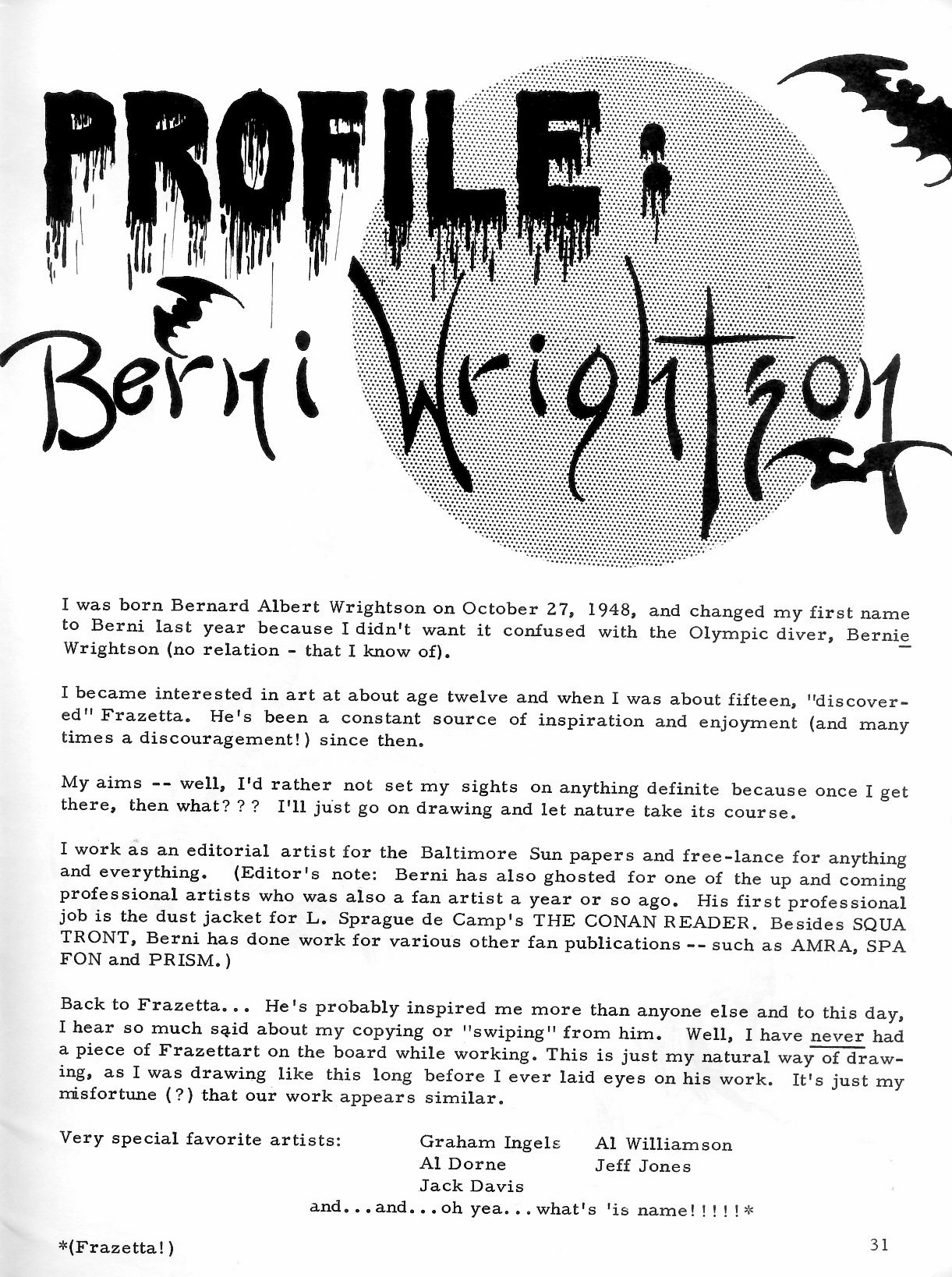
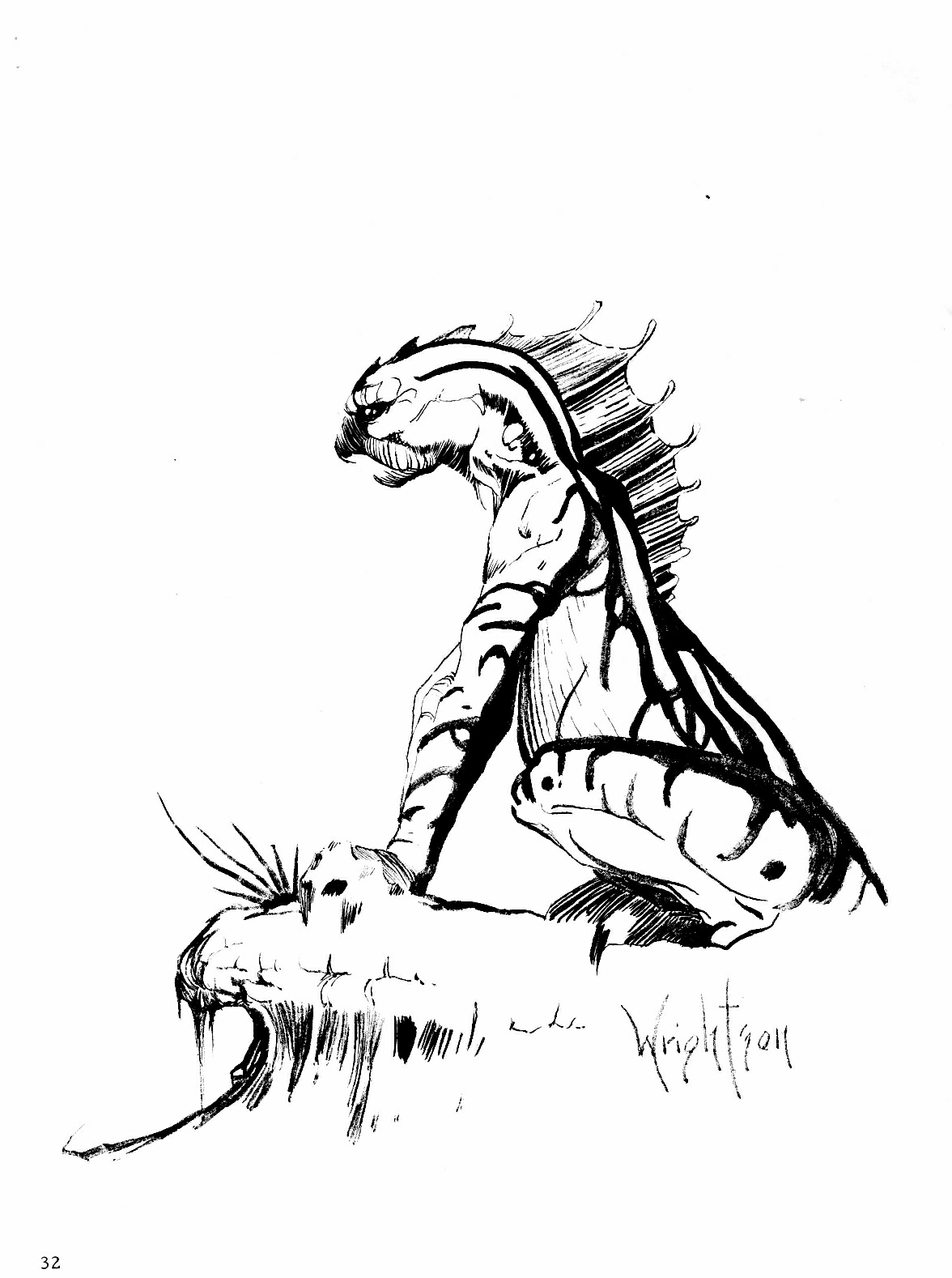
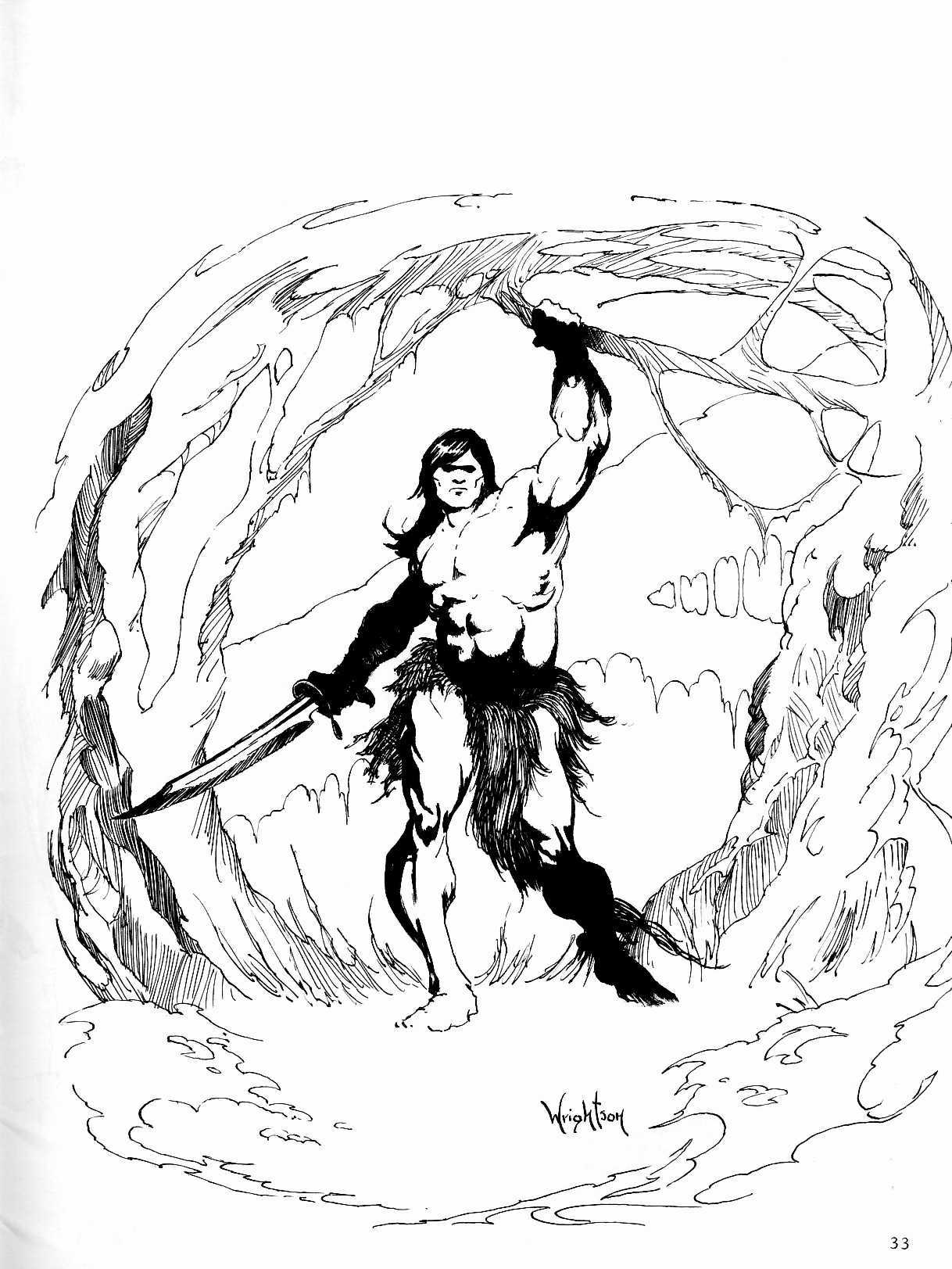
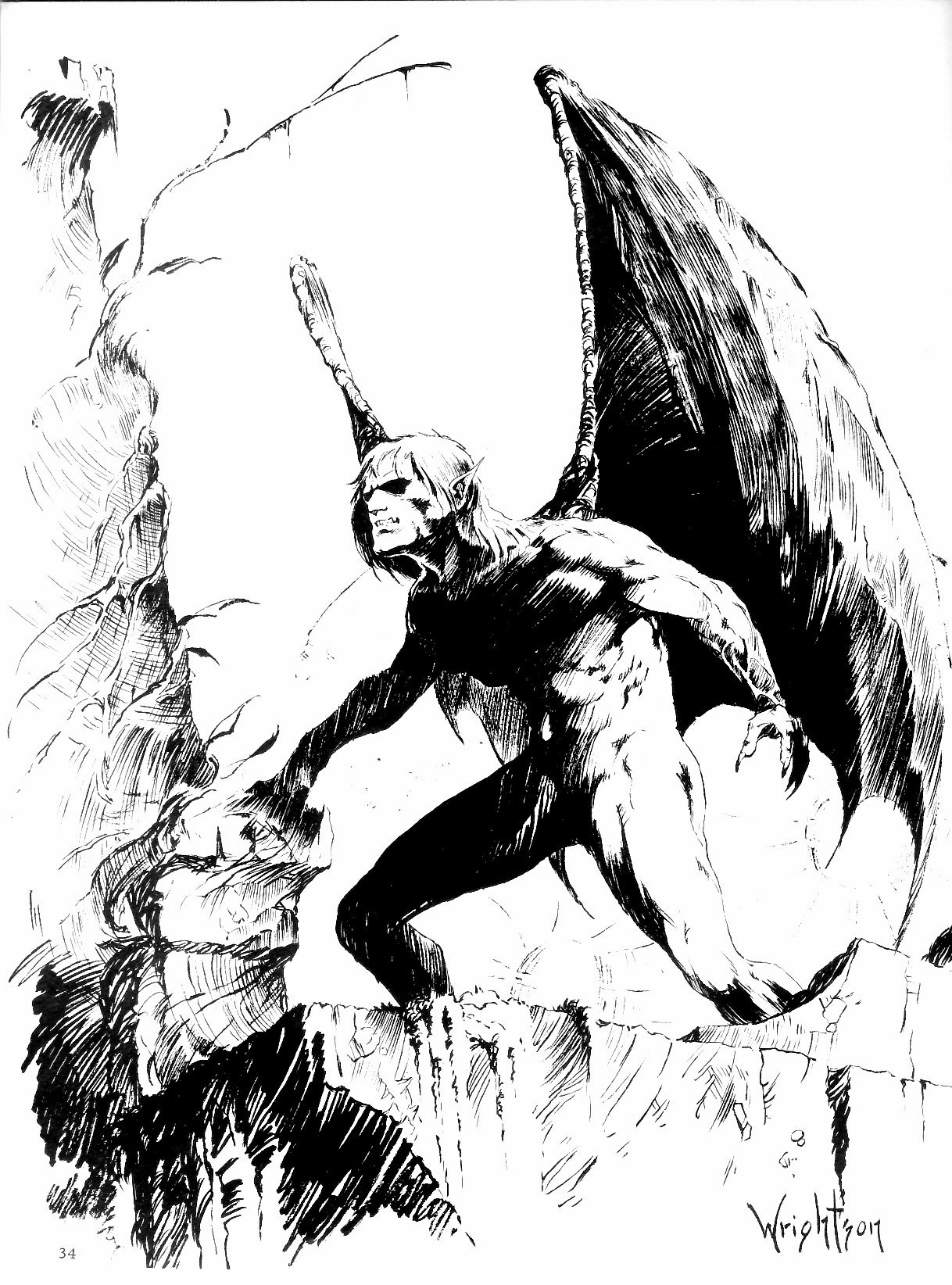
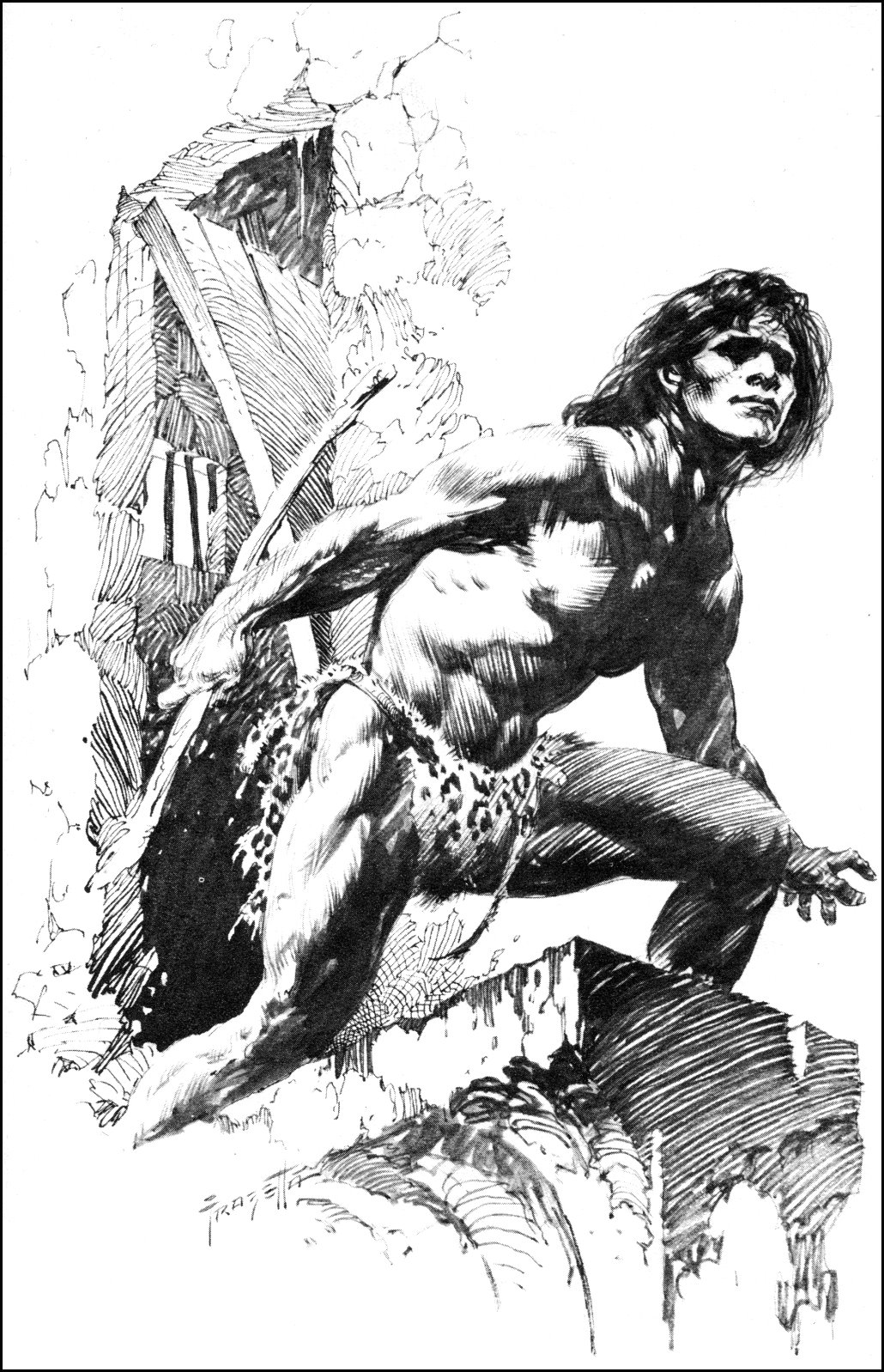
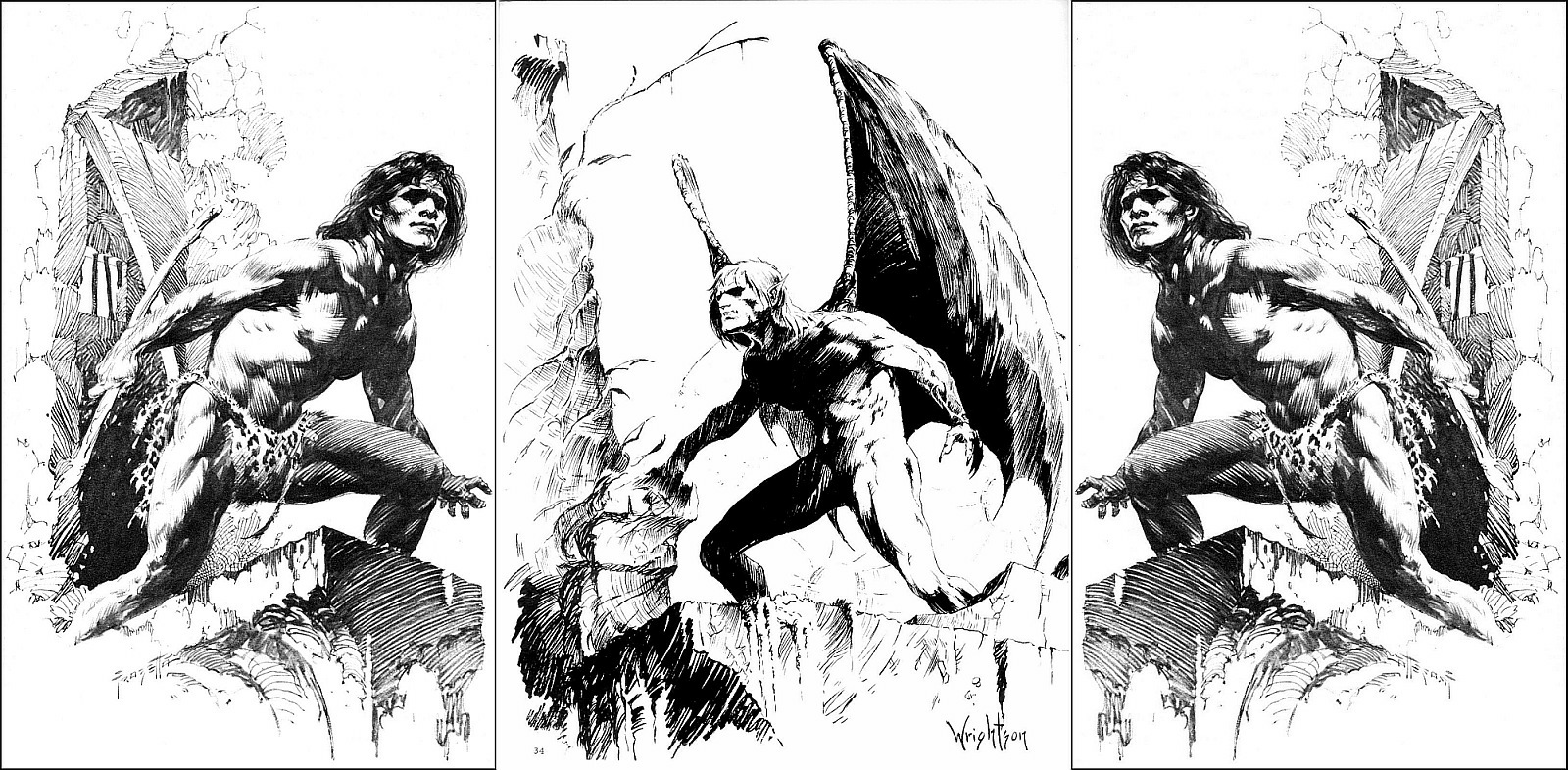
Do you see now why “Profile: Berni Wrightson” made me chuckle? Ah, the impetuousness of youth!
Of course, Wrightson would eventually synthesize his influences to produce some of the best horror comics and illustrations of the 1970s and beyond. But he clearly hadn’t done so in 1968. And from all the work I’ve seen, I’d argue that he didn’t do so for a few more years after that. Which, btw, is a perfectly normal path of development for an artist, right down to the denials…
For the Charlton romance comic Time for Love #18 (September 1970), a young José Luis García-López pencilled and inked “A Kiss to Remember,” which was also the story that was featured on the cover. The cover, however, wasn’t by García-López; rather, it was cobbled together from various García-López story panels — some flipped, others not — by penciller Art Cappello and inker Charles Nicholas, which perhaps explains why it doesn’t accurately depict any particular scene in the story. Here, take a look:


Click here to view García-López’s panels in the context of the story.
The famous cover of Nick Fury, Agent of S.H.I.E.L.D #6 (November 1968) is commonly referred to as Steranko’s “homage to Wally Wood” — that spacesuit! — although many have noted that the cover could almost as easily be seen as an homage to Famous Funnies #214, with art by Frazetta. I don’t, however, recall anyone mentioning what I believe is a swipe by Steranko from the opening panel of “The Man in Grey,” World of Fantasy #7 (May 1957), with art by Gray Morrow. Or maybe I’m just seeing things. Take a look and decide for yourself…

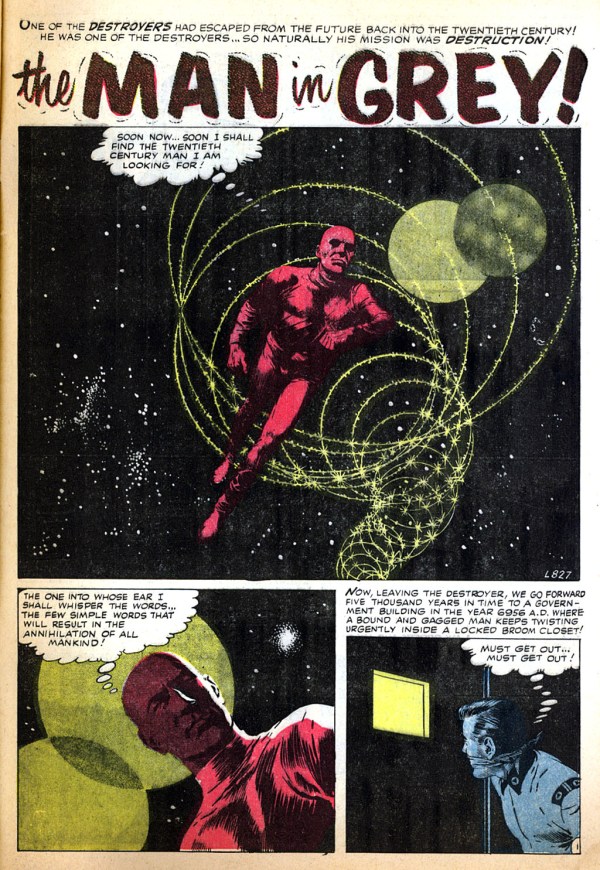
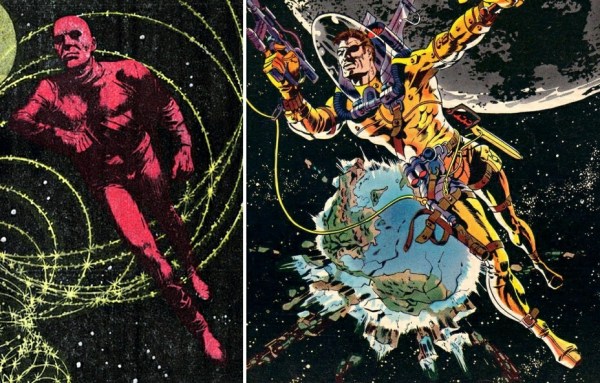

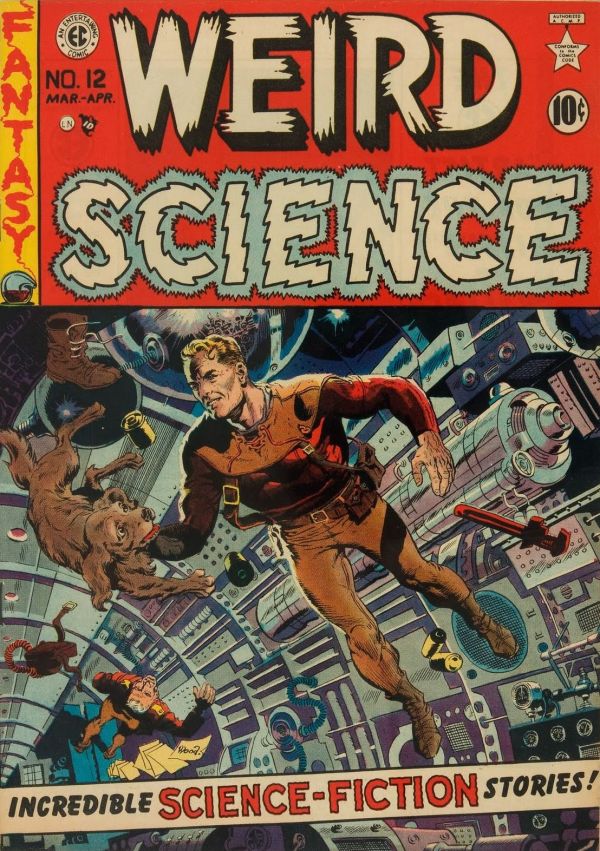
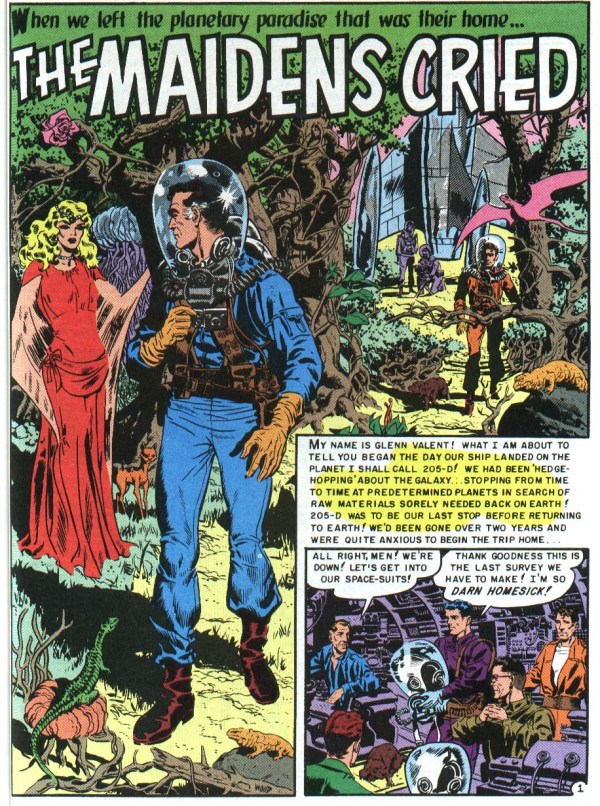
Yes, the yellow-and-orange-suited figure on the 1952 cover of Weird Science #15 (art by Wally Wood; see above) is in the ballpark — it may, in fact, have been an influence on both Morrow and Steranko — but there’s something about that Morrow panel…
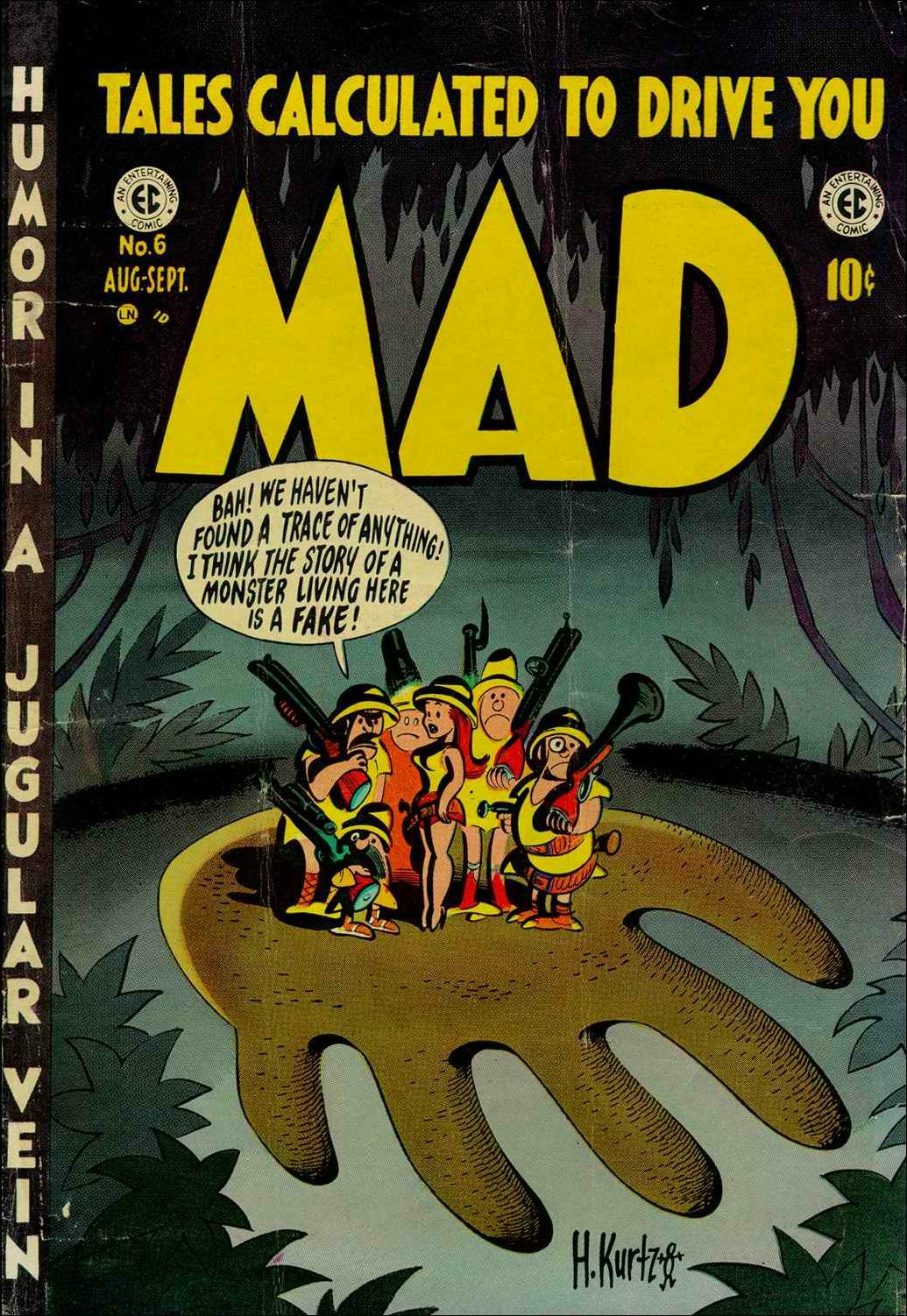
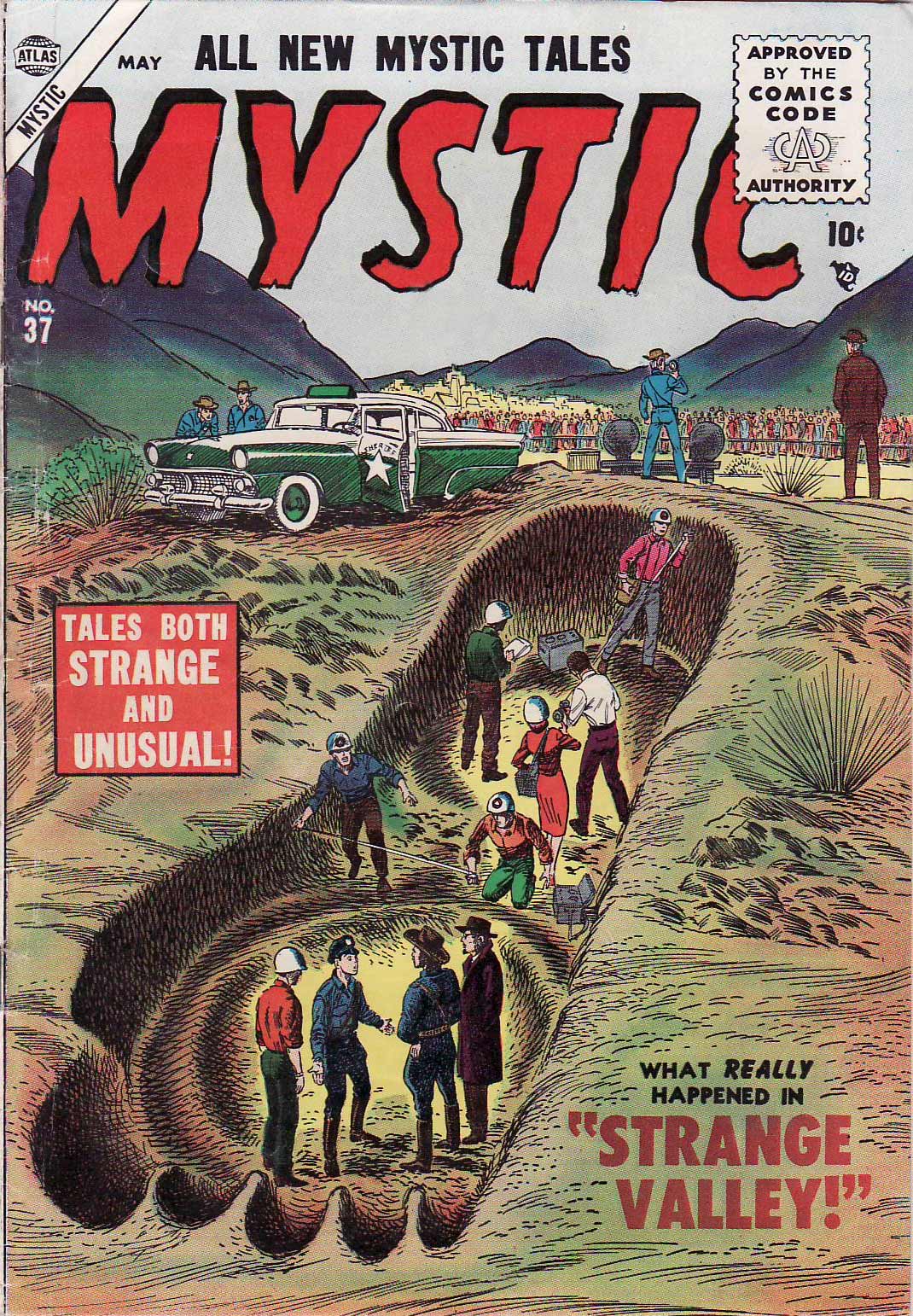
Notice the dates of the two comics. Kurtzman’s parody was first.
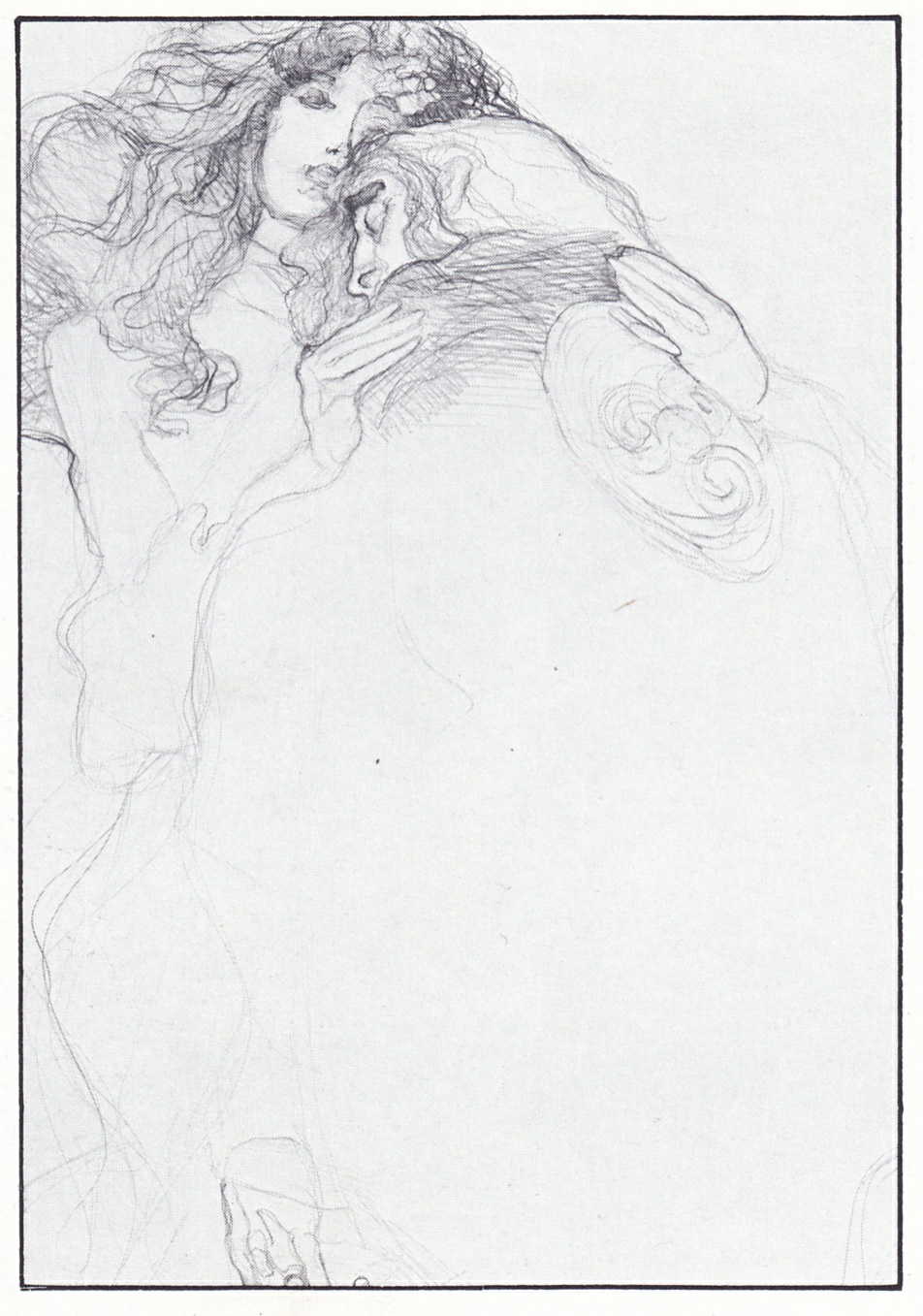
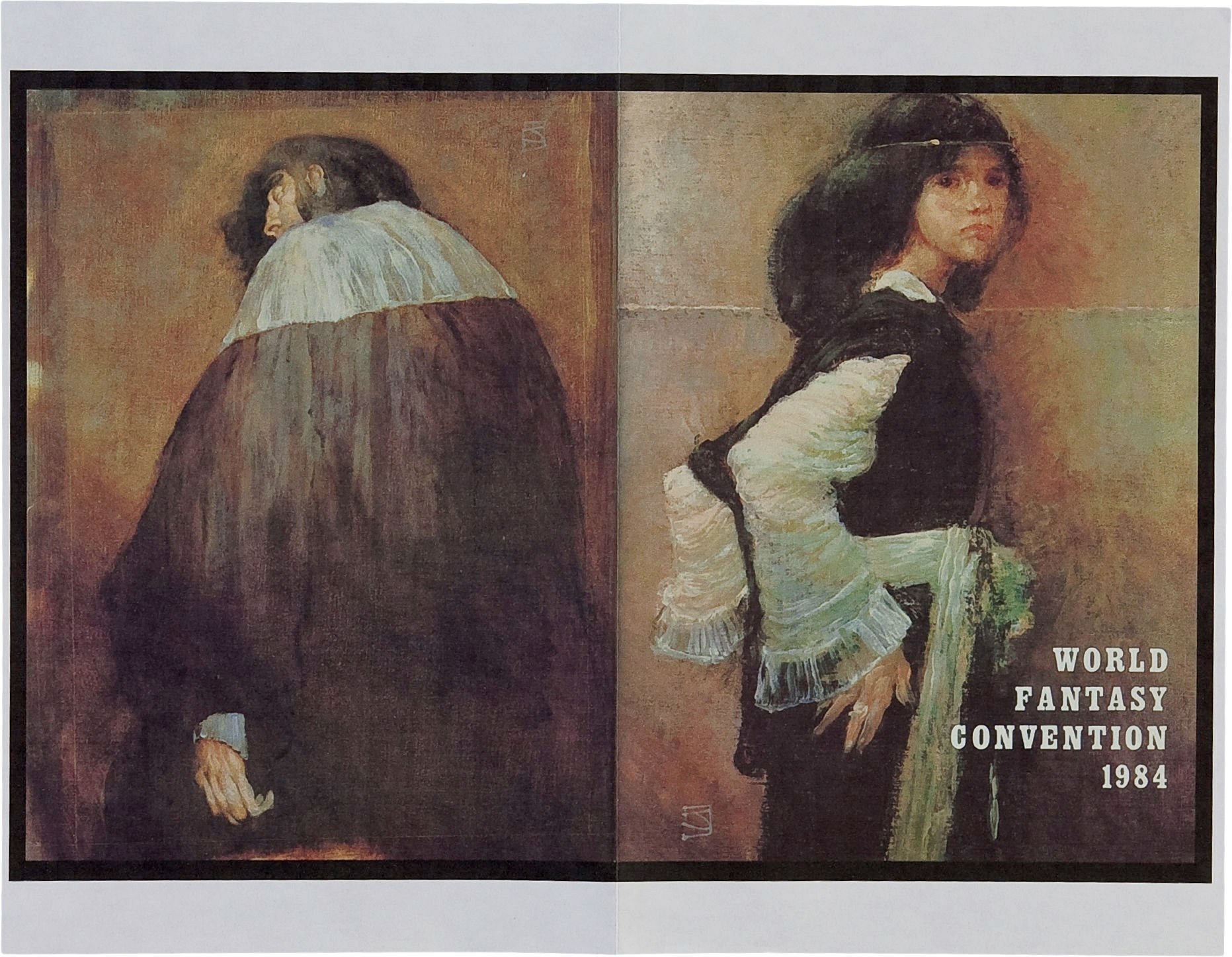

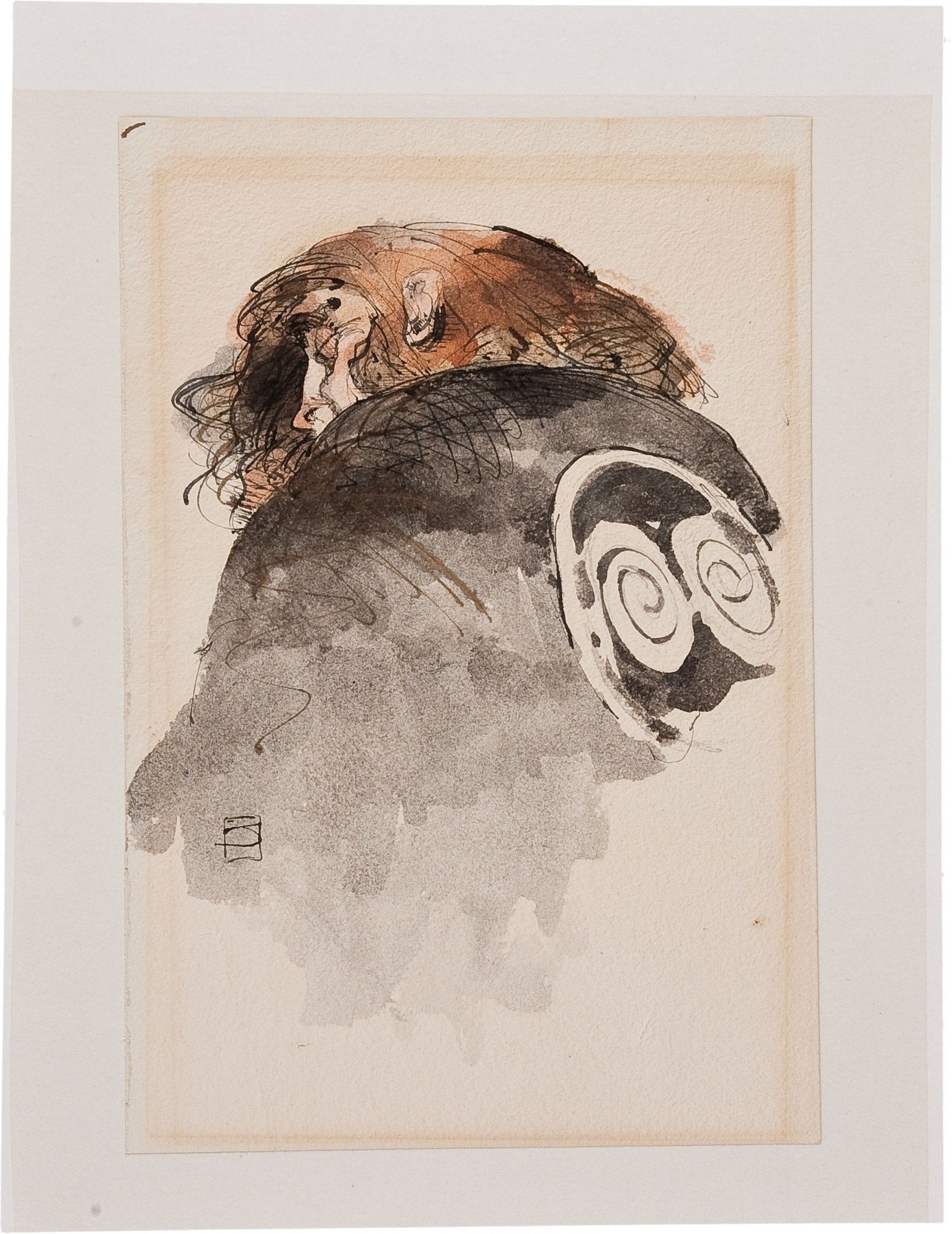
I believe the oil painting is called The Puritan and was one of a series of paintings by Jones that were based on Robert E. Howard’s Solomon Kane.
I gave readers a “Heads Up” back on 25 July 2010, and now the regular hardcover edition of Jeffrey Jones: A Life in Art (IDW Publishing, 2011) — a 256-page collection of Jones’s “personal favourites” from a long and celebrated career — is available for purchase at a bookstore near you. I haven’t received my copy yet, but it should be here soon…
 Ragged Claws Network