"This day's experience, set in order, none of it left ragged or lying about, all of it gathered in like treasure and finished with, set aside." –Alice Munro, "What is Remembered"
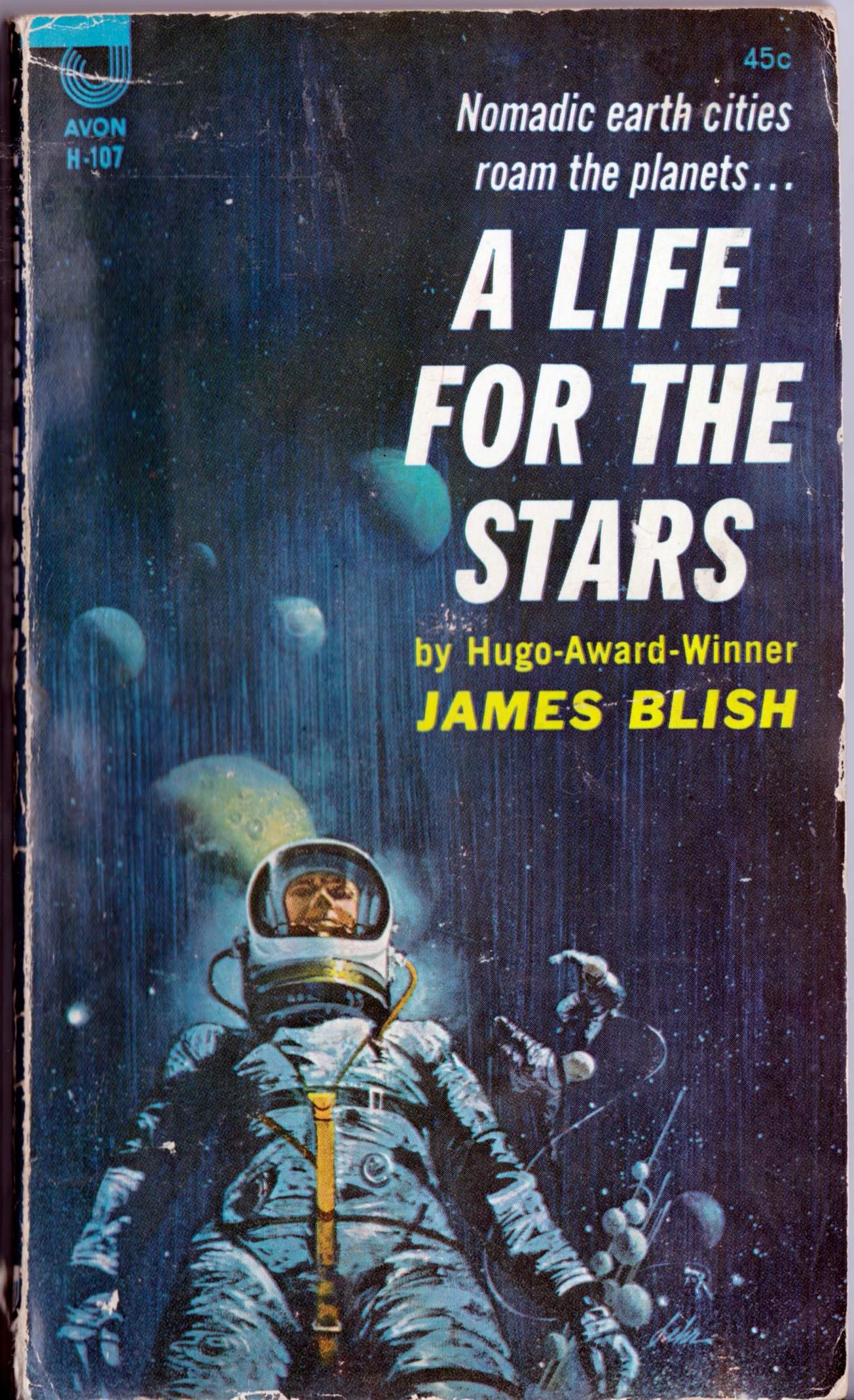
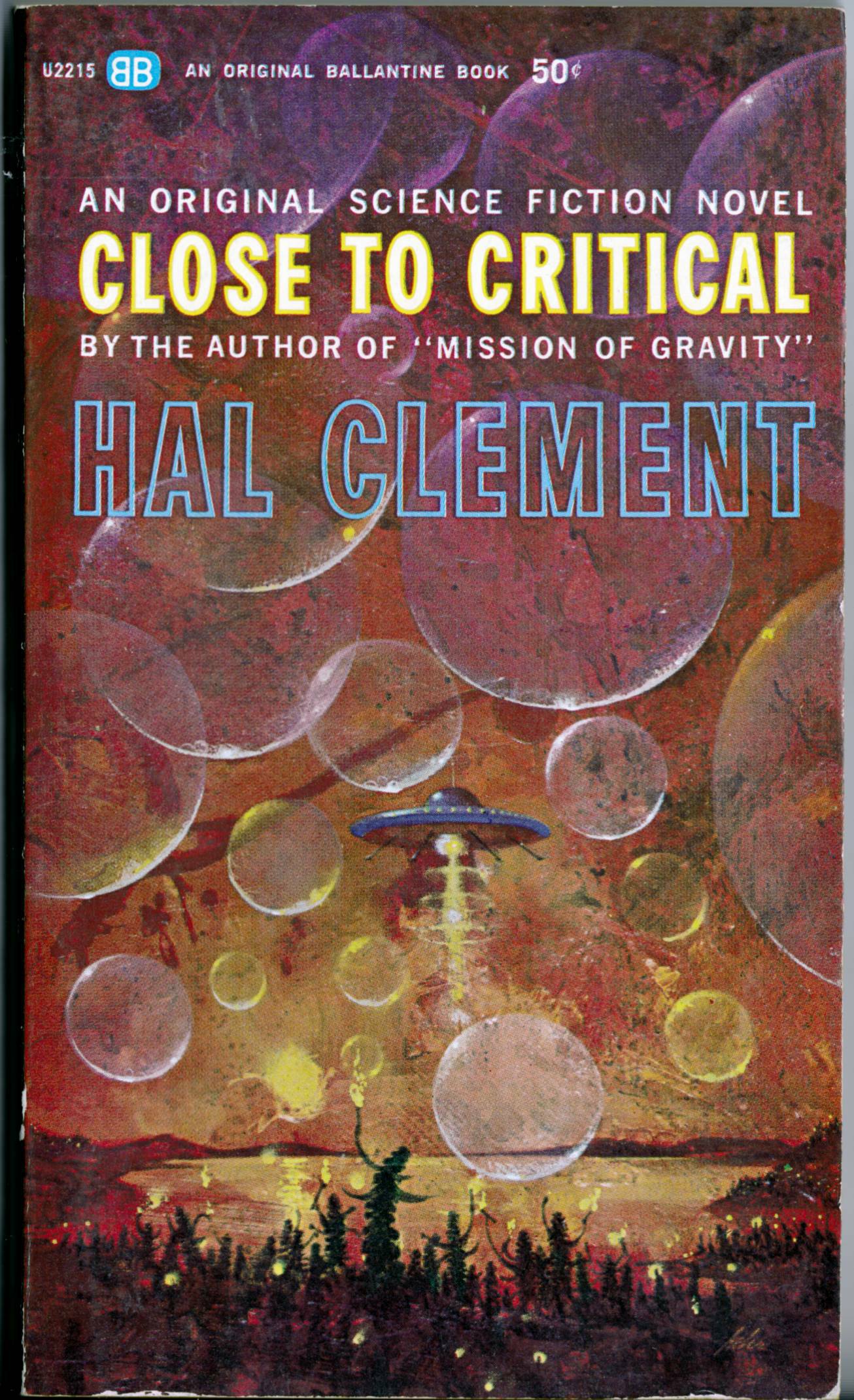
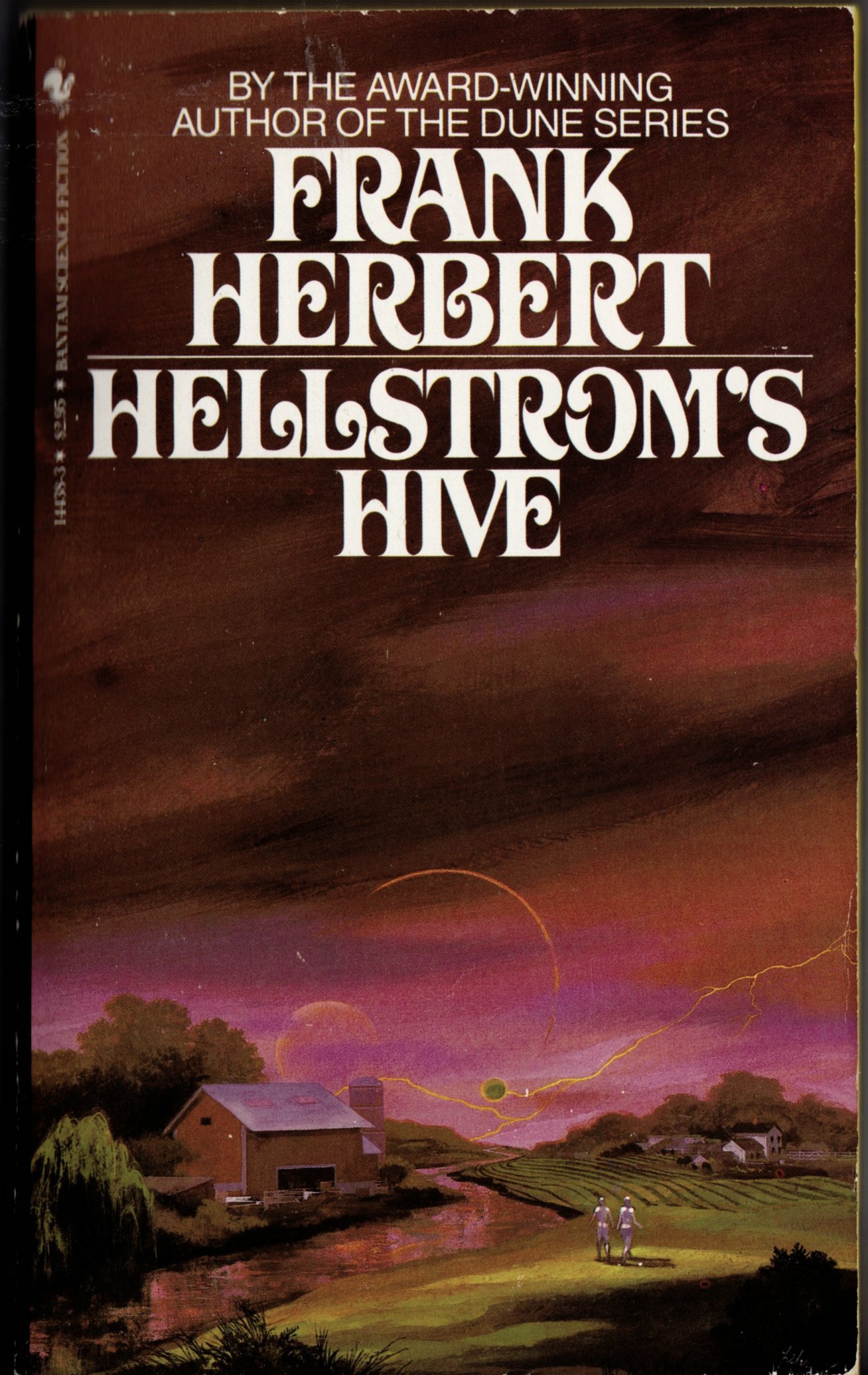
None of the following three covers with art by Paul Lehr really hits the mark. The painting on the cover of Hellstrom’s Hive (1982) is especially anemic; as far as I am concerned, it has very little of interest to say about Frank Herbert’s novel, the SF genre, Lehr’s chosen subject matter, or anything else other than, perhaps, the vain hope that slick technique alone would be enough to fulfil the brief. (Yes, I understand the idea here is that the viewer is supposed put together the visual clues to realize that the red barn, farm house, windrows of hay, etc., are actually located on a planet that is not earth, and that the tiny figures on the hill are not merely your typical human farmers but something more sinister; however, when such a simple idea is so blandly and schematically worked out, how can the viewer’s reaction be anything but boredom?) The fact that Lehr’s hypothetical hope turned out to be not so vain after all — the painting, obviously, was published — seems to me to have been less likely an endorsement of the painting as an effective cover illustration and more likely a tribute to Lehr’s long track record as a distinctive, reliable, and admired SF cover artist.
[CLICK IMAGES TO ENLARGE]
ABOVE: James Blish, A Life for the Stars (New York: Avon, 1962), with cover art by Paul Lehr.
ABOVE: Hal Clement, Close to Critical (New York: Ballantine, 1964), with cover art by Paul Lehr.
ABOVE: Frank Herbert, Hellstrom’s Hive (New York: Bantam, 1982), with cover art by Paul Lehr.
Click here to view all of the covers with art by Paul Lehr that I’ve posted so far.
Keywords:A Life for the Stars, Close to Critical, Hellstrom’s Hive.
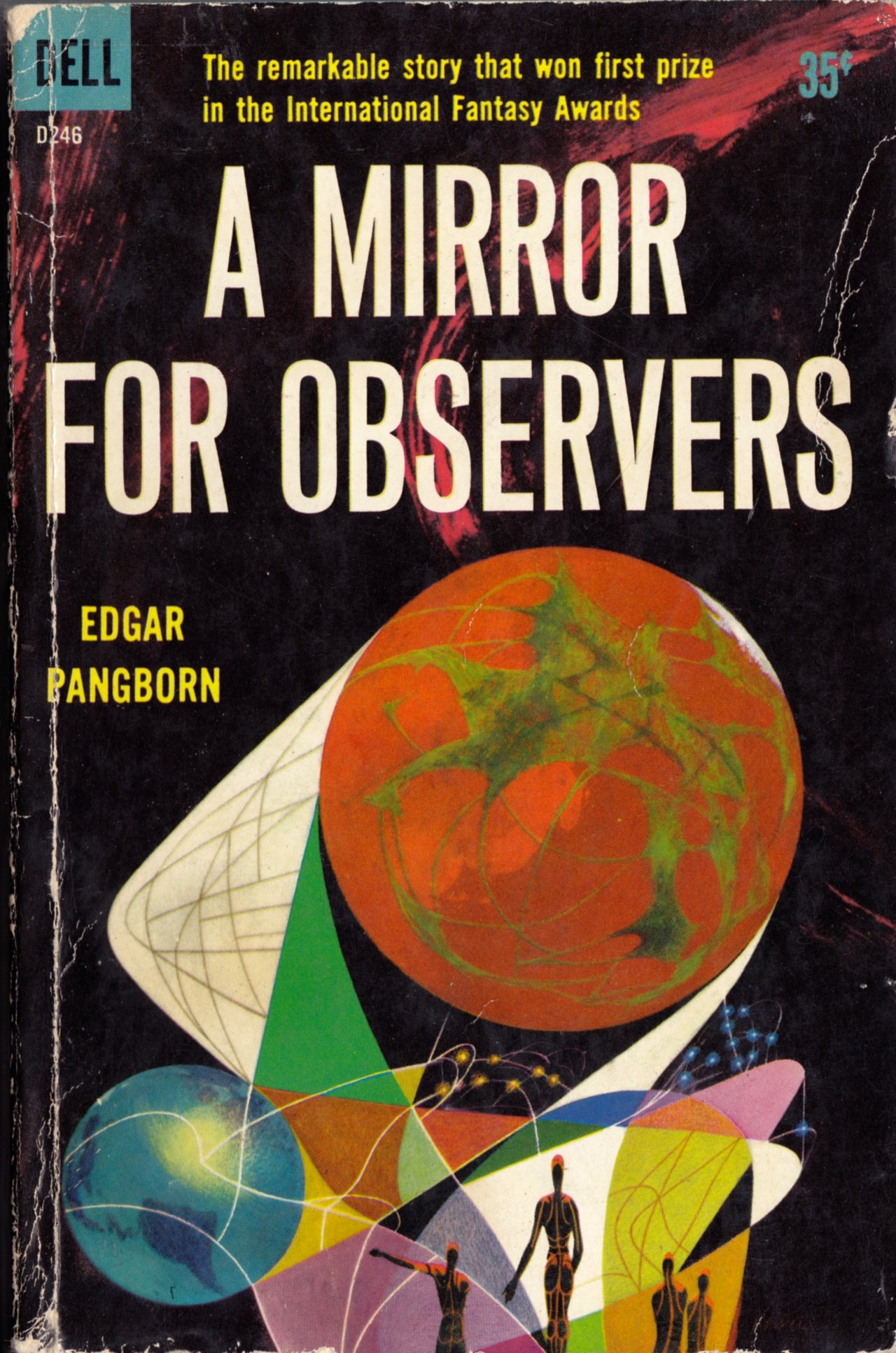
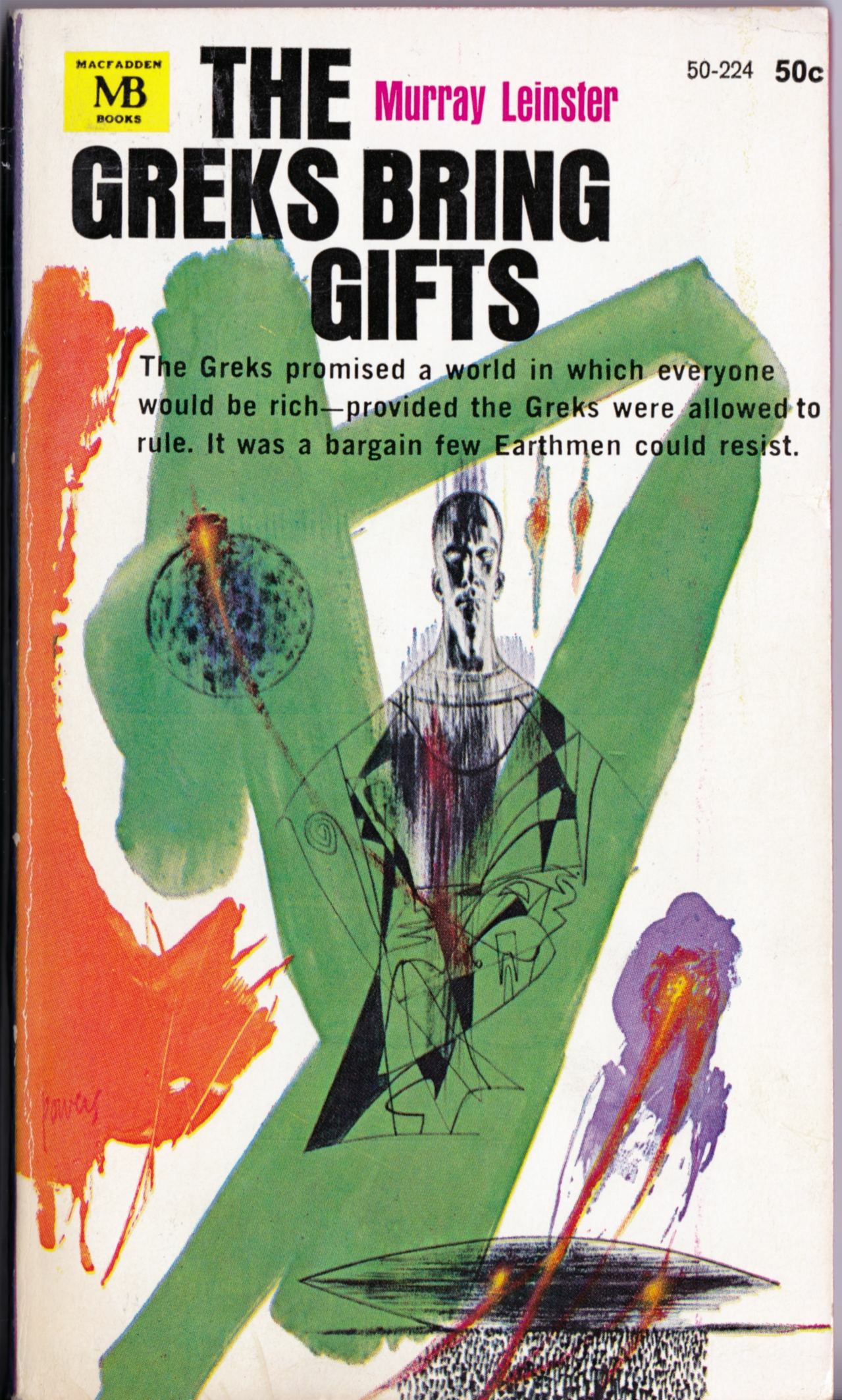
As the title of this post says, here are three more SF covers with art by Richard Powers, scanned by yours truly from my own Private Idaho of brittle old paperbacks.
[CLICK IMAGES TO ENLARGE]
ABOVE: Edgar Pangborn, A Mirror for Observers (New York: Dell, 1958), with cover art by Richard Powers.
ABOVE: Murray Leinster, The Greks Bring Gifts (New York: Macfadden Books, 1964), with cover art by Richard Powers.
ABOVE: Robert Wells, The Spacejacks (New York: Berkley, 1975), with cover art by Richard Powers.
Click here to view all of the covers with art by Richard Powers that I’ve scanned and posted so far.
Keywords:A Mirror for Observers, The Greks Bring Gifts, The Spacejacks.
More scans from the paperback library of yours truly:
[CLICK IMAGES TO ENLARGE]
ABOVE: Leigh Brackett, The Big Jump (New York: Ace, 1968), with cover art by Jeffrey Jones.
ABOVE: David Grinnell, Across Time (New York: Ace, 1968), with cover art by Jeffrey Jones.
ABOVE: Lin Carter, Thongor and the Wizard of Lemuria (New York: Berkley, 1969), with cover art by Jeffrey Jones.
ABOVE: Kenneth Bulmer, Kandar (New York: Paperback Library, 1969), with cover art by Jeffrey Jones.
To view all of the paperback and other covers with art by Jeffrey Jones that I’ve posted so far, click here. And fair warning: I still have a few more left to scan!
Keywords:The Big Jump, Across Time, Thongor and the Wizard of Lemuria, Kandar.
Here are three more covers with art by Jeffrey Jones, scanned from the copies I have on hand at RCN headquarters here in the Queen City and posted below in order of publication:
[CLICK IMAGES TO ENLARGE]
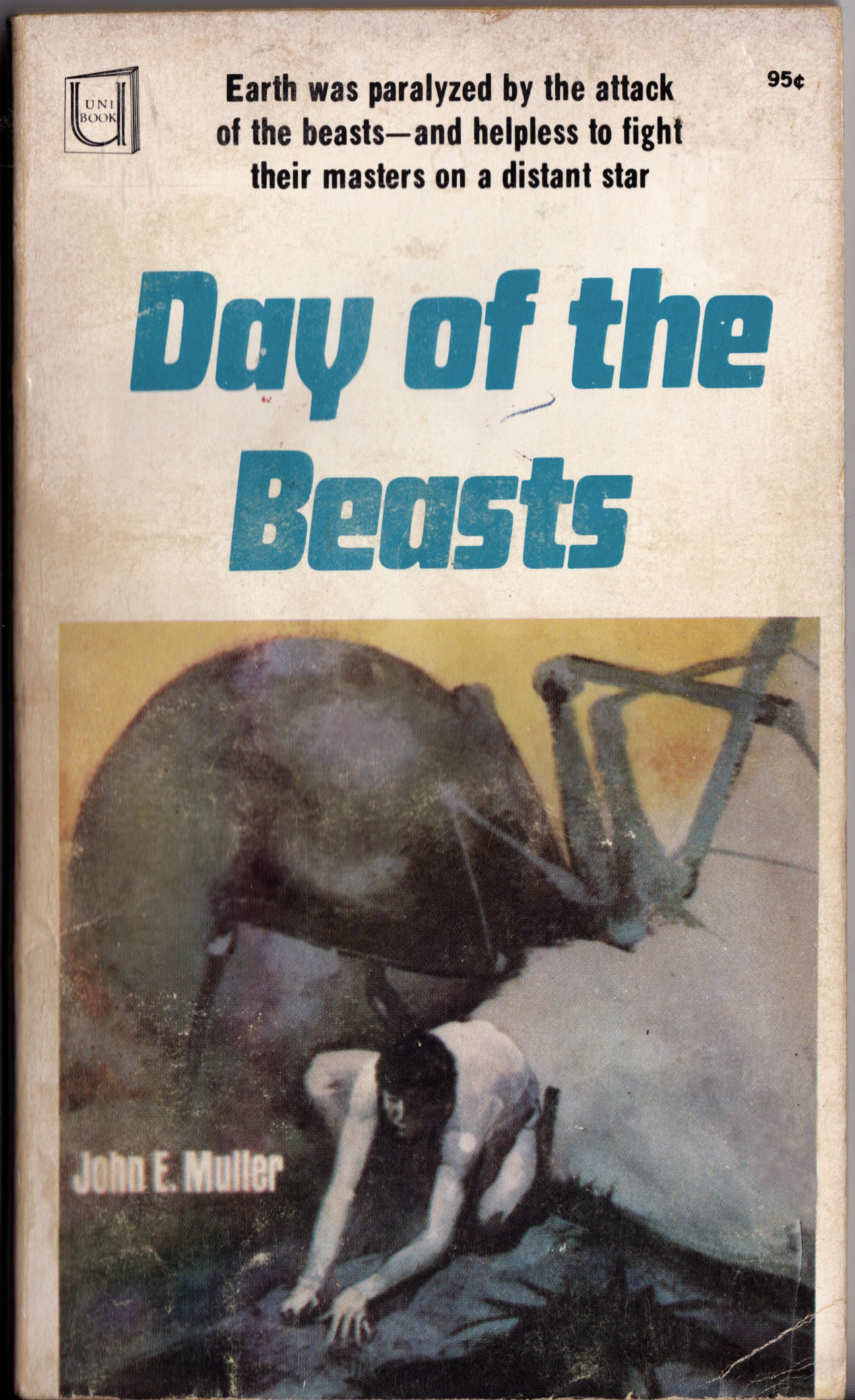
ABOVE: John E. Muller, Day of the Beasts (New York: Modern Promitions, n.d.), with cover art by Jeffrey Jones.
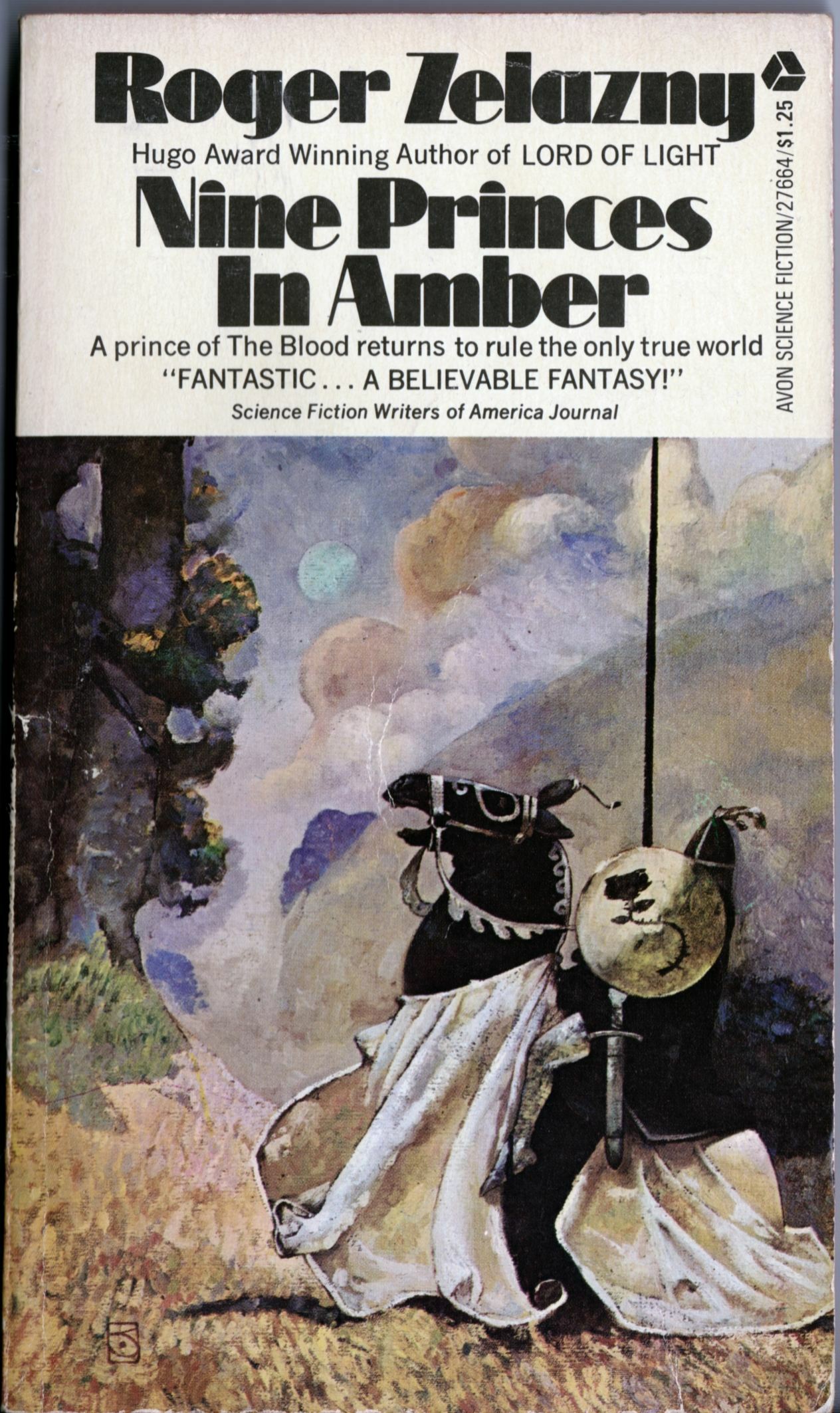
ABOVE: Roger Zelazny, Nine Princes in Amber (New York: Avon, 1972), with cover art by Jeffrey Jones.
You can see the photo reference for the first cover — which, in terms of draughtsmanship and painting technique, I would describe as the weakest of the three, though I do find the composition interesting — on Jeffrey Jones’s official Web site. It’s the first image on this page, right beside the figure reference for the painting Age of Innocence.
The N. C. Wyeth influence is pretty obvious in Jones’s Nine Princes cover — see, for instance, Wyeth’s paintings for Robin Hood, etc. Years later, Jones revisited the idea of the knight on horseback in his Game of Thrones painting. Notice how the Wyeth influence is no longer right on the surface in the later painting but has been absorbed and transformed into a style that is less about trying on techniques and motifs like pieces of clothing and more about the pleasure of manipulating and thinking in paint.
Keywords:Day of the Beasts, The Dirdir, Nine Princes in Amber.
Deathbird Stories
by Harlan Ellison
(preorder–to be published in December)
Dust Jacket by Gnemo.
Lettered: $500
Limited: $125 ISBN: 978-1-59606-084-5
Trade: $45 ISBN: 978-1-59606-085-2
Length: 416 pages
Subterranean Press is proud to present the expanded, definitive edition of Harlan Ellison’s landmark collection of stories, in an oversize hardcover edition.
SOME BOOKS BECOME CLASSICS
For more than three decades this singular collection of stories in which the New Gods of freeways, and slot machines, internal combustion deities and evil so enormous that it swallows the streets in shadow, for more than thirty years the power of this book has compelled the attention of not only readers of imaginative bent, but the praise of hard-line literary critics. One cannot codify modern literature of the fantastic without including a reference or selection from this dark book of godly and troubling stories that will not be ignored.
SOME WRITERS BECOME LEGENDS
Ellison. Harlan Ellison. He wrote this book midway toward the earliest acclaim of a career that now goes into sixty years. He’s still with us. the enfant terrible has become an eminence gris but the tongue remains sharp, the wit unpredictable, the manner still singular. He has outwritten and outlived his caste, and the words in this book carry the fire and truth of his career.
Lettered: 26 deluxe bound hardcovers, housed in a custom traycase
Limited: 500 signed numbered copies, slipcased, bound in leather, with illustrated endsheets by Leo & Diane Dillon
Trade: Fully cloth bound hardcover edition
Table of Contents:
* Foreword: Oblations at Alien Altars
* A Word about Time (*)
* From A to Z, in the Sarsaparilla Alphabet (*)
* The Whimper of Whipped Dogs
* Along the Scenic Route
* On the Downhill Side
* O Ye of Little Faith
* Scartaris, June 28th (*)
* Neon
* Basilisk
* The Face of Helene Bournouw
* Adrift Just Off the Islets of Langerhans: Latitude 38°54’N, Longitude 77°00’13’’W
* Rock God
* Bleeding Stones
* Ernest and the Machine God
* Delusion for a Dragon Slayer
* Corpse
* Shattered Like a Glass Goblin
* Pretty Maggie Moneyeyes
* Paingod
* At the Mouse Circus
* The Place With No Name
* The Man Who Rowed Christopher Columbus Ashore (*)
* The Deathbird
* Afterword: Moving in Mysterious Ways (*)
* A Word About the Cover Art (*)
Did you know that Deathbird Stories includes a short tale that was adapted for comics, with art by Al Williamson and Carlos Garzon? The story is “Along the Scenic Route,” and the adaptation first appeared in Ariel: The Book of Fantasy #3 (April 1978) and was reprinted in the more recent collection, Al Williamson Adventures (Insight Studios Group, 2003).
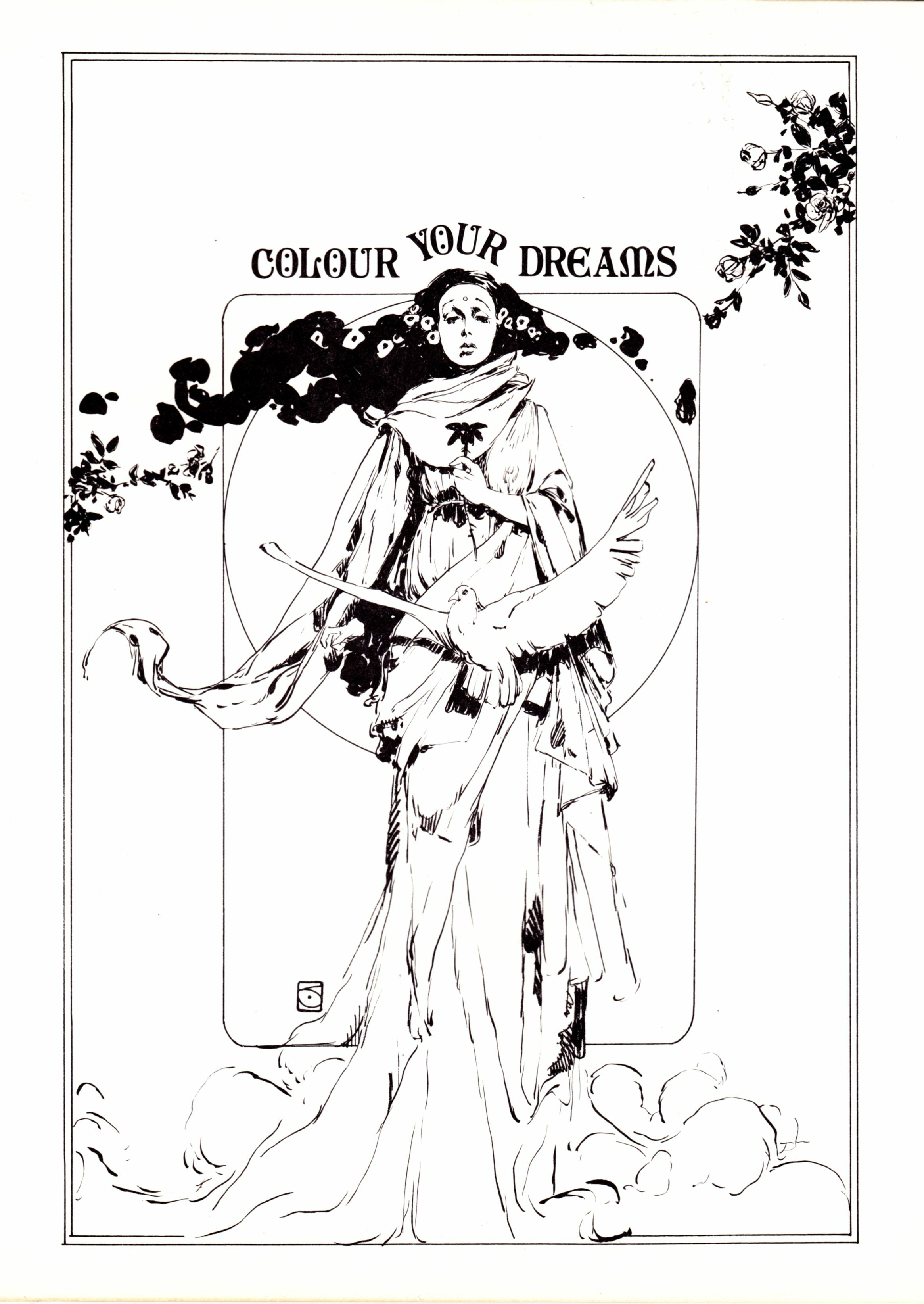
ABOVE:Colour Your Dreams (Springfield, Virginia: Capitol City Comics, 1972), front cover, by Jeffrey Jones.
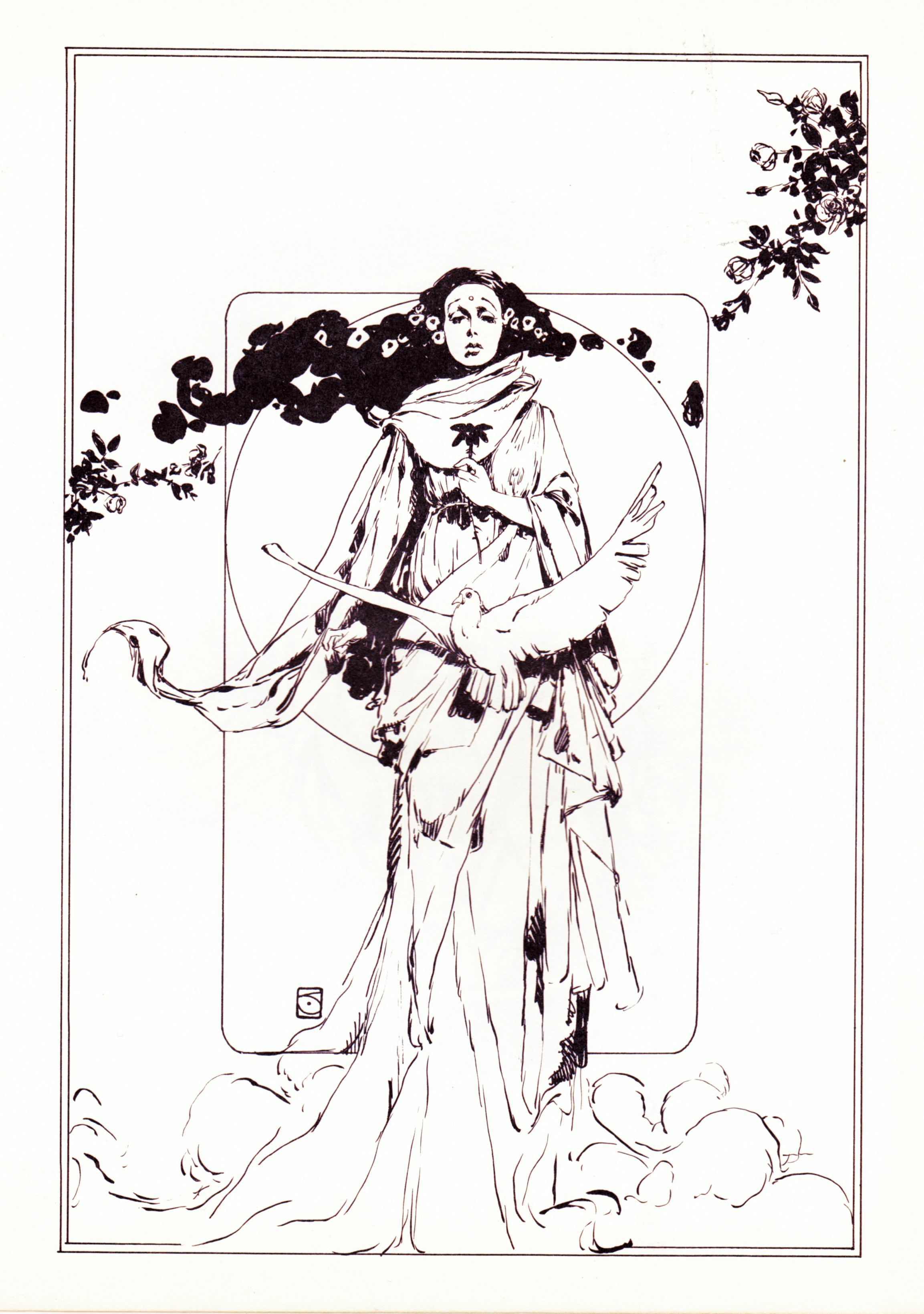
ABOVE:Colour Your Dreams (Springfield, Virginia: Capitol City Comics, 1972), back cover, by Jeffrey Jones.
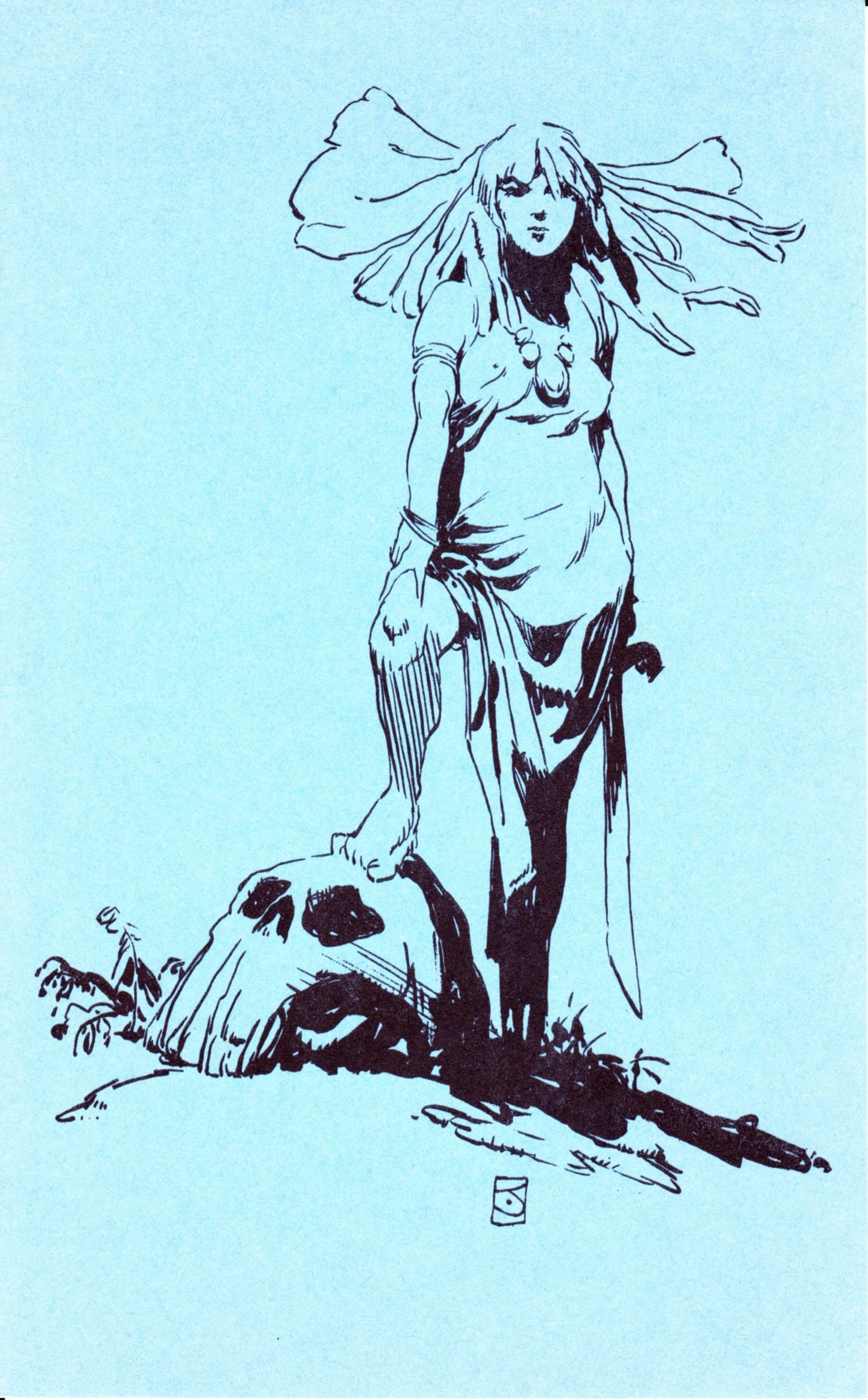
ABOVE: Jeffrey Jones, blue postcard, 5 x 8 inches.
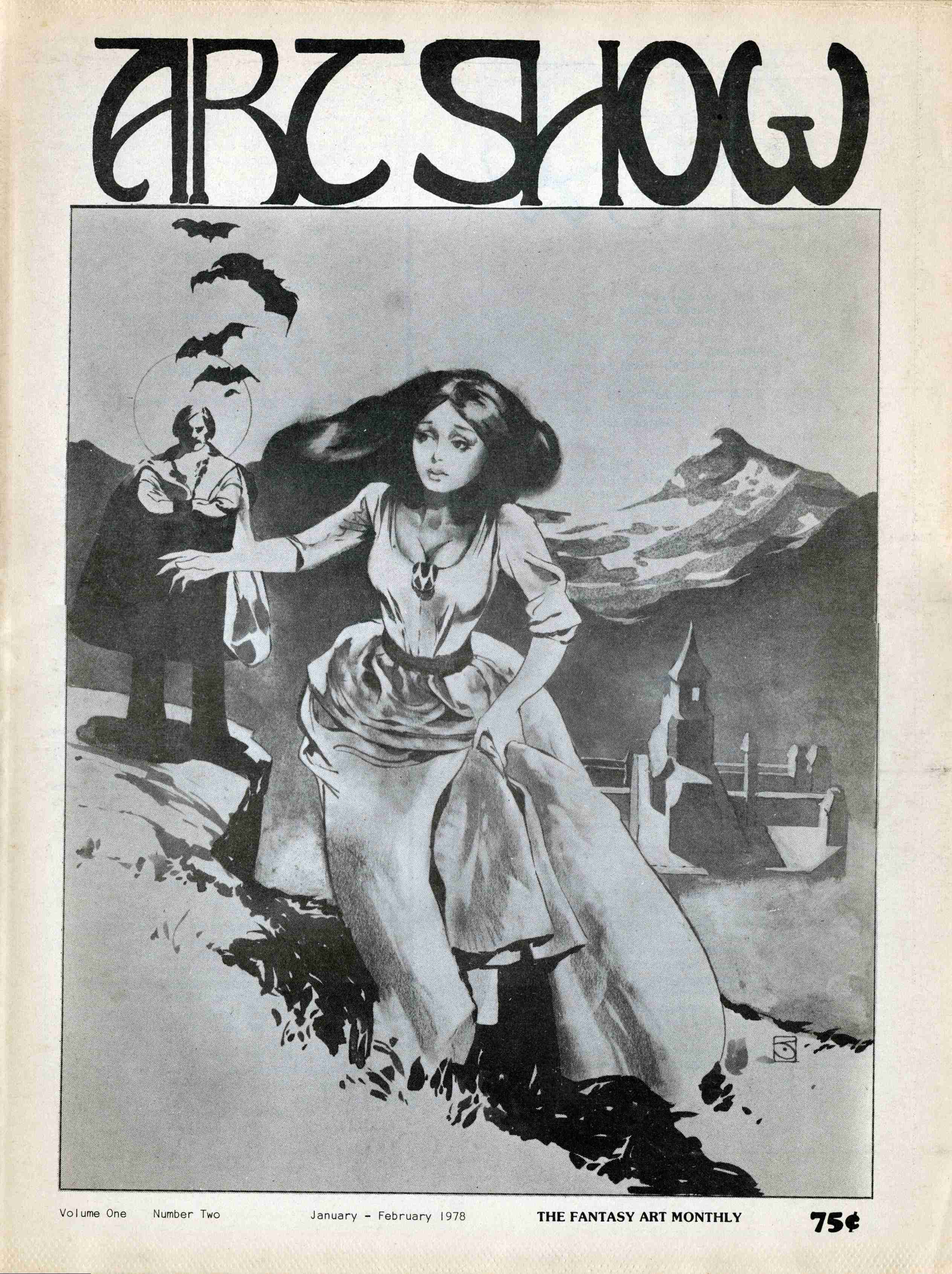
ABOVE:Art Show: The Fantasy Art Monthly volume 1, number 2 (January-February 1978), with cover art by Jeffrey Jones.
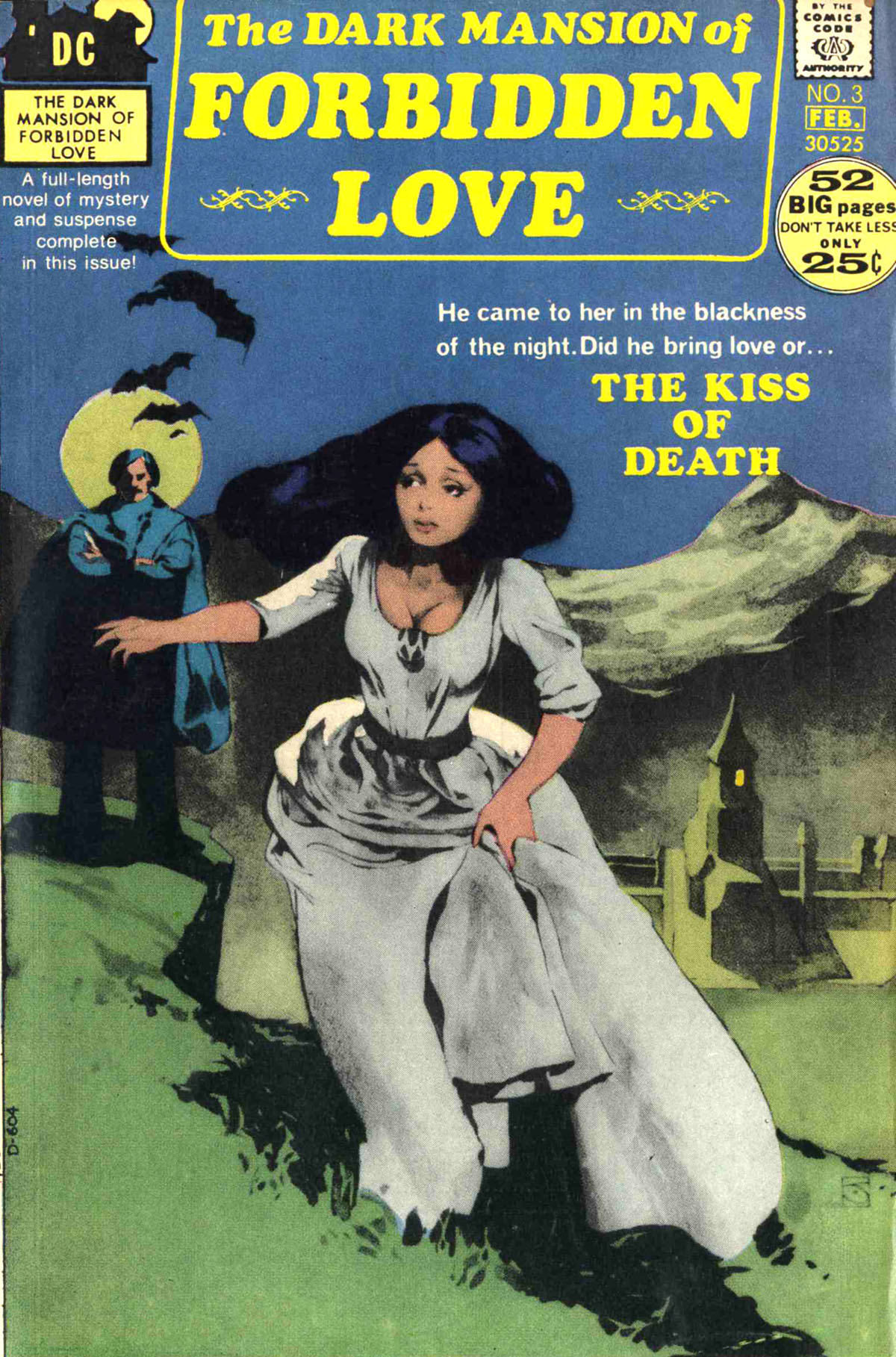
ABOVE:The Dark Mansion of Forbidden Love volume 2, number 3 (Jan.-Feb. 1972), with cover art by Jeffrey Jones.
No, I didn’t win that copy of Dark Mansion of Forbidden Love from an ebay auction, but I thought you might appreciate having a scan readily available to compare with the black-and-white original art that appeared on the cover of Art Show. As you can see, it was the fact that Jones’s original black-and-white artwork was mostly continuous tone that gave the Dark Mansions cover its striking appearance, which I’d characterize as somewhere between a typical comic book cover and a hand-coloured photograph.
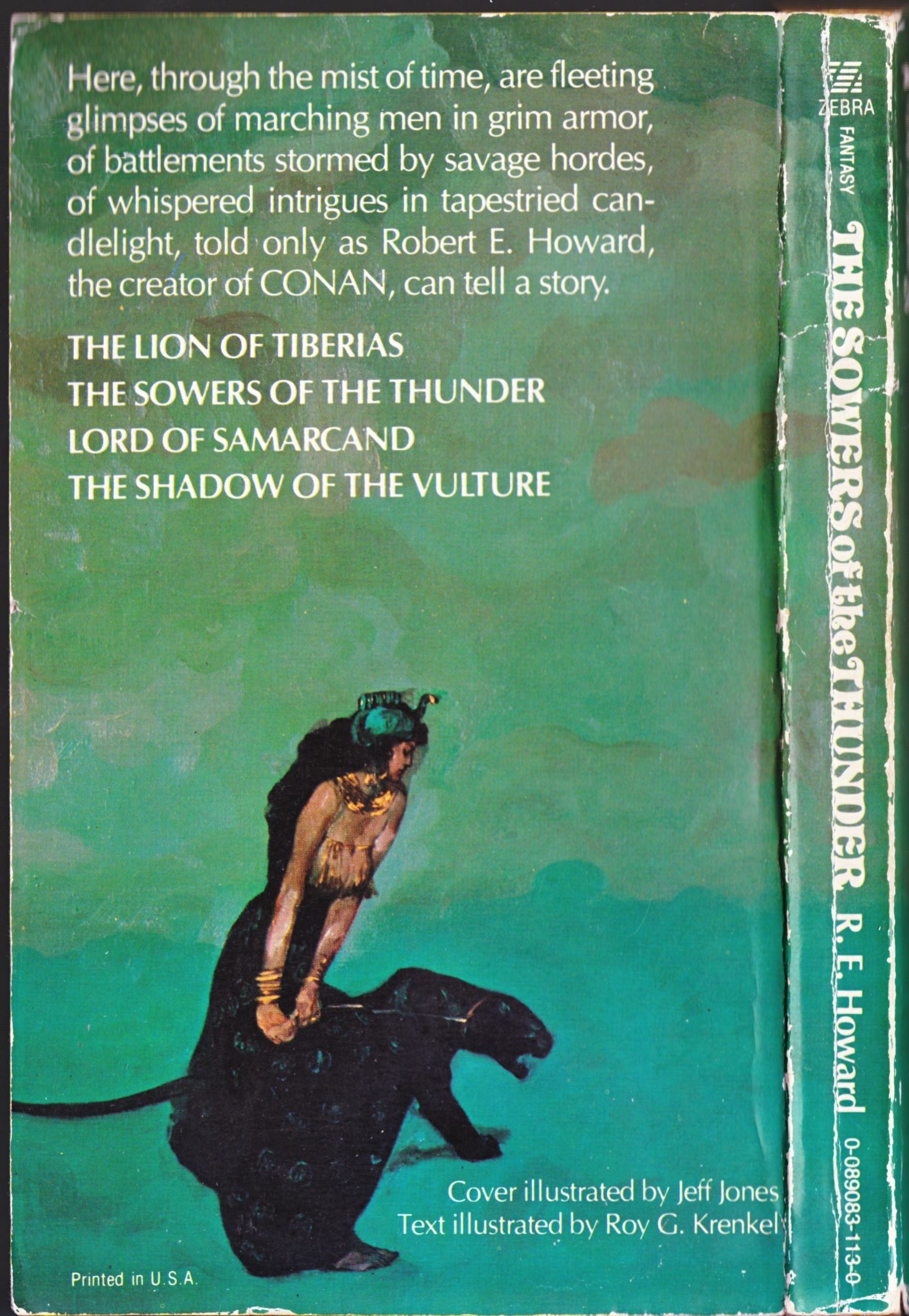
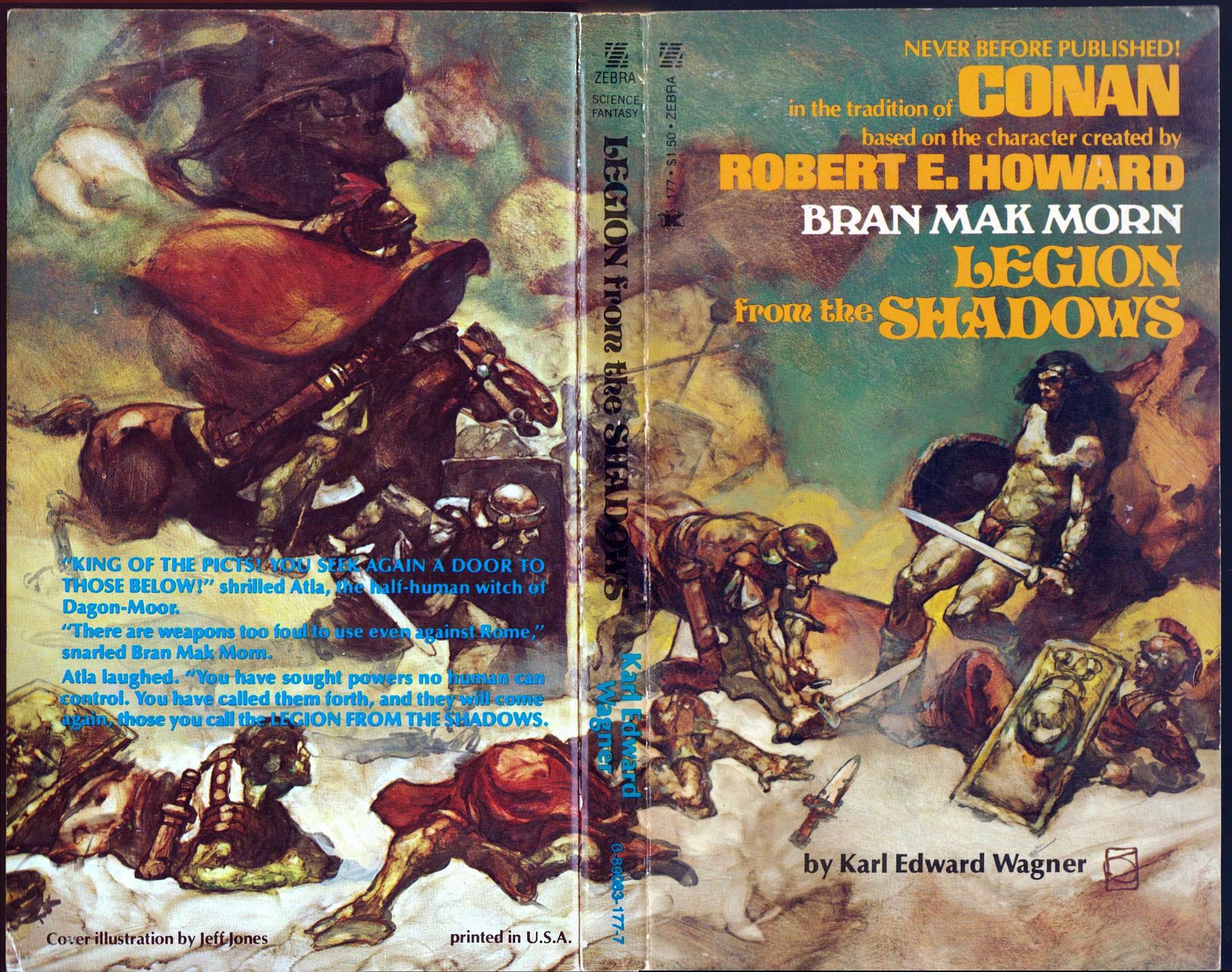
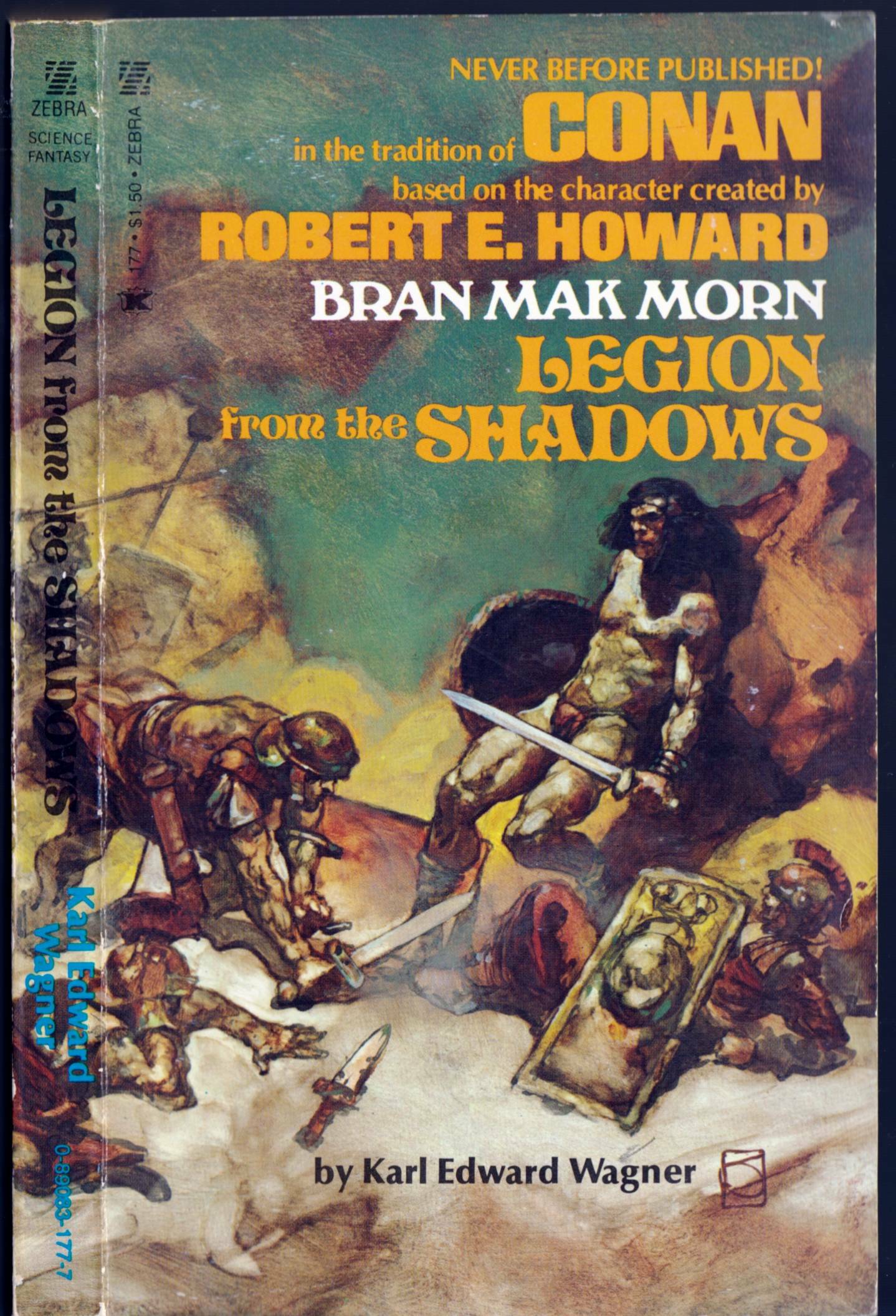
As I noted on this blog a long time ago, Jones’s paintings for Zebra Books/Kensington Publishing Corporation were one of the high points of the artist’s career as a cover artist. What I find interesting when I compare the two covers posted below, though, is the difference in Jones’s imagery and technique from one to the other. Whereas Legion from the Shadows features a rather abstractly composed fantasy battle scene delineated in thin washes of oil paint with relatively little opaque overpainting — some of the lightest lights in the painting have been created simply by wiping out the paint to expose the white ground — The Sowers of the Thunder explicitly hearkens back to the imagery and technique of James McNeill Whistler as evidenced in works such as Variations in Flesh Colour and Green: The Balcony and The Artist’s Studio, both of which I’ve included below for the sake of easy comparison. Whistler and Robert E. Howard — an odd couple if ever there was one!
[CLICK IMAGES TO ENLARGE]
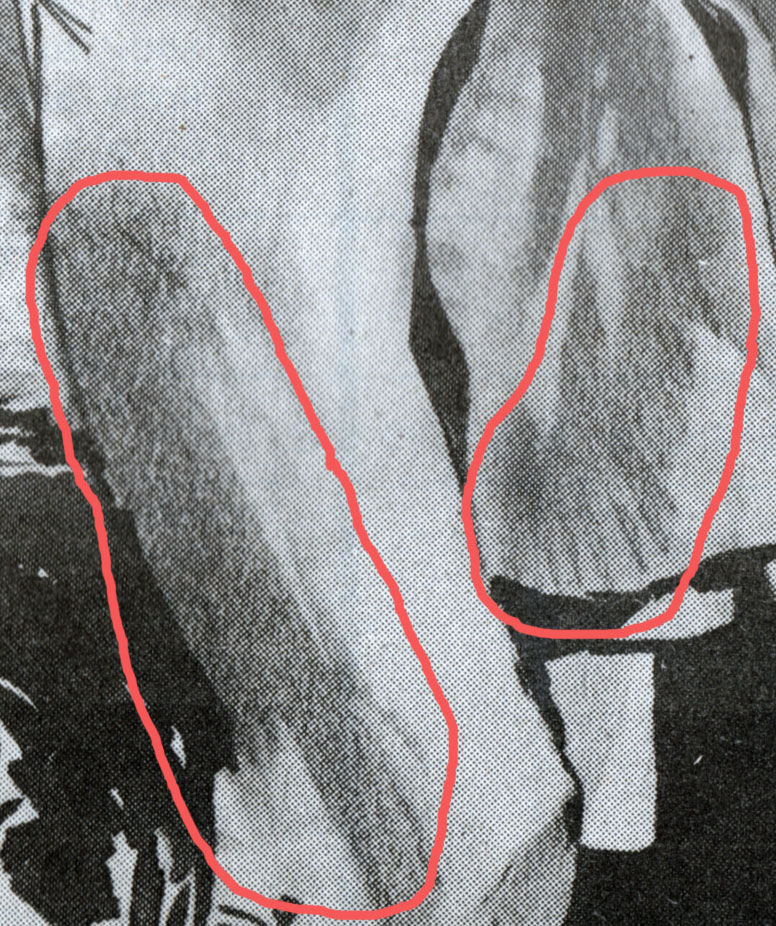
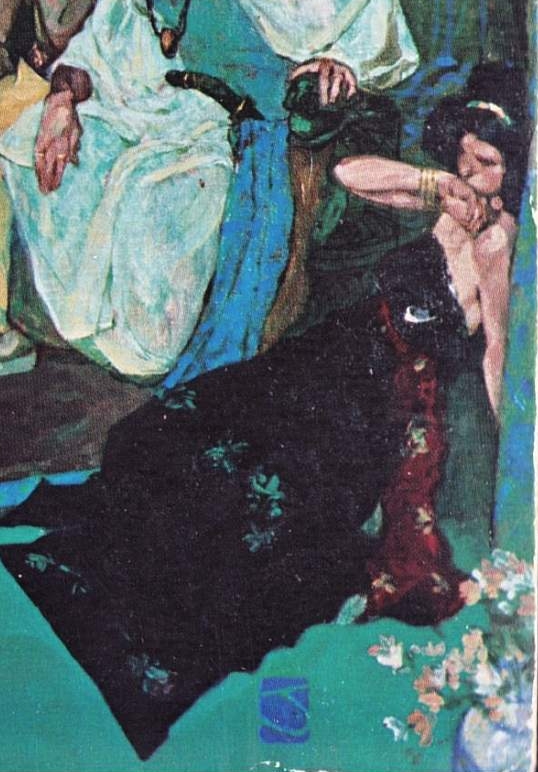
The final two images above provide a comparison between the figure in the right foreground of The Sowers of the Thunder and the original art for one of the plates in Jones’s As a Child portfolio (Colchester, CT: Black Lotus, 1980).
Keywords: Bran Mak MOrn, The Sowers of the Thunder, Legion from the Shadows.









 Ragged Claws Network