"This day's experience, set in order, none of it left ragged or lying about, all of it gathered in like treasure and finished with, set aside." –Alice Munro, "What is Remembered"
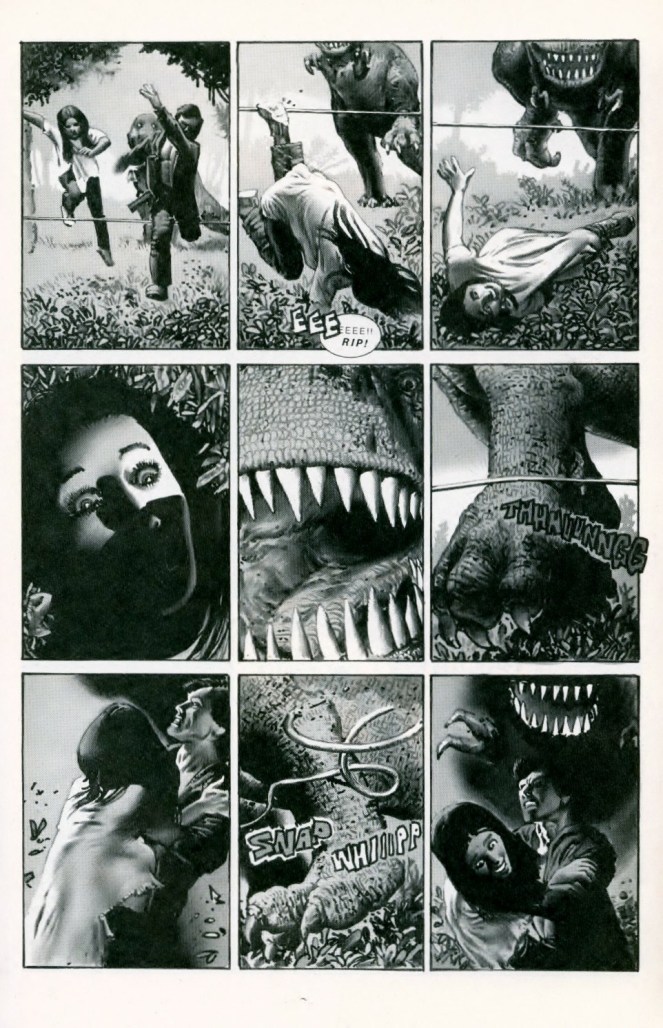
Next weekend, if you’ve got the bucks, and you’re quick on the draw, you could be the proud owner of the original art for a page like this:
According to a recent email announcement from Dona Corben, “Corben comic art pages will go on sale Saturday, November 20th, at Noon, Central time. The pages are up for ‘viewing only’ now. The prices will be posted when the sale goes live on Saturday, the 20th.” Included in the sale will be pages from Hellboy: Crooked Man, Rip in Time, and Swamp Thing #7 and #8.
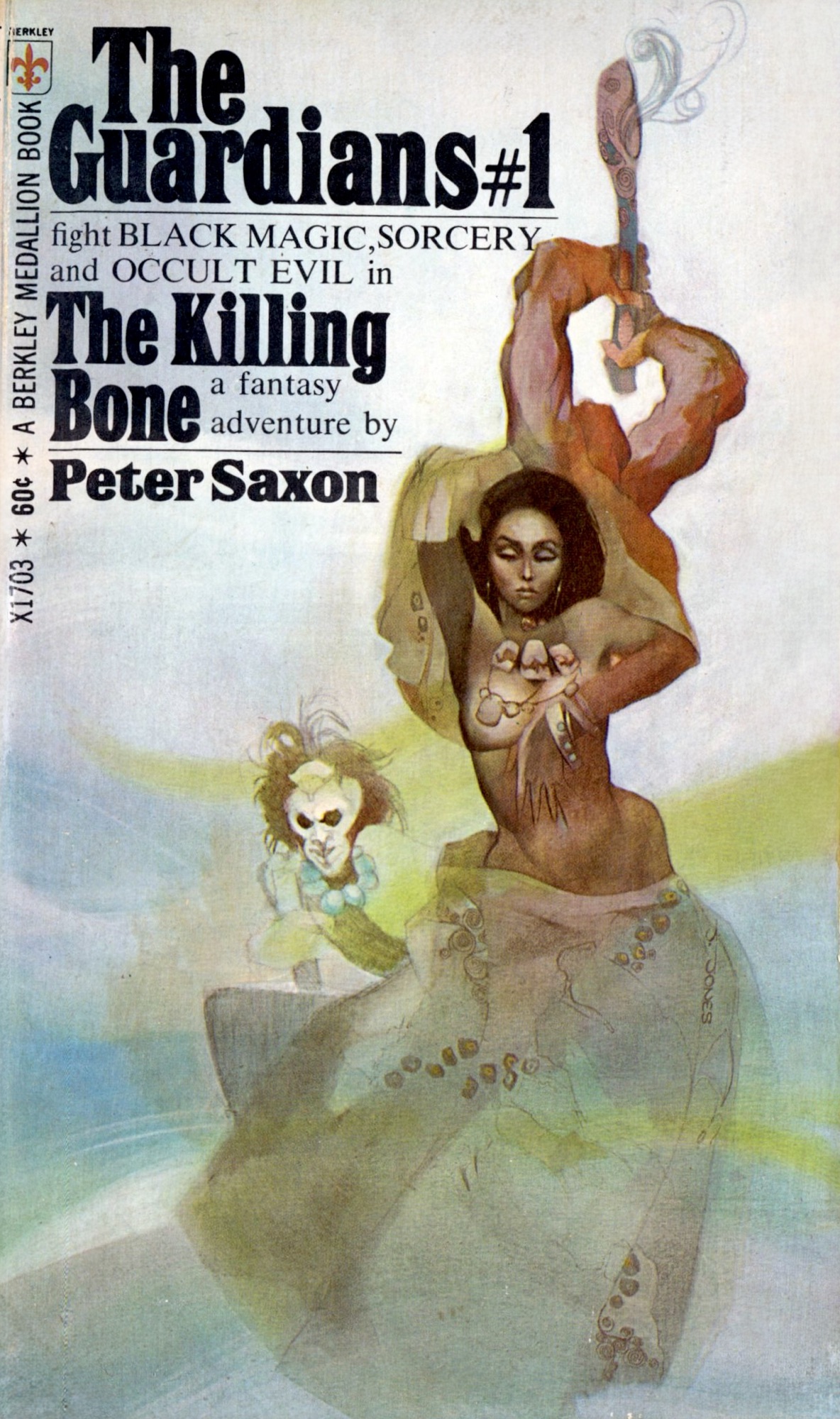
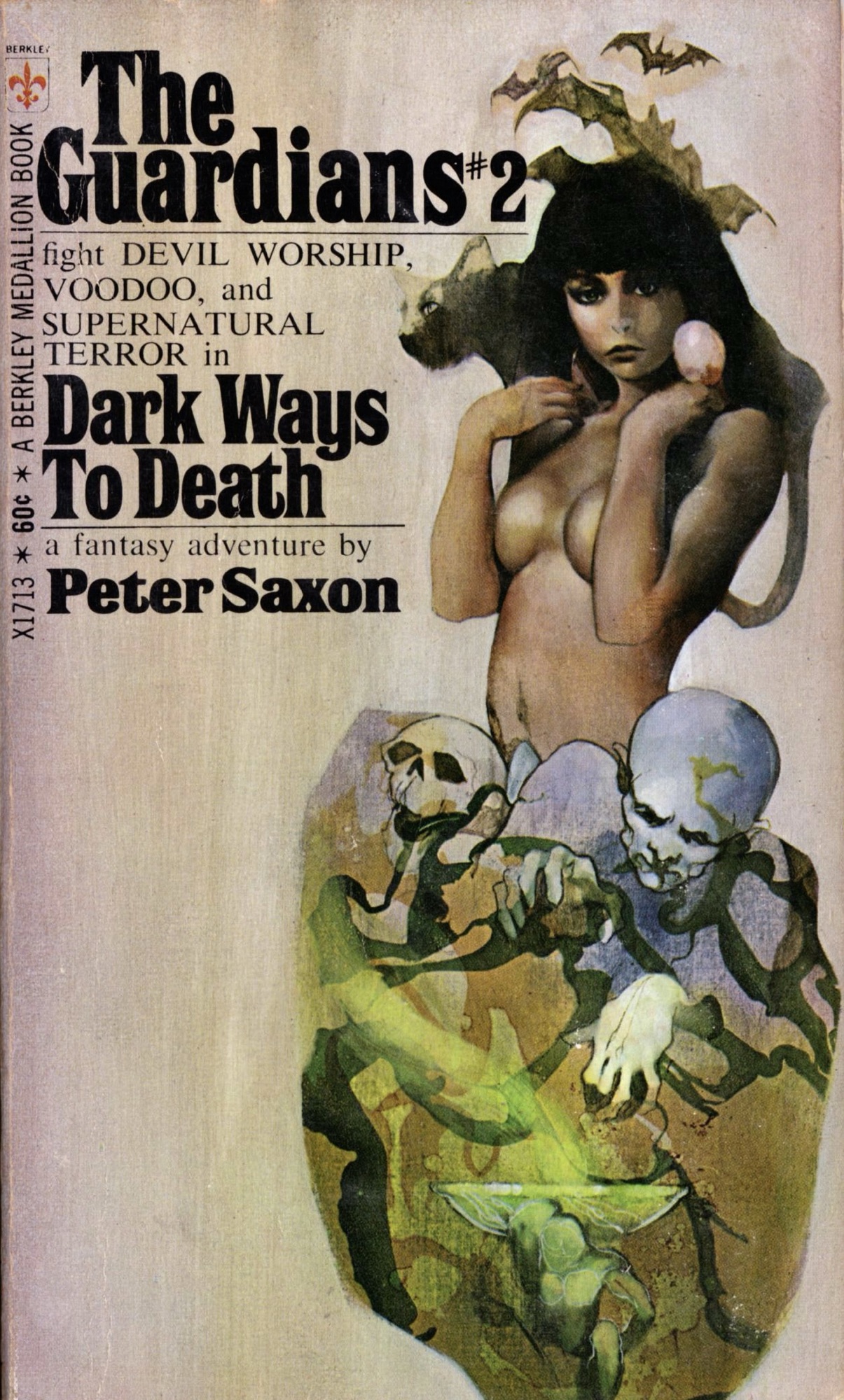
My apologies in advance to a certain frequent visitor to this blog who is tired of my ongoing series of posts featuring the art of Jeffrey Jones, but I rescued these zine cover scans from three auctions that ended yesterday, and just had to share them:
In a promotional clip for the forthcoming documentary, Better Things: Life + Choices of Jeffrey Jones, that used to be available for viewing on the documentary’s official Web site, Michael Kaluta talked about the galvanizing impact the painting that appeared on the cover for Trumpet #8 had on him and his friends, but it looks like a fairly routine student effort to me. I guess you had to be there…
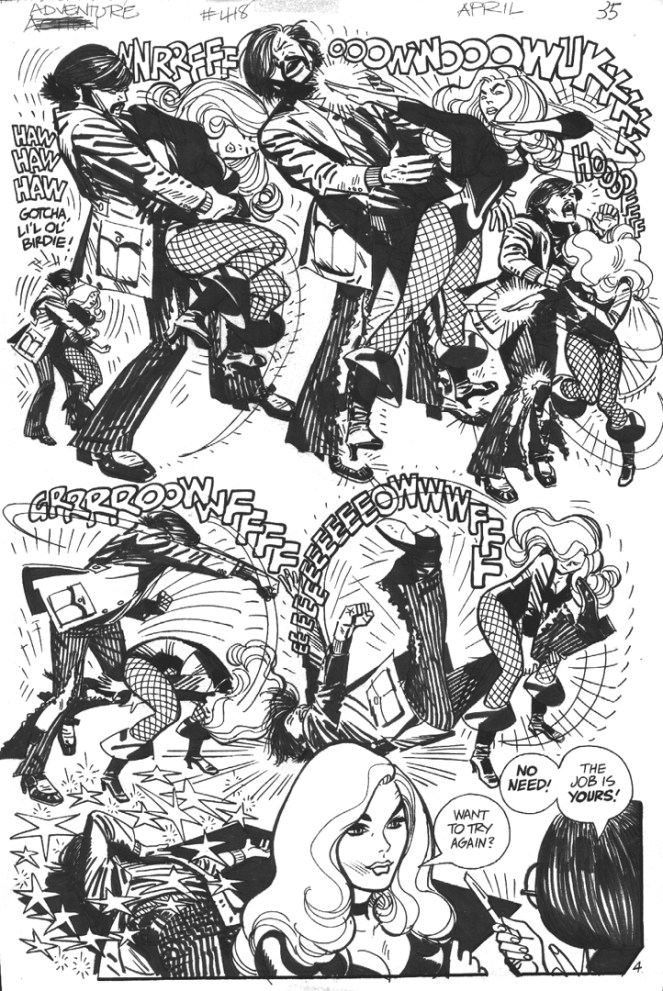
I know you want it, but I don’t own the following page, so don’t bother asking me if it’s for sale; I also don’t know who does own it, so don’t bother asking me about that, either:
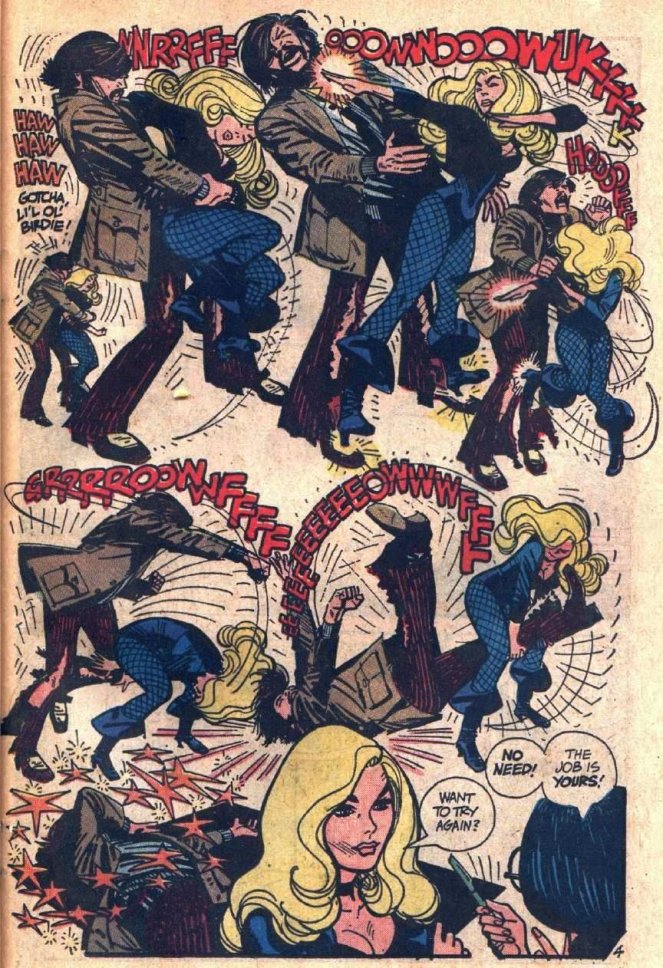
Man, that page looks so much better in black and white than it does in colour! Toth drawing Black Canary was a match made in heaven.
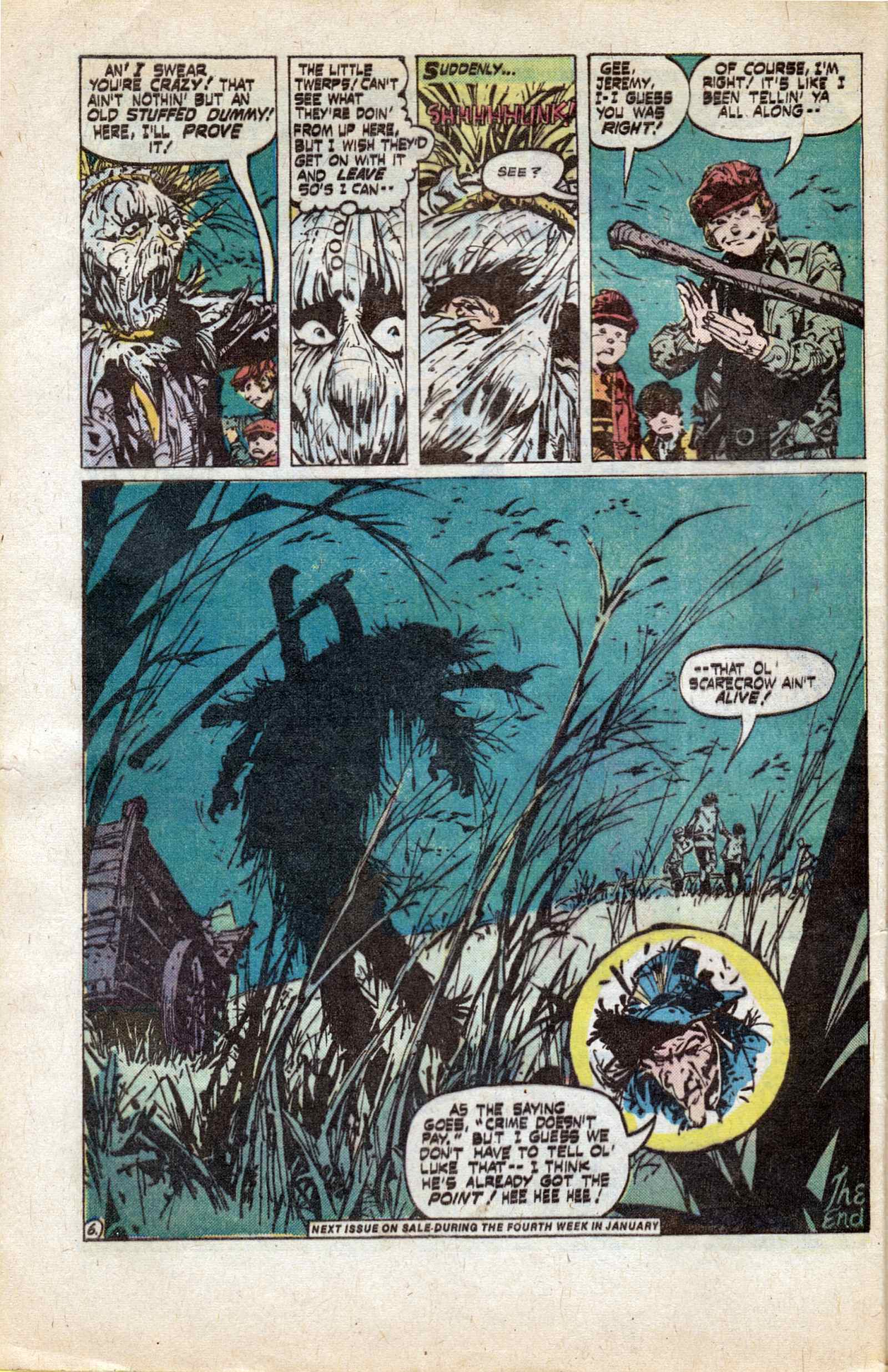
Scanned within the past hour by yours truly from a worn copy of Weird Mystery Tales #16 (Feb.-Mar. 1975), and posted here at RCN a few of days too late to celebrate Halloween, “Neely’s Scarecrow” features a “story” by David Michelinie and art by the great Alex Nino:
[CLICK IMAGES TO ENLARGE]
ABOVE: Jack Vance, The Dirdir (New York: Ace, 1969), with cover art by Jeffrey Jones.
It’s the art that’s the sole attraction here. Nino’s visual storytelling is impeccable.
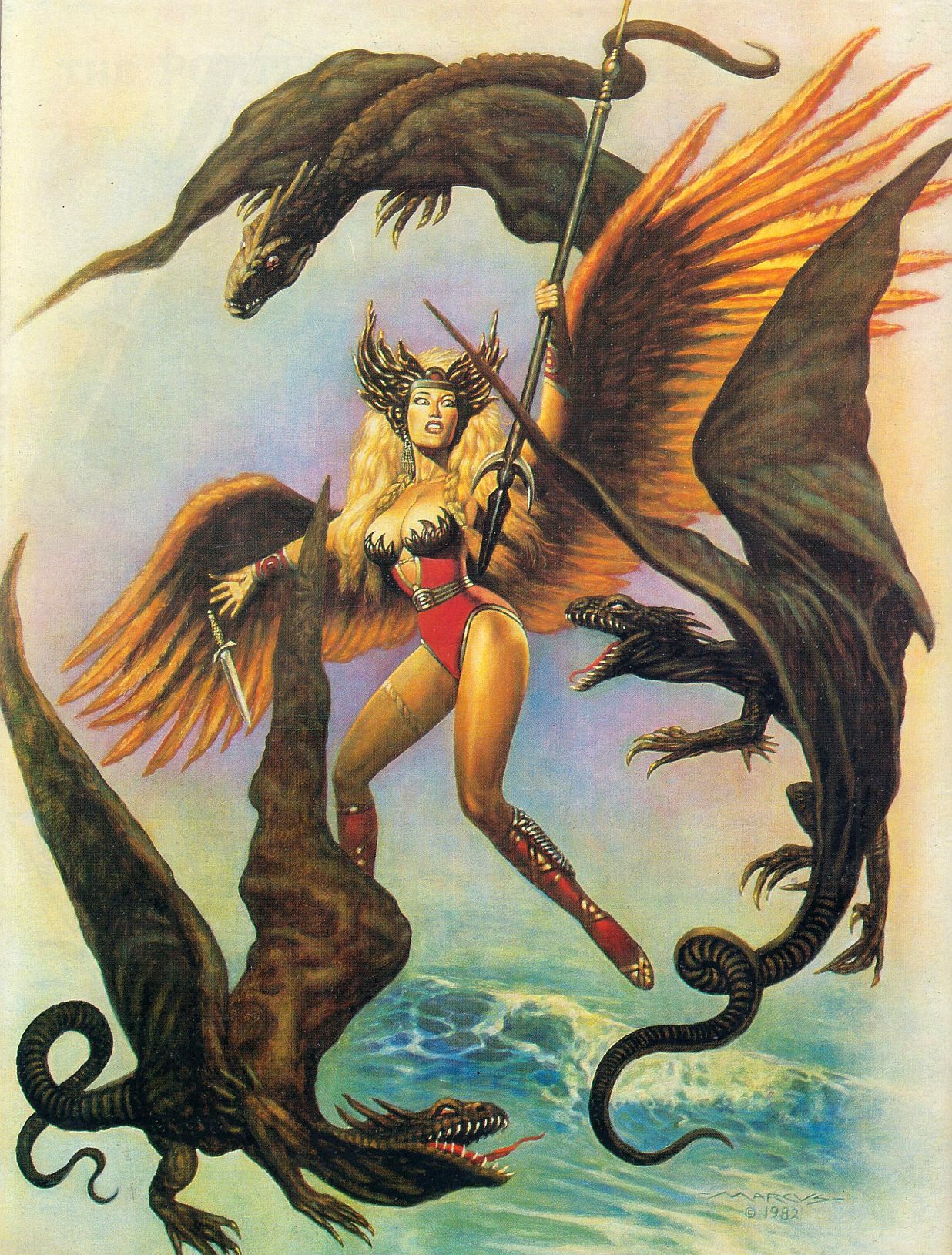
Well… in all fairness, the two paintings posted below are different enough that I probably should have tossed this post into the “Connections” category. And you know what? I think I might have done so, if only Boas’s style here weren’t every bit as derivative as his concept…
[CLICK IMAGES TO ENLARGE]
ABOVE: Frank Frazetta, The Dark Kingdom, Creepy, vol. 1, no. 9 (June 1966).
ABOVE: Marcus Boas, untitled illustration, signed and dated 1982, back cover, Heroic Fantasy, vol. 1, no. 1 (February 1984).
Marcus Boas’s debt to Frazetta in the above painting is clear enough, I think; however, in terms of painting technique, colour sense, and model types, Boas owes an even bigger debt to Boris Vallejo circa 1980. Because the fact is, Boas’s Heroic Fantasy painting is pure pastiche. It has nothing original about it other than the poorly designed creatures whose misshapen wings are attached to their bodies by wishful thinking rather than by anatomy and the inevitable awkwardness that seems to emerge whenever a mediocre illustrator attempts to make changes to a composition he has cribbed from an acknowledged master.
BONUS IMAGES:
Two covers by Boris Vallejo, scanned from the paperback library of yours truly:
ABOVE: Donald J. Pfeil, Through the Reality Warp (New York: Ballantine, 1976), with cover art by Boris Vallejo.
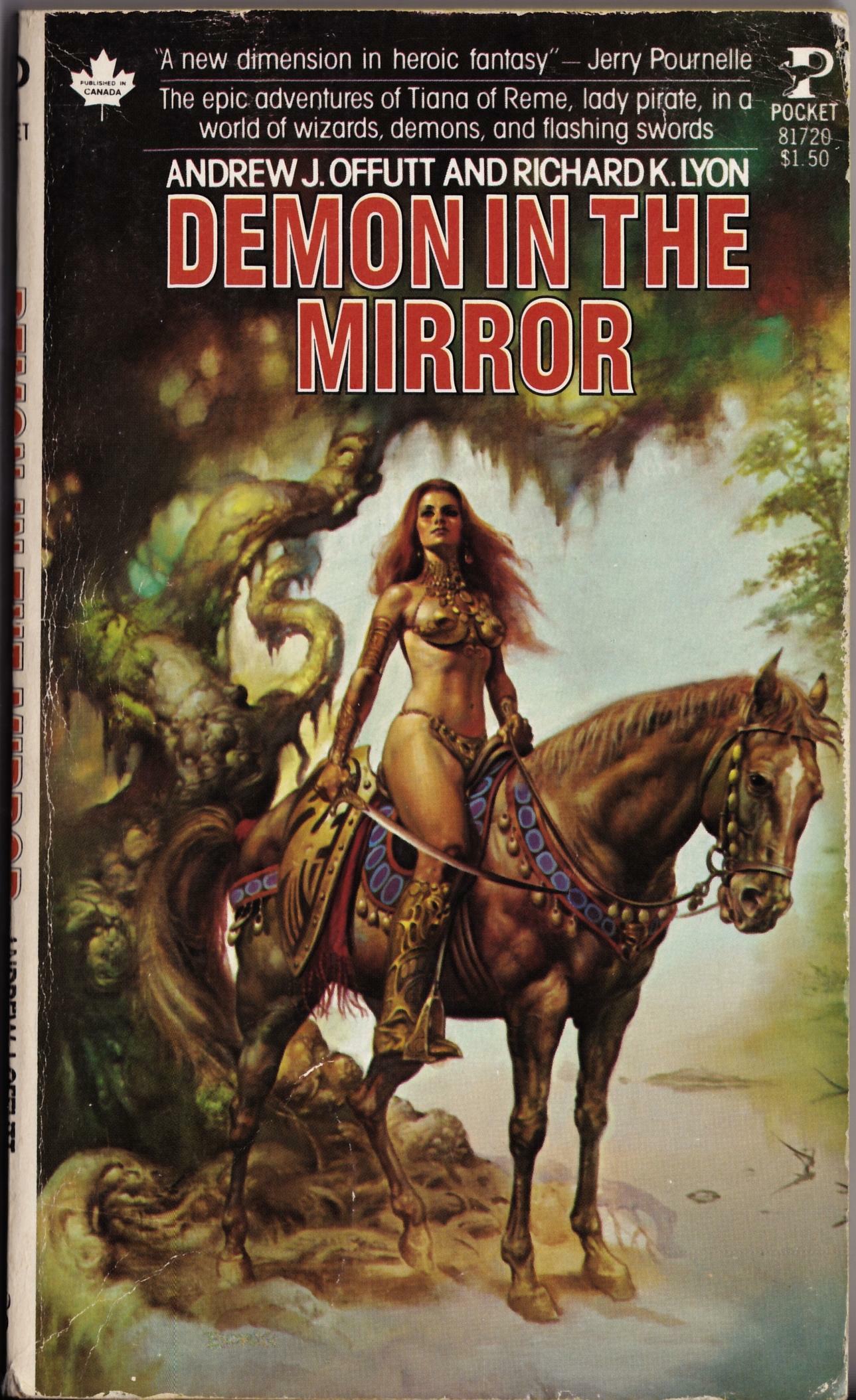
ABOVE: Andrew J. Offutt and Richard K. Lyon, Demon in the Mirror (New York: Pocket Books, 1978), with cover art by Boris Vallejo.
As I recall, Boris’s un-Frazetta-like cover for Demon in the Mirror made a big impression on me as a teenager, and truth be told, it remains one of a handful of Boris’s covers that I quite like. In recent years, Boris has unfortunately transformed his fantasy art into a platform to indulge what can only be described as a personal fetish for the bodybuilder physique, both male and female. Notice, however, that no bodybuilders were recruited to pose and flex for either of the above covers — thank god!
Keywords:Through the Reality Warp, Demon in the Mirror.
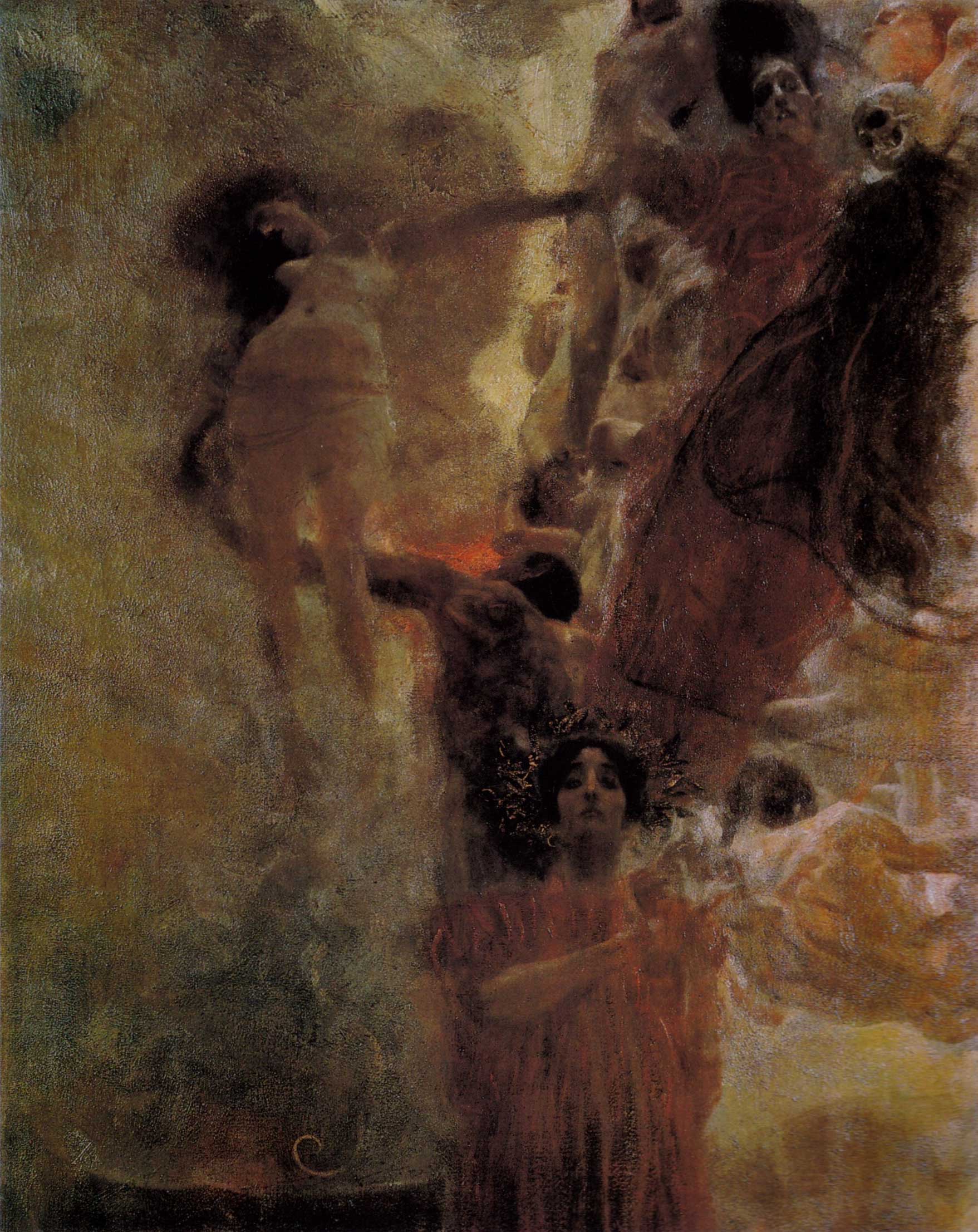
ABOVE: Gustav Klimt, Medicine (1900 – 1907), oil on canvas, 300 x 430 cm. Destroyed by fire in 1945.
ABOVE: Gustav Klimt, Medicine colour preliminary painting (1897 – 98), oil on canvas, 72 x 50 cm.
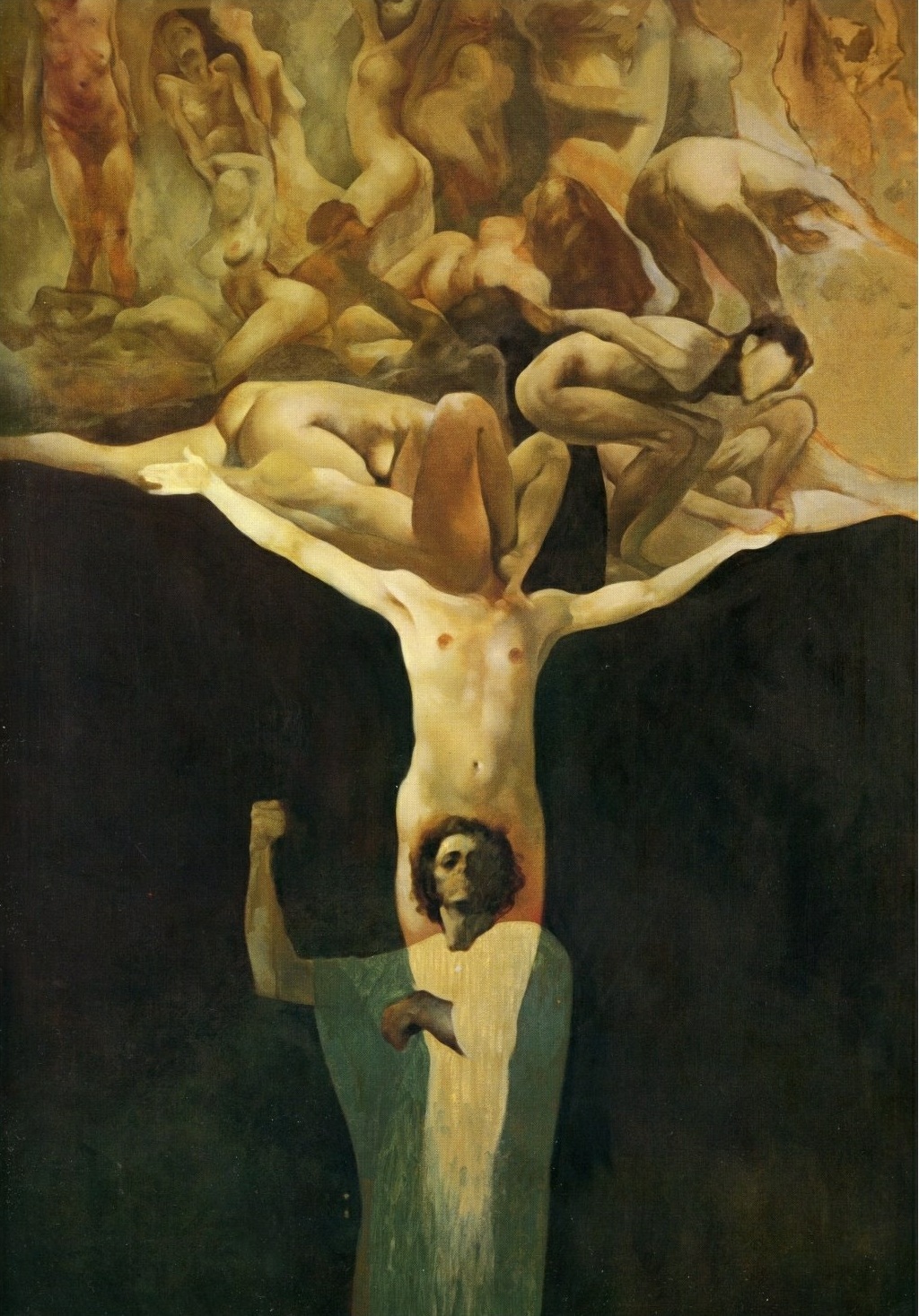
ABOVE: Jeffrey Jones, Ceremony (1970).
ABOVE: Jeffrey Jones, Tree (1971).
ABOVE: Gustav Klimt, Philosphy (1899 – 1907), oil on canvas, 300 x 430 cm. Destroyed by fire in 1945.
ABOVE: Gustav Klimt, Jurisprudence (1903 – 1907), oil on canvas, 300 x 430 cm. Destroyed by fire in 1945.
A handful of photographs and preparatory sketches are all that is left of Klimt’s controversial “Faculty Paintings.” All three — Philosophy (1900), Medicine (1901), and Jurisprudence (1903) — were destroyed in May 1945 when the retreating Nazis, who had illegally seized Klimt’s paintings from their legitimate owners, set fire to Schloss Immendorf, a castle in Lower Austria to which the paintings had been transported in 1943 for safe keeping.
P.S. The reason I’ve included the photo of Jurisprudence is simply to complete Klimt’s triptych for those who haven’t seen it. It’s not because I think it had a particular influence on the paintings by Jones included above.
P.P.S. Yes, I am aware that there are several other Klimt-inspired paintings by Jones. Maybe another time…
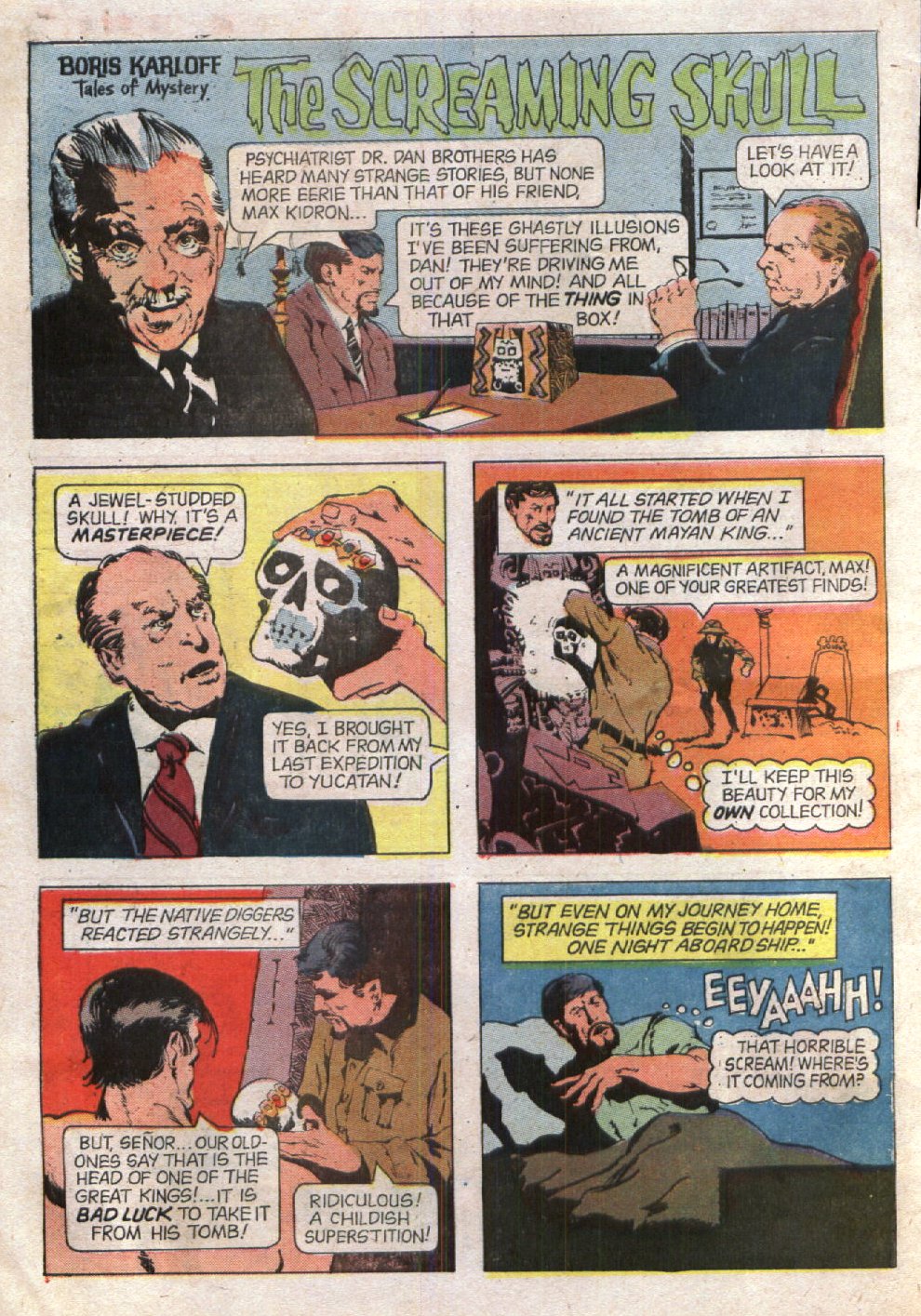
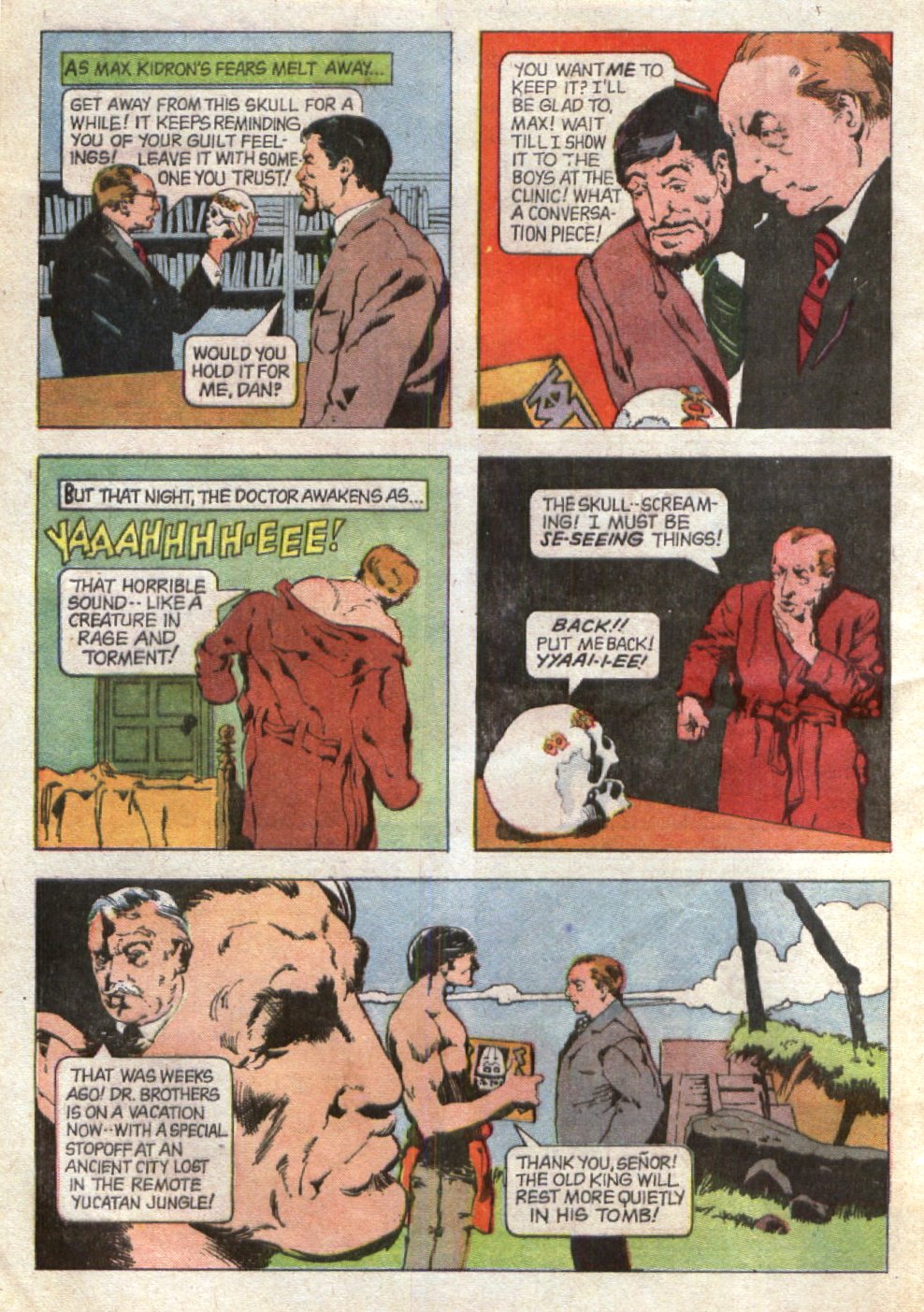
From Boris Karloff: Tales of Mystery #21, here — more for the sake of historical interest than for its intrinsic merit, which is slight — is “The Screaming Skull,” with art by Jeffrey Jones:
Published in March 1968, “The Screaming Skull” must have been among the first freelance jobs that Jeffrey Jones landed after he moved, with his wife and daughter, to New York in the winter of 1967 to look for work as an artist, and frankly, Jones’s inexperience shows. But keep in mind…
“Beginnings are always messy” — John Galsworthy
“There are two mistakes one can make along the road to truth — not going all the way, and not starting.” — Gautama Buddha
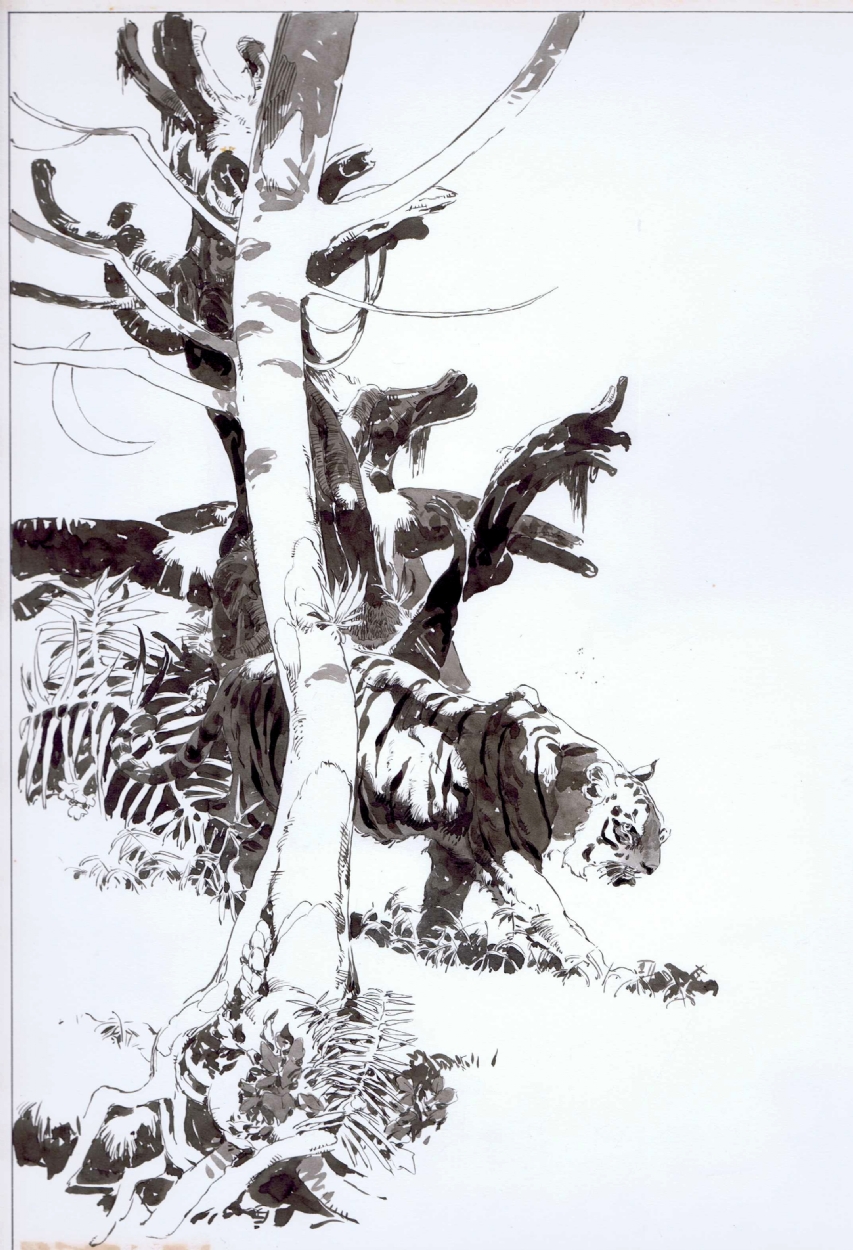
ABOVE: Jeffrey Jones, original art for “Extraordinary Verse: ‘The Tiger’ by William Blake,” Vampirella #34 (June 1974). From the collection of Rob Pistella.












 Ragged Claws Network