Connections · Dave Cooper · Look There · William Blake

Look There: Selections from Dave Cooper’s “Bent” at wired.com

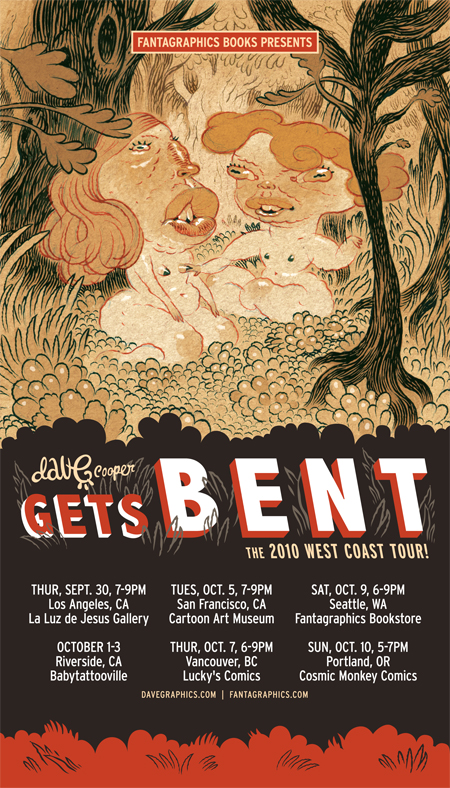
Underwire: Dave Cooper’s Comics Grotesquerie Gets Bent (With a Nod From Del Toro)

[CLICK IMAGE TO VISIT THE RECOMMENDED SITE]

When I first saw the above image, I was immediately reminded of William Blake’s The Whirlwind of Lovers:

william-blake_the-whirlwind-of-lovers_1824-1826

A frivolous comparison? Perhaps…

Dave Cooper’s Bent is published by Fantagraphics Books. To get Bent directly from the publisher, click here.

Also, Dave Cooper is on tour to promote his book. Visit the Fantagraphics FLOG! blog for details and updates.

Book/Magazine Covers (All) · Connections · Frank Frazetta · Illustration Art · Look Here

Connections: Frank Frazetta vs. Brent Anderson

The lesson here is: don’t swipe holus-bolus from a masterwork of illustration art unless you’re certain you have the chops to transform what you’ve swiped into a new image that doesn’t make viewers shake their heads in dismay not only at your lack of originality but also at your shaky grasp of the basic skills of a professional artist:

Book/Magazine Covers (Jones) · Connections · Jeffrey "Jeff" Catherine Jones · Look Here

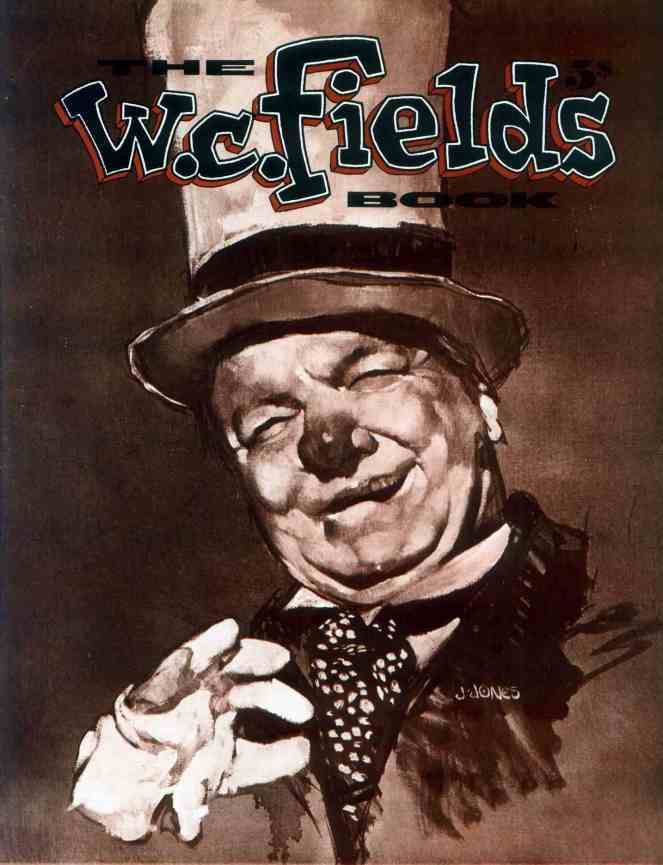
Look Here: “The W. C. Fields Book” cover by Jeffrey Jones

The W. C. Fields Book (Brooklyn: Wonderful Publishing Company, 1973) is identified in the indicia as a “special issue of Witzend (No. 9).” Witzend was an underground comics magazine launched in 1966 by E.C. legend Wallace Wood and published and edited by him until 1968, when he sold the magazine, for a buck, to Bill Pearson/Wonderful Publishing Company. Here’s the cover with Jones’s painting of W. C. Fields, which, by the way, is reprinted at a small size but sans text and in full colour on page 64 of Jones’s first solo art book, Yesterday’s Lily (Dragon’s Dream, 1980):

jeffrey-jones_cover_witzend-09

And here — SURPRISE! — is an extremely obscure illustration by Jeffrey Jones, published in black-and-white in National Lampoon, vol. 1, no. 23 (February 1972), along with an article entitled “The Thoughts of Chairman Fu-Manchu”; the painting has never, to my knowledge, been reprinted:

jeffrey-jones_the-thoughts-of-chairman-fu-manchu_national-lampoon-v1n23-feb1972_p66

The washy, rub-out style of the “Fu-Manchu” painting, which can be accomplished most easily with oil paints but is also possible in watercolour/gouache, was state-of-the-art in the late 1960s and early 1970s. Three of the best known practitioners were Society of Illustrators Hall of Fame inductees Bernie Fuchs, Burton Silverman, and David Levine, but many others tried their hands at it, too — including Jones, apparently. To learn how to do it in watercolour, all you need is a copy of Silverman’s Breaking the Rules of Watercolor, a selection of watercolour paints and brushes, a few rolls of good-quality paper towels, a large tube of white gouache, a stack of the heaviest weight Strathmore plate bristol you can find, AND THE PATIENCE OF JOB!

BONUS CONTENT:

Here’s an album cover, not by Jeffrey Jones, with a portrait of W. C. Fields that appears likely to have been based on the same photo reference of Fields as Jones used for his painting; the accoutrements are slightly different in the two portraits, but the face, I think, is a dead giveaway:

w-c-fields-his-only-recording

I suppose it’s also possible that one portrait was based on the other (though it seems to me unlikely). Either way, however, Jones’s W. C. Fields genuinely looks like the kind of man who keeps a supply of stimulant handy in case he sees a snake, which he also keeps handy, while the other Fields looks like he has been living for days on nothing but food and water. Can you guess which one I like best? Wrong again. I prefer Jones’s version.

Connections · Frank Frazetta · Heads Up!

Heads Up: Frank Frazetta’s “White Indian”

Both Vanguard Productions and Dark Horse have announced a reprint of White Indian. One will almost certainly see the light of day; the other may not.

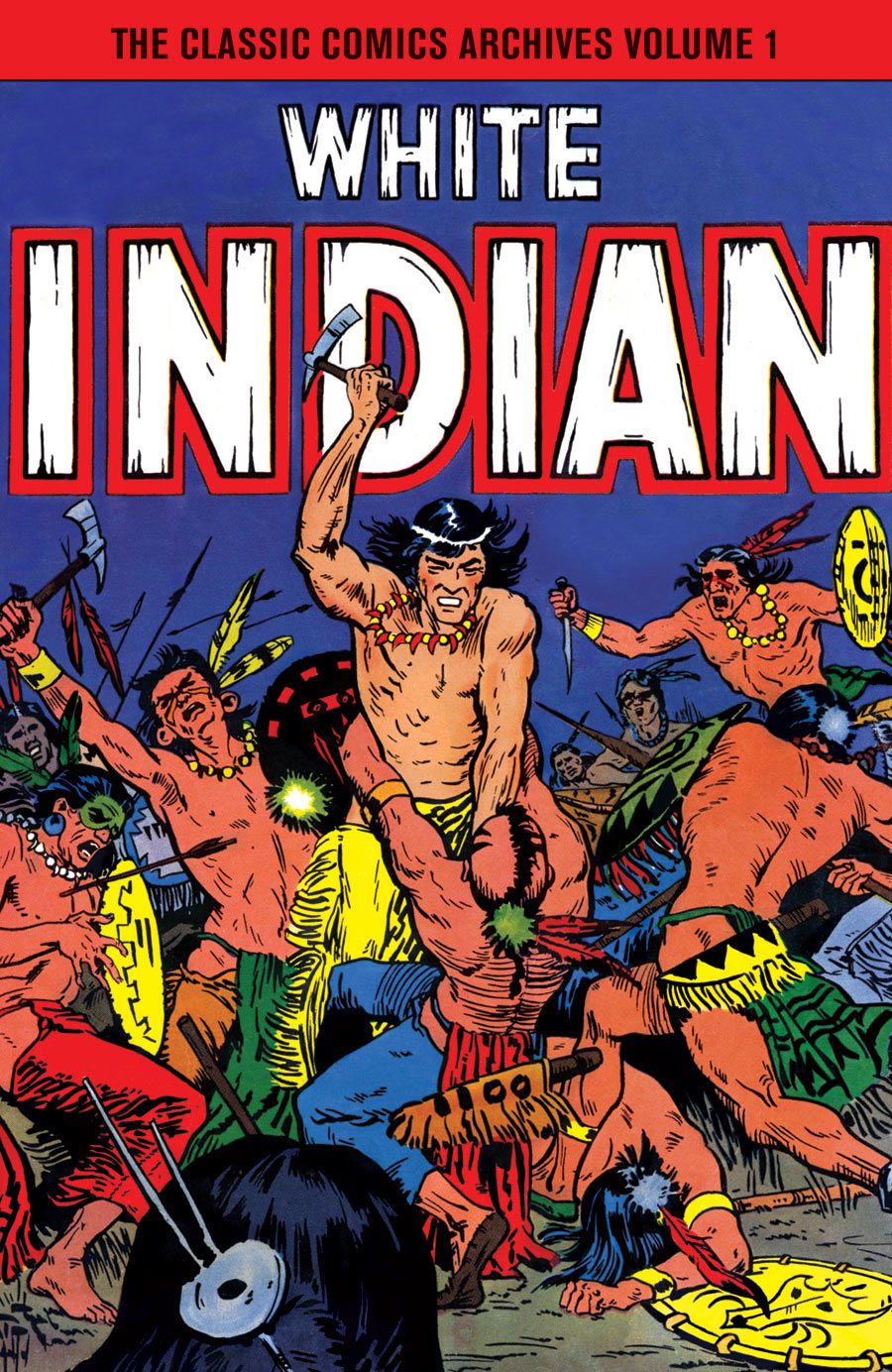
From Dark Horse’s October solicitations:

frazetta_white-indian_v1

THE CLASSIC COMICS ARCHIVES VOLUME 1: WHITE INDIAN
Frank Frazetta (A)
On sale Dec 1
FC, 200 pages
$49.99
HC, 7″ x 10″

The longest comic-book run of Frank Frazetta’s career! First appearing as a backup feature in Durango Kid in 1949, Dan Brand–known as the “White Indian”–is a colonial-era city boy whose life is marred by tragedy. When the death of his fiancée sends Brand through the wilderness on a trek to kill her murderer, he also begins a journey that will transform him into a hardened pioneer survivalist. The powerful sequential work of Frank Frazetta is in the spotlight in this collection, with all interior pages scanned from original comic-book issues and digitally cleaned.

• This collection reprints all of Frank Frazetta’s White Indian work in an affordable hardcover format!

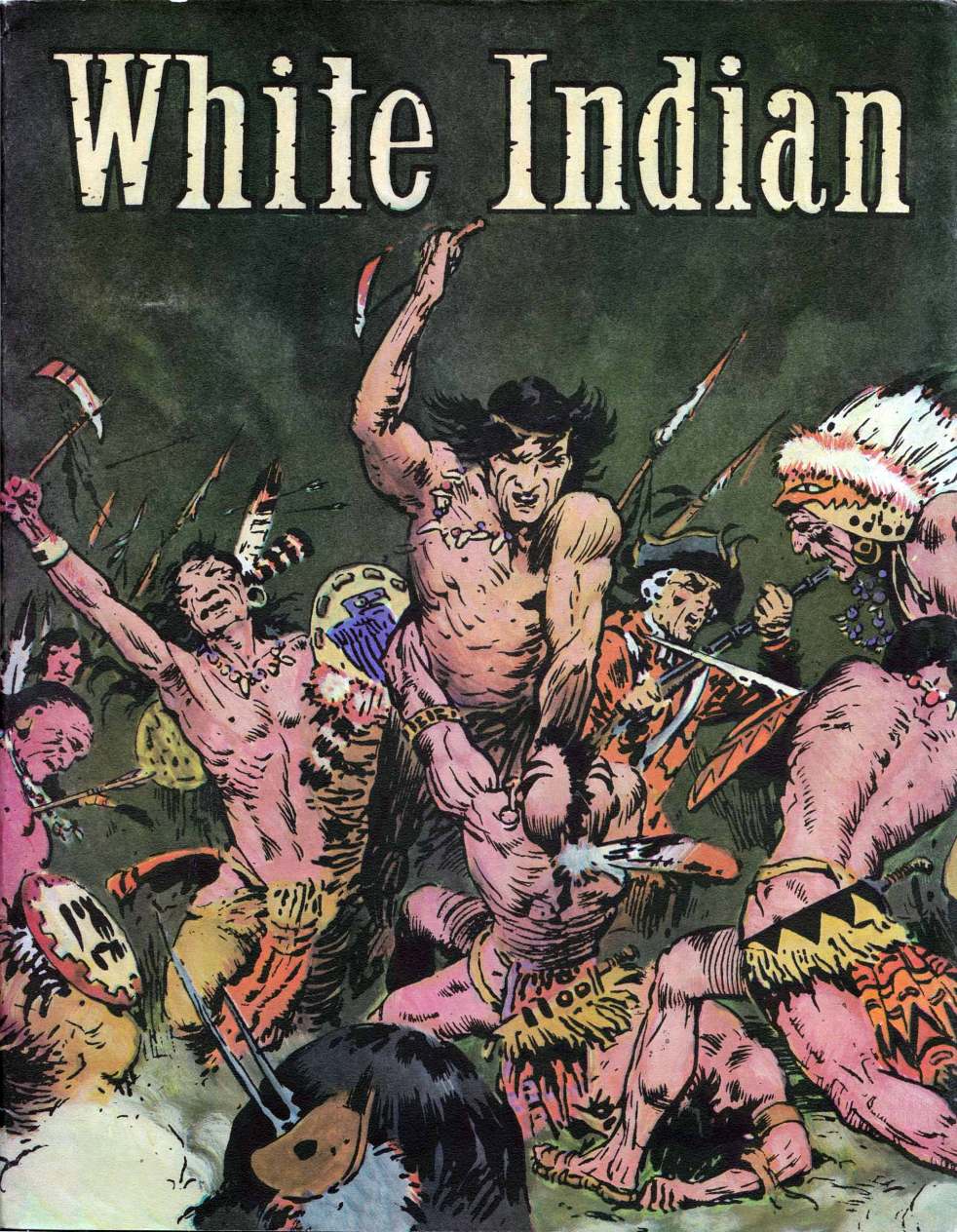
Here’s a tiny JPEG of the Vanguard cover:

Notice how Frazetta’s name is absent from the Dark Horse cover and prominently displayed at the top of the Vanguard cover: I doubt that was simply an oversight on Dark Horse’s part… Frazetta’s name is also absent from the cover of the Dark Horse Thun’da reprint, which, btw, is available in stores now.

Anyway, here’s the news about the Vanguard Productions reprint, as reported at ICv2:

Vanguard to Release Frazetta’s ‘White Indian’
Complete Collection

Published: 07/12/2010, Last Updated: 07/13/2010 05:30am

Frazetta Management and Vanguard Productions announced that Vanguard will be releasing all of the Dan Brand/White Indian material, originally published in the 1950’s by Magazine Enterprises, as part of its new Vanguard Frazetta Classics line. White Indian represents Frazetta’s longest artistic run on a single comic feature.

The Complete White Indian Collection is Volume 2 of the Frazetta Classics line. Volume 1 will be The Complete Johnny Comet which will feature dailies reproduced from Frazetta’s own personal proofs and Sunday pages collected in color for the first time as well as a new essay by William Stout (see “Vanguard Plans Adams, Frazetta Books”). Vanguard Publisher J. David Spurlock said, “Both volumes are well into production now with more Vanguard volumes to come.”

Seems straightforward enough — except that, according to Rich Johnston at Bleeding Cool, Vanguard publisher David Spurlock has made a statement, on the record, that appears to assert Vanguard’s exclusive right to the Frazetta material:

Vanguard [writes Spurlock] will release WHITE INDIAN Vol 1 by Frazetta, and Dark Horse will do WHITE INDIAN ARCHIVES Vol 2 of all all the other White Indian material.

[More details about Spurlock’s statement here from Chris Marshall, who, it turns out, is the intrepid blogger who “got it from the horse’s mouth.”]

Now, as far as I am aware, Dark Horse has not yet confirmed (or denied) the arrangement, though, of course, if Frazetta’s White Indian material has dropped into the public domain, it won’t matter what sort of exclusive contract Vanguard signed with Frazetta before he died, Dark Horse will be free do as they please. Truth be told, however, I really don’t know what’s going on between Vanguard and Dark Horse.

(Why Dark Horse would want to publish a Frazetta-less hardcover sequel to another publisher’s Frazetta reprint is beyond me!)

What I do know for sure, however, is that Frazetta fans will soon have at least one, and possibly two, hardcover reprints of White Indian to add to their collections within a few months. So, hooray for that!

UPDATE (added 11 August 2010):

Wherein I answer the question, “Where have I seen those covers before?”

The Dark Horse White Indian cover was the cover of White Indian #11, published in 1953:

frank-frazetta_white-indian-n11-1953

The Vanguard was the cover of the White Indian reprint published by Pure Imagination in 1981. Here’s a scan of the copy that usually sits on a shelf, along with a lot of other books, mostly by Corben, about a metre and a half from my keyboard:

frank-frazetta_white-indian_pure-imagination-1981

Looks like Vanguard had the drawing recoloured for the new reprint. Big mistake, IMHO. (Anyone know why they changed the redcoat into a bluecoat?)

ANOTHER UPDATE:

You’ll have to read the discussion in the comments section of this post to find out why the following is important. The full page is page one of White Indian #11:
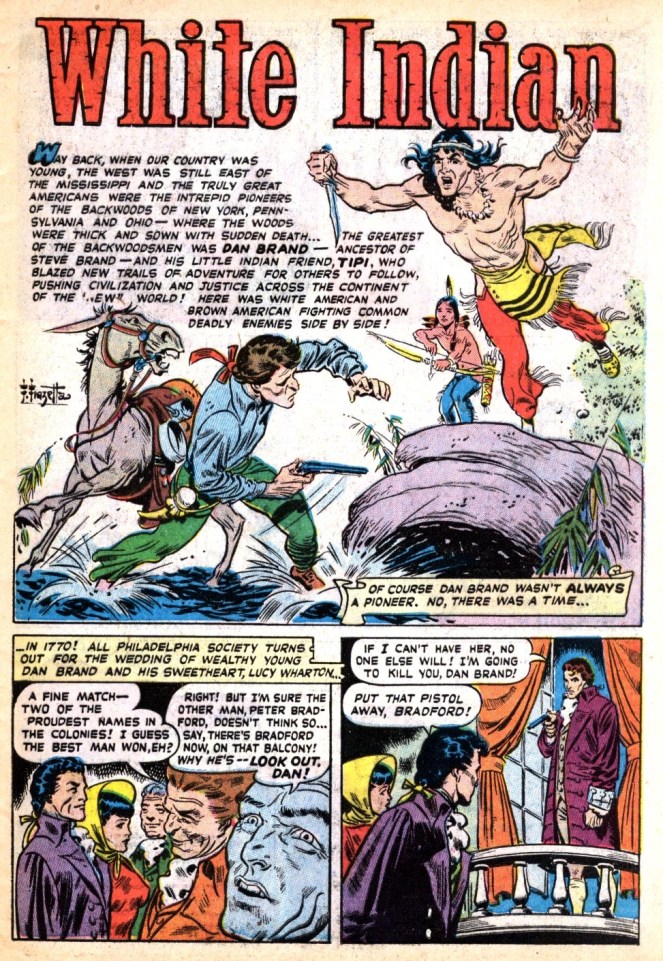
frank-frazetta_white-indian-n11 p01

frazetta-vs-bolle-or-powell

What fun! Now I get to file this post under “Connections“!
Al Williamson · Book/Magazine Covers (All) · Book/Magazine Covers (Jones) · Connections · Illustration Art · Jeffrey "Jeff" Catherine Jones · Look Here

Connections: (Jones vs. Jones?) vs. Williamson

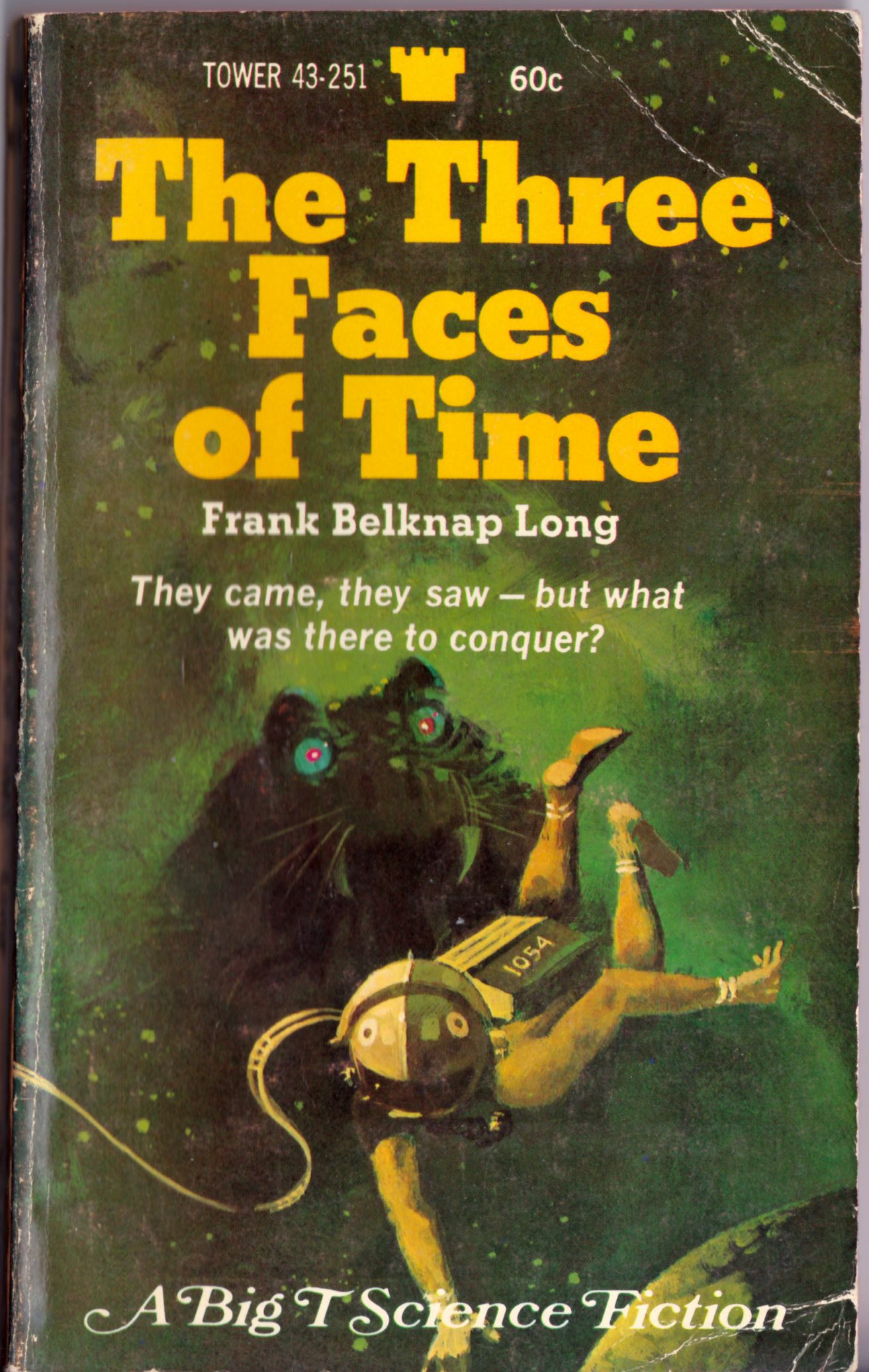
The cover of The Three Faces of Time, which I bought yesterday at a used book store in Moose Jaw, Saskatchewan, is uncredited, and no signature is visible, but it sure looks like the work of Jeffrey Jones, circa 1968-69, to me.

ABOVE: Jack Williamson, Seetee Shock (New York: Lancer, 1968), with cover by Jeffrey Jones.
jeffrey-jones_the-three-faces-of-time_ny-tower-1969
ABOVE: Frank Belknap Long, The Three Faces of Time (New York: Tower, 1969), with cover by Jeffrey Jones.

UPDATE (24 July 2010):

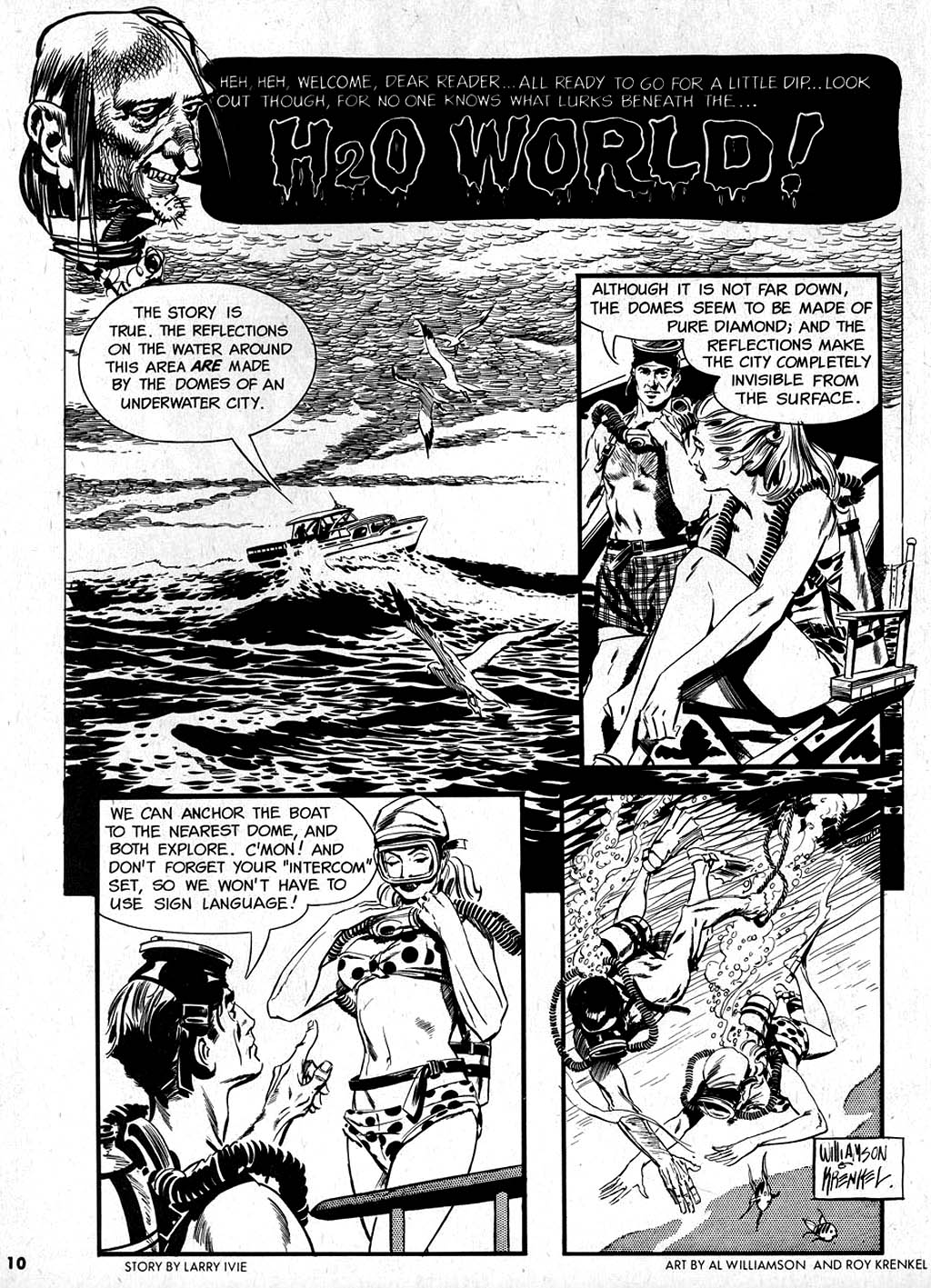
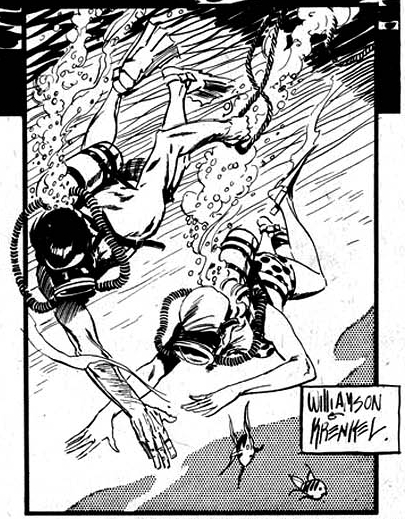
This just in: reader Patrick Hill points out in the comments section of this post that Jones informed him ten years ago that he (Jones) swiped the pose of the main figure in Seetee Shock and The Three Faces of Time from “H2O World,” with story by Larry Ivie and art by Al Williamson and Roy Krenkel. Here’s the ocular proof:

williamson-krenkel_h20-world_creepy_n1p10_1964
ABOVE: Al Williamson and Roy Krenkel (artists), first page complete, "H2O World," Creepy #1 (1964), page 10.

williamson-krenkel_h20-world_creepy_n1p10_1964_detail
ABOVE: Al Williamson and Roy Krenkel (artists), first page detail, "H2O World," Creepy #1 (1964), page 10.

If nothing else, the above news should make Maroto fans smile.

Keywords: Seetee Shock, The Three Faces of Time.

Connections · Frank Frazetta · Steve Ditko

Connections: Frank Frazetta and Steve Ditko

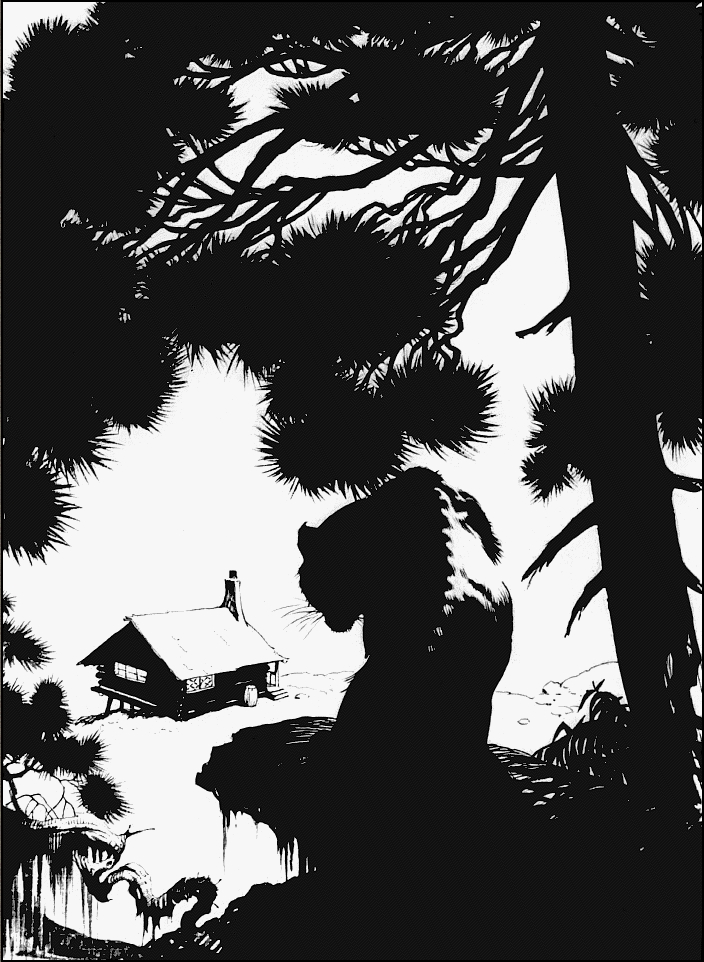
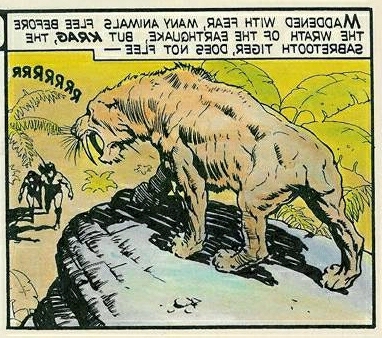
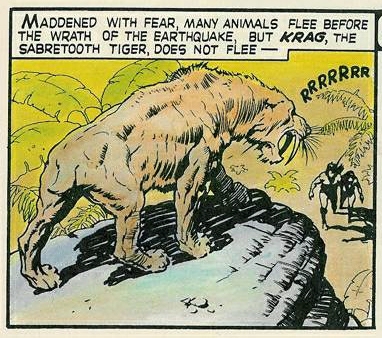
Lioness Watching Cabin is included in Frank Frazetta: Book Three (New York: Bantam Books, 1979), but no date is given. Ditko’s story “The Teddy Bear” was published in Amazing Adventures, vol. 1, no. 3, in August 1961. The panel by Frazetta that features “Krag, the sabretooth tiger” is from the second page of the story “When the Earth Shook,” which appeared in Thun’da #1 in 1952.

UPDATE:

With the help of a reader, Clayton, I now have a rough date for “Lioness Watching Cabin,” which, it turns out, is one of the few completed illustrations from a re-do of a Wally Wood illustrated story, “Came the Dawn,” written by Al Feldstein, that Frazetta worked on, but didn’t finish, for the unpublished Shock Illustrated #4, which, had it been published, would have appeared in 1956. Frazetta’s artwork was featured early last year on Mr. Door Tree’s Golden Age Comic Book Stories blog, which I regularly visit and highly recommend to anyone who might be reading this message. Here’s the link to Mr. Door Tree’s post that includes Wally Wood’s original illumination of Feldstein’s script along with Frazetta’s abandoned re-vision.

All of which means we can now say with some certainty that Frazetta’s “Lioness Watching Cabin” illustration was produced before the mountain lion watching tent comic panel by Ditko.

Connections · Illustration Art · Norman Rockwell

Connections: Norman Rockwell vs. Myron Fass

I’m not a big fan of Norman Rockwell, but as I was browsing through an old romance comic, what to my wondering eyes should appear but more fodder for an irregular feature here at RCN entitled “Connections.”

The story, “Powerhouse of Deceit!,” from Dream of Love #9, is uncredited, but GCD identifies the penciller and inker as Myron Fass. The comic was published in 1958, but the story, apparently, is a reprint from Great Lover Romances #3, Toby Press, 1951 series.

(Hey, trivia fans! Do you know who was art director and comics editor at Toby Press in 1951? Here’s a hint: I mentioned it in a previous post. That’s right: it was none other than the creator of the comic strips “Miss Peach” and “Momma,” Mell Lazarus, though I think he still spelled his first name “Mel” at that time.)
Norman Rockwell’s famous illustration, Strictly a Sharpshooter, is from 1941.

Al Williamson · Archie Goodwin · Comics · Connections · Here, Read · Jeffrey "Jeff" Catherine Jones · Look Here · Sculpture (Jones)

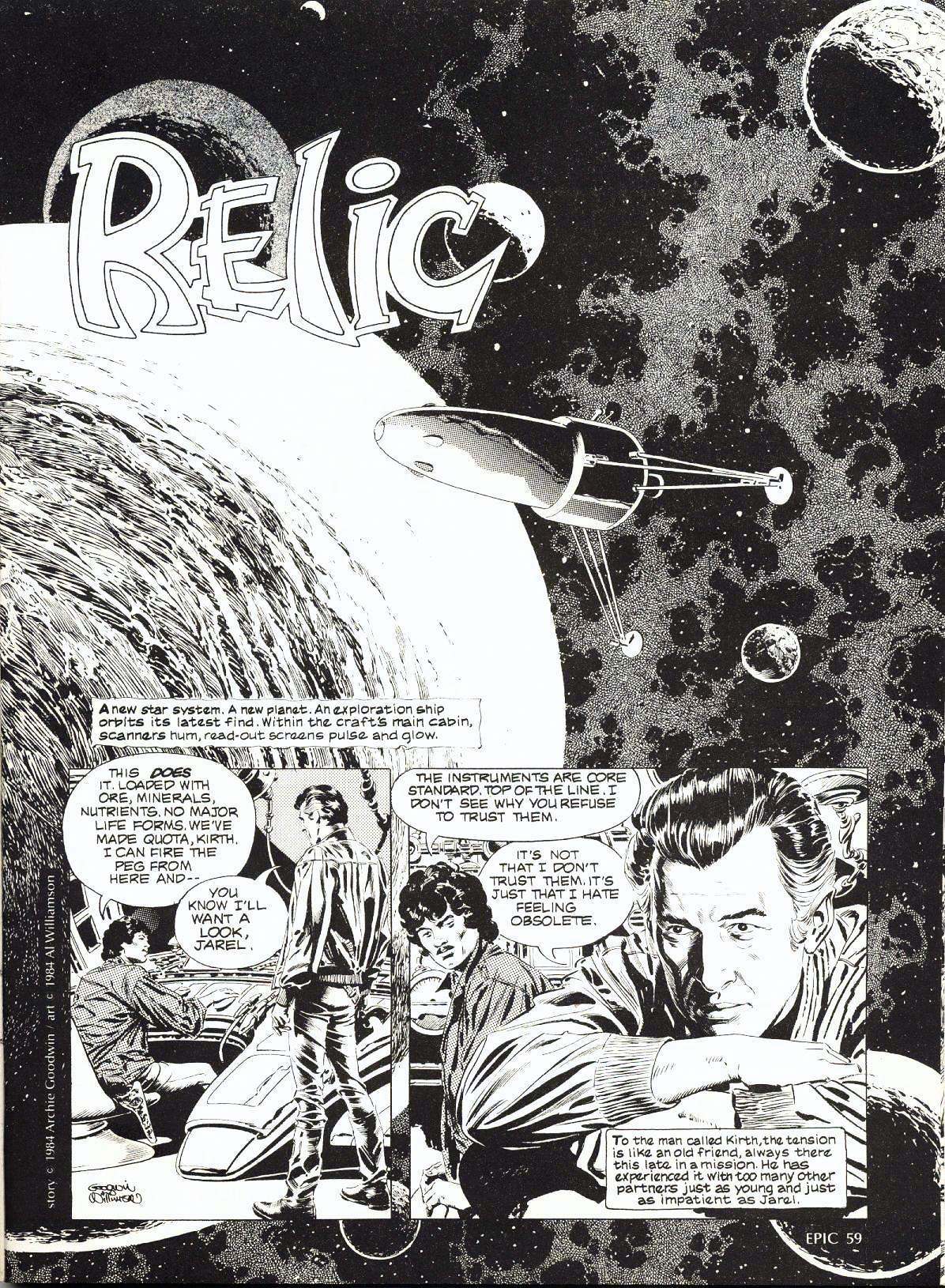
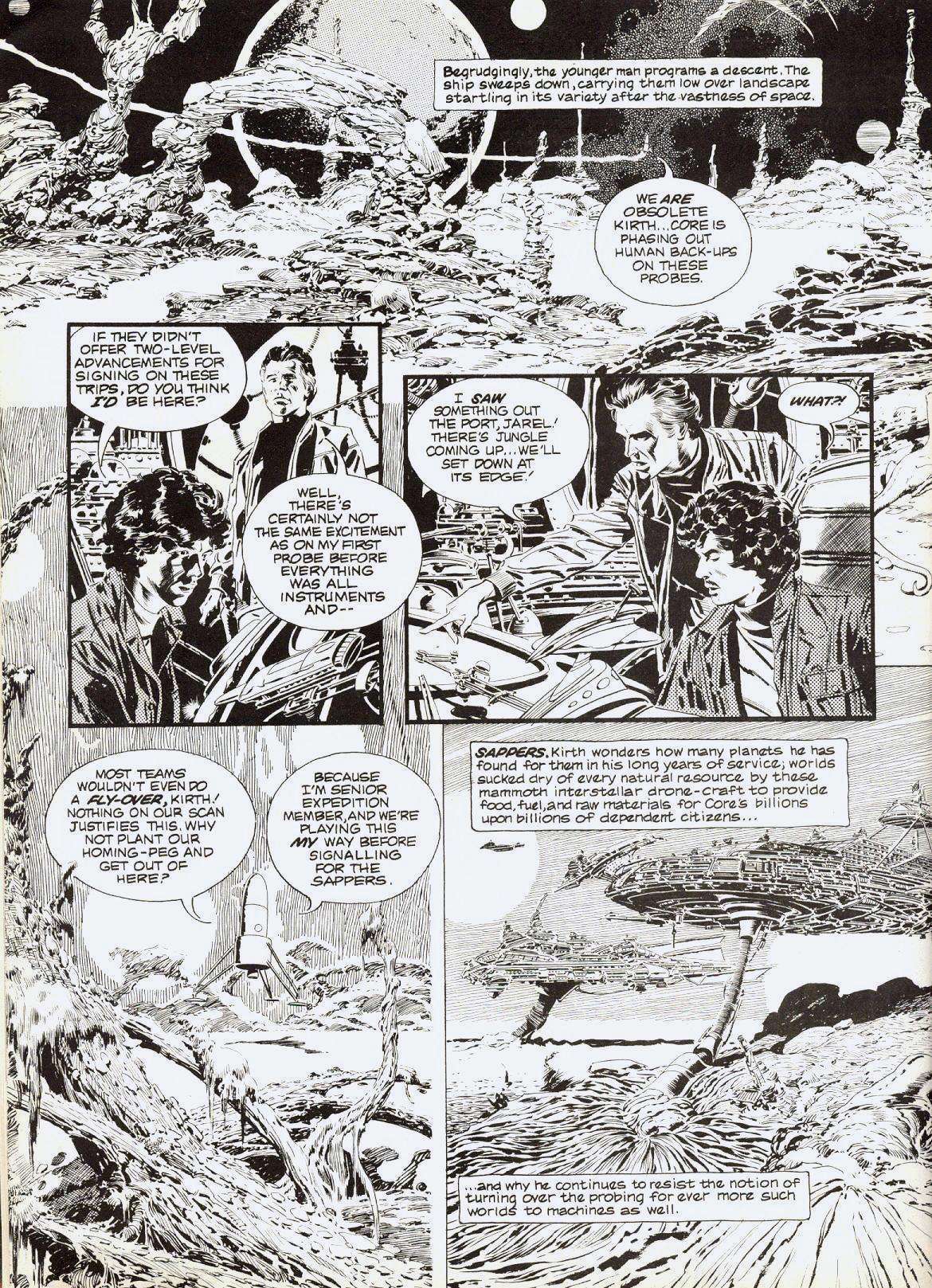
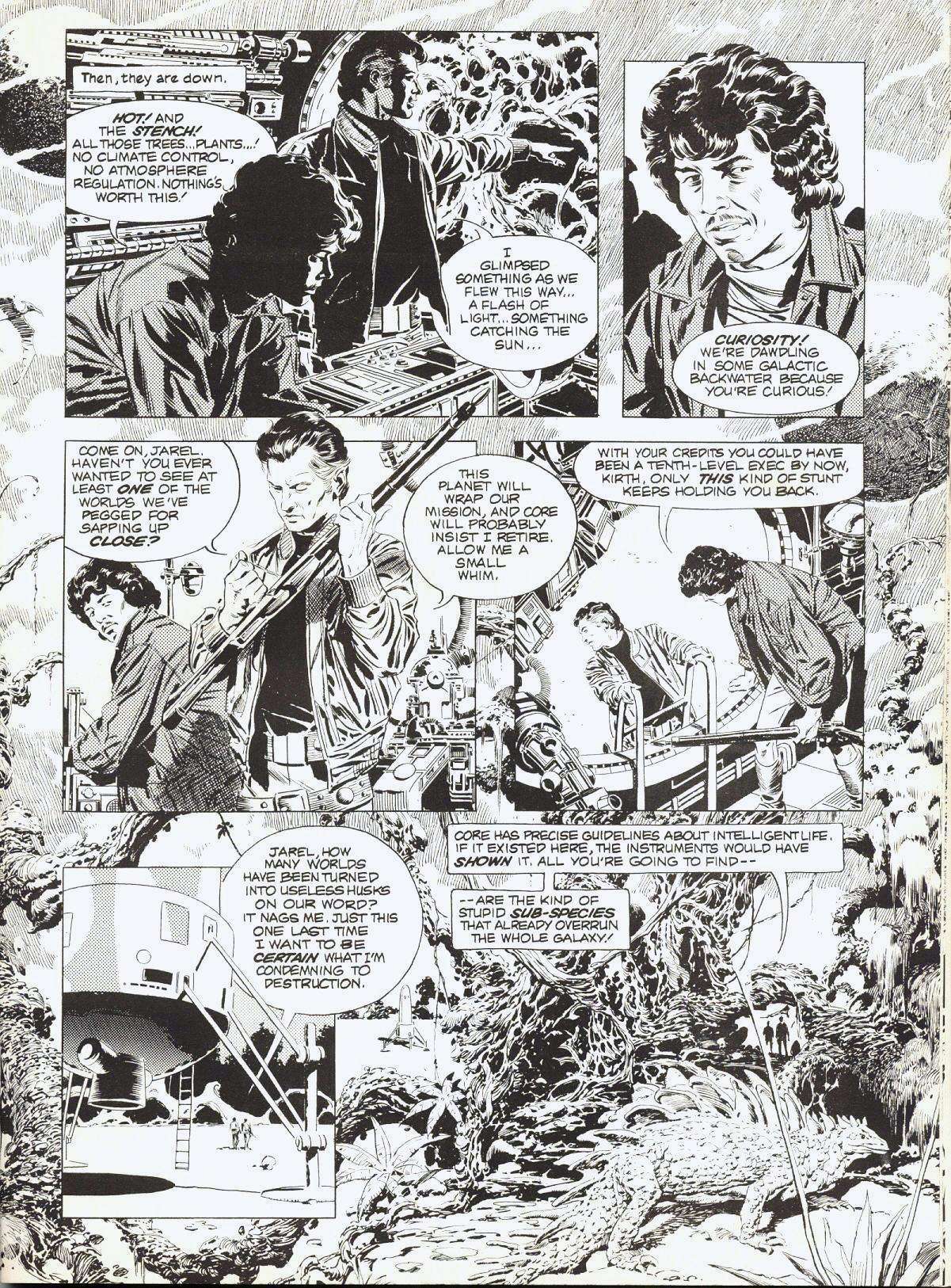
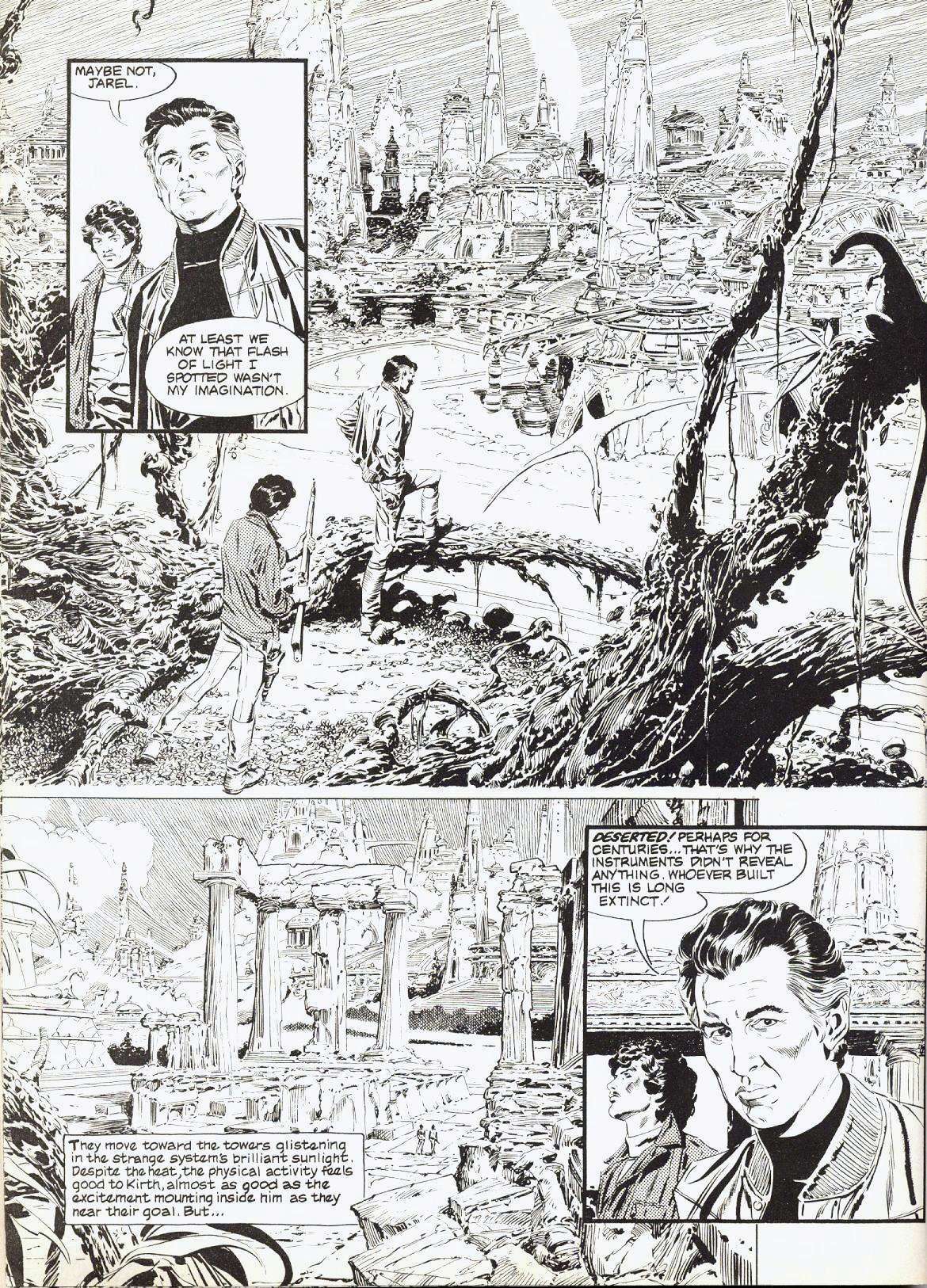
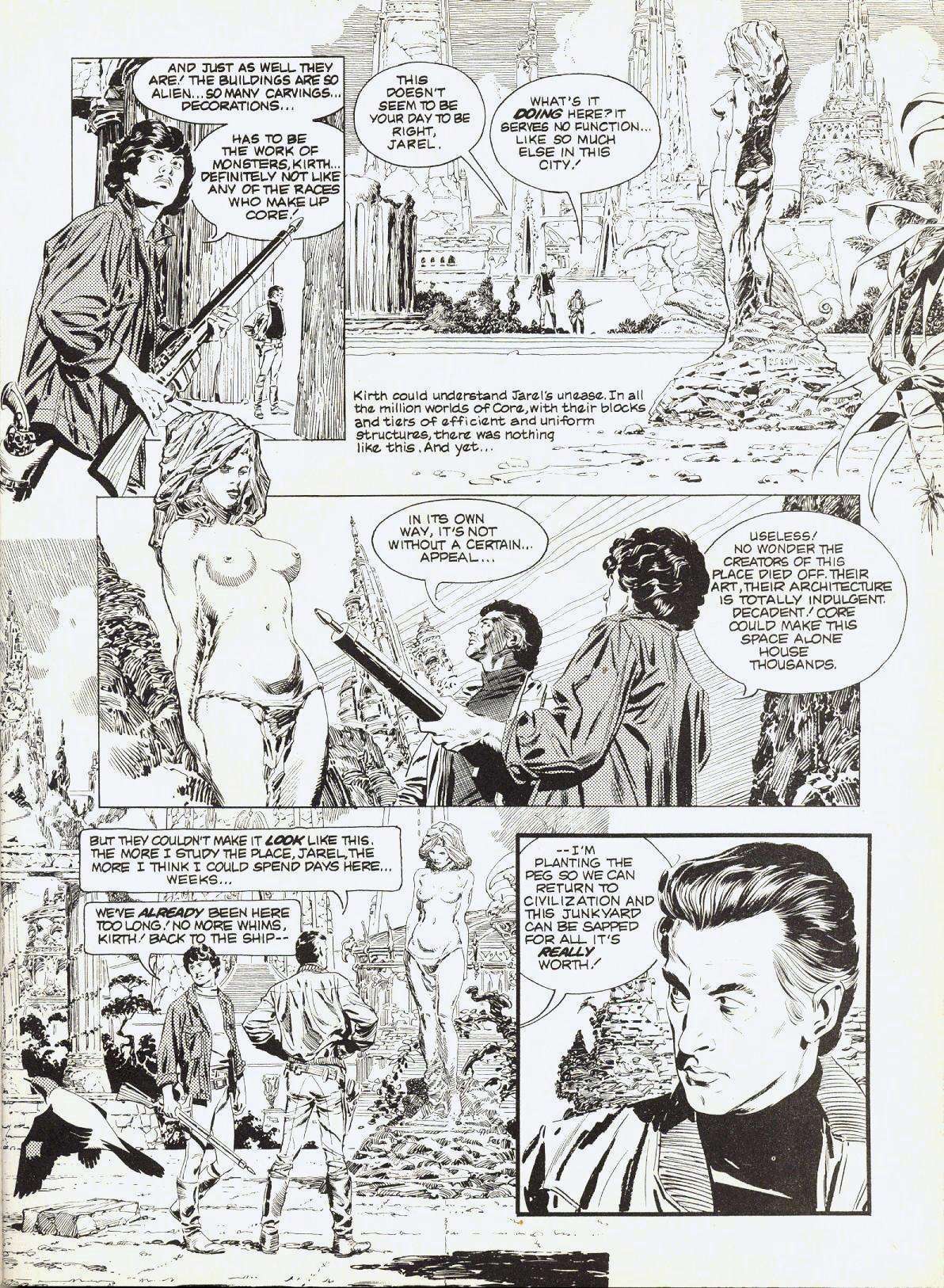
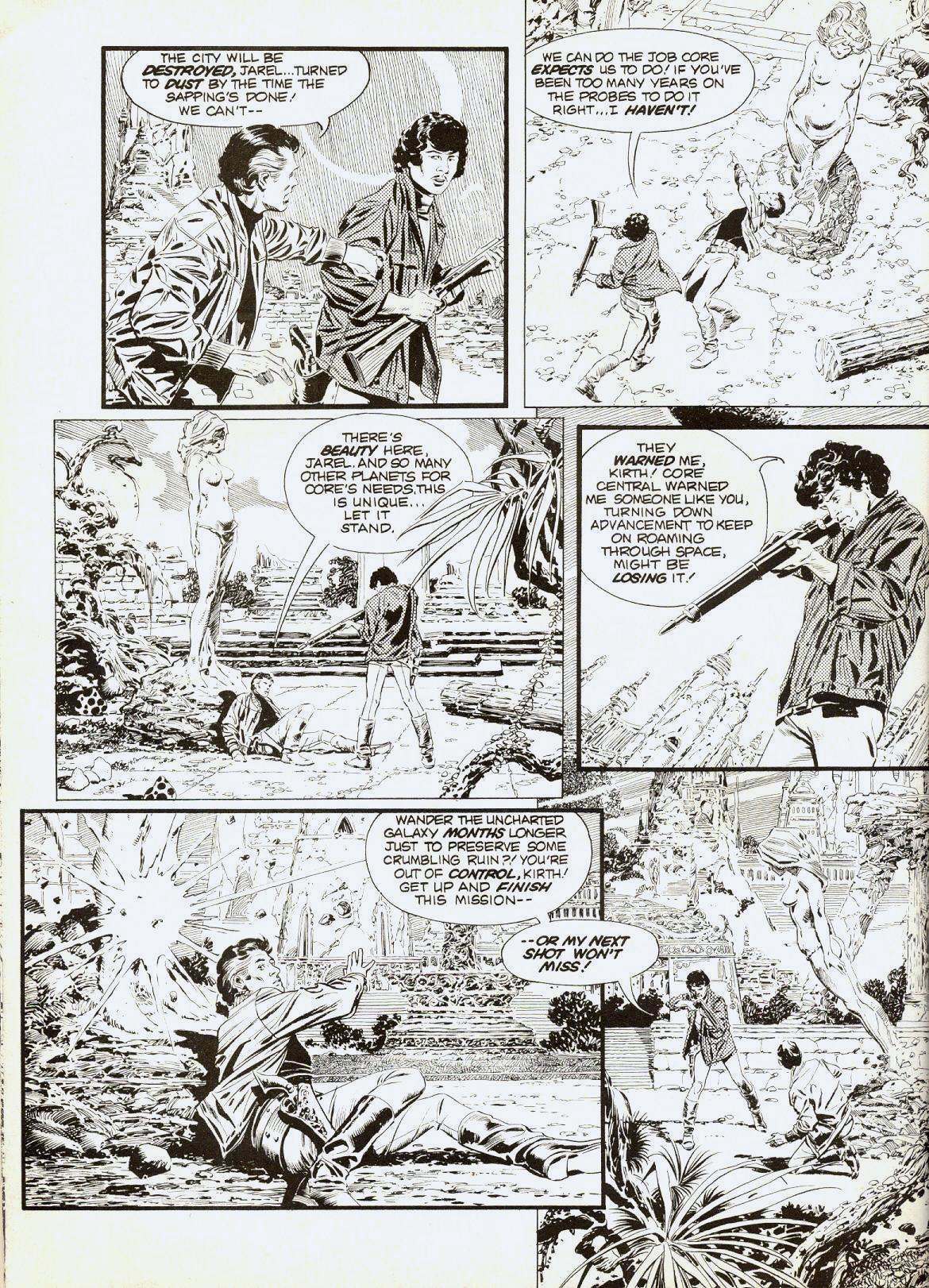
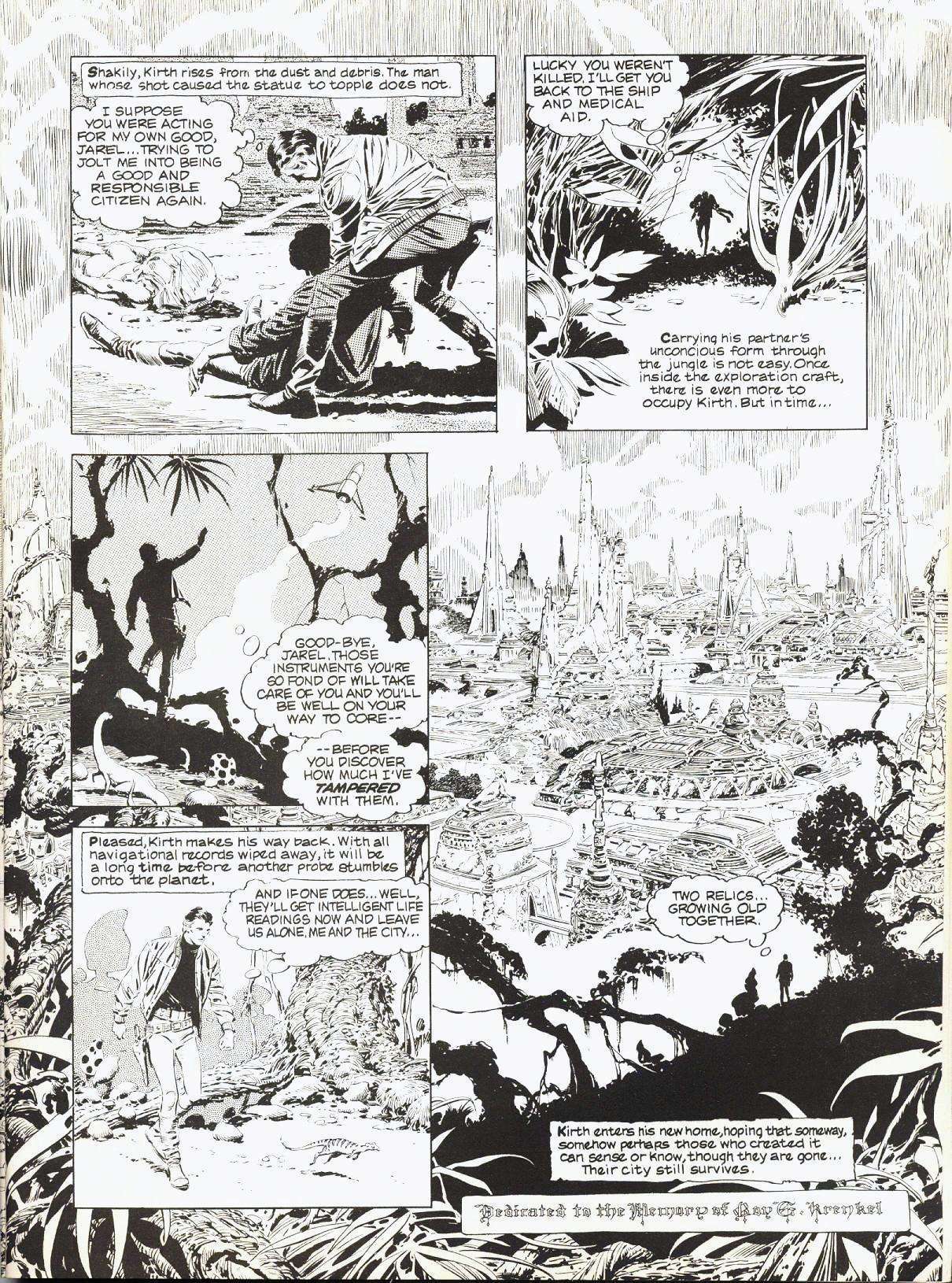
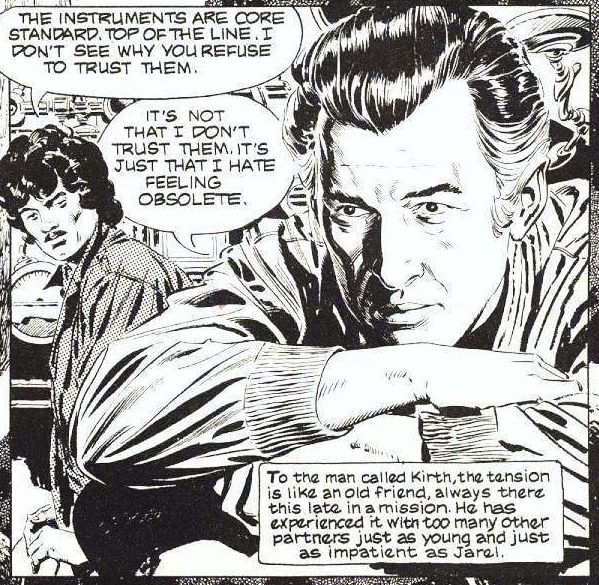
Look Here, Read: “Relic” by Archie Goodwin and Al Williamson

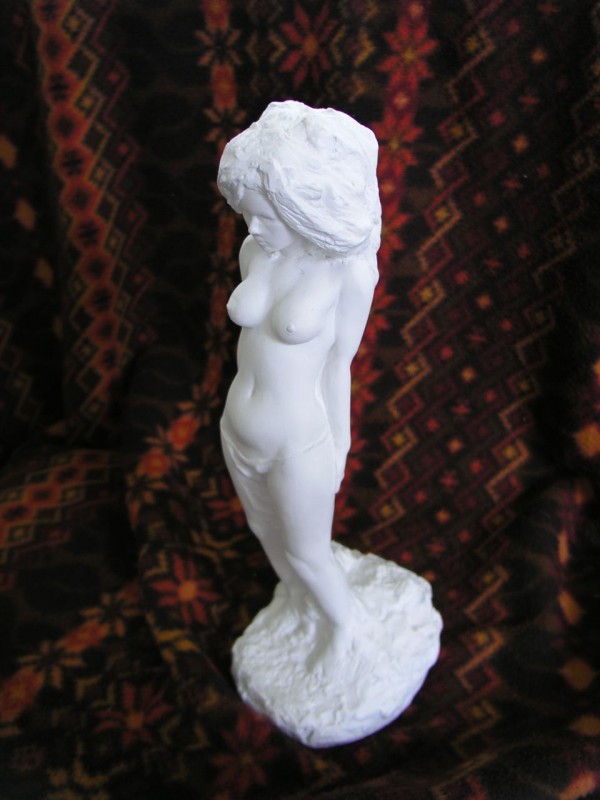
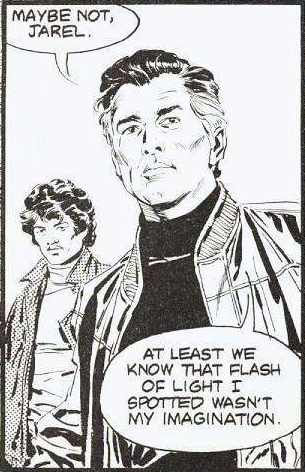
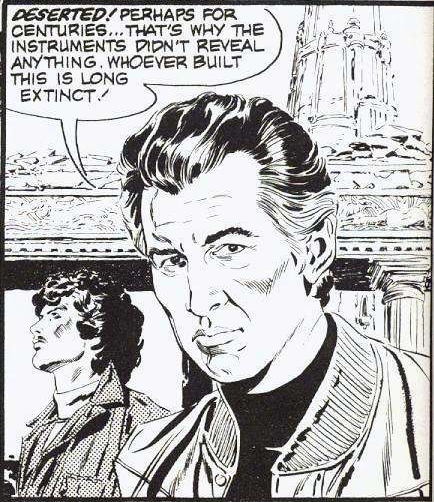
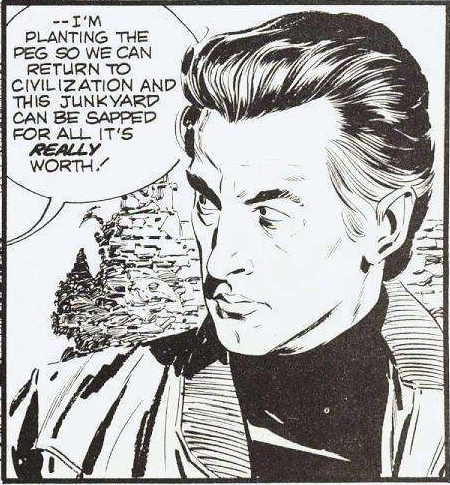
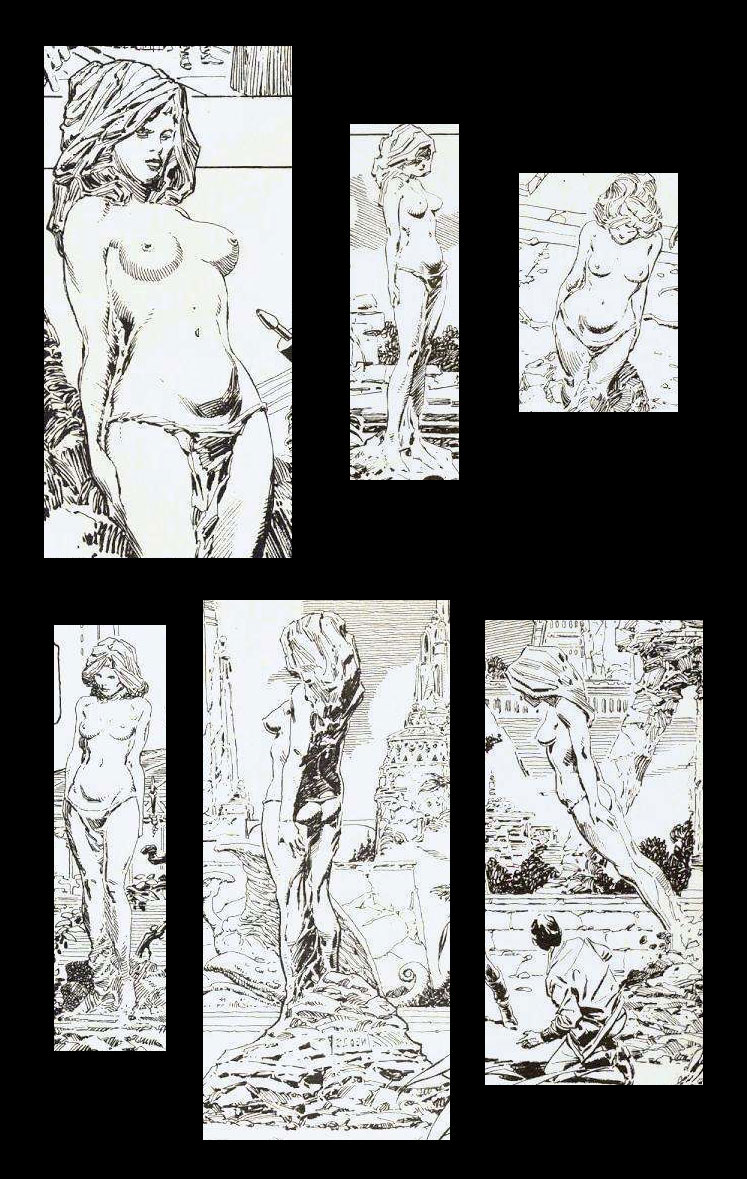
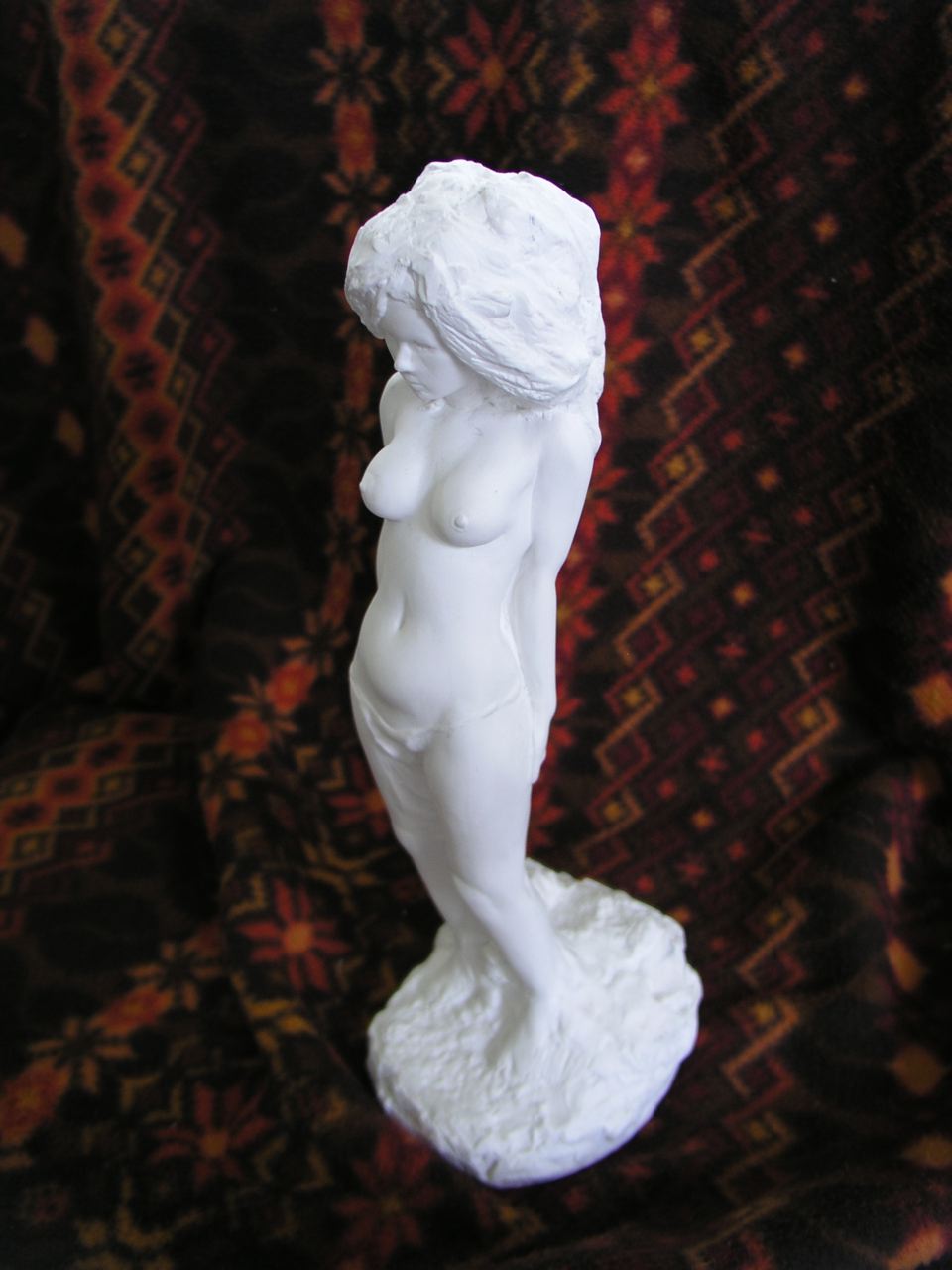
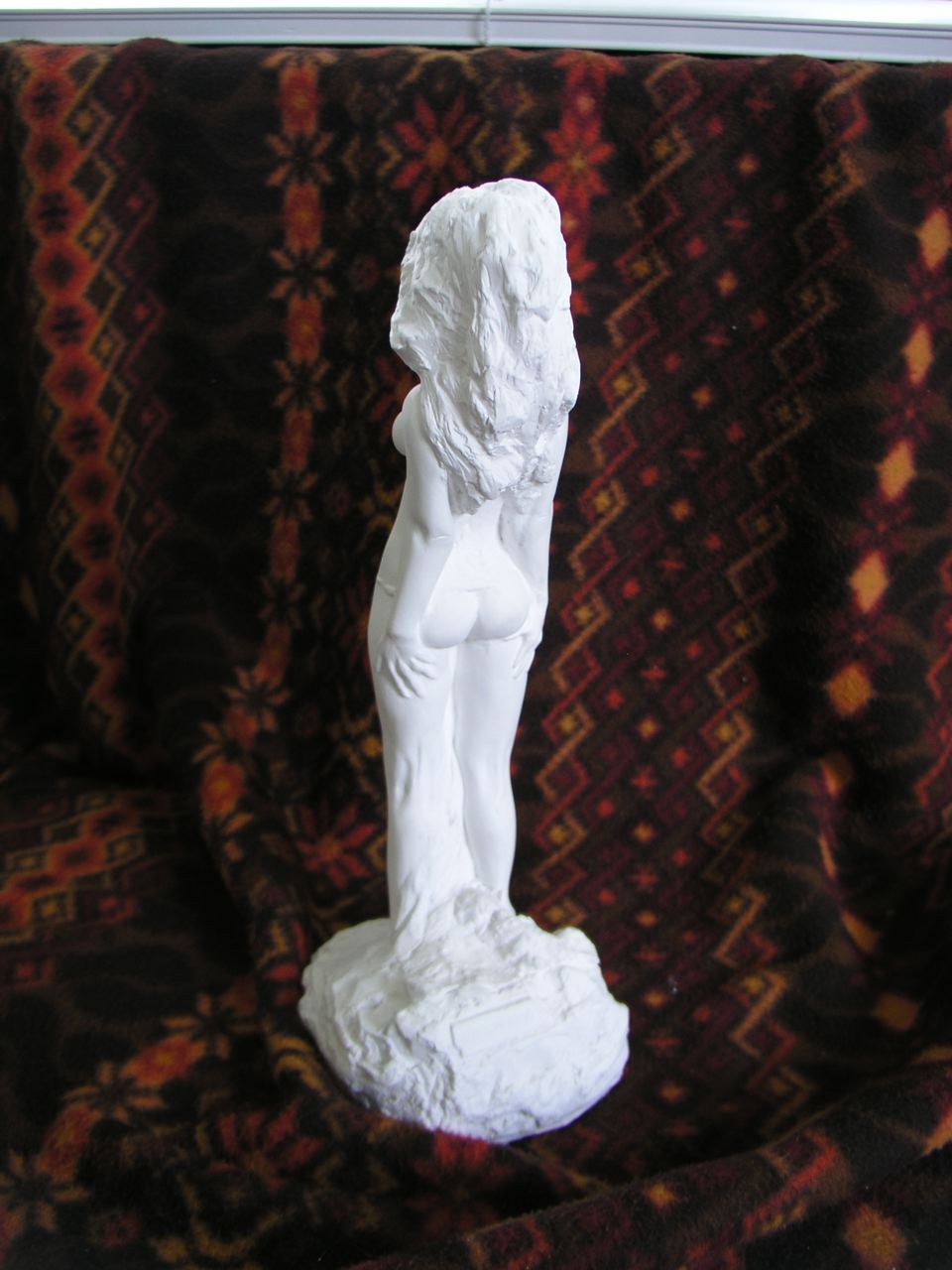
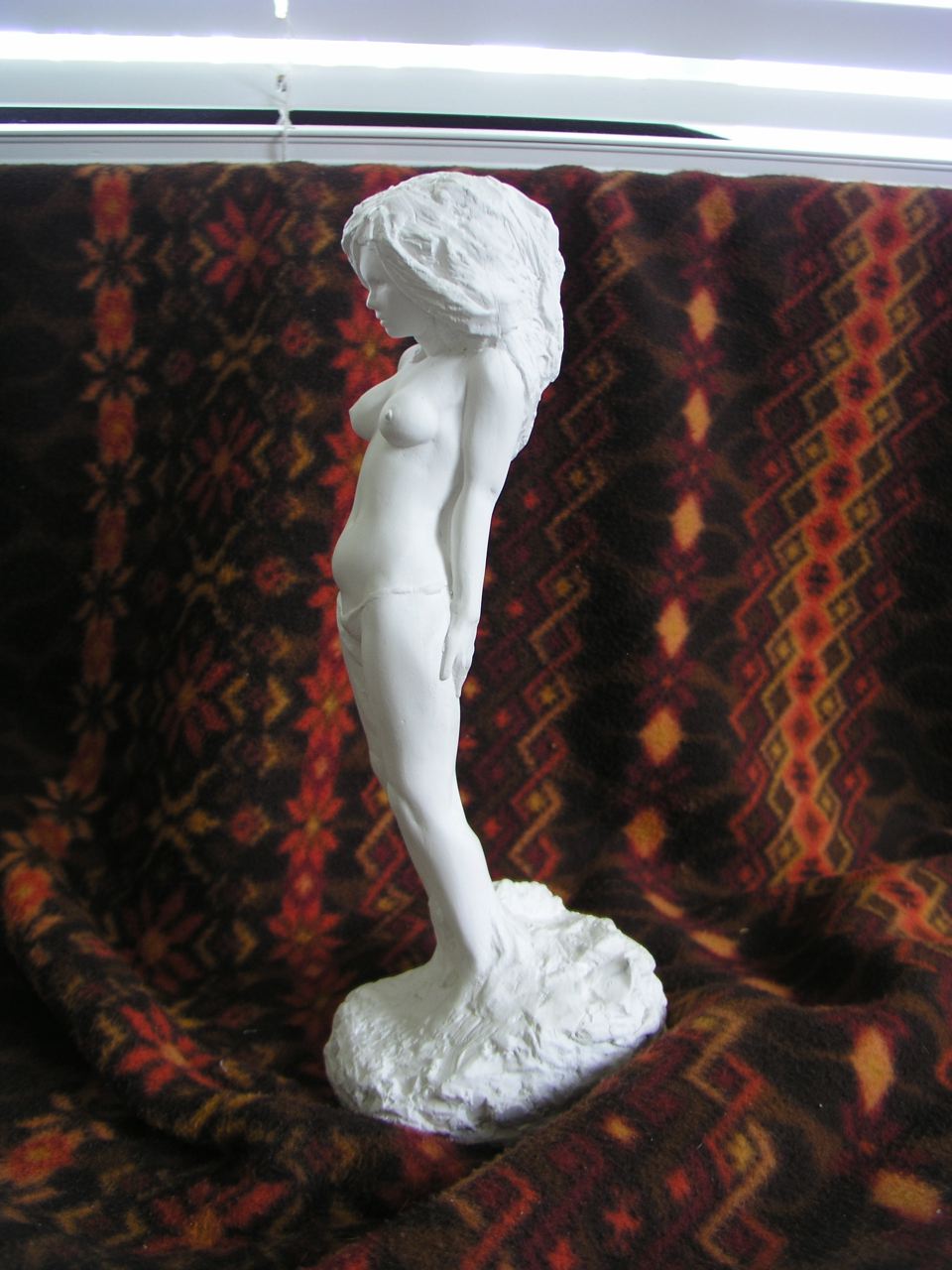
This story from Epic Illustrated #27 (December 1984) not only is “dedicated to the memory of Roy G. Krenkel” but also includes a lovely tribute to Jeffrey Jones, whose girl sculpture — according to comic-book creator, film-maker, and friend of Al Williamson, Kevin VanHook — sat behind Williamson at his drawing board around the time the story was created.

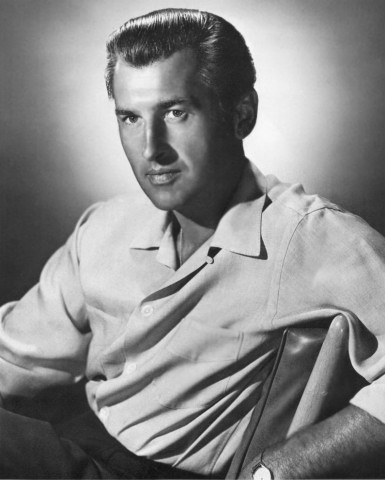
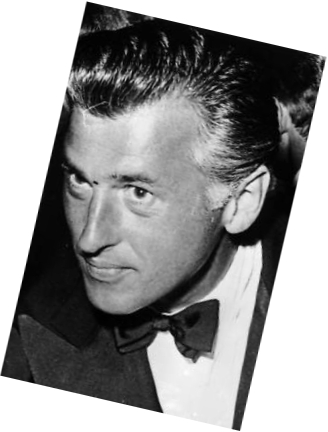
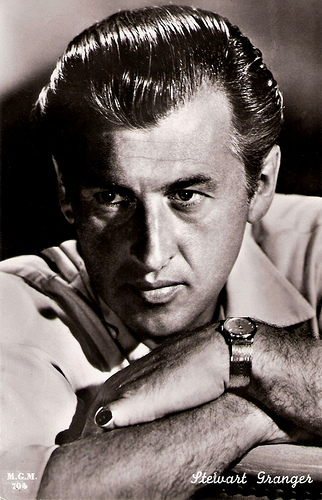
It is also interesting to note that Williamson based the character of Kirth on British actor Stewart Granger (1913 – 1993). Williamson has made Kirth’s nose somwhat shorter and more rounded than Granger’s, but Granger is definitely Williamson’s model here. Enjoy!