Alex Toth · Comics · Harvey Kurtzman · Here, Read · Look Here

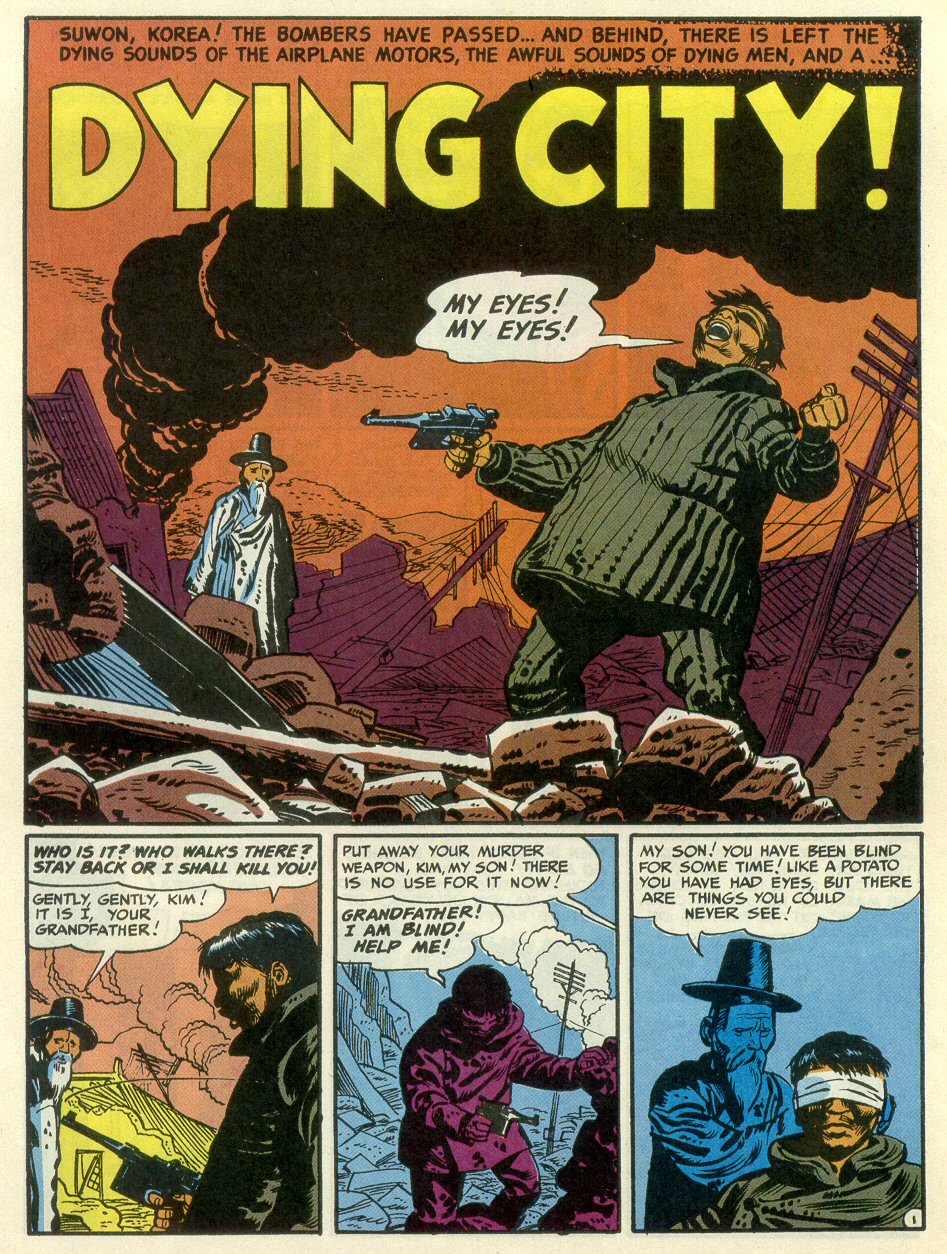
Look Here, Read: “Dying City!” with art by Toth and Kurtzman

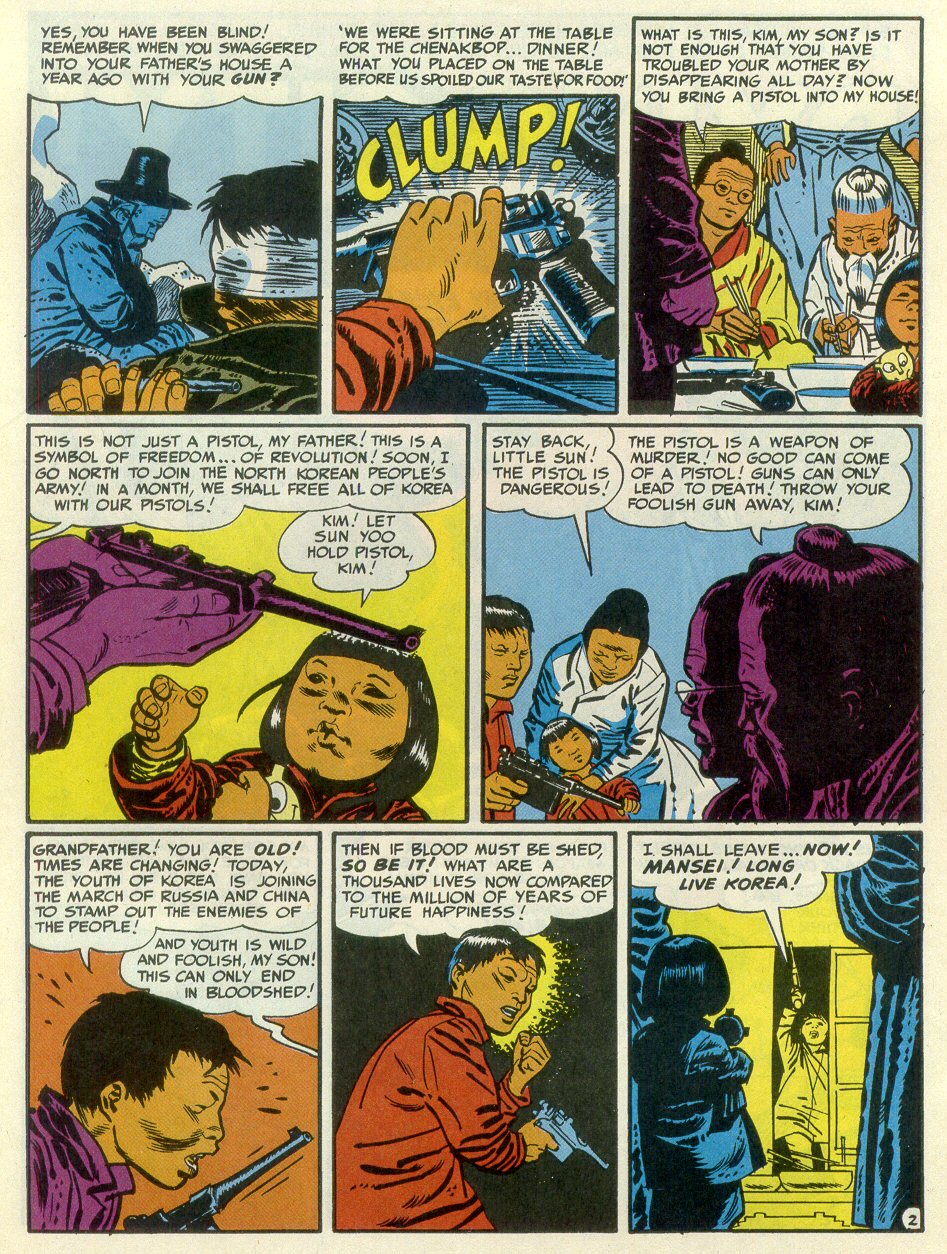
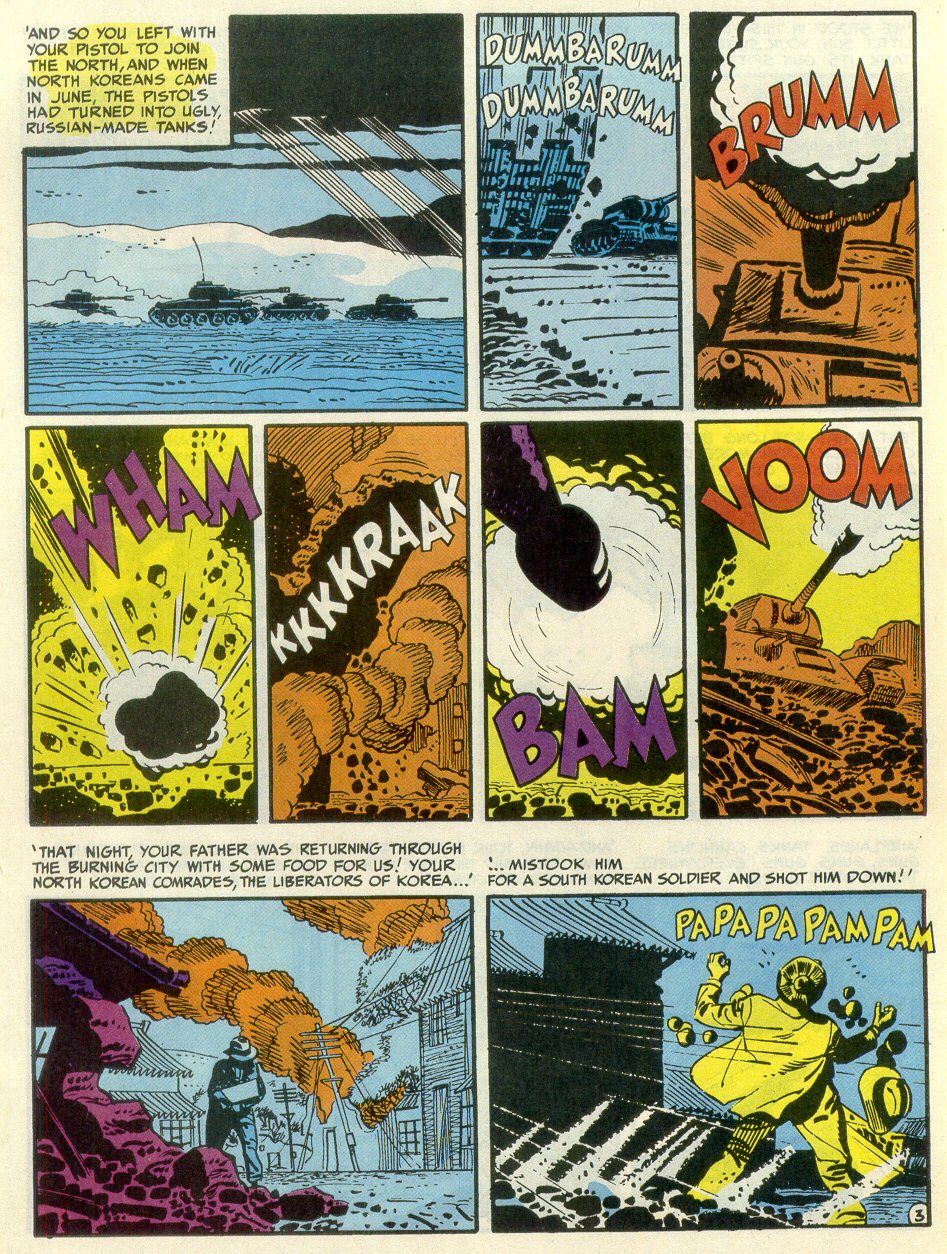
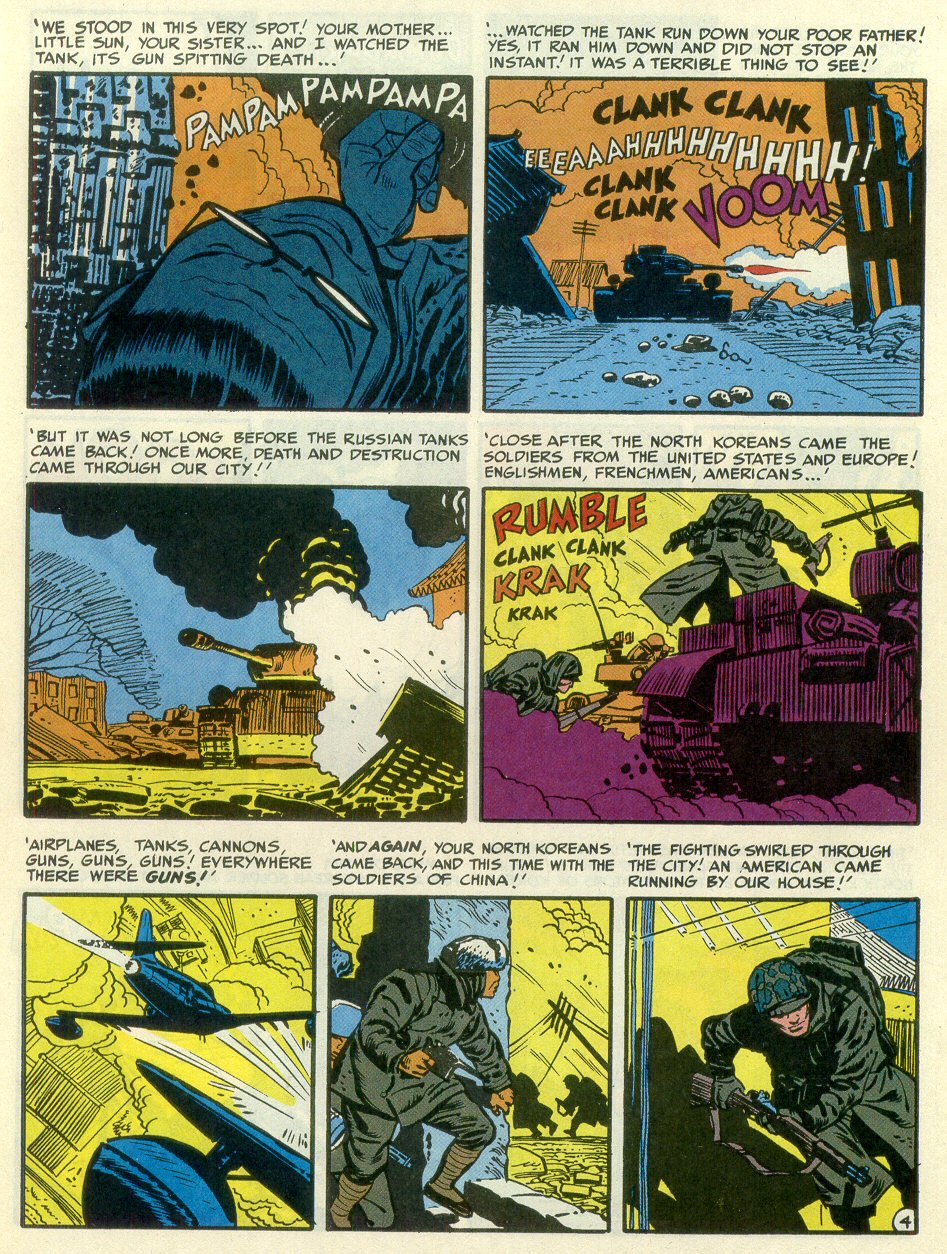
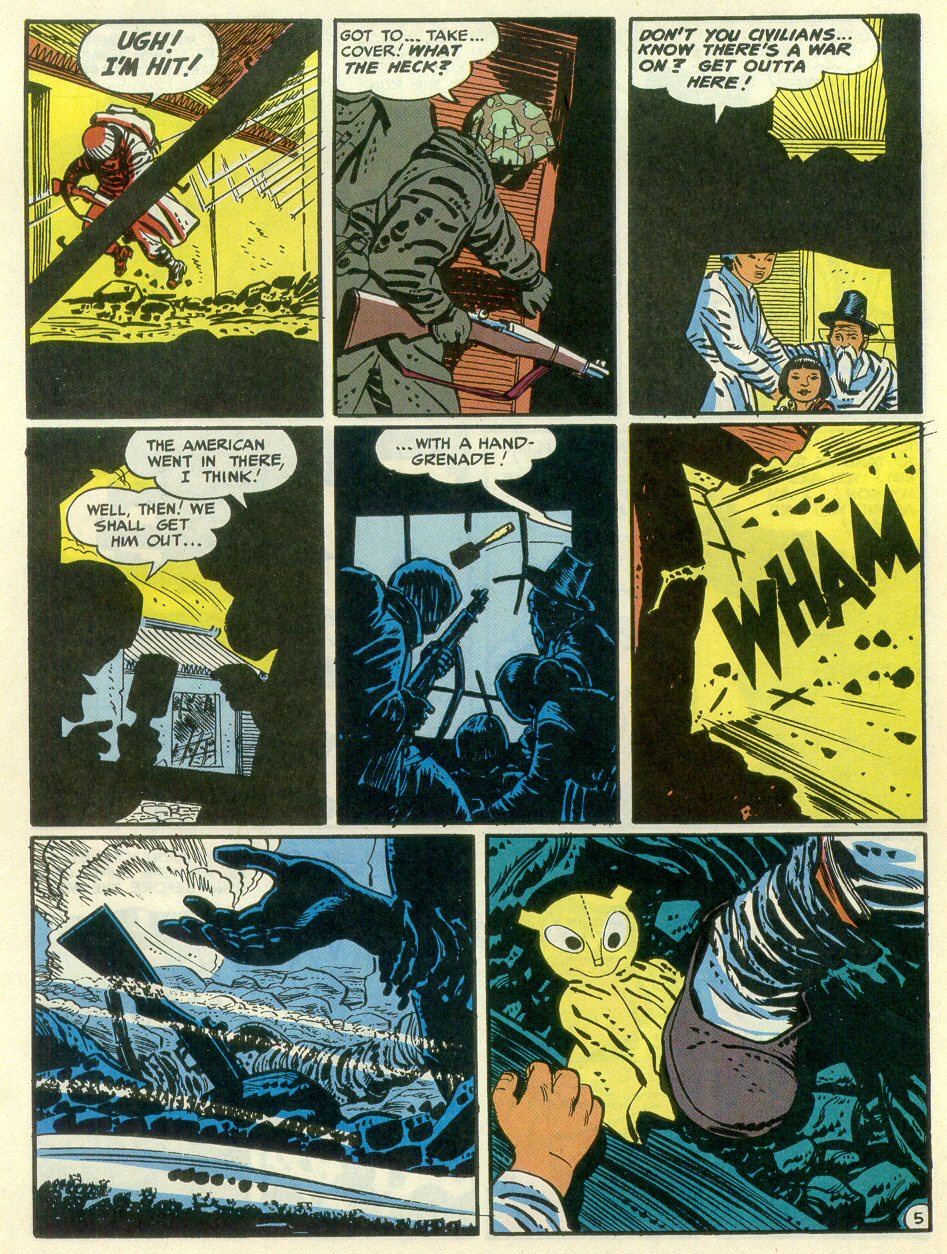
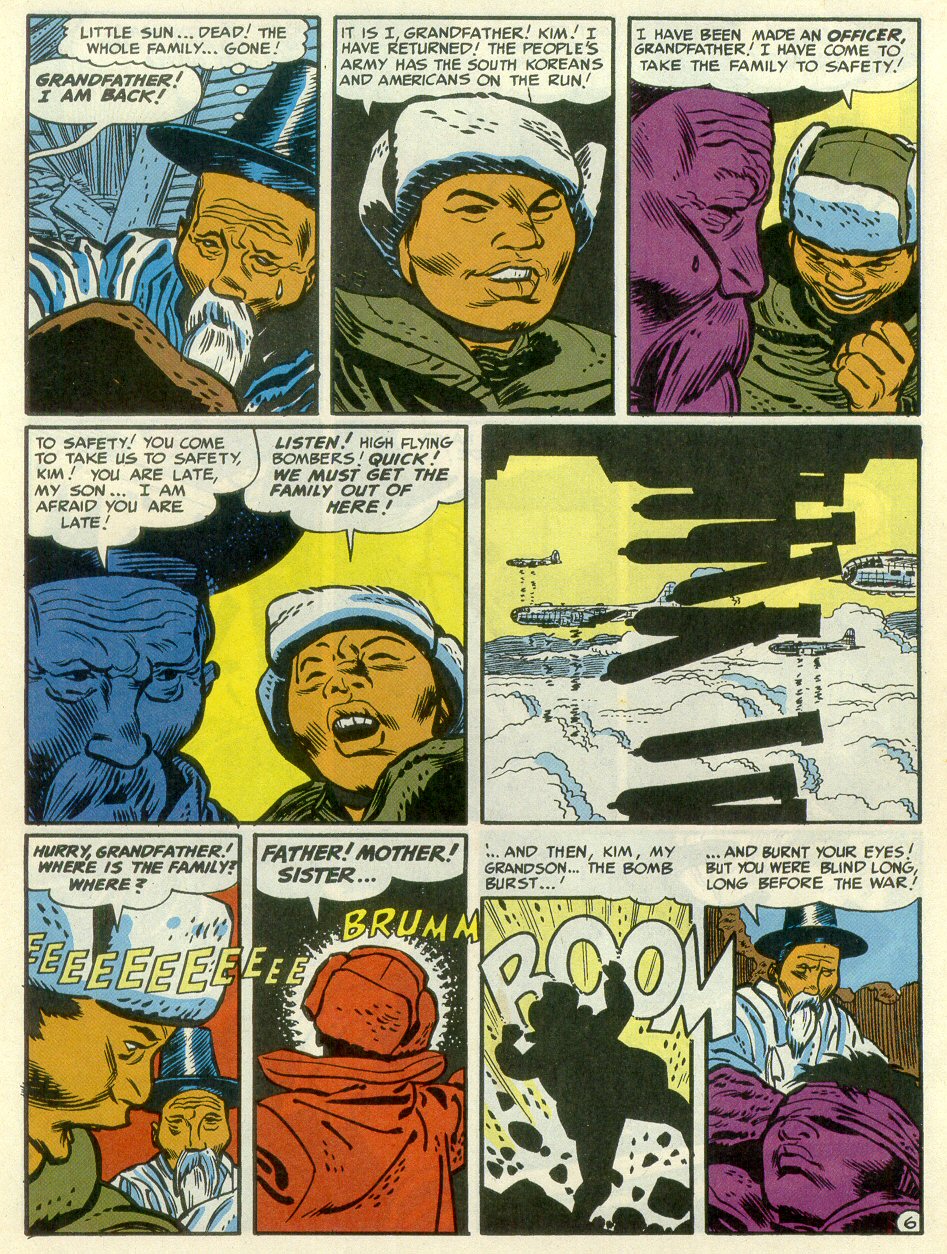
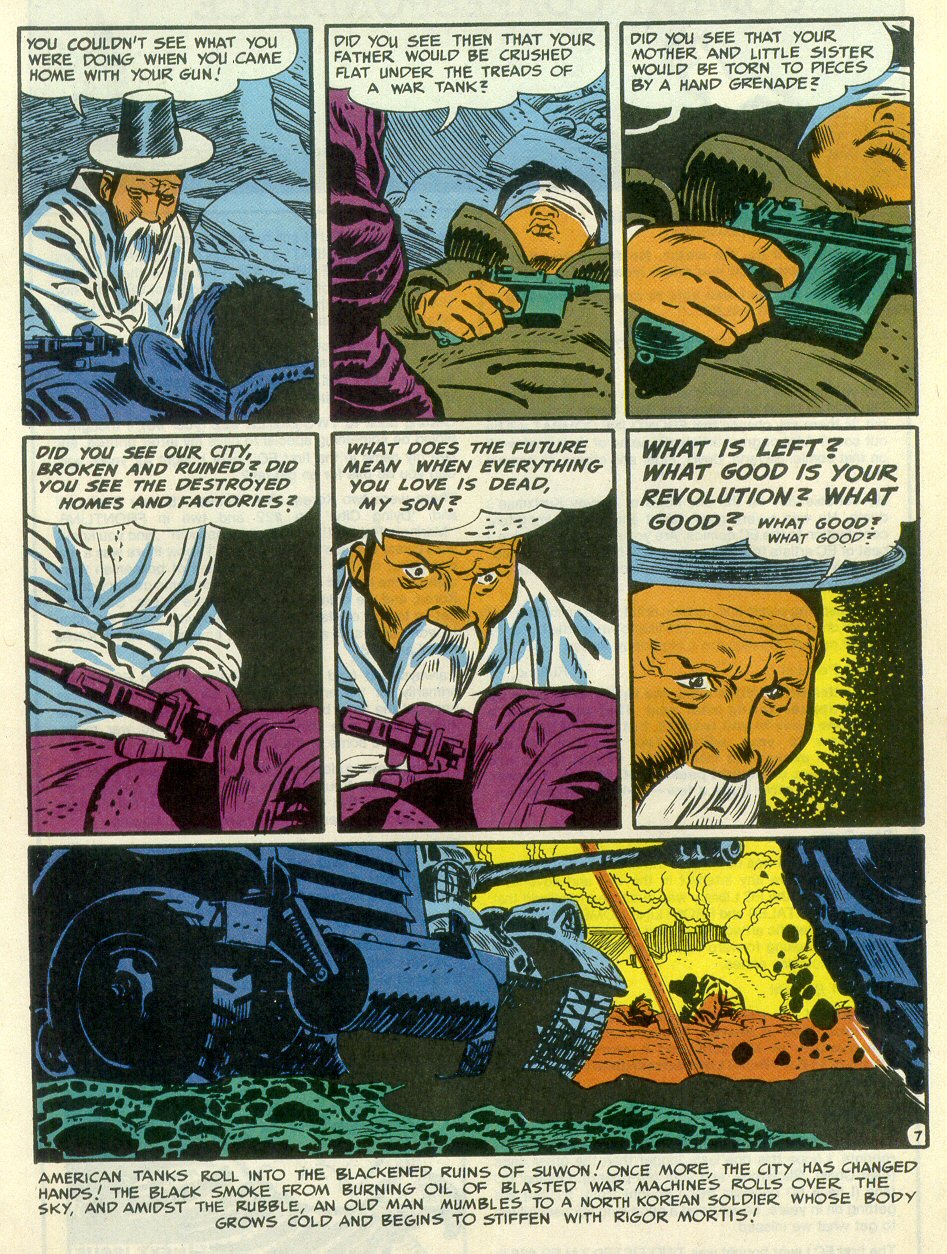
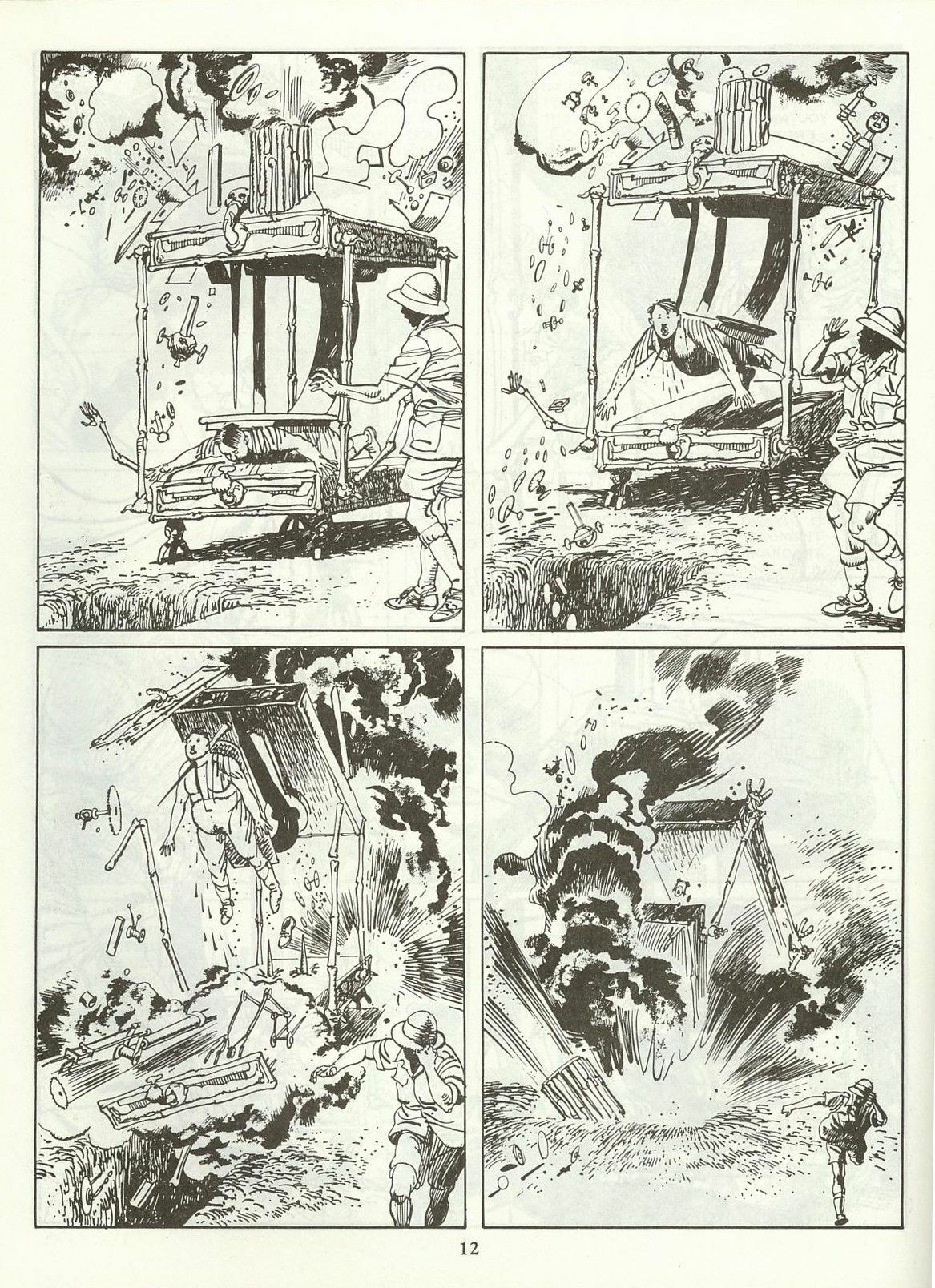
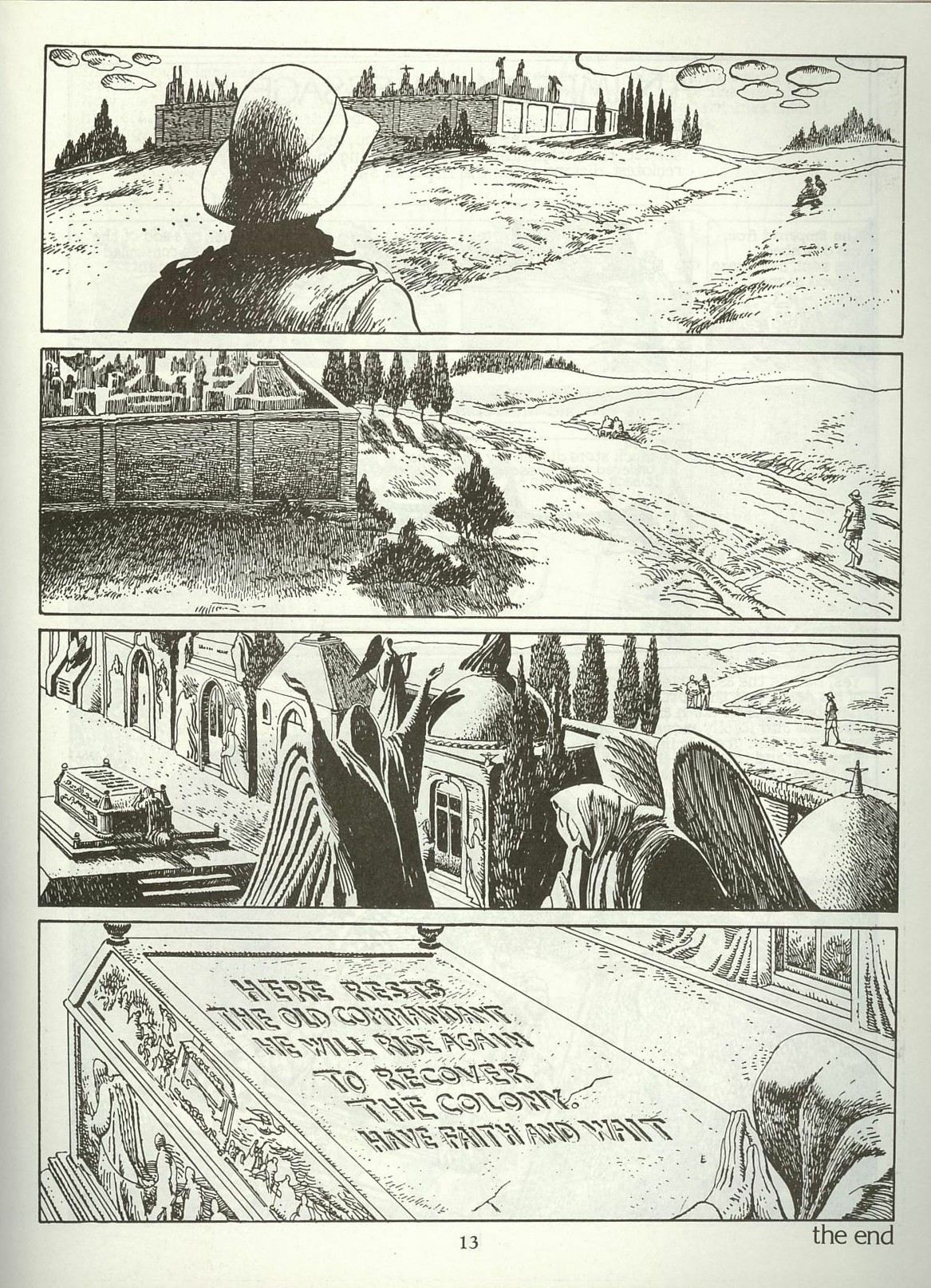
From a 1993 reprint of Two-Fisted Tales #22 (EC, 1951), here’s “Dying City!” with script and layouts by Harvey Kurtzman, pencils by Alex Toth, and inks by Kurtzman:

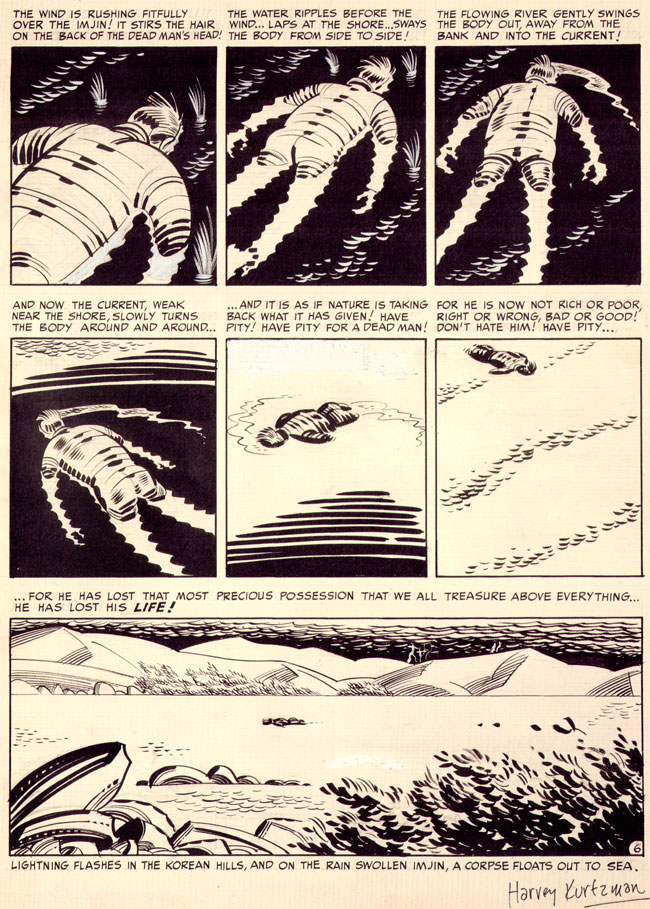
Of course, in the summer of 2012, “Dying City!” will be back in print, this time from Fantagraphics, which recently acquired the reprint rights to the EC Comics Library and has announced plans to publish a series of volumes focused on individual creators. “Corpse on the Imjin” and Other Stories (including “Dying City!”) by Harvey Kurtzman and his various collaborators (ISBN: 978-1-60699-545-7) will be the first volume in the series.

Harvey Kurtzman · Heads Up! · Robert Crumb

Heads Up: Fantagraphics to publish the EC Comics Library and the Complete ZAP Comix

Two big news stories were unleashed yesterday via the Fantagraphics FLOG! Blog!


BIG NEWS STORY #1:

Fantagraphics Books to Publish the EC Comics Library by Gary Groth. Here are a couple of excerpts:

    The first four books in the series [writes Groth] will be:

  1. “Corpse on the Imjin” and Other Stories
    by Harvey Kurtzman. This will reprint all the war stories Kurtzman wrote and drew himself in Two-Fisted Tales and Frontline Combat, including all 23 of his covers — each a masterpiece in its own right. This volume will also include all the war stories that Kurtzman wrote and laid out but were drawn by artists who weren’t regularly featured in his war books: Gene Colan, Joe Kubert, Alex Toth, Dave Berg, Ric Estrada, Russ Heath, and others. (The regulars were Jack Davis, John Severin, Wally Wood, and George Evans, each of whom will later be the subject of their own war comics collections). Kurtzman’s war comics are still considered to be the gold standard for the genre, with a devotion not only to historical accuracy but also to resisting any impulse to glamorize wartime; a WWII veteran himself, Kurtzman’s humanistic approach was in stark contrast to the simp- leminded, jingoistic efforts of EC’s rival publishers, and paved the way for other popular media to depict the true face of war.
  2. “Came the Dawn” and Other Stories by Wally Wood: Though often remembered for his science-fiction work, Wood’s heavy, noirish brushstrokes were perfectly suited for EC’s rough-hewn suspense stories in (the appropriately titled) Shock SuspenStories and this volume will collect them all for the first time.
  3. Jack Davis’s horror stories (exact title t.b.a.): Jack Davis’s gift for caricature has made him an icon in the advertising world and helped define MAD magazine, but he was also one of the most versatile cartoonists of his generation; after “Ghastly” Graham Ingels, Davis was EC’s most prolific horror artist, appearing in all three of EC’s horror titles — Haunt of Fear, Vault of Horror, and Crypt of Terror. This will collect the entirety of Davis’s horror work, all of which was written by Al Feldstein.
  4. Al Williamson’s science-fiction stories (exact title t.b.a.): EC published two SF comics — Weird Fantasy and Weird Science — and Williamson was one of the stars, with an illustrative style that carried on the tradition of the great adventure comic strips like Alex Raymond’s Flash Gordon. This volume will compile all 174 pages of Williamson’s SF stories.

Also:

Fantagraphics will be publishing four EC collections a year, beginning in Summer 2012.

“Corpse on the Imjin” and Other Stories
By: Harvey Kurtzman et al.
Release Date: July 2012
ISBN: 978-1-60699-545-7
Black & White • Hardcover • 7” x 10”

“Came the Dawn” and Other Stories
By: Wally Wood, Al Feldstein, et al.
Release Date: July 2012
ISBN: 978-1-60699-546-4
Black & White • Hardcover • 7” x 10”


BIG NEWS STORY #2:

Fantagraphics to Publish The Complete ZAP Comix by Eric Reynolds. Here are a couple of snippets:

The Complete ZAP Comix will be published as a two-volume, slipcased hardcover set, printed slightly larger than the original comics, and shot from the original negatives to the comic books, ensuring the finest reproduction ever seen of the material. It will also include the rarely-seen ZAM, a one-shot mini-comic/jam spinoff of ZAP from 1974, as well as other supplementary features, interviews with the artists, and other surprises.

Also:

Fantagraphics will be publishing The Complete ZAP Comix in Fall of 2012.

The Complete ZAP Comix
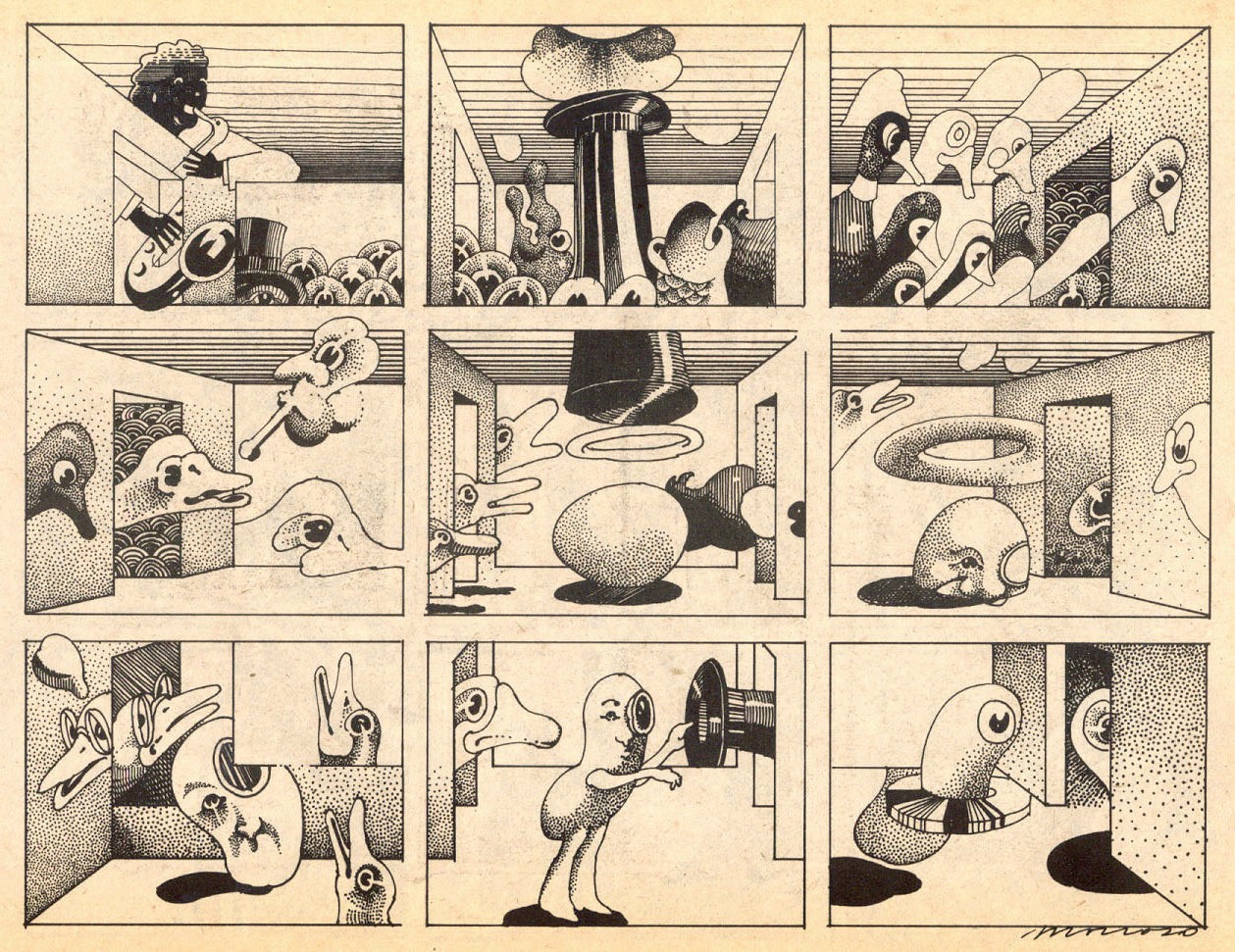
By: R. Crumb, S. Clay Wilson, Robert Williams, Spain Rodriguez,
Gilbert Shelton, Victor Moscoso, Rick Griffin, & Paul Mavrides
Release Date: Fall 2012
Page Count: 800 PP
Black & White • Two-Volume, Slipcased Hardcover Set

According to Reynolds, The Complete ZAP Comix collection will be designed by Victor Moscoso.


Illustration Art · Look Here

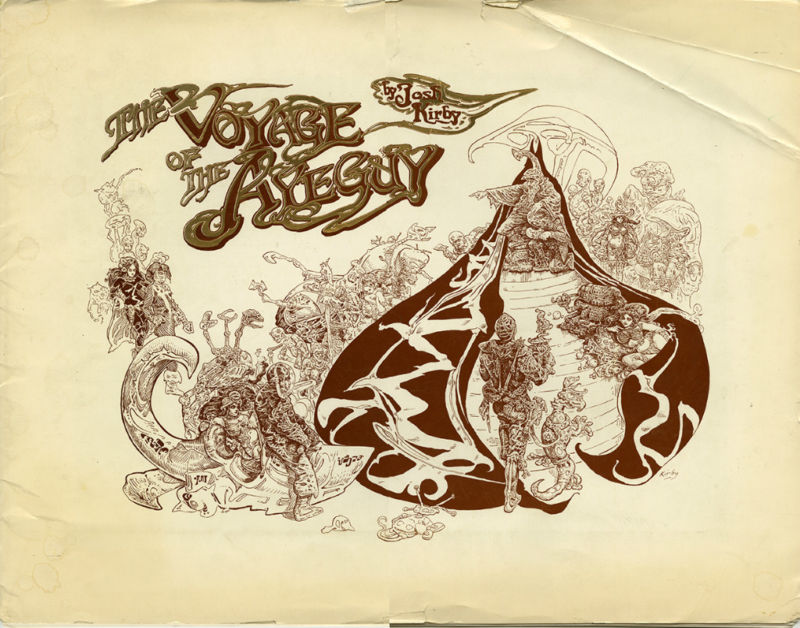
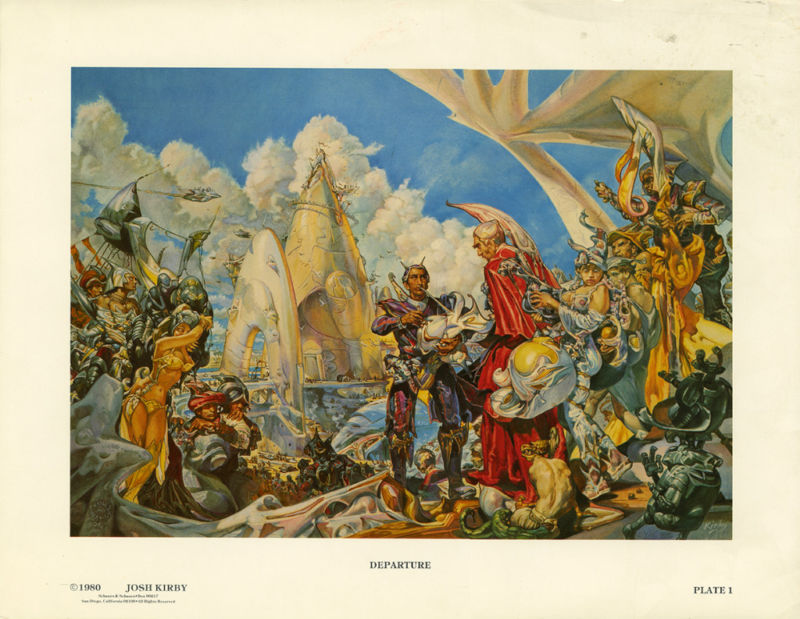
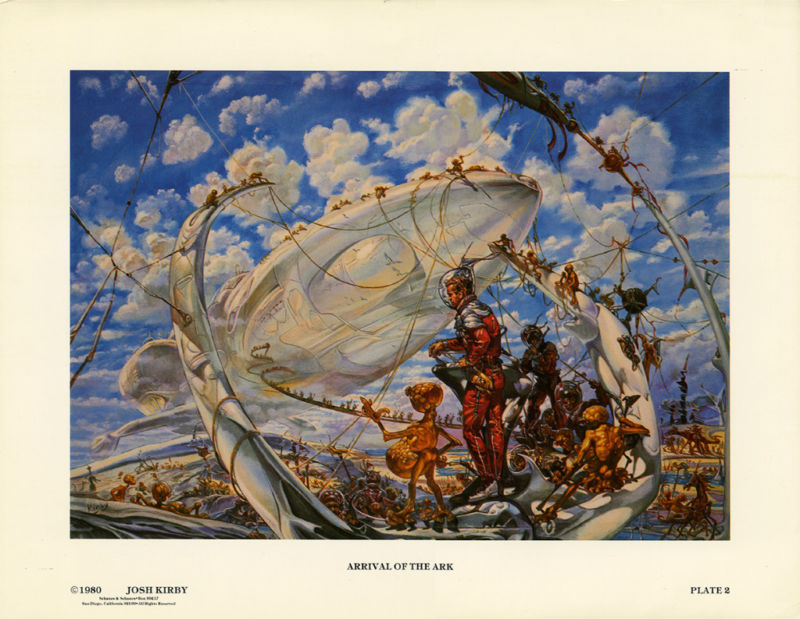
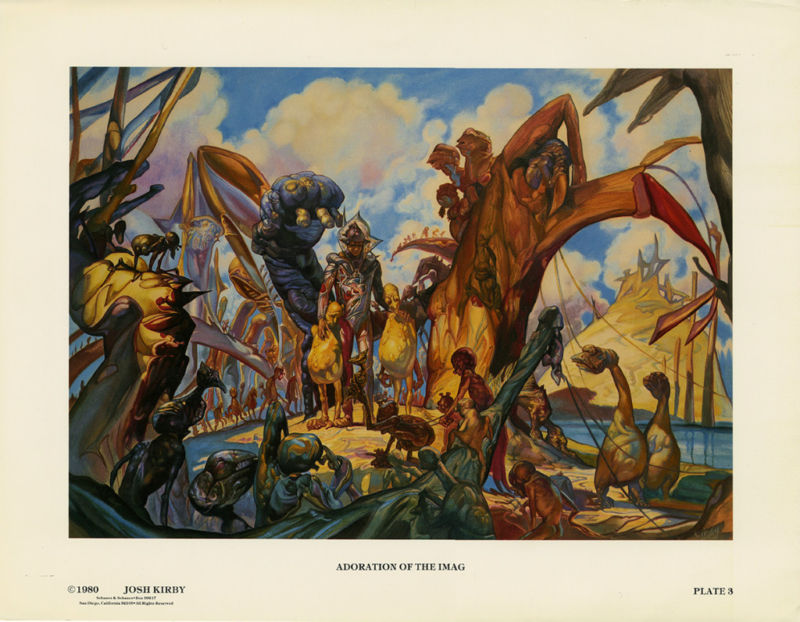
Heads Up: “The Voyage of the Ayeguy” by Josh Kirby

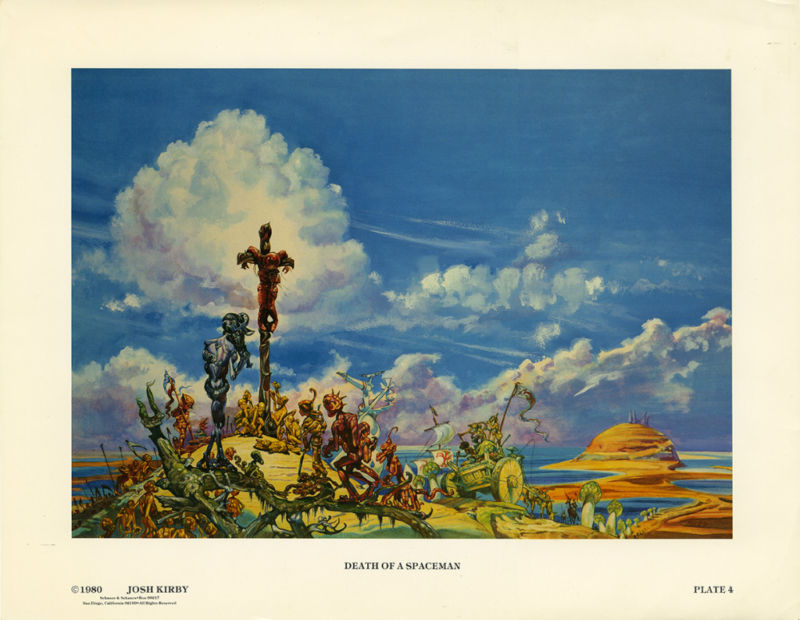
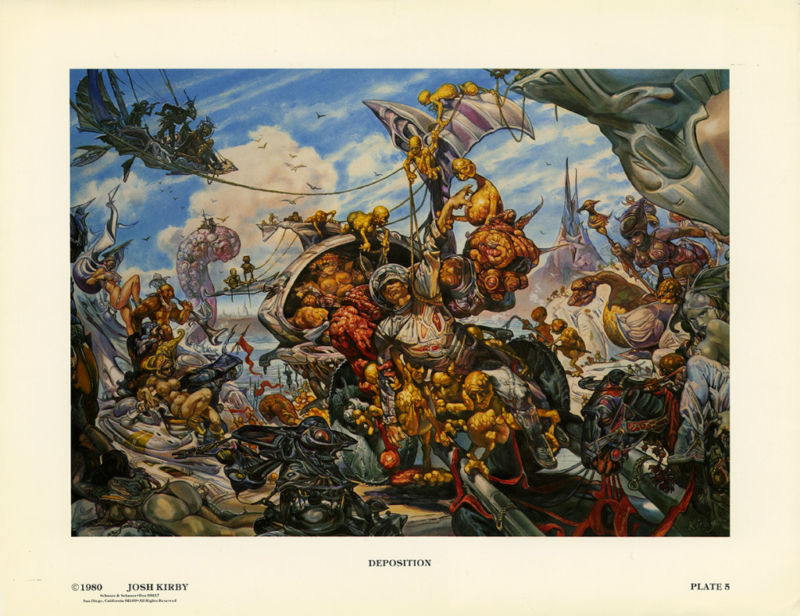
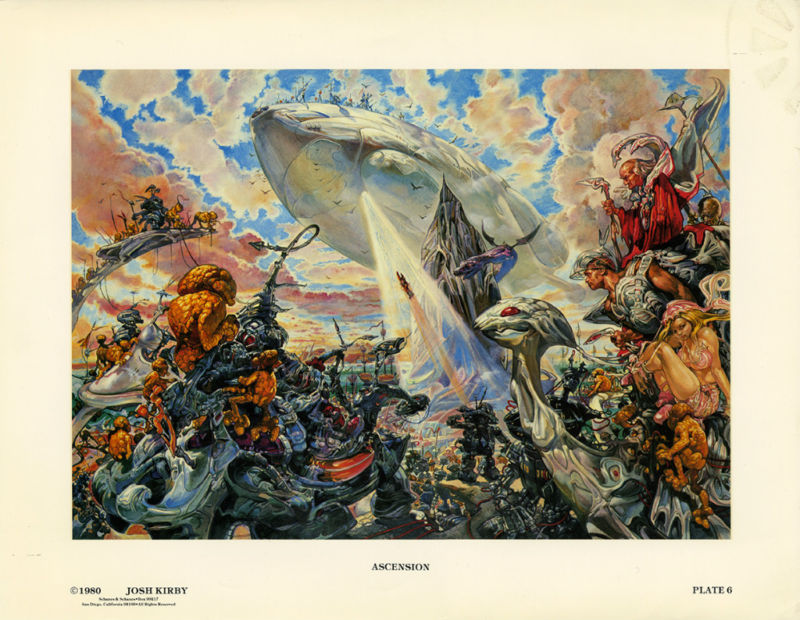
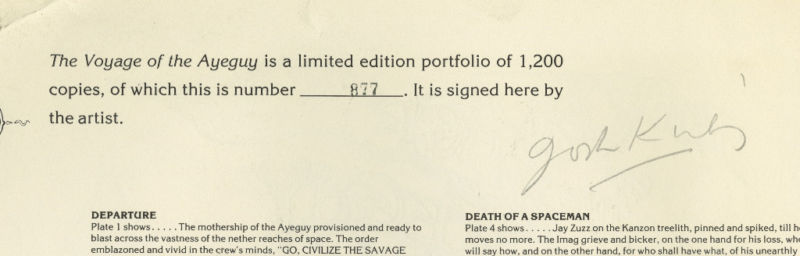
Over on the FLOG! Blog, Mike Baehr has posted to alert readers that Fantagraphics is selling a copy of the signed, limited-edition portfolio, The Voyage of the Ayeguy (1980), by Josh Kirby, via ebay. The portfolio is number 877 of 1,200. The starting bid is set at US$100; the auction ends on Sunday. If you bid and win, you’ll not only have the satisfaction of supporting a respected publishing house with a storied history but here’s what you’ll be able to add to your “print” collection:

UPDATE (08 June 2011):

I see that the “Voyage of the Ayeguy” portfolio didn’t sell the first time around; however, the good news for Josh Kirby fans on a tight budget is that it has now been relisted with a reduced starting bid of US$75.00. Are portfolios of this kind a good investment? I have no idea, though I must admit that I do own a number of them, including the Barry Windsor-Smith’s and Jeffrey Jones’s boxed Cygnus drawing portfolios, Jeffrey Jones’s “As a Child” and “World without End” portfolios, Barry Windsor-Smith’s “Fantastic Islands,” “Sibyla,” and “Excalibur” portfolios, Arthur Suydam’s “Mysterious World: The Art of Arthur Suydam,” Richard Corben’s “Scenes from the Magic Planet,” and Alex Nino’s “Fantasy Worlds.”

Comics · Guy Peellaert · Heads Up!

Heads Up: Fantagraphics acquires Peellaert’s THE ADVENTURES OF JODELLE and PRAVDA

From the press release written by Jacq Cohen:

THE ADVENTURES OF JODELLE
Written by: Pierre Bartier; Drawn by: Guy Peellaert
Hardcover • Full-Color
Release: May 2012

PRAVDA
Written by: Pascal Thomas; Drawn by: Guy Peellaert
Hardcover • Full-Color
Release: November 2012

FANTAGRAPHICS ACQUIRES RIGHTS TO TWO LEGENDARY BELGIAN CLASSICS: PEELLAERT’S THE ADVENTURES OF JODELLE AND PRAVDA

Fantagraphics Books has signed a deal to release two groundbreaking graphic novels from cult Belgian artist Guy Peellaert (1934-2008): The Adventures of Jodelle (1966) and Pravda (1967). The remastered editions will be produced in collaboration with the late artist’s estate, which will contribute previously unseen material for extensive archival supplements.

Both albums were originally released in France by Eric Losfeld, the controversial publisher who passionately defied censorship in the lead-up to the cultural revolution of 1968; along with Jean-Claude Forest’s Barbarella, Peellaert’s Jodelle and Pravda were among the earliest of European adult-oriented graphic novels.

The Adventures of Jodelle, whose voluptuous title heroine was modeled after French teen idol Sylvie Vartan, is a satirical spy story set in a Space Age Roman-Empire fantasy world. Its then-revolutionary clashing of high and low culture references, borrowing as much from Renaissance painting as from a fetishized American consumer culture, marked the advent of the Pop movement within the nascent “9th art” of comic books, not yet dignified as “graphic novels” but already a source of great influence in avant-garde artistic circles. Visually, Jodelle was a major aesthetic shock. According to New York magazine, its “lusciously designed, flat color patterns and dizzy forced perspective reminiscent of Matisse and Japanese prints set a new record in comic-strip sophistication.”

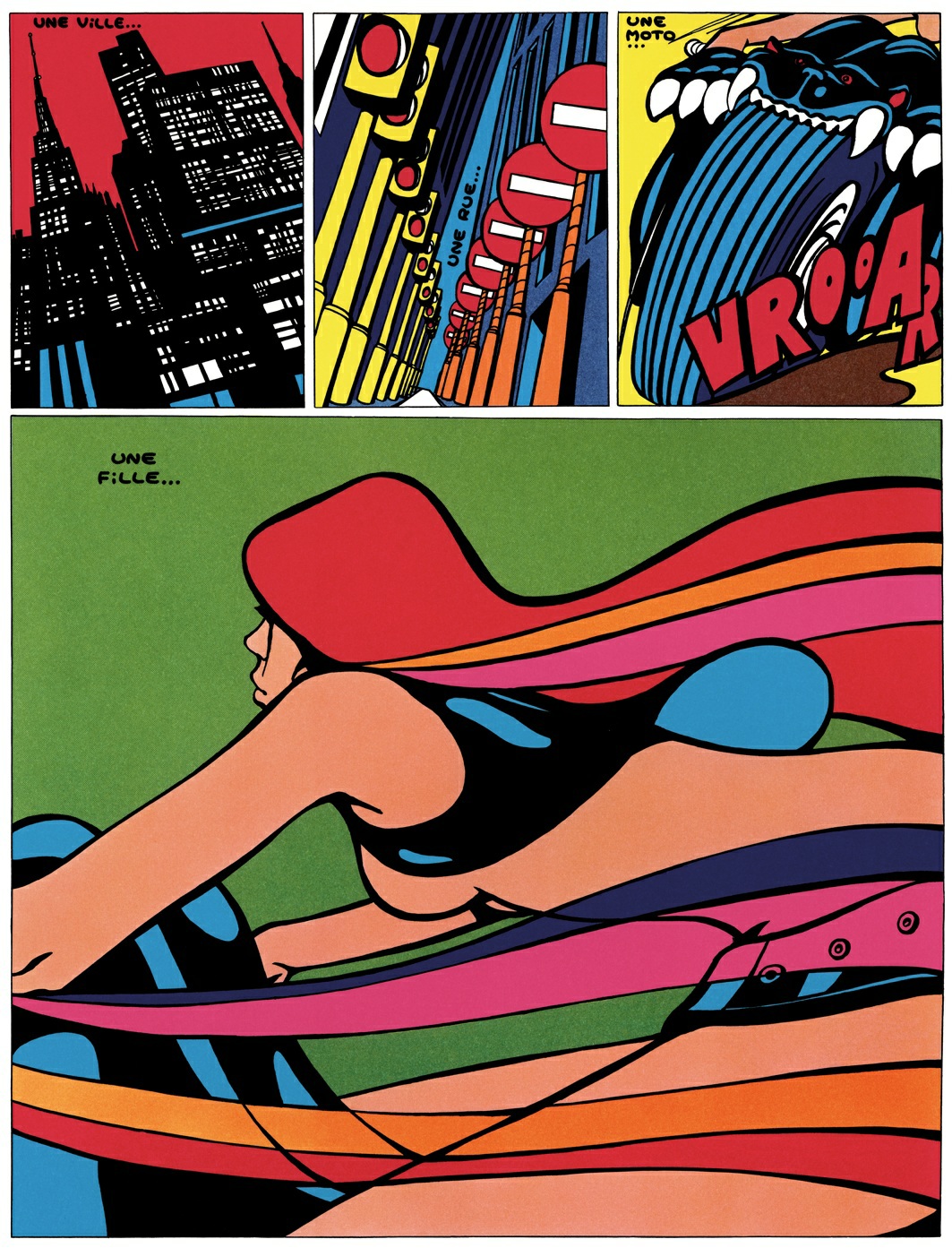
Released a year later and first serialized in the French counter-culture bible Hara-Kiri, Pravda follows the surreal travels of an all-female motorcycle gang across a mythical American landscape, led by a mesmerizing cold-blooded heroine whose hyper-sexualized elastic anatomy was this time inspired by quintessential Gallic chanteuse Françoise Hardy. Pravda‘s eye-popping graphics pushed the psychedelic edge of Jodelle to dazzling new heights, further liberating the story from narrative conventions to focus the reader’s attention on the stunning composition and glaring acid colors of the strips, with each frame functioning as a stand-alone cinematic picture.

Pravda, with its themes of female empowerment and beauty emerging from chaos, became an instant sensation on the European underground scene, inspiring various tributes and appropriations from the worlds of film, literature, fashion, music, live arts, advertising or graphic design. Over the years, it has acquired a rarefied status as a unique and timeless piece of Pop Art defying categorization or trends, and has found itself exhibited in such unlikely “high culture” institutions as the Musée d’Orsay or the Centre Pompidou. An early admirer of Peellaert’s radical vision — along with luminaries as diverse as Jean-Luc Godard (who optioned the film rights to Pravda) and Mick Jagger — Frederico Fellini praised Jodelle and Pravda as “the literature of intelligence, imagination and romanticism.”

The Adventures of Jodelle was published in the United States in 1967 by Grove Press, whose legendary editor-in-chief Richard Seaver (the man credited with introducing Samuel Beckett, William Burroughs and Henry Miller to America) also provided the translation; Pravda has never been released in English, despite its lead character transcending the long out-of-print book where she originated to become a peculiar iconic figure, the maverick muse of a few “au courant” art and design aficionados from Paris to Tokyo.

Refusing to cash in on the phenomenal success of Jodelle and Pravda (he viewed the former as a one-time graphic “experiment” of which the latter marked the accomplishment) the reclusive Peellaert abruptly left cartoons behind after only two albums at the dawn of the 1970s to pursue an obsessive kind of image-making which painstakingly combined photography, airbrush painting and collage in the pre-computer age. His best-known achievement in America remains the seminal 1973 book Rock Dreams, a collection of portraits which resulted from this distinctive technique and was hailed as “the Sistine Chapel of the Seventies” by Andy Warhol’s Interview magazine, eventually selling over a million copies worldwide, influencing a generation of photographers and earning its place in the pantheon of rock culture. Other well-known creations include the iconic artwork for David Bowie’s Diamond Dogs album cover (1974) as well as The Rolling Stones’ It’s Only Rock ‘N’ Roll the same year. Peellaert also created the indelible original poster for Martin Scorcese’s Taxi Driver (1978), the first of many commissions from renowned auteurs including Wim Wenders, Robert Altman, Stephen Frears, Alain Resnais and Robert Bresson.

As the original negatives and color separations for Jodelle and Pravda are long lost (interestingly, Peellaert never reclaimed the original ink-on-paper pages from Losfeld) Fantagraphics will be re-coloring both books digitally. “The original books were colored via hand-cut separations from Peellaert’s detailed color indications,” said Fantagraphics co-publisher Kim Thompson, who will be editing and translating the new editions. “Since the Losfeld editions were printed quite well and Peellaert’s linework is thick and simple, we’re going to be able to generate crisp black-and-white versions of the line art to start from which should duplicate the original ‘look’ exactly. Although actually our edition of Pravda should be better than the original, which had some pretty erratic color registration.”

The Adventures of Jodelle is scheduled for release in May 2012, and Pravda in November 2012, both in deluxe oversized hardcover editions. Each will feature an extensive original essay discussing the works and their historical context, accompanied by numerous archival illustrations and photographs.

“I am terrifically excited to bring these two landmark books to American audiences — especially Pravda, which has never been published in English,” said Thompson. “They are some of the most graphically jaw-dropping comics ever put to paper. They remain both quintessentially 1960s in attitude and look, and utterly timeless.”
BONUS LINKS:

BulleDaire.com > Pravda la Survireuse — a page out of Peellaert’s book.

CON C DE ARTE > PEELLAERT EN MÚSICA E IMÁGENES — an overview of Peellaert’s artistic career.

Ride the Machine > Guy Peelaert and Pravda the Overdriver — includes two double-page spreads from Pravda.

Comics · Jack Davis · Look Here · Original art vs. printed page

Look Here: “Cigar Store Indian, 1957,” by Jack Davis

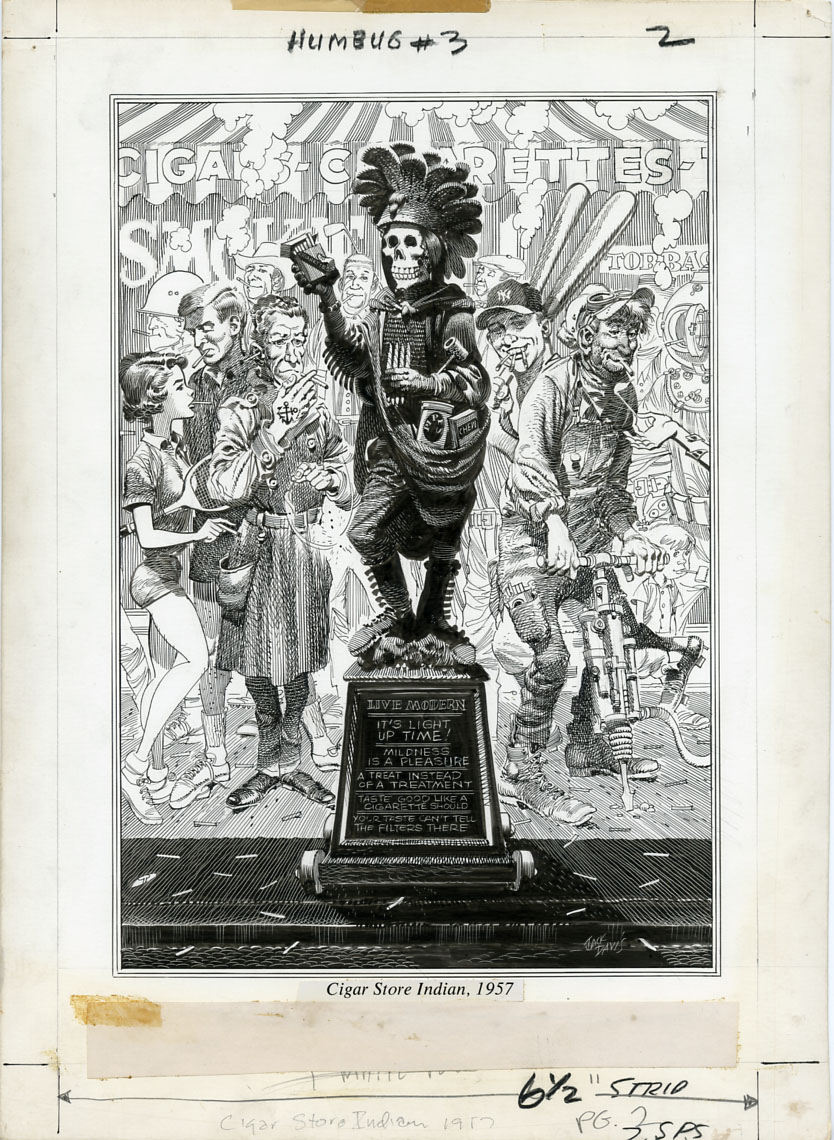
Here’s a JPEG of Jack Davis’s original artwork for “Cigar Store Indian, 1957” (with the note “HUMBUG #3” at the top), along with a scan of the piece as it was printed in Humbug #4:

[CLICK IMAGES TO ENLARGE]

What is immediately evident when one compares the two images above is how much detail was “lost in translation” from the original artwork to the printed page. In the original, Davis’s precisely crosshatched shadows are alive with atmosphere and reflected light. In the reproduction, however, the ink has sunk into the cheap paper to such an extent that Davis’s linework is made to appear a lot more heavy handed that it really is, with carefully designed tonal values congealing at the darker end of the scale into unintended masses of inky blackness. The loss of crucial detail is nowhere more obvious than on the plinth of the statue, which actually contains a lot more text — text that is integral to the joke that the drawing is intended to convey — than was visible to the readers of Humbug (see above), or even to the readers of the two-volume, slip-cased Humbug reconstruction that was published by Fantagraphics Books in 2009. However, unlike the fine folks at Fantagraphics, who clearly didn’t have the original artwork for “Cigar Store Indian, 1957,” on hand when they produced their magnificent tribute to the genius of Harvey Kurtzman and his co-conspirators at Humbug, Kurtzman and Davis would have been painfully aware what sort of damage the dodgy reproduction of Humbug #4 had inflicted on the gag on page three.

UPDATE (16 March 2011):

In an interview with Jeffrey H. Wasserman published in the fanzine Inside Comics #2 (Summer 1974), Kurtzman explained how Humbug came into being and why, in his view, the project was fatally flawed from the first:

KURTZMAN: HUMBUG was a very sentimental undertaking. We all sat around the day after TRUMP was dropped… wondering whether to slash our wrists. Arnold Roth was the only one who kept his head about him. I was sitting with Jack Davis and Al Jaffee and Harry Chester and Arnold was the only one who could think constructively. He went down and got some booze. And in our subsequent drunken state, we decided to carry on and we came out with HUMBUG.

WASSERMAN: TRUMP was a super-slick effort, obviously intended to be well-financed. But HUMBUG was different. It retailed for 15 cents and…

KURTZMAN: HUMBUG was an attempt to work with 15 cents and publish a sensitive cartoon satire magazine. It was a disaster because it wasn’t a realistic effort at all. It totally ignored fundamental business sense. We were carried away by our talent and camaraderie and went ahead with HUMBUG anyway. But I think we turned out some of the most charming stuff that’s ever been done. The format was just so bad. It was like a fart in the wind.

It was a teeny-tiny book in black and white. It had nothing going for it except talent — at least that’s what we told ourselves. We were satisfied with that, but it wasn’t nearly enough.

You can read the entire interview here.

Comics · Here, Read · Leopoldo Duranona · Look Here

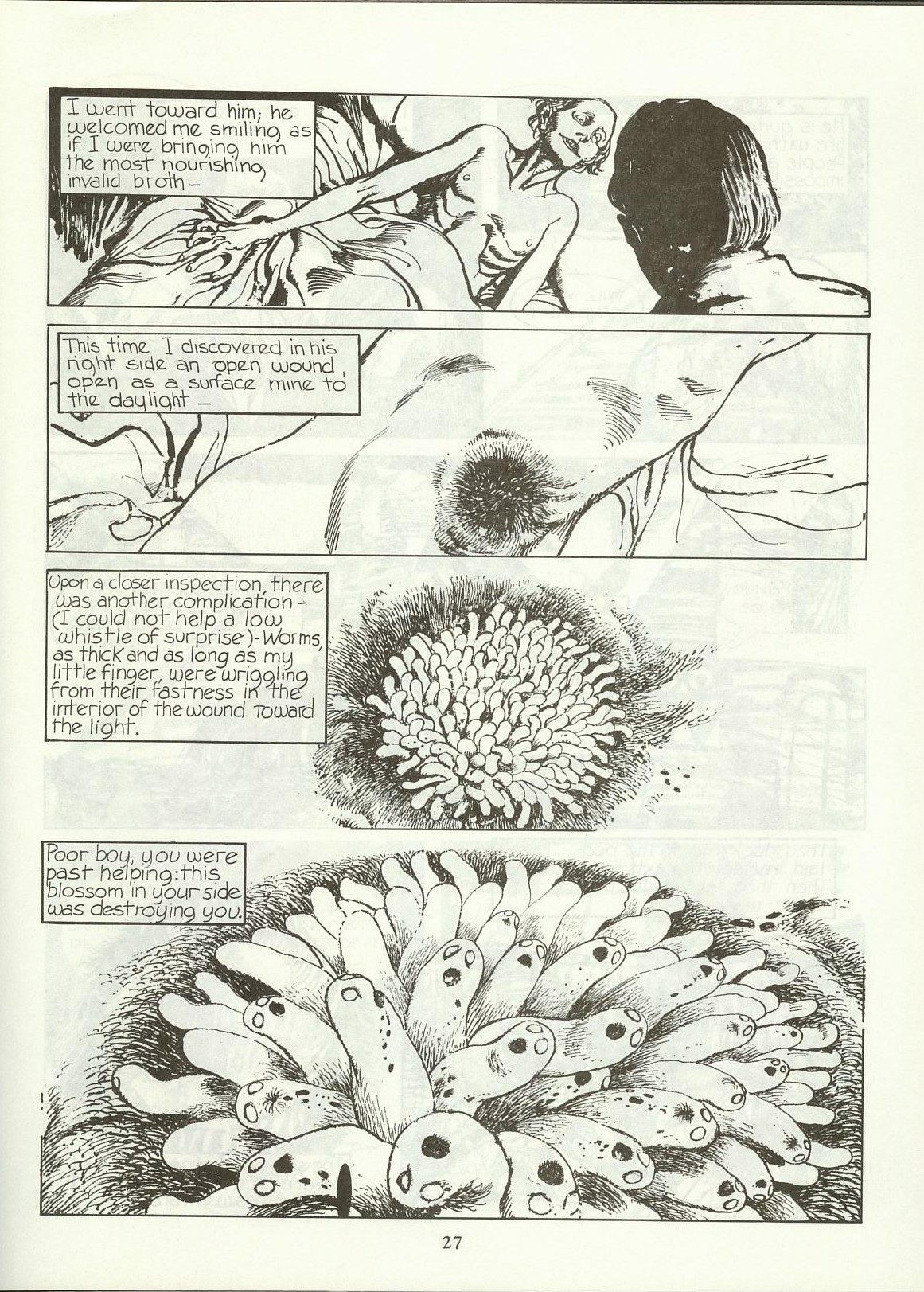
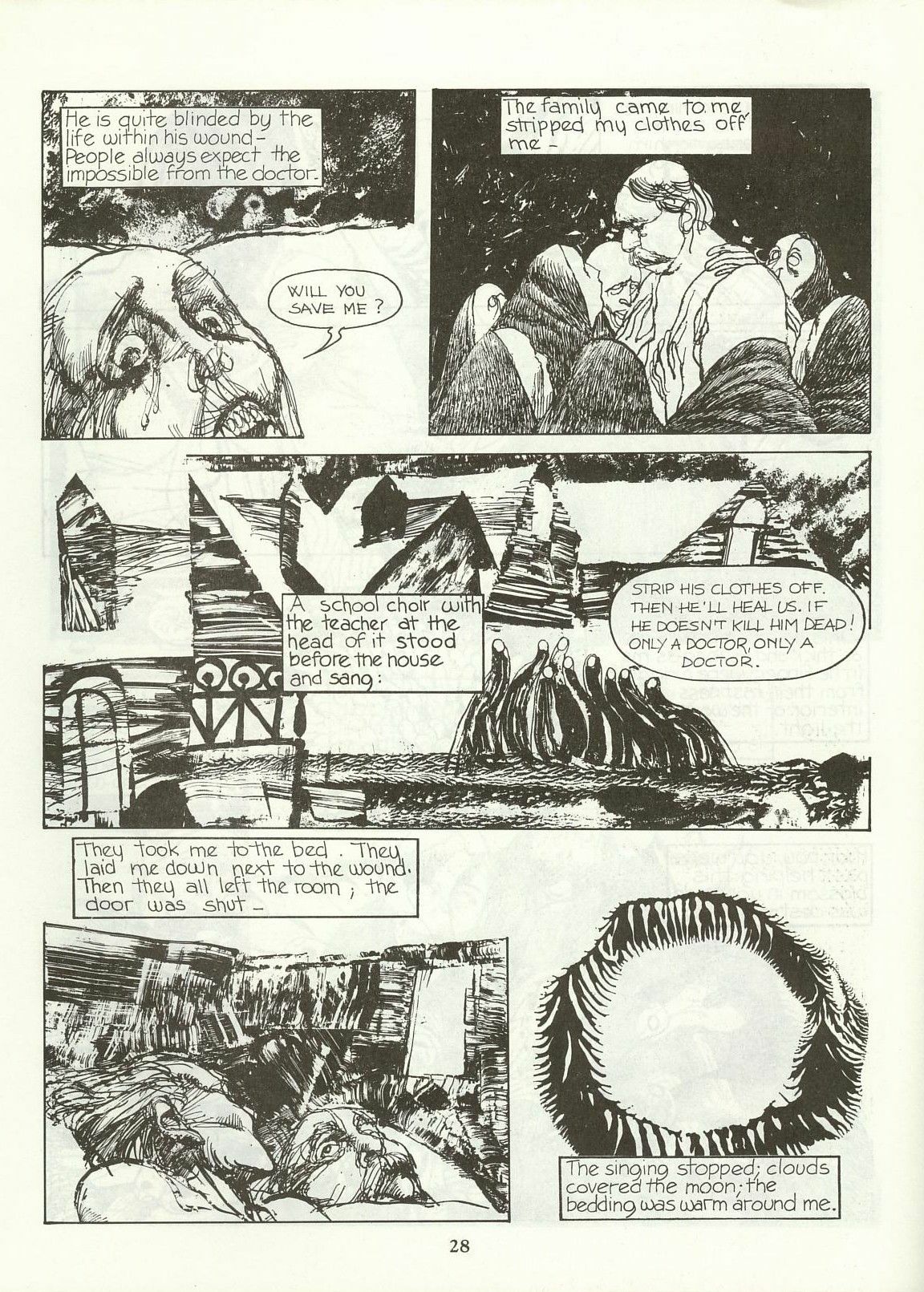
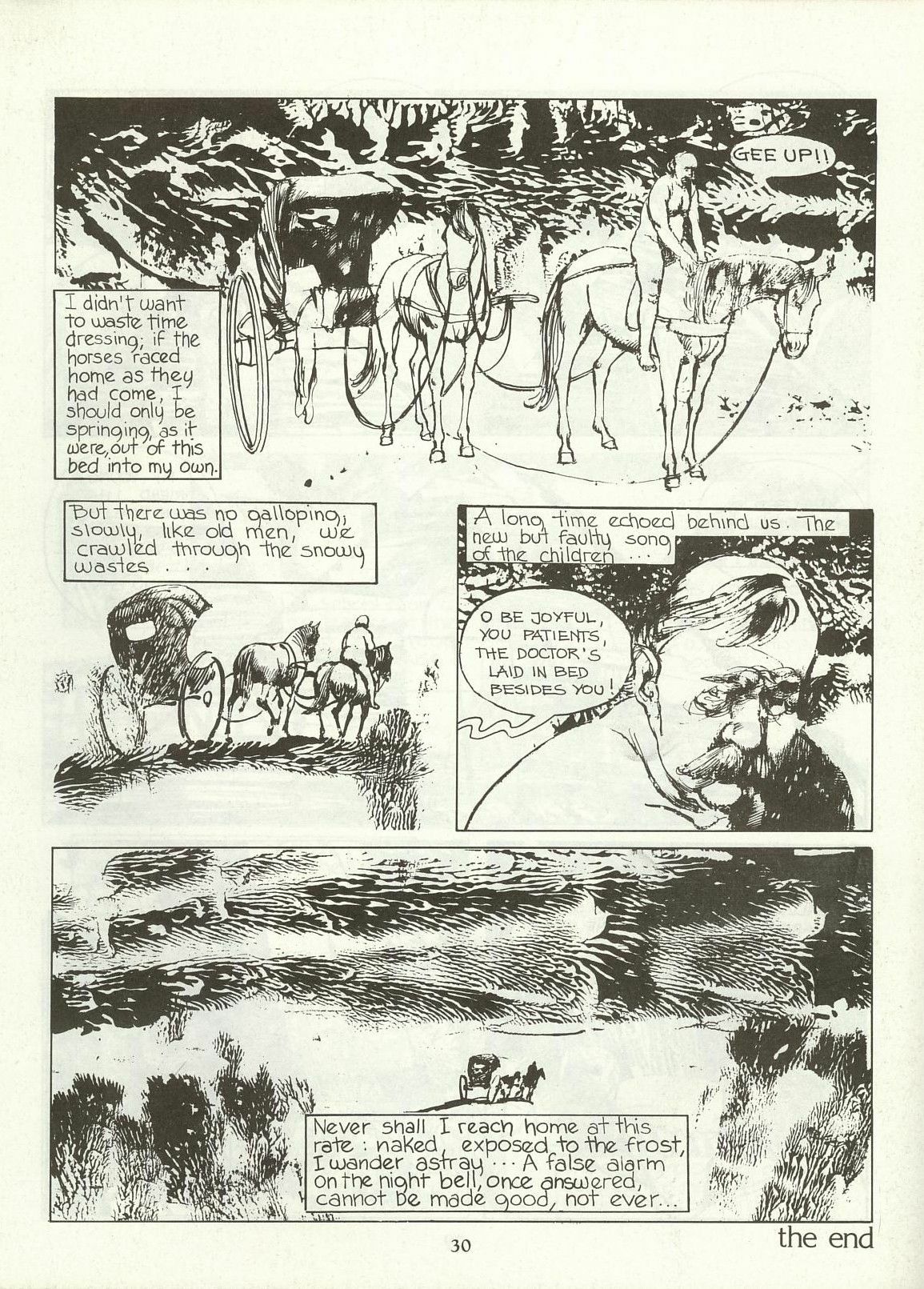
Look Here, Read: Kafka’s “A Country Doctor,” adapted for comics by Leo Duranona

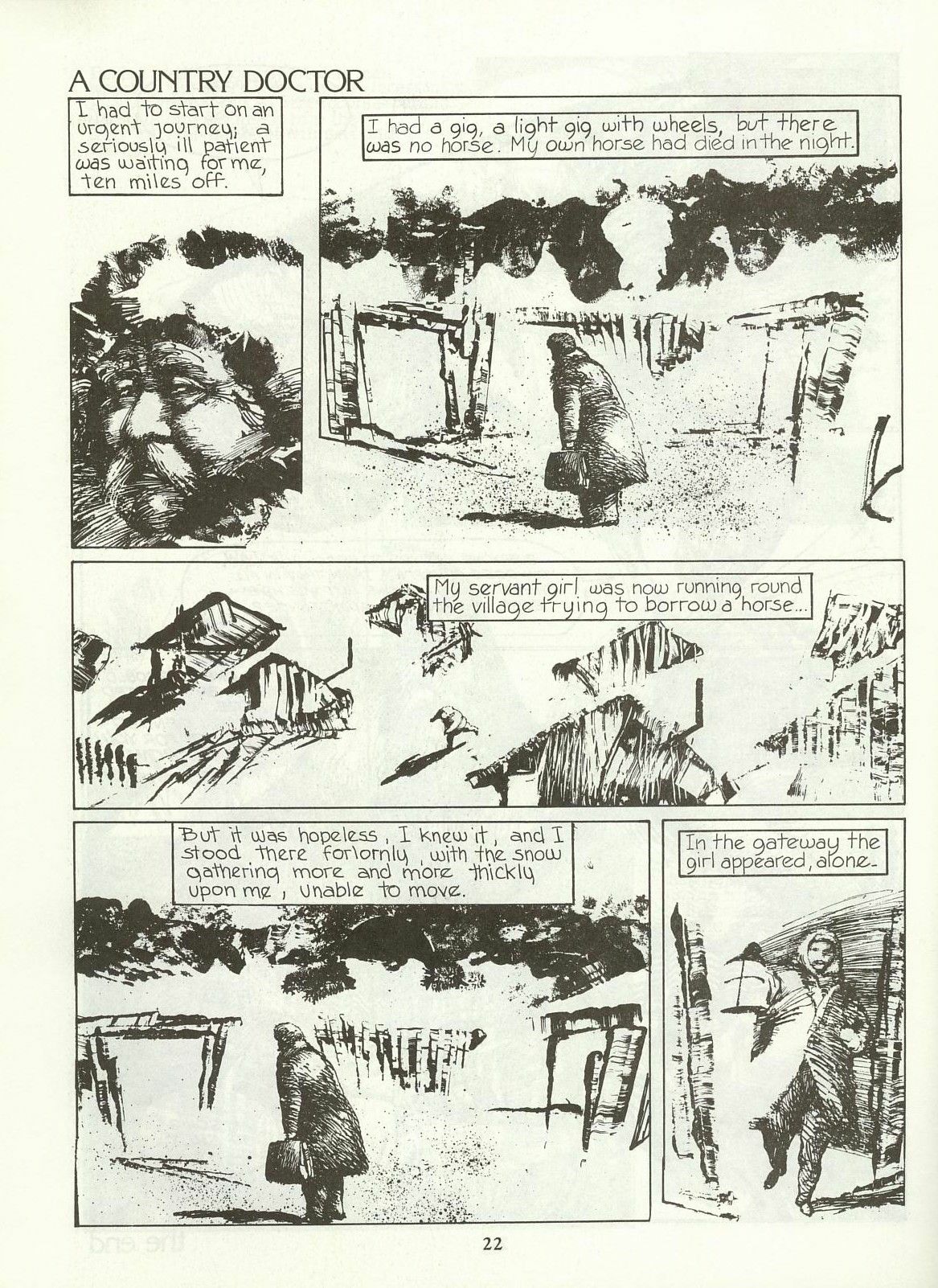
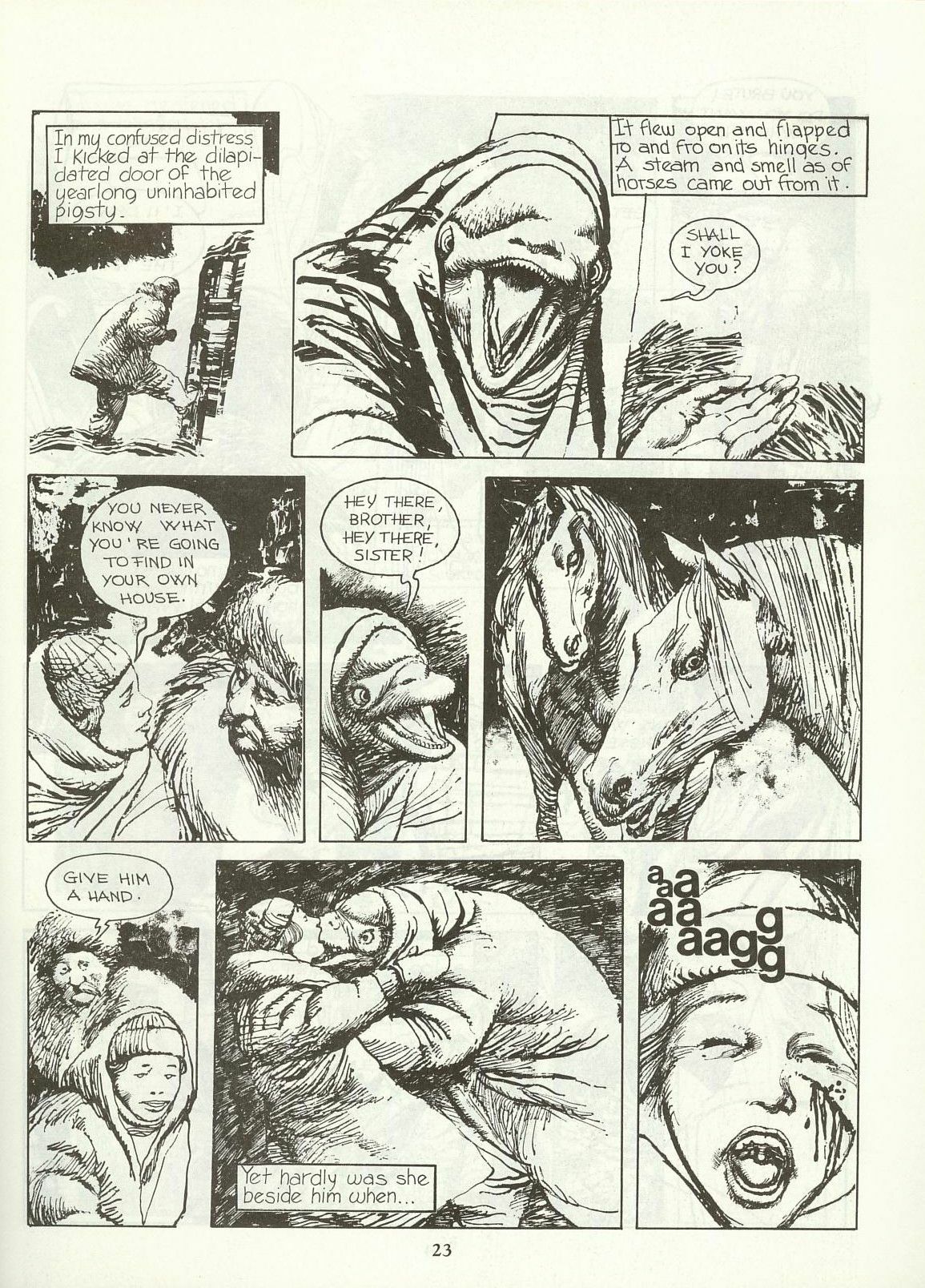
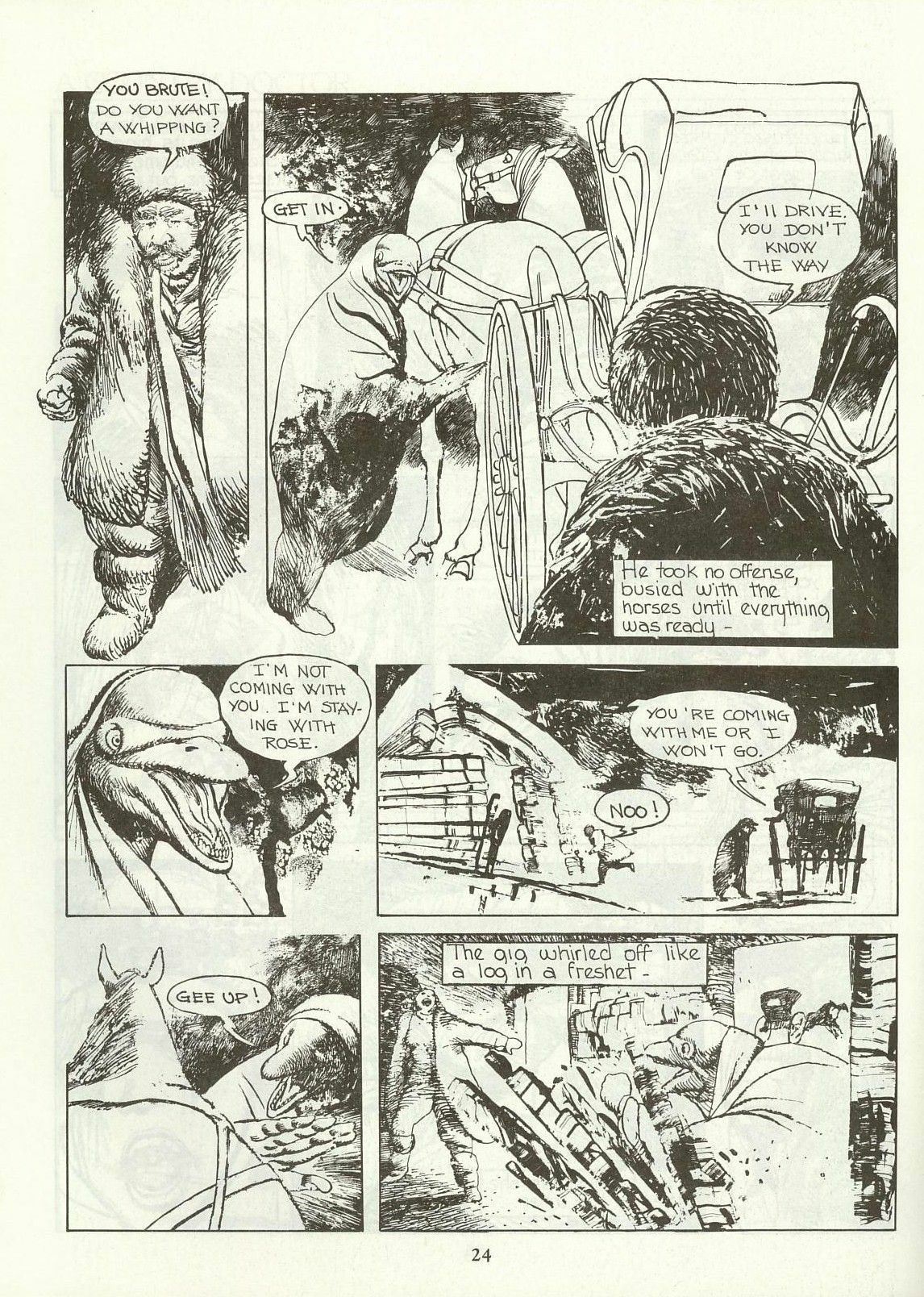
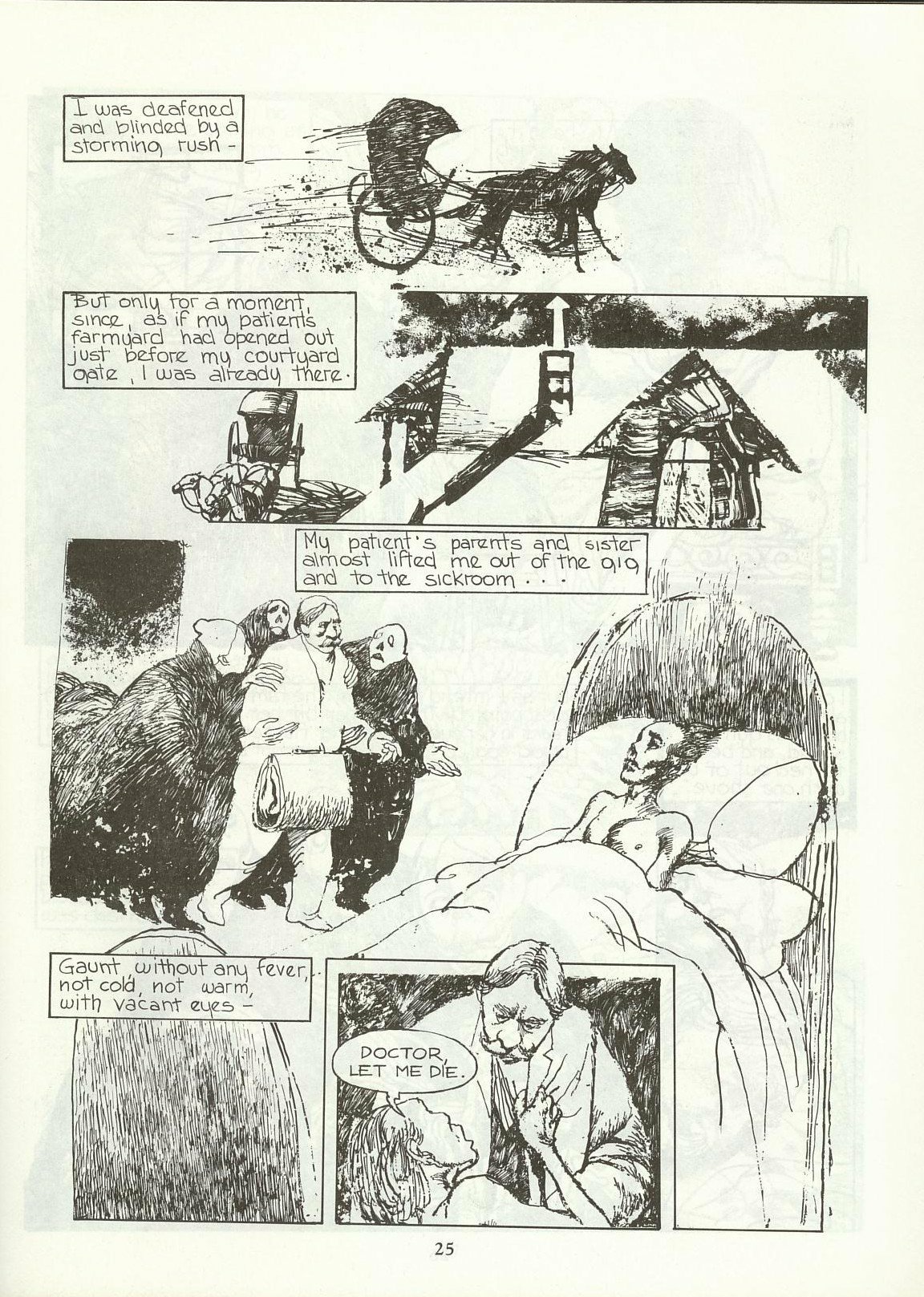
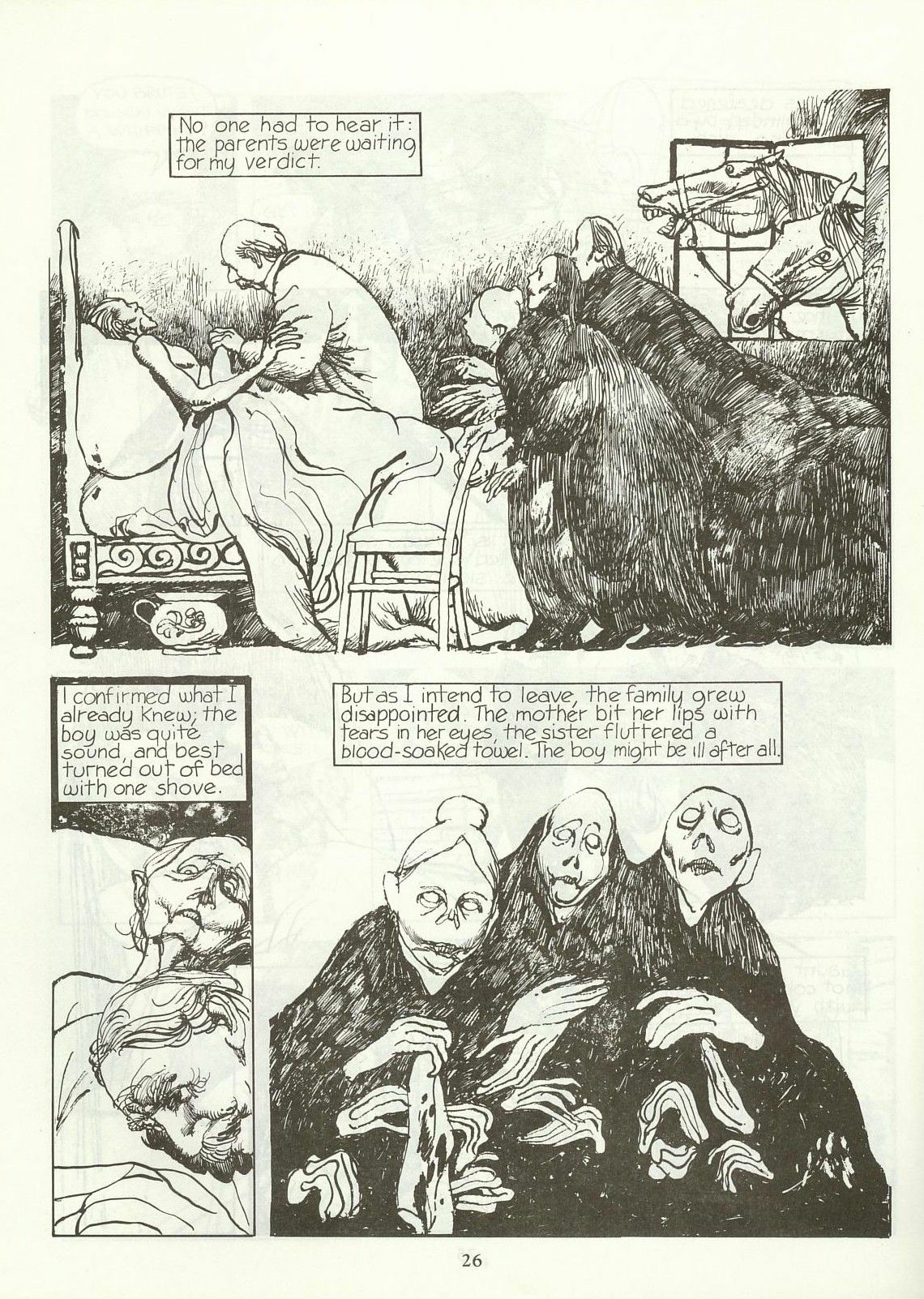
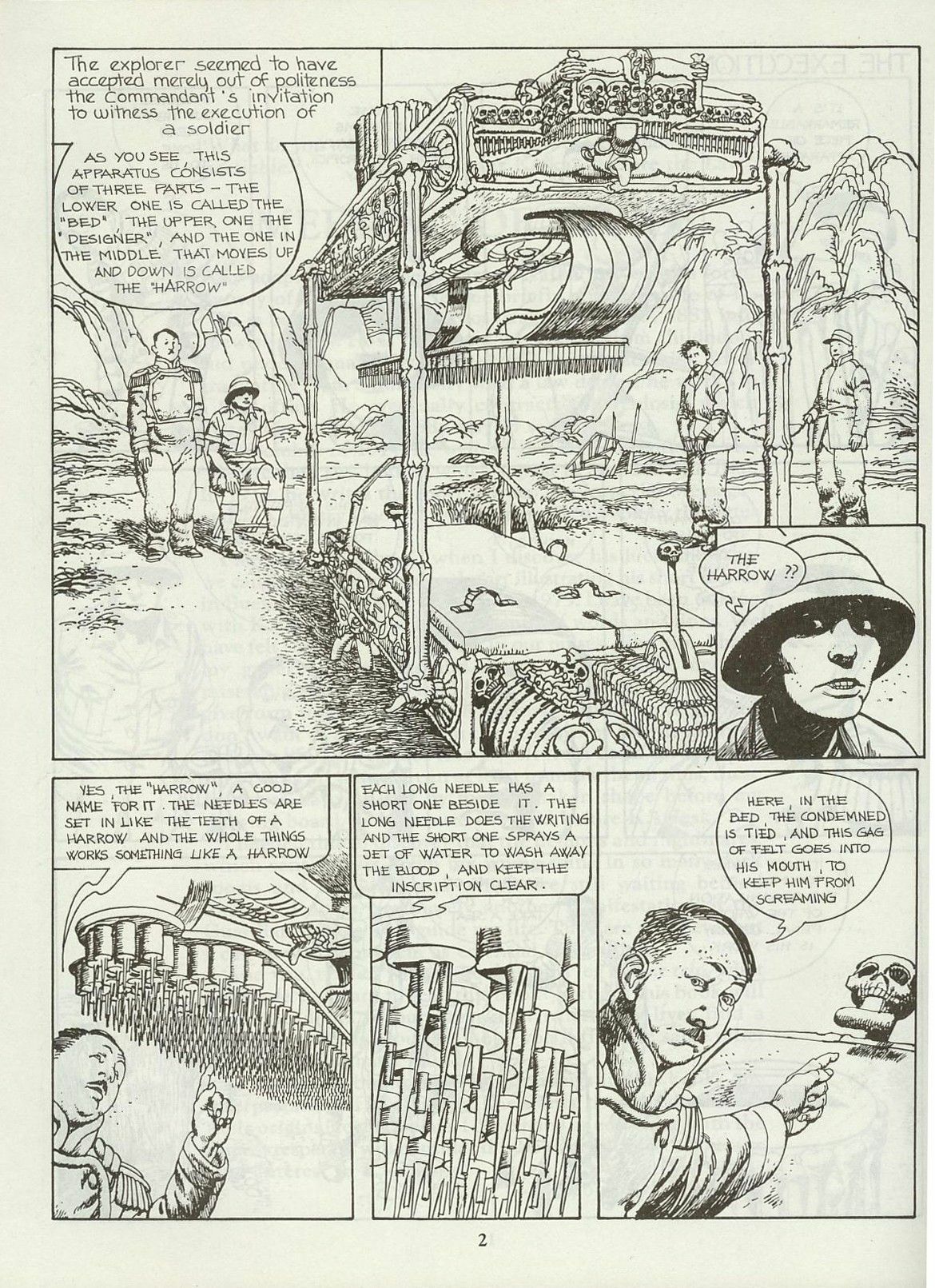
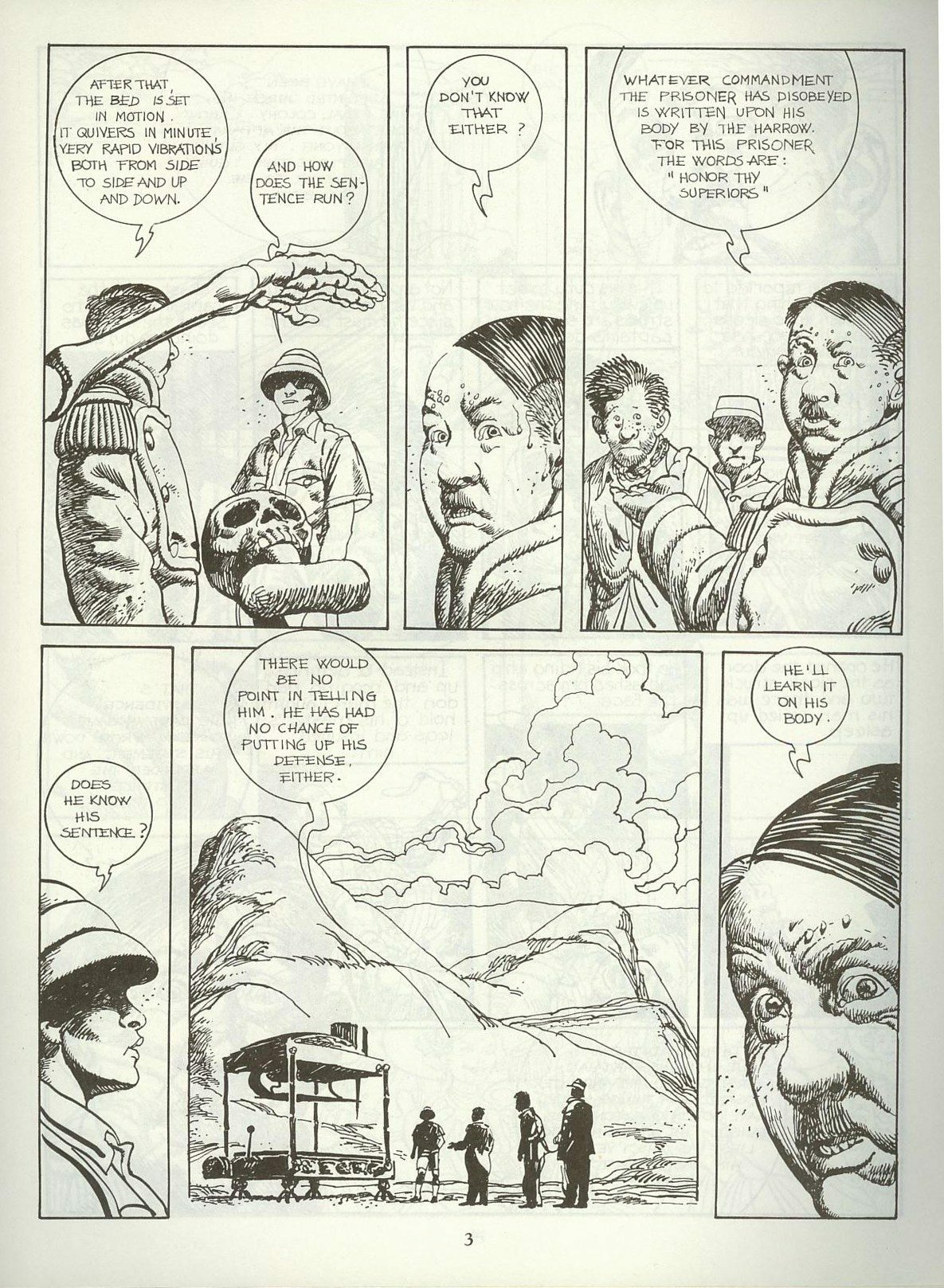
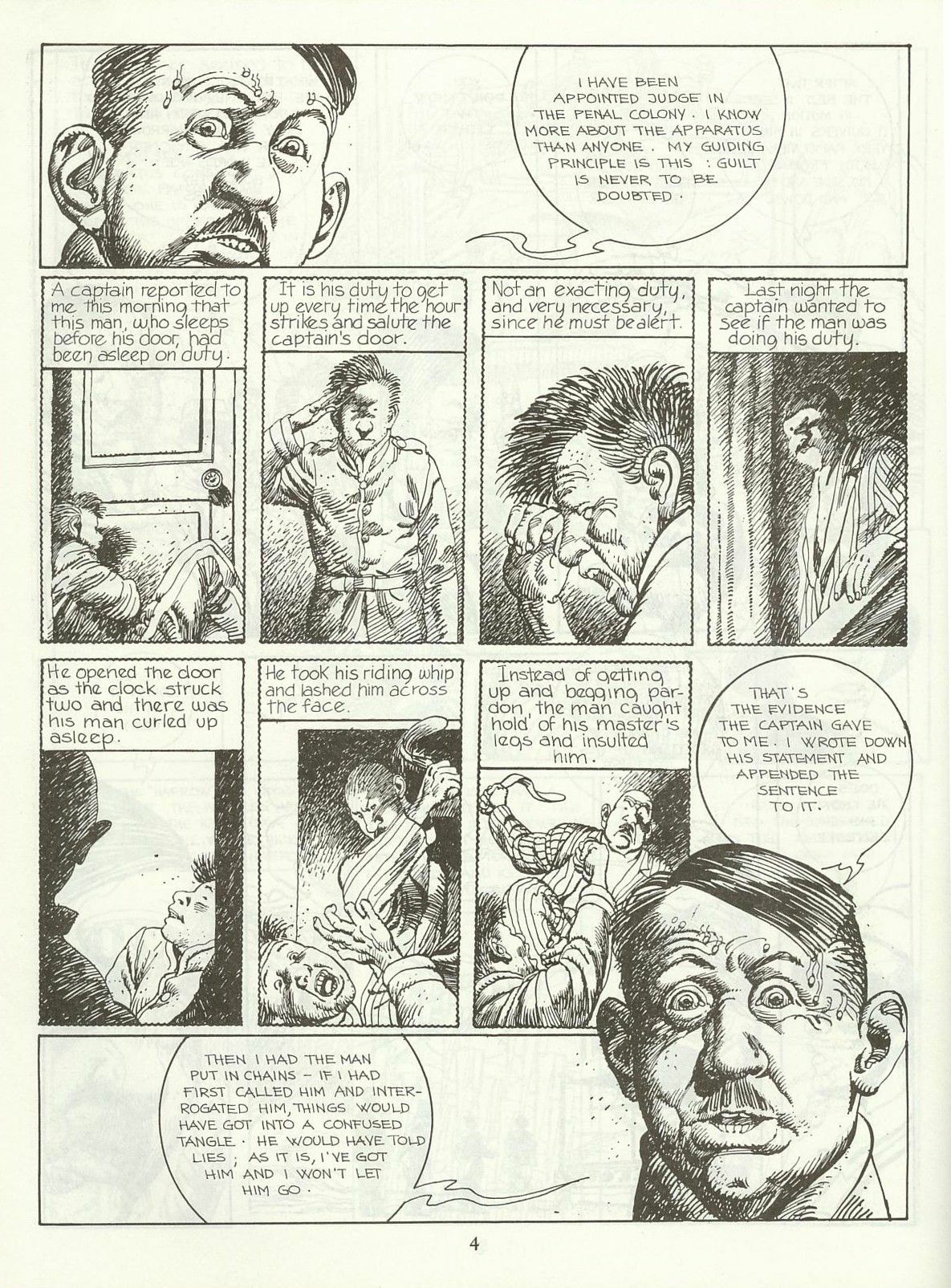
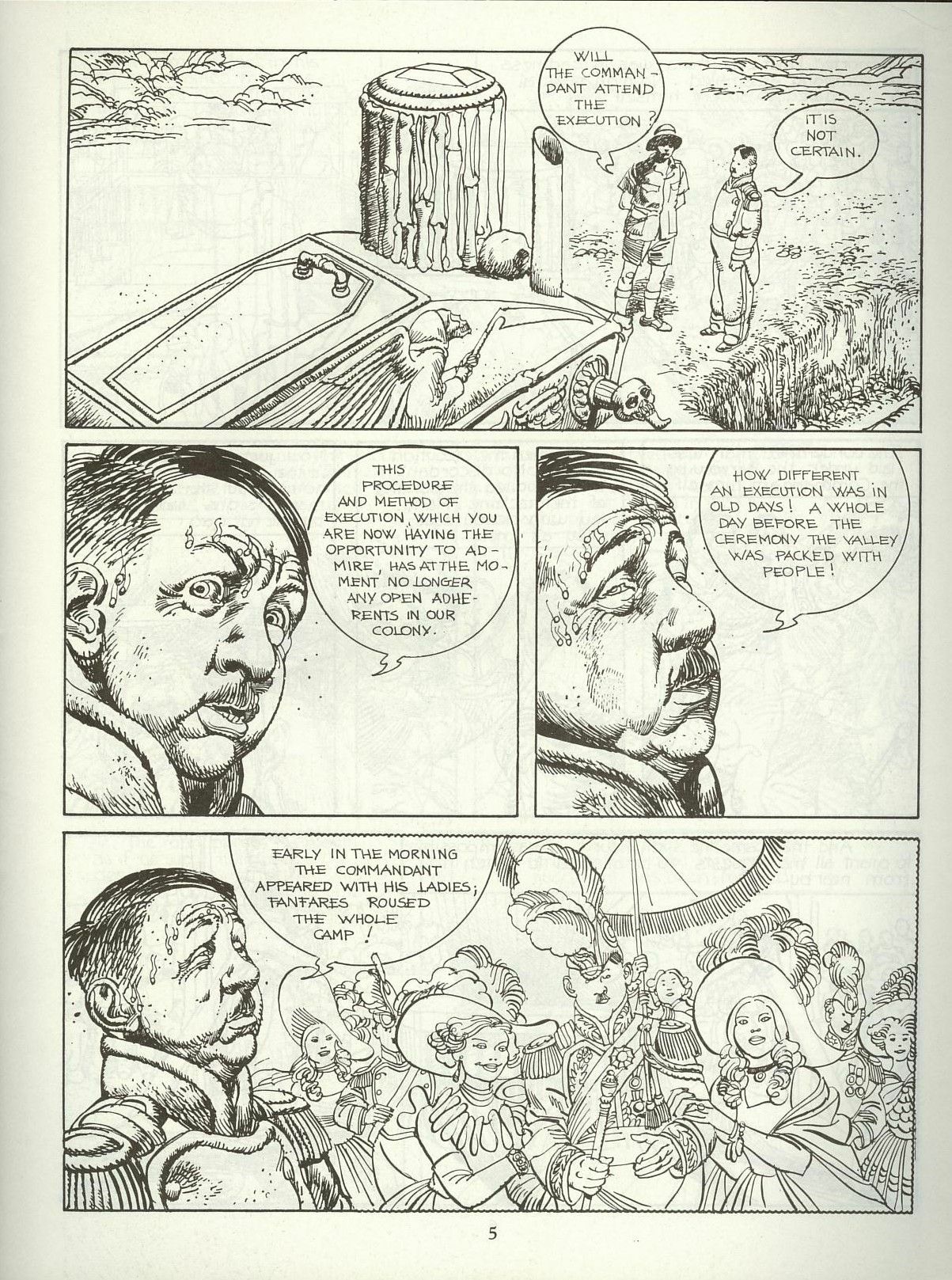
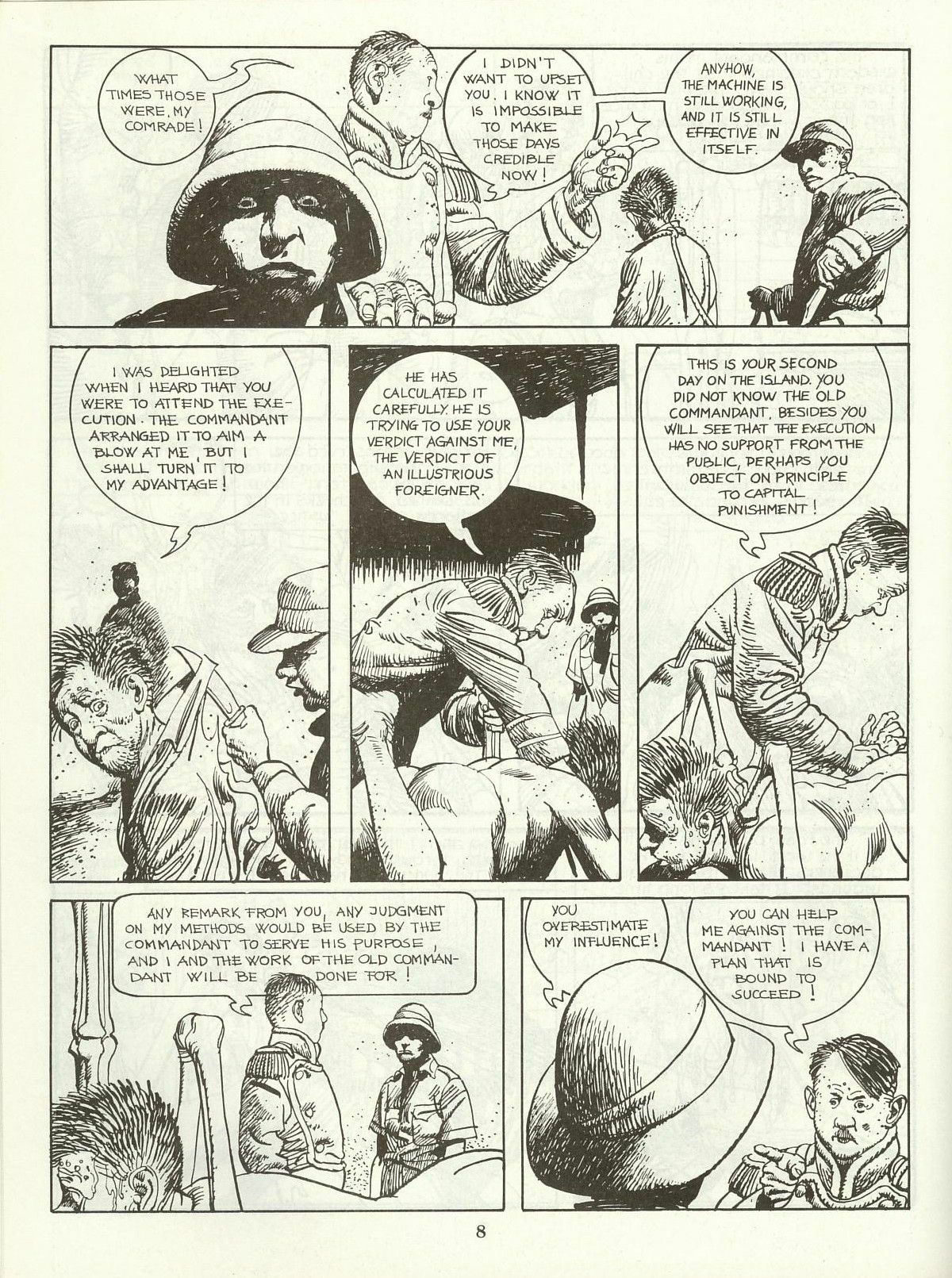
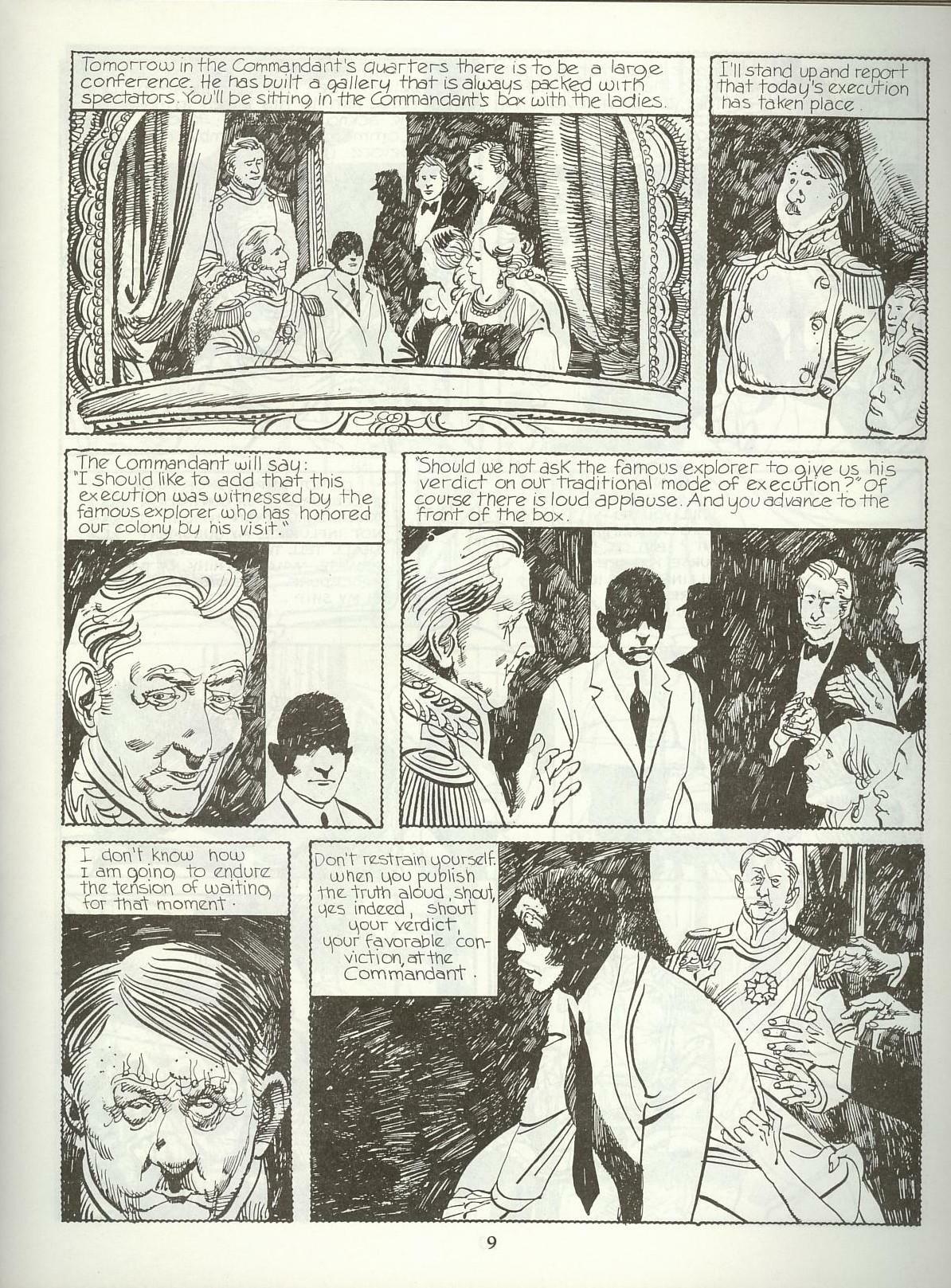
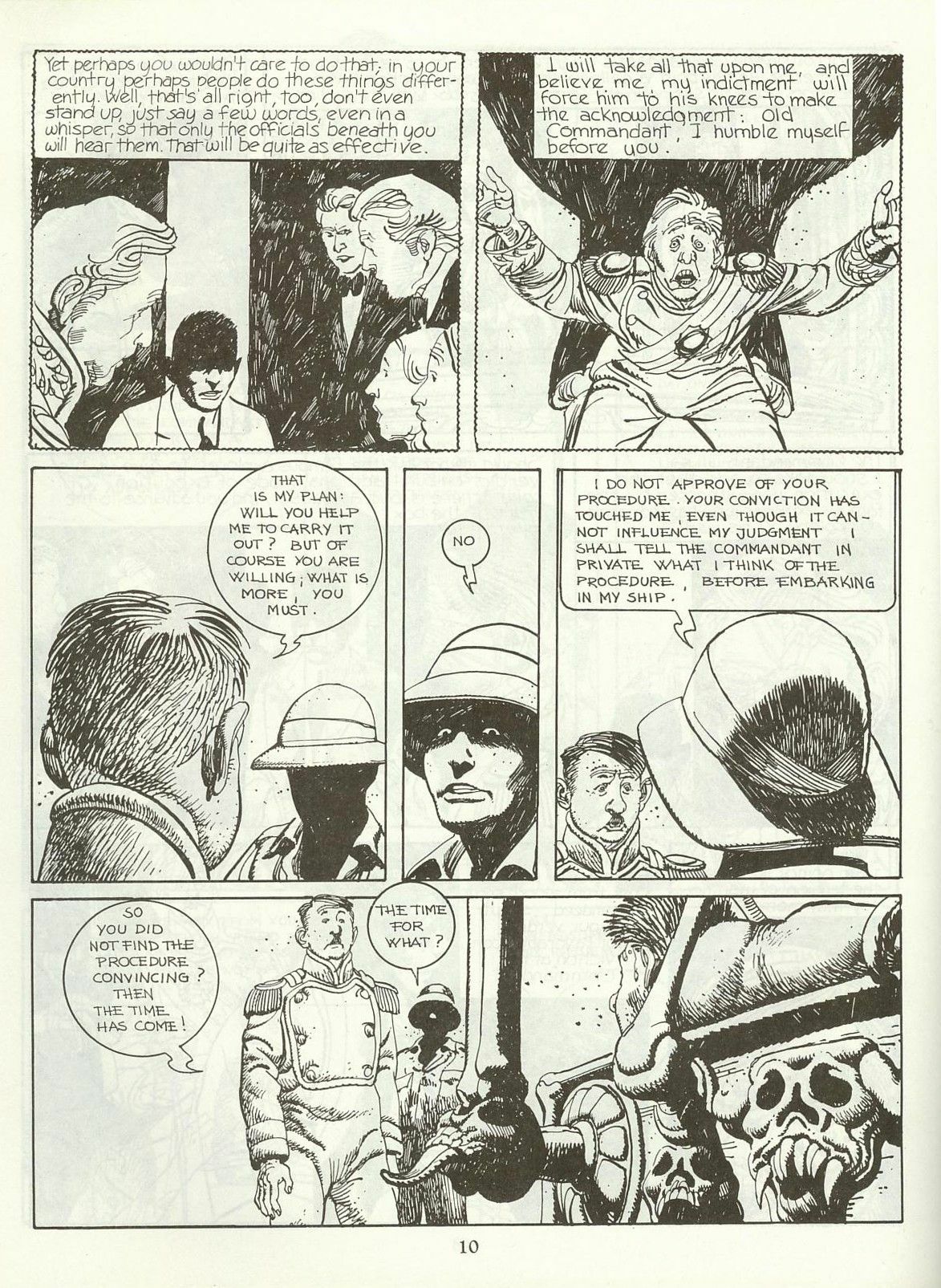
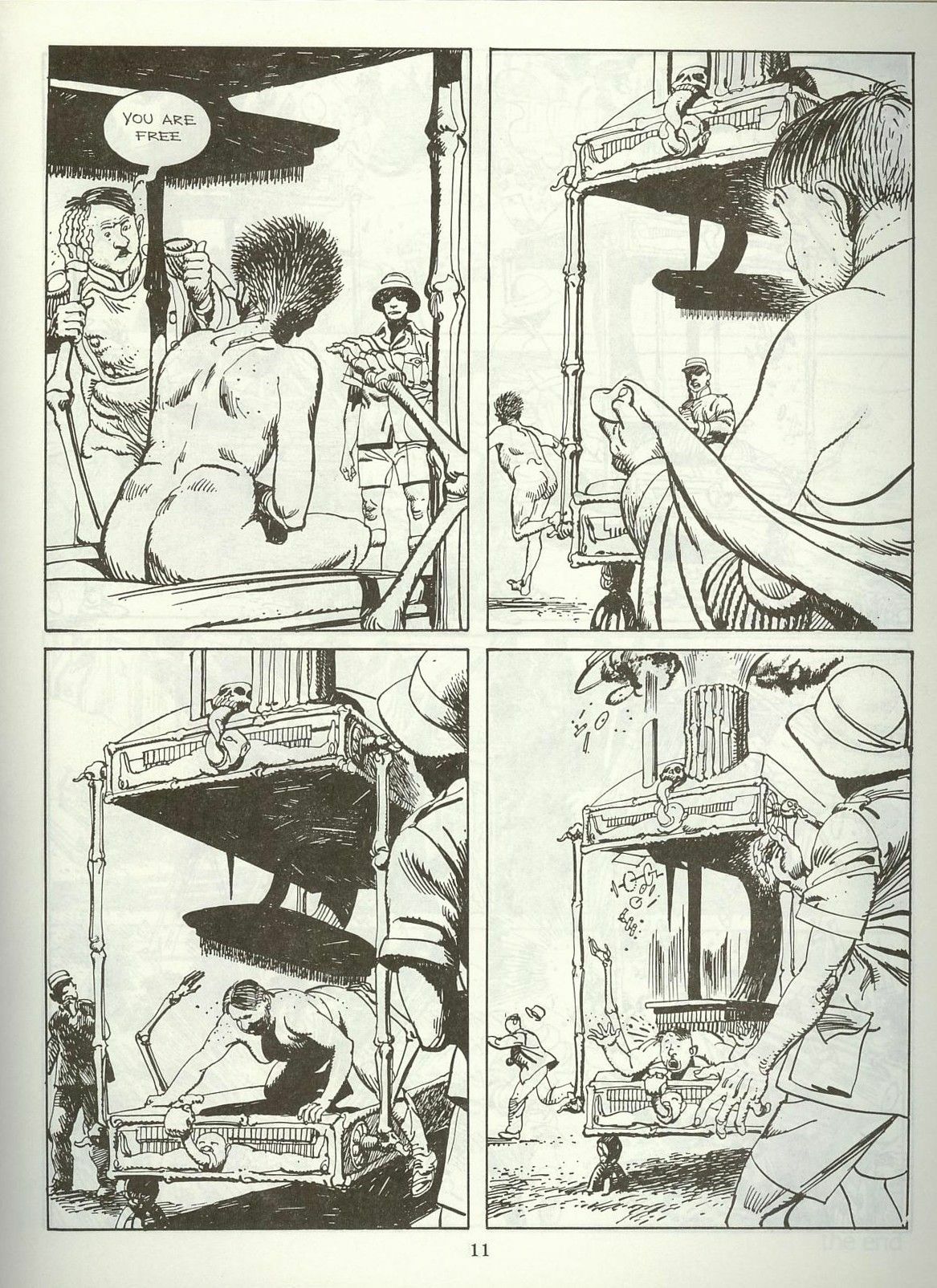
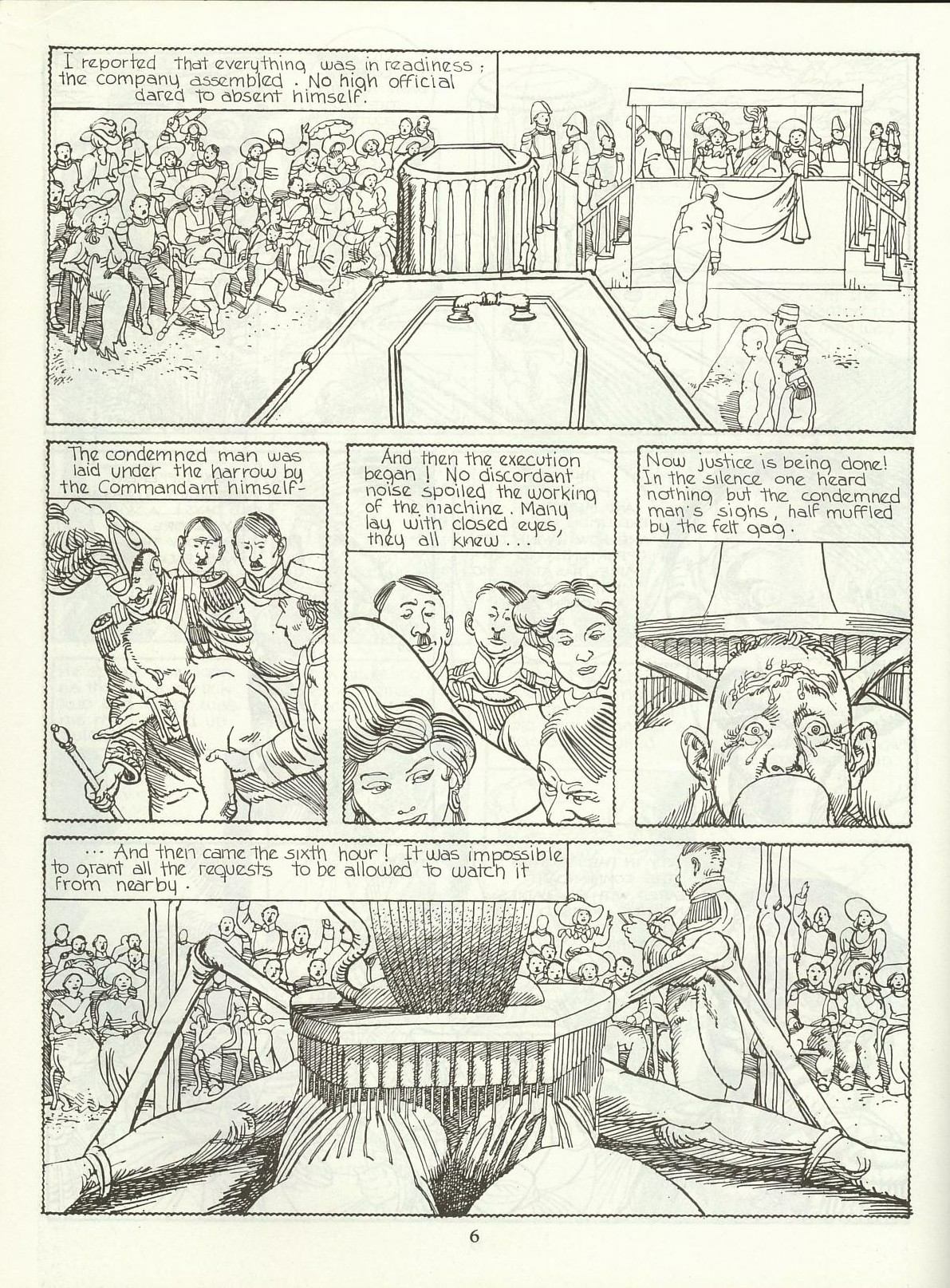
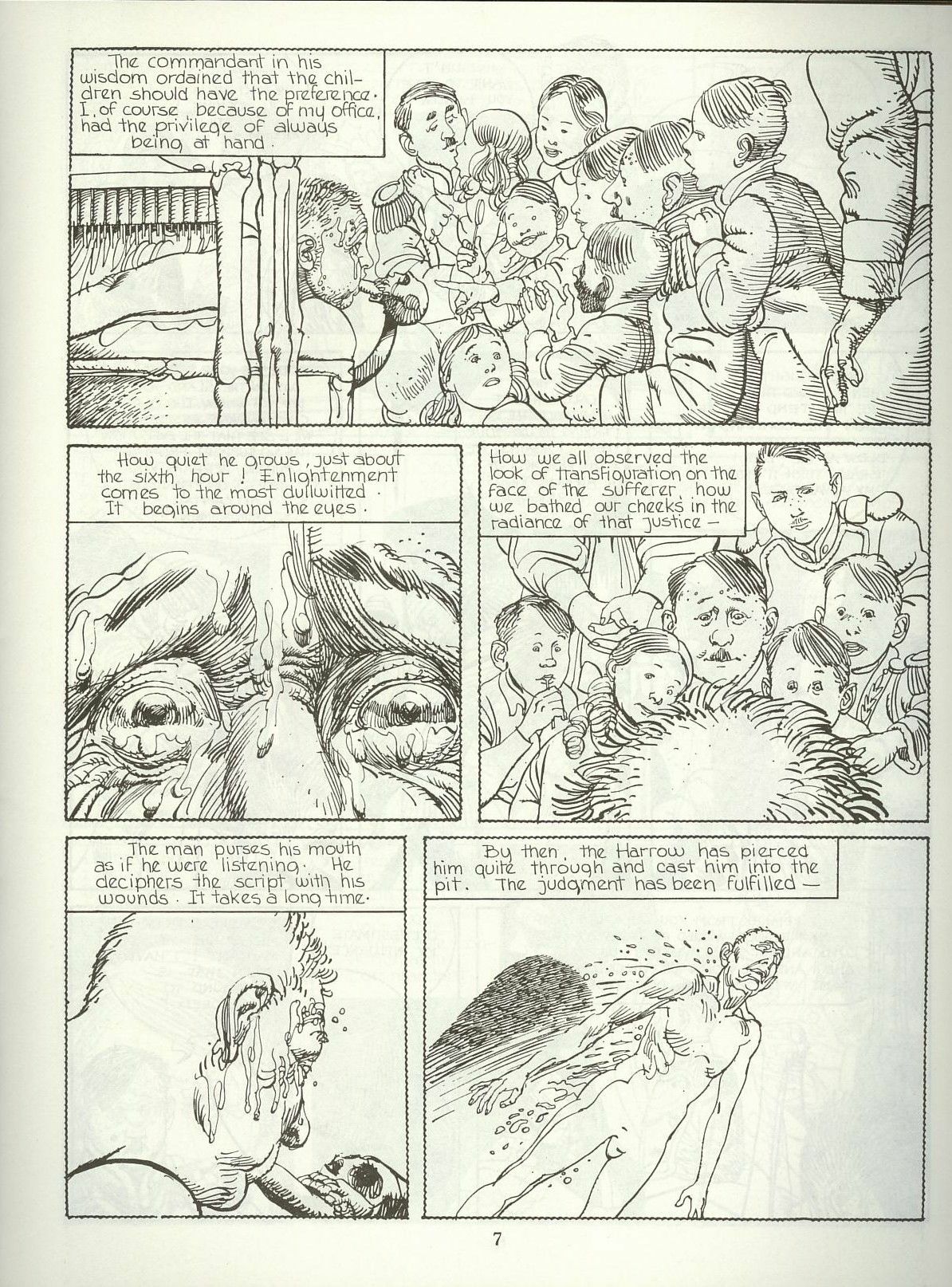
From the out-of-print collection Kafka: The Execution by Leopoldo Duranona (Fantagraphics Books, 1989), here’s Duranona’s adaptation of Kafka’s “A Country Doctor“:

[CLICK IMAGES TO ENLARGE]

To view all of the stories with art (or art and script) by Duranona that I’ve posted thus far (including three more Kafka adaptations), click here.

Comics · Here, Read · Leopoldo Duranona · Look Here

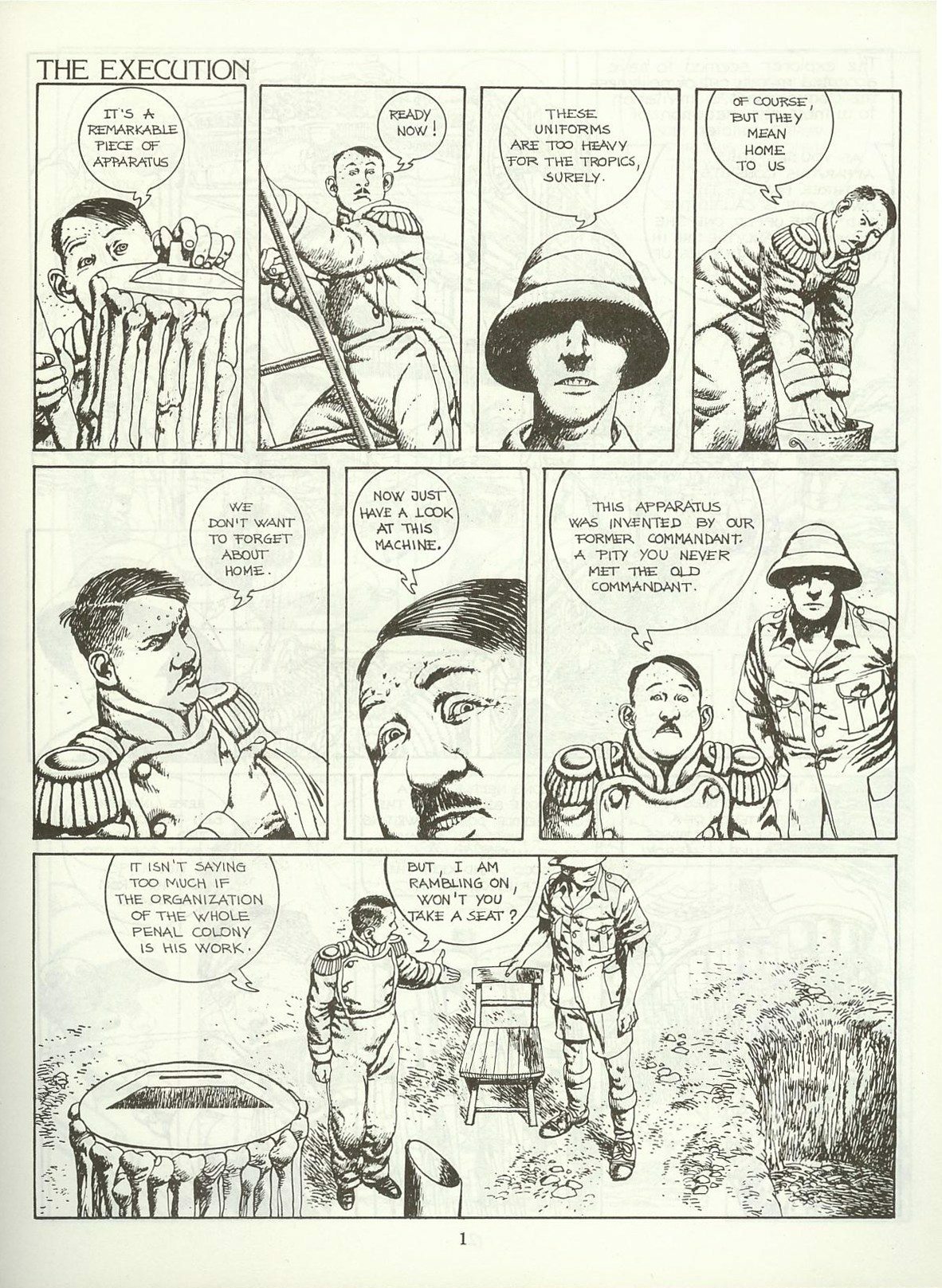
Look Here, Read: Kafka’s “In the Penal Colony,” adapted for comics by Leo Duranona

From the out-of-print collection Kafka: The Execution by Leopoldo Duranona (Fantagraphics Books, 1989), here’s the title story, “The Execution,” which is based on Kafka’s original short story, “In the Penal Colony“:

[CLICK IMAGES TO ENLARGE]

To view all of the stories with art (or art and script) by Duranona that I’ve posted thus far (including two more of the artist’s Kafka adaptations), click here.

Comics · Gahan Wilson · Heads Up!

Heads Up: NUTS by Gahan Wilson

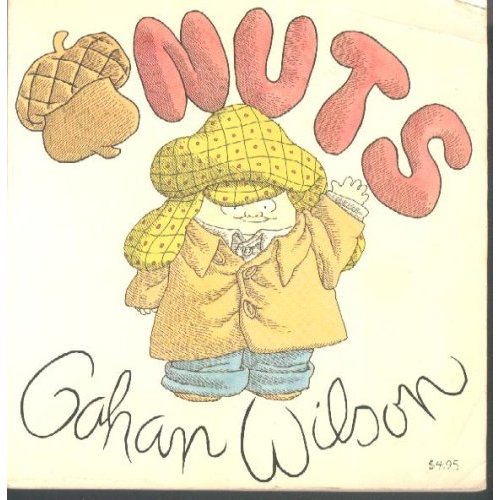
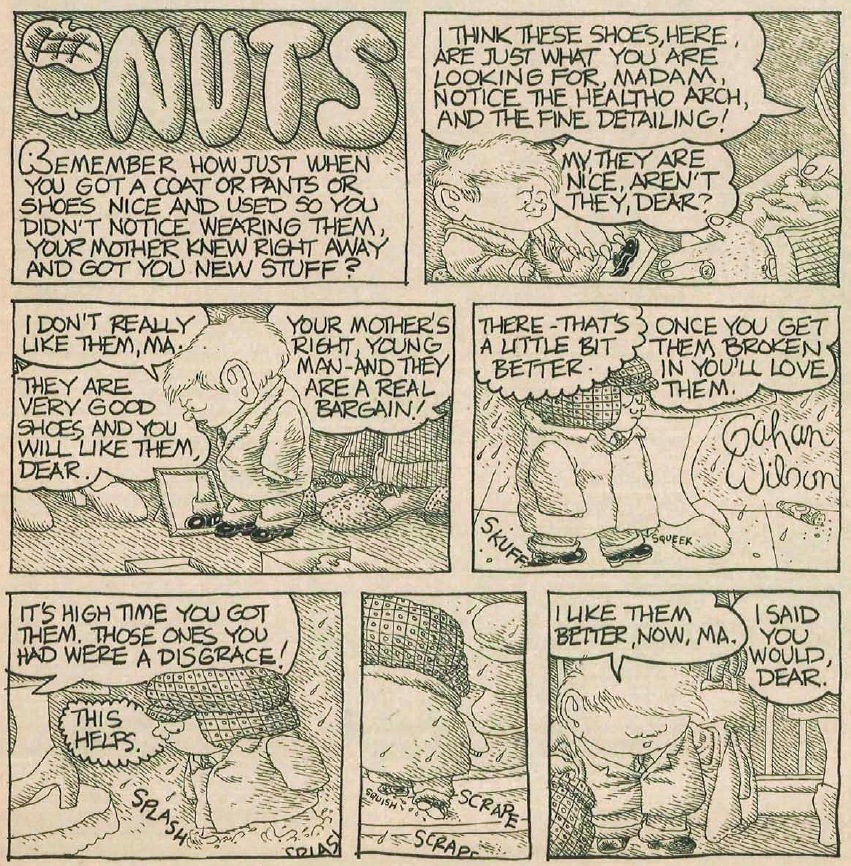
More good news for comics fans. In reply to a post by blogger Tom Crippen featuring a couple of “Nuts” comics over at the Comics Journal site, TCJ and Fantagraphics employee, Kristi Valenti, let slip the following big news for Gahan Wilson fans, and I quote, “FYI, Fanta will be reprinting these. Should be out by SDCC 2011.” For those of you who don’t already know, Gahan Wilson’s “Nuts” first appeared as a regular feature in National Lampoon in the 1970s, along with “Idyl” by Jeffrey Jones, “Trots and Bonnie” by Shary Flenniken, and several other strips that deserved to be collected and brought back into print. Yes, a “Nuts” collection was published back in 1979 by Richard Marek Publishers; however, since that book has been out of print for almost thirty years, and since Fantagraphics has had a big success with their three-volume boxed set of “50 years of Playboy Cartoons” by Gahan Wilson, perhaps the time is ripe for a more general readership to discover, or re-discover, the greatness that is Gahan. One can only hope!
Heads Up! · Homer and Jethro · Jack Davis

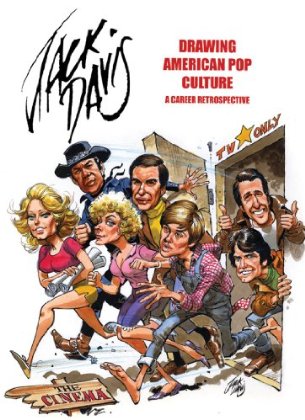
Heads Up: JACK DAVIS: DRAWING AMERICAN POP CULTURE — A CAREER RETROSPECTIVE

If the online catalogue at Amazon.ca is to be believed, Fantagraphics plans to publish a coffee-table book devoted to the work of legendary cartoonist and workaholic, Jack Davis, in August of 2011. Here are the product details:

Jack Davis: Drawing American Pop Culture: A Career Retrospective [Hardcover]

Jack Davis (Author)

# Hardcover: 192 pages
# Publisher: Fantagraphics Books (August 2011)
# Language: English
# ISBN-10: 1606994476
# ISBN-13: 978-1606994474

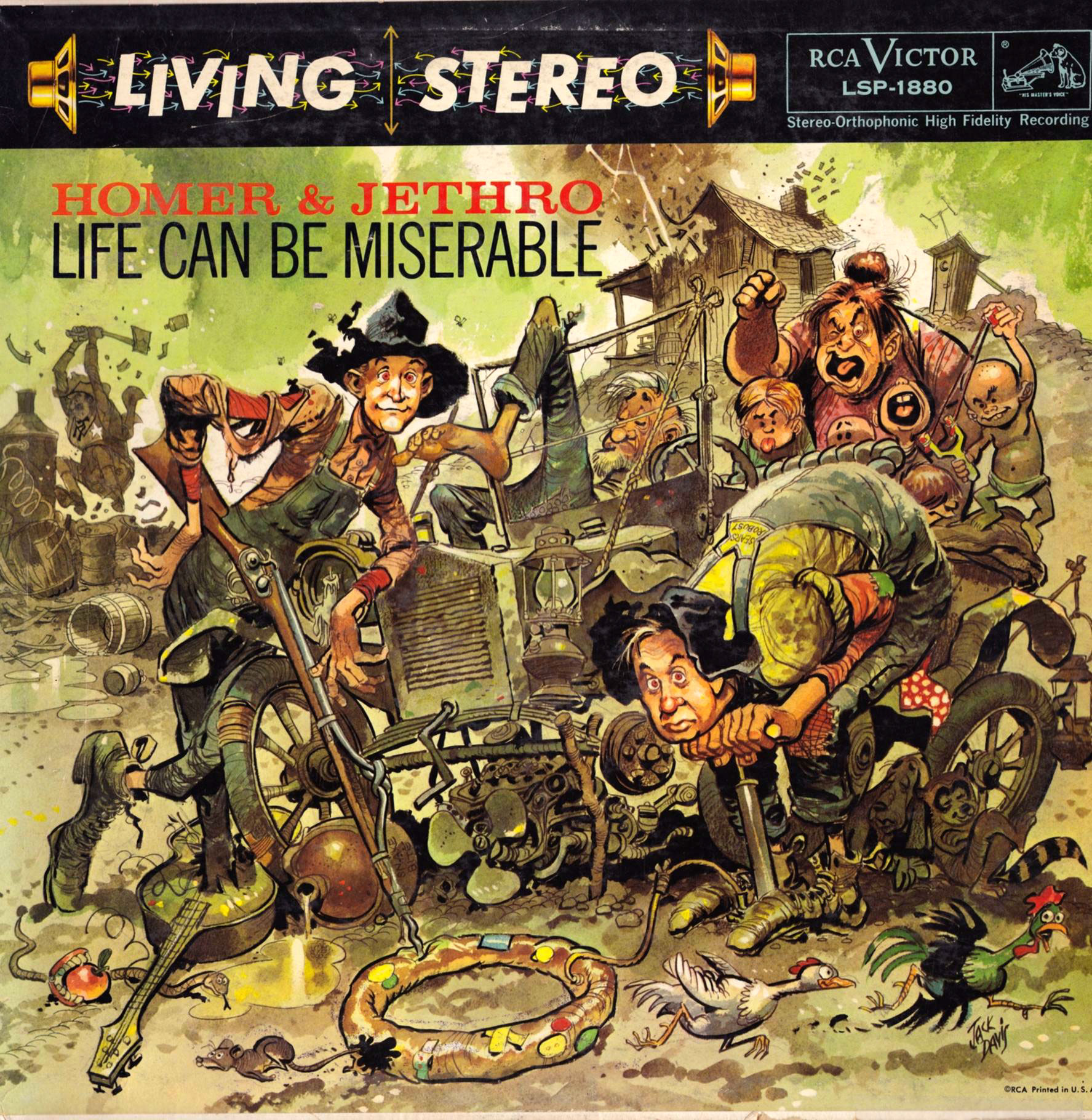
I think the first time I ever saw a piece of art by Jack Davis was on the cover of Homer and Jethro’s great album of satirical songs, Life Can Be Miserable, produced by Chet Atkins, which my dad had in his record collection when I was a little kid. Here’s a scan of the copy of Life Can Be Miserable that I bought for my own record collection a few years ago:

homer-and-jethro_life-can-be-miserable

Now THAT, my friends, is a great album cover!

BONUS IMAGES:

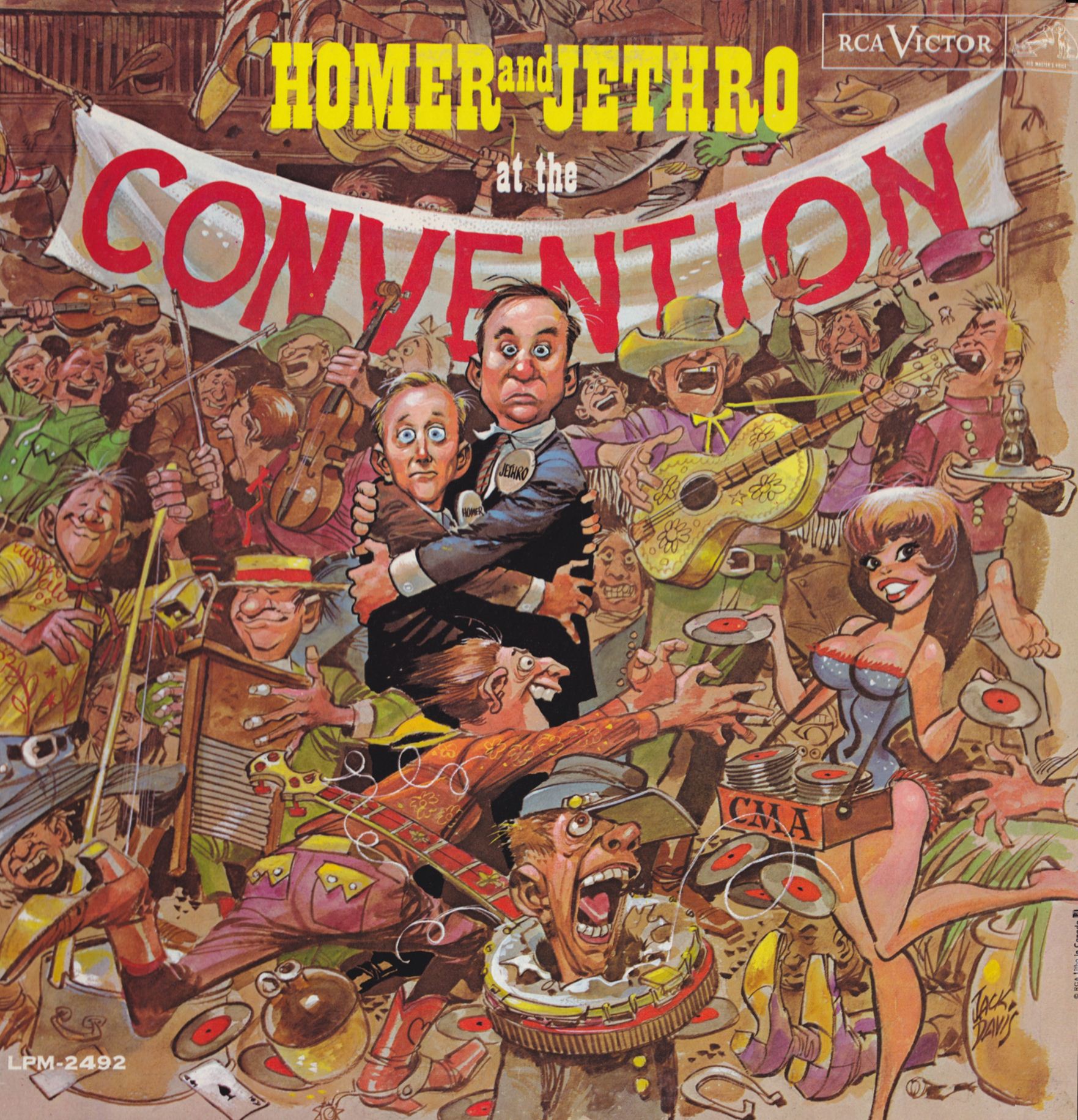
Four more Jack Davis album covers, laboriously but lovingly scanned by me, the day after yesterday, from my very own record collection:

homer-and-jethro-at-the-convention

homer-and-jethro-go-west

homer-and-jethro-songs-my-mother-never-sang

homer-and-jethro-zany-songs-of-the-30s

I know what you’re thinking, and I wholeheartedly agree: those Homer and Jethro albums are in great condition!

BONUS LINK:

Four Color Shadows: Return of the Boise Kid – Jack Davis – 1959

Connections · Dave Cooper · Look There · William Blake

Look There: Selections from Dave Cooper’s “Bent” at wired.com

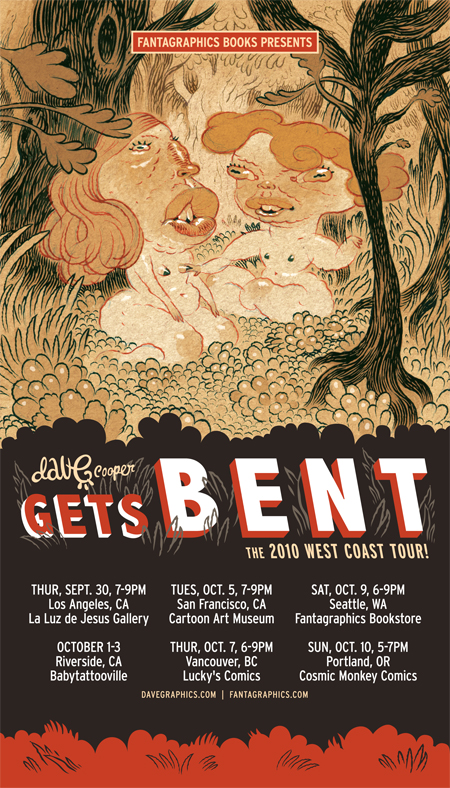
Underwire: Dave Cooper’s Comics Grotesquerie Gets Bent (With a Nod From Del Toro)

[CLICK IMAGE TO VISIT THE RECOMMENDED SITE]

When I first saw the above image, I was immediately reminded of William Blake’s The Whirlwind of Lovers:

william-blake_the-whirlwind-of-lovers_1824-1826

A frivolous comparison? Perhaps…

Dave Cooper’s Bent is published by Fantagraphics Books. To get Bent directly from the publisher, click here.

Also, Dave Cooper is on tour to promote his book. Visit the Fantagraphics FLOG! blog for details and updates.