Comics · Here, Read · Howard Chaykin · Link Roundup · Look Here · Look There · Samuel R. Delany

Look There, and Here: A whole lotta Chaykin goin’ on…

Since August 2008, Joe Bloke over at the “Grantbridge Street” blog has posted a dozen stories with art by Howard Chaykin:


UPDATE (28 November 2014):

Earlier today, I noticed that all of the stories with art by Chaykin that were posted at “Grantbridge Steet” have been deleted, but I see now that all but three of the old stories — the first three in my list below — have since been re-posted on Joe Bloke’s BIFF! blog, along with three new ones. Therefore, in order to preserve the utility of this post, I have taken the time this afternoon to update the links below to reflect the new locations of the old stories and have added links to the three new stories.


  • “The Mark of Kane” (part 1 of 2) by Roy Thomas and Howard Chaykin, from Marvel Premiere #33
  • “The Mark of Kane: Fangs of the Gorilla God” (part 2 of 2) by Roy Thomas and Howard Chaykin, from Marvel Premiere #34
  • “Red Sonja: Day of the Red Judgment” by Roy Thomas, Christy Marx, and Howard Chaykin, from Marvel Comics Super Special #9
  • Return to the Stars” by Wyatt Gwyon and Howard Chaykin, from DC’s Time Warp #2
  • Judgement Day” by Archie Goodwin and Howard Chaykin, from Detective Comics #441
  • The Grubbers” by Roger McKenzie and Howard Chaykin, from Weird War Tales #62
  • The Death’s Gemini Commission” by Howard Chaykin, from The Scorpion #1
  • Mind War” by Roger McKenzie and Howard Chaykin, from Weird War Tales #61
  • Gideon Faust, Warlock at Large” by Howard Chaykin, from Star*Reach Classics #5
  • Cody Starbuck” by Howard Chaykin, from Star*Reach #1
  • Horrors!” by Howard Chaykin, from Solo #4
  • Gideon Faust, Warlock at Large: Lotus” by Len Wein and Howard Chaykin, from Heavy Metal, vol. 2, #12
  • Starbuck” (1976) by Howard Chaykin, from Star*Reach #4
  • The Demon from Beyond!” by Gardner Fox and Howard Chaykin, from Chamber of Chills #4
  • The Fire Bug” by Paul Kupperberg and Howard Chaykin, from Weird War Tales #76
  • Rattle of Bones” by Roy Thomas and Howard Chaykin, from Savage Sword of Conan #18

BONUS STORY:

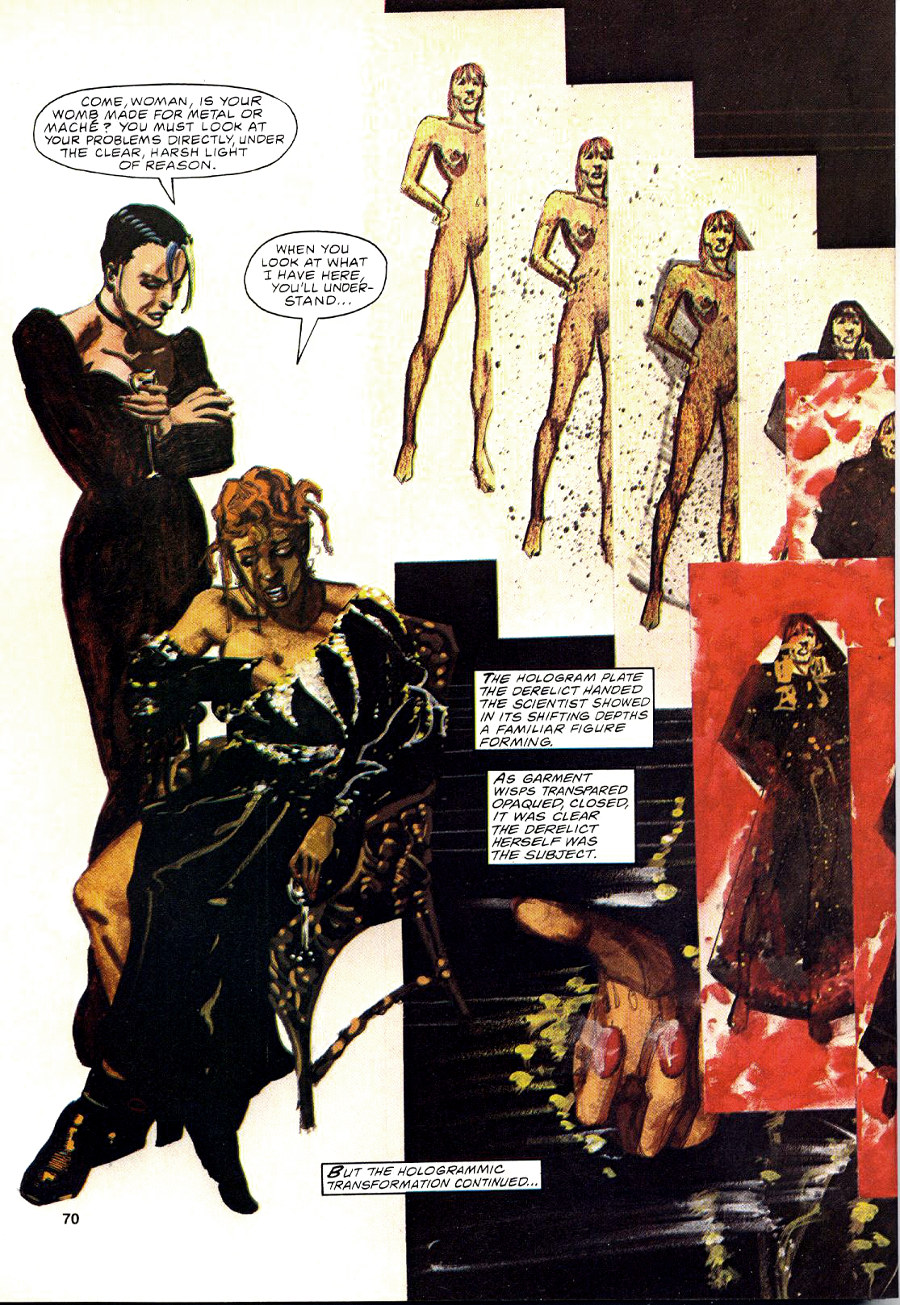
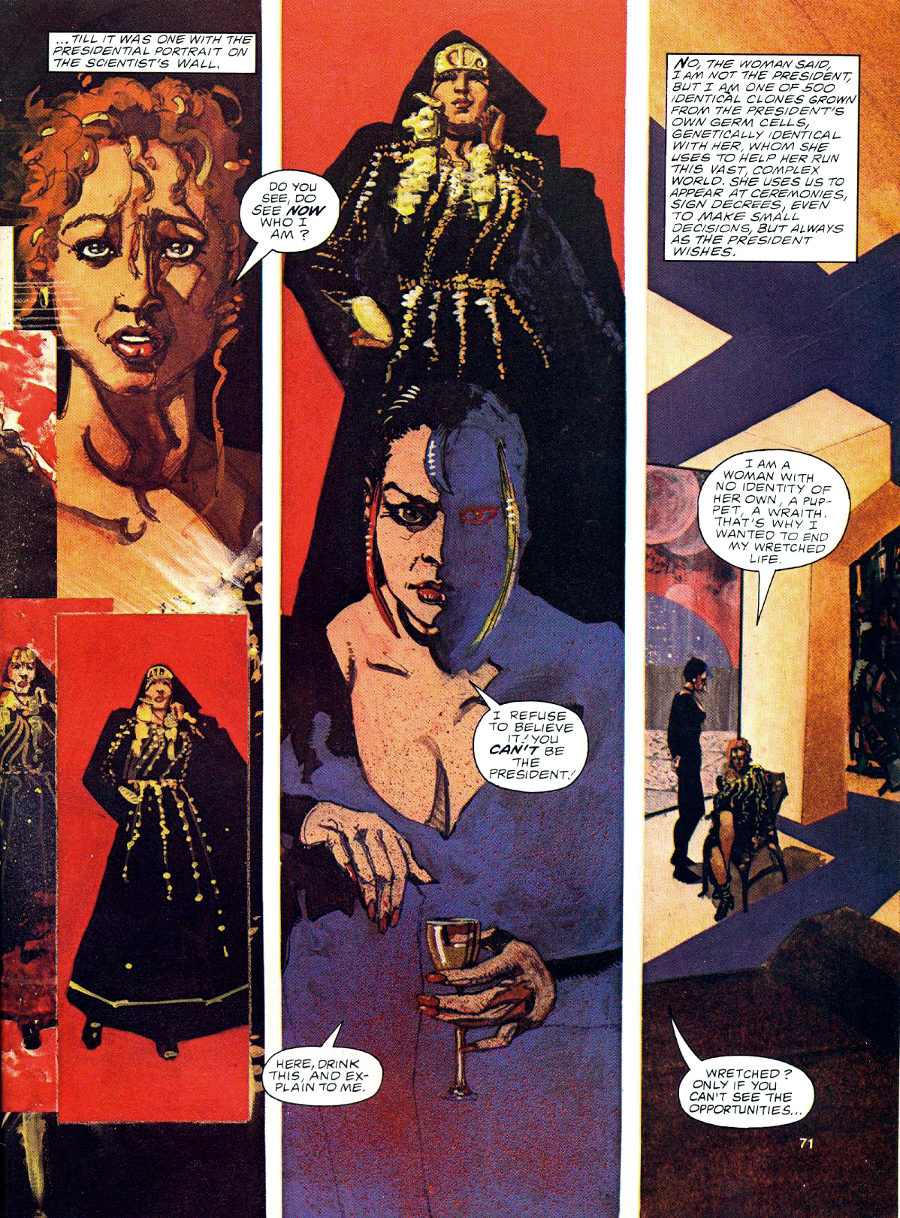
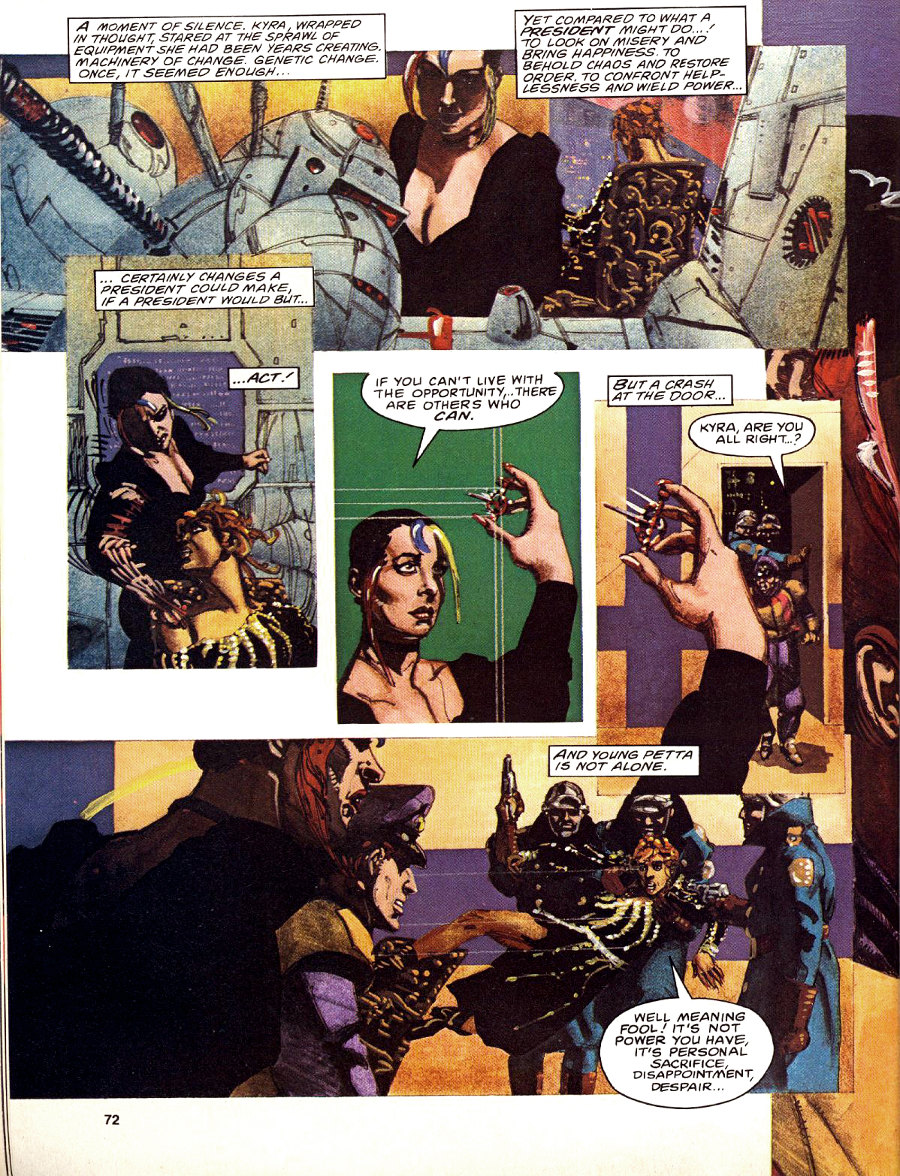
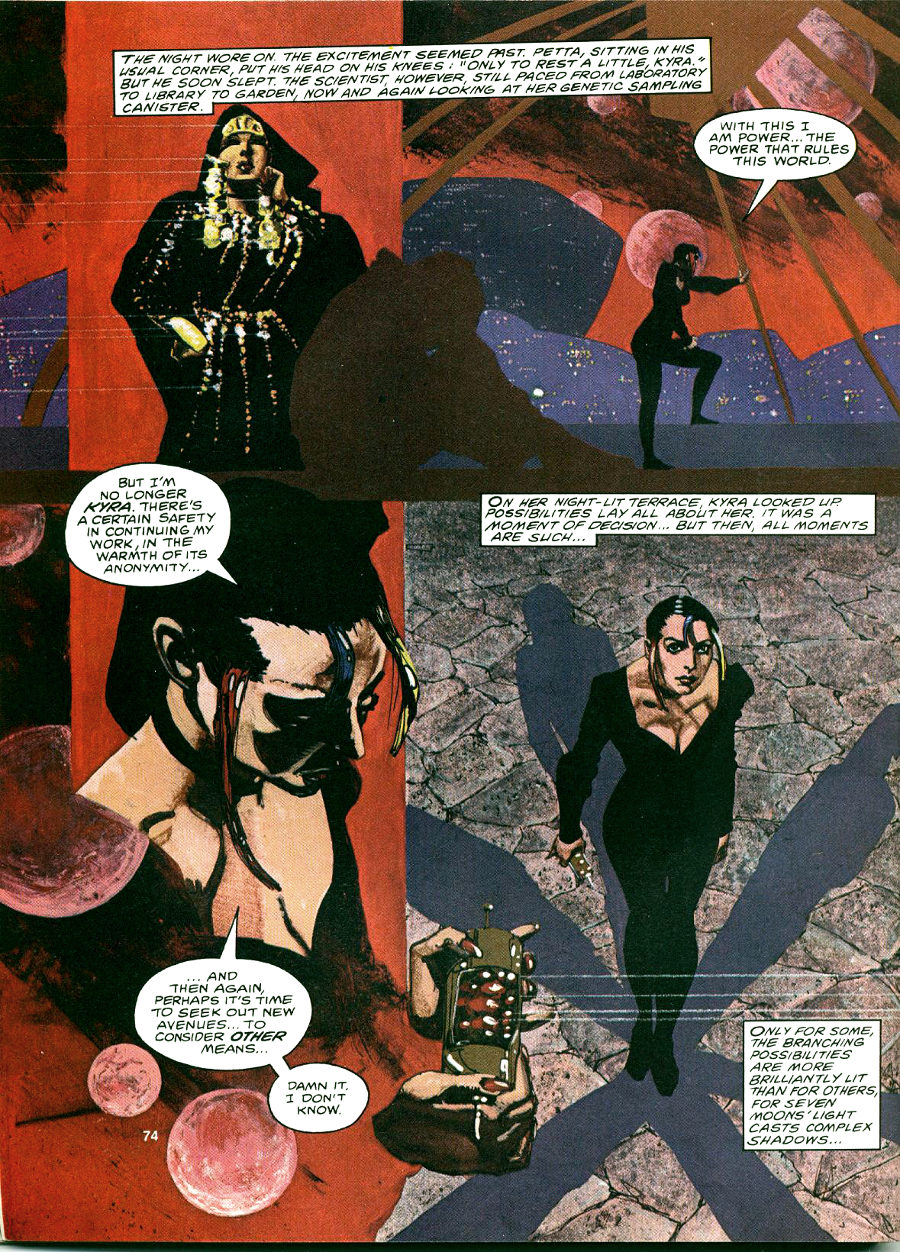
“Seven Moons’ Light Casts Complex Shadows” by Samuel R. Delany and Howard Chaykin, from Epic Illustrated #2 (June 1980):

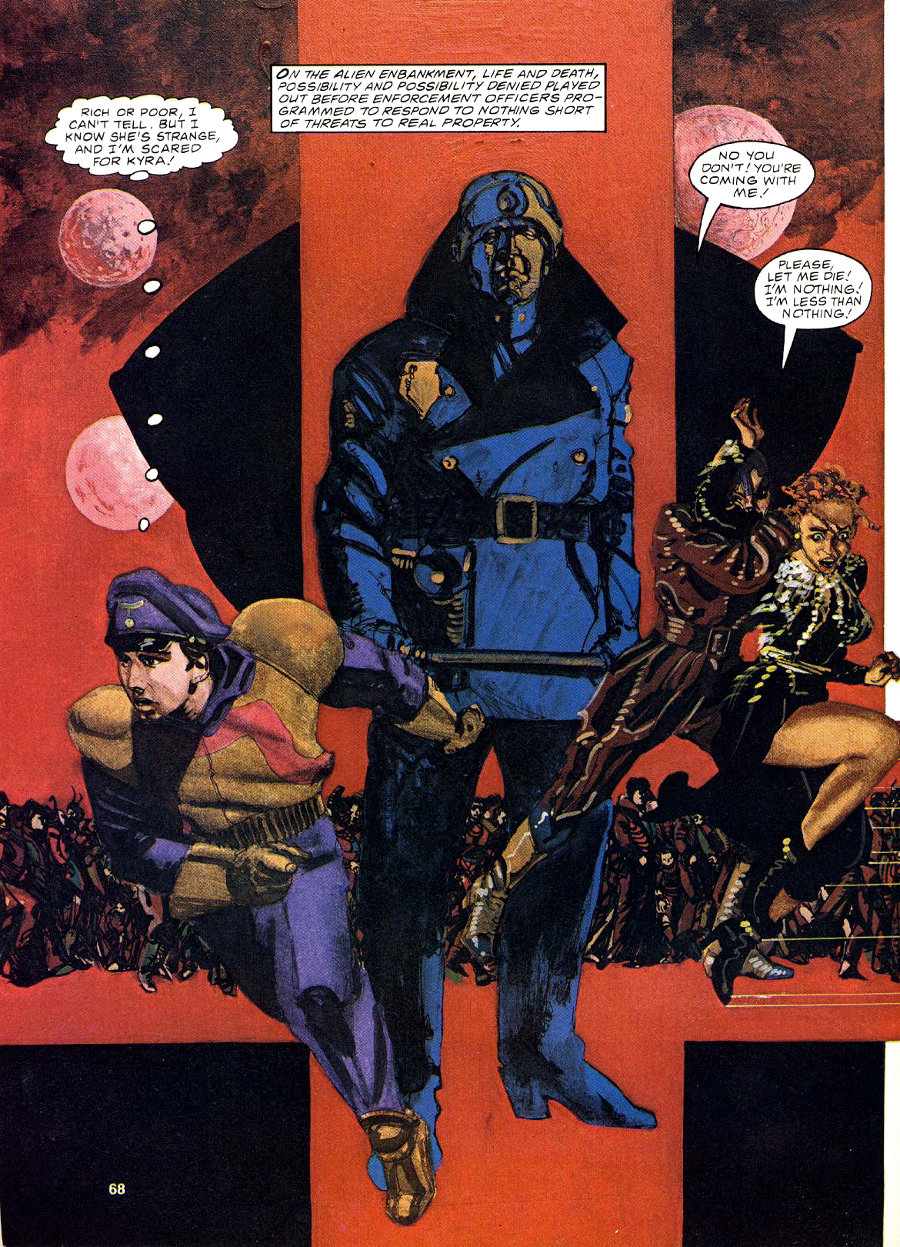
I remember thinking when I first read “Seven Moons’ Light Casts Complex Shadows” back in 1980, when I was still in high school: “Samuel Delany is my favourite writer, and Howard Chaykin is one of my favourite artists, so why is their work together merely okay, I mean, why is it not great?” Though I didn’t know it at the time, the answer, in the case of Chaykin and Delany’s 1978 “visual novel,” Empire, was, essentially, editorial interference from the project’s “producer” Byron Preiss (see “Appendix” below); with “Seven Moons’ Light,” however, I just don’t know…

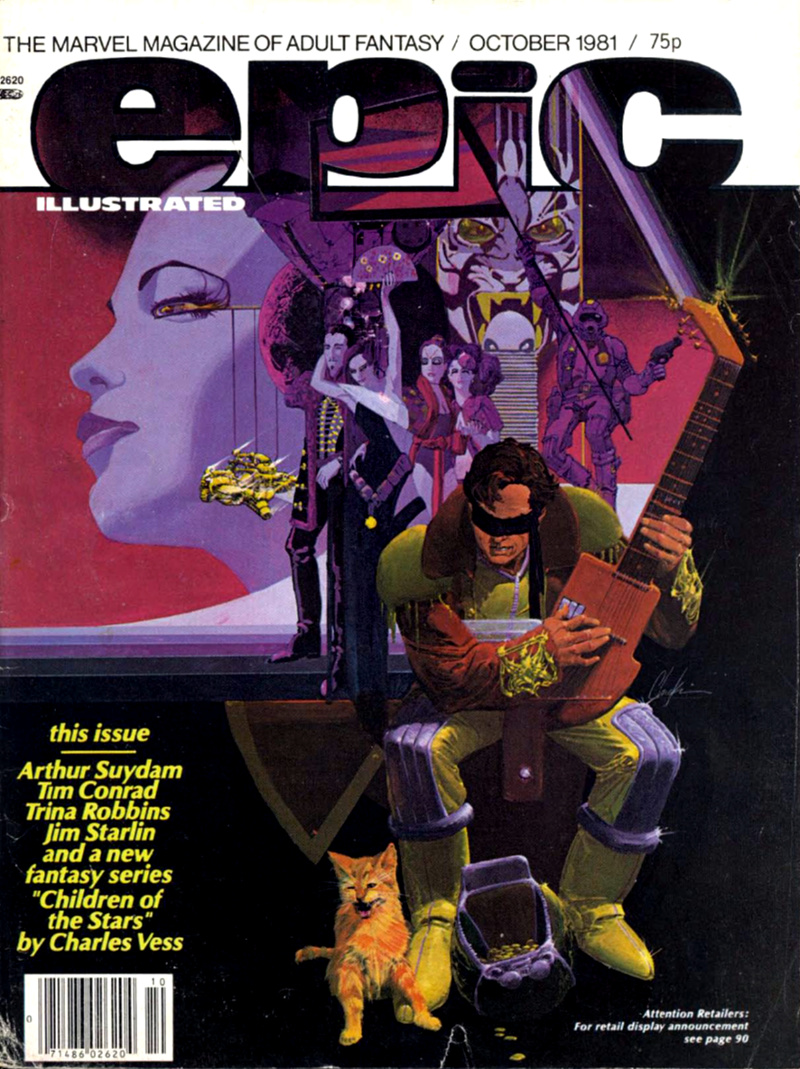
Six issues later, in October 1981, a painting by Howard Chaykin was featured on the cover of Epic Illustrated #8. Now that was killer!

RELATED LINKS HERE AT RCN:


APPENDIX:

“To develop a visual novel, we wanted a design system, a framework in which the entire story could be told. I developed a horizontal/vertical axis spread design which could be consistently varied over every two pages of the book.” — Byron Preiss, from his “Foreword” to Empire: A Visual Novel

Was Preiss’s “design system,” which not only placed arbitrary formal constraints on the layout of the pages but also incorporated an unusual format for the captions and dialogue, really the ideal framework for a long-form comic, or was it a procrustean bed? As much as I admire Chaykin’s work in Empire, I would argue that the storytelling — especially the visual storytelling — was often hamstrung by Preiss’s system, which, among other things, made it more difficult than it needed to be for Chaykin and Delany to control the focus, rhythm, and pace of the action.

“When I did Empire with Howard Chaykin, which was 1980 or 1982, Byron Preiss was the packager, and that was a strangely ill-fated project. After we did it, I was very happy with what we did, and Byron was very unhappy with the ending, and just took it upon himself to completely rewrite it, and cut up the art, so that there’s no way to put it back in its original shape. It just doesn’t exist any more, and he’s dead now of course. So nobody will ever see the way it was originally supposed to end. I’ve written about it in at least one interview. I think it’s [in] my book Silent Interviews.” — Samuel R. Delany, in answer to a question from a fan
Artist Self-Portraits · Fine Art · Look Here · Vincent van Gogh

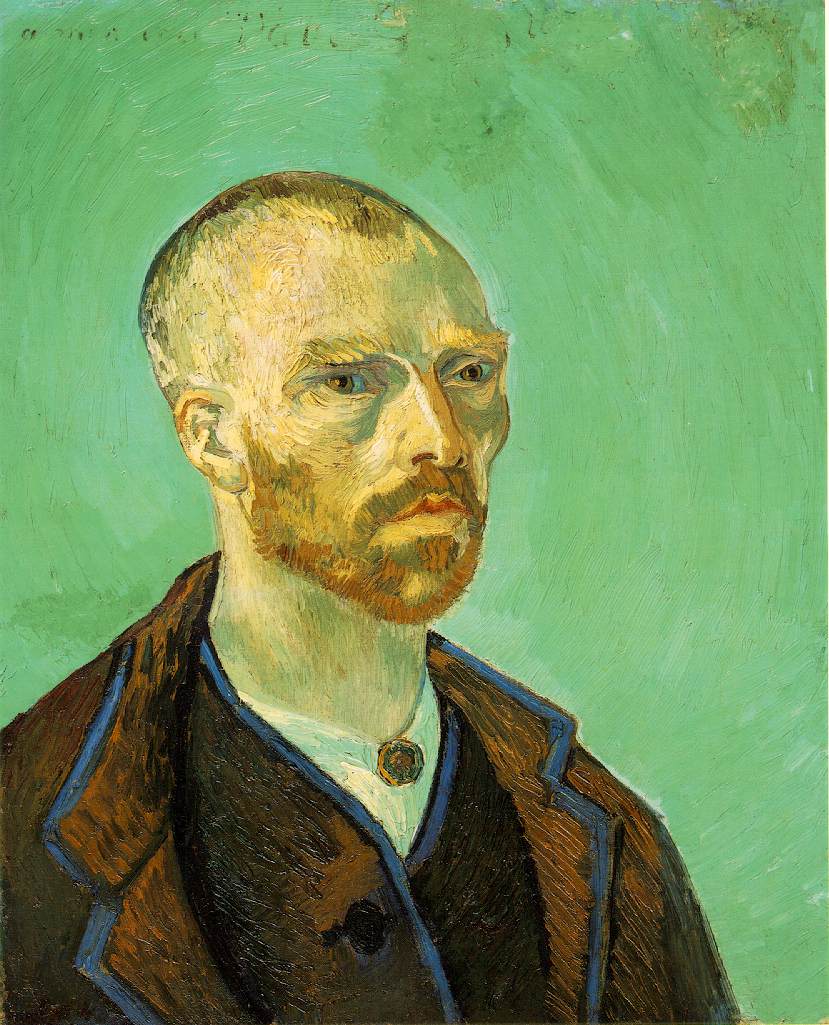
Look Here: Two self-portraits by Vincent van Gogh

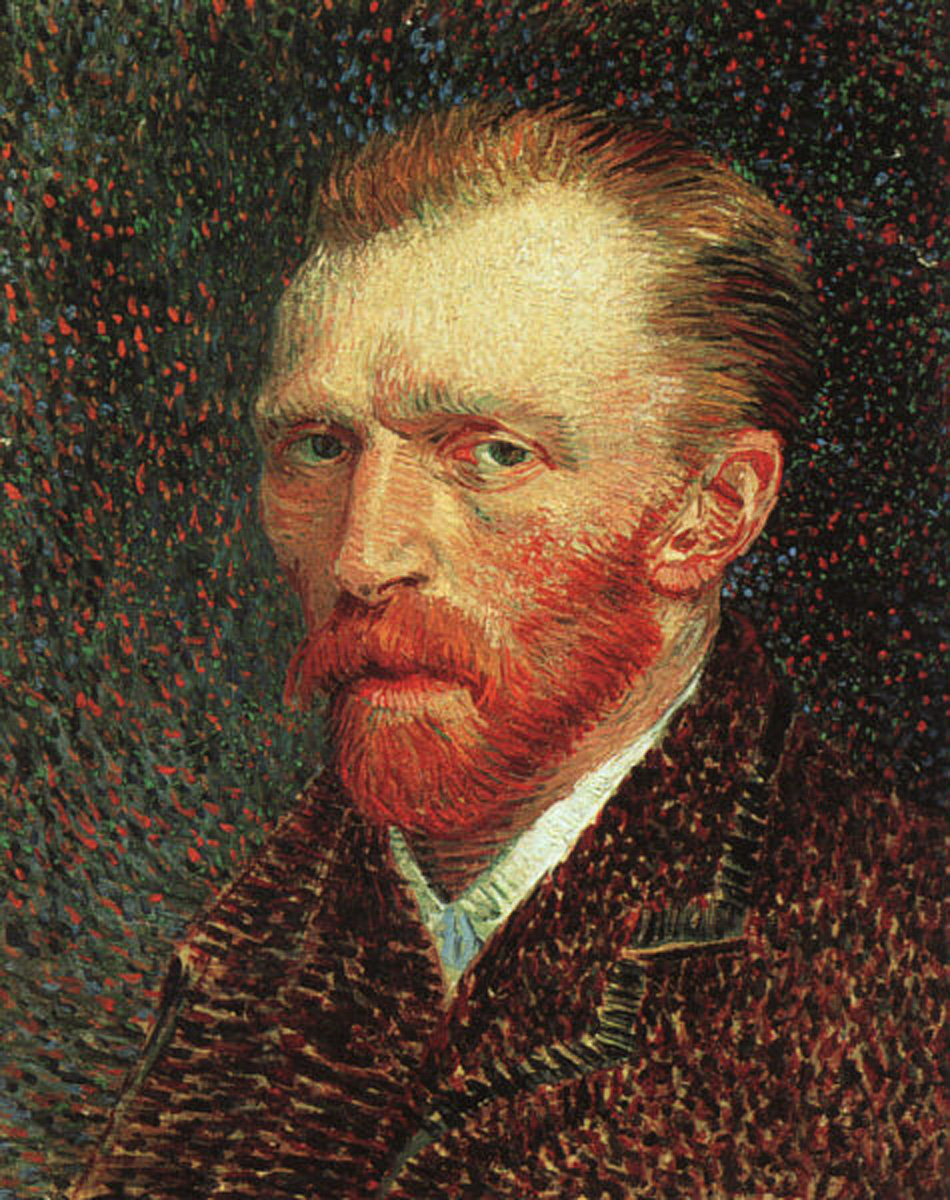
Vincent van Gogh painted over thirty self-portraits during his lifetime; these two, from 1887 and 1888 respectively, have long been my favourites:

“I purposely bought a mirror good enough to enable me to work from my image in default of a model, because if I can manage to paint the colouring of my own head, which is not to be done without some difficulty, I shall likewise be able to paint the heads of other good souls, men and women.” — Vincent van Gogh, letter to Theo van Gogh, Arles, c. 16 September 1888

Admin Announcements

Visitors to RCN: Where on earth do they come from?

I have never done anything much to promote this blog, and yet it consistently receives from 100 to 150 unique visitors a day and twice to three times as many page views. And during the past summer, RCN often received over 300 unique visitors a day — which, I know, is a drop in the bucket for a commercial site, but to little old me, it’s simply amazing!

And the diversity of visitors! Why, just in the past hour, according to StatPressCN and utrace, RCN received a baker’s dozen of visitors from the following “regions”:

Giugliano In Campania (IT)
Paris (FR)
Beverly Hills (US)
Calgary (CA)
Las Palmas (ES)
Schwerte (DE)
Amsterdam (NL)
Austin (US)
Phoenix (US)
Bogotá (CO)
Syracuse (US)
Farmington (US)
Mission (US)

And that’s just the tip of the iceberg… it’s a pity there’s no easy way to list every region; however, to one and all, I’d just like to say, thanks for looking, and reading, and posting, and linking, and emailing, and… well… just being here. Because the fact is, RCN attracts just enough visitors and feedback right now to keep me wanting to post, but not so many or so much that I feel overwhelmed by the responsibility or overburdened by the time I devote to it.

ANOTHER RANDOM SAMPLE, JUST FOR FUN:

Here are all of the “regions” (with duplicates removed) from which RCN received visitors today, 23 October 2010, between 15:17:31 and 15:55:06:

Seoul (KR)
Barcelona (ES)
Málaga (ES)
Manresa (ES)
Shanghai (CN)
Amsterdam (NL)
Astoria (US)
Winsted (US)
South Burlington (US)
Paris (FR)
Mexico (MX)

Small world, eh?

Connections · Look Here

Connections: Gustave Courbet vs. Suehiro Maruo

Sometimes “connection” ain’t nothing but swipe misspelled:

I noticed the Suehiro Maruo page just this morning on the Entrecomics site, where it was posted to illustrate a review of La extraña historia de la Isla Panorama (Glénat, 2009). The reviewer, however, made no mention of the Courbet swipe.

Of course, it may be that the artist intended the swipe to be noticed, that it’s a deliberate visual quotation that reinforces or plays off of specific ideas in the story. Unfortunately, at this moment, I have no way of knowing, since I have only seen that one page from the story, and what’s more, I don’t read Spanish (though it’s easy enough to run blog posts through the Google translator to get the gist of them).

Connections · Frank Frazetta · John Buscema

Connections: Frazetta and Buscema

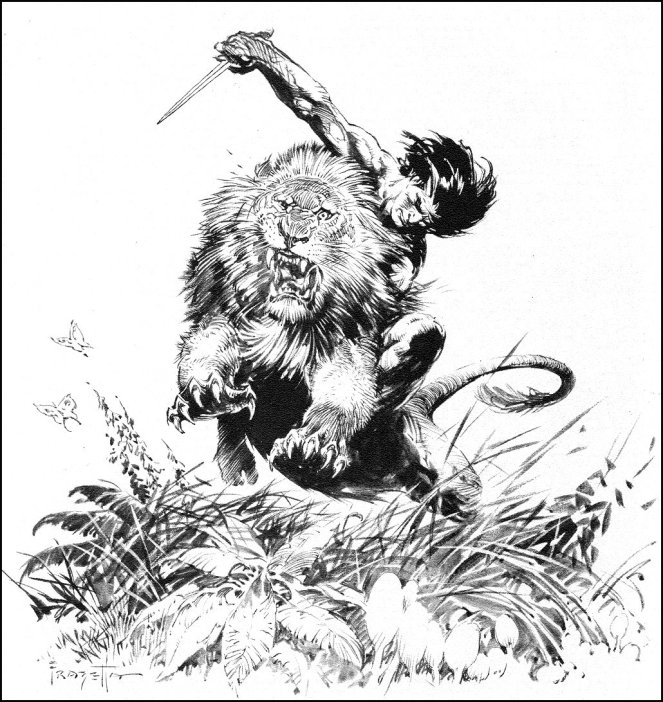
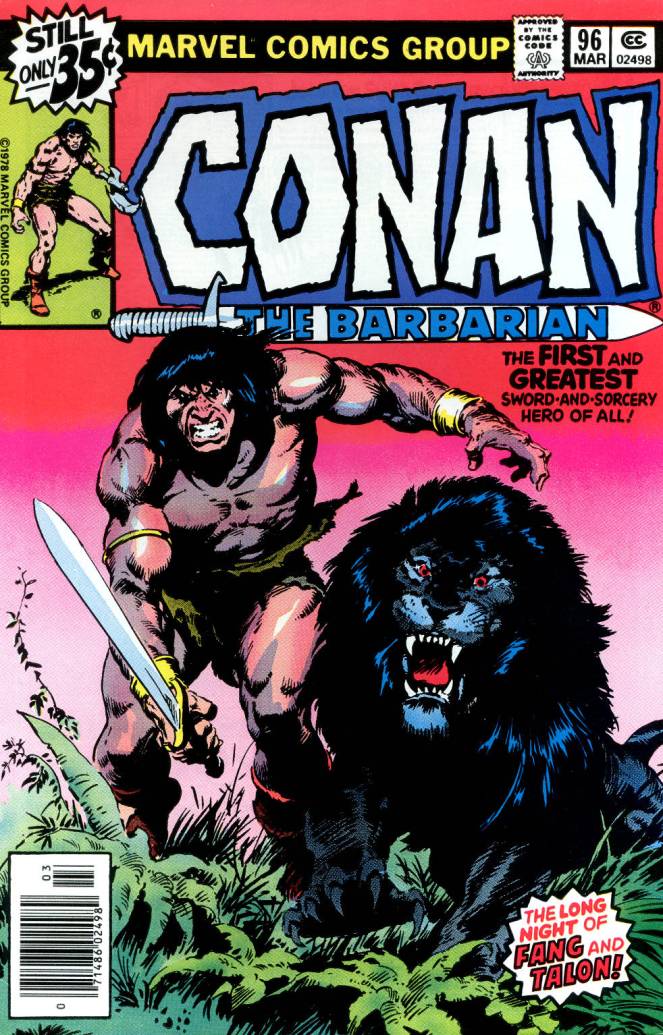
Look closely and you just might see the tell-tale signs that Big John Buscema had Frazetta’s lion in mind, and perhaps even on his desk, when he drew the cover of Conan the Barbarian #96:

frank-frazetta_tarzan-and-the-castaways_illo
john-buscema_conan-the-barbarian-v1-n96

The face of Frazetta’s lion is so lively and expressive that it makes Buscema’s more symmetrical version seem flat and mask-like in comparison.

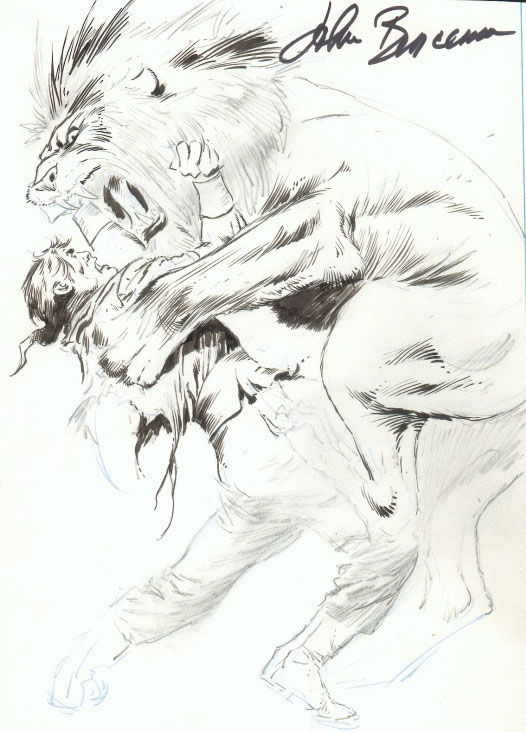
BONUS IMAGE:

Now that’s more like it!

Look There

Look There: Eleanor Davis’s new sketch blog

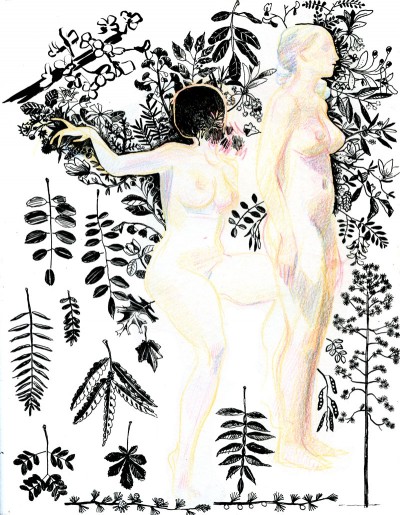
Eleanor Davis’s daring and vivacious art is probably not safe for work, but then again, if you were truly worried about what’s safe for work, you probably wouldn’t be here either! So screw your courage to the sticking-place, and click the image below to visit the artist’s fab new sketch/news/miscellaneous blog, We Be Ouija:

eleanor-davis_sketch018

Davis also has a terrific portfolio site called Doing Fine that you should bookmark:

eleanor-davis_guardian-hans-2-72
Here, Read · Interviews · Look Here · Richard Corben

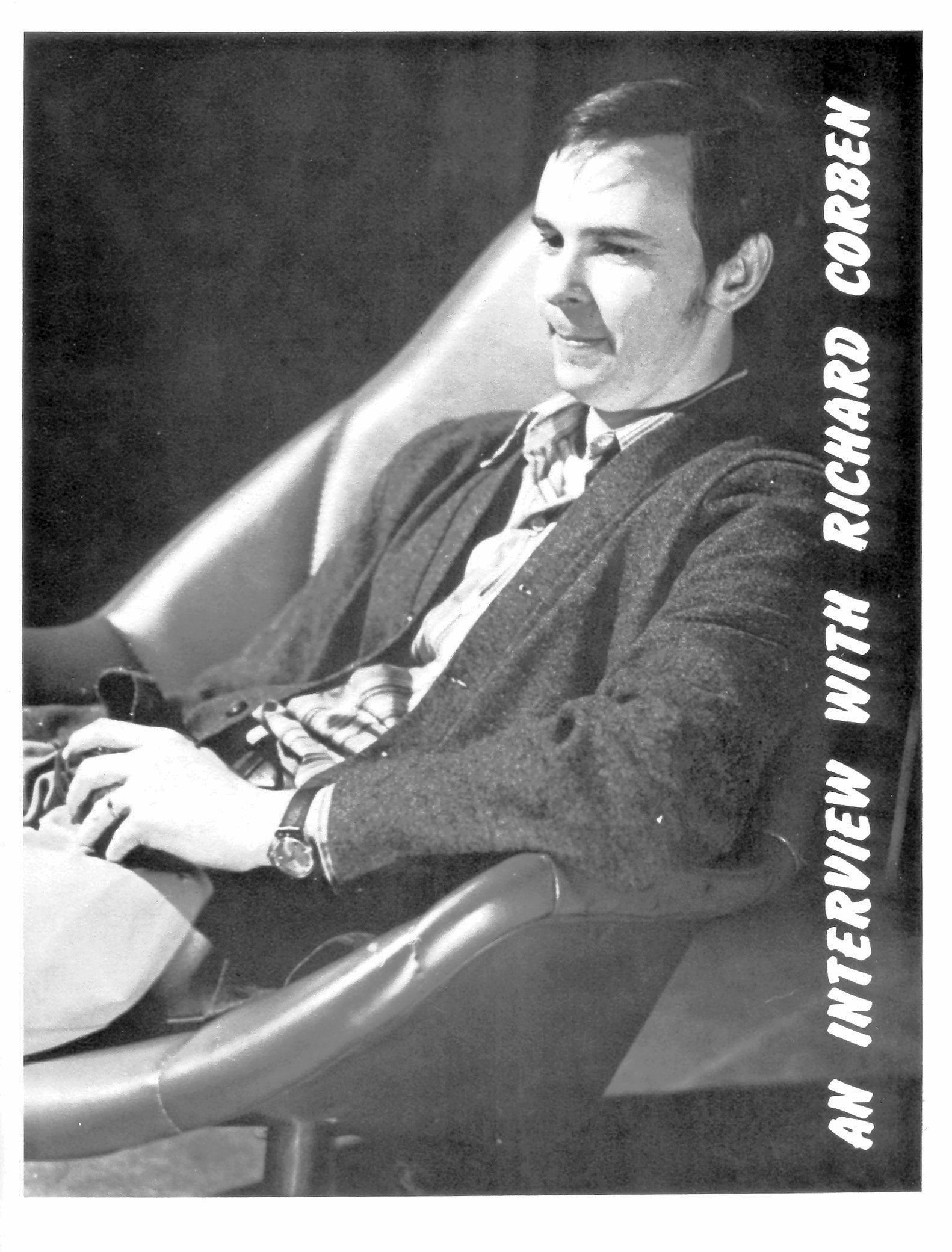
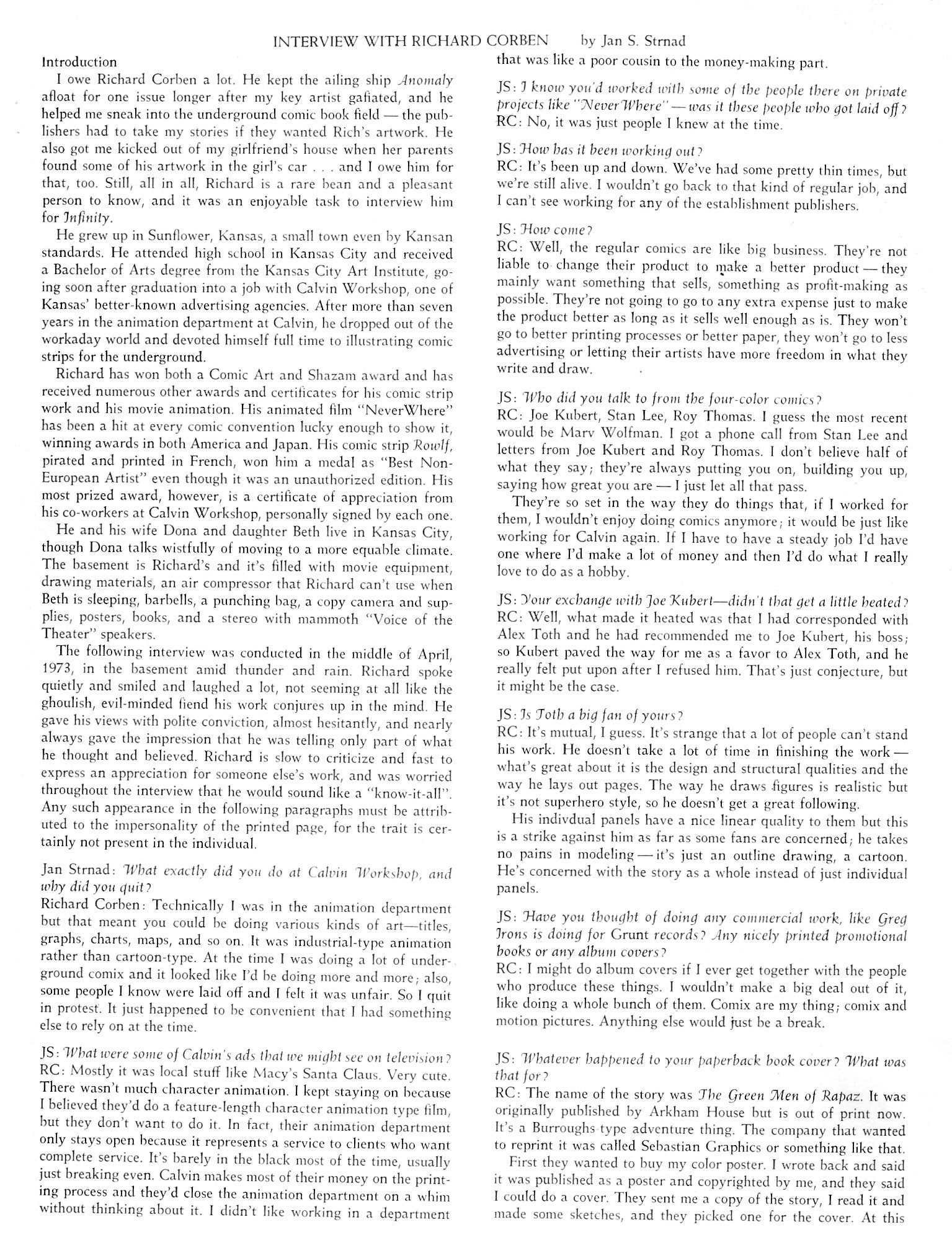
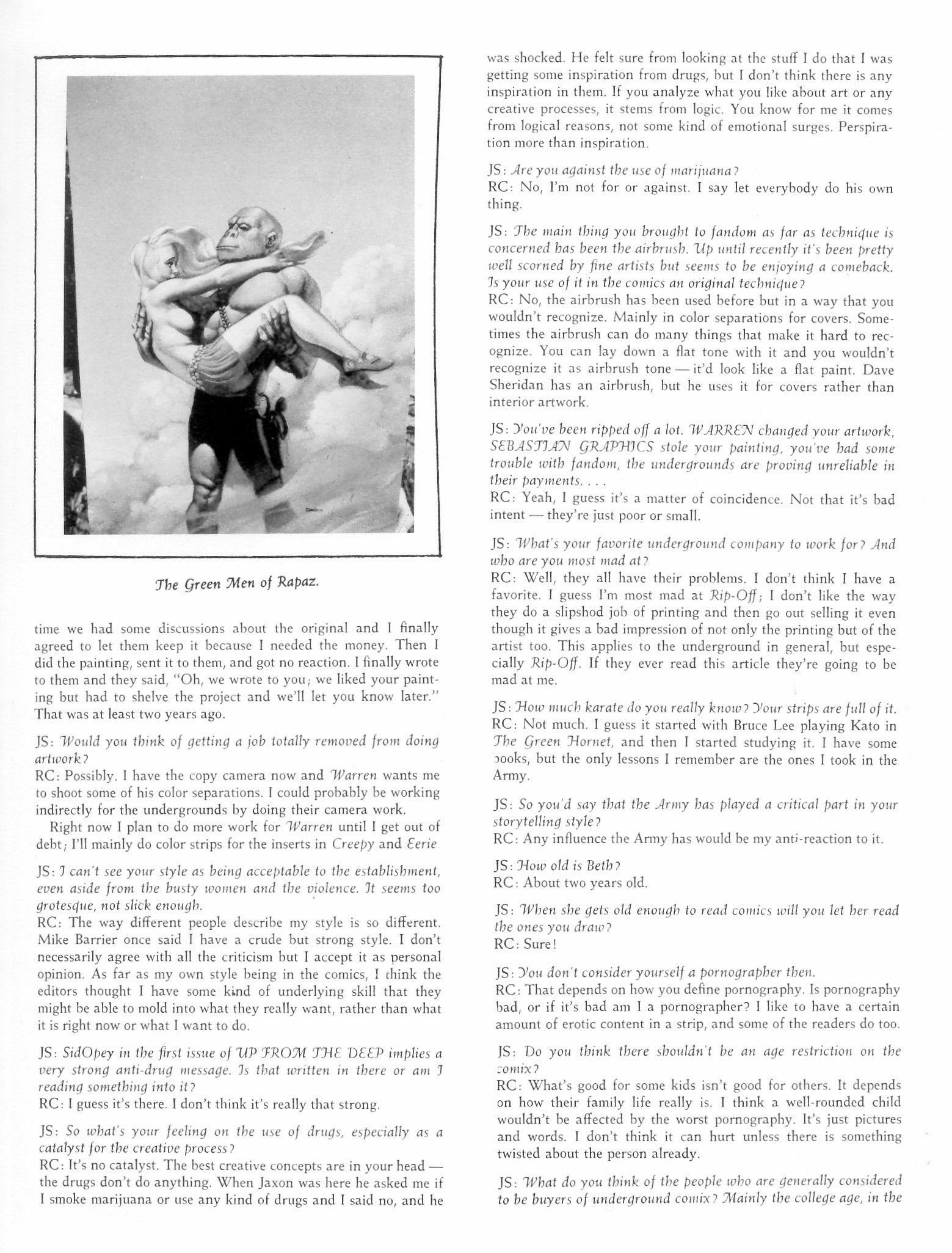
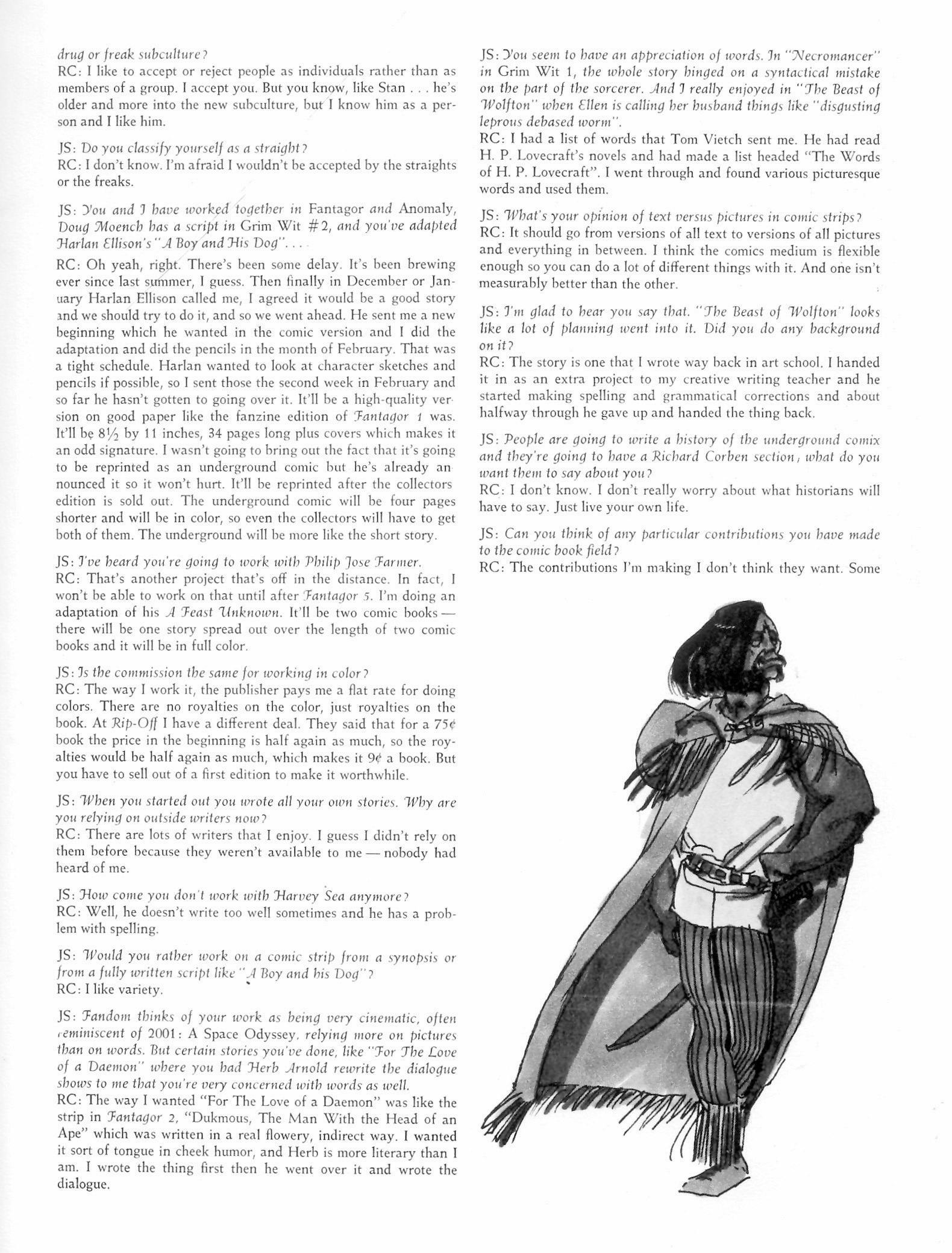
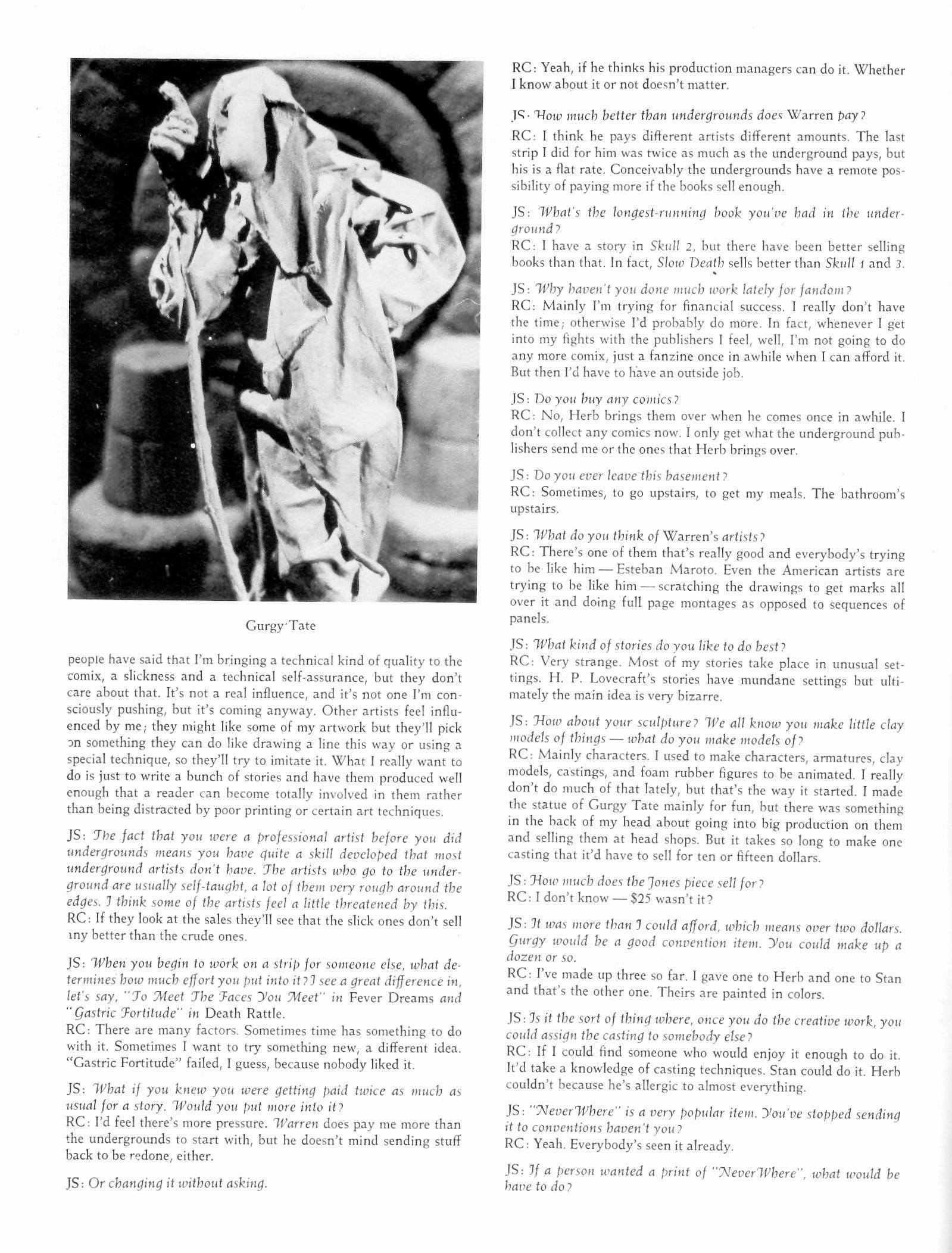
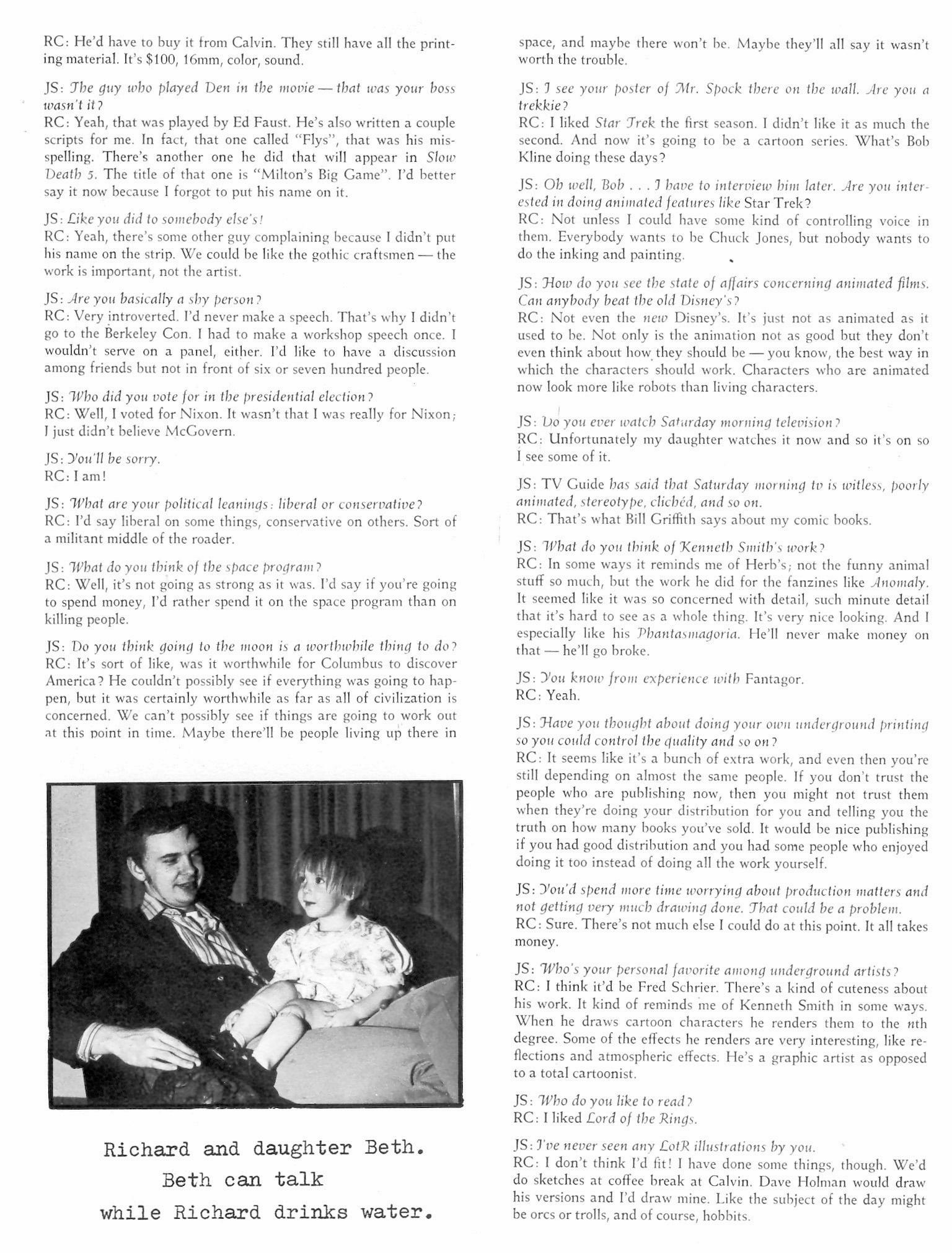
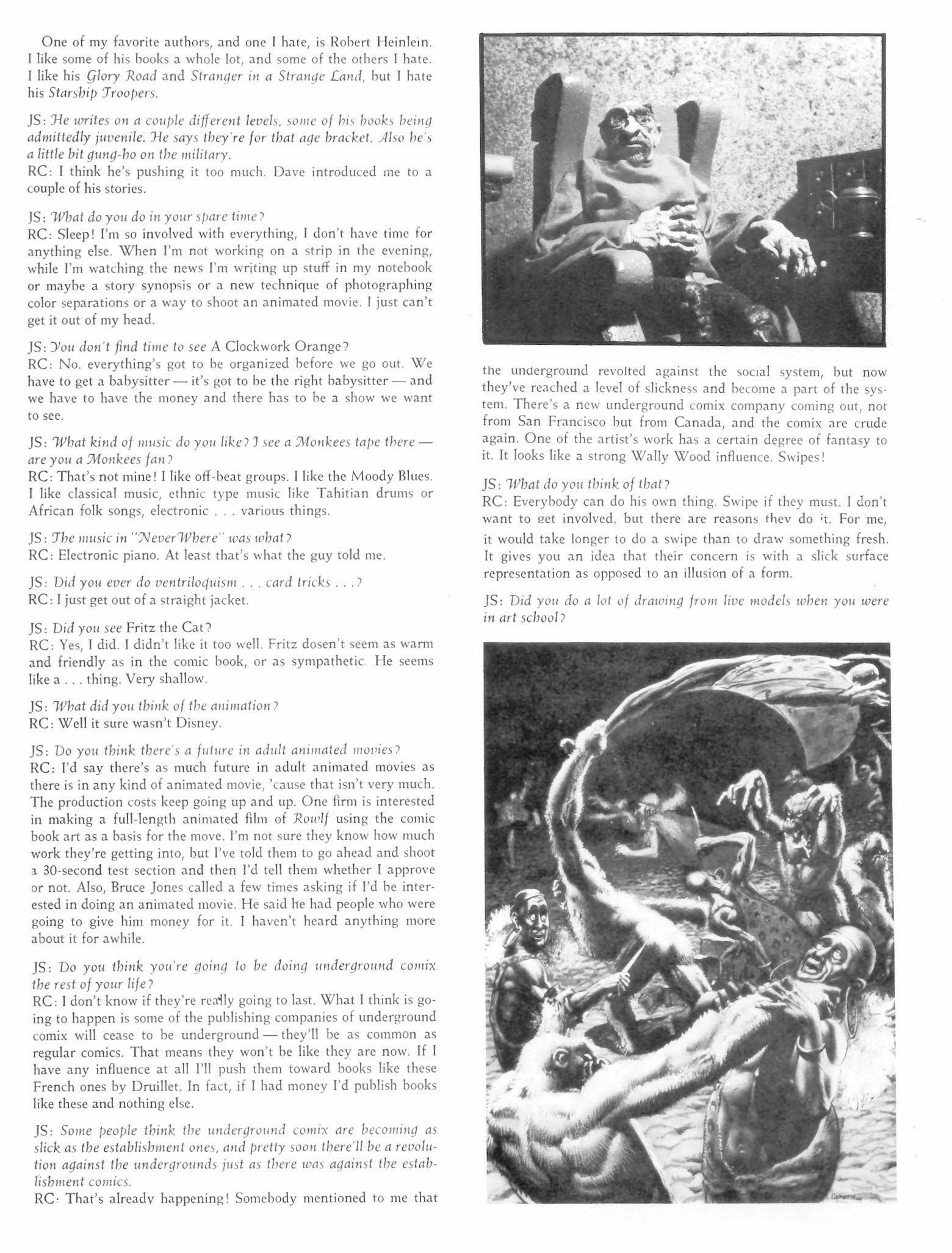
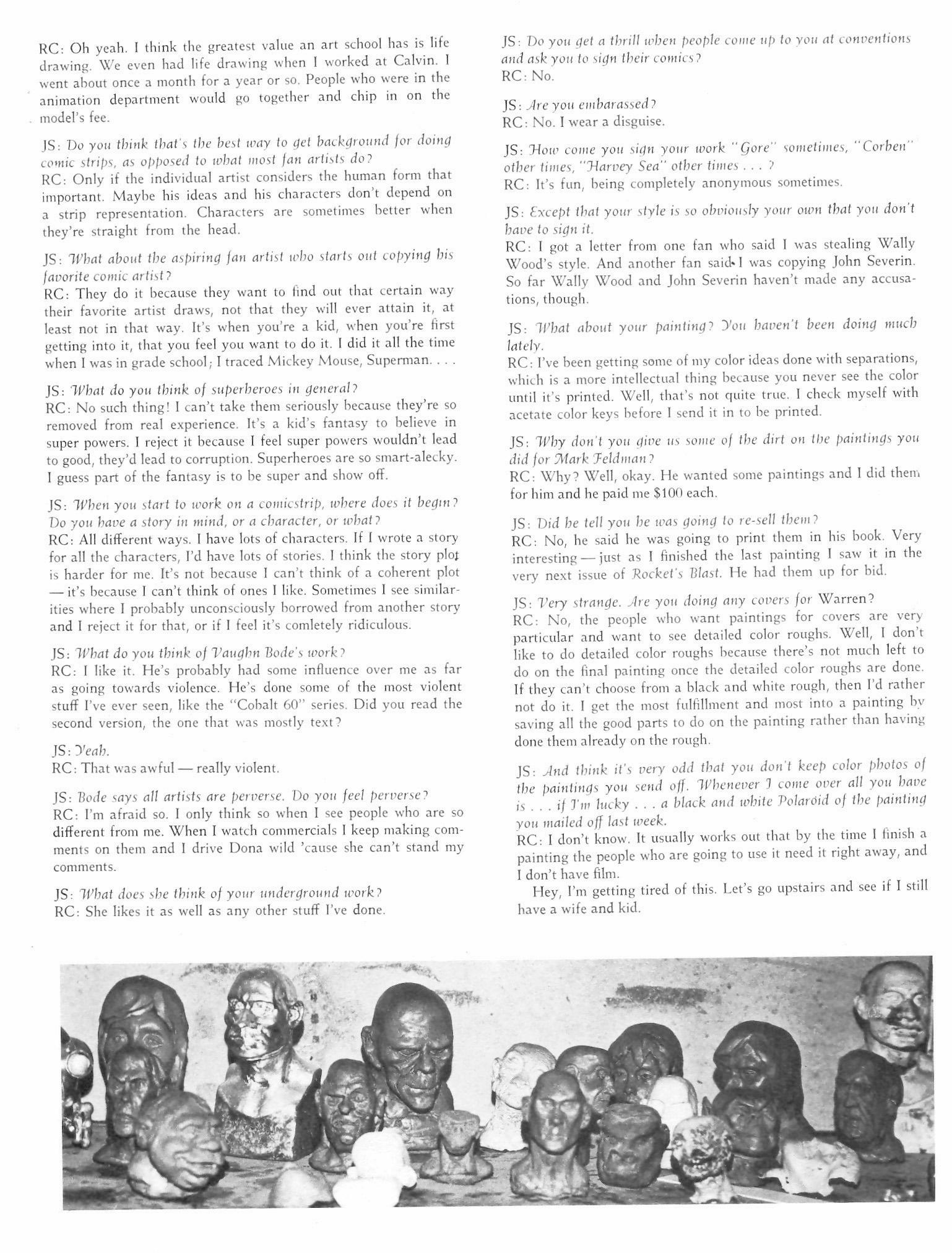
Look Here, Read: Another interview with Corben from 1973

[CLICK EACH IMAGE TO ENLARGE, or RIGHT CLICK > SAVE LINK AS… TO READ OFFLINE]

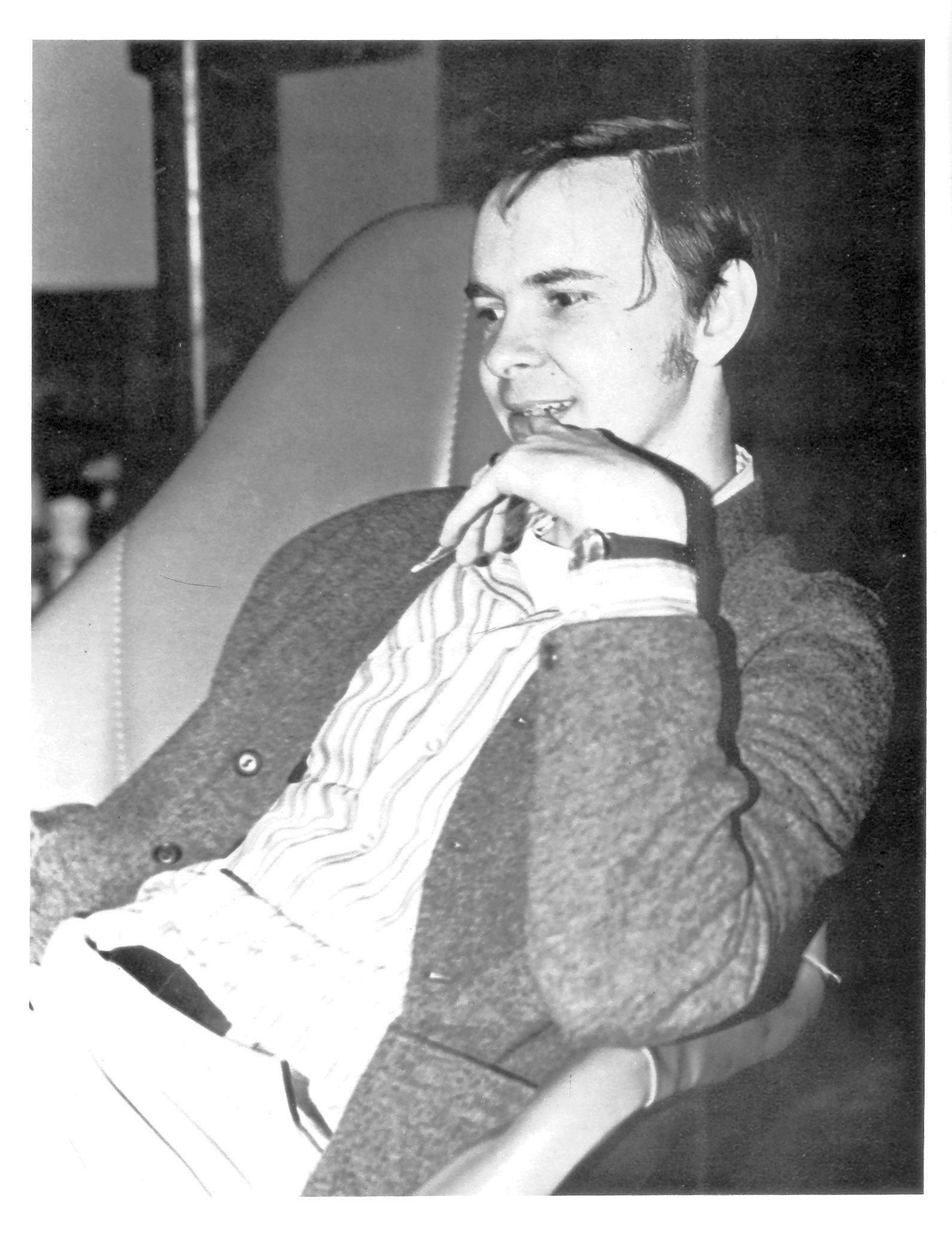
Corben has always had a knack for small-scale figurative sculpture, but in the thirty-seven years since the above interview, he has stayed true to his original impulse to use sculpture mainly as a means to an end, namely, the precise delineation of form in his comics, and has never seriously pursued sculpture as an independent art.

In Real Life · Photos

Condie Nature Walk

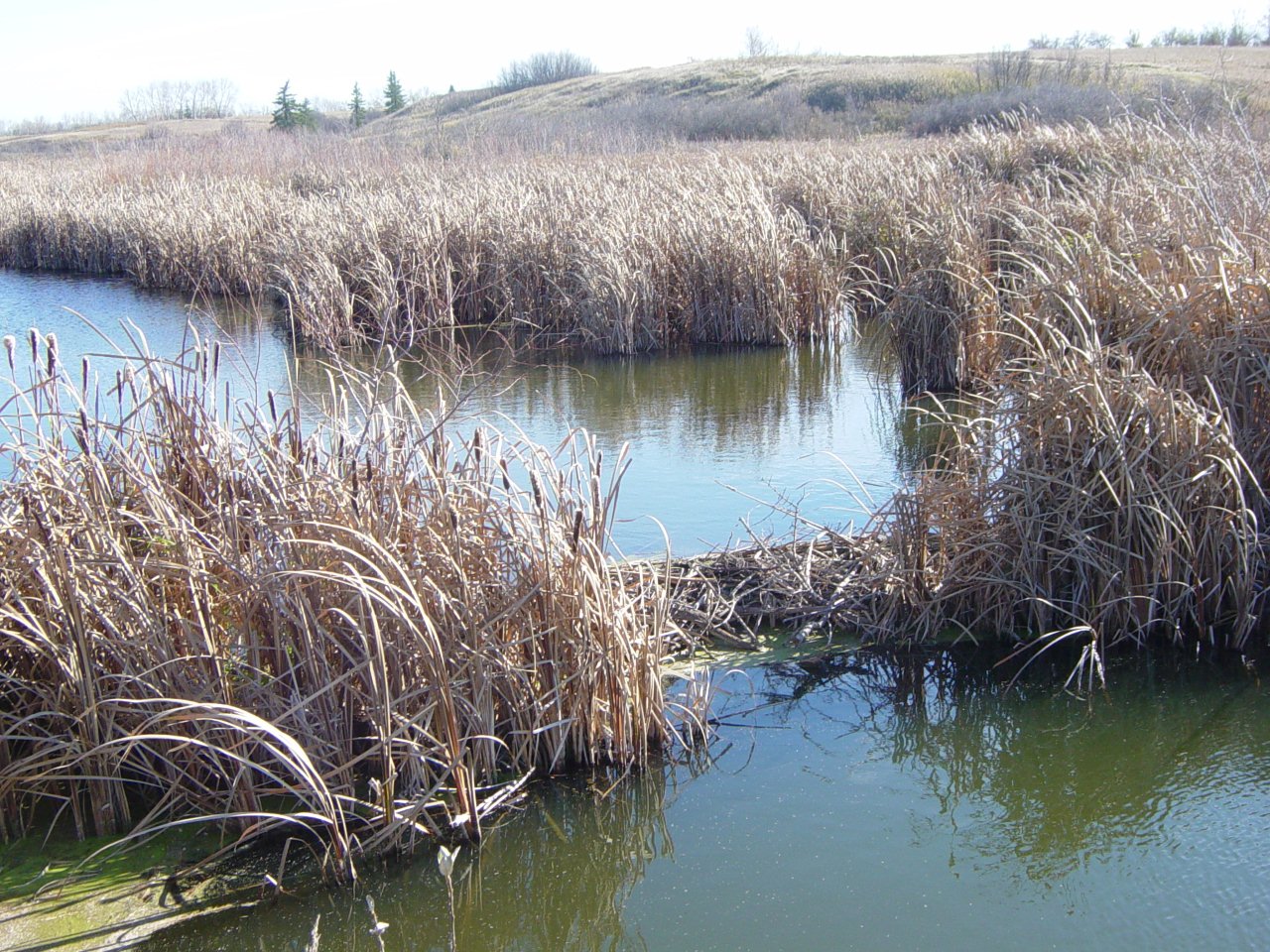
Yesterday, my wife, our son, and I drove out to the Condie Nature Refuge a few miles north-west of Regina, Saskatchewan. The area around Regina is famous for its flat farmland and vast open views of the horizon, but tucked here and there on the prairie are little pockets of unplowed land with a different sort of interest. What follows are some snapshots I took as we strolled together along the paths of the self-guided nature walk; the sequence begins with a view from the road, looking from the north-east towards the south-west, and includes several views of the vestiges of a tiny oxbow lake along with photographs of the beaver lodge, pond, and dam.

I’m sure you have similar areas of understated (or perhaps even spectacular) natural beauty near where you live, if only you will search them out.

Comics · Here, Read · Hilda Terry · Look Here

Look Here, Read: Four more “Teena” Sunday strips by Hilda Terry

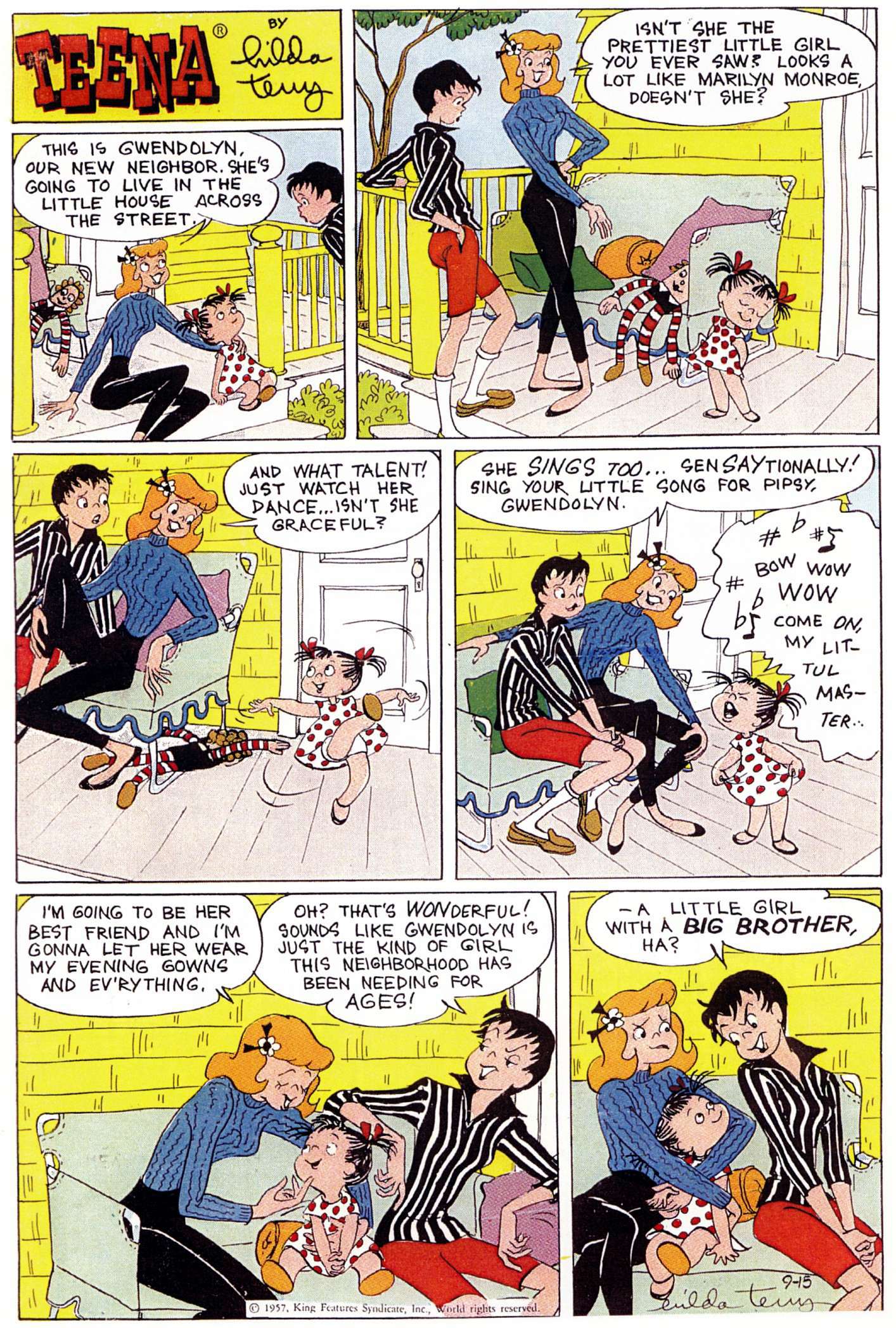
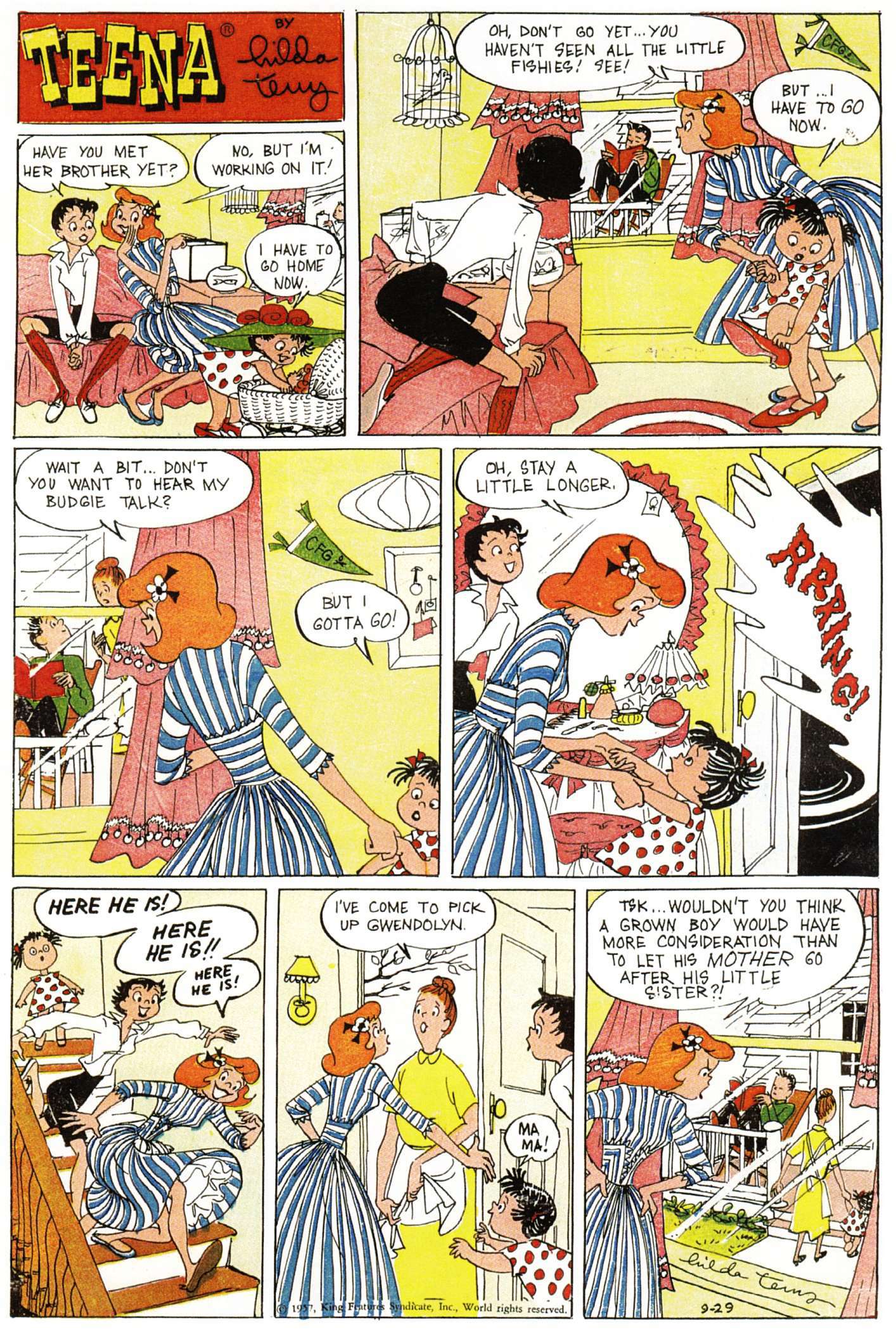
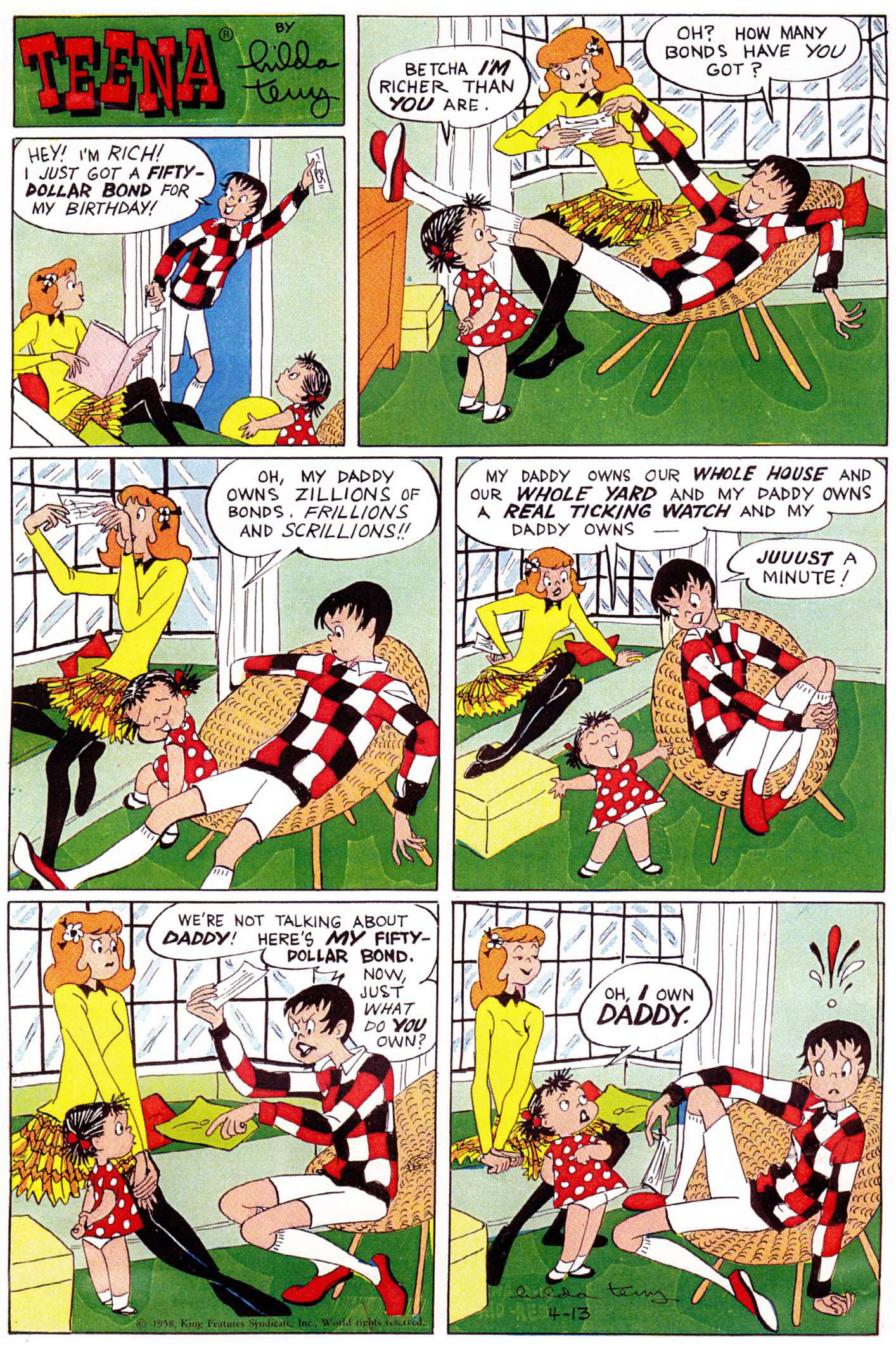
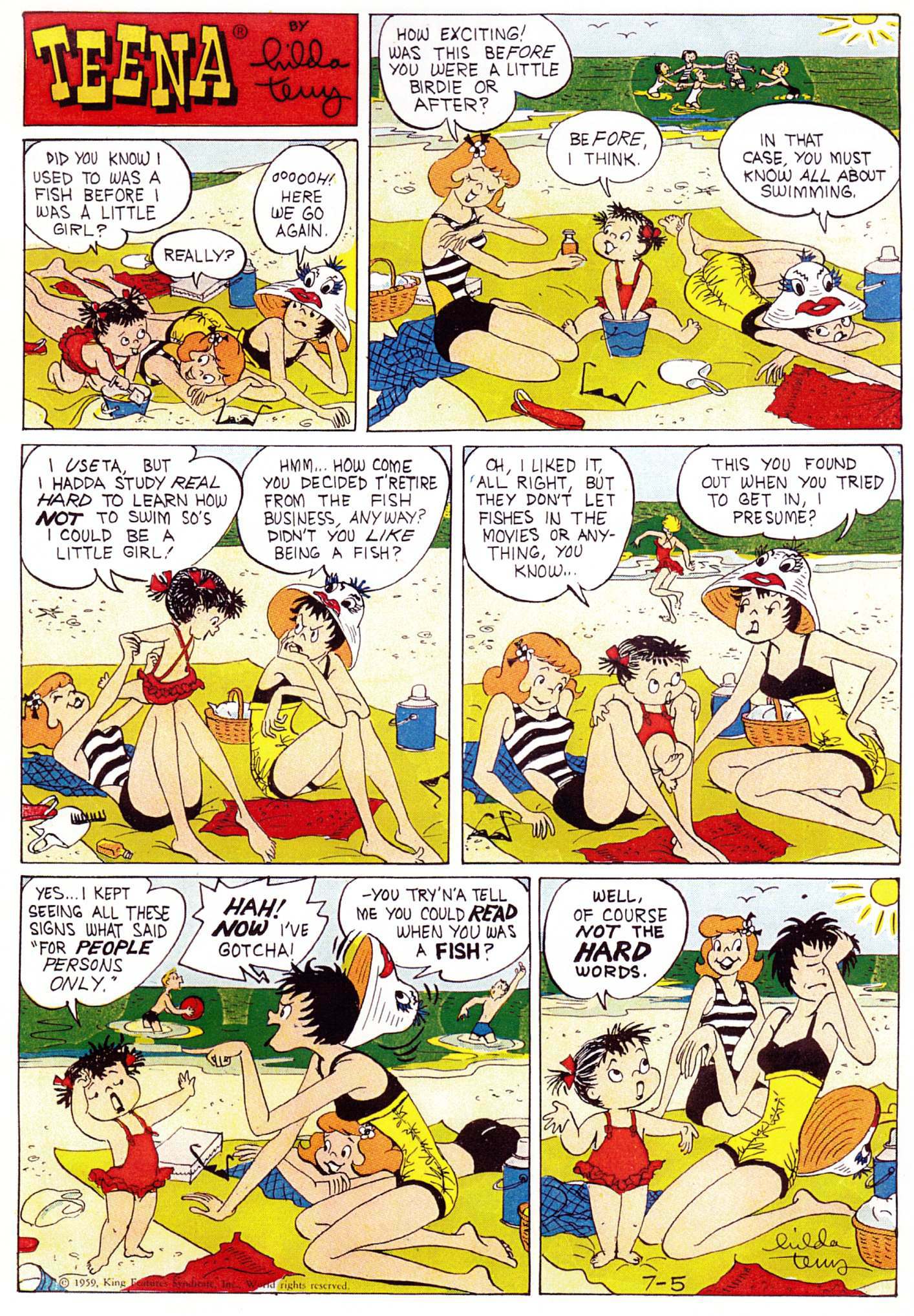
This time around, having just posted four “Teena” Sundays from early in the strip’s run, I thought I’d post four “Teena” Sunday strips, in colour, from 7+ years later (two from 1957, and one each from 1958 and 1959), when Hilda Terry’s warm, energetic, appealing style was not only fully formed but fully her own:

Do you see now what I meant when I said that Terry’s young people are always in motion?