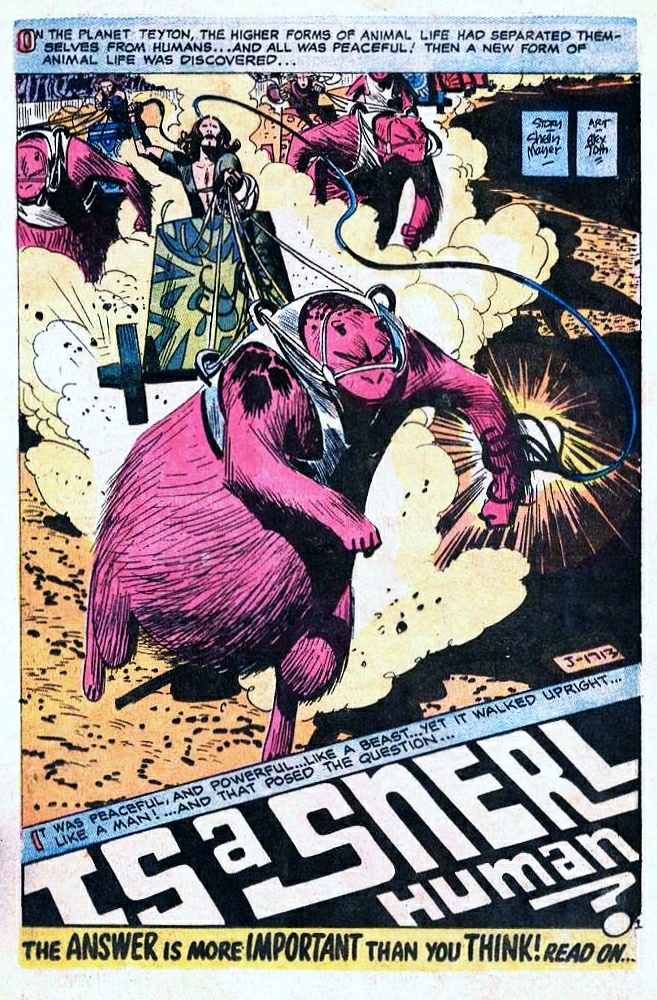
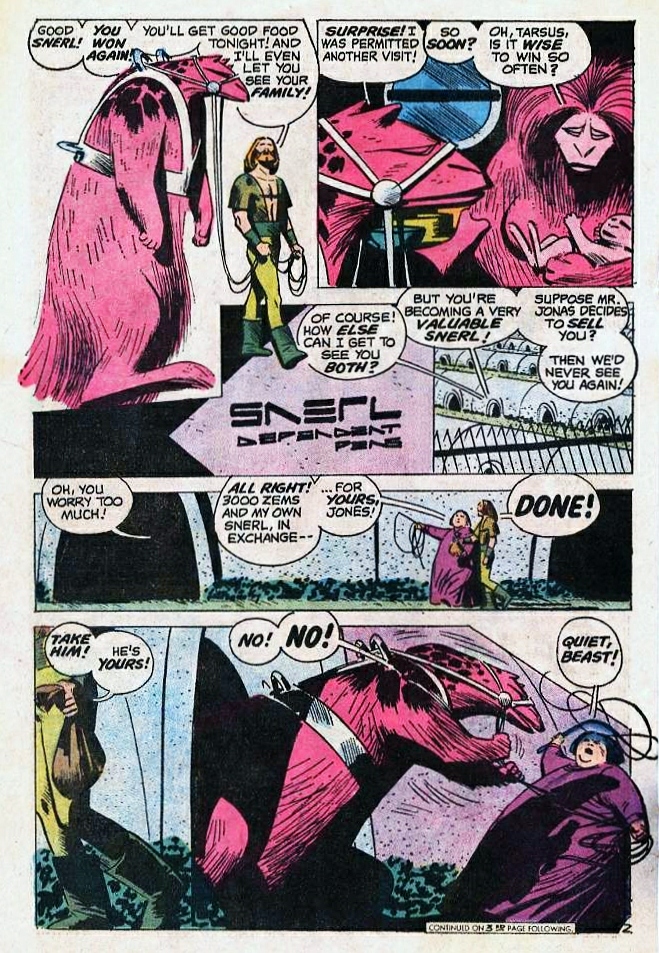
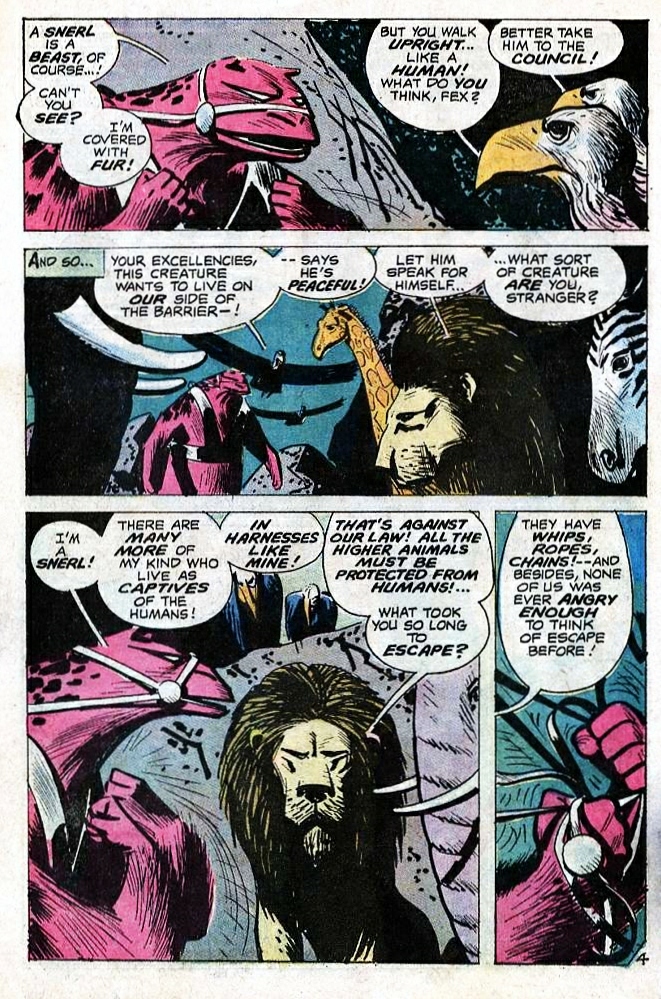
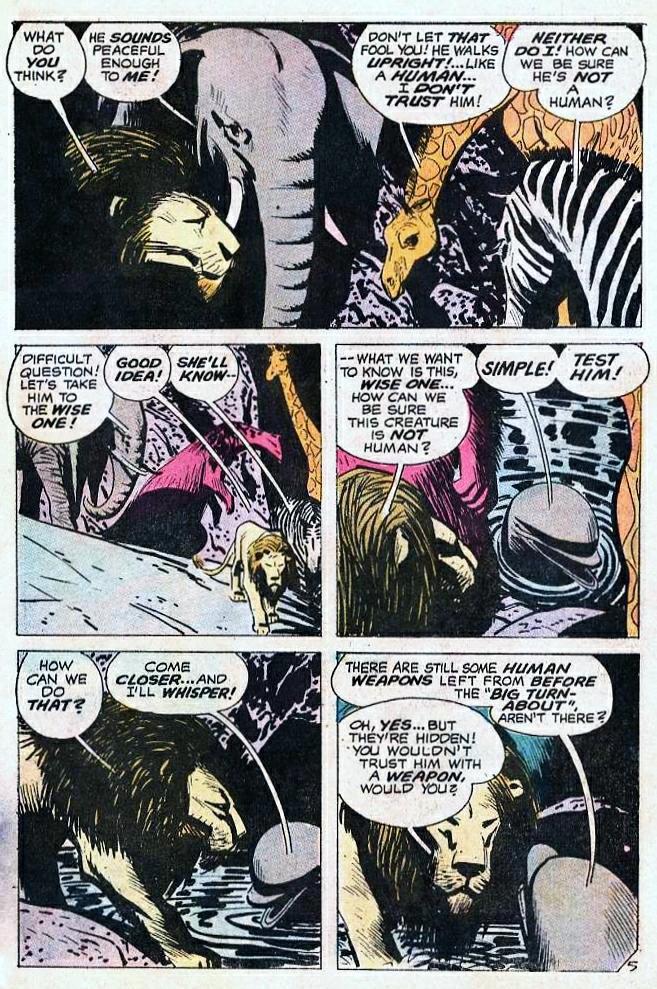
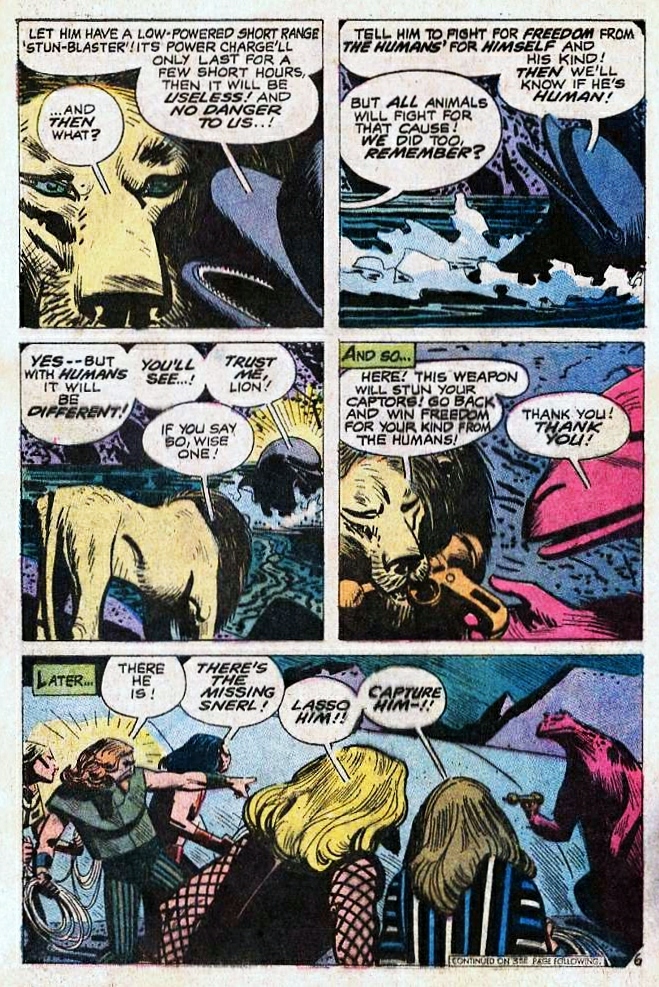
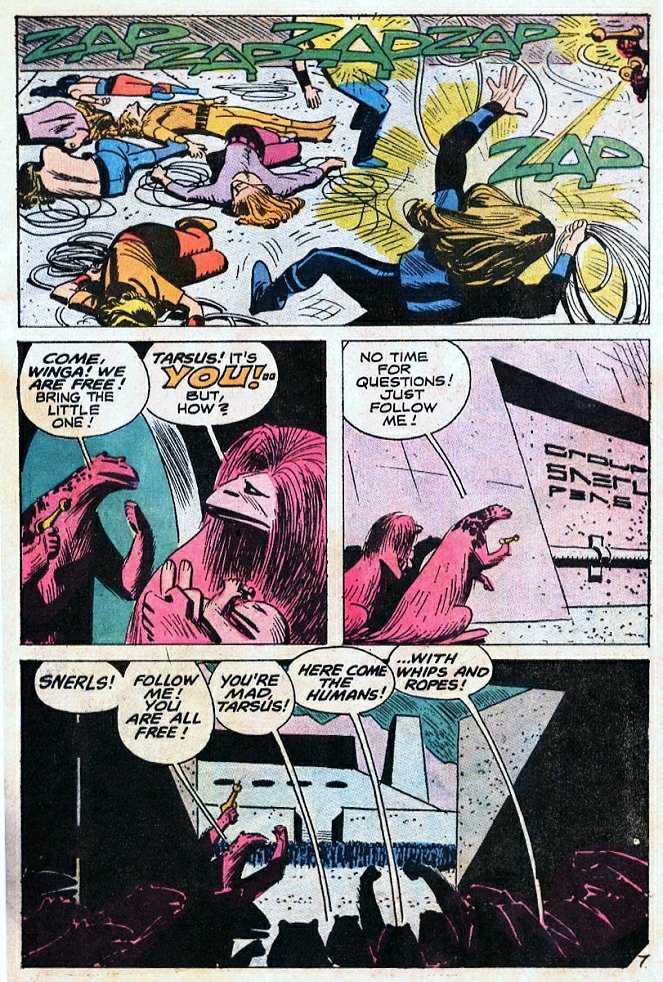
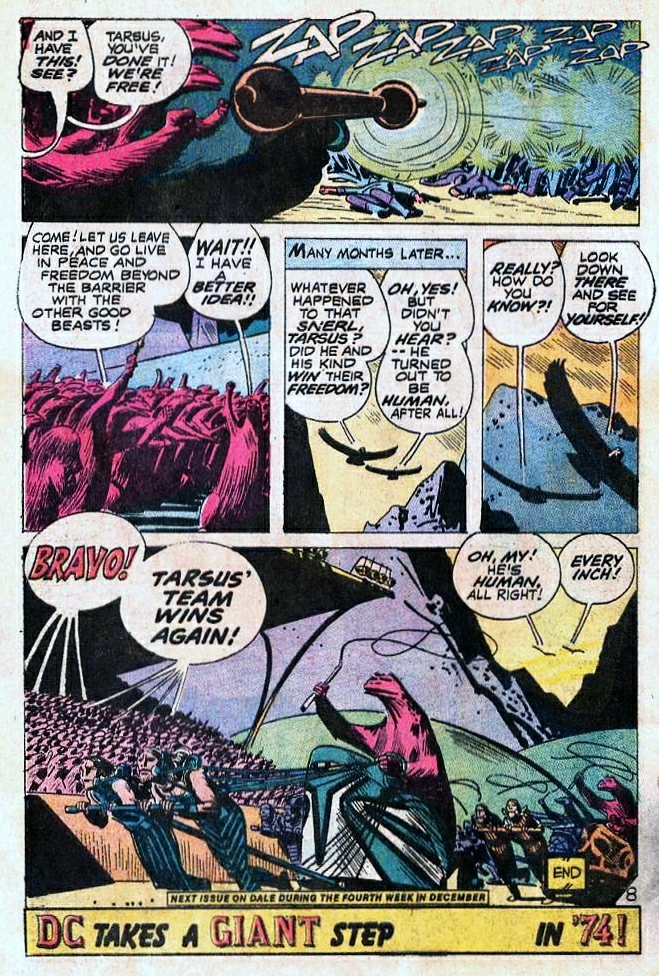
From Adventure Comics #431 (February 1974), here’s “Is a Snerl Human?” with story by Shelly Mayer and art by Alex Toth:
[CLICK IMAGES TO ENLARGE]

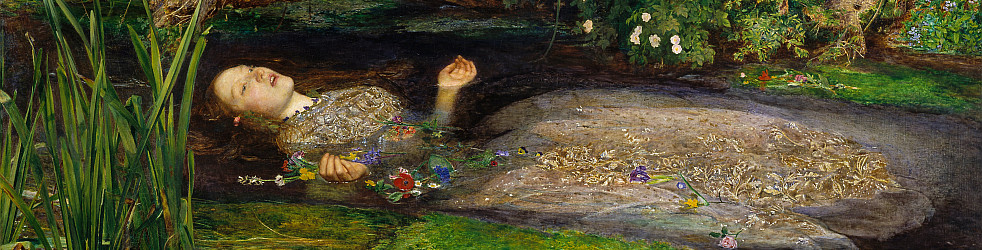
"This day's experience, set in order, none of it left ragged or lying about, all of it gathered in like treasure and finished with, set aside." –Alice Munro, "What is Remembered"
From Adventure Comics #431 (February 1974), here’s “Is a Snerl Human?” with story by Shelly Mayer and art by Alex Toth:
[CLICK IMAGES TO ENLARGE]
From Conan the Barbarian Movie Special #1 (October 1982), here are four consecutive pages, with art both pencilled and inked by John Buscema, along with the original art for each page:
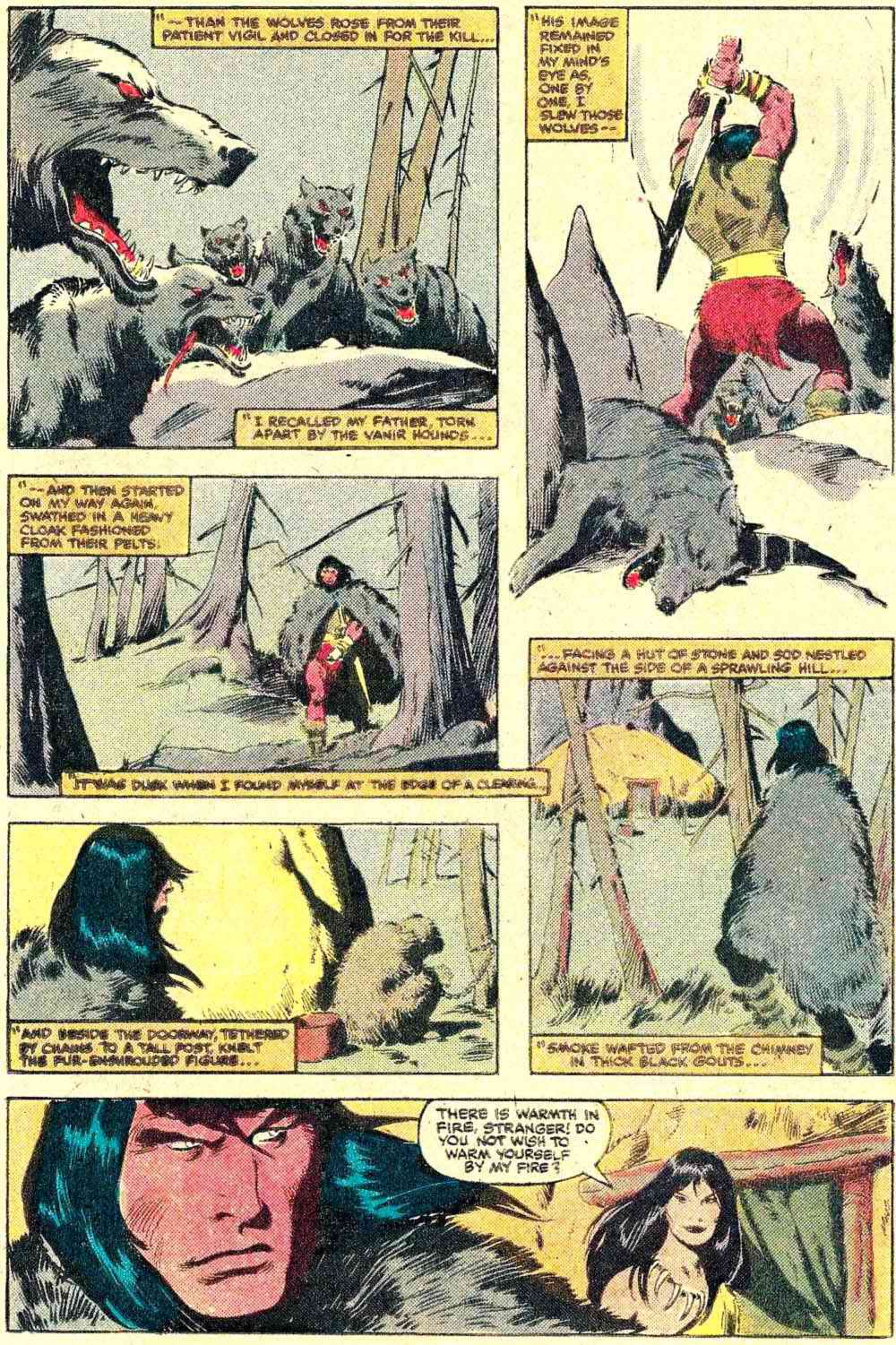
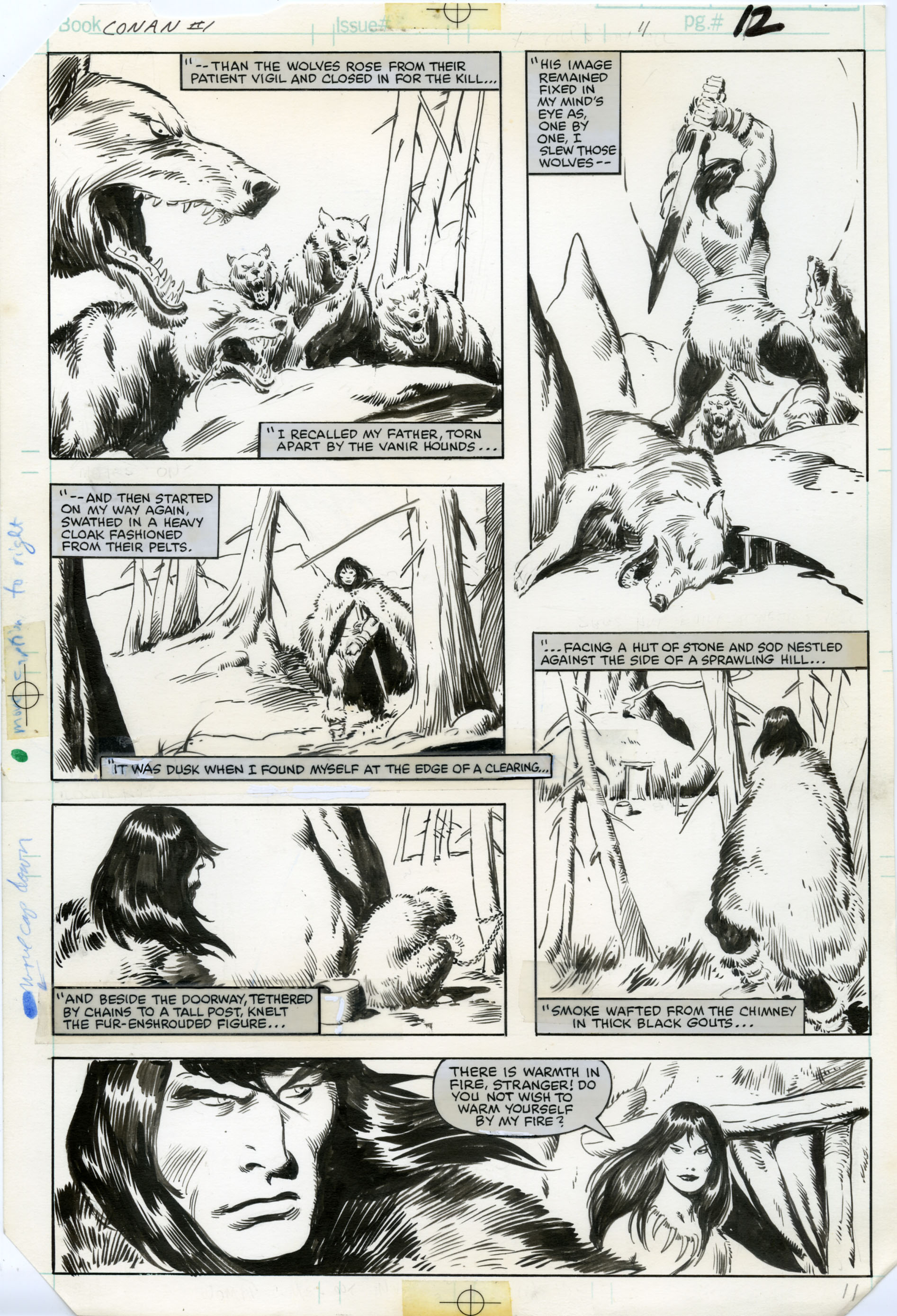
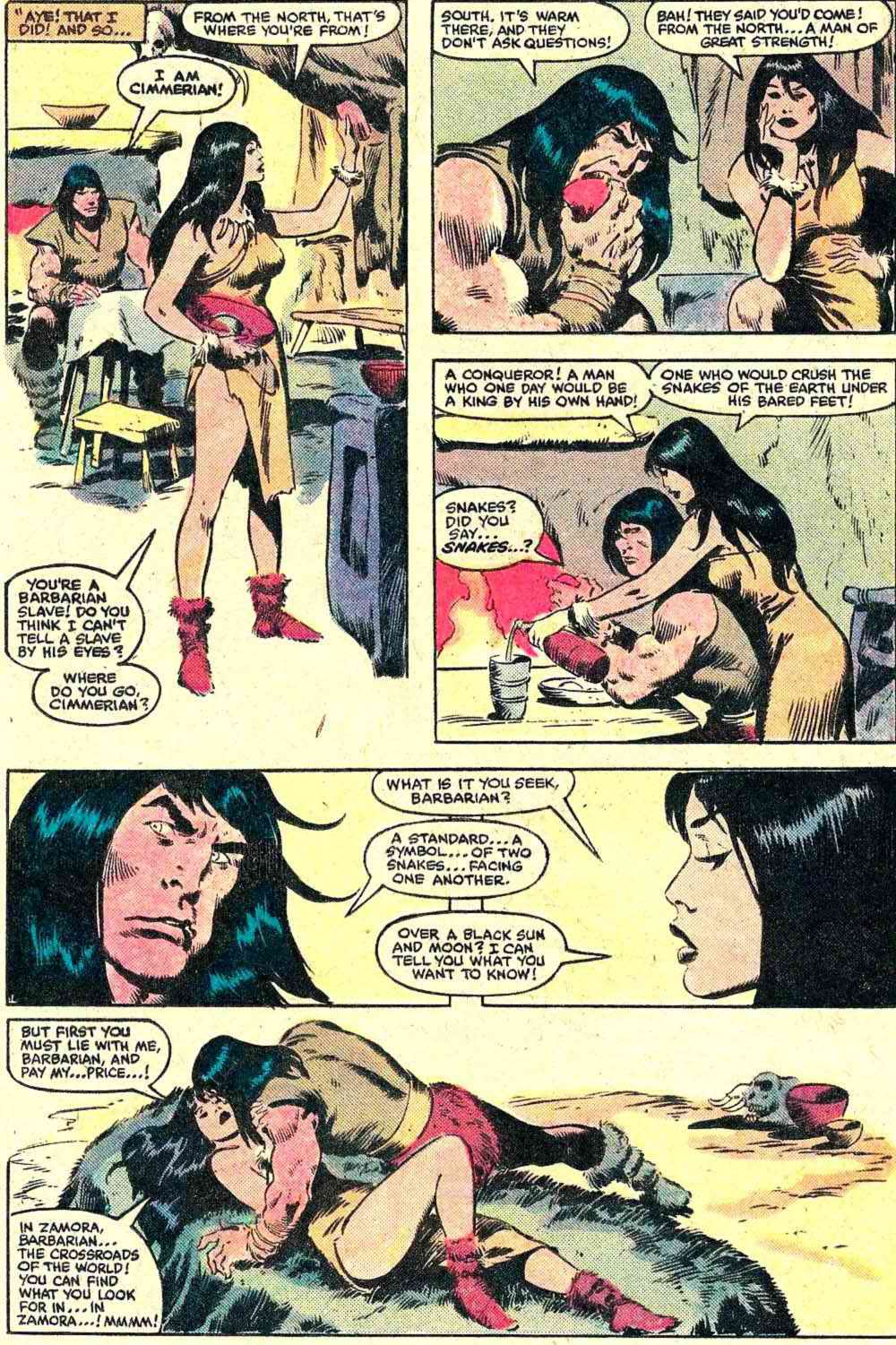
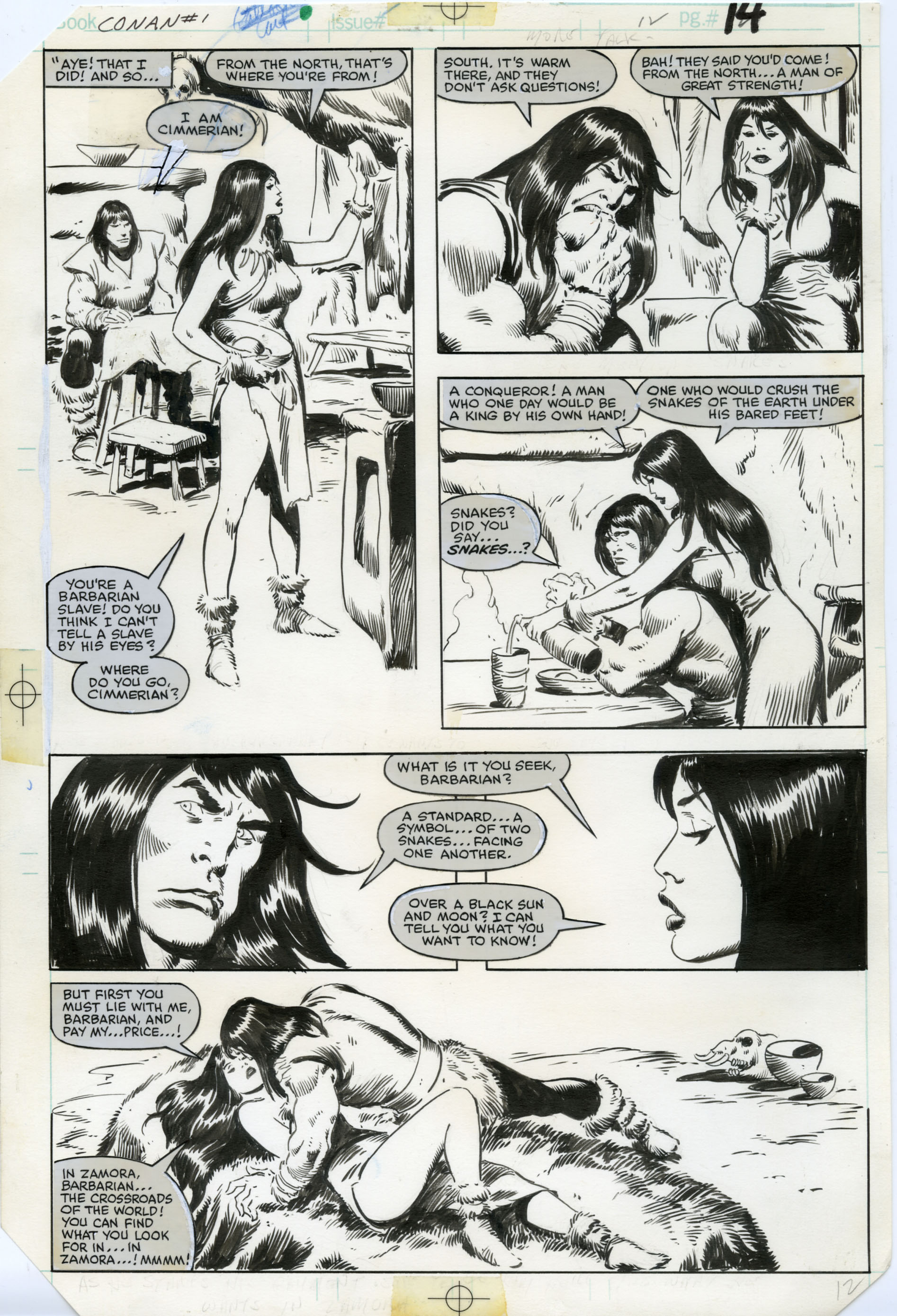
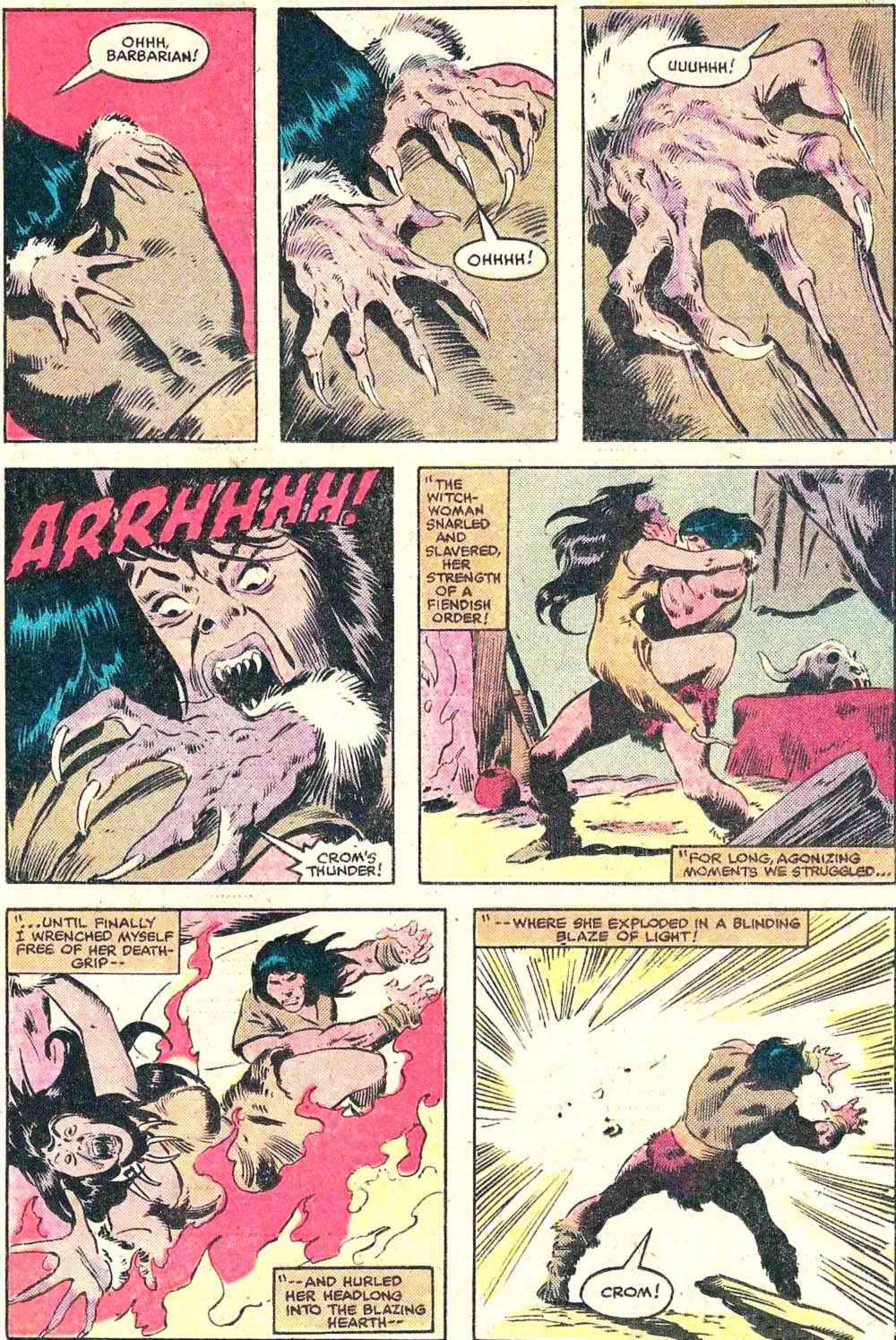
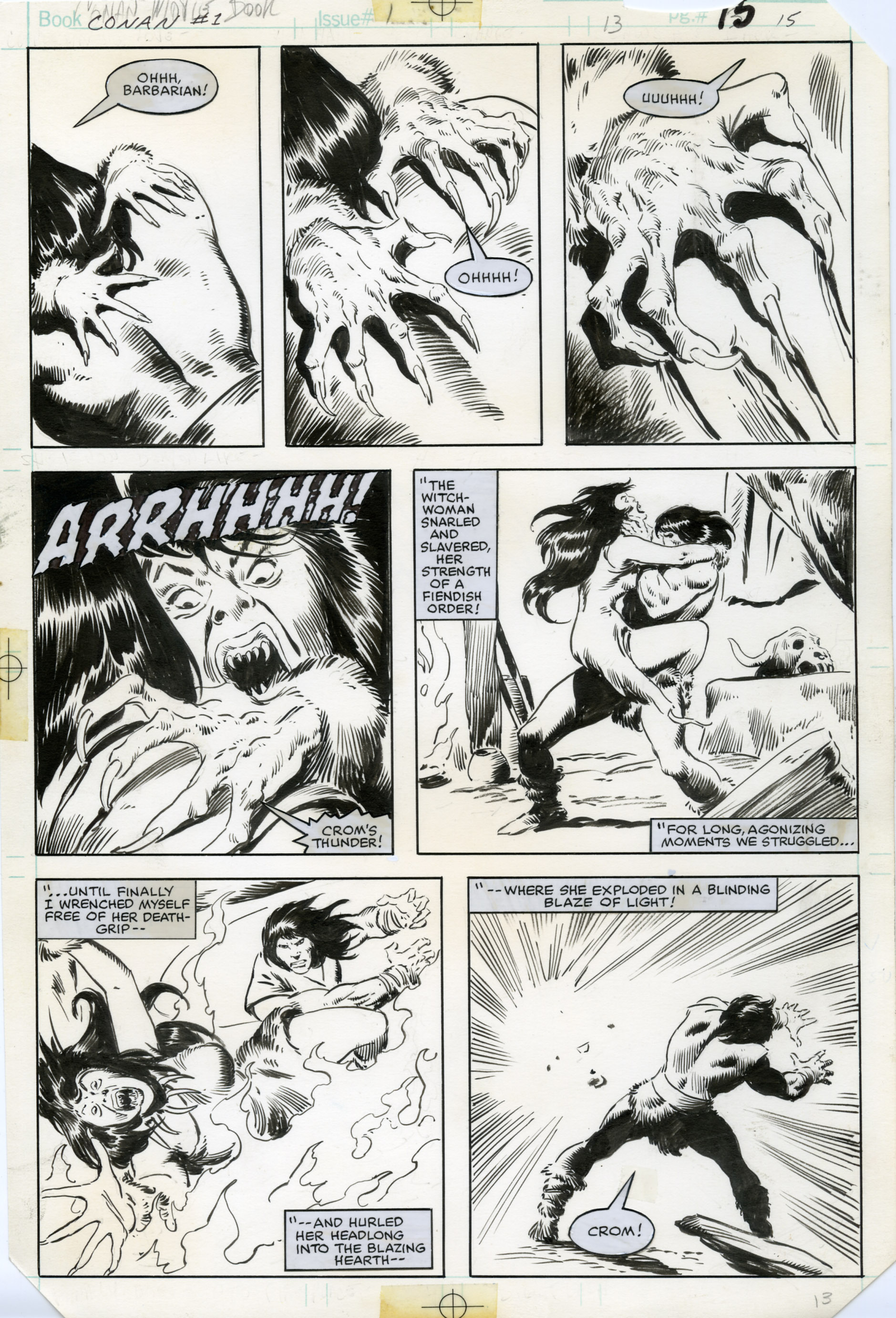
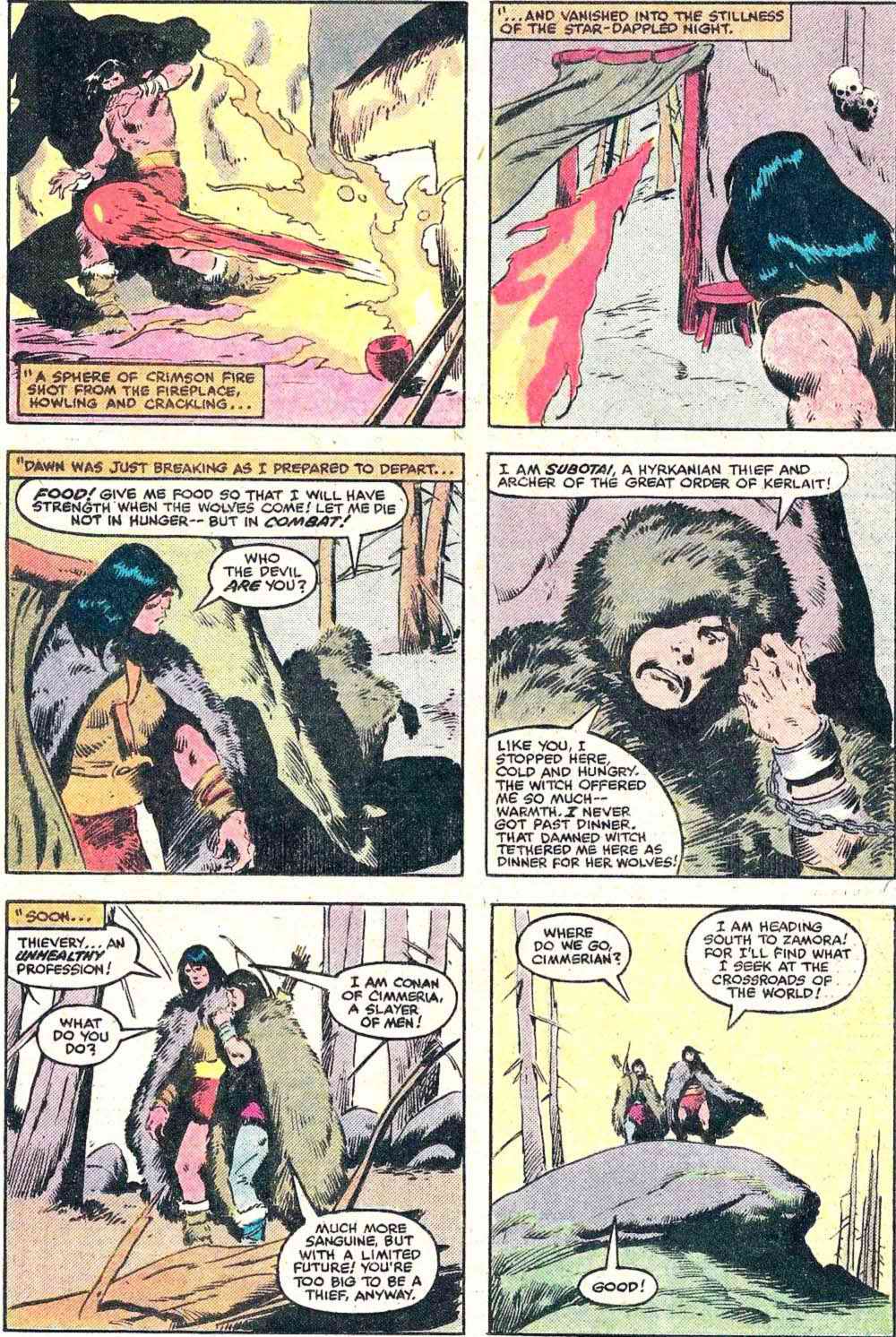
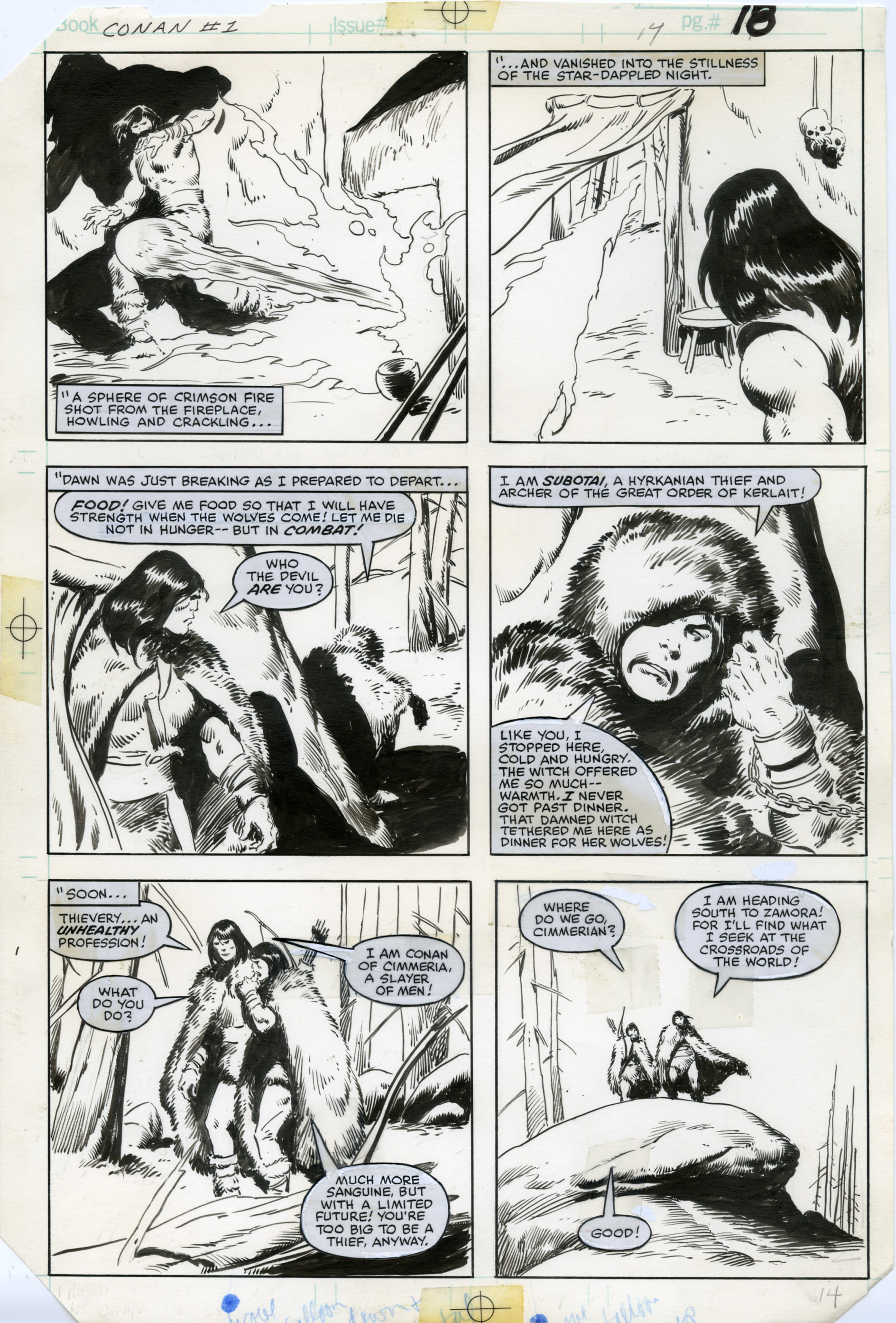
Unlike many of the inkers who were hired to embellish his pencils over the years, John Buscema never had a reputation as a gifted technician with a quill or a brush, though he did have an instantly recognizable style. His simple, vigorous brushstrokes could suggest fur and grass and hair realistically enough, but look carefully and you’ll see that very similar strokes also delineate musculature, armour, leather clothing, rocks, trees, shadows, etc., etc. Realistic details and textures were simply not Buscema’s strong suit. This was partly because the artist didn’t enjoy research — as he said in several interviews, one big reason he loved to work on Conan was because he could rely on his memory and imagination for everything — and partly because he viewed any “extra” time spent slaving over his comics work as money out of his pocket! But that’s not a bad thing, because what you do get when Buscema inks his own work is nothing less than an object lesson in basic form and gesture by a master draughtsman. And that’s more than enough.
To the relief, perhaps, of cash-strapped, English-speaking Jodorowsky and Moebius fans who took a pass on (or simply couldn’t get hold of) the very expensive, Absolute Edition-sized, slipcased hardcover, The Incal Classic Collection, published by Humanoids in 2010 in a limited edition of 750 copies, the company has decided to publish a smaller but more affordable hardcover English-language reprint, The Incal Classic Collection (308 pages; ISBN-10: 1594650152; ISBN-13: 978-1594650154). According to Amazon.ca, the collection will be available in May 2011; list price is CDN$46.00, but if you pre-order now, the price is CDN$28.84, which is a very good deal, I think.
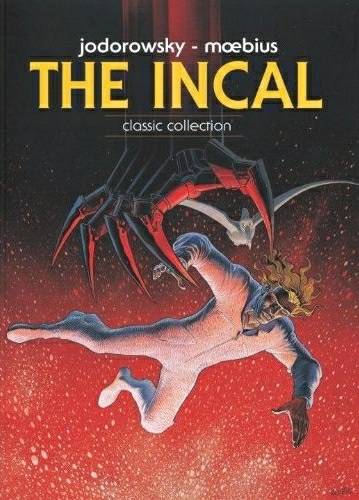
In England, The Incal will be published (with a different cover and without the subtitle “The Classic Collection”) by SelfMadeHero (ISBN-10: 1906838399; ISBN-13: 978-1906838393).
From Lost Worlds #5 (October 1952), here’s “Alice in Terrorland,” with pencils by Alex Toth and inks by Mike Peppe:
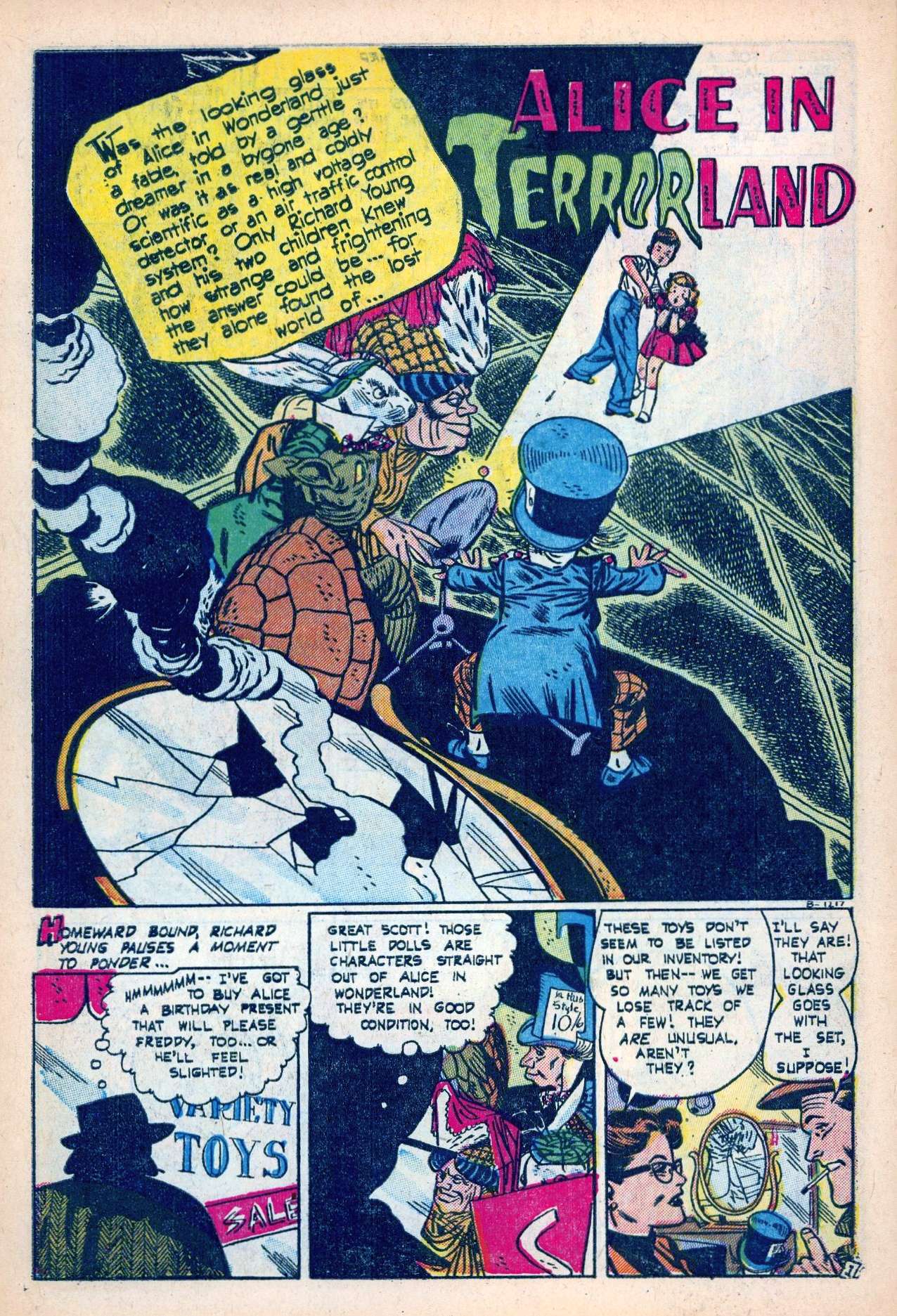
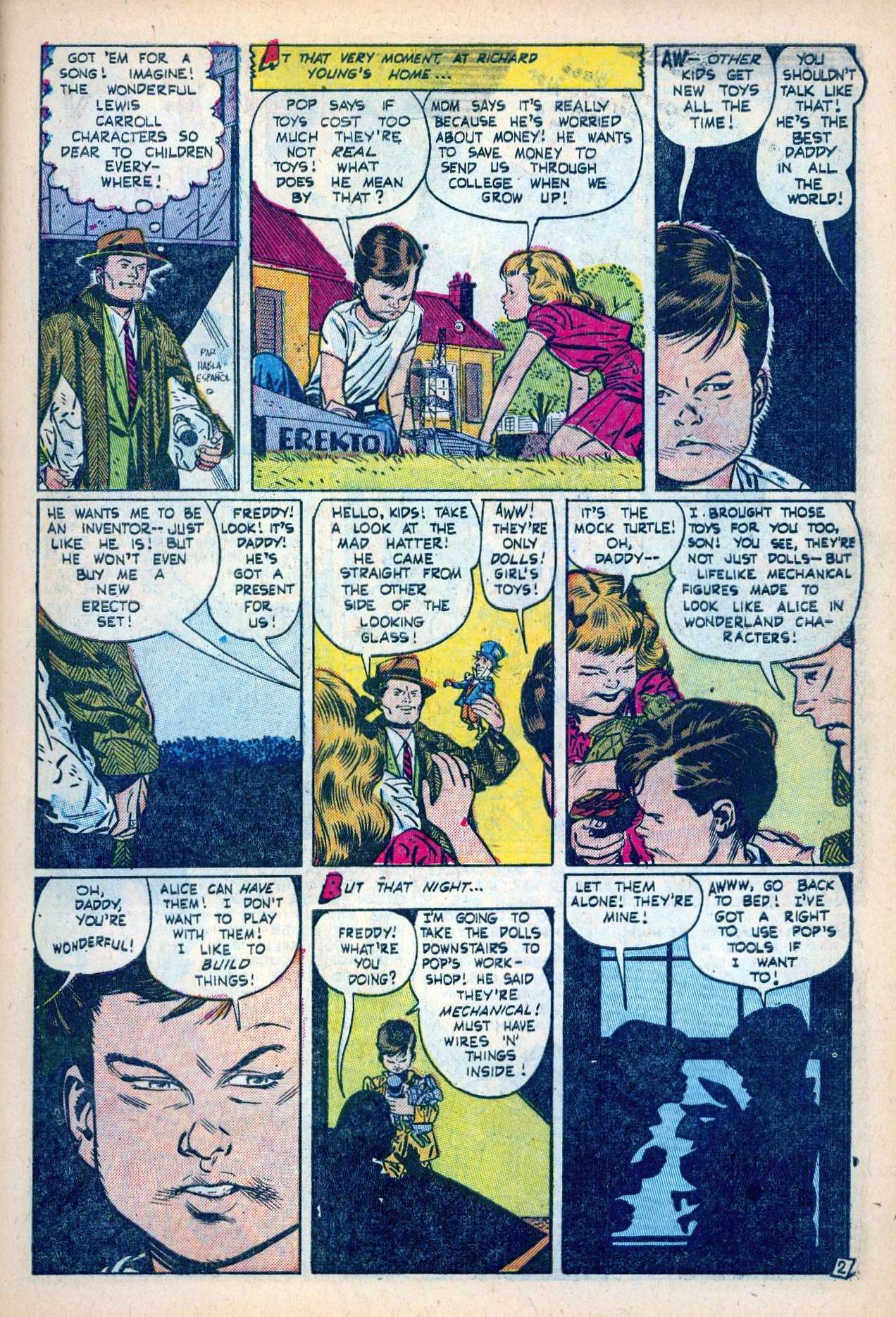


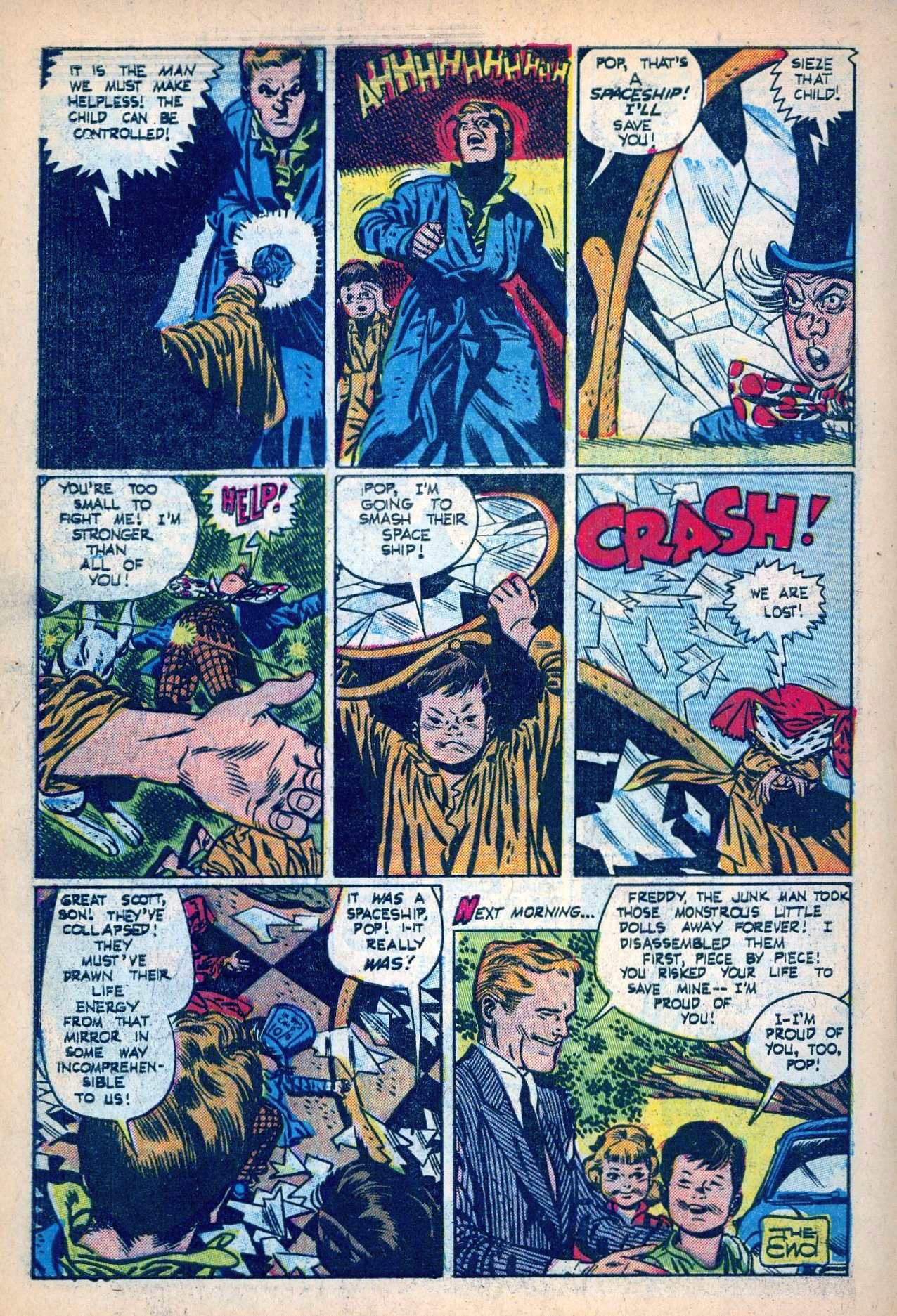
In a previous roundup of links to stories with art by Alex Toth, I sent readers to Karswell’s “The Horrors of It All” blog, where you’ll find a copy of “Alice in Terrorland” as it was reprinted/recoloured in Seduction of the Innocent #1 (Eclipse, November 1985). For those who would care to compare the two versions, here’s that link again.
“Melody from Raymond” is the third track on the 1962 album, Playing It Straight, by comedy legends Henry “Homer” Haynes and Kenneth “Jethro” Burns:
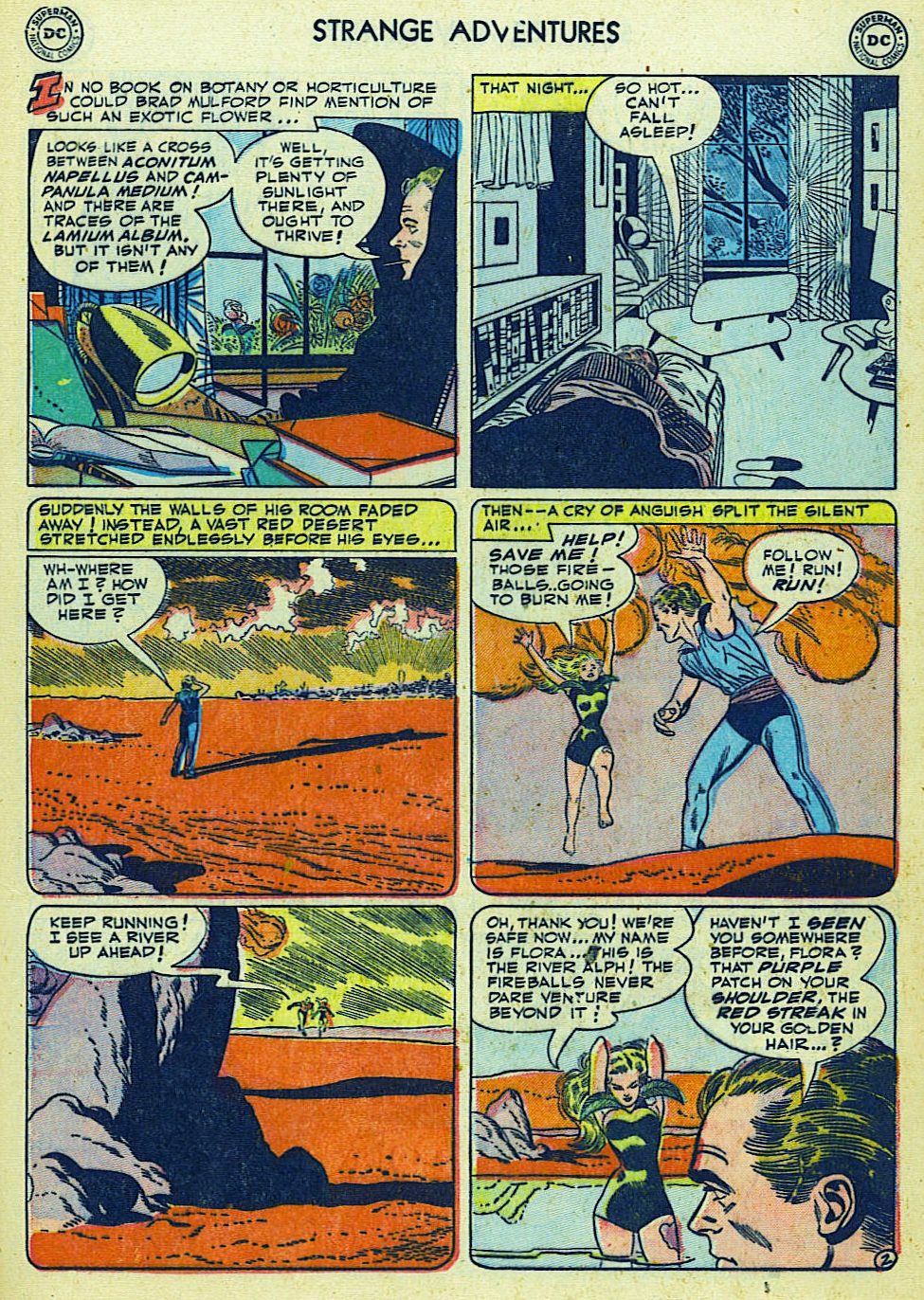
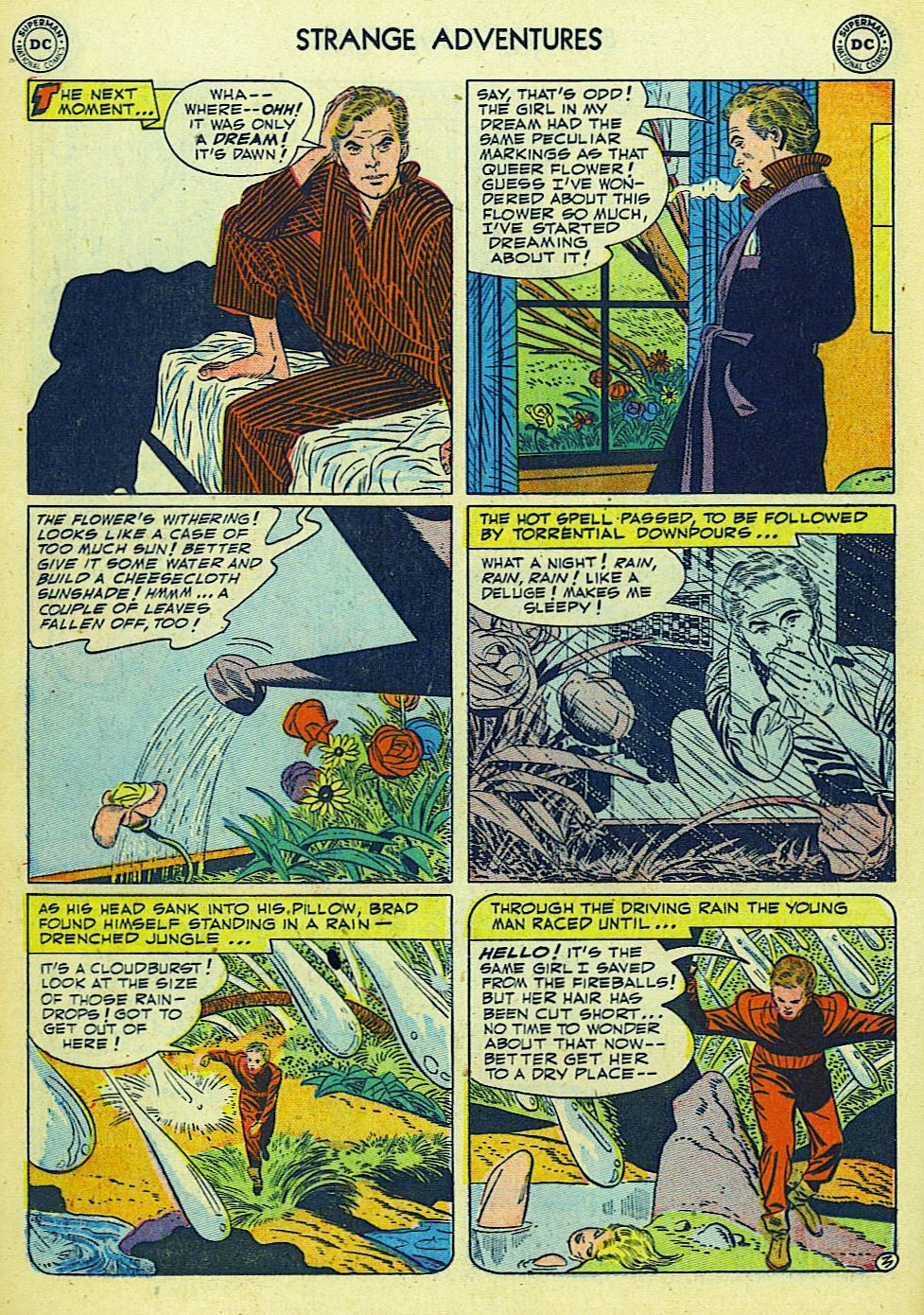
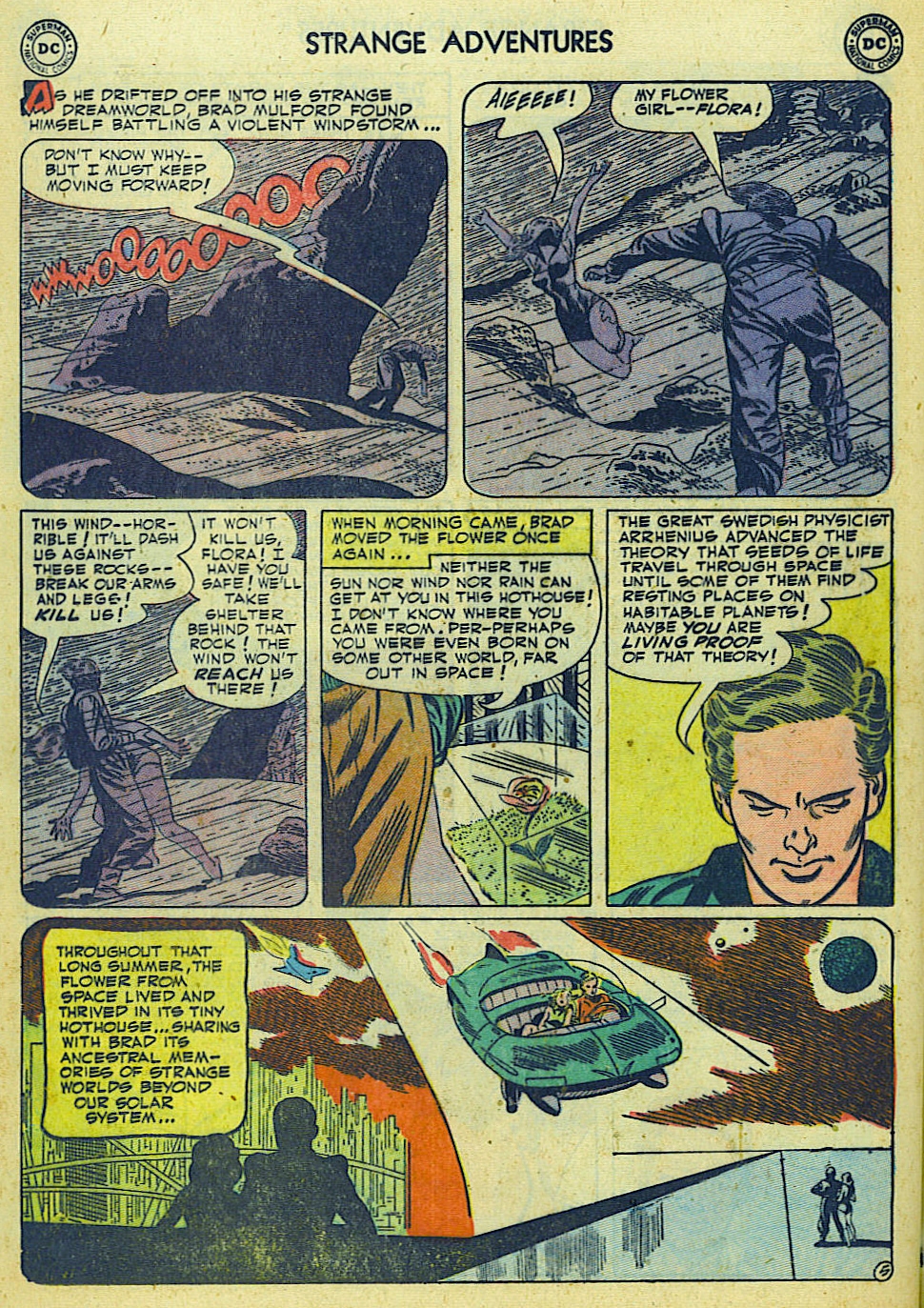
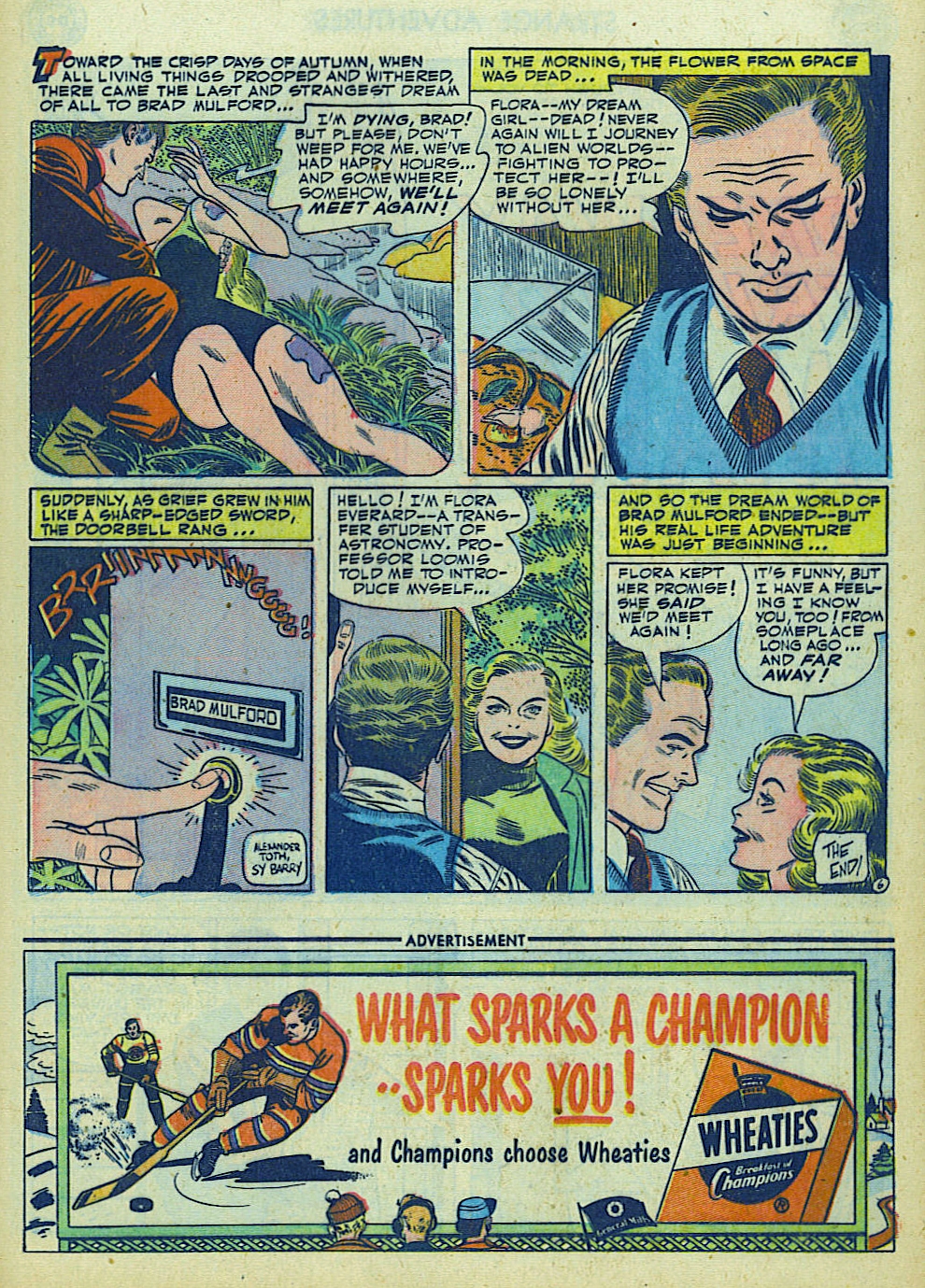
From Strange Adventures #18 (March 1952), here’s “The Girl in the Golden Flower,” with story by Robert Starr, pencils by Alex Toth, and inks by Sy Barry:

Coming in July 2011 from Dark Horse:
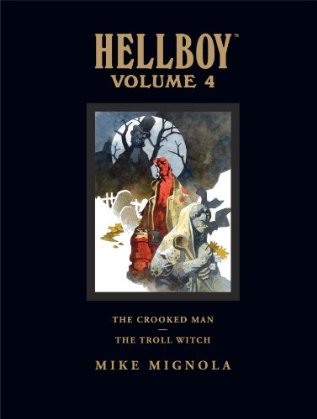
At last, the handsome, oversized “Hellboy Library Edition” hardcover series continues with Volume 4, which collects the following two trade-paperback collections of short stories: The Troll Witch and Other Stories, with scripts by Mike Mignola and art by Mignola, Richard Corben, and P. Craig Russell; and The Crooked Man and Others, with scripts by Mike Mignola and art by Richard Corben, Duncan Fegredo, Joshua Dysart, and Jason Shawn Alexander. The book will also include an extensive selection of previously unreleased sketches and designs. If you own any of the previous volumes, you’ll know that Mignola’s much-admired solo art looks absolutely gorgeous in the oversized format, and I expect that the work of Mignola’s hand-picked artist-collaborators will fare just as well, especially with multiple Eisner Award-winning Photoshop magician, Dave Stewart, handling the colours. A must have!
BONUS LINK:
The Art of Coloring: Making Comics With Dave Stewart [Interview]
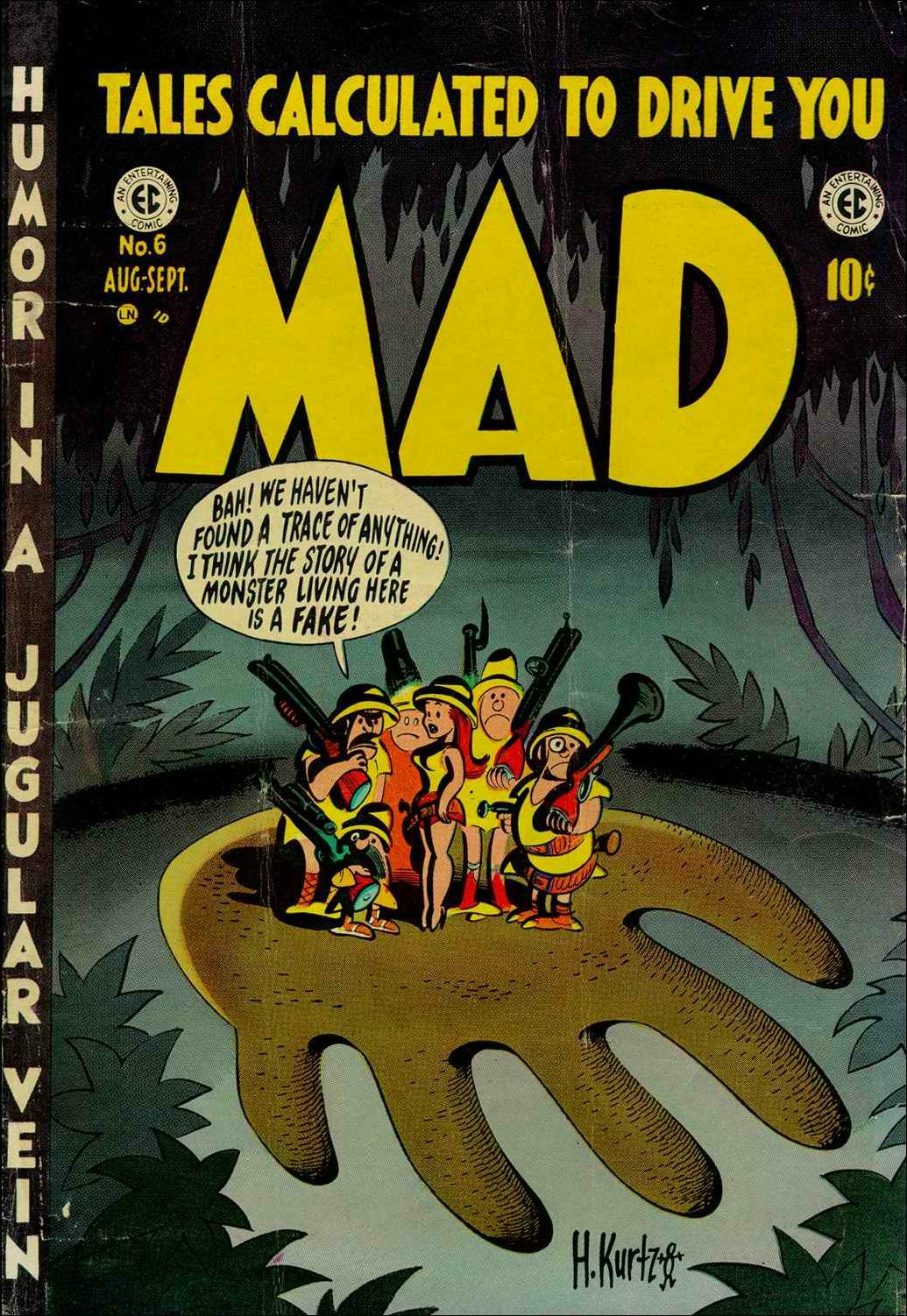
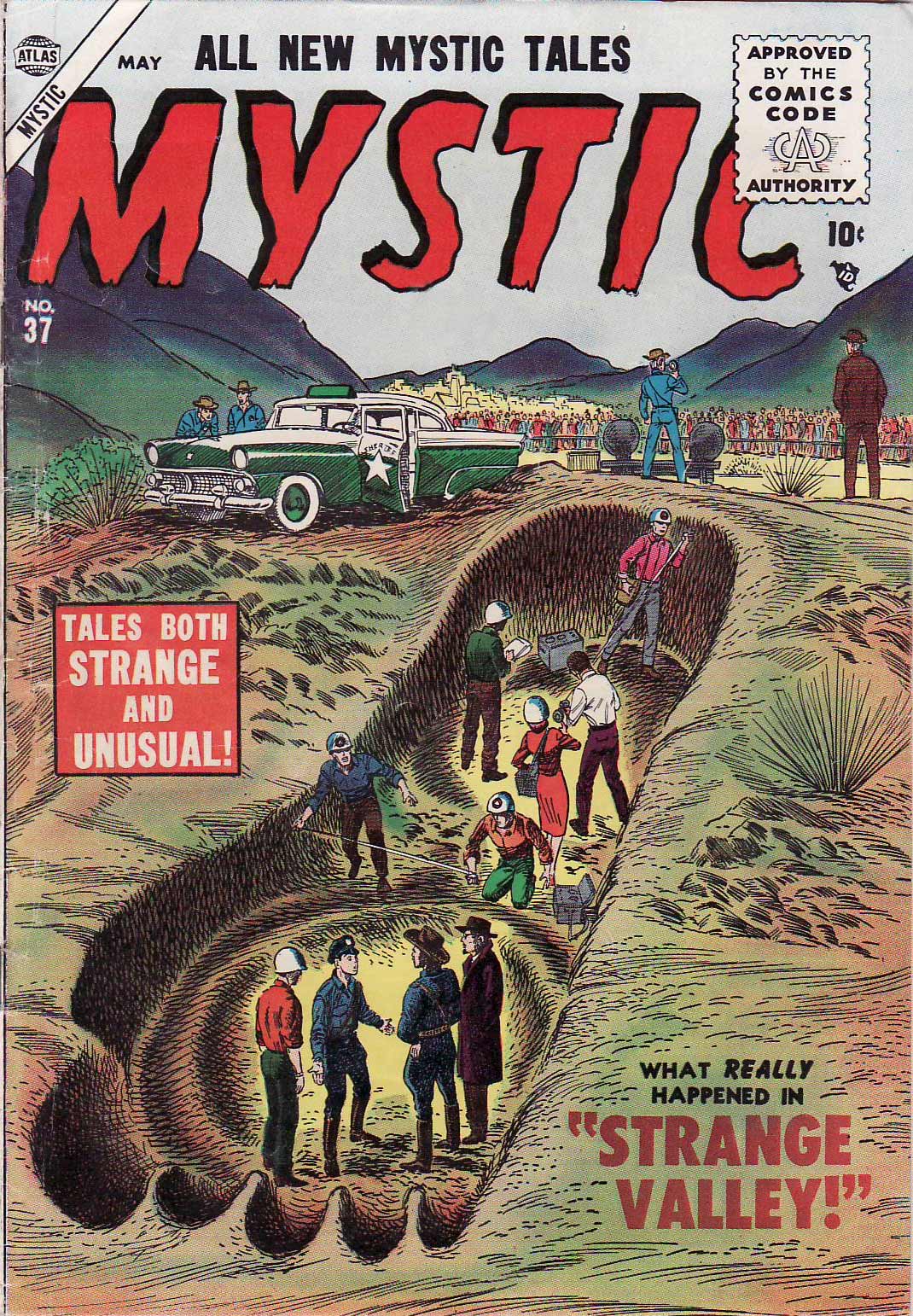
Notice the dates of the two comics. Kurtzman’s parody was first.
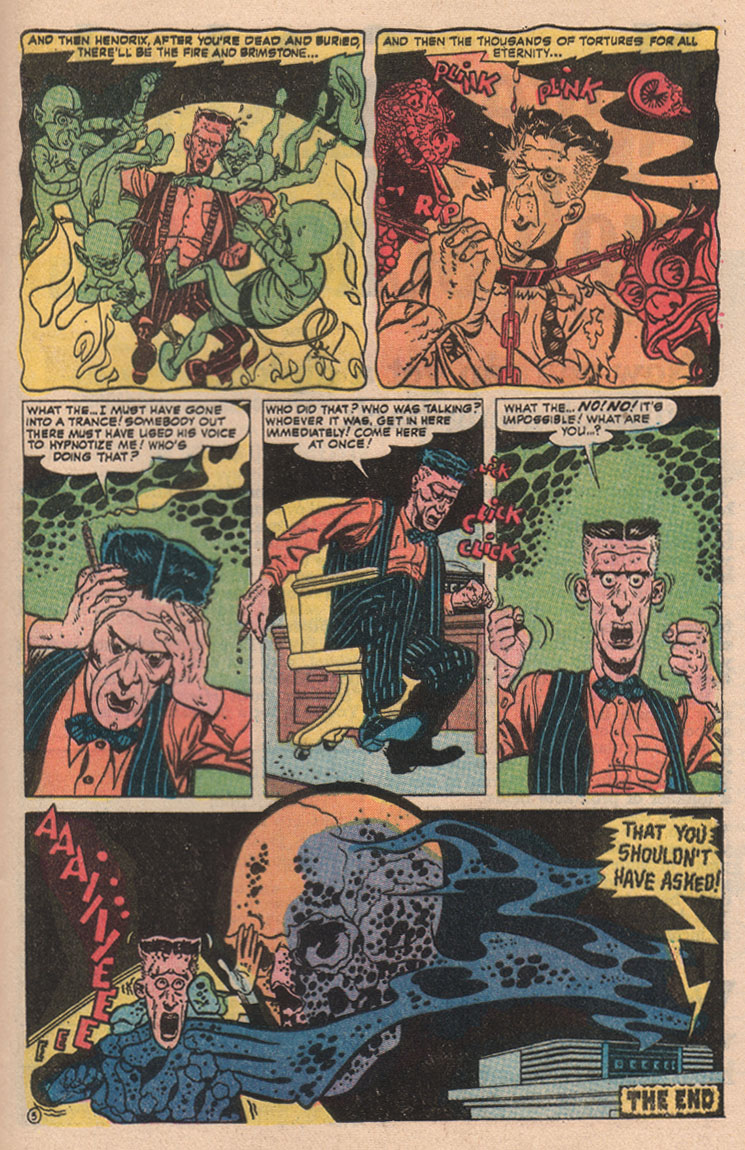
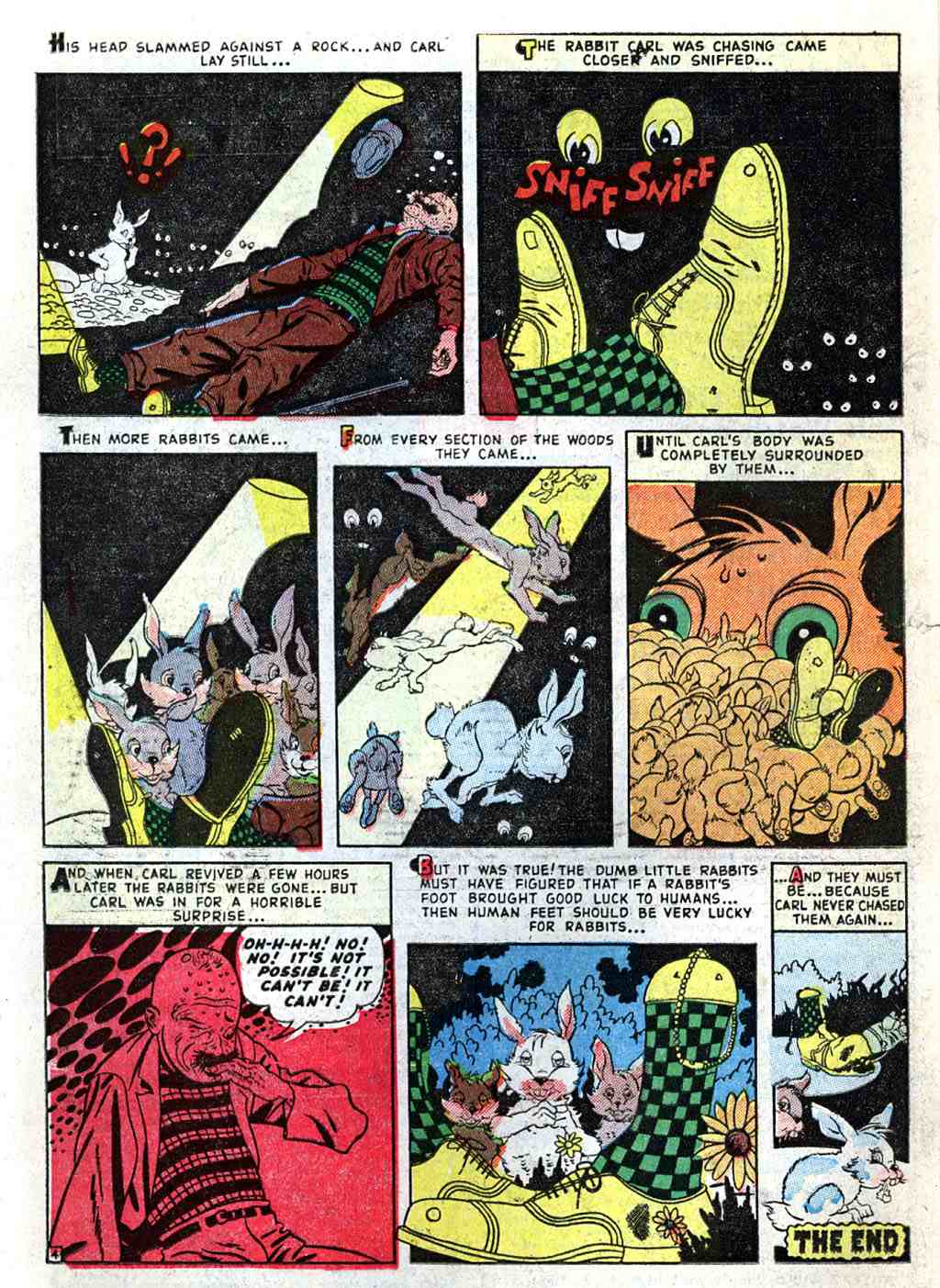
Born in 1928 in Brooklyn, New York, Bill Benulis began his career in comics in 1949 (near as I can figure) only to give it up about seven years later for the income security of a job with the post office, but his distinctive artwork, both pencils and inks, for stories like “The Voice of Doom,” Strange Tales #9 (August 1952), and, especially, “The Frightful Feet,” Strange Tales #10 (September 1952), shows that, with the right kind of encouragement, he might have been a contender! IMHO, of course…




From Apache Kid #13 (April 1955), here’s a tale of the old West with pencils and inks by Joe Kubert, who was about 28 years old at the time of publication:
[CLICK IMAGES TO ENLARGE]
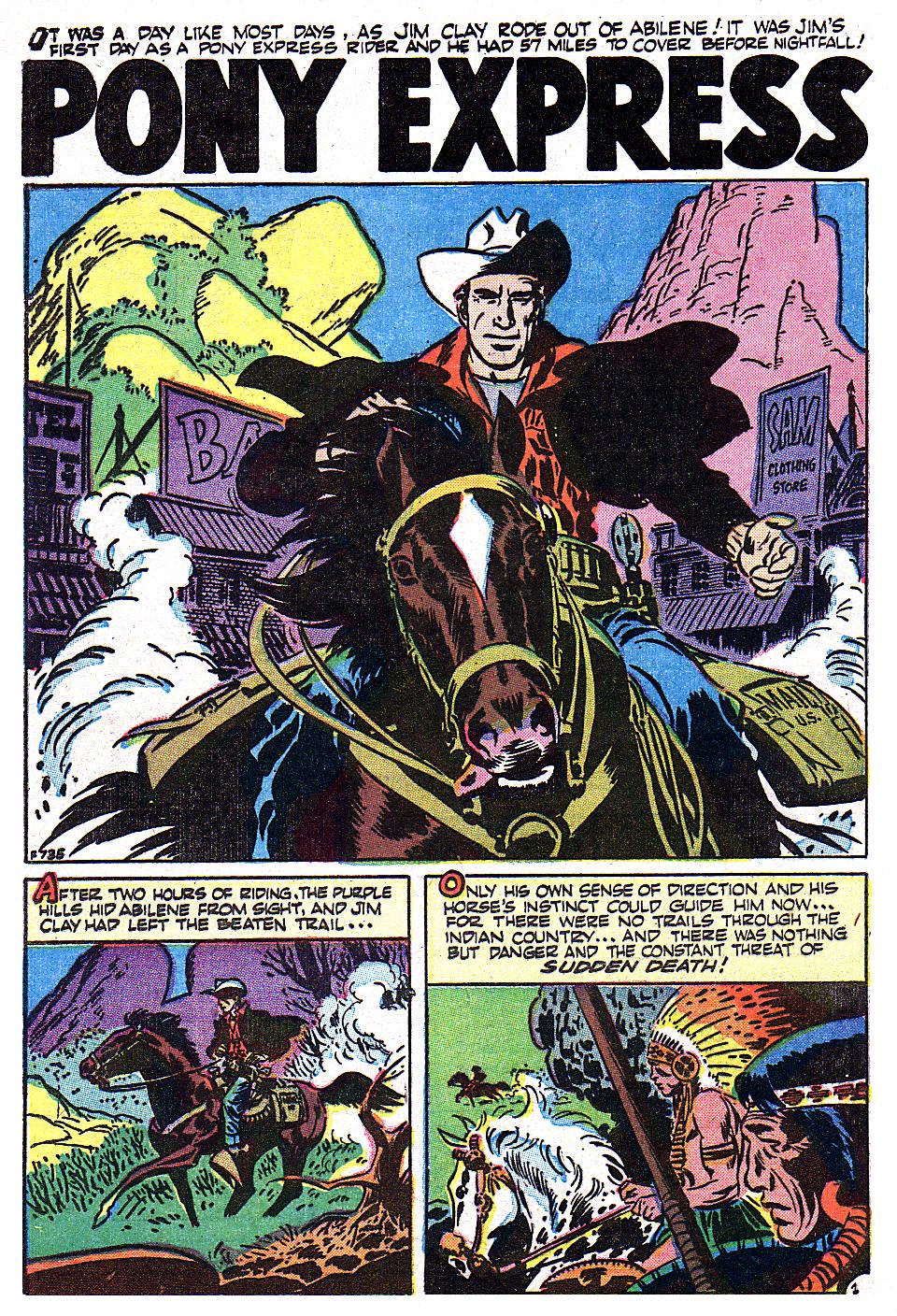
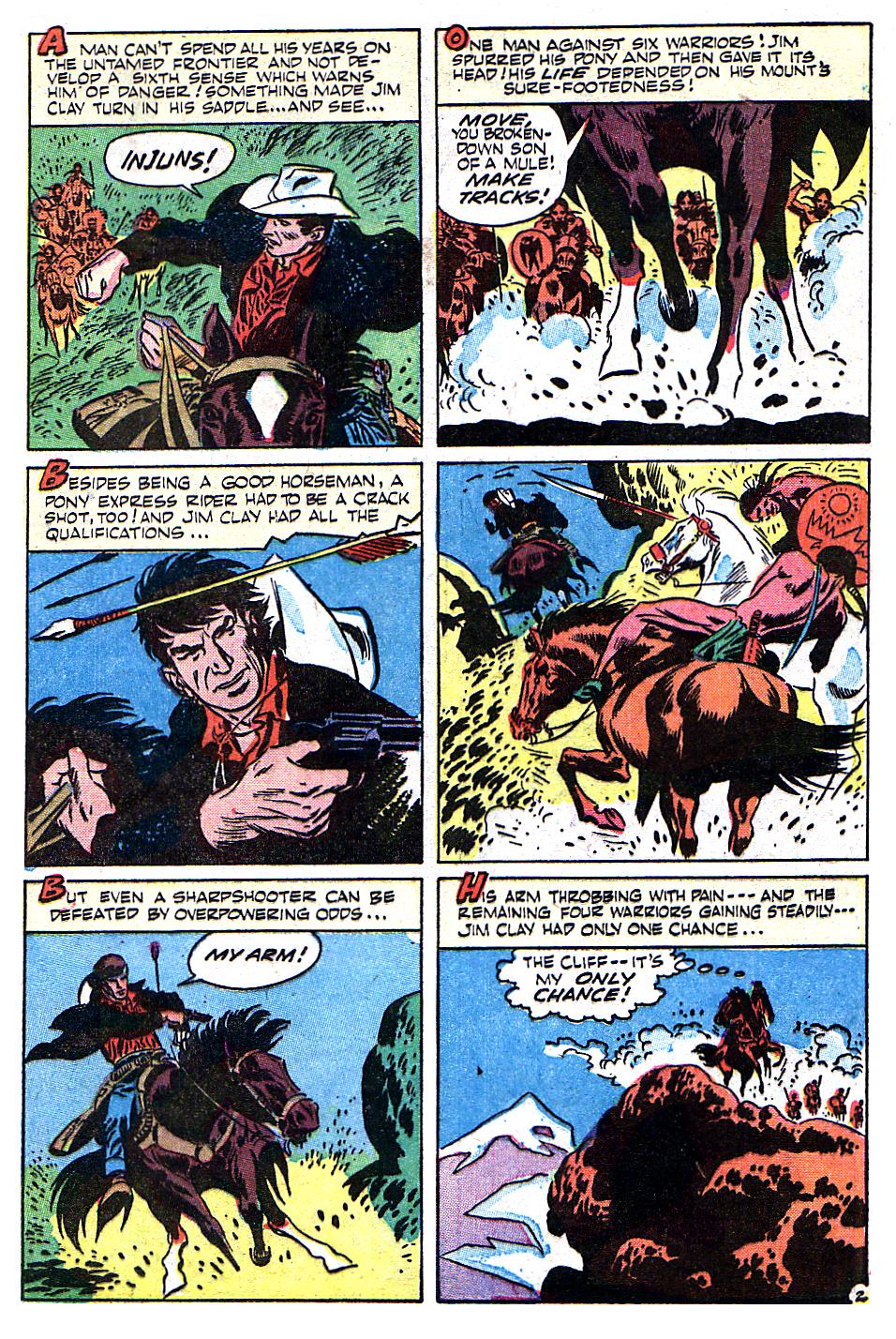
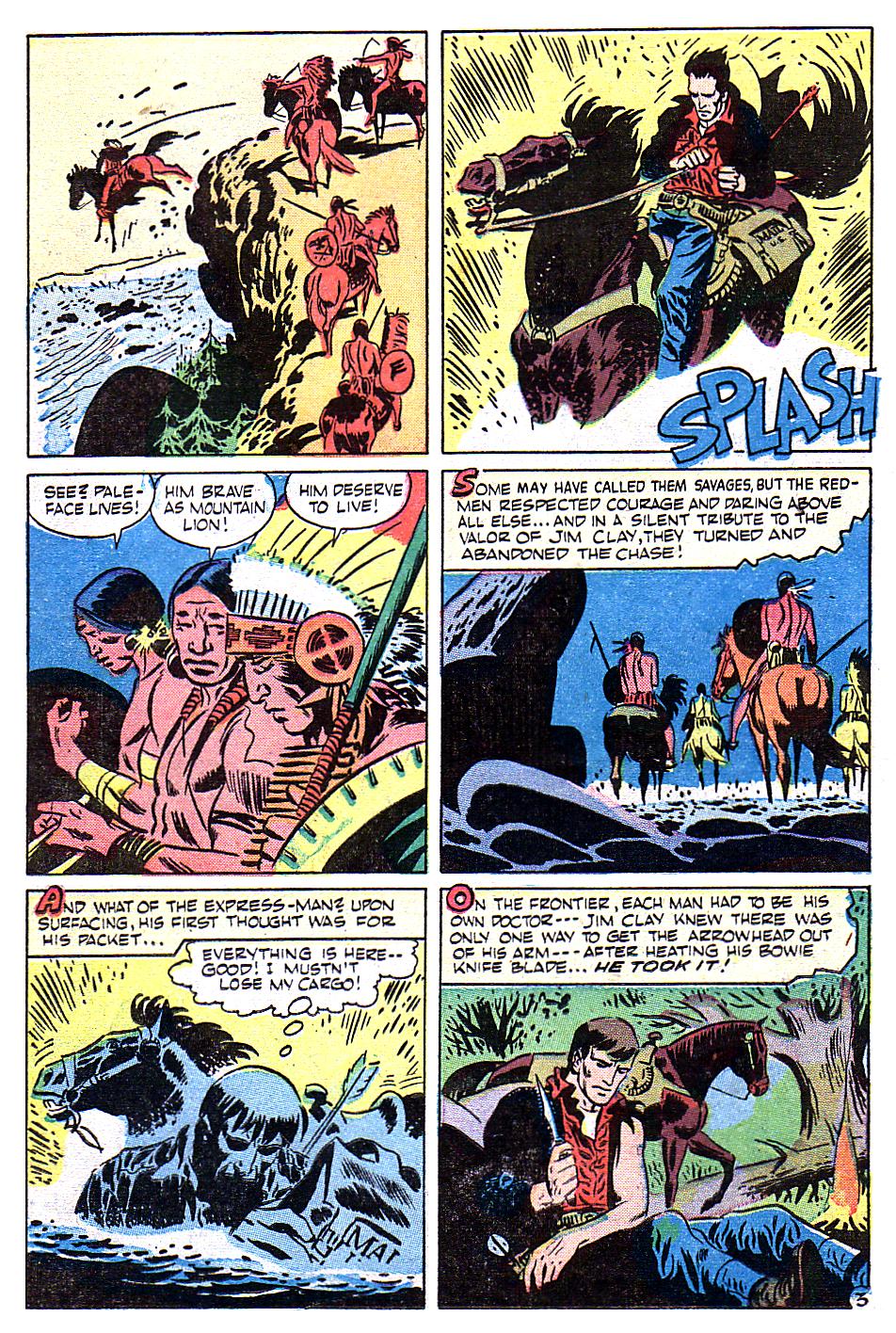
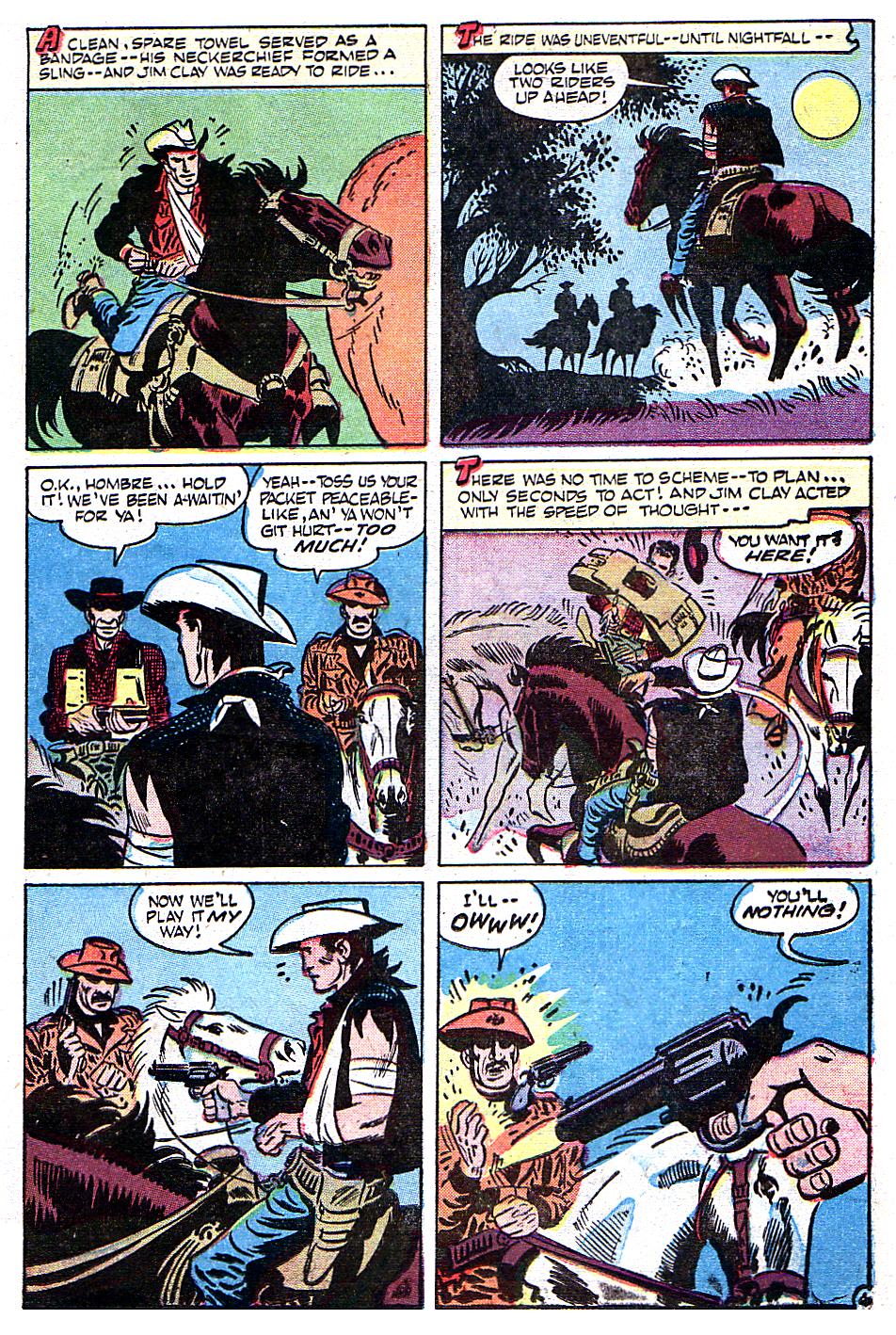
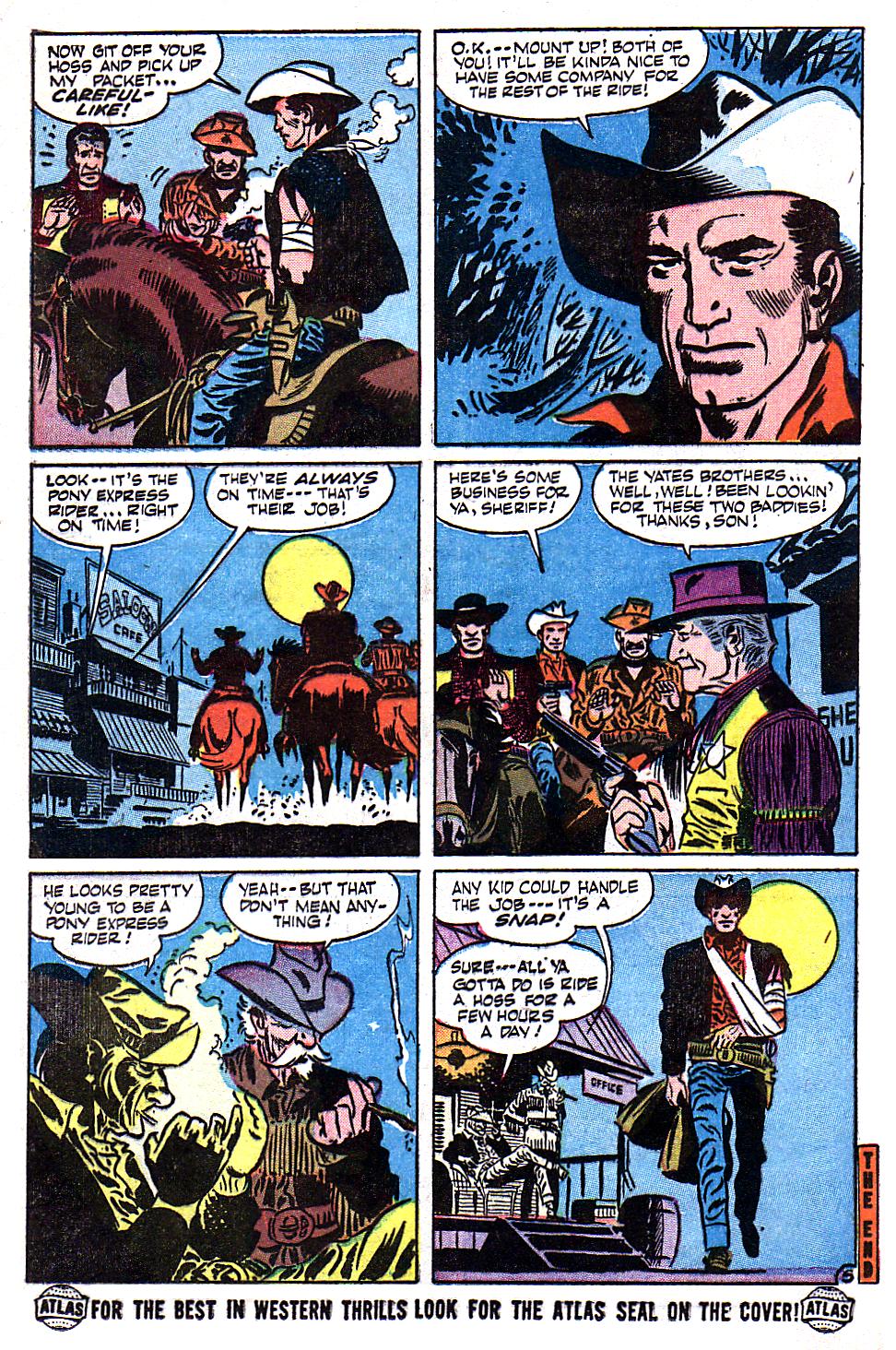
Yes, I suppose that the anonymous writer of “Pony Express” gets points for pointing out that the “Injuns!” were not simply “savages,” but I see no evidence that he knew anything about what the “red-men respected […] above all else” beyond what he might have gleaned from the old myth-enforcing Hollywood “B”-movie Westerns. It is Kubert’s artwork, alone, that makes the story worth preserving.
 Ragged Claws Network