Book/Magazine Covers (All) · Illustration Art · Look Here · Paul Lehr

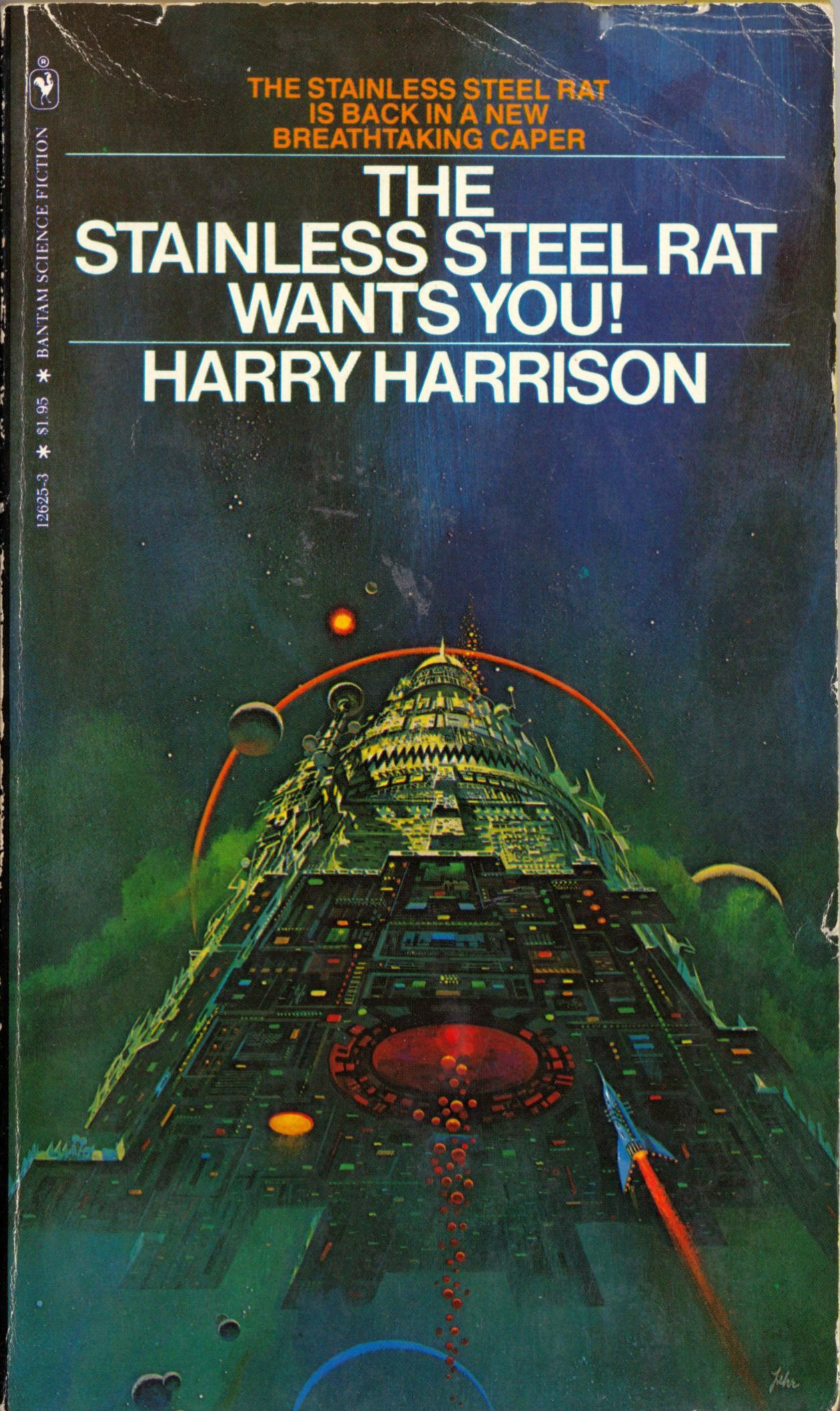
Look Here: Six (more) SF covers with art by Paul Lehr

From my personal library of disintegrating pulp:

[CLICK IMAGES TO ENLARGE]

My favourite image in the above group is Lehr’s wraparound cover for John Boyd’s The Rakehells of Heaven, even though the display font used for the title and author name is overbearing and, in places, difficult to decipher! To view all of the covers with art by Paul Lehr that I’ve posted so far, click here.

Keywords: Wine of the Dreamers, Space Gypsies, The End of Eternity, The Rakehells of Heaven, The Phaeton Condition, The Stainless Steel Rat Wants You!

Drawings and Sketches (Jones) · Illustration Art · Jeffrey "Jeff" Catherine Jones · Look Here · Prints (Jones)

Look Here: WORLD WITHOUT END by Jeffrey Jones

Jeffrey Jones’s “four seasons” portfolio, World without End, was published by S.Q. Productions in 1980 in a signed-and-numbered limited edition of 1000. The choppy but controlled hatching style here — the antithesis of conventional comic-book rendering/feathering — was typical of Jones’s work at the time; for more examples, see “I’m Age,” the wonderful one-page strip by Jones that appeared in Heavy Metal from 1981 to 1984.

[CLICK IMAGES TO ENLARGE]

A cheaper, “unlimited,” unsigned edition of World without End was also published, but that one did not include the black-and-white plate displayed above.

Connections · Look Here

Connections: Michelangelo vs. Keu Cha

[CLICK IMAGES TO ENLARGE]

In Michelangelo’s sculpture, known variously as The Deposition, The Florence Pietà, the Pietà del Duomo, and The Lamentation over the Dead Christ, the left leg of the central figure of Jesus Christ is not obscured by his other, foreground leg or tucked behind the figure of his mother, Mary, at the viewer’s right. Rather, the left leg, which was originally draped over Mary’s knee, was removed/smashed by the artist, who then decided, for some reason, to give the sculpture to a servant.

Art historian Leo Steinberg has argued that Michelangelo smashed the sculpture because he had second thoughts about the sexual symbolism of the intertwined legs, but others claim that Michelangelo was simply angry because he discovered a flaw in the marble that made it impossible to continue the carving. As I recall, Steinberg’s historical evidence for the existence of such a symbol is fairly strong, but whether or not Michelangelo was aware that his composition might arouse controversy and smashed the leg (and more) as a result remains an open question.

Keywords: Michelangelo Buonarotti, Keu Cha, Deposition, Florence, Florentine, Pieta
Comics · Here, Read · Look Here · Mort Drucker

Look Here, Read: “The Three Frogmen,” with art by Mort Drucker

From Four-Star Battle Tales #5 (Nov.-Dec. 1973), here is “The Three Frogmen,” with art by Mort Drucker; in case you’re wondering about Drucker’s (John Severin influenced?) style in this one, please note that “The Three Frogmen” originally appeared in G.I. Combat #72 way back in May 1959:

[CLICK IMAGES TO ENLARGE]

Hope you enjoyed “The Three Frogmen,” because I don’t plan to post any more stories with art by Mort Drucker here on RCN. The trilogy is complete… or something like that…

Comics · Here, Read · Look Here · Mort Drucker

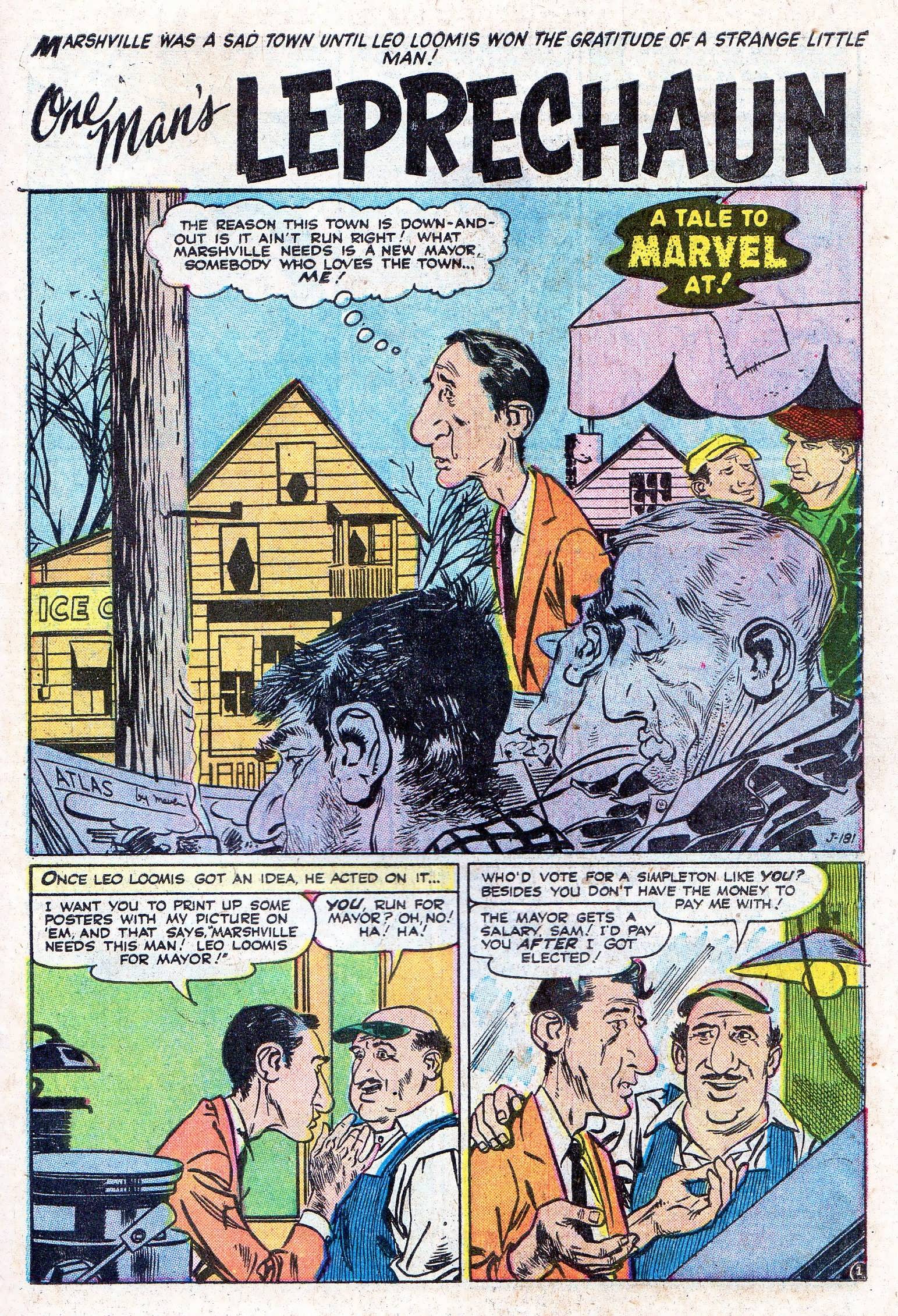
Look Here, Read: “One Man’s Leprechaun,” with art by Mort Drucker

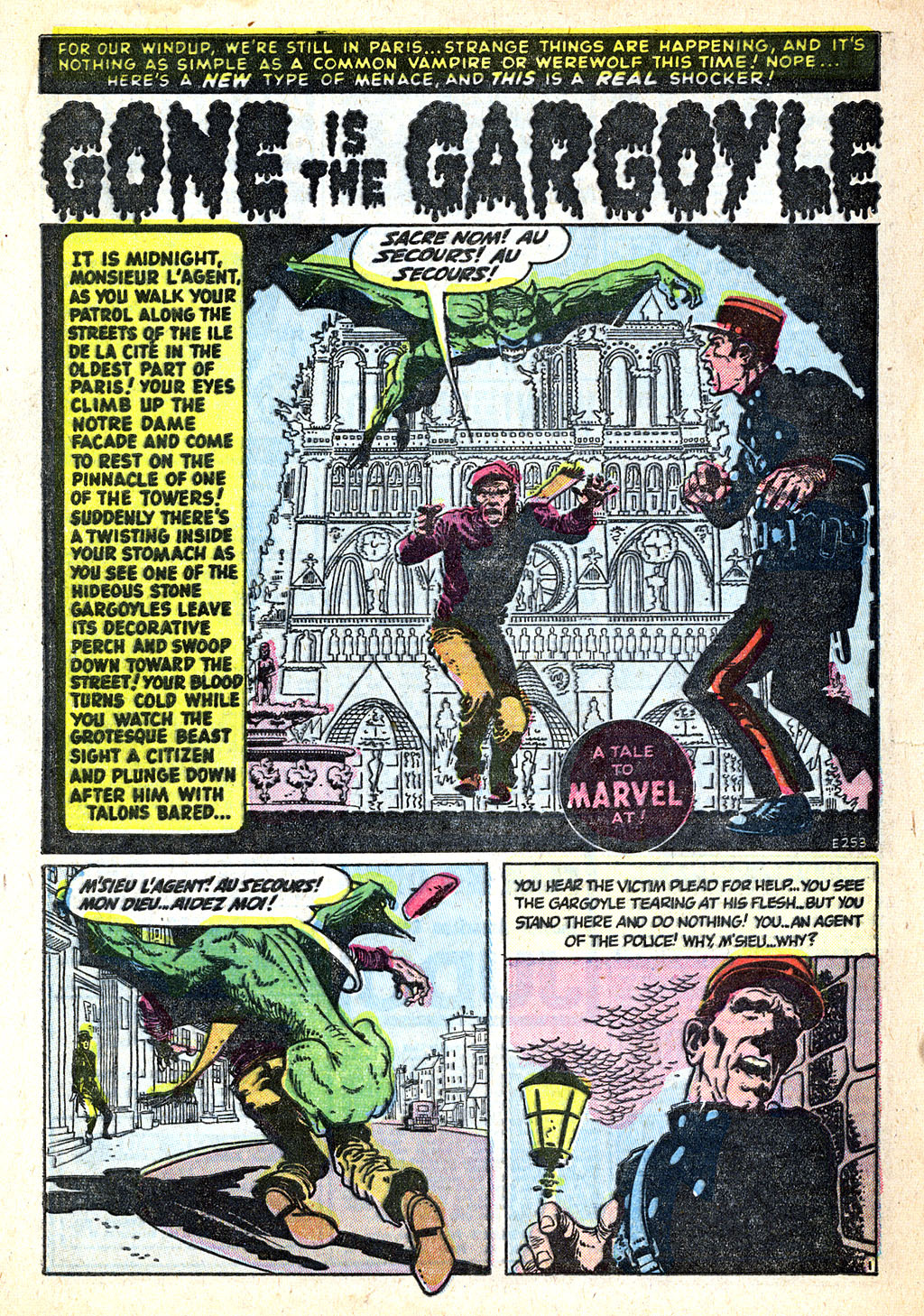
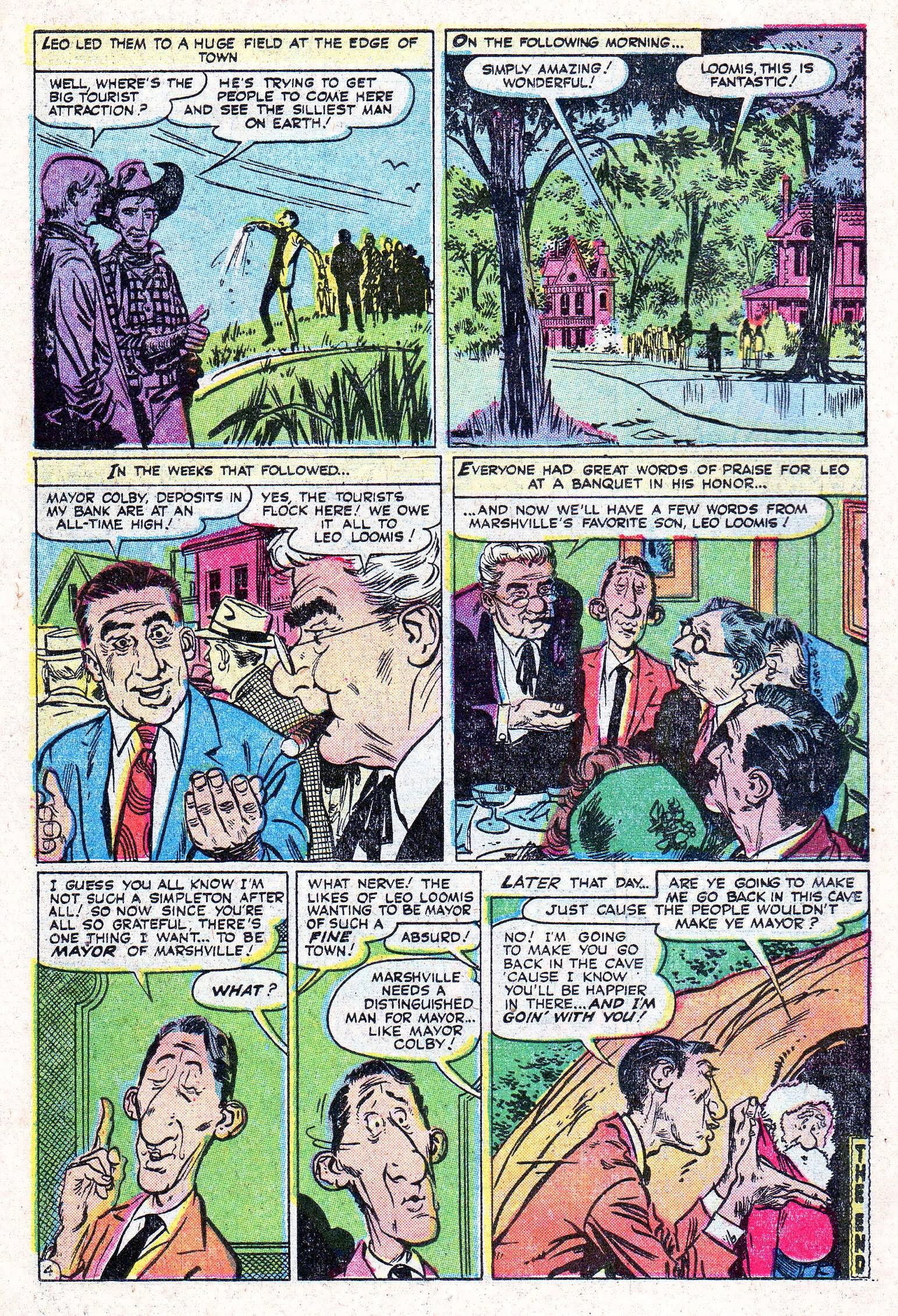
Yesterday, I posted a story called “Gone Is the Gargoyle,” from the October 1954 issue of Marvel Tales, which featured early art by Mort Drucker (b. 22 March 1929), whose mature work set the standard for caricature on Mad Magazine’s covers and in their movie parodies for several generations. True, the art in “Gone Is the Gargoyle,” though it is clearly signed “Mort Drucker,” does not look especially Drucker-like; however, less than two years later, the same comic series, Marvel Tales, featured a story with uncredited, unsigned art by Drucker that I think definitely points in the direction of the artist’s celebrated Mad Magazine style. But you don’t have to take my word for it, because from Marvel Tales, volume 1, number 146, here is “One Man’s Leprechaun,” with art by Mort Drucker; the issue is dated May 1956, and in the fall of that same year, Drucker joined Mad:

Given a choice to save the original artwork from either “Gone Is the Gargoyle” or “One Man’s Leprechaun” from a fire, I would definitely tuck “Gone Is the Gargoyle” under my arm and make for the exit, though I suspect many true Drucker fans will view my admission as a sign I’m not really one of them.

Comics · Here, Read · Look Here · Mort Drucker · YouTube Finds

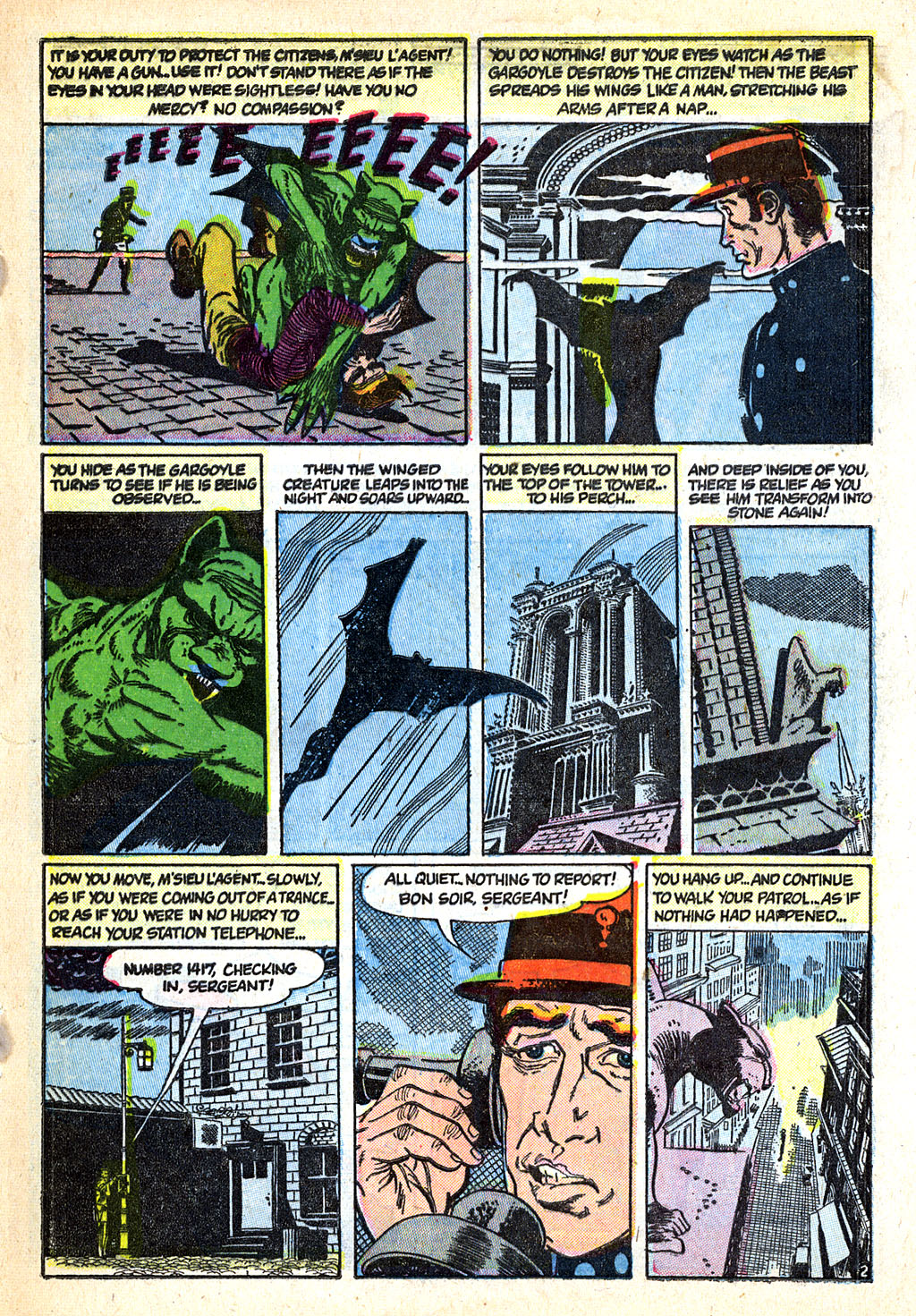
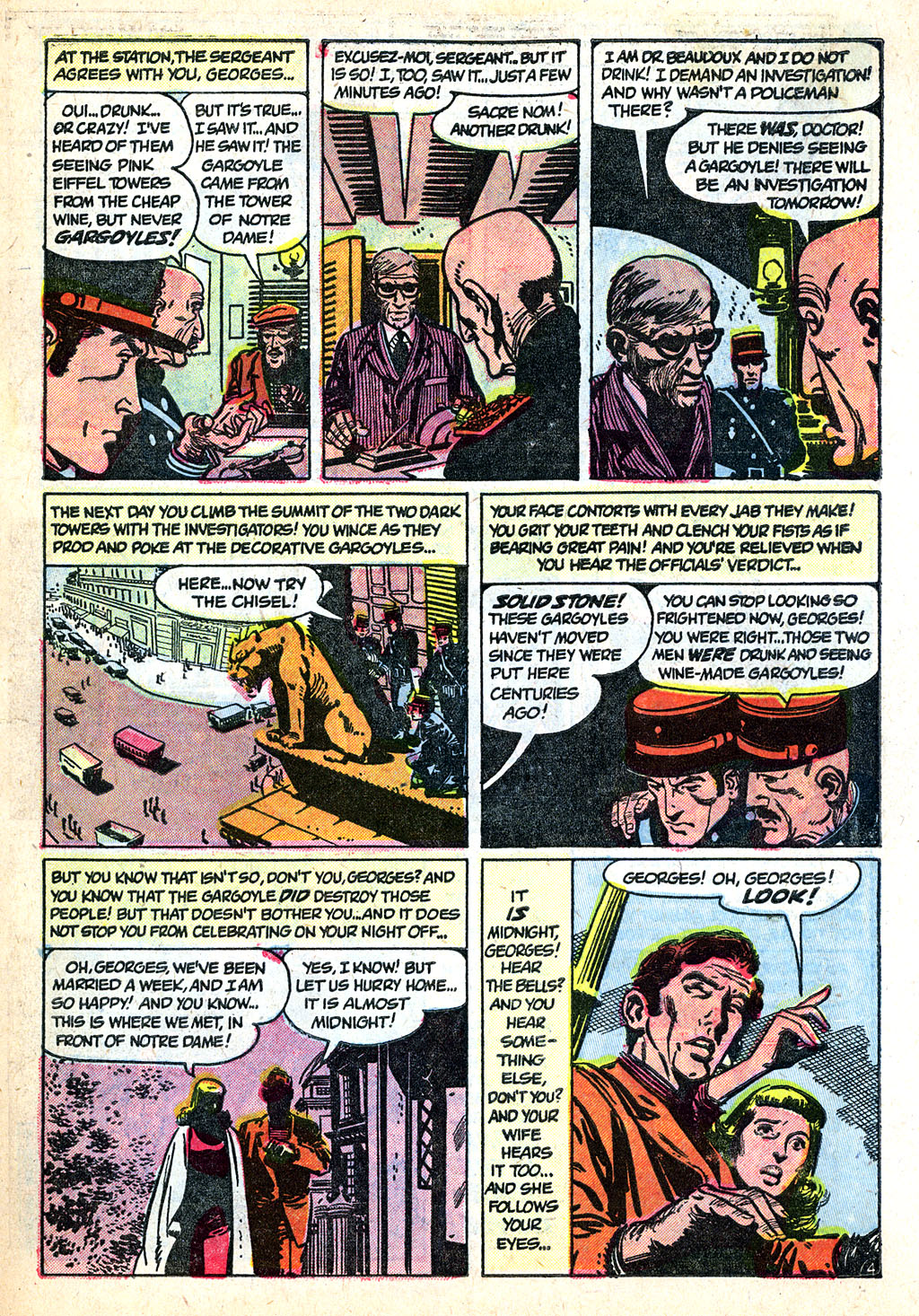
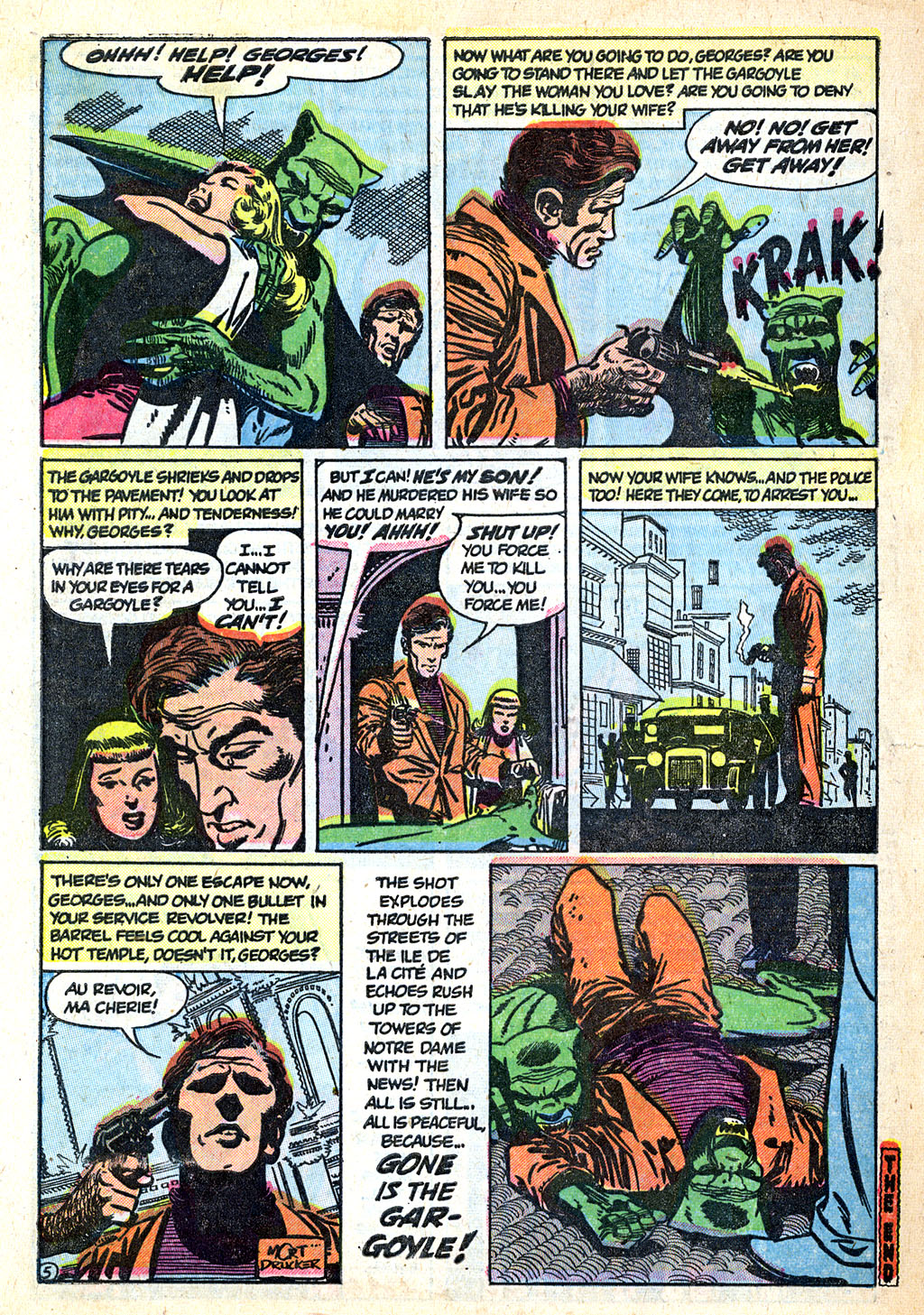
Look Here, Read: “Gone Is the Gargoyle,” with art by Mort Drucker

From Marvel Tales, volume 1, number 127, here’s “Gone Is the Gargoyle,” a story with no formal credit for either the scriptwriter or the artist; however, as often happened “back in the day,” the artist got around this by signing his name, unobtrusively, on the art itself — in this case, on the bottom left of the last page:

[CLICK IMAGES TO ENLARGE]


BONUS VIDEO:

Keywords: Mort Drucker


UPDATE:

See also: Ragged Claws Network > Look Here, Read: “One Man’s Leprechaun,” with art by Mort Drucker, posted 05 October 2011 at 8:03 pm.

Frank Frazetta · Illustration Art · Look Here

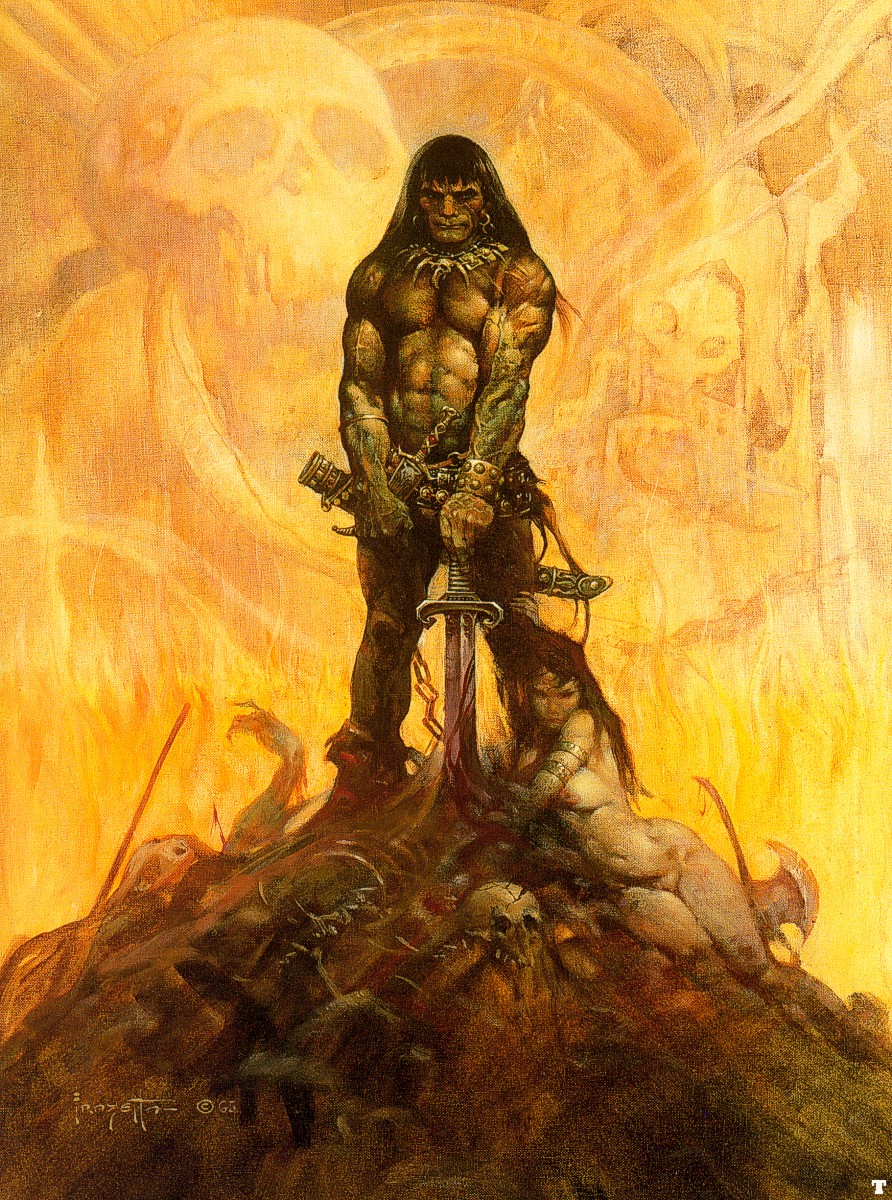
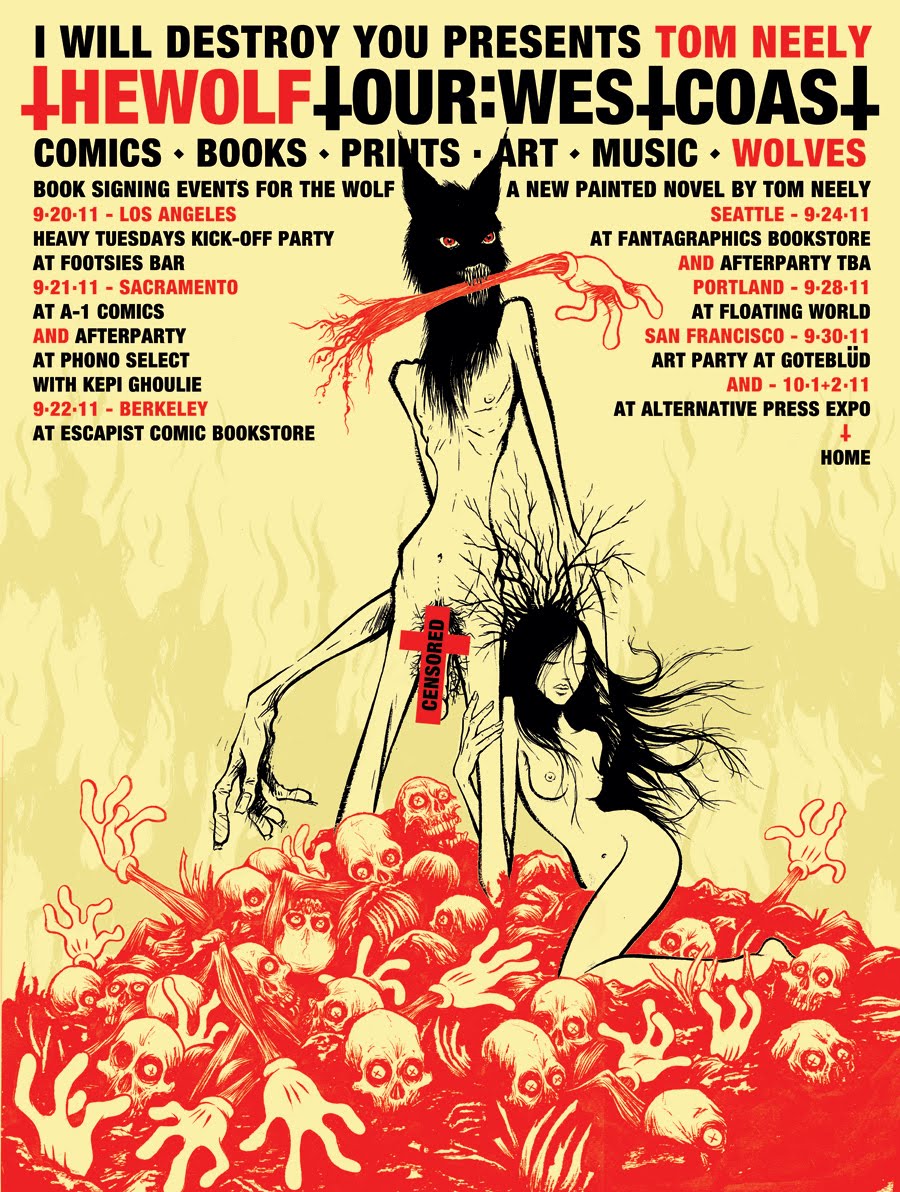
Connections: Frazetta vs. Neely

BONUS LINKS:

Attentiondeficitdisorderly > Comics Time: The Wolf — a review by Sean T. Collins.

Robot 6 > Tom Neely unleashes The Wolf: a preview and interview

Tom Neely’s “i will destroy you” Store — buy The Wolf, The Blot, silkscreen prints, and more, directly from the artist, Tom Neely.

Keywords: Frank Frazetta, Conan the Barbarian, Tom Neely, Wolf, lycanthropy