The cavalcade of covers by Jeffrey Jones continues, though the pace is slowing…

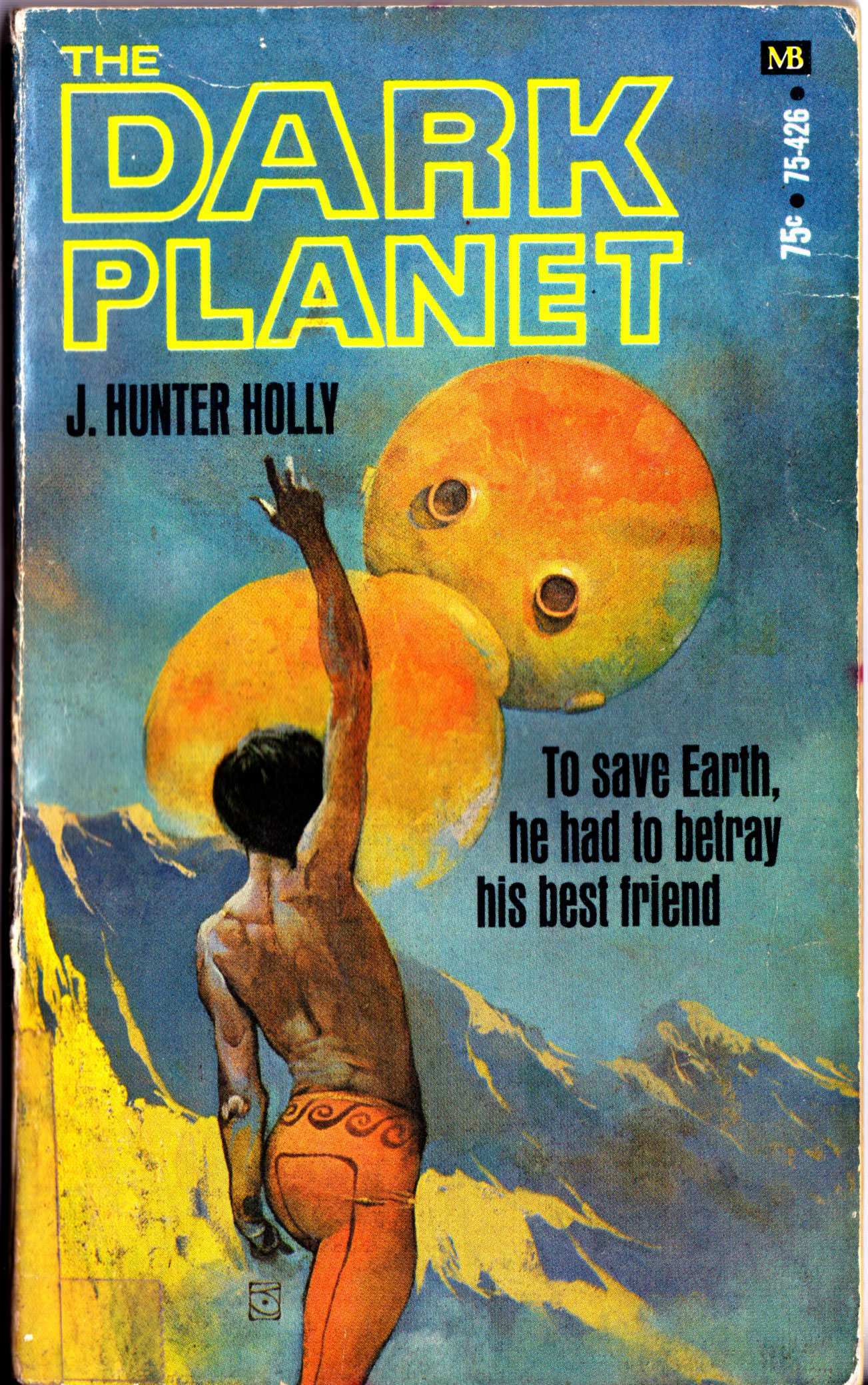
Click here to view the entire collection (so far).
"This day's experience, set in order, none of it left ragged or lying about, all of it gathered in like treasure and finished with, set aside." –Alice Munro, "What is Remembered"
The cavalcade of covers by Jeffrey Jones continues, though the pace is slowing…
Click here to view the entire collection (so far).
The original reproduction on many of the following covers by Jeffrey Jones, all from the library of yours truly, was very poor, so my scans are sometimes not the best here. One exception is the last cover, Twilight of the Serpent, which actually showcases Jones’s artwork in more detail and with more lively colour than does the rather dour reproduction on the back cover of publisher Underwood-Miller’s lavish hardcover, The Art of Jeffrey Jones.
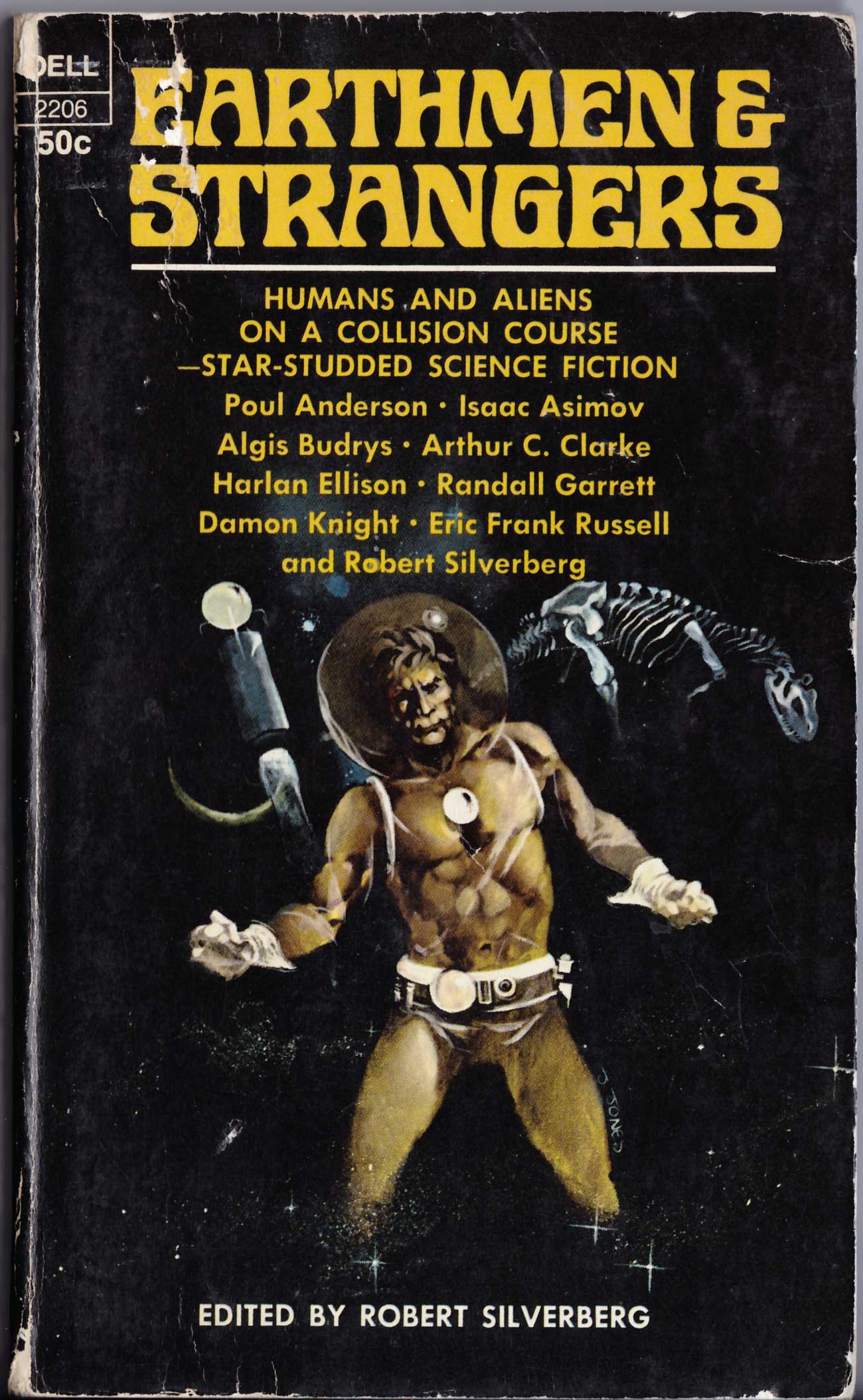
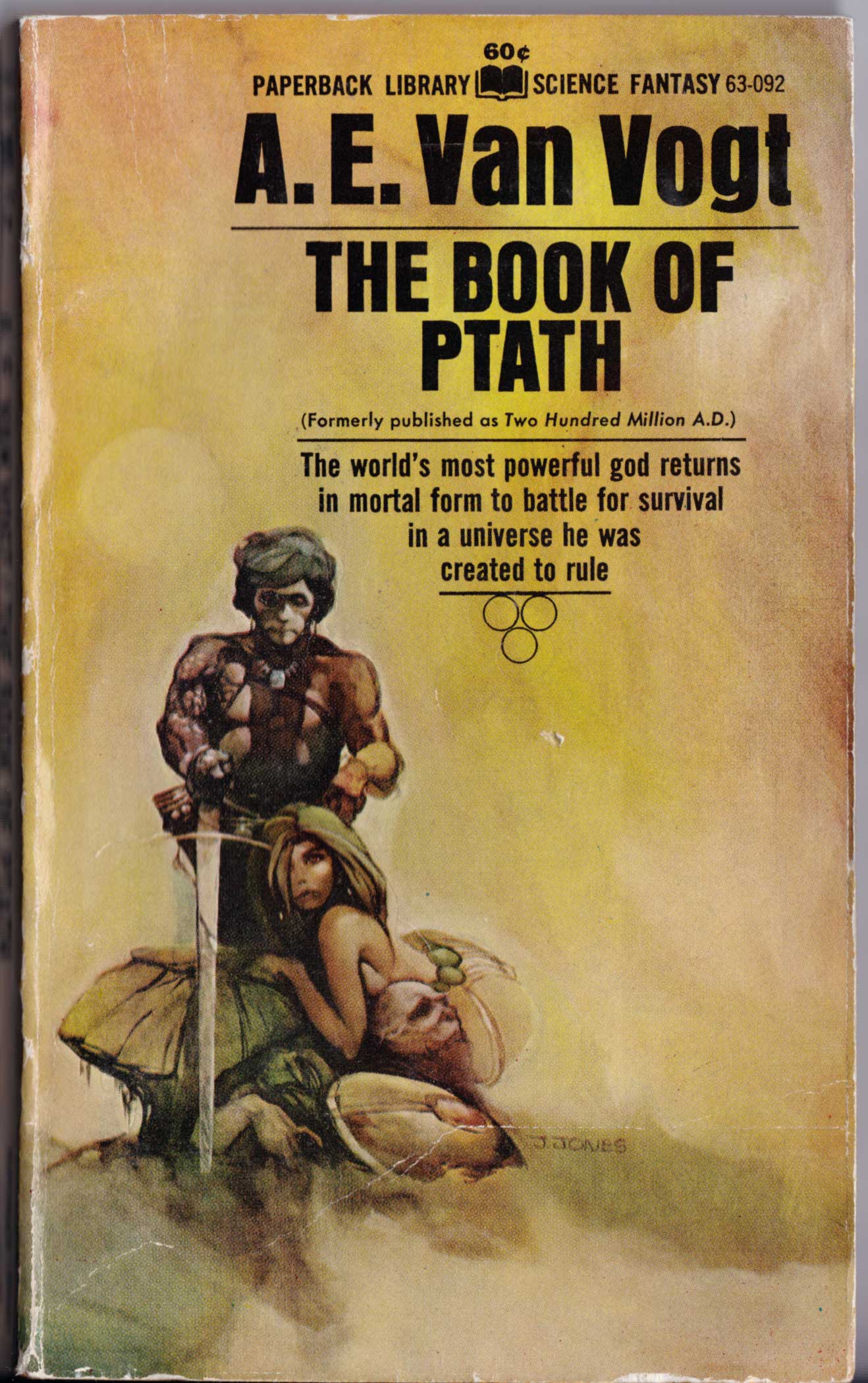
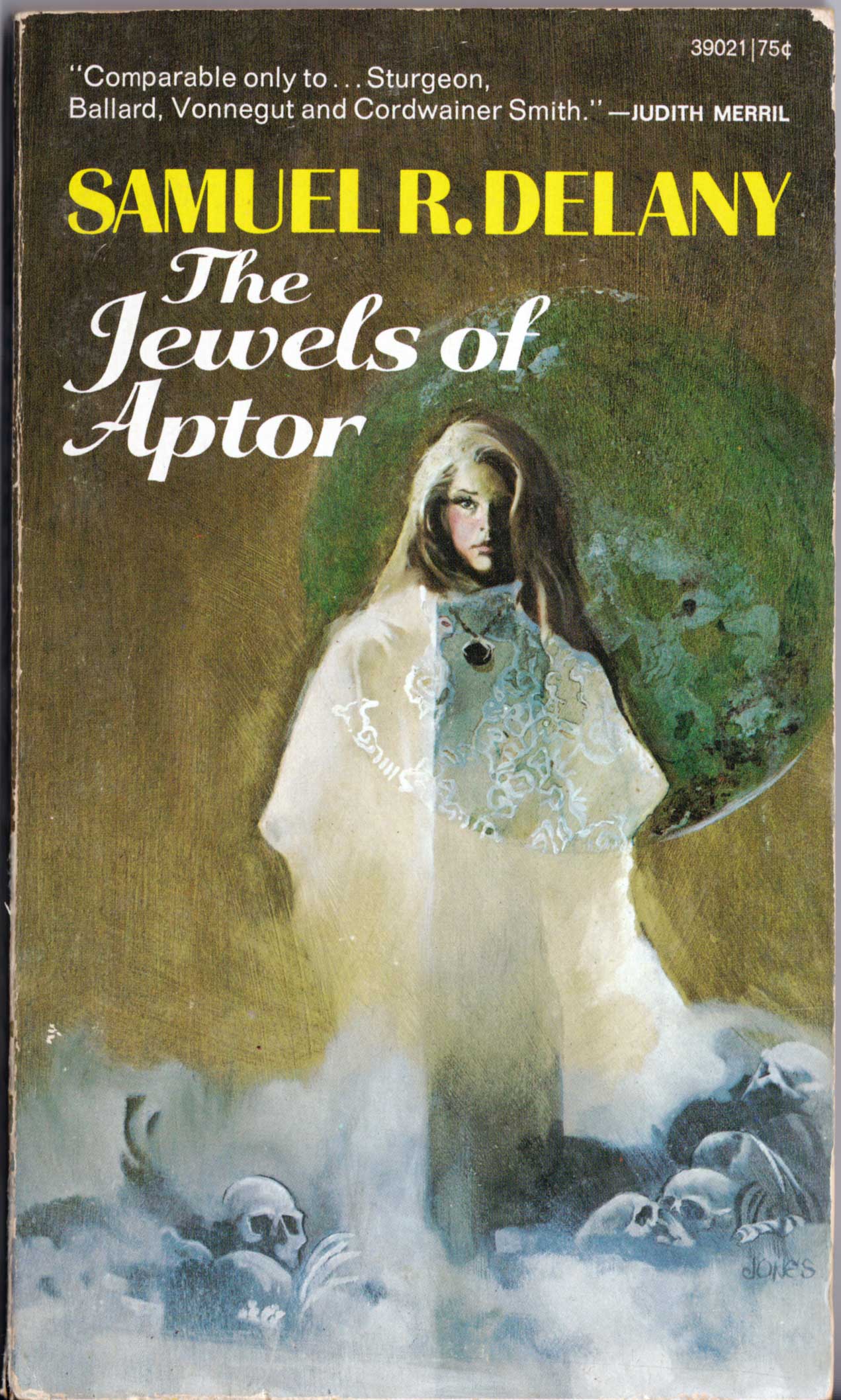
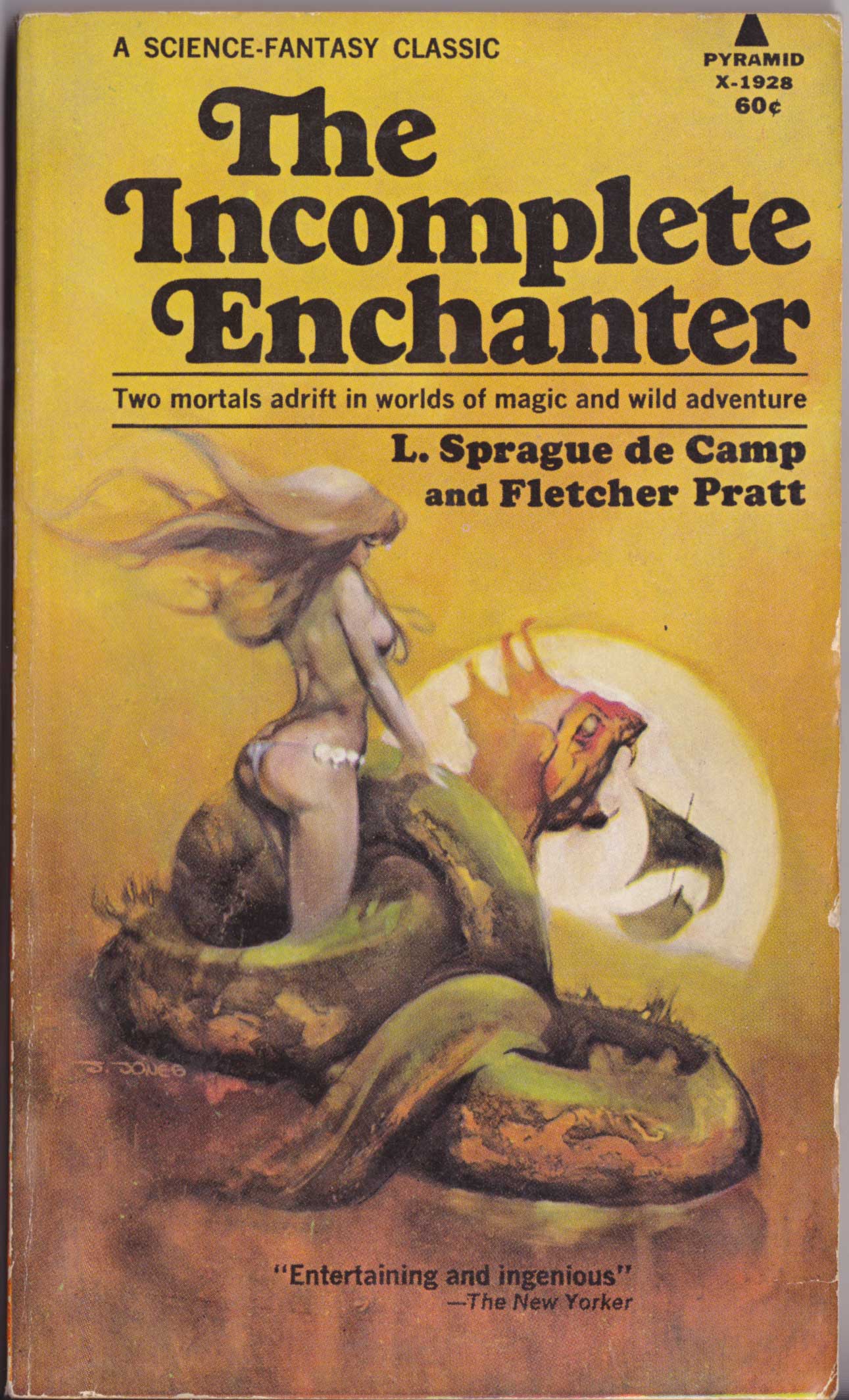

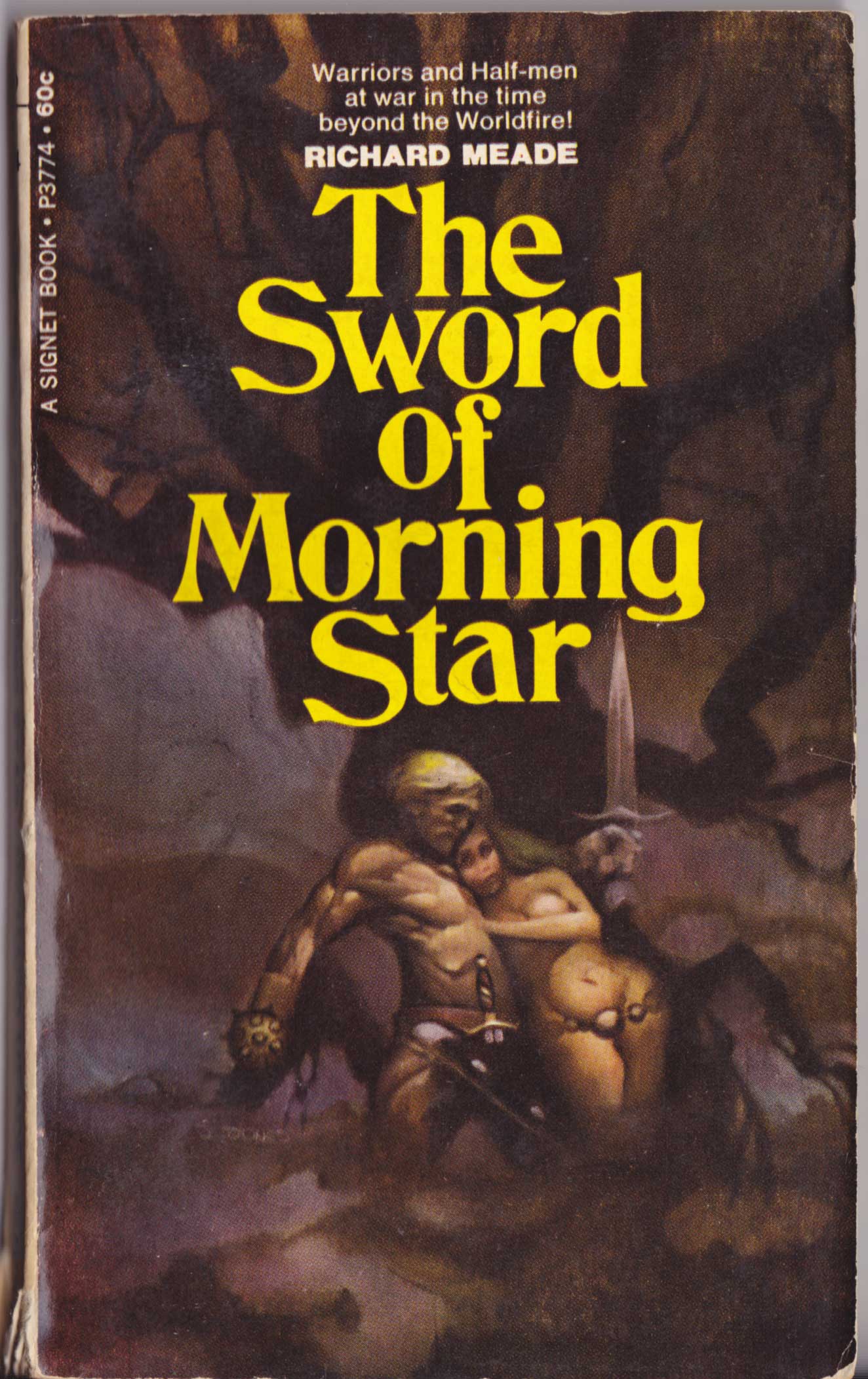
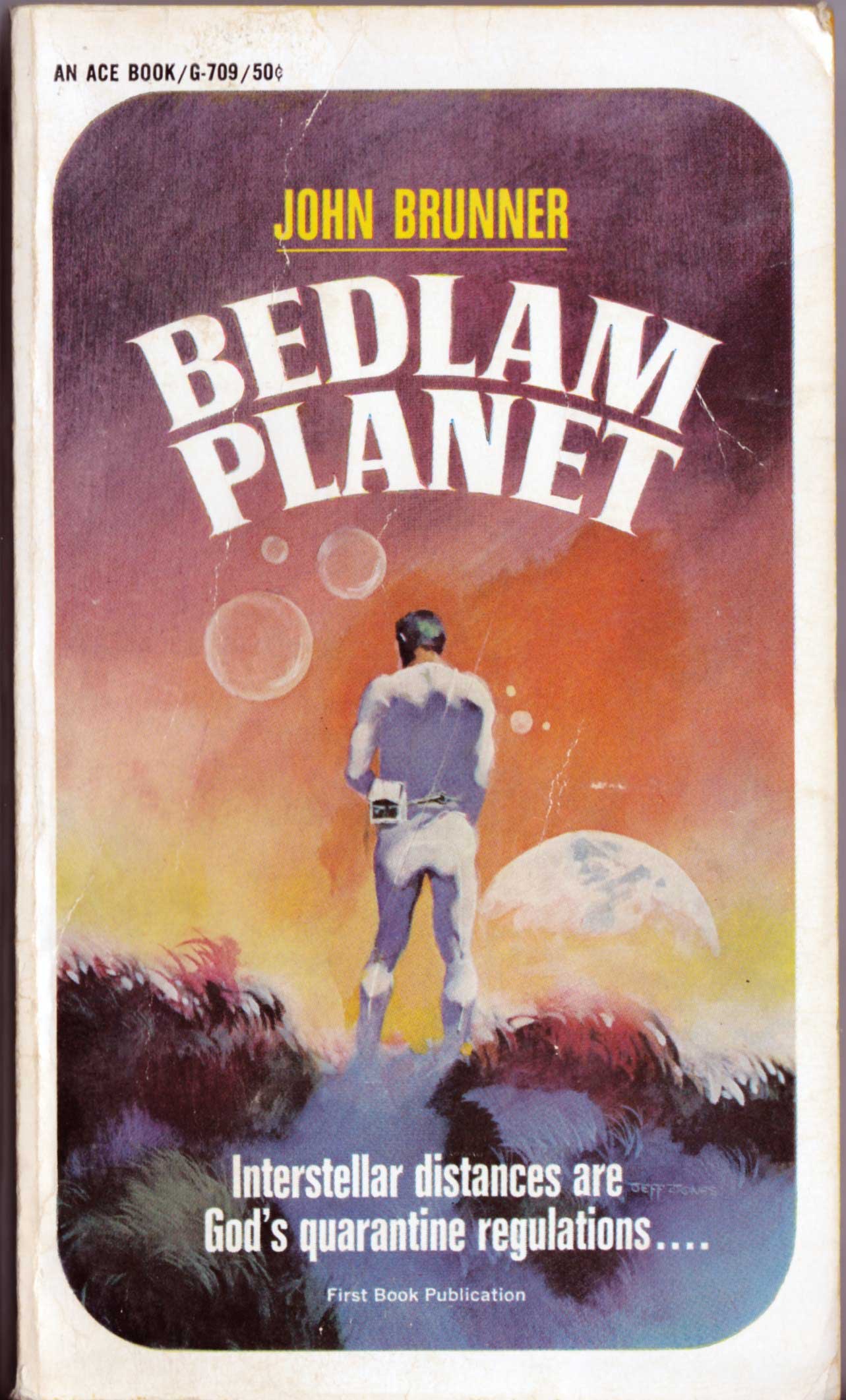

My favourites this time around are the covers for The Curse of Rathlaw (1968), an early effort in which Jones’s attractive design for the vignette is nicely reinforced by the typography, and Twilight of the Serpent (1977), a later cover which displays Jones’s hard-won skills as a draftsman (or draughtsman, if you prefer), mastery of lost-and-found edges in oil painting, and increasing willingness in the 1970s and early 1980s to produce images that went against the grain of traditional heroic fantasy.
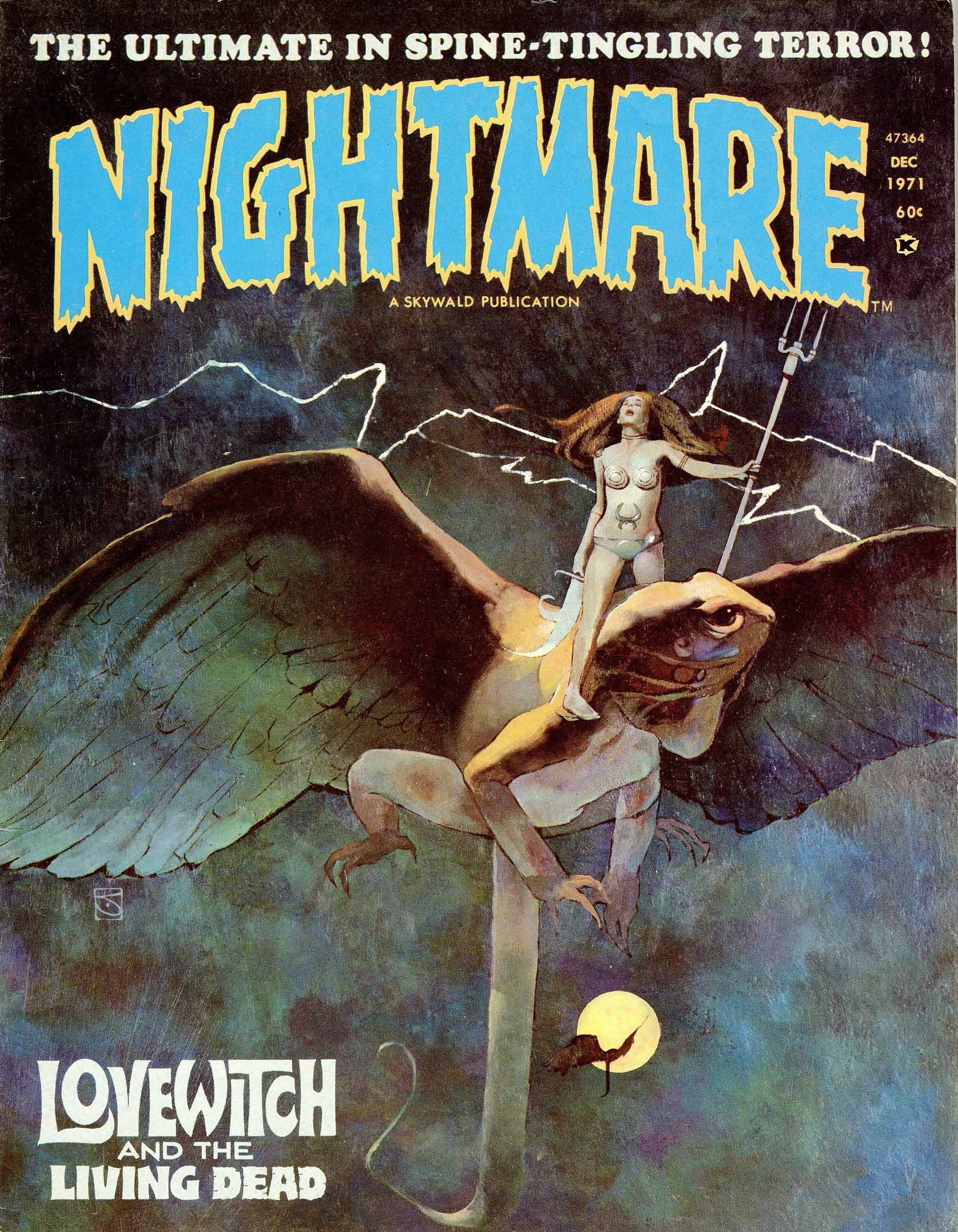
The following cover by Jones is from the Skywald horror magazine, Nightmare, volume 1, number 6 (December 1971):
Jones’s Scheherazade graced the cover of the Styx #2 back in 1973 (37 years ago!):

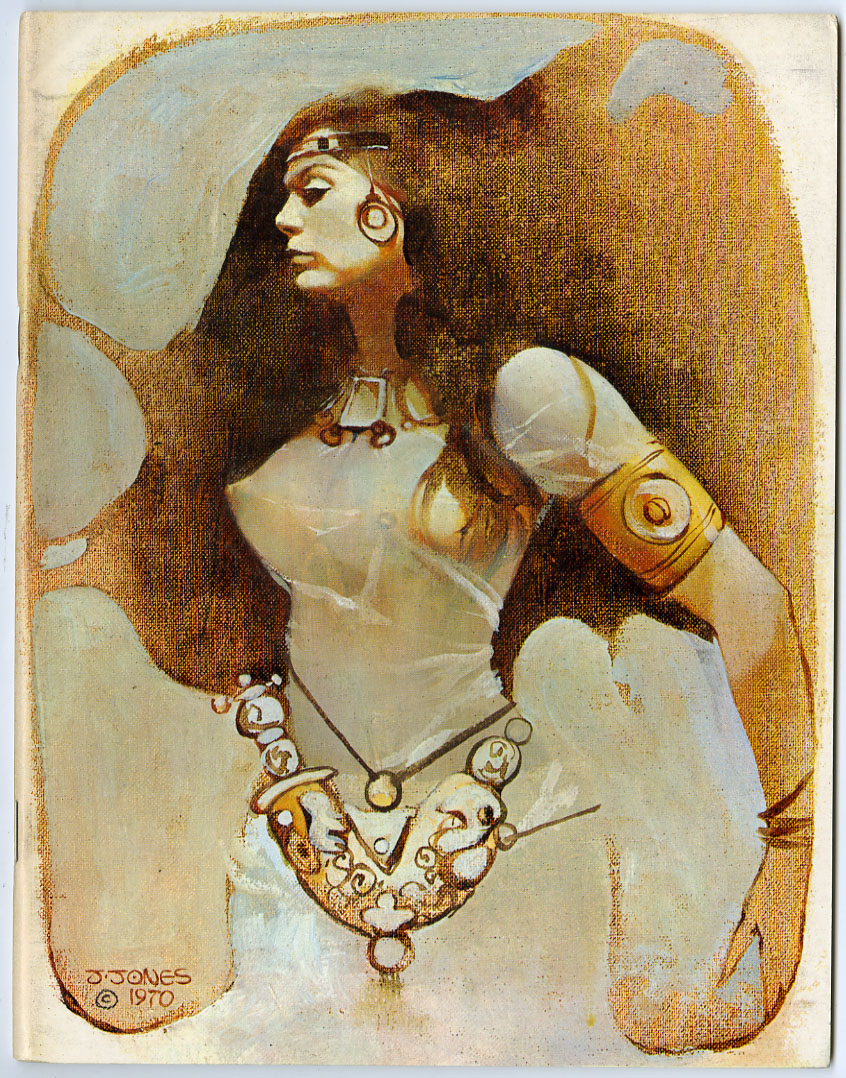
Styx was published by Winnipeg’s own Joseph Krolik, who was very active in fandom beginning in the mid-to-late 1960s, when he and a buddy, Andris Taskans, both in high school at the time, started a club called “The Science Fiction Fans & Comic Collectors of Winnipeg” and published a “clubzine” called Universe that ran for seven issues.
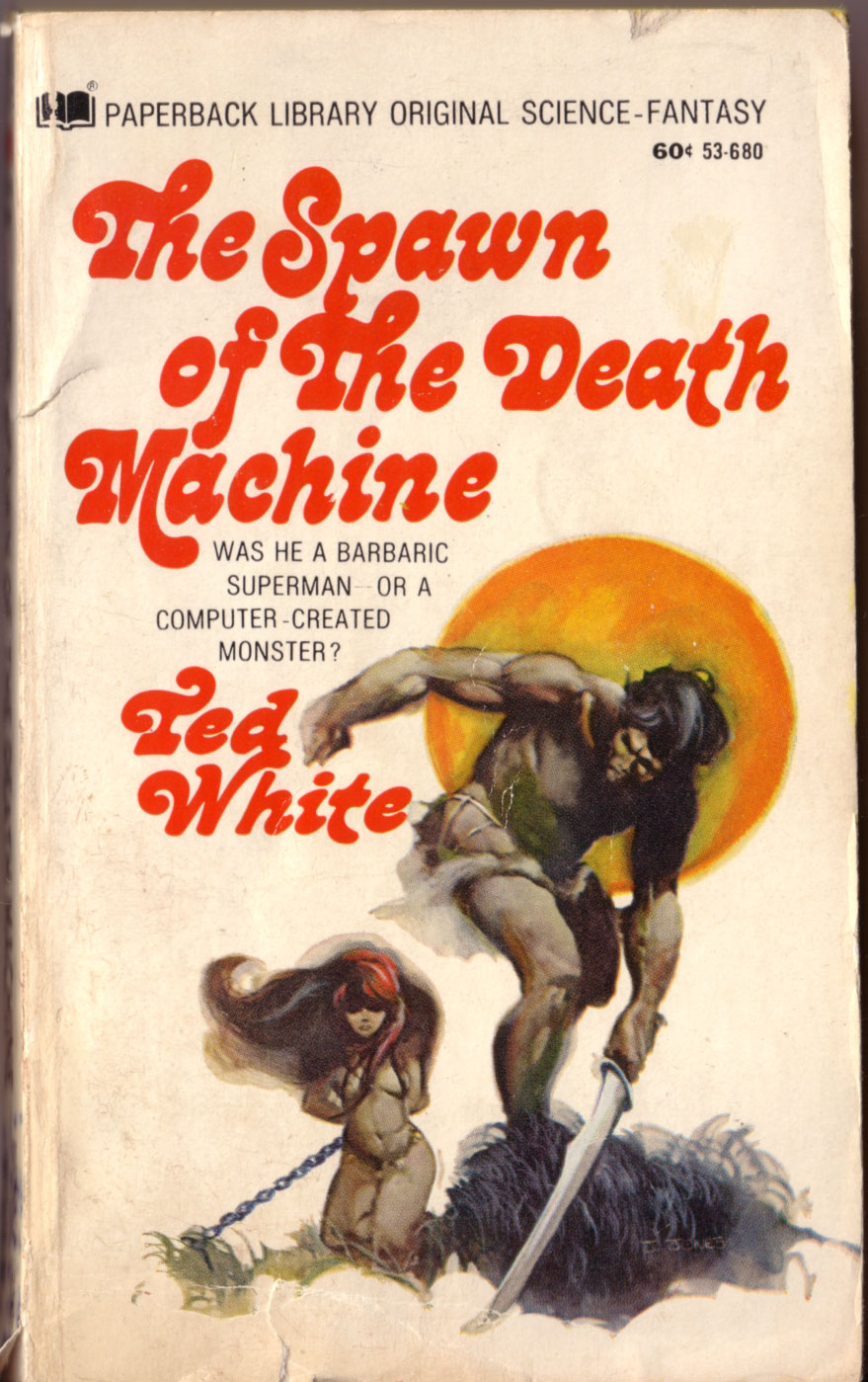
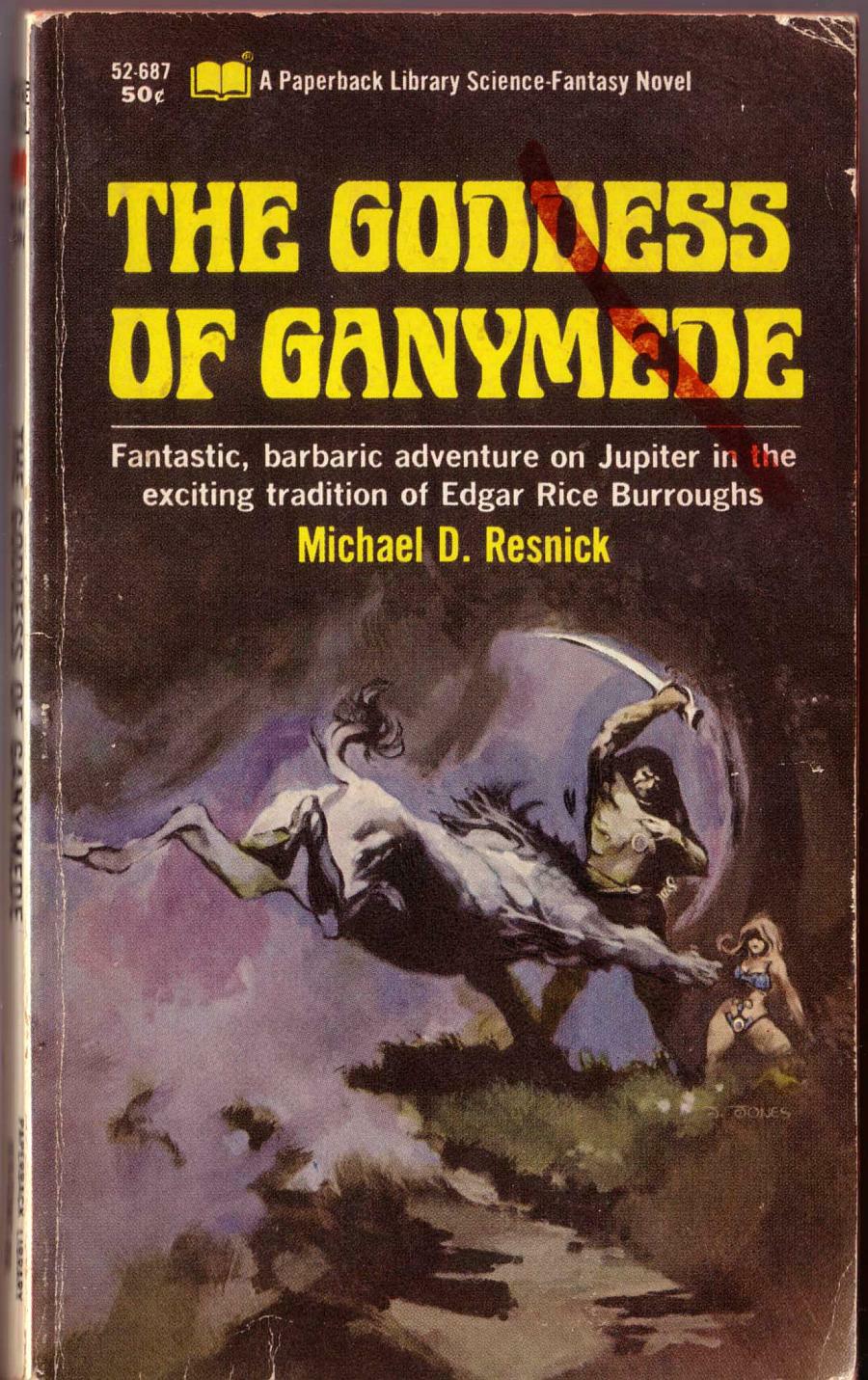
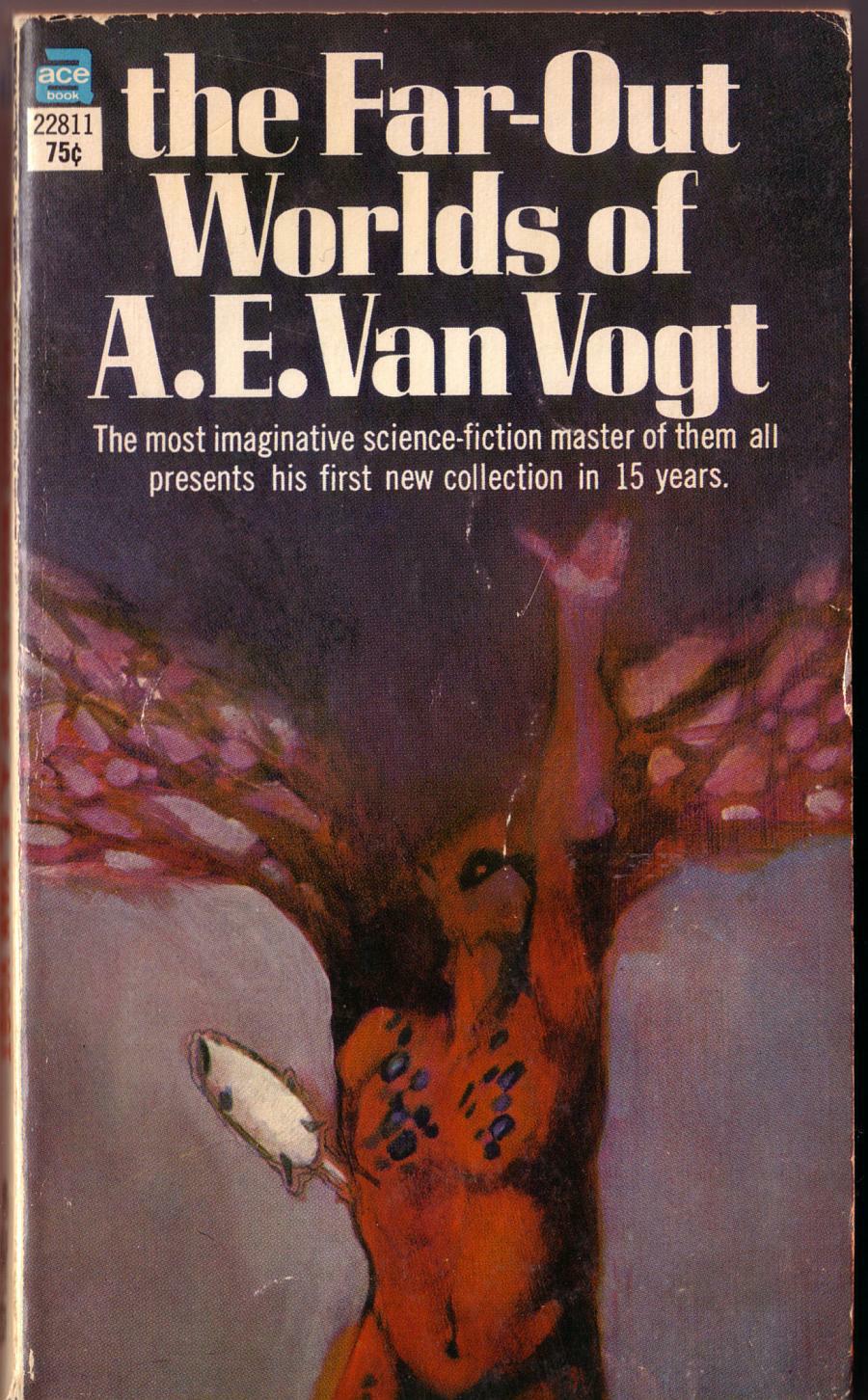
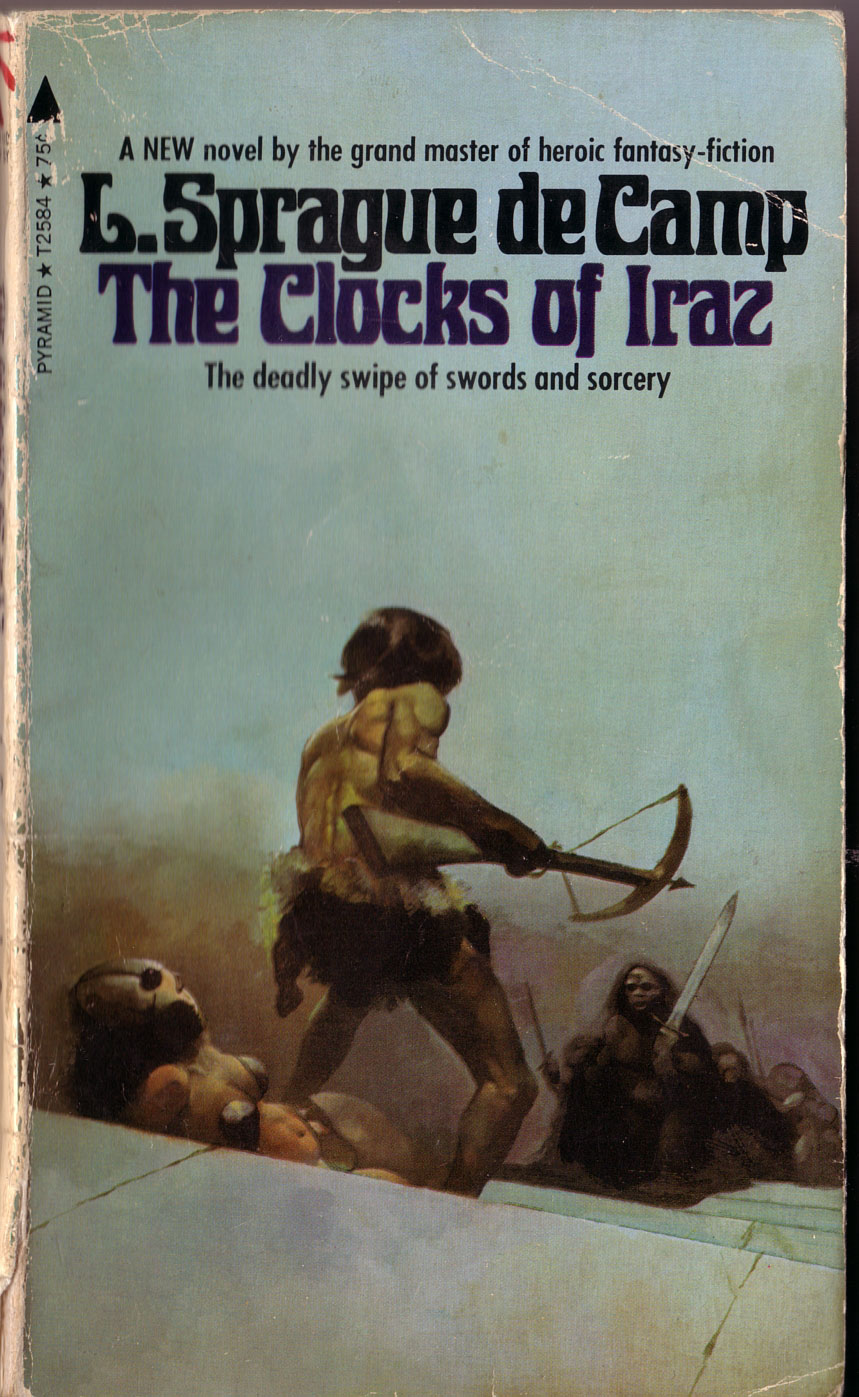
Even though I don’t much care for any of the above covers, I have decided to include them here anyway for what they reveal about Jones’s slow but steady development as an artist.
Here’s one of a signed-and-numbered edition of fifty prints, published by Idyl Impress in 1977, that were hand-coloured with watercolour by Jeffrey Jones. It is followed by the uncoloured version, which was published the same year by Idyl Impress in a signed-and-numbered edition of 1200:
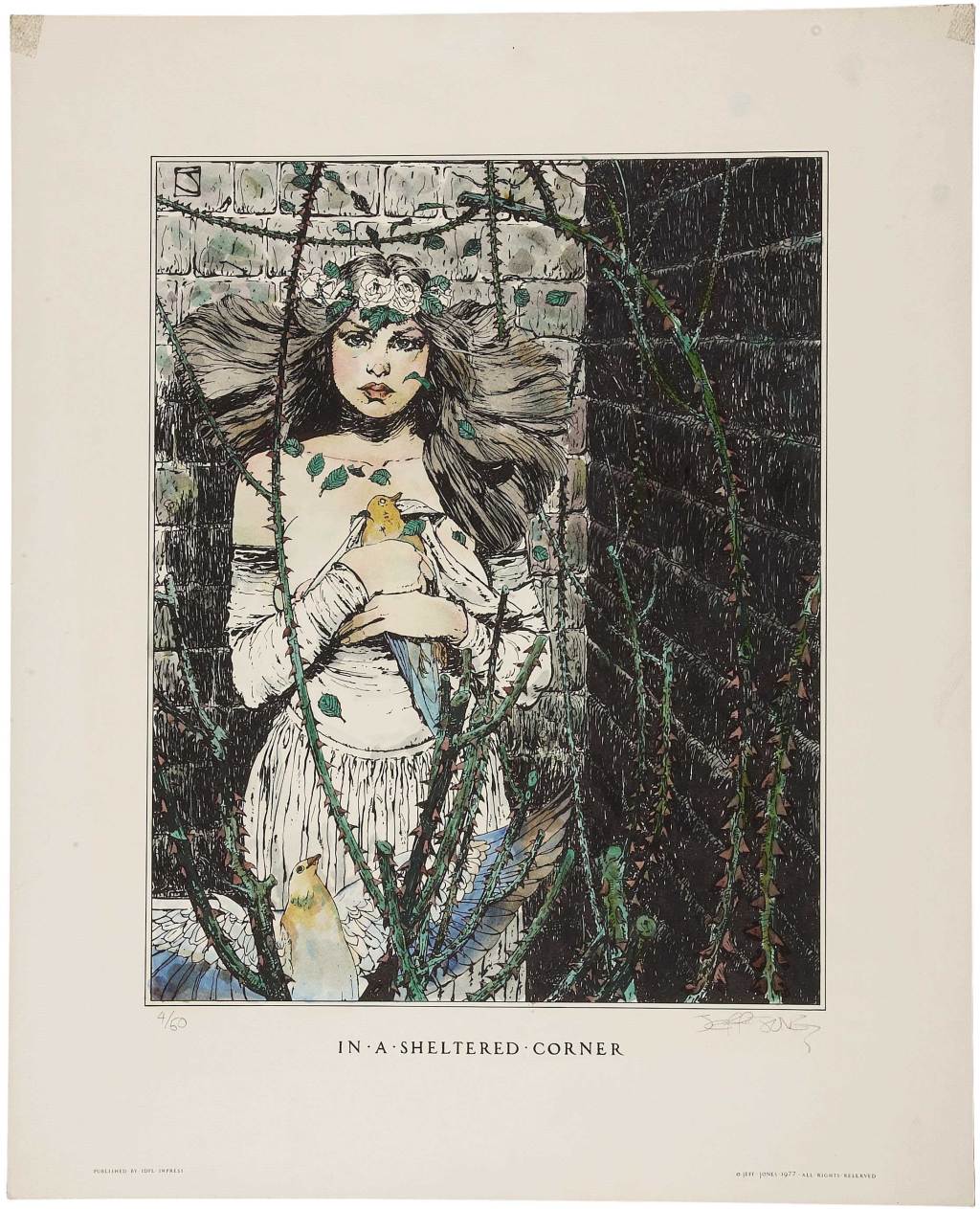
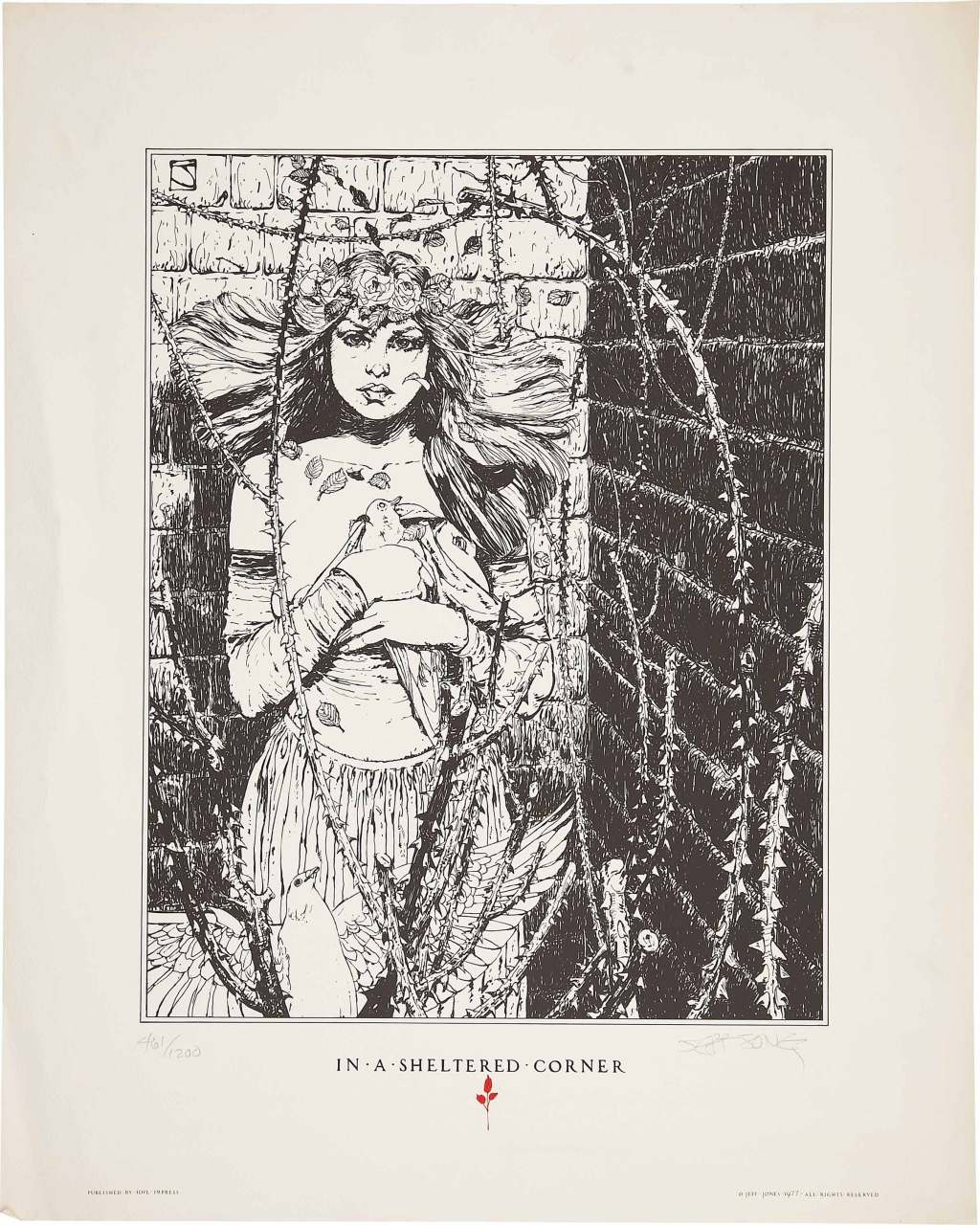


You can view the printed version, with the title stripped in, here; it’s third from the top.
UPDATE (11 December 2011):
I just noticed that the “Official Jeffrey Jones Web Site” has again disappeared from the Web. Which means that the links in my original post (see below) no longer work. Sorry.
See Rest in Peace: Jeffrey Catherine Jones (1944 – 2011) for information and links related to the death of the artist on 19 May 2011.
ORIGINAL POST (09 December 2009):
Jeffrey Jones, Fantasy, Science Fiction, Illustrator, Artist — this new site with its own domain name (www.jeffreyjones-art.com) has all the content from the old official Jeffrey Jones Web site (www.ulster.net/~jonesart/), slightly reorganized, with some new additions (see, for example, the expanded “autobiography” section) and a new design template.
The new site even includes a quotation from yours truly about Jones’s landscape paintings. Cool (although if the Webmaster of the Jones site is reading this, please delete the word “is” that appears immediately before the word “consists”; it’s a typo that I have today corrected in the original post).
Thanks to Greg for the heads up!
Todd Adams of Glimmer Graphics has a beautiful new limited edition print by Jeffrey Jones available for purchase on his company’s Web site. “I have published over 50 fine art prints through the years,” writes Todd, “and this is the finest print quality I have seen to date.” Here’s a link to the order page. And here’s a copy of the image Todd sent out to promote the print:
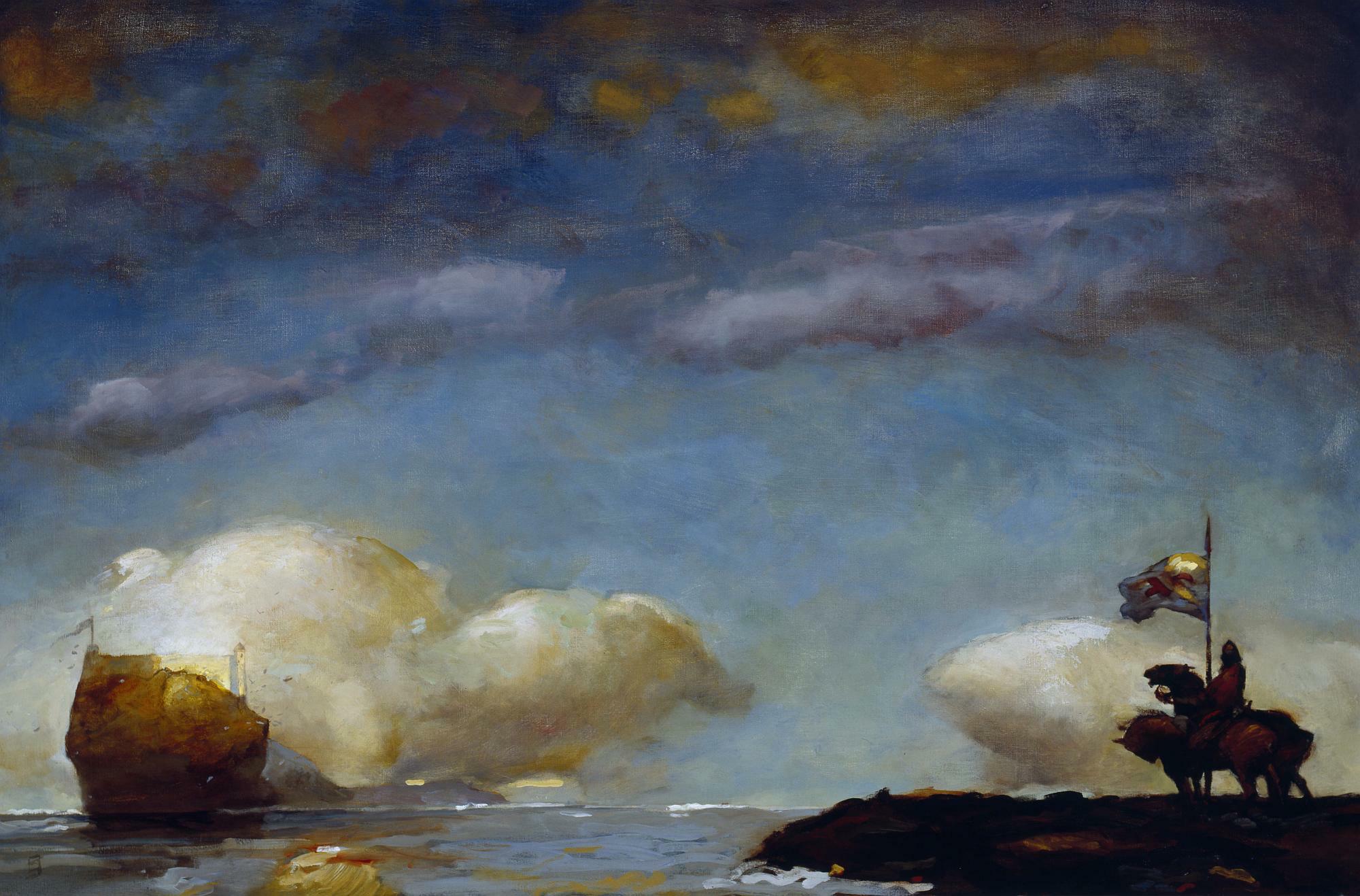
ABOVE: Jeffrey Jones, A Game of Thrones (c. 2000), oil on canvas.
Jones created the above painting for Meisha Merlin Publishing’s deluxe limited edition of the first book in George R. R. Martin’s “A Song of Fire & Ice” epic. The new Glimmer Graphics print is comprised of 375 signed and numbered copies, as well as 25 artist proof copies, all on 500 g/m² acid-free, ultra-smooth paper. Sheet size is 22 x 16 inches, with an image size of 19 x 12.5 inches.
BONUS CONTENT (added 13 December 2011):
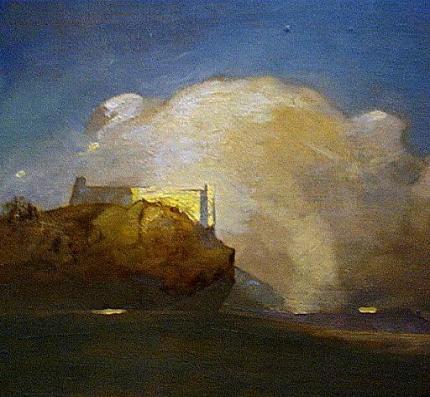
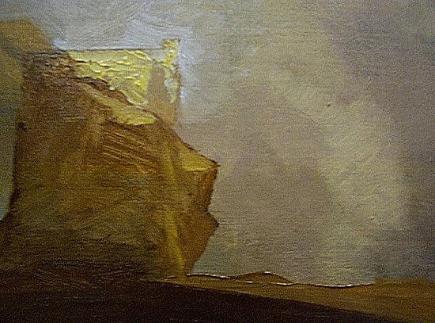
What follows are all of the images from a “work in progress” page that appeared on Jeffrey Jones’s official website, which since Jones’s death has disappeared from the Web; the images are presented in the same order that Jones presented them on the original page:

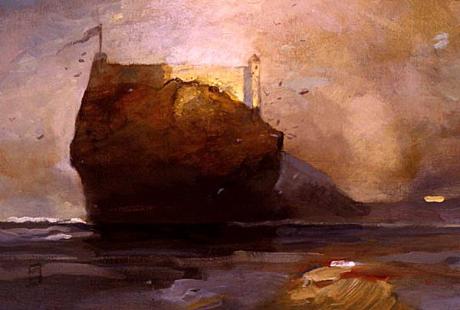
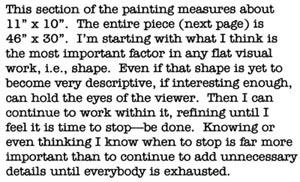
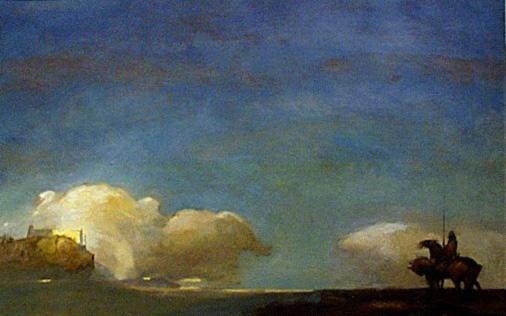
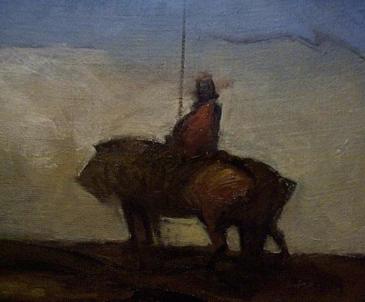
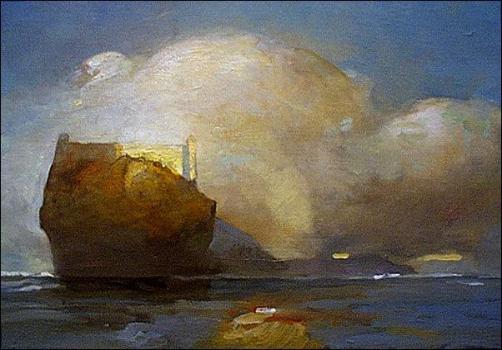
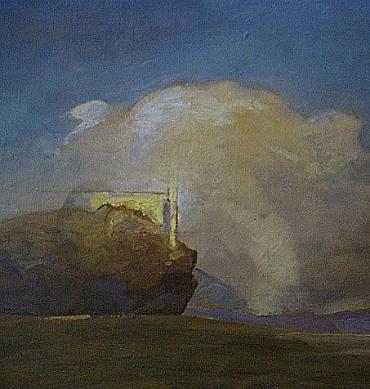
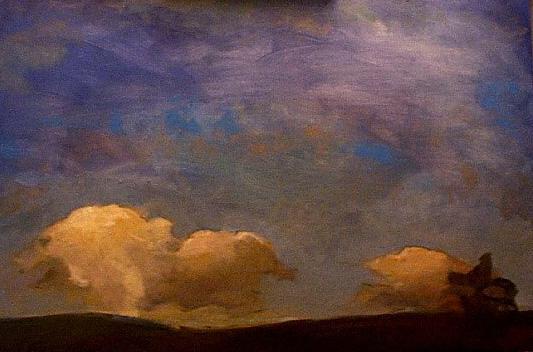

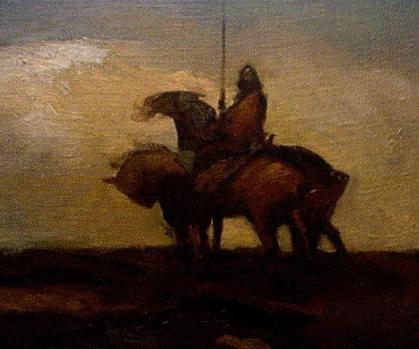
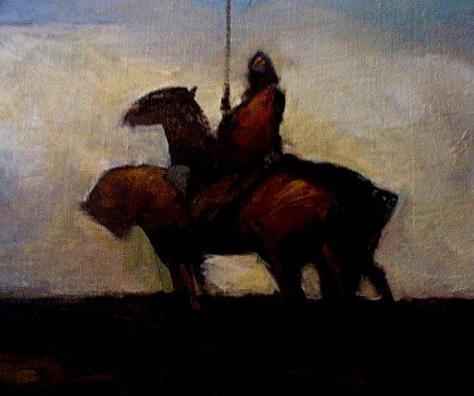
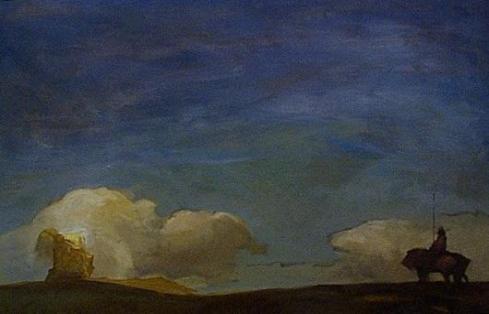
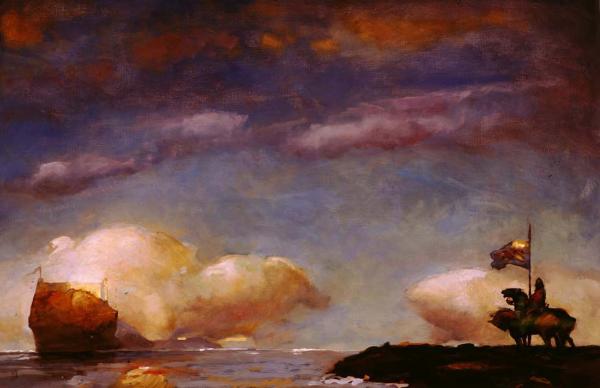
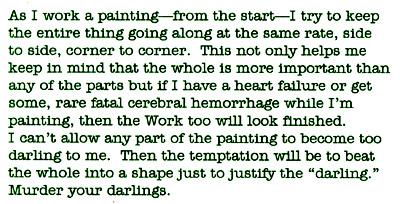
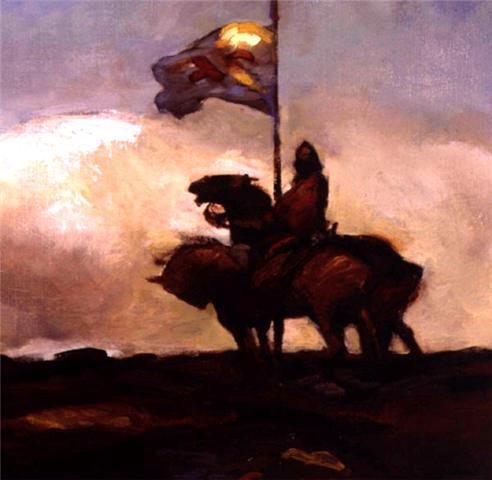

On a separate page entitled “Painting Methods,” Jones wrote:
I stretch my own canvases and prefer linen, unprimed. Two coats of gesso with sanding on each dry coat. Bristle brushes, filberts give me the texture and quality of surface I like. I use no mediums, just turpentine. My palette consists of three yellows, yellow ochre pale, raw sienna and chrome yellow. The reds I use are venetian, burnt umber, burnt sienna and cadmium. I like oxide of chromium for green, all other greens are mixed. Ultramarine is the only blue I use. When painting I consider complements and mix them together on the palette, using a bit of a complement in each mixture. For example, I might make a purple using ultramarine and venetian red and add a bit of ochre to temper it. If I use a yellow I add a little purple to temper that color. I never use black but mix it using several dark colors together. I like to paint wet in wet to keep the painting “soupy”.
I usually start a painting with a house painting brush, covering up the white of the canvas and laying in dark and light shapes. Then come some middle tones. I think in tone at first and color later. I do a lot of scraping and wiping in the beginning-at this point it’s all rather abstract.
I don’t know how many ways there are of working but what I’ve found, and it took some time, is perhaps peculiar to me. The most exciting thing is a blank white canvas or piece of paper–anything can happen. This is why I’ve long ago gotten away from scripts and manuscripts. I’m not really an illustrator. It’s probably my education in German Abstract Expressionism where whatever happens on a piece of art happens all the time. There is no real beginning and no end, there is just a time to abandon. I honestly never know what the “finish” will look like. I’ve said this before so bear with me here. The work and I have a “conversation”. There are times it listens to me and times I must listen to it. As long as it’s a “we” process there are no dull bits. There are impasses where I have to put it aside for a while but that’s not boredom. Boredom can just be another word for anger. For almost 30 years I have written my own comics, and the writing is done along with the drawing, not beforehand. It’s the same with painting. The narrative, which is often ambiguous, evolves with time. If it does indeed ever get dull then it is finished.
I always use titanium white because of it’s opaqueness and covering ability. It doesn’t matter which white you use, mixing white with any primary color will give you a pasty pastel. You have to mix the colors before adding white. Also lack of pastiness depends on which colors are next to each other.
…Howard Pyle advised his students, “Put light colors next to light colors and dark colors next to darks, then where you want the viewer to descend, put dark next to light.” This is a good rule of thumb.
Please note that the above description of Jones’s material preferences and process in oil has been cut and pasted, without alteration, from the original “Painting Methods” page on Jones’s official website.
BONUS CONNECTION (added 24 February 2014):
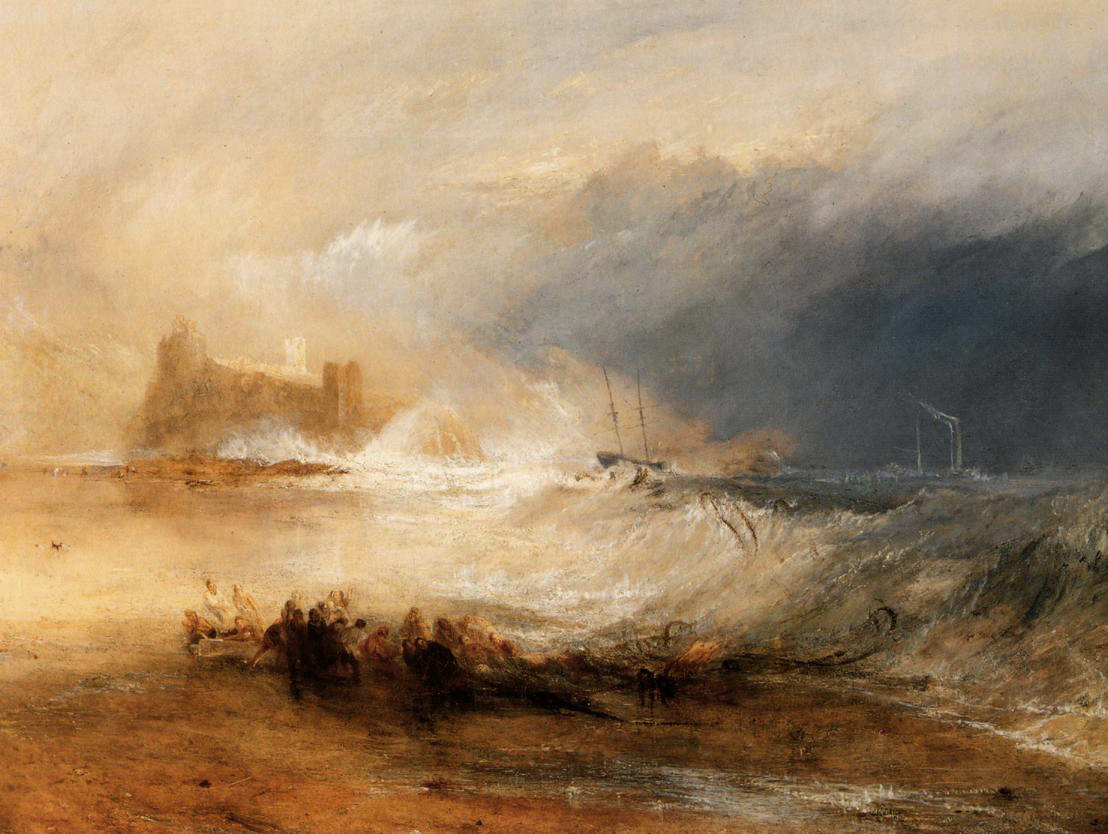
ABOVE: Joseph Mallord William Turner, Wreckers, Coast of Northumberland (c. 1834), oil on canvas, 125.9 x 90.5 cm. Collection of Yale Center for British Art, New Haven, Connecticut, USA. Via Wikimedia Commons.
ABOVE: Jeffrey Jones, A Game of Thrones (c. 2000), oil on canvas.
Yes, there are some serious creases and wear marks on some of the covers, but it is difficult to find pristine copies of thirty-nine-year-old-plus paperbacks, especially when one limits one’s search to local bookstores:


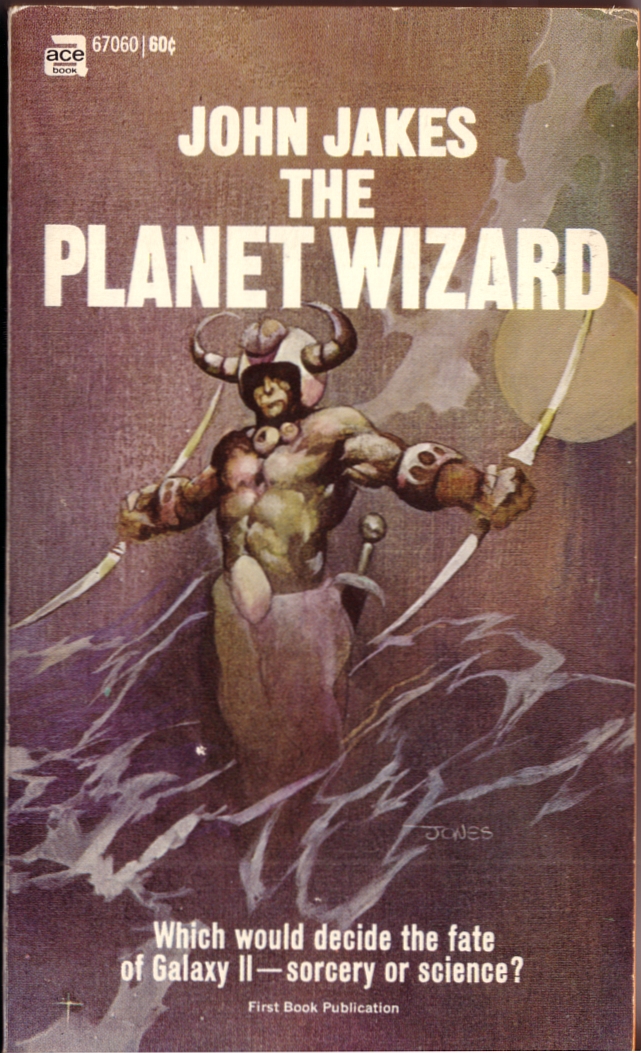


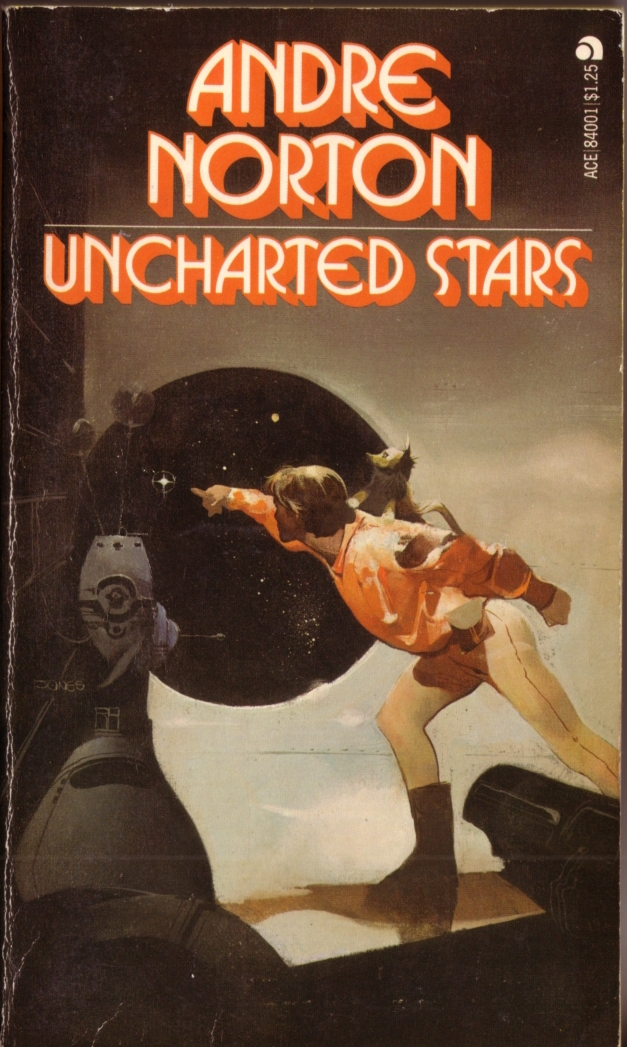
I don’t really like any of the above covers, with the exception, perhaps, of the Uncharted Stars cover, which I feel is a step up from the others in terms of draftsmanship, composition, technique, originality, and wit.
 Ragged Claws Network
