BONUS LINK:
JACK KIRBY documentary – Parts 1 to 5 — the clips of Barry Windsor-Smith talking about Jack Kirby were taken from this documentary.
BONUS IMAGES:
[CLICK IMAGES TO ENLARGE]
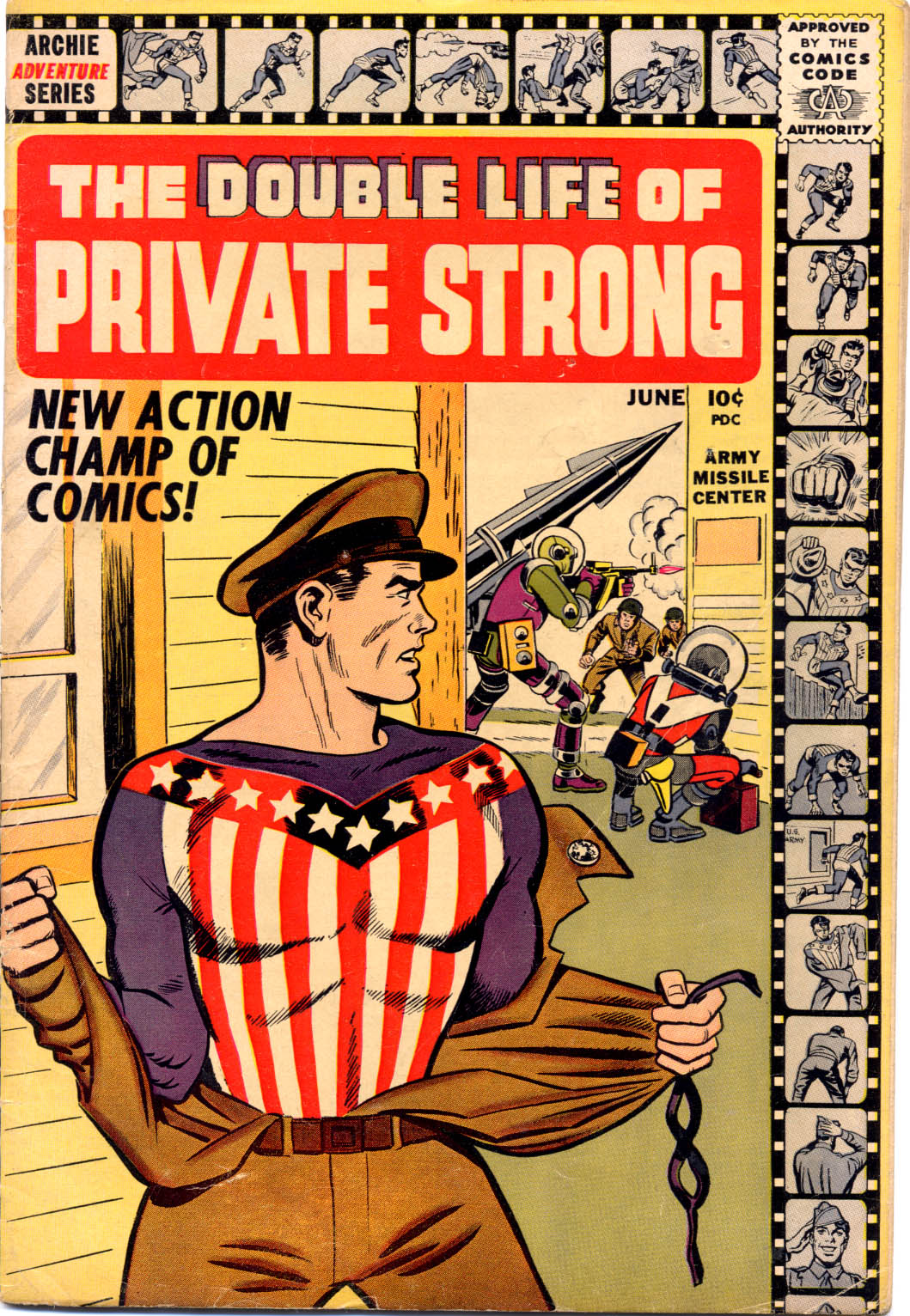
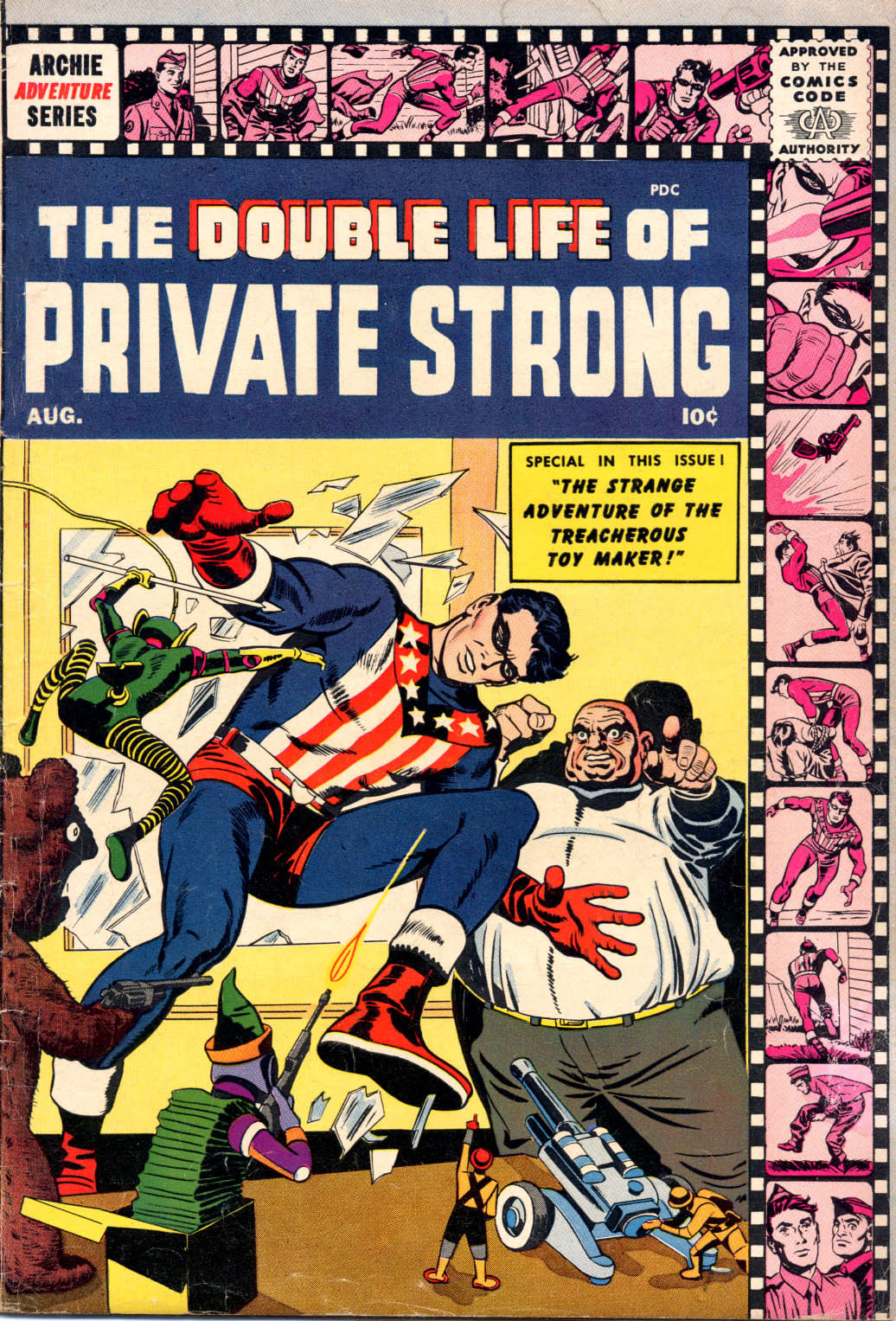
"This day's experience, set in order, none of it left ragged or lying about, all of it gathered in like treasure and finished with, set aside." –Alice Munro, "What is Remembered"

BONUS LINK:
JACK KIRBY documentary – Parts 1 to 5 — the clips of Barry Windsor-Smith talking about Jack Kirby were taken from this documentary.
BONUS IMAGES:
[CLICK IMAGES TO ENLARGE]
[CLICK IMAGES TO ENLARGE]


In Michelangelo’s sculpture, known variously as The Deposition, The Florence Pietà, the Pietà del Duomo, and The Lamentation over the Dead Christ, the left leg of the central figure of Jesus Christ is not obscured by his other, foreground leg or tucked behind the figure of his mother, Mary, at the viewer’s right. Rather, the left leg, which was originally draped over Mary’s knee, was removed/smashed by the artist, who then decided, for some reason, to give the sculpture to a servant.

Art historian Leo Steinberg has argued that Michelangelo smashed the sculpture because he had second thoughts about the sexual symbolism of the intertwined legs, but others claim that Michelangelo was simply angry because he discovered a flaw in the marble that made it impossible to continue the carving. As I recall, Steinberg’s historical evidence for the existence of such a symbol is fairly strong, but whether or not Michelangelo was aware that his composition might arouse controversy and smashed the leg (and more) as a result remains an open question.
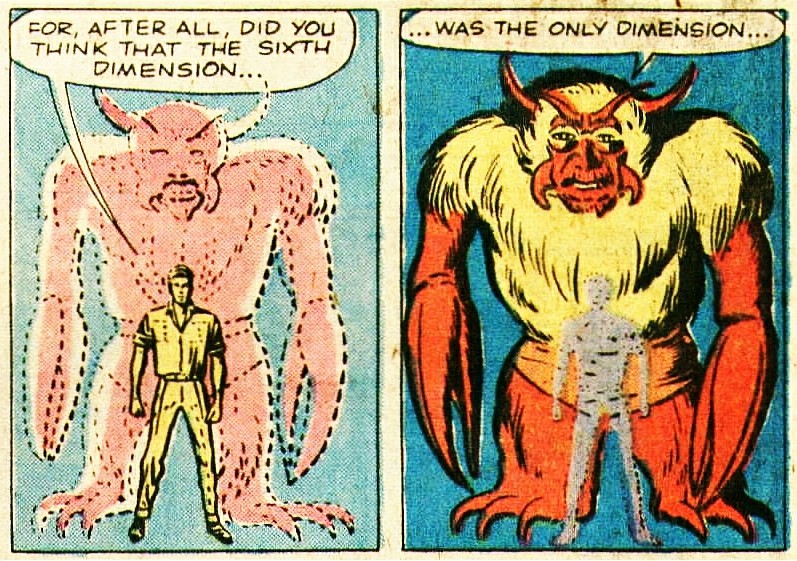
“I lived for a time in Canada, and found myself fascinated by the slavish pride of a culture basking in a self-recriminating joke. ‘A lobsterman turned his back on three catches in an uncovered bucket. A bystander worried the lobsters would escape, but the lobsterman waved him off, saying, “No problem, these are Canadian lobsters. If one reaches the top the others will pull him back in.”‘ Yet who, lately, seeing how transparent the Internet-comments culture has made our vast leveling rage, our chortling conformism and anti-intellectualism, our scapegoat-readiness, could keep from thinking: ‘We’re all Canadian lobsters on this bus.'”
—Jonathan Lethem, “Advertisements for Norman Mailer: Salvage from an Infatuation,” Los Angeles Review of Books

From Four-Star Battle Tales #5 (Nov.-Dec. 1973), here is “The Three Frogmen,” with art by Mort Drucker; in case you’re wondering about Drucker’s (John Severin influenced?) style in this one, please note that “The Three Frogmen” originally appeared in G.I. Combat #72 way back in May 1959:
[CLICK IMAGES TO ENLARGE]


Hope you enjoyed “The Three Frogmen,” because I don’t plan to post any more stories with art by Mort Drucker here on RCN. The trilogy is complete… or something like that…
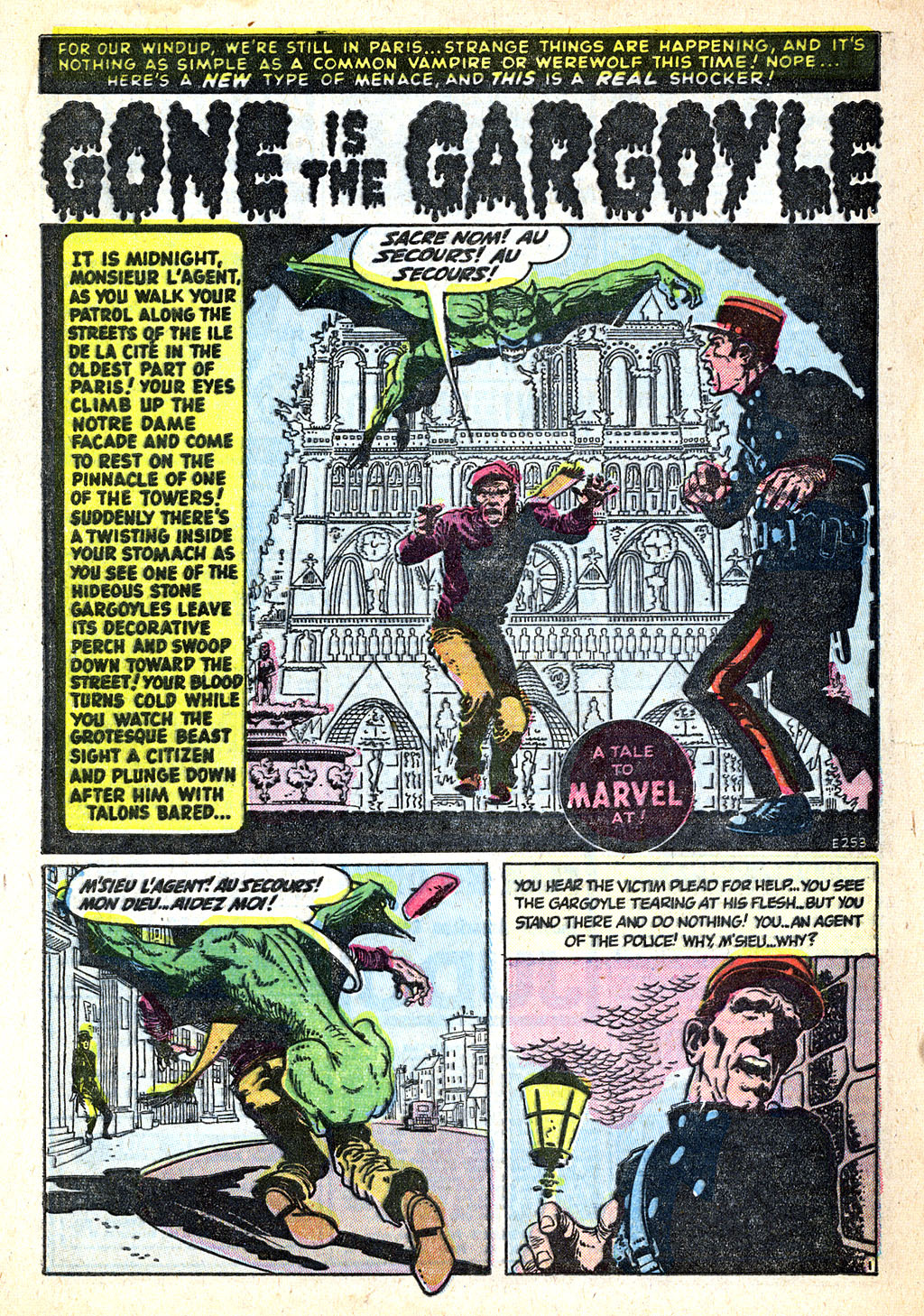
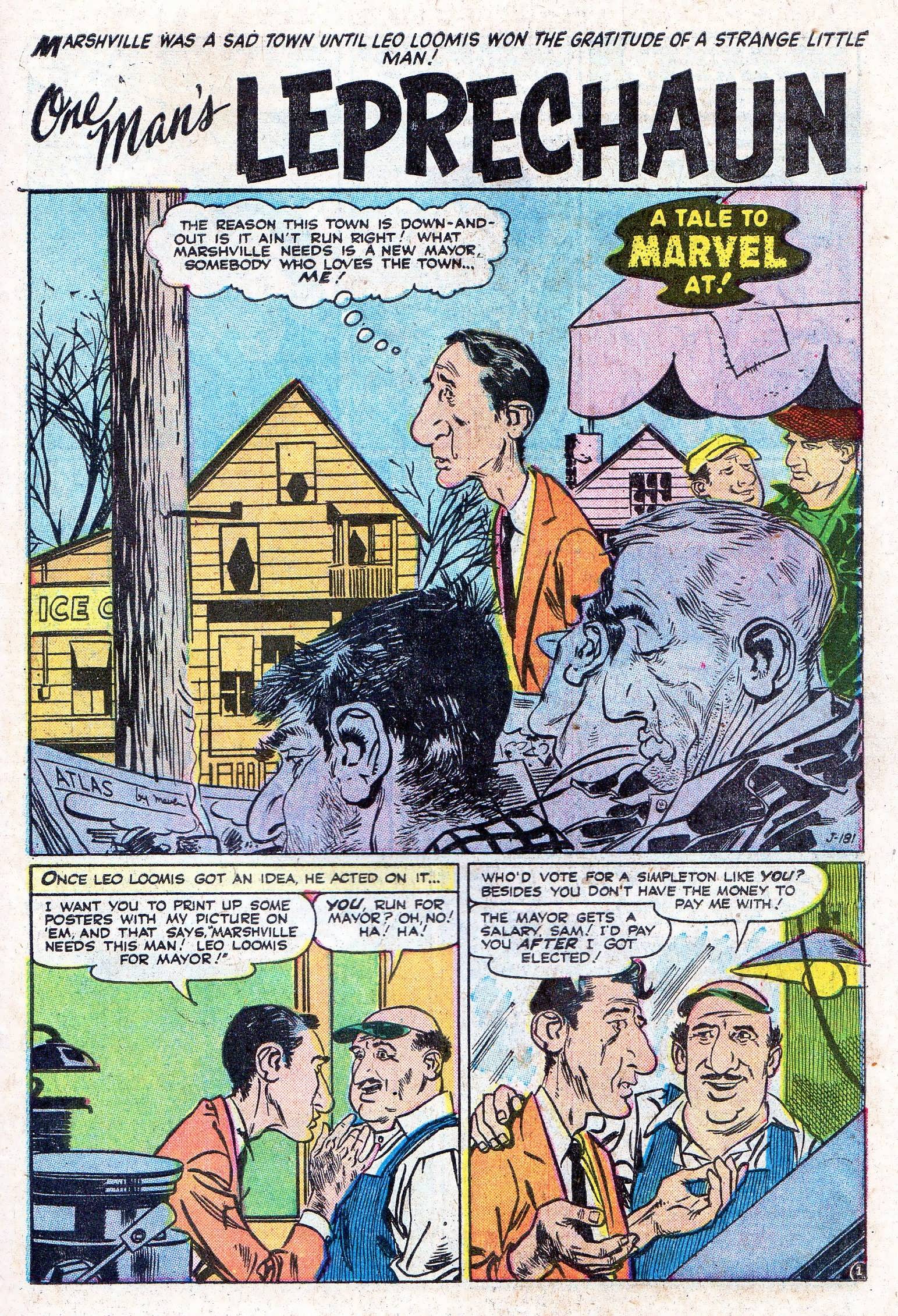
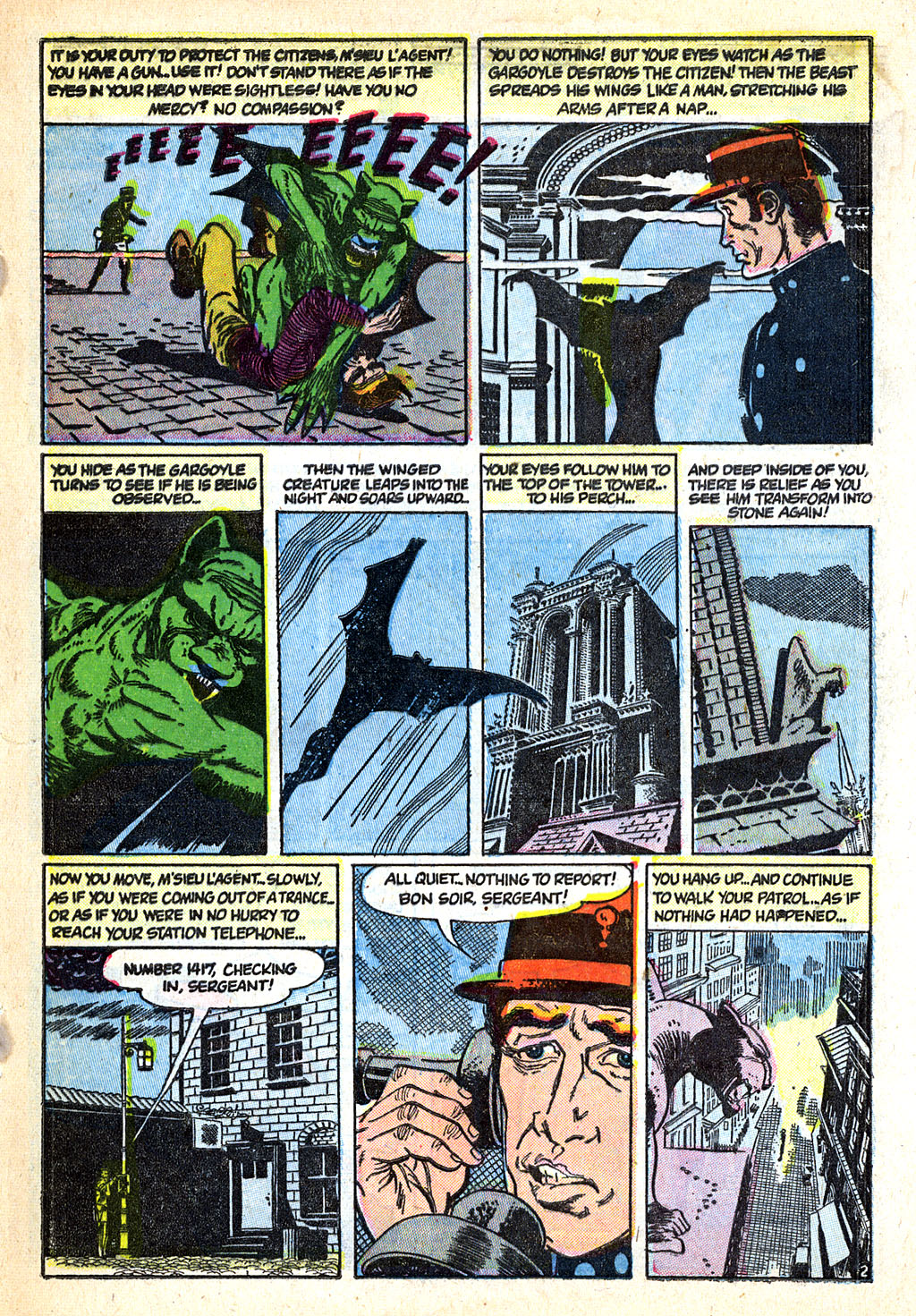
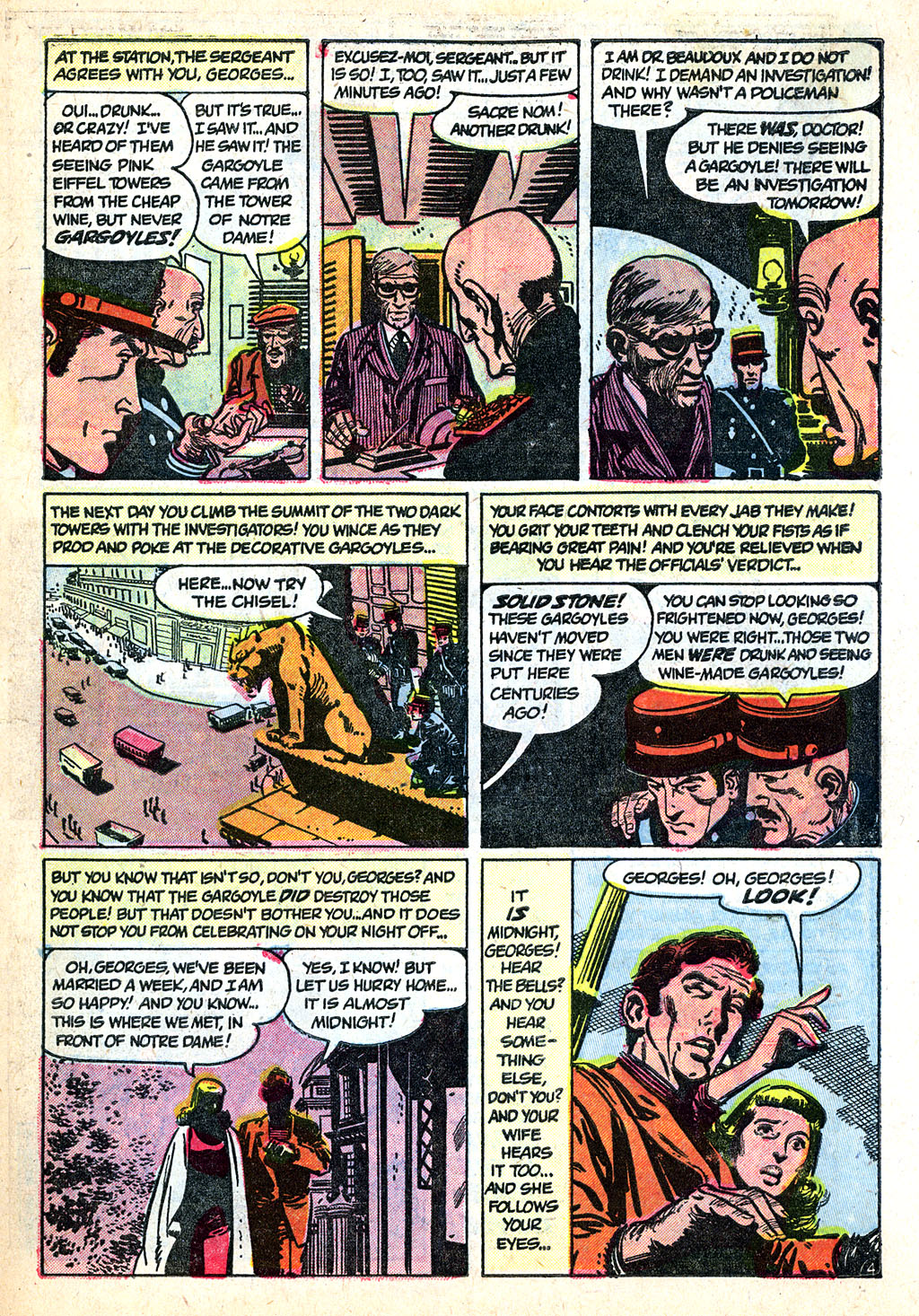
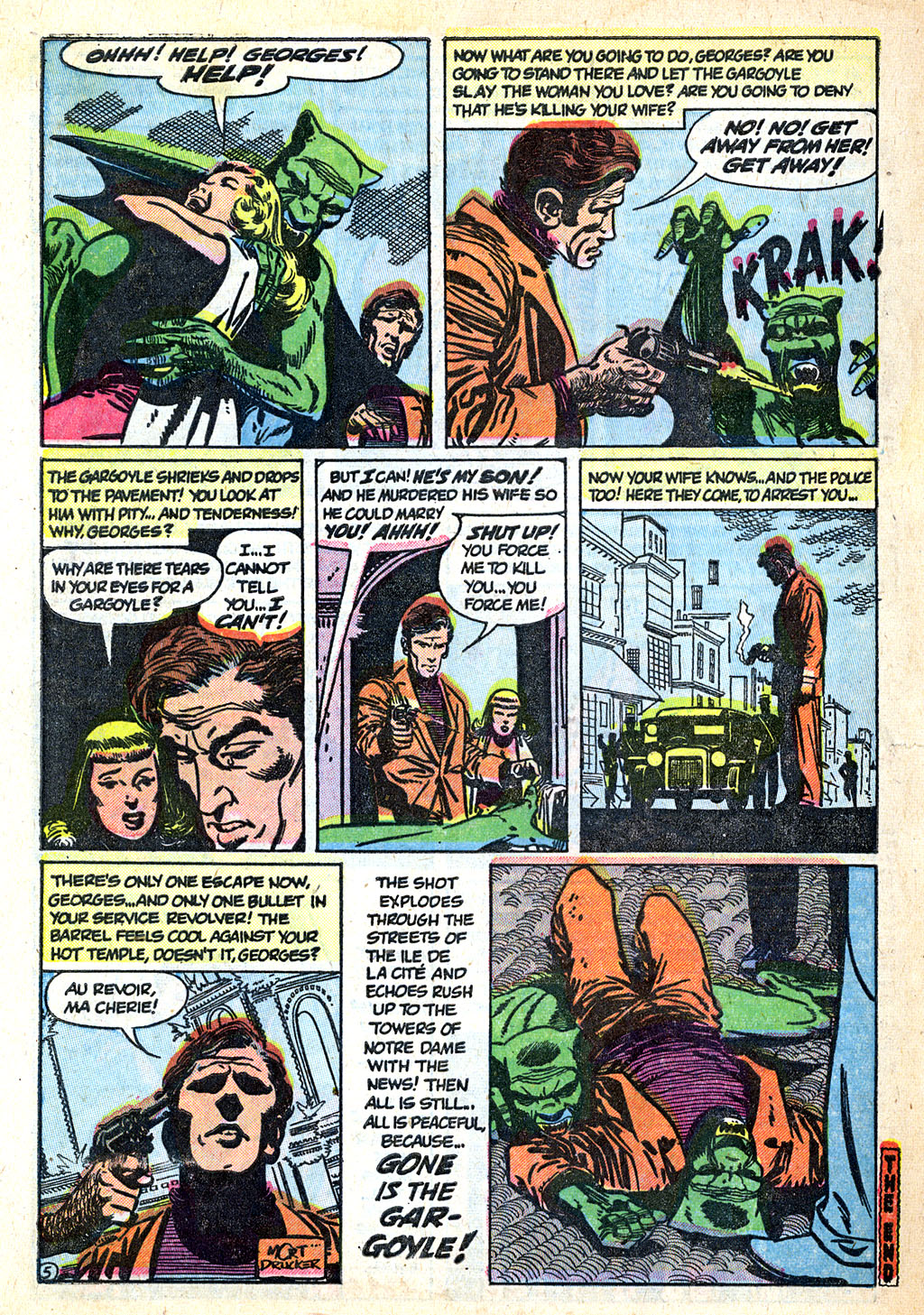
Yesterday, I posted a story called “Gone Is the Gargoyle,” from the October 1954 issue of Marvel Tales, which featured early art by Mort Drucker (b. 22 March 1929), whose mature work set the standard for caricature on Mad Magazine’s covers and in their movie parodies for several generations. True, the art in “Gone Is the Gargoyle,” though it is clearly signed “Mort Drucker,” does not look especially Drucker-like; however, less than two years later, the same comic series, Marvel Tales, featured a story with uncredited, unsigned art by Drucker that I think definitely points in the direction of the artist’s celebrated Mad Magazine style. But you don’t have to take my word for it, because from Marvel Tales, volume 1, number 146, here is “One Man’s Leprechaun,” with art by Mort Drucker; the issue is dated May 1956, and in the fall of that same year, Drucker joined Mad:


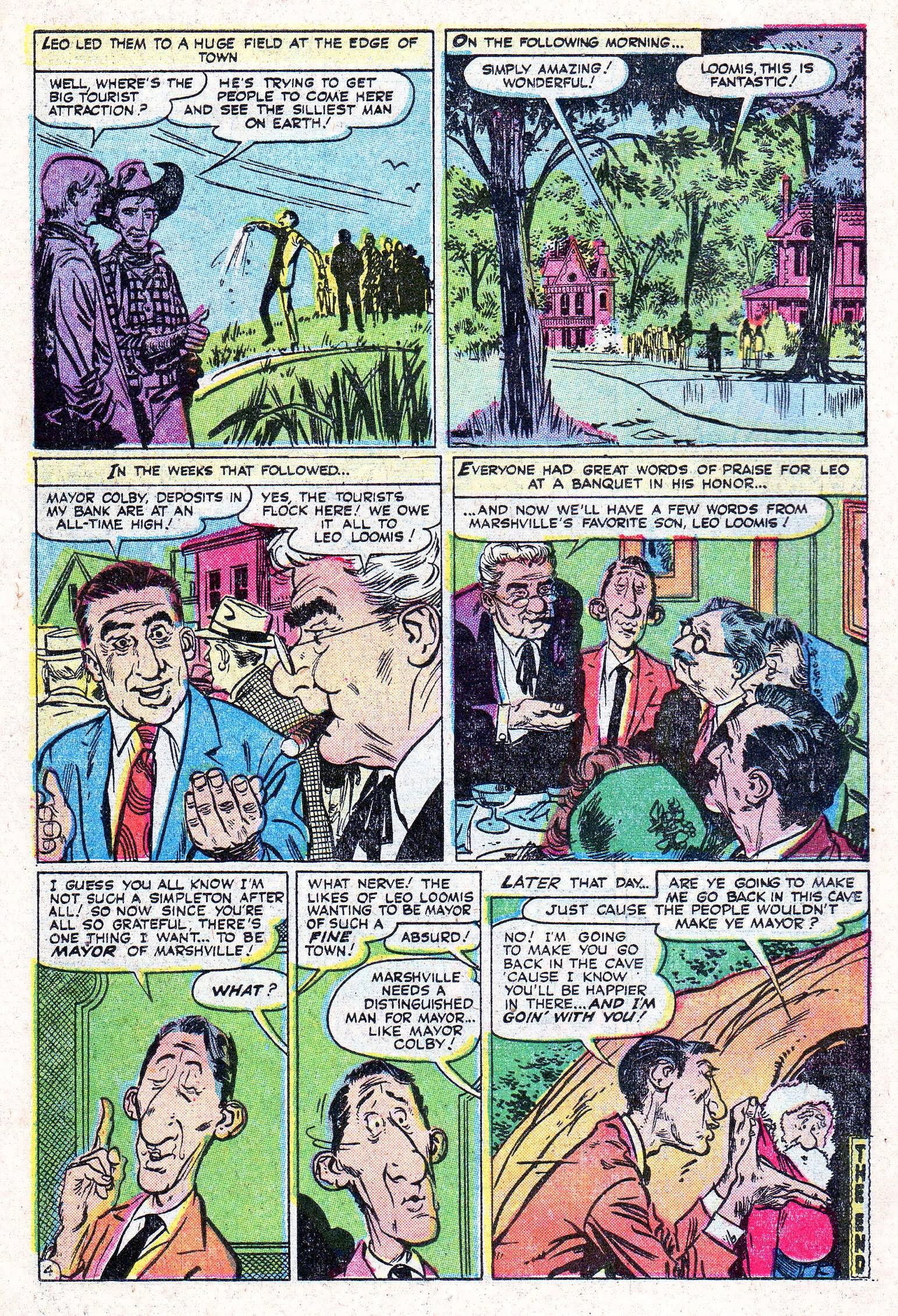
Given a choice to save the original artwork from either “Gone Is the Gargoyle” or “One Man’s Leprechaun” from a fire, I would definitely tuck “Gone Is the Gargoyle” under my arm and make for the exit, though I suspect many true Drucker fans will view my admission as a sign I’m not really one of them.
From Marvel Tales, volume 1, number 127, here’s “Gone Is the Gargoyle,” a story with no formal credit for either the scriptwriter or the artist; however, as often happened “back in the day,” the artist got around this by signing his name, unobtrusively, on the art itself — in this case, on the bottom left of the last page:
[CLICK IMAGES TO ENLARGE]
BONUS VIDEO:
UPDATE:
See also: Ragged Claws Network > Look Here, Read: “One Man’s Leprechaun,” with art by Mort Drucker, posted 05 October 2011 at 8:03 pm.

BONUS LINKS:
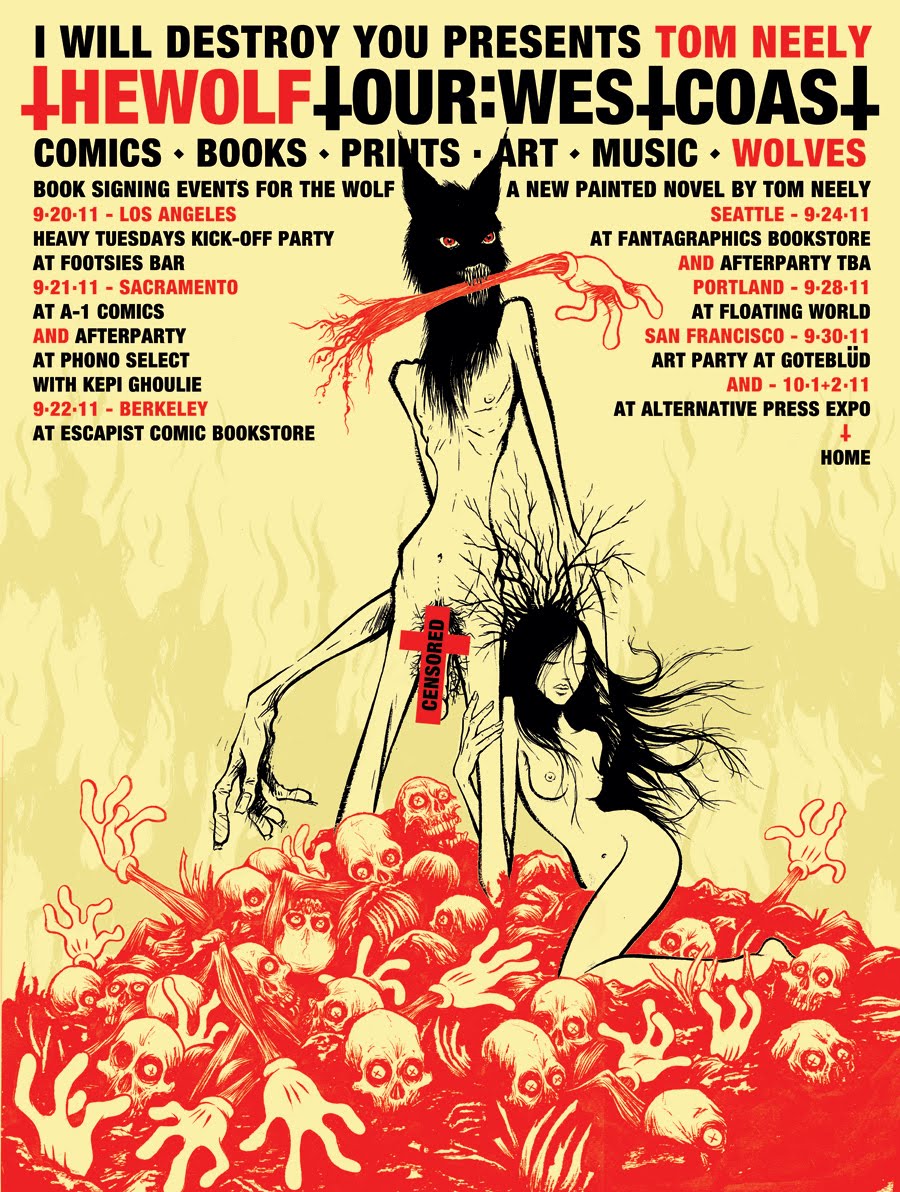
Attentiondeficitdisorderly > Comics Time: The Wolf — a review by Sean T. Collins.
Robot 6 > Tom Neely unleashes The Wolf: a preview and interview
Tom Neely’s “i will destroy you” Store — buy The Wolf, The Blot, silkscreen prints, and more, directly from the artist, Tom Neely.



Coming in early October from Pantheon Books:
From the publisher: “In METAMAUS, Spiegelman employs prose, drawings, documents, and photographs to trace the intersecting paths of history, family, and comics that led to the creation, twenty-five years ago, of MAUS, his Pulitzer Prize winning comic book about the Holocaust.”
MetaMaus (Excerpt): Parshas Trumahttp://www.scribd.com/embeds/57476239/content?start_page=1&view_mode=list&access_key=key-2dn3wywpiwi2ezqkeaq0(function() { var scribd = document.createElement(“script”); scribd.type = “text/javascript”; scribd.async = true; scribd.src = “http://www.scribd.com/javascripts/embed_code/inject.js”; var s = document.getElementsByTagName(“script”)[0]; s.parentNode.insertBefore(scribd, s); })();
 Ragged Claws Network