Scanned from a paperback in my personal collection, as usual; the artist is Don Crowley:
[CLICK IMAGES TO ENLARGE]
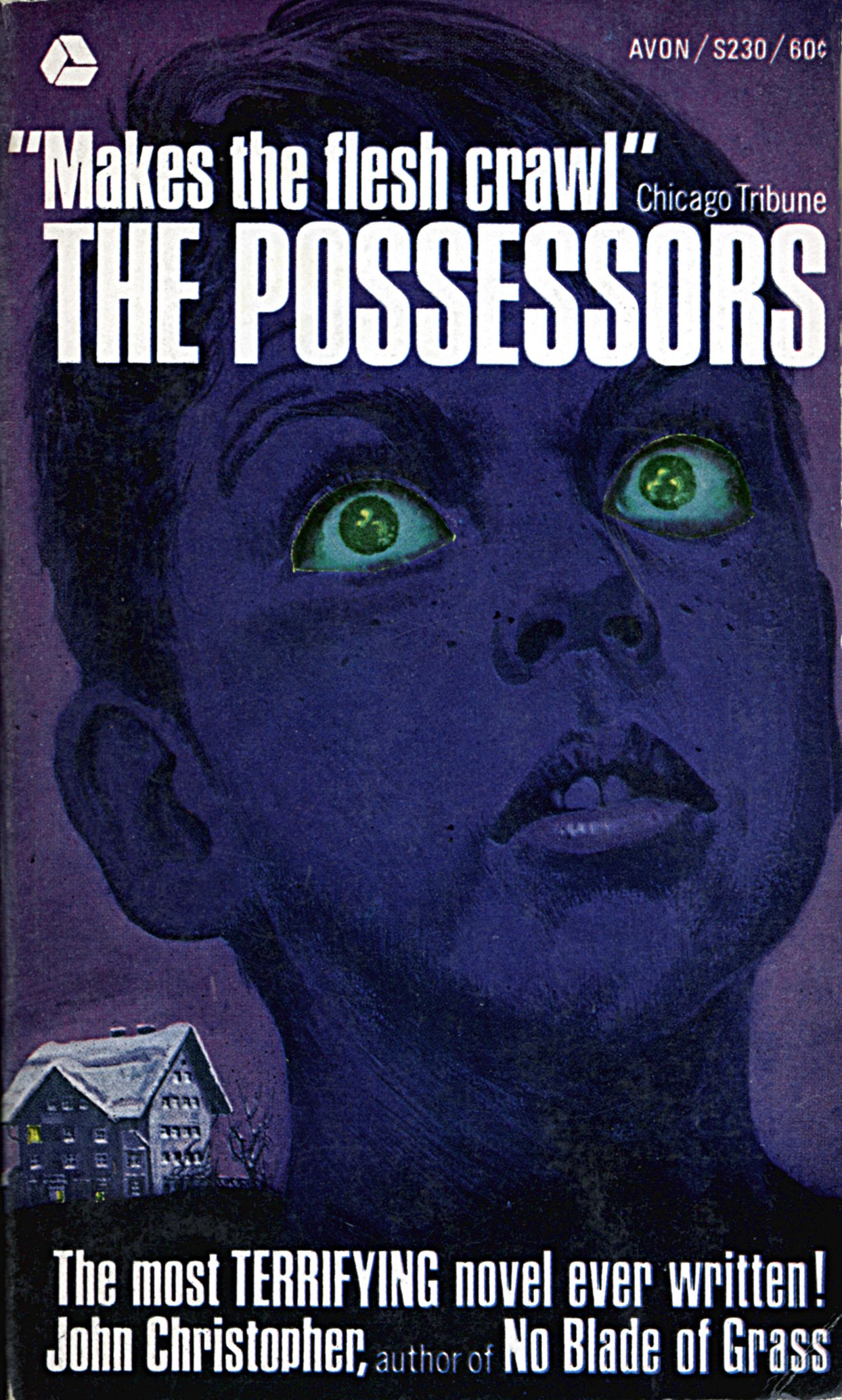
ABOVE: John Chrisopher, The Possessors (NY: Avon, 1966), with cover art by Don Crowley.
"This day's experience, set in order, none of it left ragged or lying about, all of it gathered in like treasure and finished with, set aside." –Alice Munro, "What is Remembered"
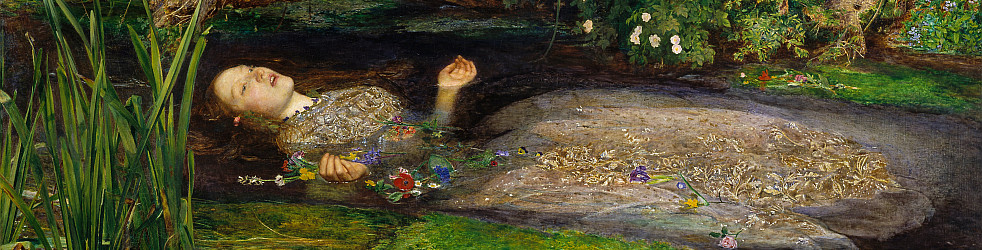
Scanned from a paperback in my personal collection, as usual; the artist is Don Crowley:
[CLICK IMAGES TO ENLARGE]
ABOVE: John Chrisopher, The Possessors (NY: Avon, 1966), with cover art by Don Crowley.
[CLICK IMAGES TO ENLARGE]
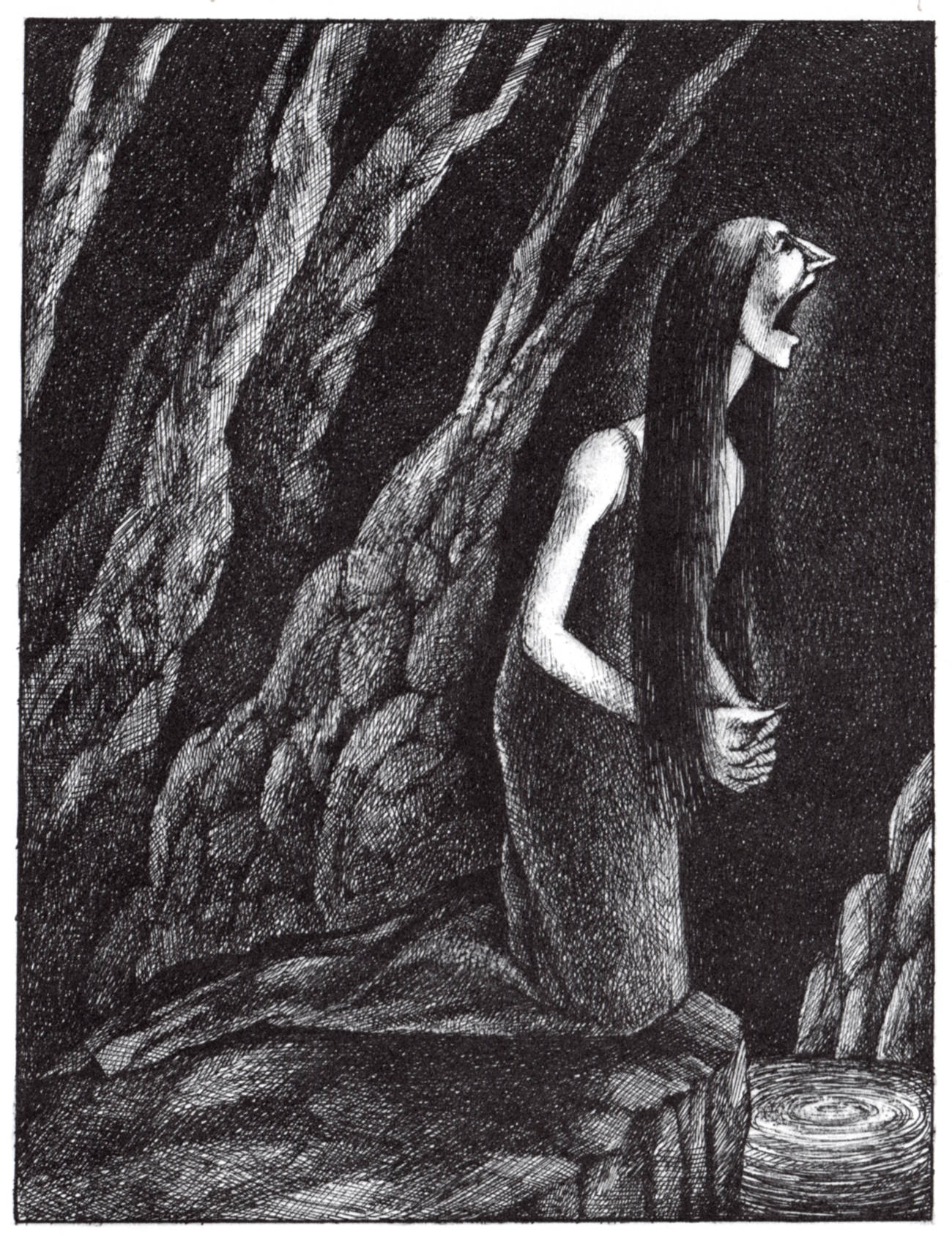
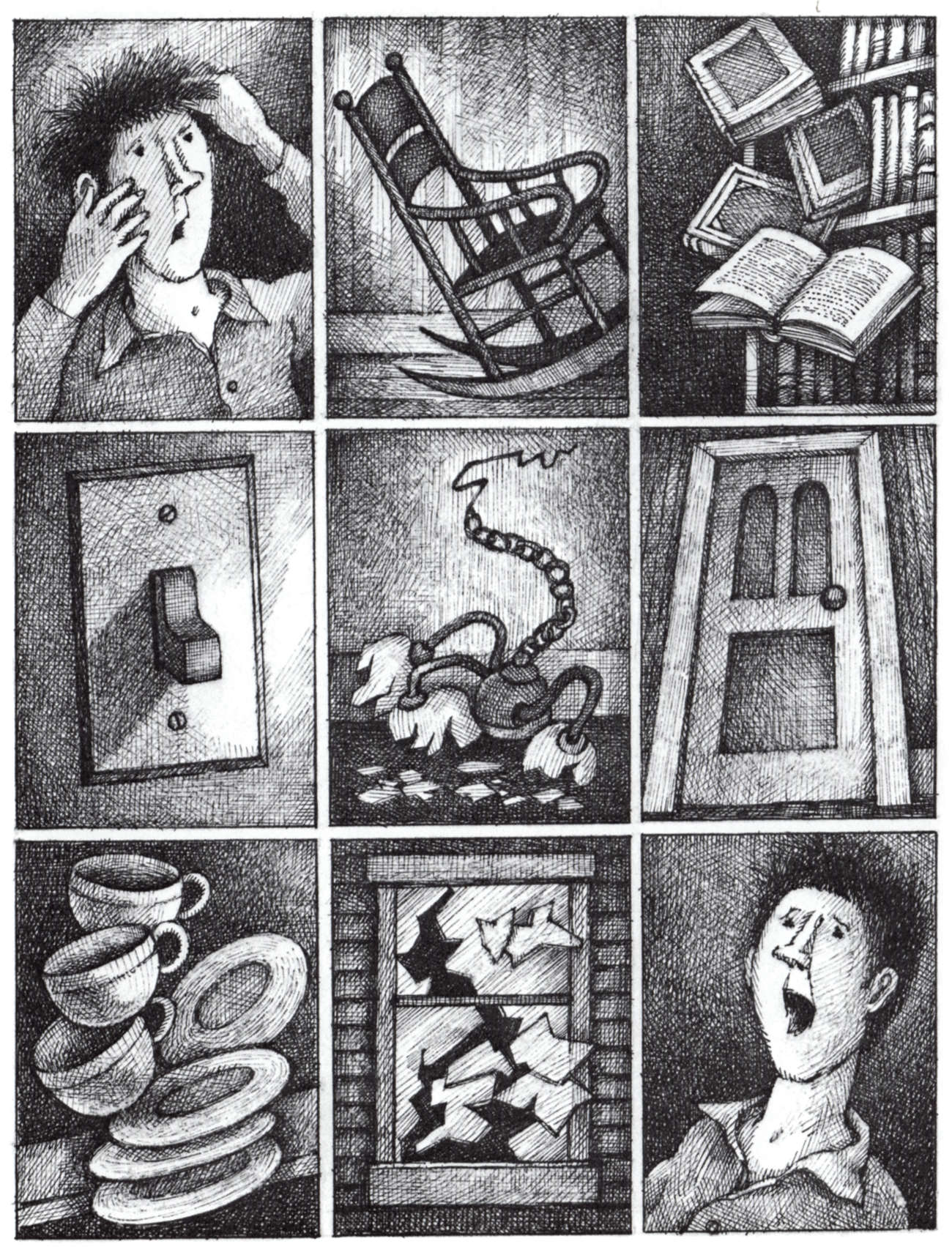
SOURCE: Jack Prelutsky, The Headless Horseman Rides Tonight: More Poems to Trouble Your Sleep (NY: Greenwillow Books, 1980), illustrated by Arnold Lobel.
Back in August, I bought a small stack of gothic paperbacks with covers that depict women fleeing from castles, houses, men, etc., that I thought I might scan and post in the run up to Halloween this year, but now it looks like that is not going to happen.
(What can I say? I simply lost interest.)
A few minutes ago, however, I did manage to scan the cover of Daniel P. Mannix’s The History of Torture (London: New English Library, 1970), with art by Victor Kalin:
[CLICK IMAGE TO ENLARGE]

ABOVE: Daniel P. Mannix, The History of Torture (London: NEL, 1970), with cover art by Victor Kalin.
Kalin’s work was not produced specifically for Mannix’s book but rather was repurposed from an earlier publication, Peter Saxon’s The Torturer (NY: Paperback Library, 1967). Although both covers are dominated by Kalin’s painting, the NEL version stands out as the better of the two due to the designer’s selection of a title font that echoes the gothic details of the artwork.
[CLICK IMAGES TO ENLARGE]
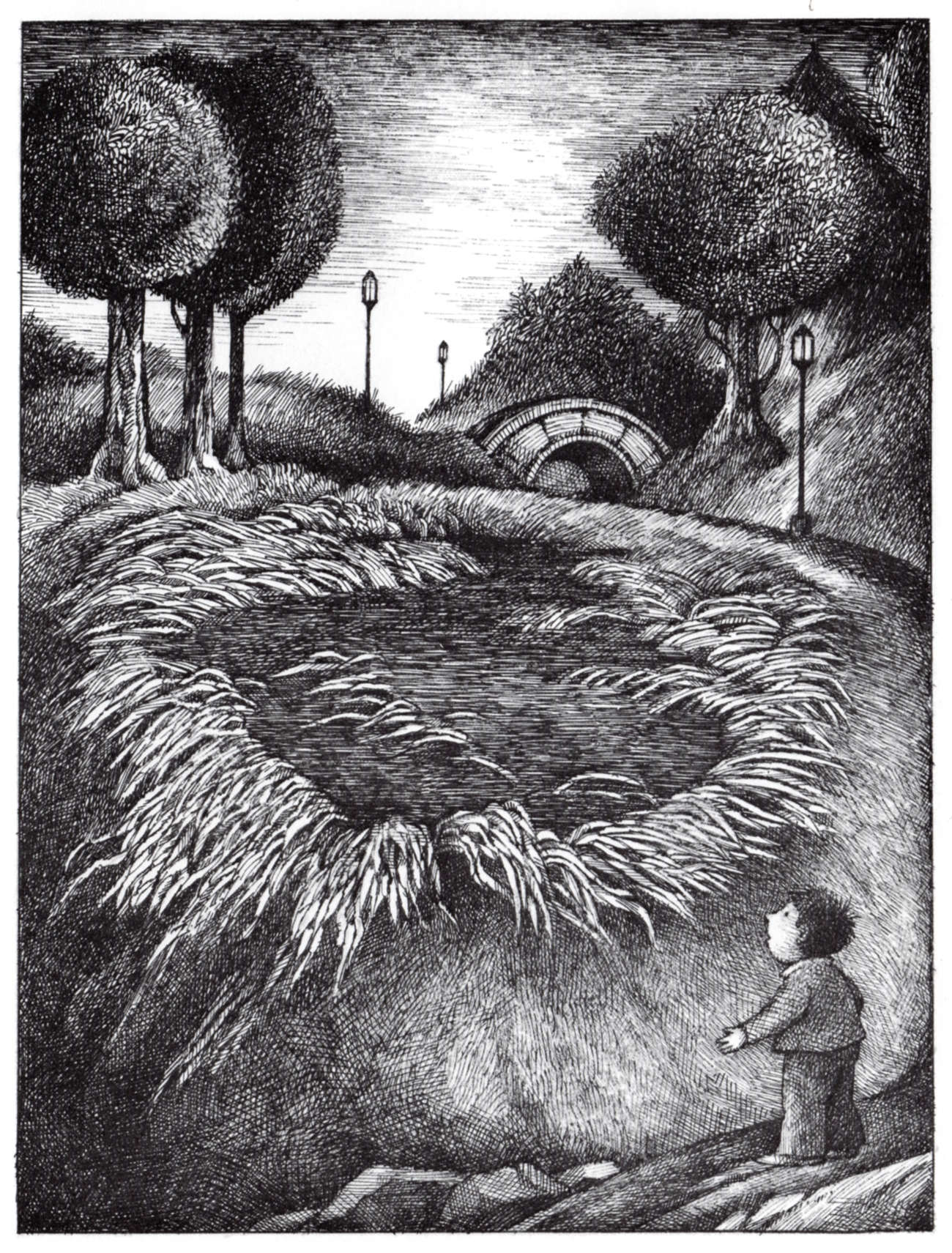
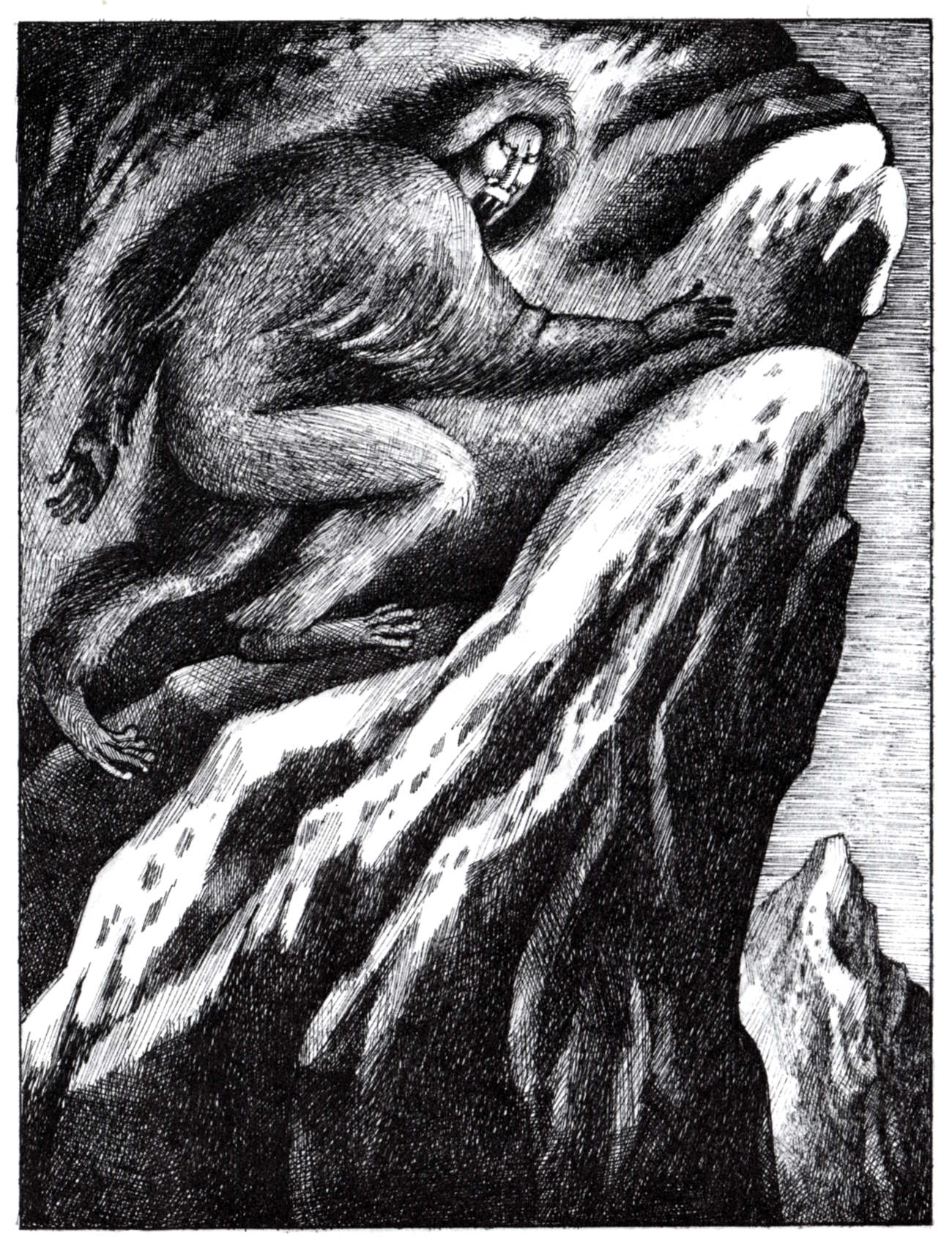
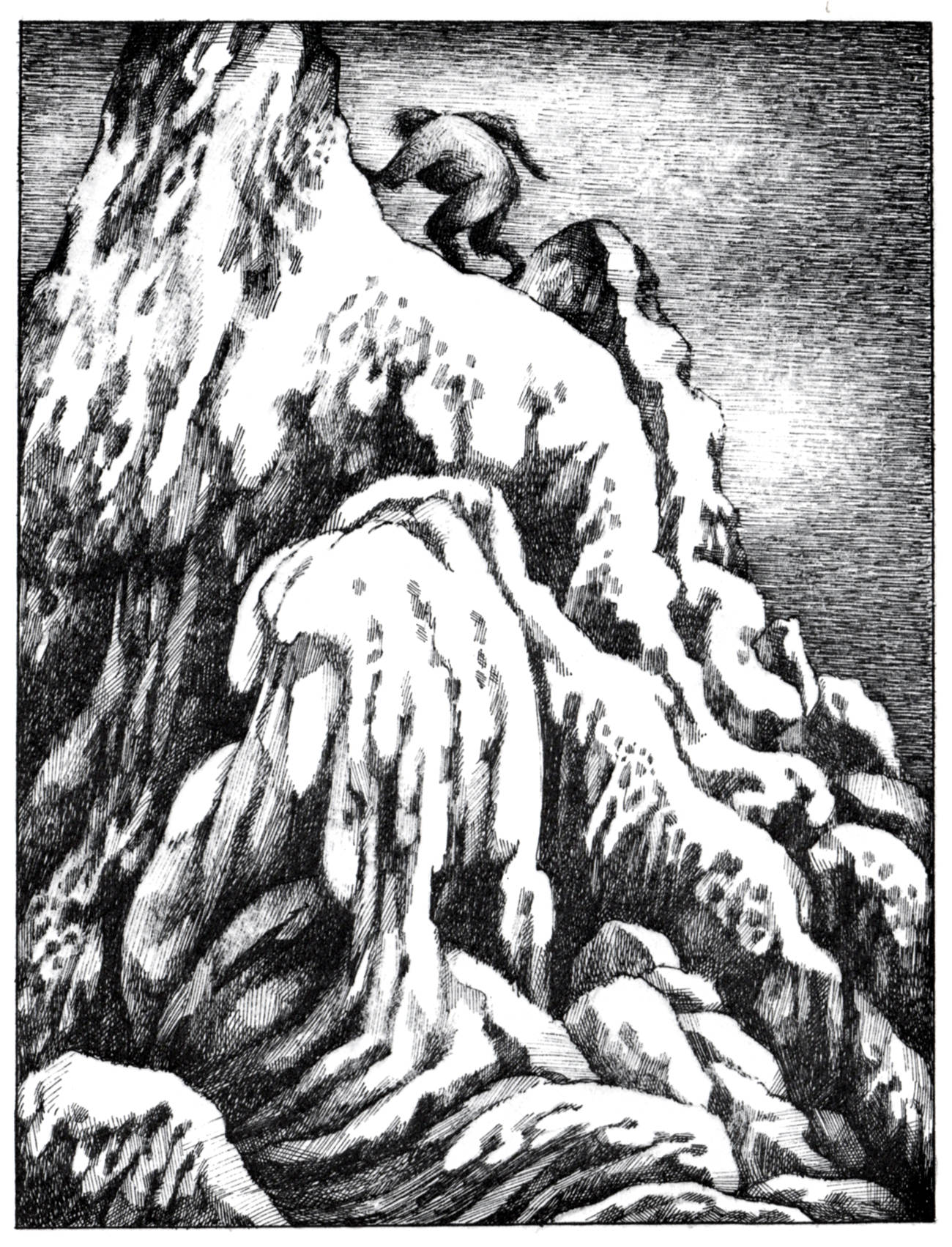
SOURCE: Jack Prelutsky, The Headless Horseman Rides Tonight: More Poems to Trouble Your Sleep (NY: Greenwillow Books, 1980), illustrated by Arnold Lobel.
According to the RCN webstats, the various posts here of illustrations by Sergius Hruby have been sorta-kinda popular, so in the interest of sucking up to the faceless semi-horde, here’s yet another (and probably the last) more or less random display of Hruby, selected, processed, and posted by me from the Austrian humour/men’s magazine, Die Muskete, via the online archive of the Austrian National Library:
[CLICK IMAGES TO ENLARGE]


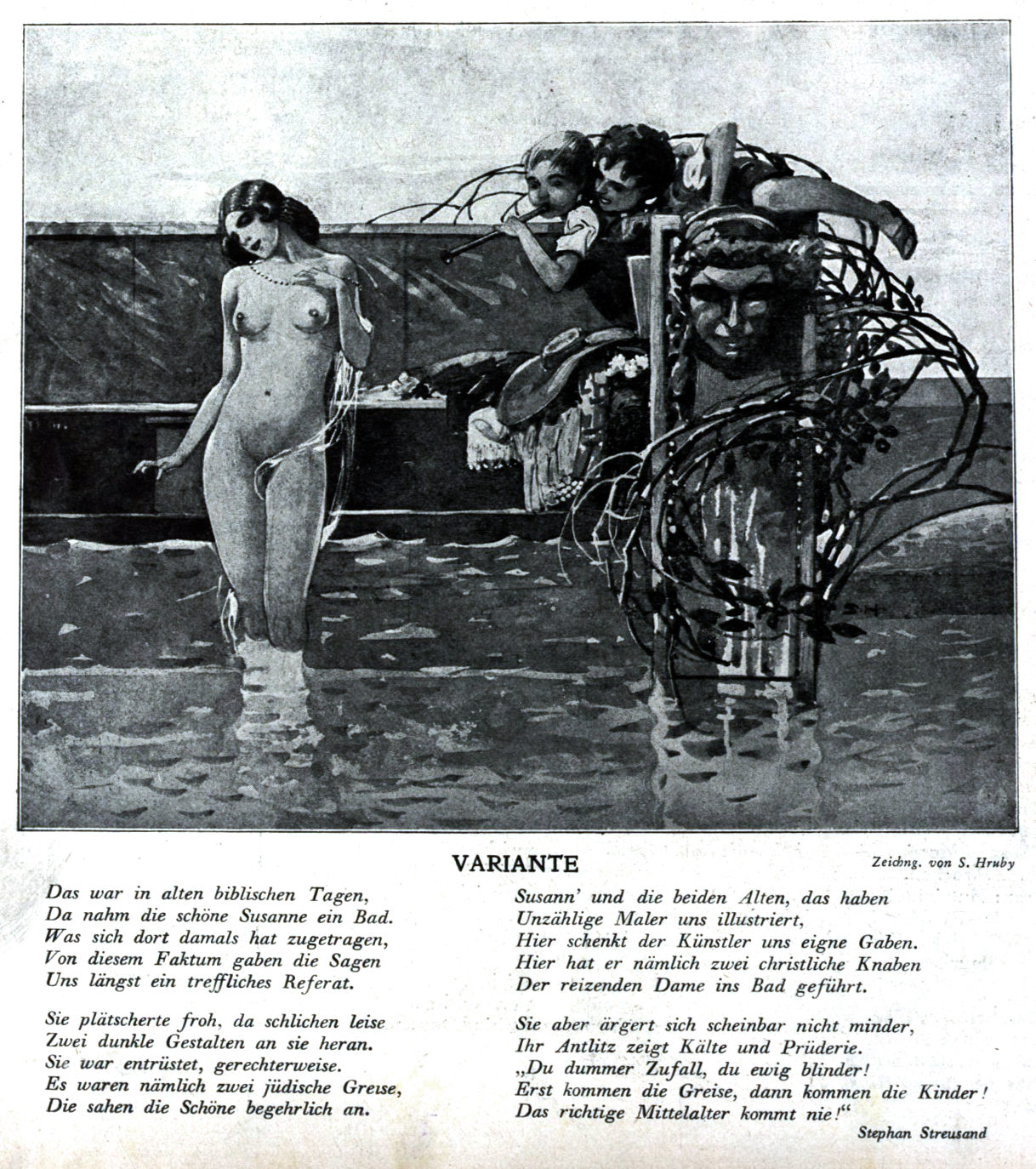
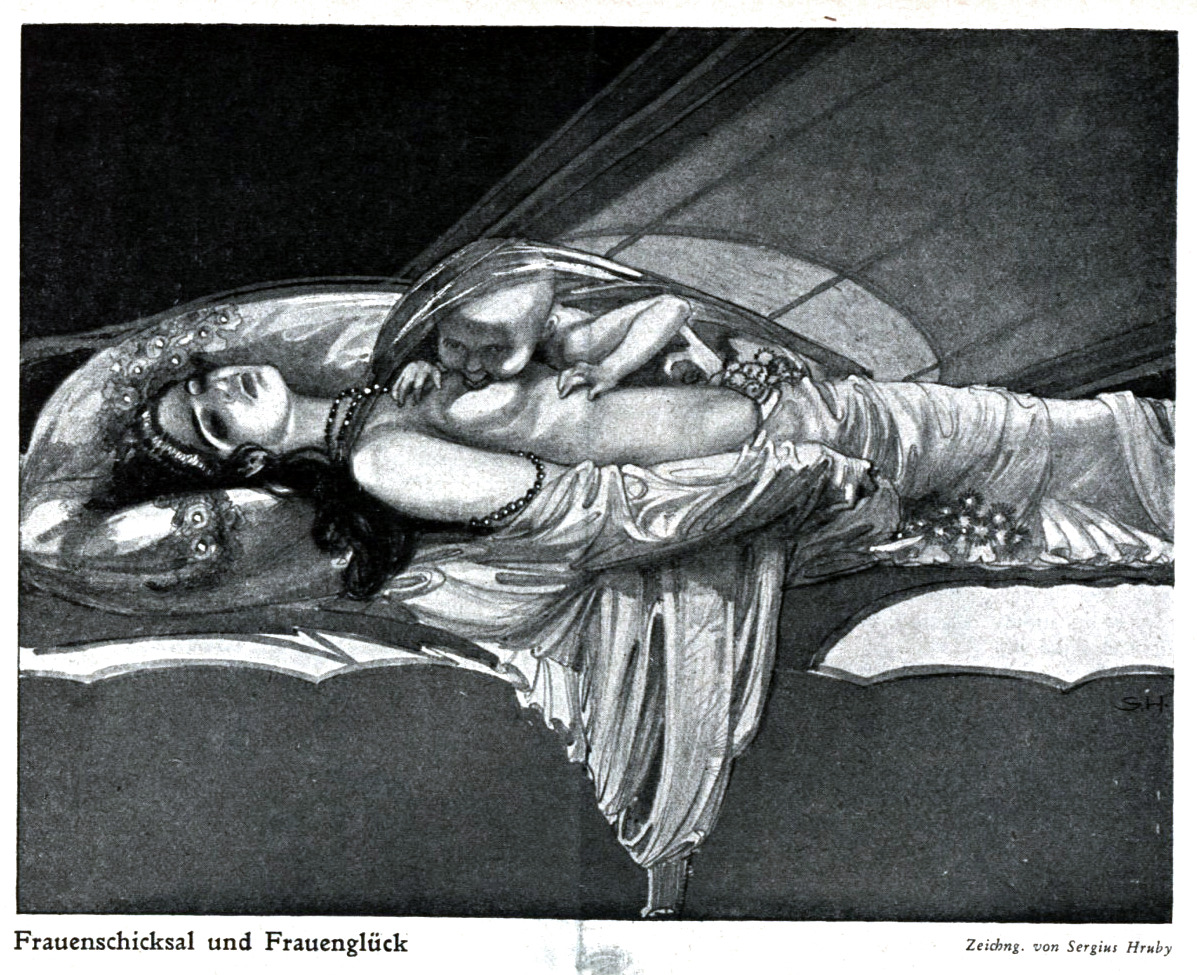
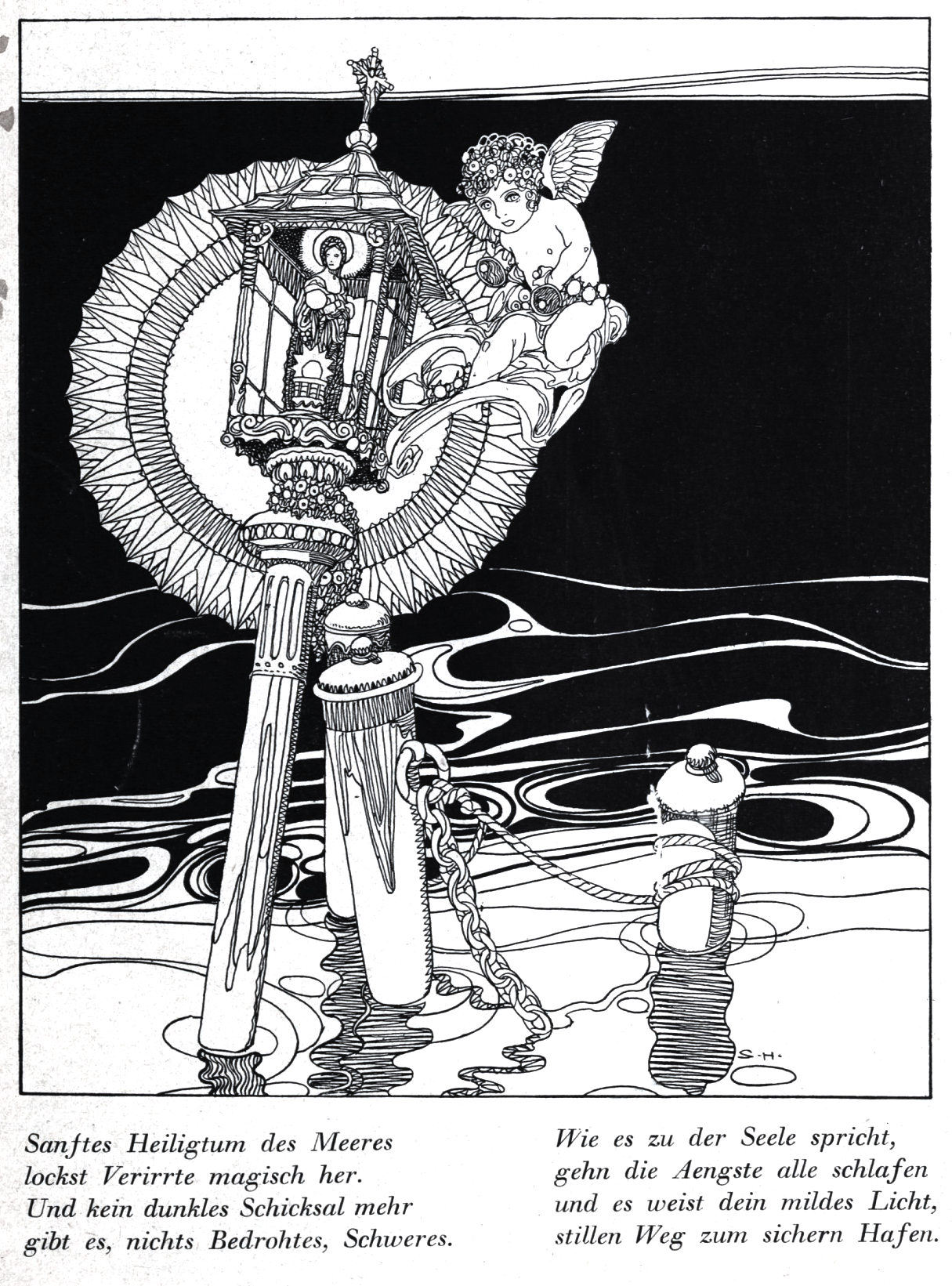
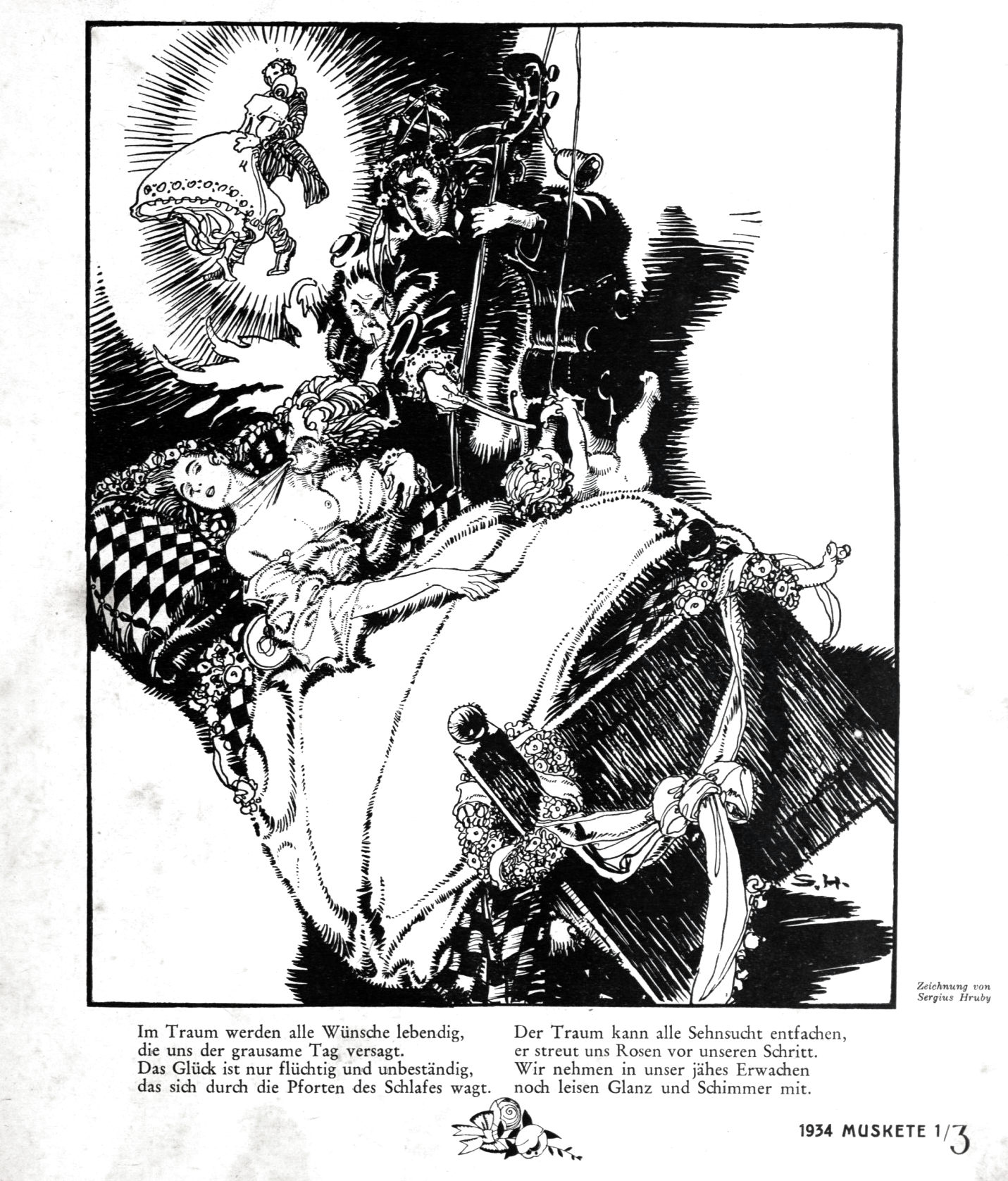


Specific publication information for each image is included in the file name, as usual.
RELATED LINKS:
[CLICK IMAGES TO ENLARGE]
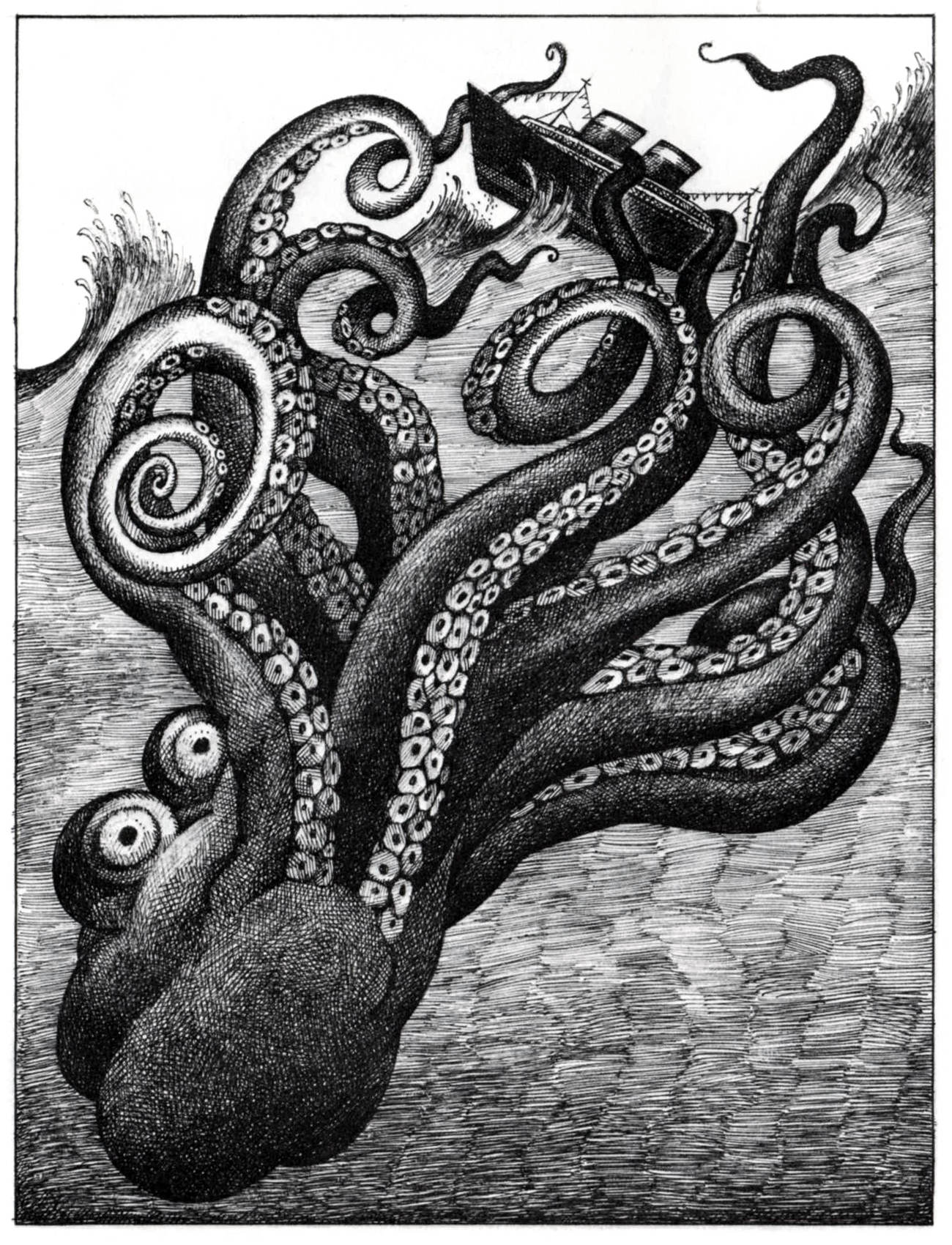


SOURCE: Jack Prelutsky, The Headless Horseman Rides Tonight: More Poems to Trouble Your Sleep (NY: Greenwillow Books, 1980), illustrated by Arnold Lobel.
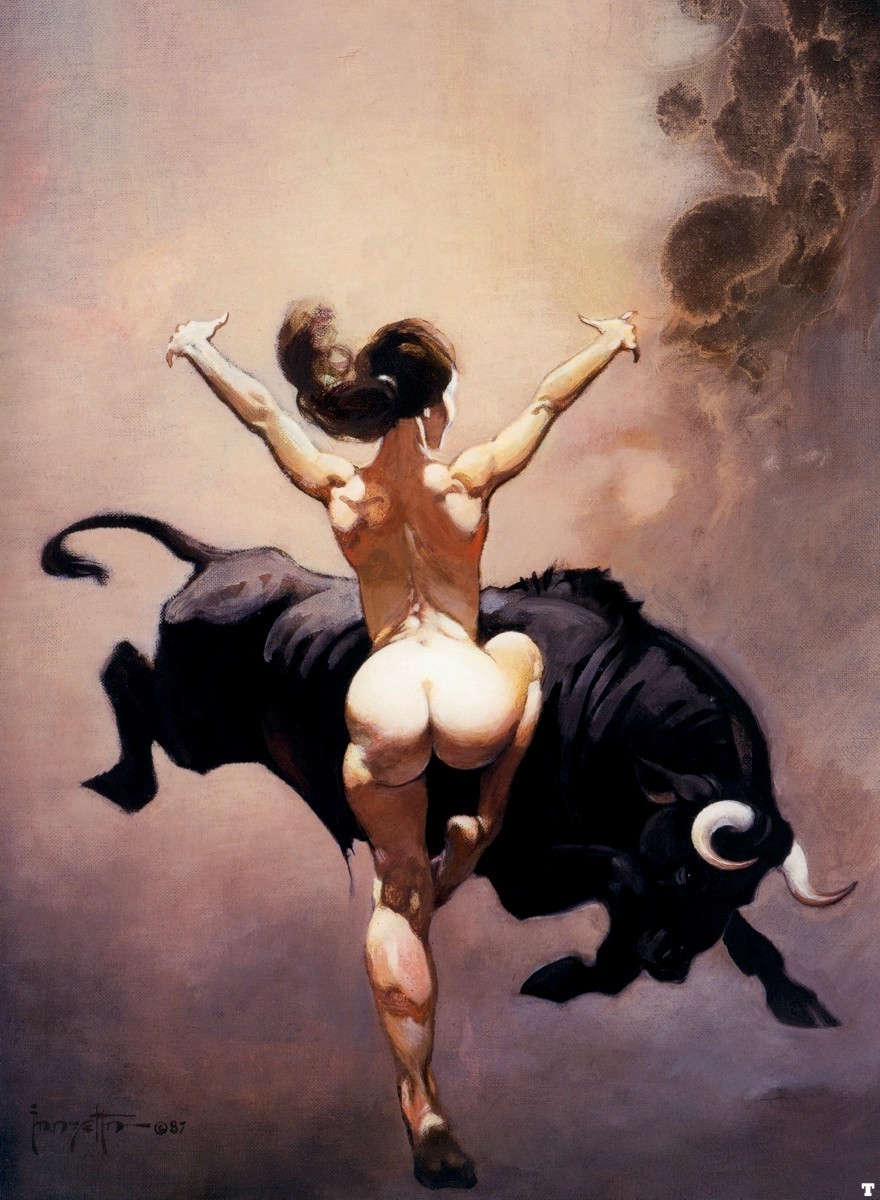
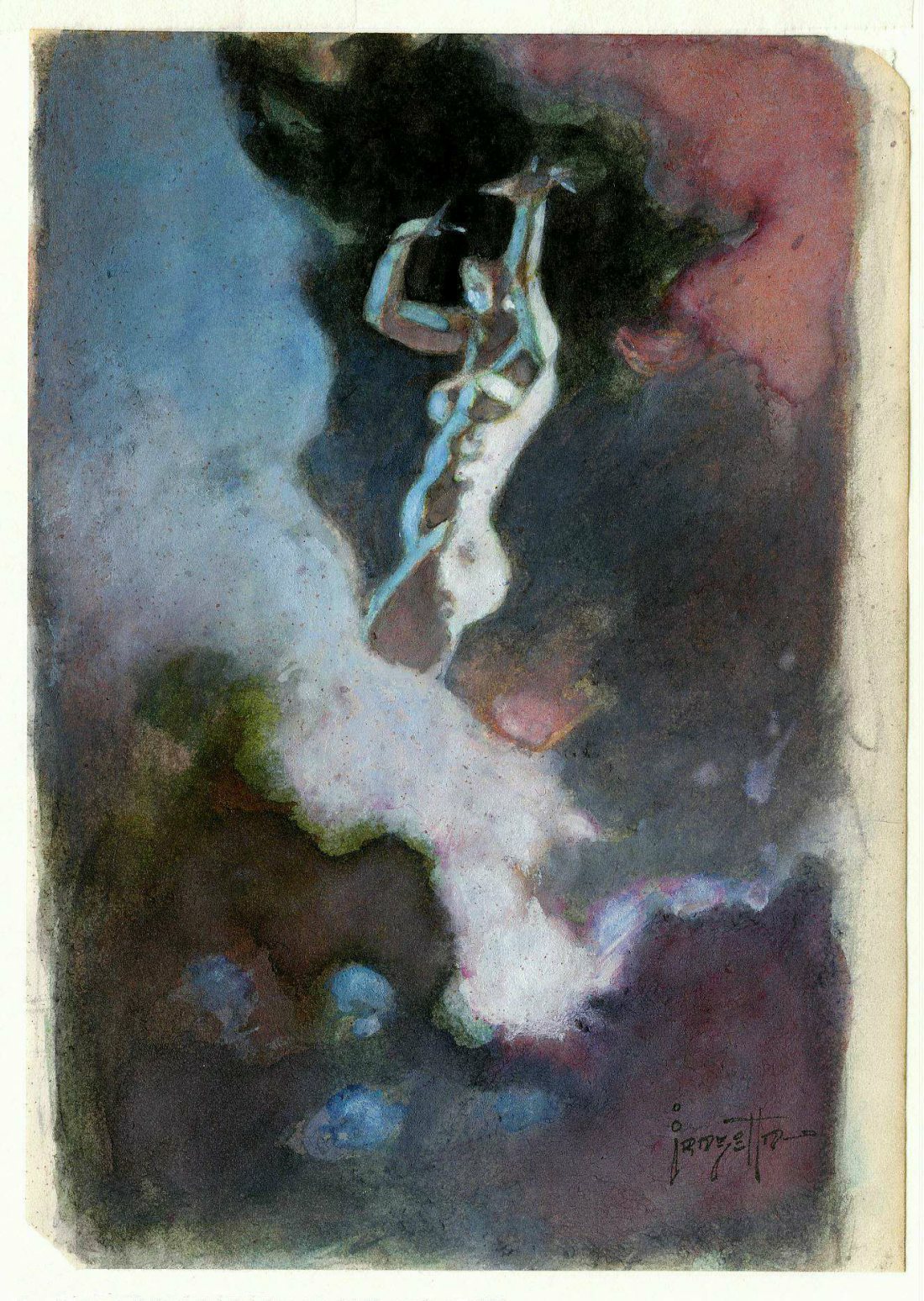
I’m not going to put forth any arguments here regarding a possible chain of influence from Wyeth to Fischl to Frazetta (because I don’t think there is one), the relative quality of the three paintings pictured below (because none of them is truly first rate), the relative merits of “fine art” versus “illustration art” (because I don’t care about the issue), etc. I just have a hankering to see these three paintings mashed together in one post:
[CLICK IMAGES TO ENLARGE]
BONUS IMAGES:

The novel is from my collection, the title is No Blade of Grass, the author is John Christopher, the cover artist is Michael Presley, and the cover scan is right here:
[CLICK IMAGE TO ENLARGE]

ABOVE: John Christopher, No Blade of Grass (New York: Avon, 1980), with cover art by Michael Presley.
All six of the images posted below come from the website of the Historic Houses Trust (HHT) of New South Wales (NSW), which hosts an amazing digital public archive that includes forensic photography collected and created by the NSW Police between 1912 and 1964:
[CLICK IMAGES TO ENLARGE]
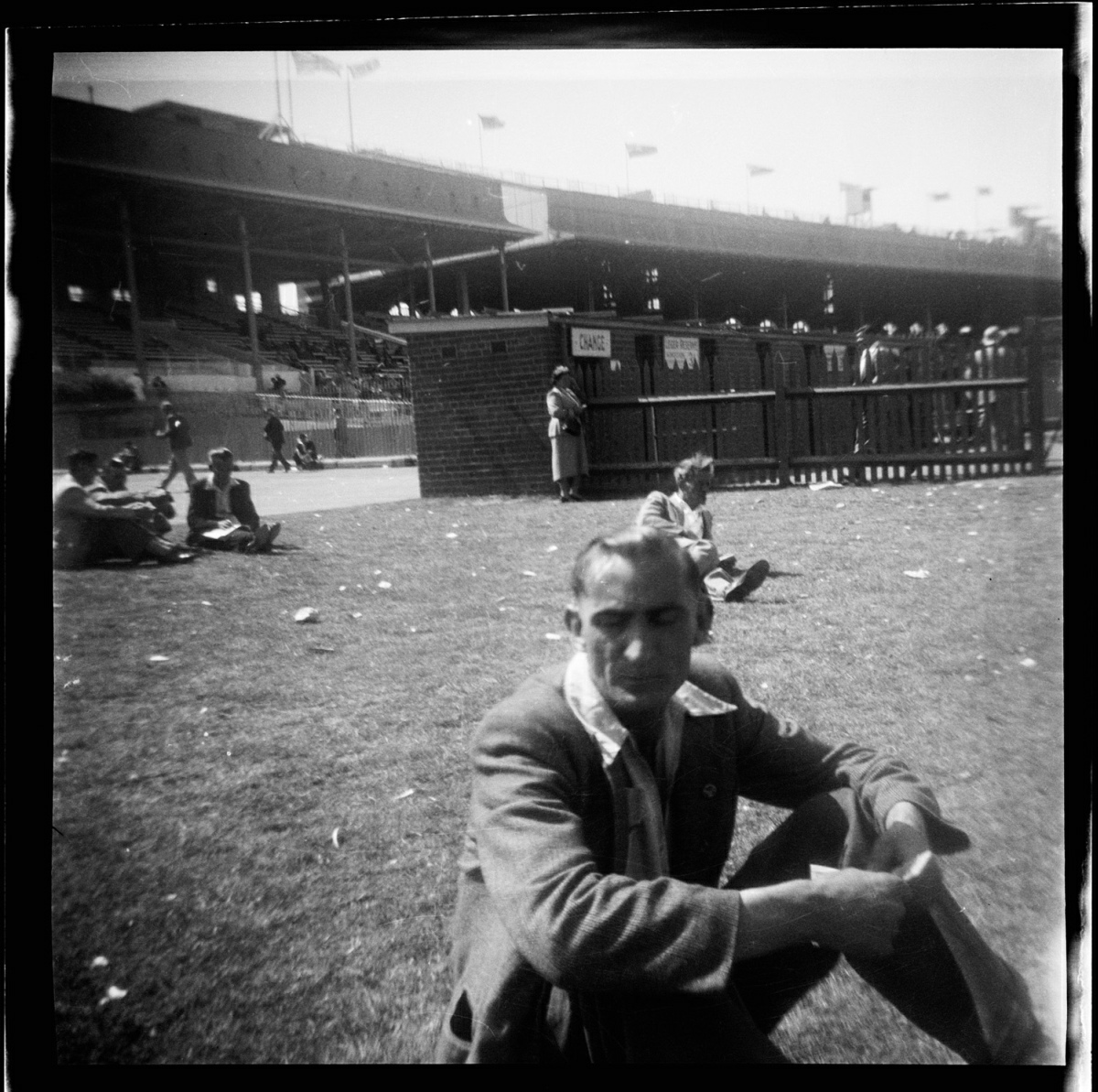
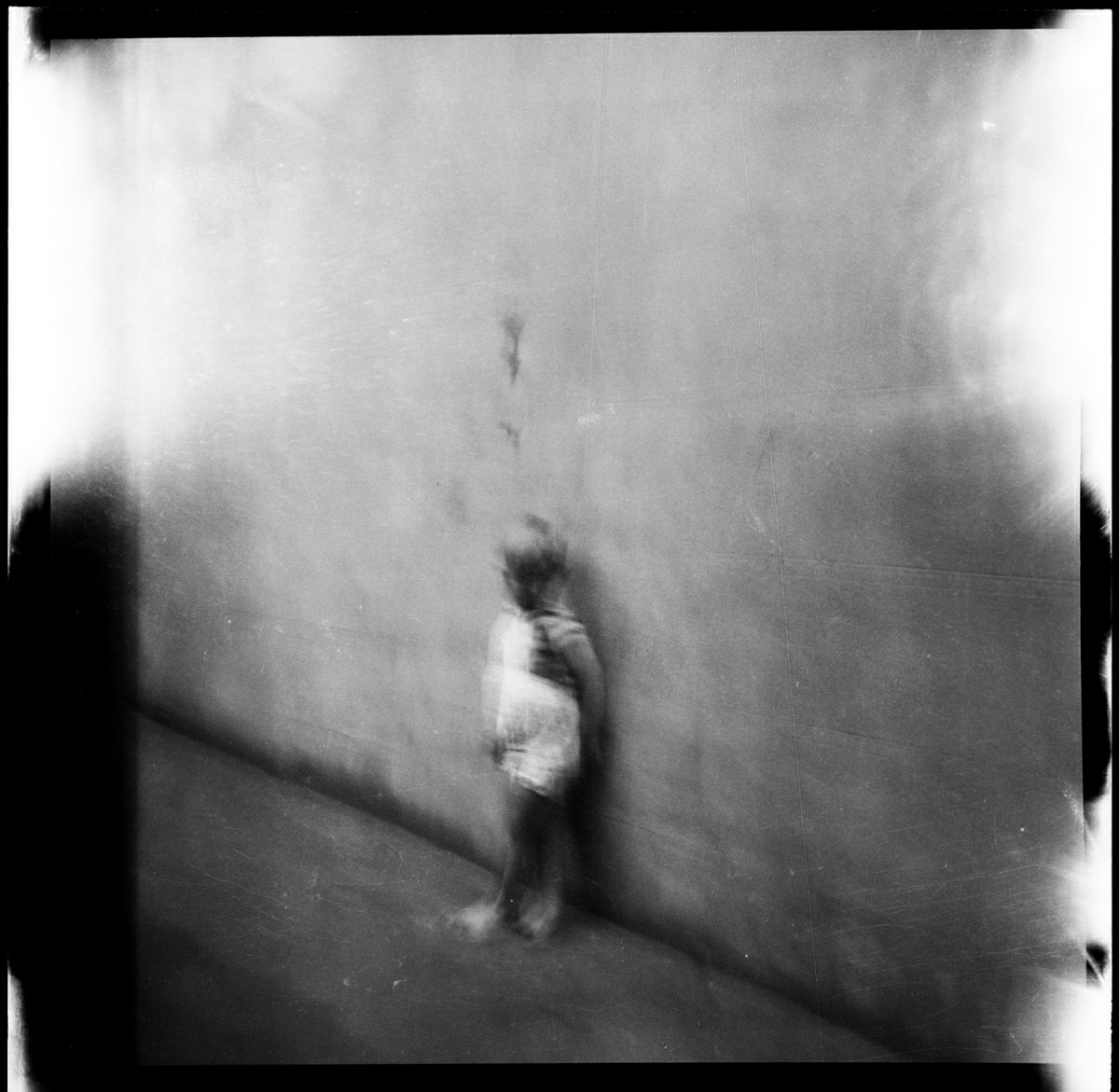
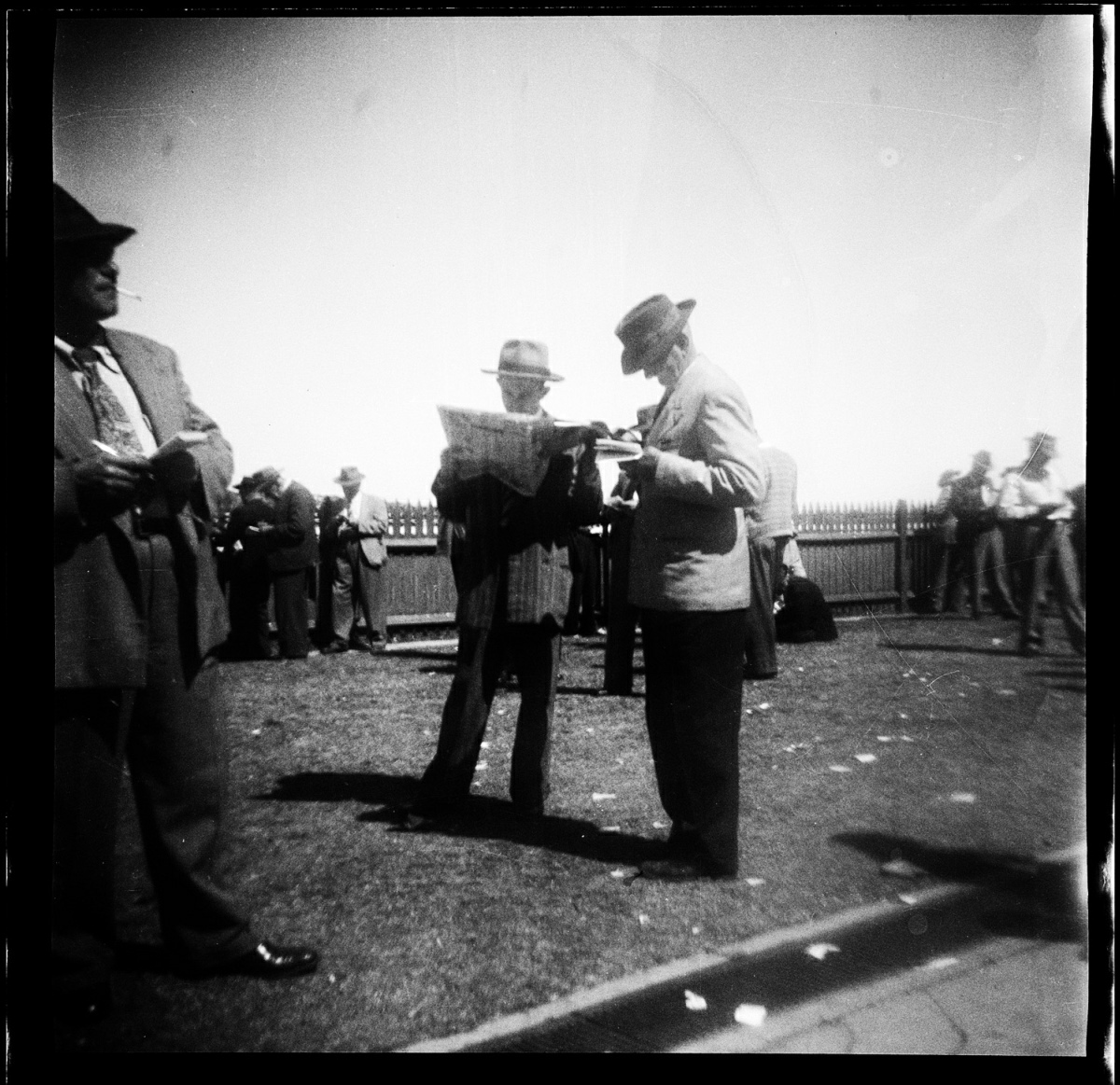
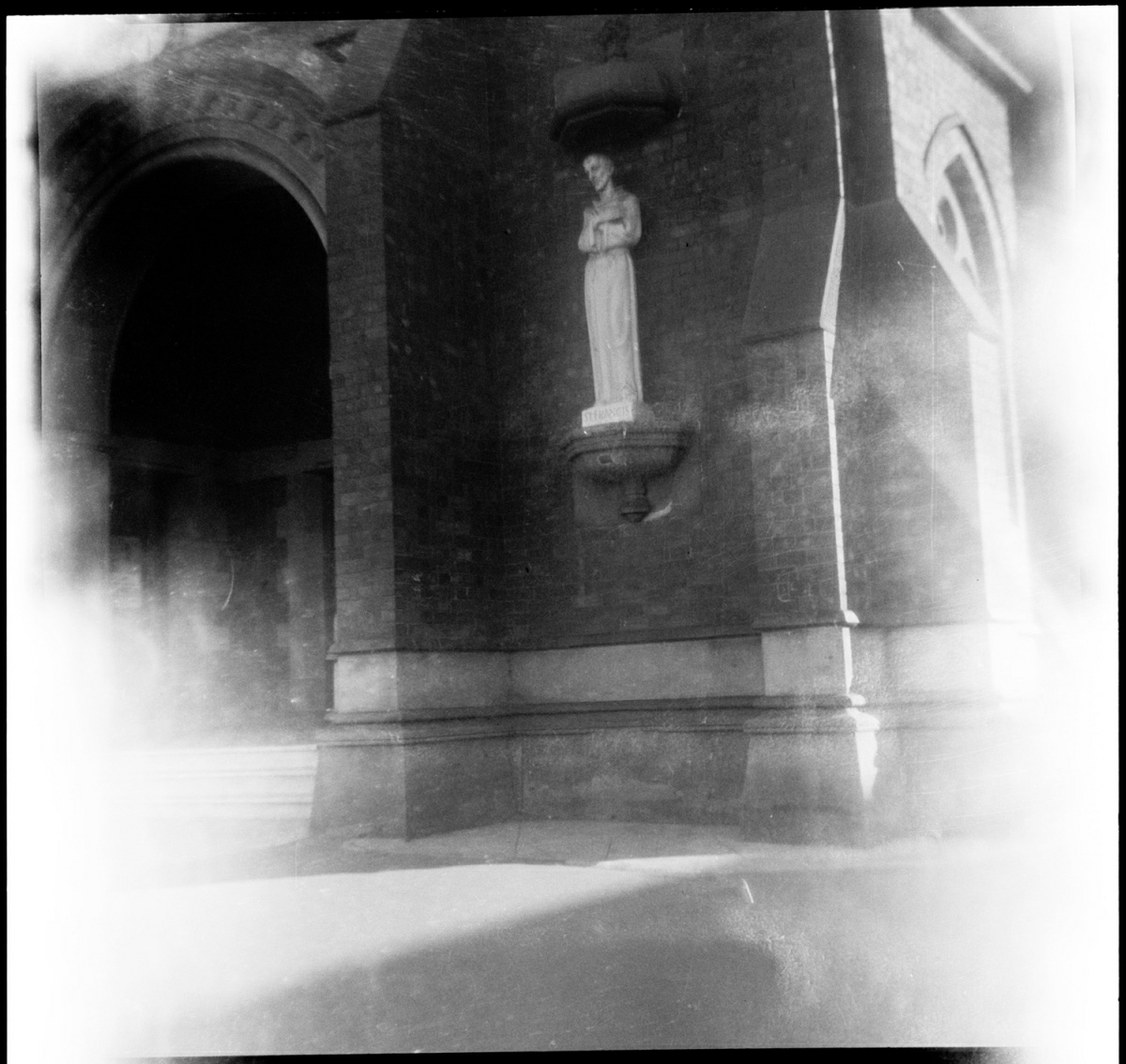
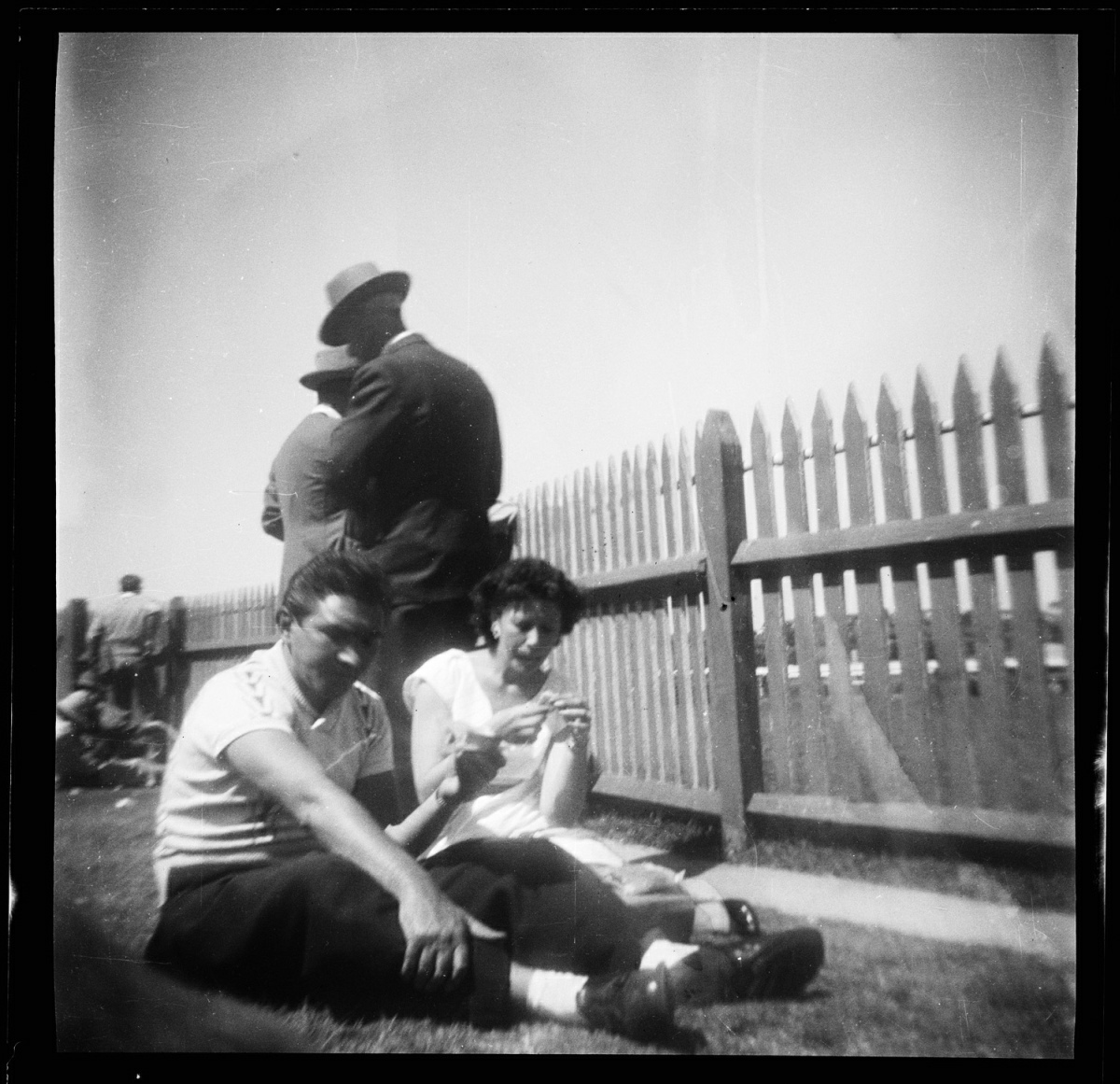
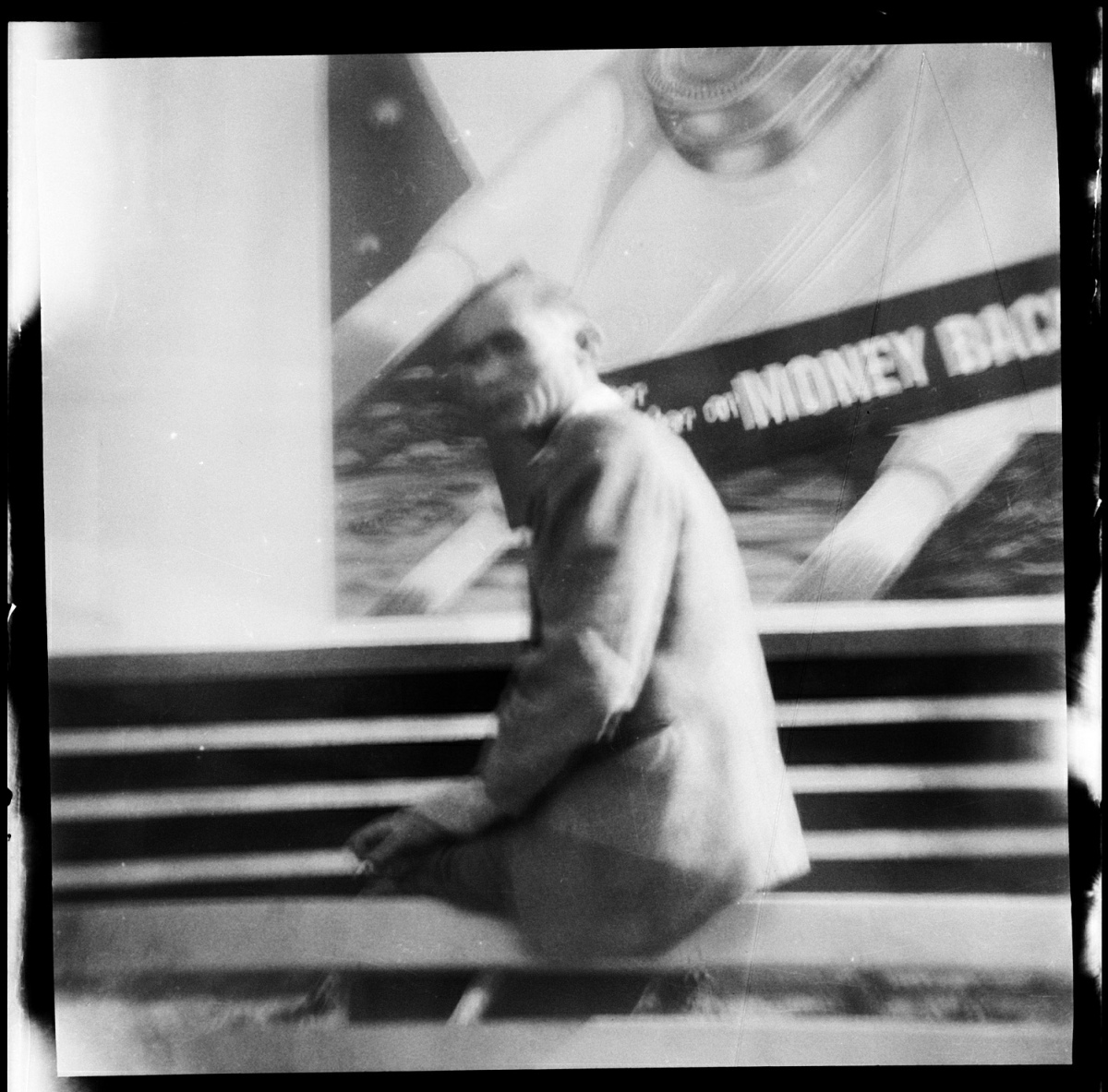
The images are all from envelope no. 55/2763, and have been catalogued and posted by HHT in sequence: 36418, 36419, 36420, 36422, 36423, 36424.
The online records all include the same one line description — “Film in stolen camera, location unknown” — and the same date, 20 October 1955 — 58 years ago today!
Where were the photographs taken? A racetrack? A racetrack for what? Horses? Dogs? Is the person who stole the camera visible in any of the photographs? Are any of those people still alive? Does the ghostly apparition in short pants in the second photograph have grandkids who are excited to squirm into their costumes and haunt the surrounding neighbourhoods at Halloween this year? What was the attraction of the white stone statue — a monk? a saint? — in the niche on the side of that building? What is that building, anyway? A church? The entrance to the track? What is beyond that picket fence?
Why are blurry old black-and-white snapshots of the inscrutable activities of strangers so intriguing, so disturbing, so haunting?
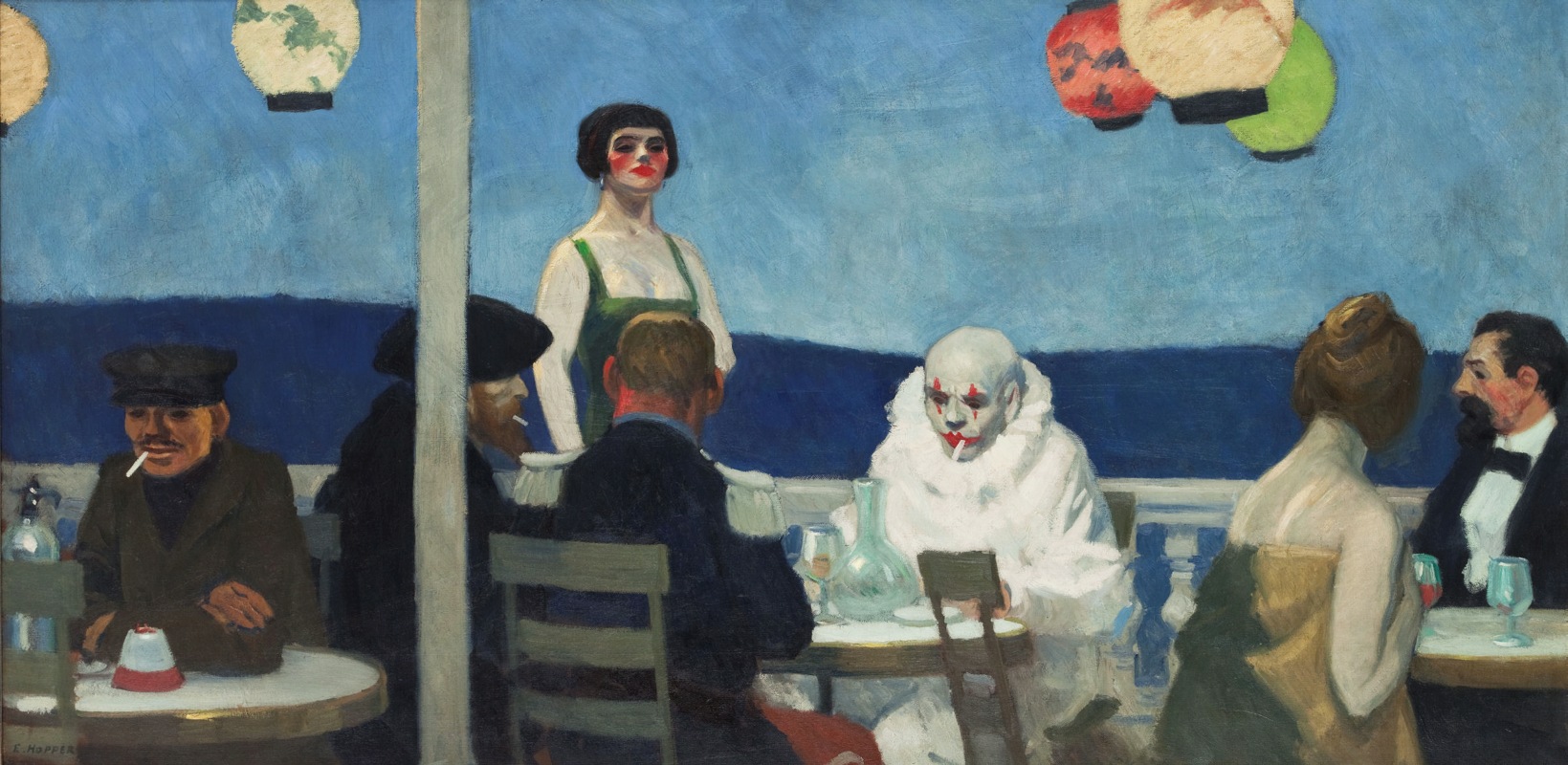
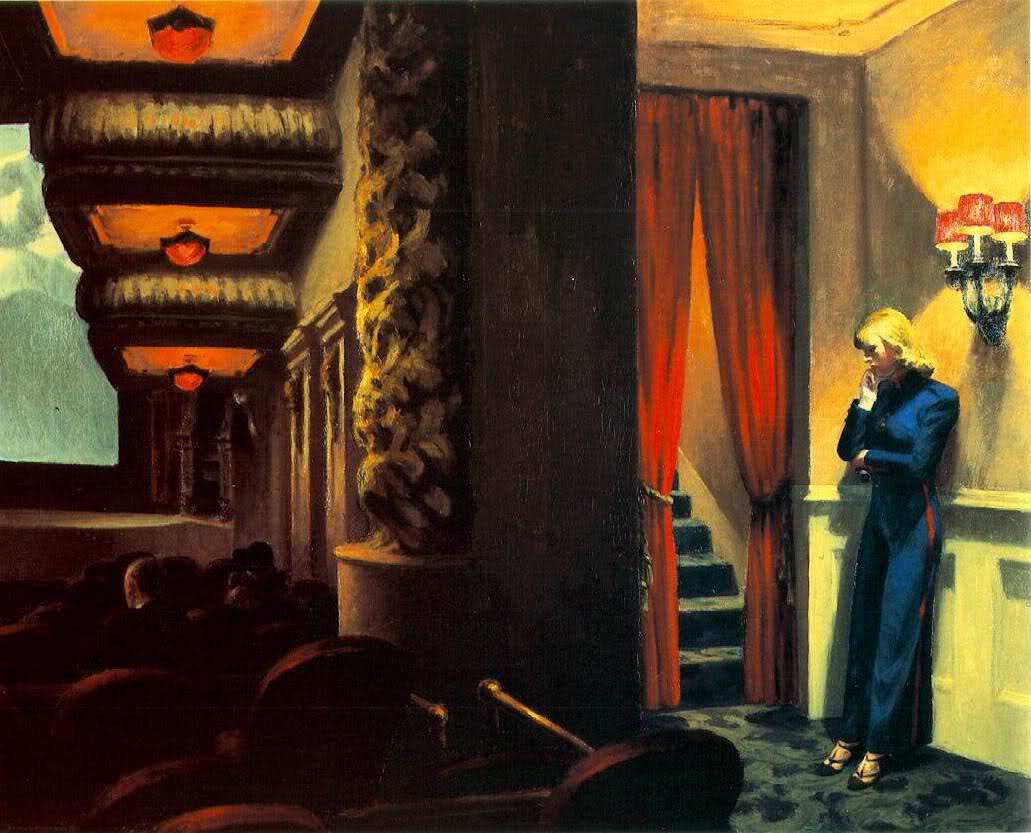
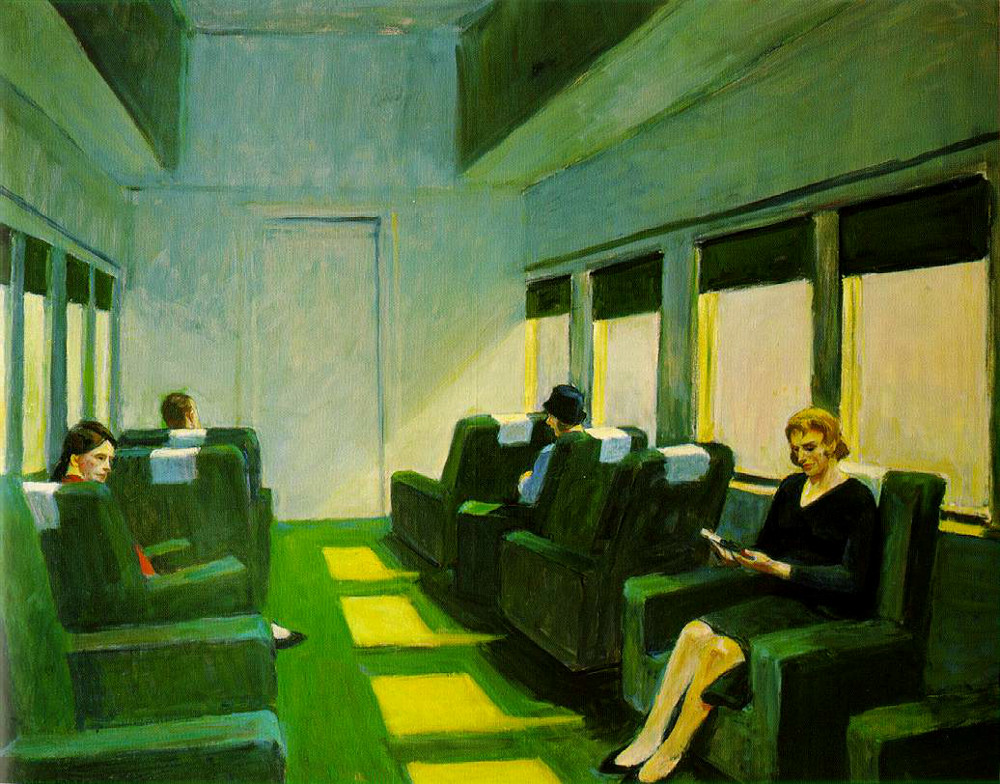
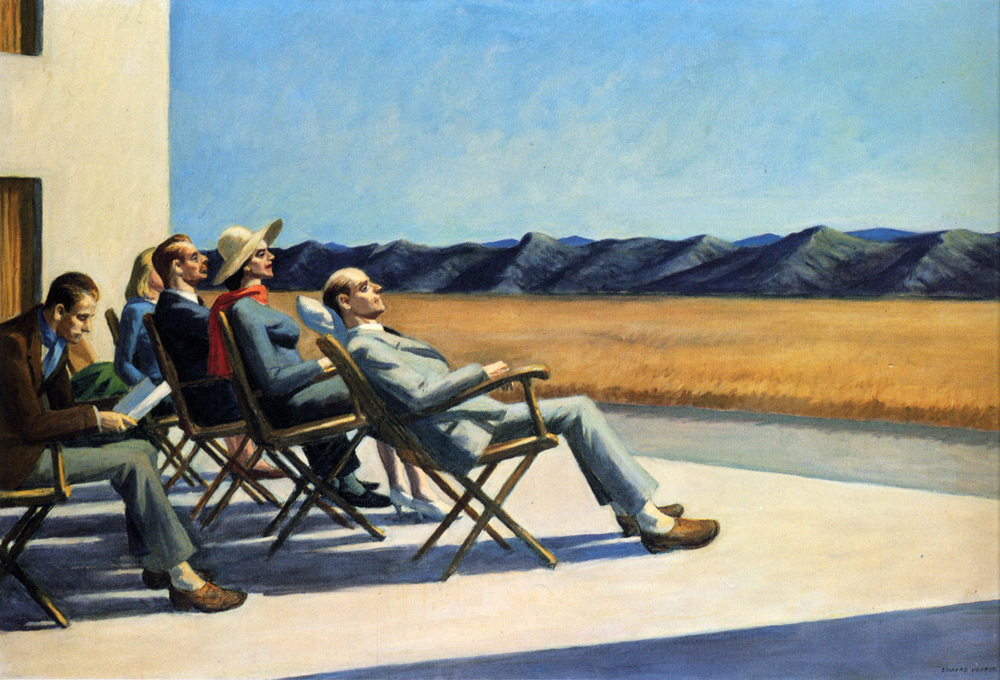
Think they’re boring… scroll back slowly and think again… the tightly composed shot of the middle-aged men in hats, heads down, uncommunicative, one with his nose in a newspaper, the others either writing on or consulting folded pieces of paper — or are those racing forms? — a solemn assembly of punters, perhaps, each out for himself, preserved for posterity on a close-cropped stretch of lawn, with a picket fence marking the limits of their freedom, preventing them from wandering into the void beyond, I say, that snapshot, especially, conveys a Hopperesque feeling of human existential aloneness in a crowd that deepens the mystery of everyday life despite the fact that the effect is, almost certainly, entirely unintentional…
BONUS IMAGES (added 20 October 2013):
[CLICK IMAGES TO ENLARGE]
Two more Moorcocks with art by Bob Haberfield this morning, as promised yesterday:
[CLICK IMAGES TO ENLARGE]
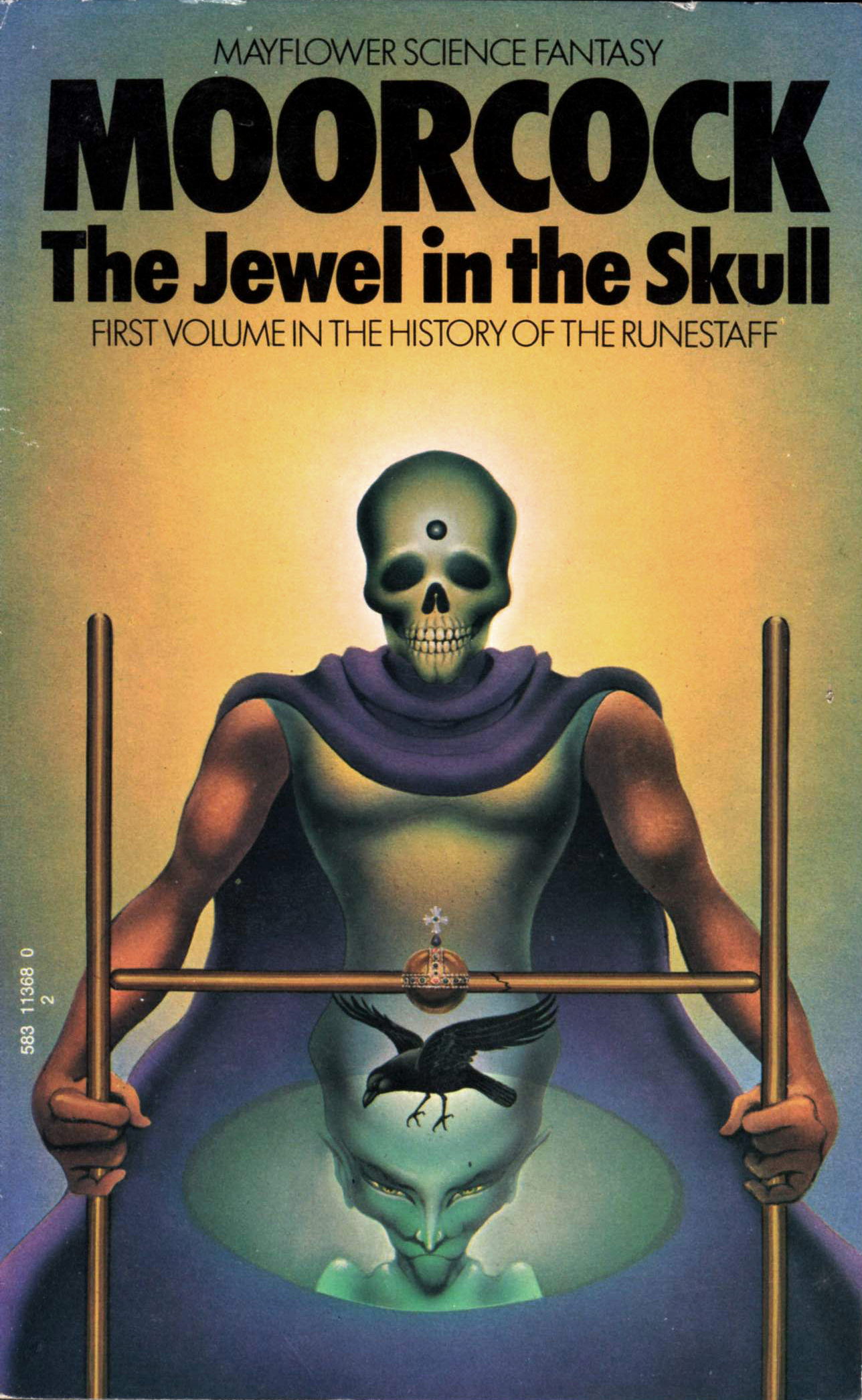
ABOVE: Michael Moorcock, The Jewel in the Skull (Frogmore: Mayflower, 1973), with cover art by Bob Haberfield.
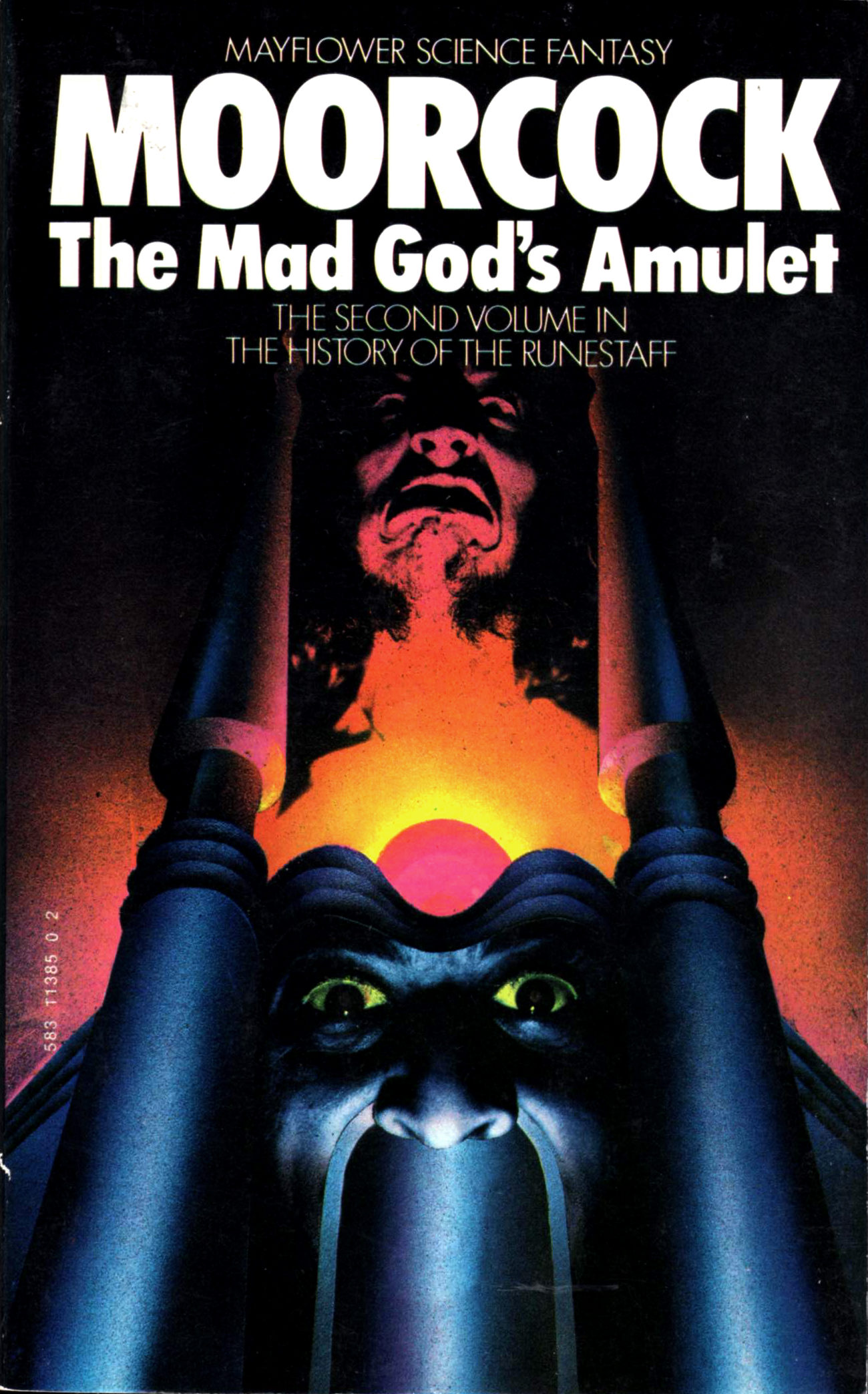
ABOVE: Michael Moorcock, The Mad God’s Amulet (Frogmore: Mayflower, 1974), with cover art by Bob Haberfield.


 Ragged Claws Network