Sad news today that the great cartoonist and illustrator, John Severin, died on Sunday 12 February 2012 at the age of 90, thereby leaving only Al Feldstein and Jack Davis as the last men standing from the legendary “EC Comics” stable of editors and artists. Although he worked as a penciller, inker, or penciller/inker, in nearly every genre comics has to offer, Severin was probably best known and most admired for his award-winning contributions to humour, western, and war comics.
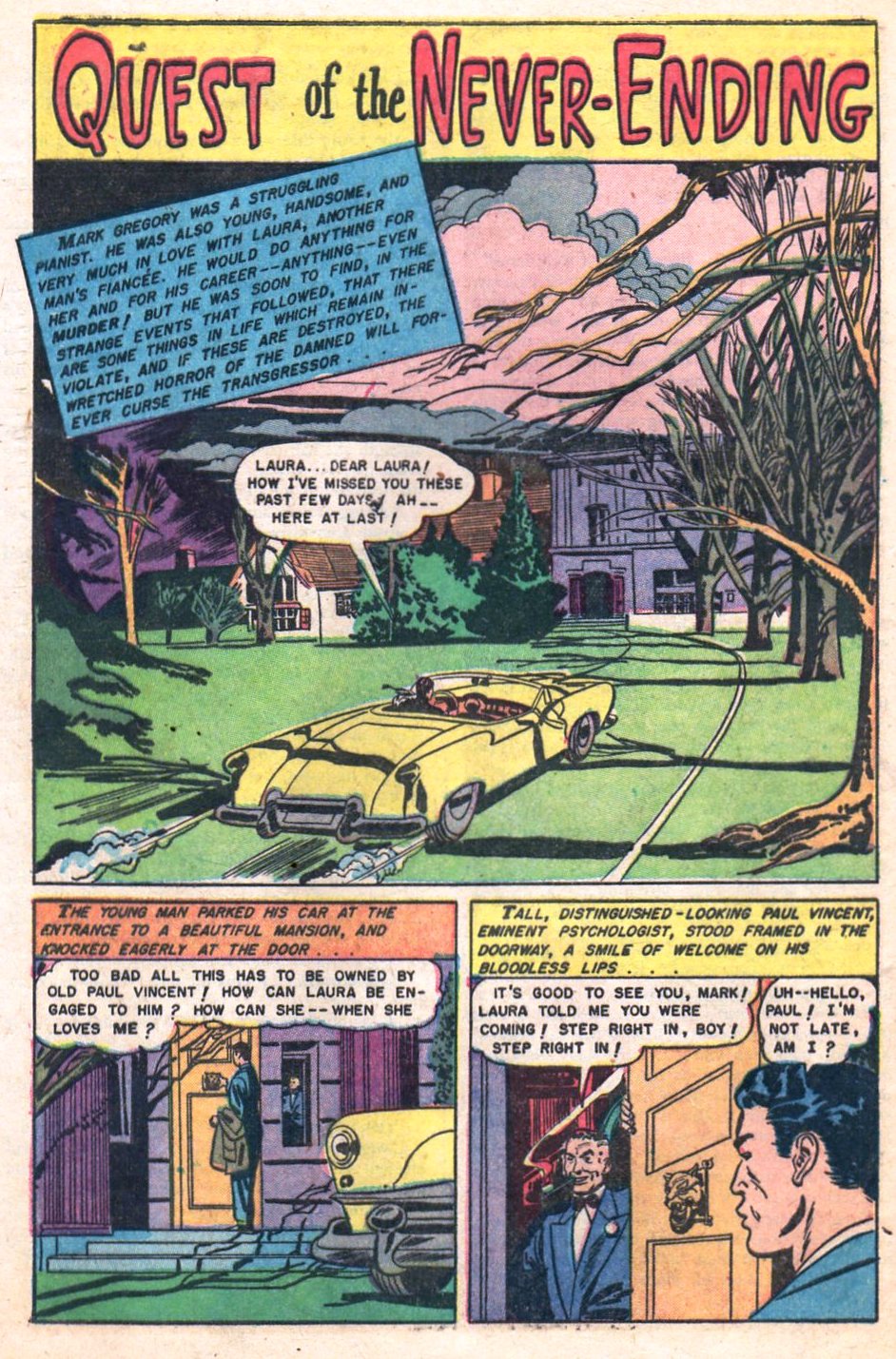
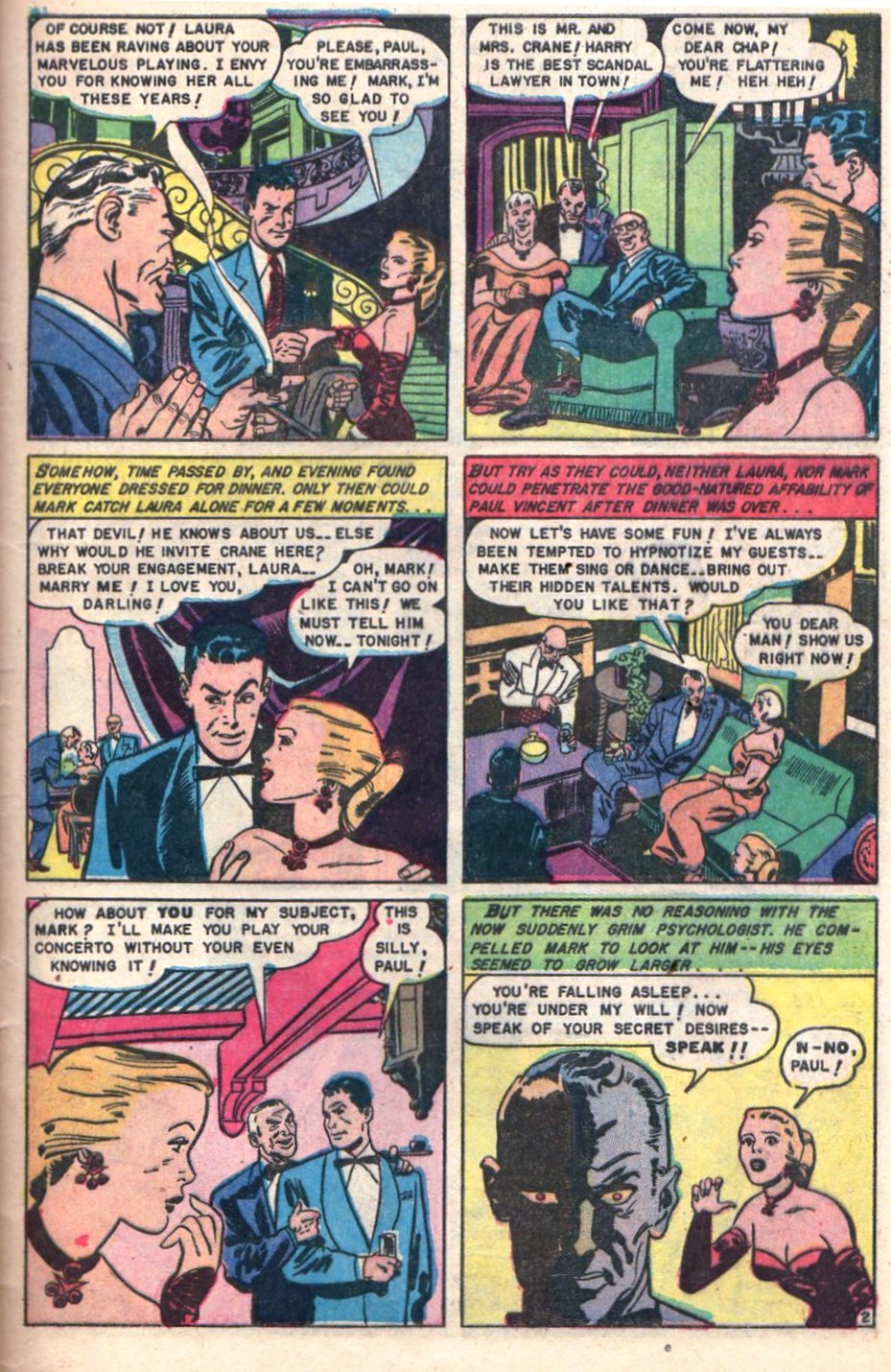
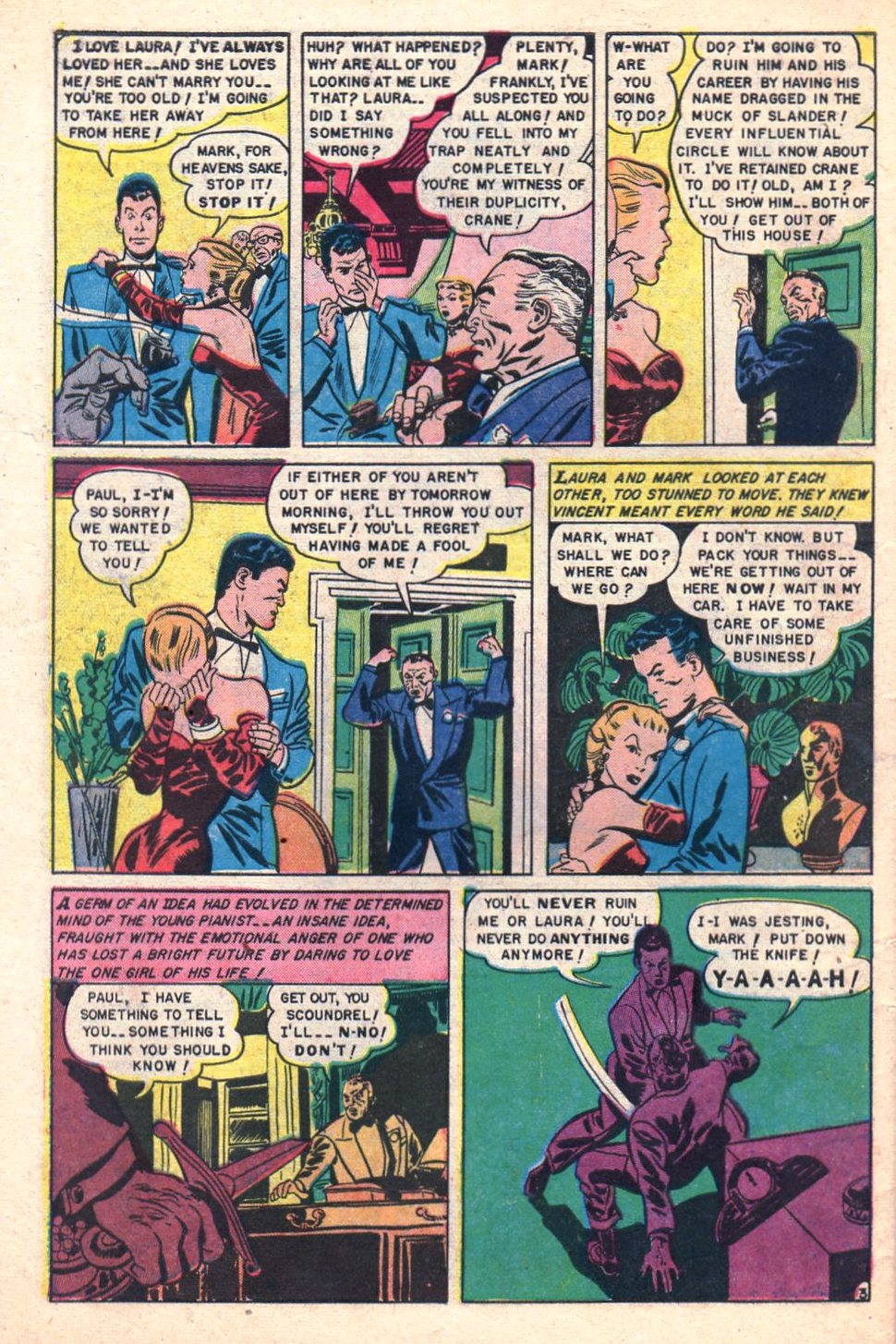
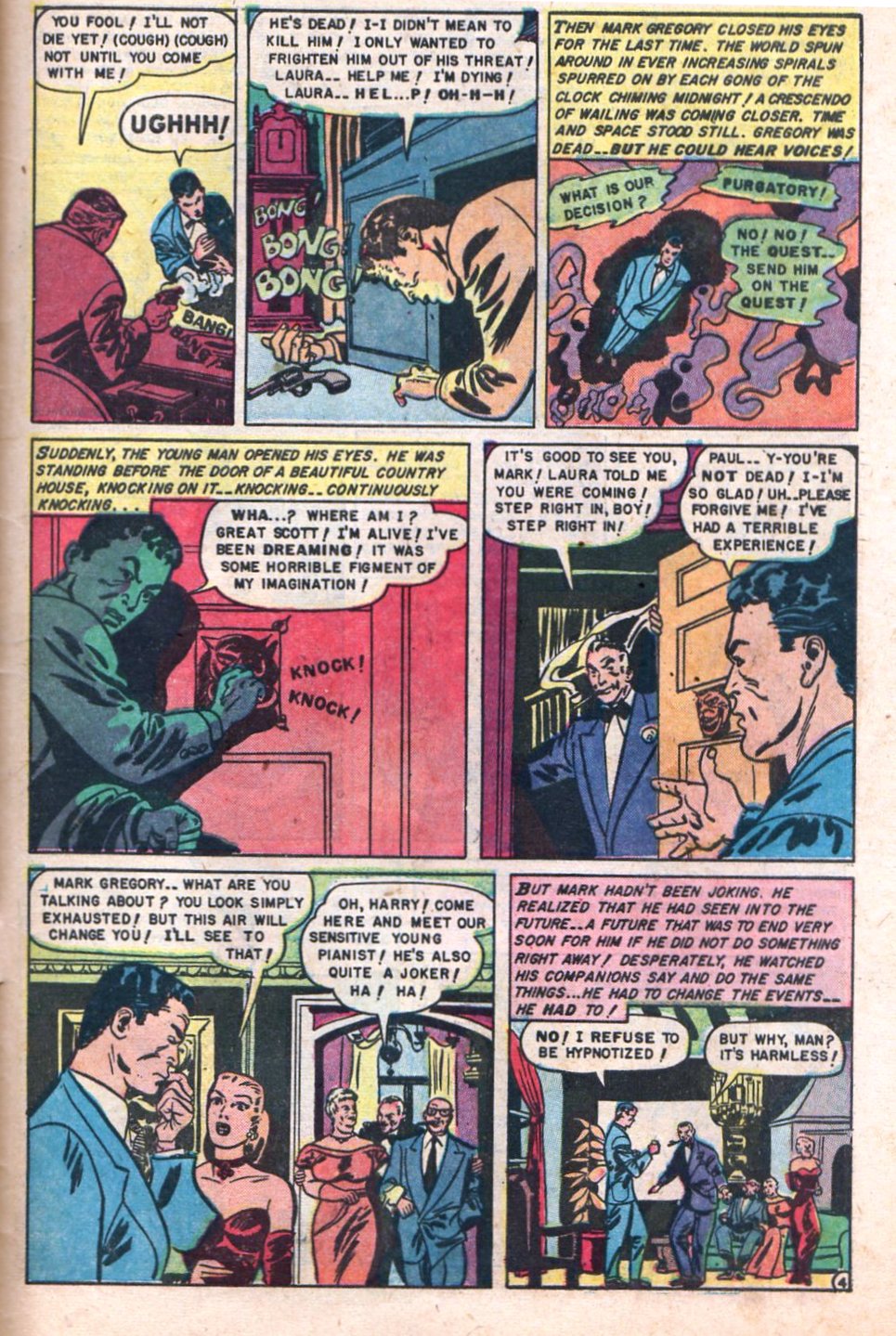
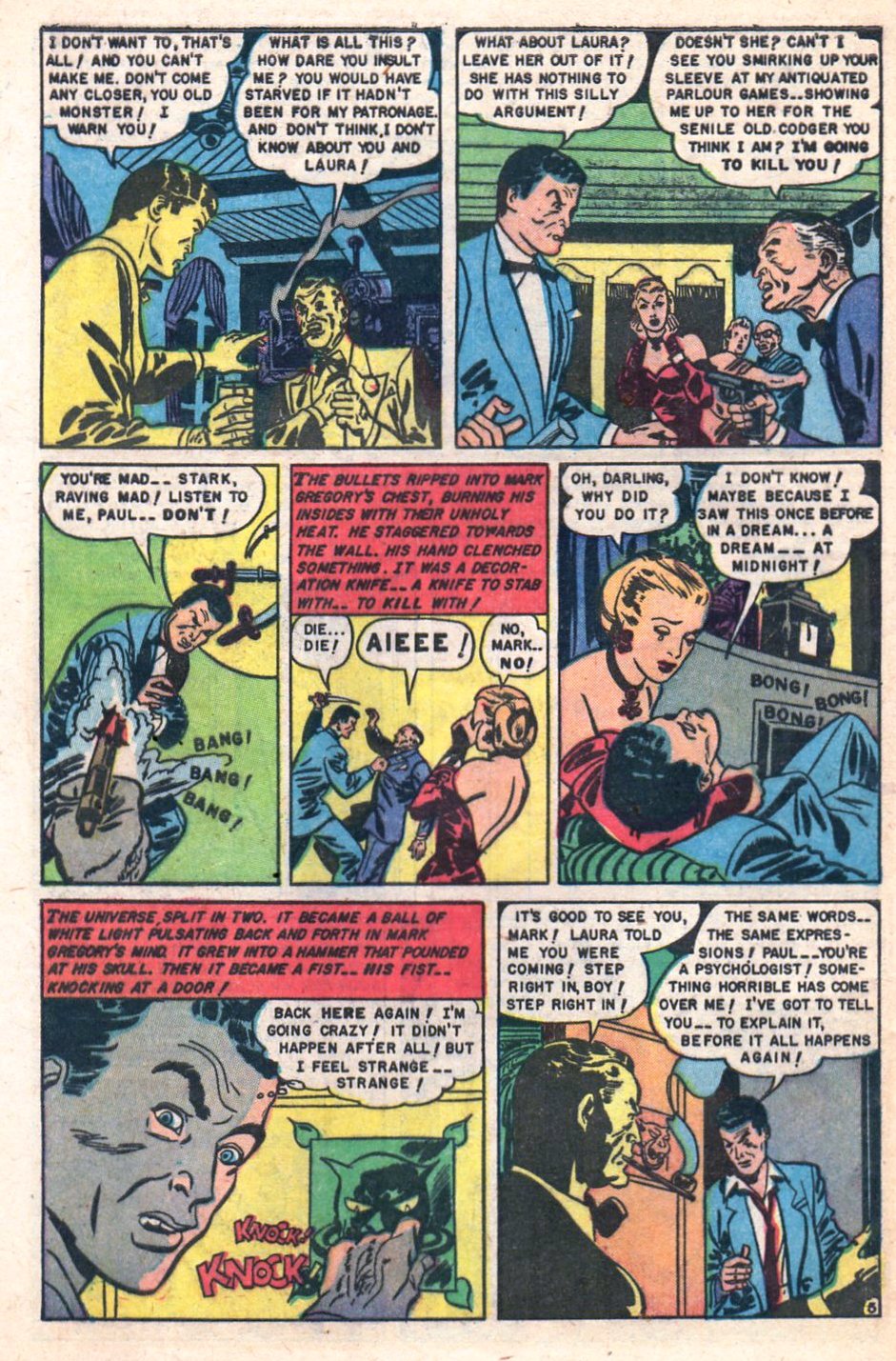
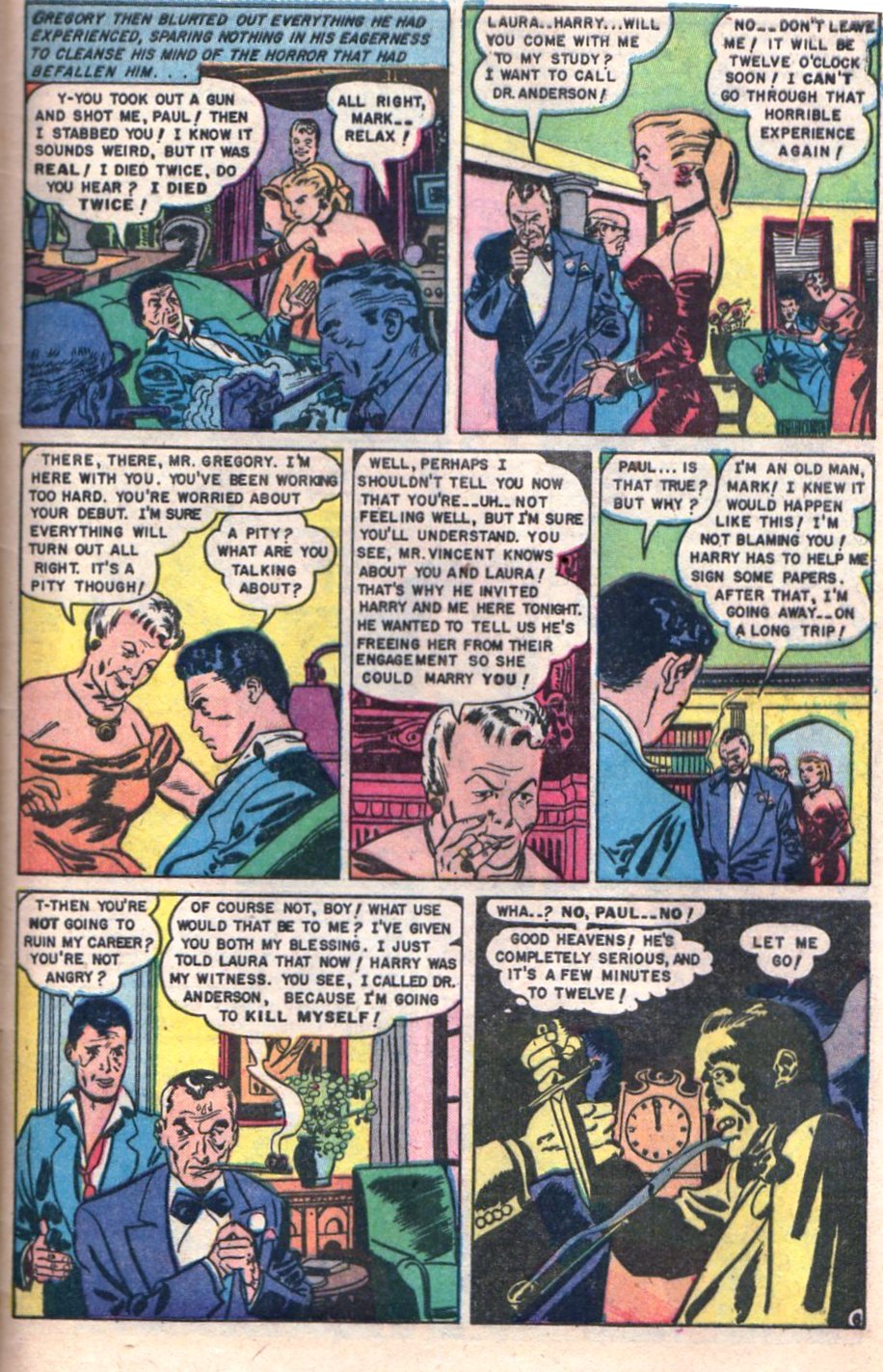
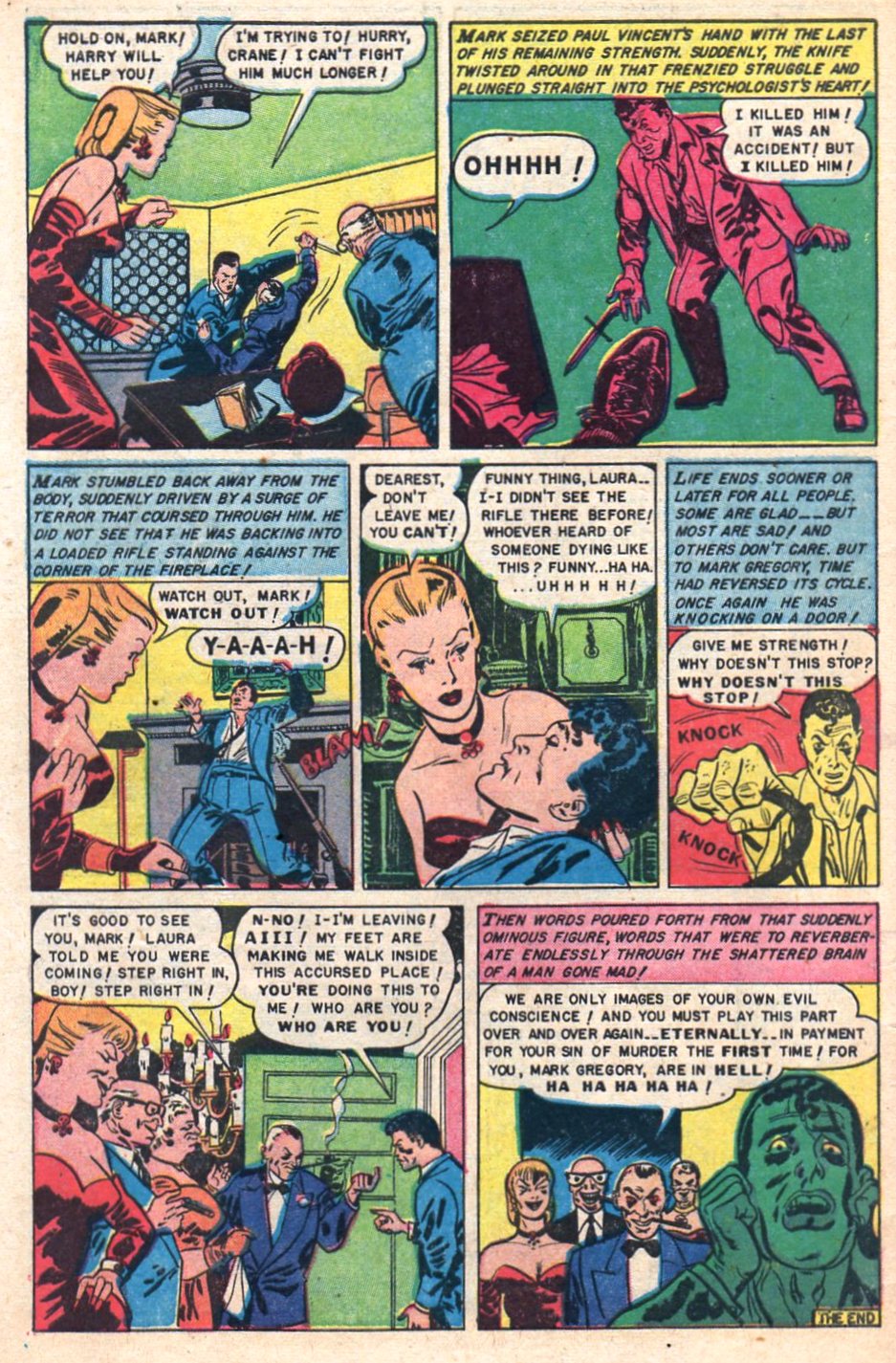
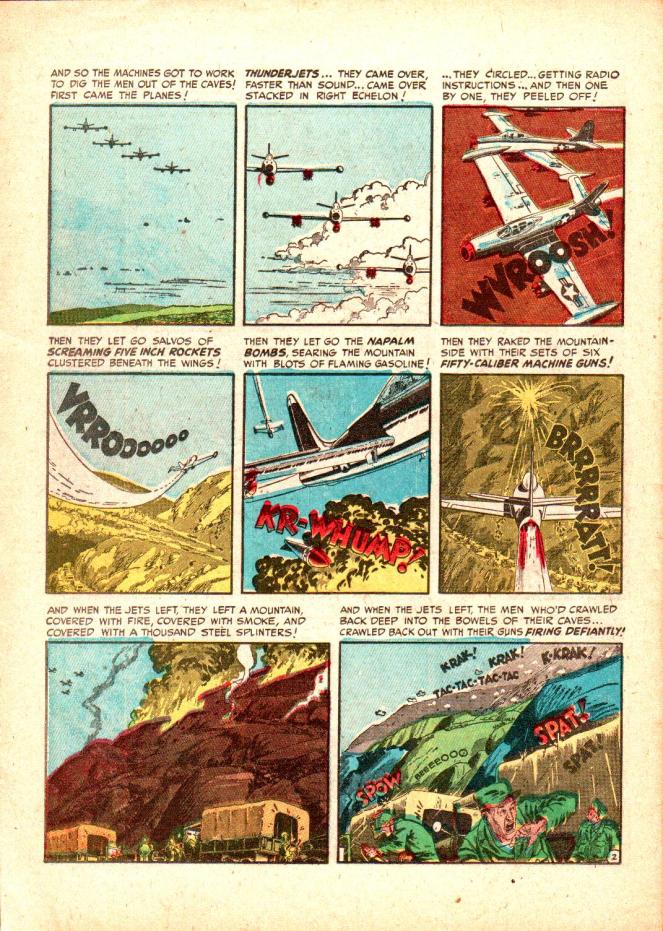
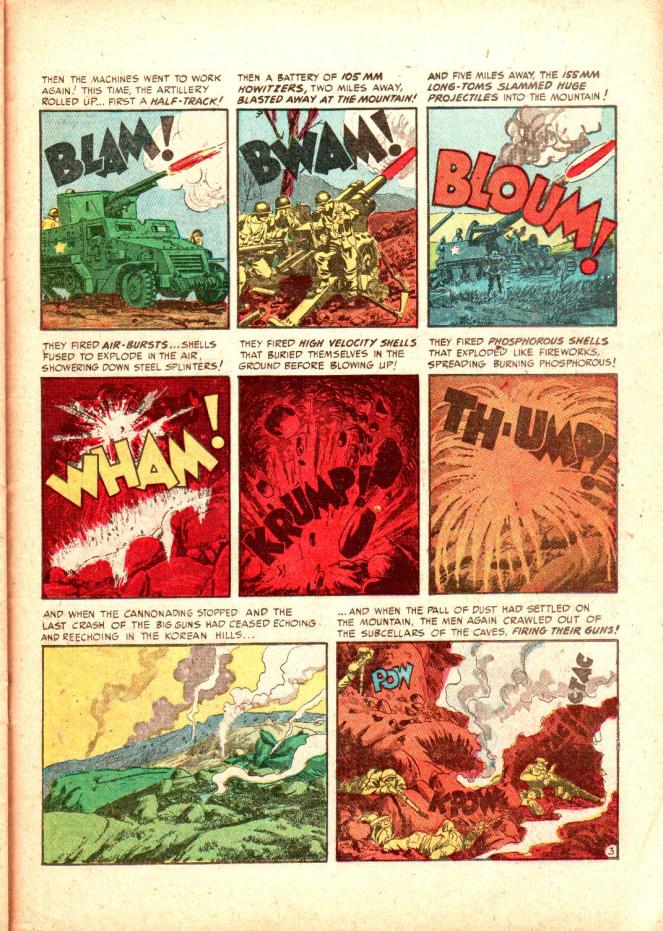
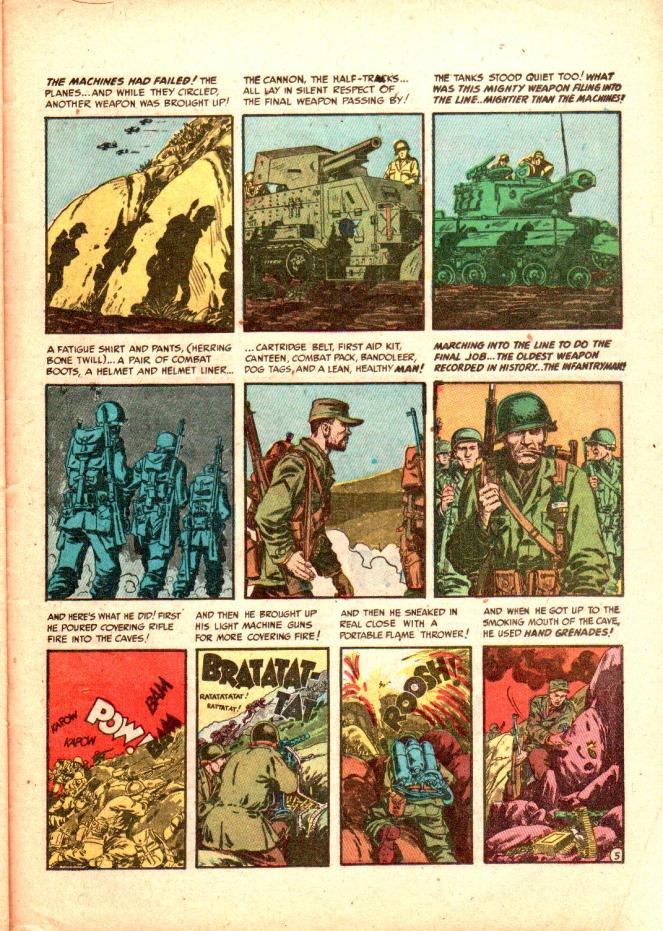
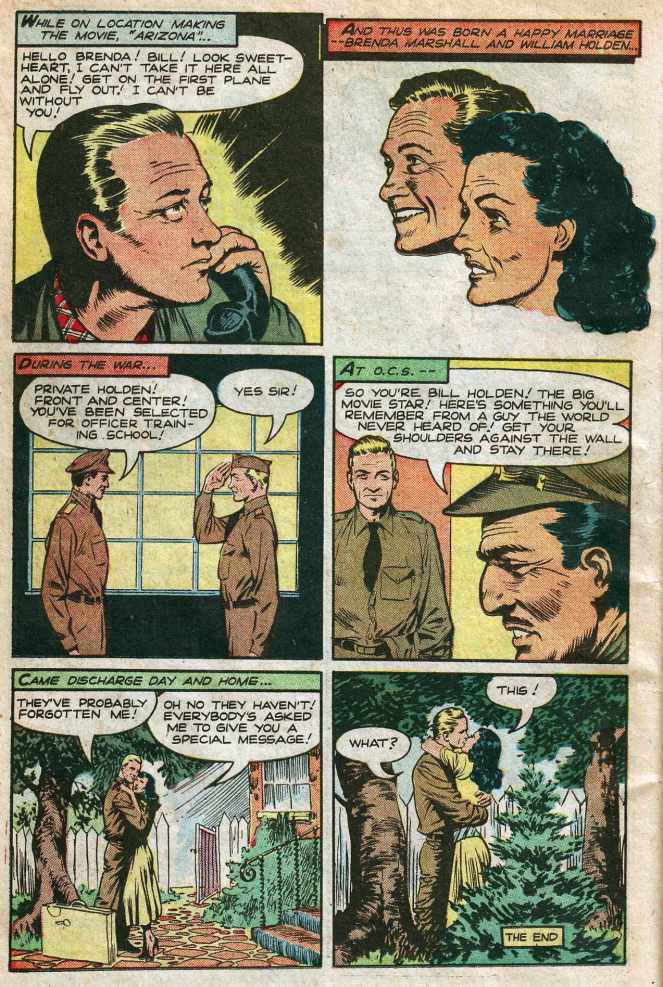
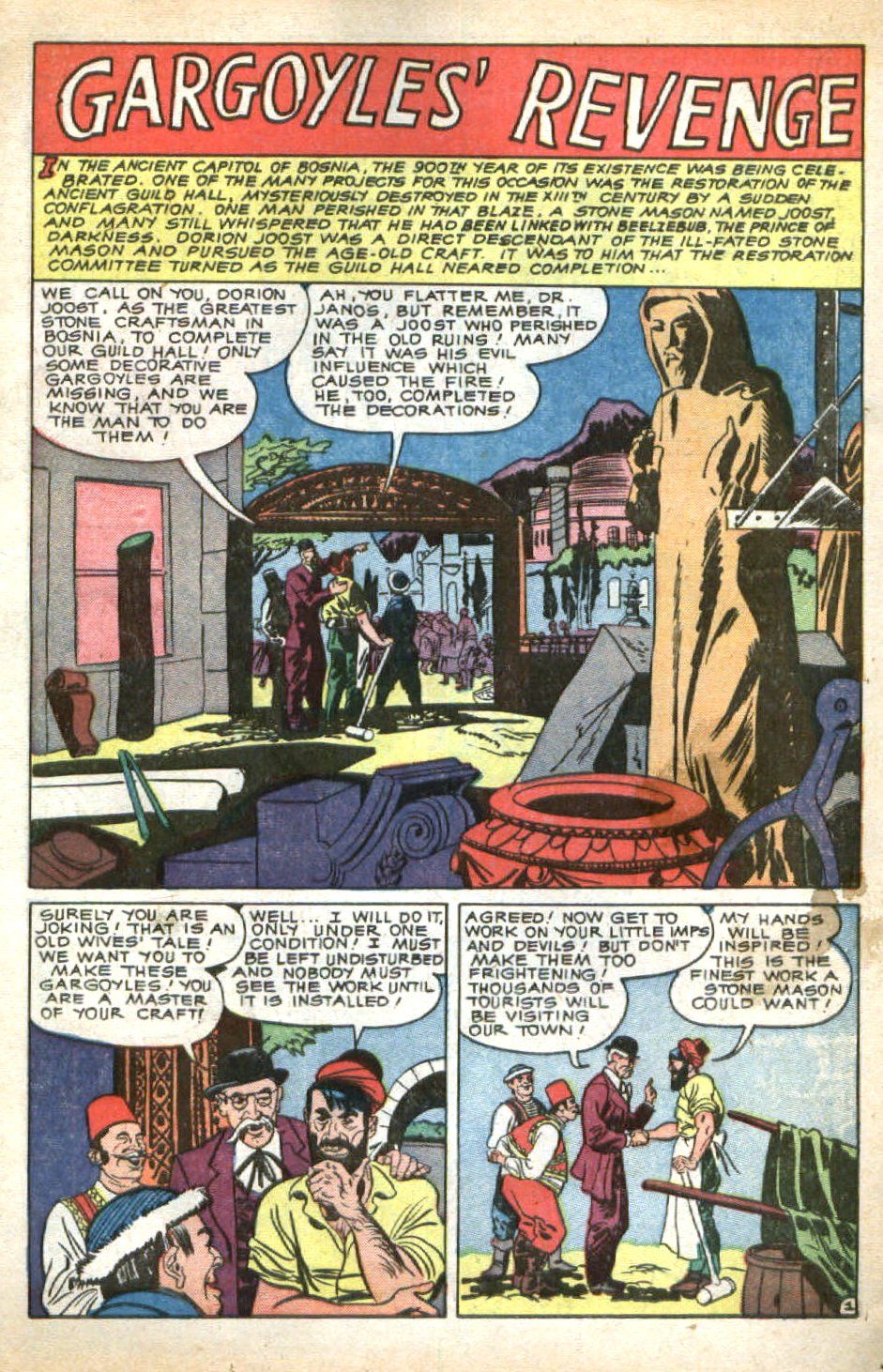
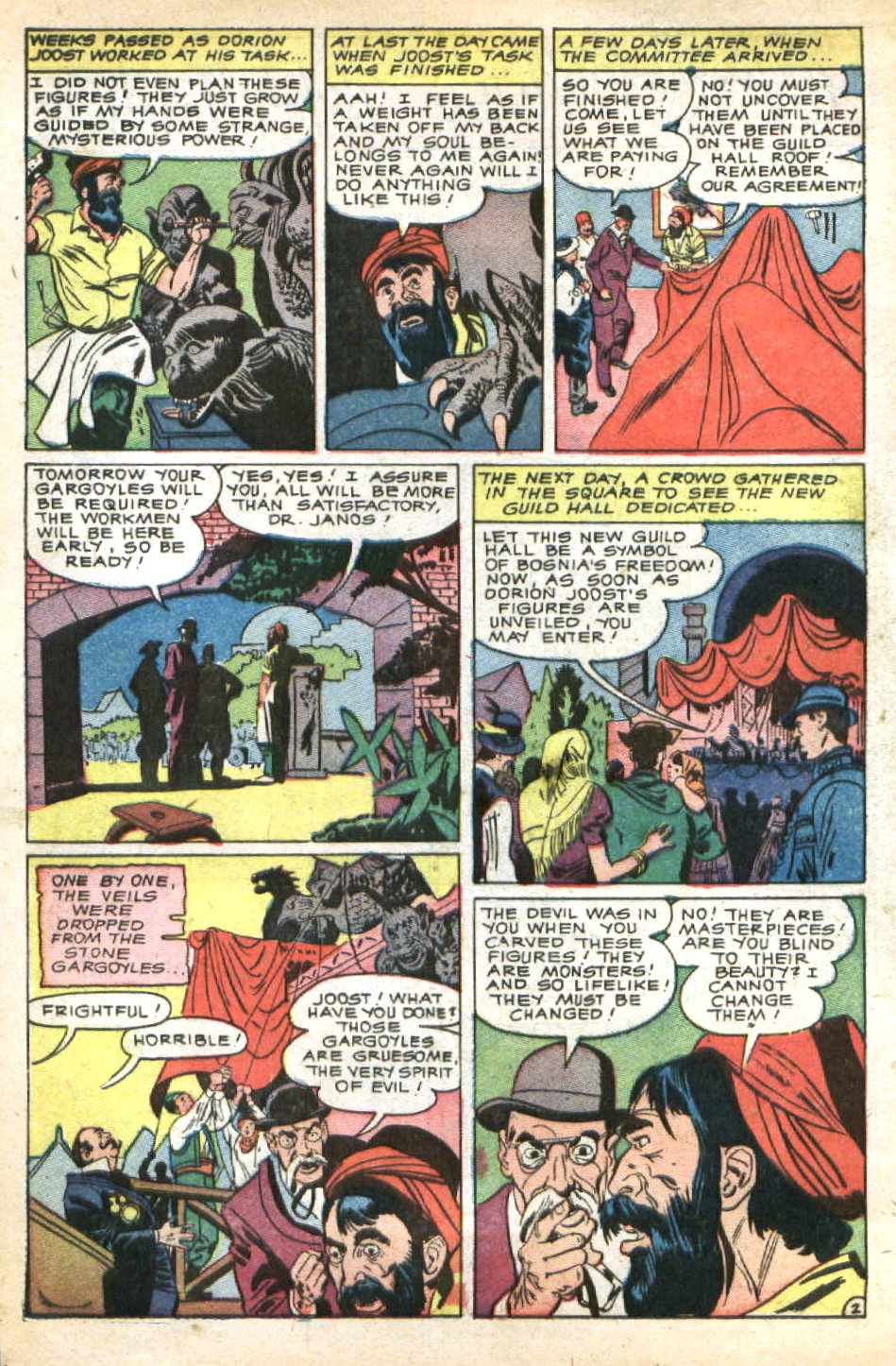
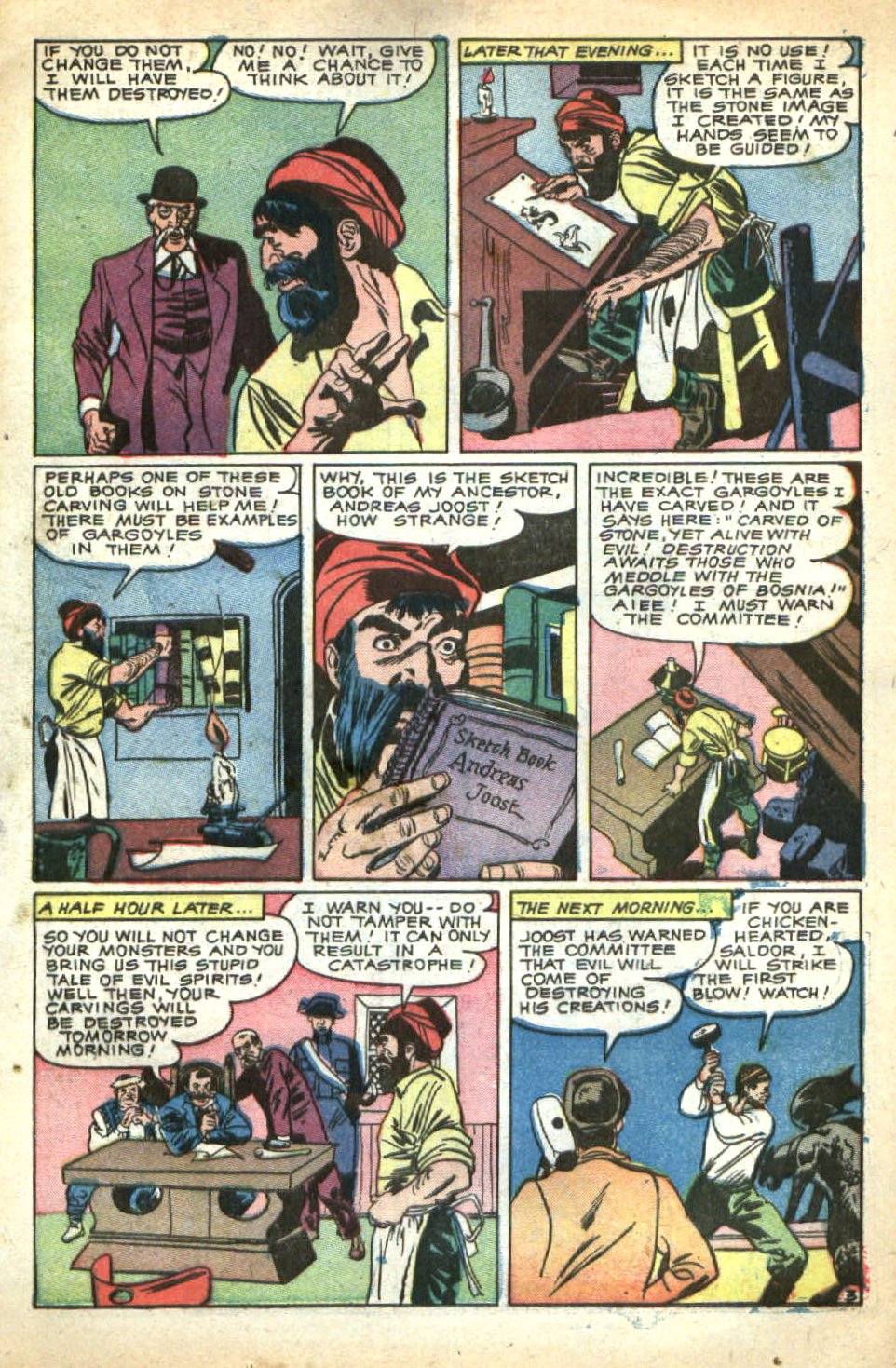
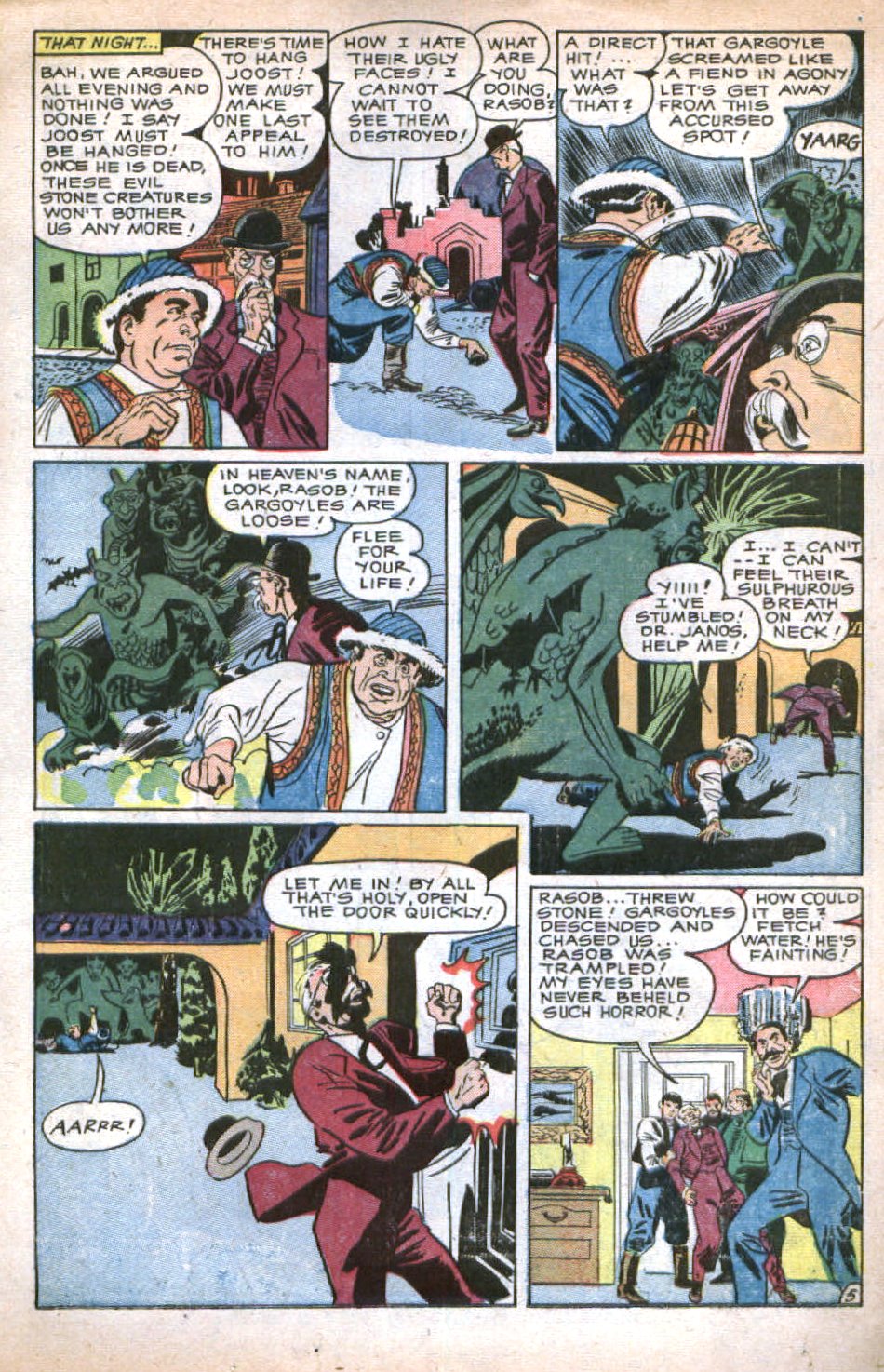
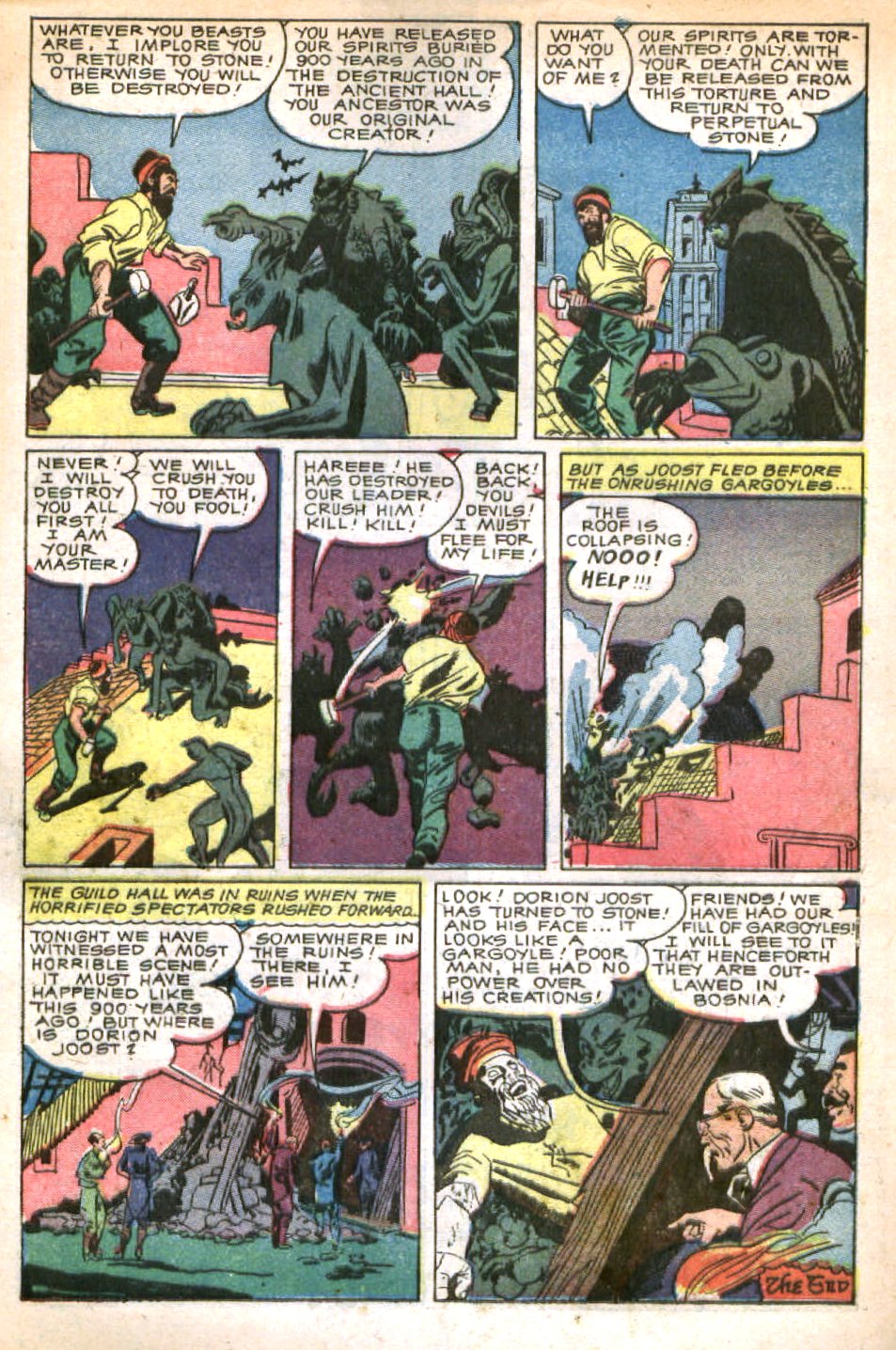
As a visual-verbal tribute to John Severin’s incredible career in comics, RCN is pleased to present Kurtzman and Severin’s amazing “War Machines,” from Frontline Combat #5 (Mar.-Apr. 1952); the story is followed by the biographical feature, “The Artists of the Issue: Severin & Elder,” from the inside front cover of that same comic:
Internationally acclaimed illustrator-cartoonist, John Powers Severin (1921 – 2012), passed away Sunday, February 12, 2012 at his home in Denver, Colorado with his family by his side.
He was 90 years old.
Throughout his sixty plus year career in comic illustration and cartooning, Severin gained world-wide notoriety and is regarded by many fans, friends, historians, and colleagues as a truly distinctive and brilliant artist.
Long-time friend and former president and chairman of Marvel Comics, Stan Lee states,
“He had an art style that was uniquely and distinctly his own. The minute you looked at his artwork you knew you were looking at a John Severin illustration; it could be no one else. Besides his inimitable style, there was a feeling of total authenticity to whatever he drew, whether it was a Western, a crime story, a superhero saga or a science fiction yarn. Not only was his penciling the very finest, but his inking, too, had a distinctive Severin touch that made every strip he rendered stand out like a winner”.
Severin’s professional career was launched early in high school when he contributed cartoons for the Hobo News. Early in his career, his works were also published by Jack Kirby at Crestwood Publications’ Prize Comics. He co-created the long-running Native American feature American Eagle and continued drawing stories for Prize Comics through 1955.
Called an “artist’s artist”, Severin gained a reputation for his historical knowledge and detail in all genres, most notably war and western. Sharing a Manhattan studio with fellow classmates Harvey Kurtzman and Bill Elder from New York’s famed High School of Music and Art; Severin began drawing for EC Comics. His illustrations graced the covers and inside pages of several EC comic series’ including Two-fisted Tales and Frontline Combat. It was also during this time Severin’s colleagues, Harvey Kurtzman and William Gaines co-created MAD Magazine. Severin was one of the five original artists who played a part in launching the infamous magazine, illustrating features for MAD Magazine between 1952 and 1954.
Upon leaving EC Comics, Severin was sought after to help launch CRACKED Magazine, a new publication that would become the prime competitor to MAD Magazine. Severin, using the pseudonyms “Nireves”, “Le Poer”, and “Noel”, was the lead artist for CRACKED Magazine for an unprecedented 45 years.
Following the cancellation of EC’s comic book line in the mid-1950’s, Severin began working for Atlas Comics, the company that would eventually become Marvel Comics. After the transition to Marvel Comics, Severin contributed his illustrations to several popular titles including the Incredible Hulk, The Nam, Kull the Conqueror, Captain Savage, What The?!, and Semper Fi.
In 2003, Severin revived an outlaw character he created fifty years prior, for Marvel’s controversial Rawhide Kid in the groundbreaking edition Slap Leather. Also in the 2000’s, Severin contributed to Marvel’s The Punisher; DC Comics’ Suicide Squad, American Century, Caper, and Bat Lash; and Dark Horse Comics’ Conan, B.P.R.D. and Witchfinder. Severin’s final illustrations were for Marvel’s Witchfinder Lost and Gone Forever, published in early 2012.
“One of my greatest regrets, as an editor, was the fact that John was so busy doing other things that I couldn’t give him as many assignments as I would have wished. If it were up to me, I’d have kept him busy drawing for Marvel seven days a week, fifty-two weeks a year,” states Lee.
Throughout his life, Severin received numerous honors, recognitions, and awards for his illustrations and contribution to the comic book industry. In 2003 he was inducted into the Eisner Comic Industry Awards – Hall of Fame. His other accolades include:
Best Western – Desperadoes
1967 Alley Award – Sgt. Fury
1968 Alley Award – Sgt. Fury of Shield
1998 American Association of Comic Book Collectors – Hall of Fame
1998 National Inkpot
Marvel Shazam – Conan
2000 American Association of Comic Book Collectors Hall of Fame – Historical Contribution
2000 International Inkpot
2001/2002 Charles M. Schulz “Sparky” Lifetime Achievement
Jules Verne Estate Lifetime Achievement
Marvel Shazam – Kull
“John Severin’s distinguished work is personified by the quality of the man himself. “John Severin was one of the nicest, most decent, honorable, straight-shooting men you’d ever hope to meet,” states Lee. “Truly, the art world has suffered a great loss with John’s passing – but so has the human race. To John’s friends and fans worldwide, he has been greatly loved and will surely be greatly missed.”
John Powers Severin was born in Jersey City, New Jersey. After attending the High School of Music and Art he enlisted in the United States Army where he served in the Pacific Theater during World War II. He moved to Denver, Colorado in 1970. As a freelance comic illustrator and cartoonist, thousands of Severin’s illustrations have been published and admired by fans worldwide. John Severin is survived by his wife of 60 years, Michelina, 6 children, 13 grandchildren, 8 great grandchildren, a step great granddaughter and Severin’s sister, Marie Severin, who is also a comic illustrator and cartoonist.
My sincere condolences to John Severin’s family and friends.







 Ragged Claws Network