"This day's experience, set in order, none of it left ragged or lying about, all of it gathered in like treasure and finished with, set aside." –Alice Munro, "What is Remembered"
Richard Corben comic art pages will go on sale via the official Corben website on Saturday 16 July 2011, at Noon, Central Time. The sale will include ten pages from Hellboy: The Crooked Man by Corben and Mike Mignola, ten pages from Corben’s Children of Fire (including the original black-and-white cover art for issue #3 — see above for the colour version), and ten pages from The Bodyssey by Corben and Simon Revelstroke. Right now, the pages are up for “viewing only.” The prices will be posted when the sale goes live. Click here to jump to the sale page.
Published by Gold Key in the 1970s, the sword-and-sorcery series, Dagar the Invincible, was the creation of American writer Don Glut and legendary Filipino artist Jesse Santos. Volume 1 of Dark Horse’s archival reprint of the series (ISBN-10: 1595828184; ISBN-13: 978-1595828187) will collect the first nine issues of Dagar the Invincible, and Volume 2, which will conclude the project, seems likely to contain the last eight issues of the series plus the story that appeared in “Gold Key Spotlight.”
All of horror legend Bernie Wrightson’s Creepy and Eerie short stories, color illustrations, and frontispieces are finally collected in one deluxe hardcover [ISBN-10: 1595828095; ISBN-13: 978-1595828095]! These classic tales from the 1970s and early 1980s include collaborations with fellow superstars and Warren Publishing alumni Bruce Jones, Carmine Infantino, Howard Chaykin, and others, as well as several adaptations and original stories written and drawn by Wrightson during one of the most fruitful periods of his career! All stories and images in this collection are restored with care and reprinted in the same oversized format as Dark Horse’s award-winning Creepy Archives and Eerie Archives series.
If this is to be a continuing series of artist-focused collections, the next book ought to be a Corben collection… and then Nino!
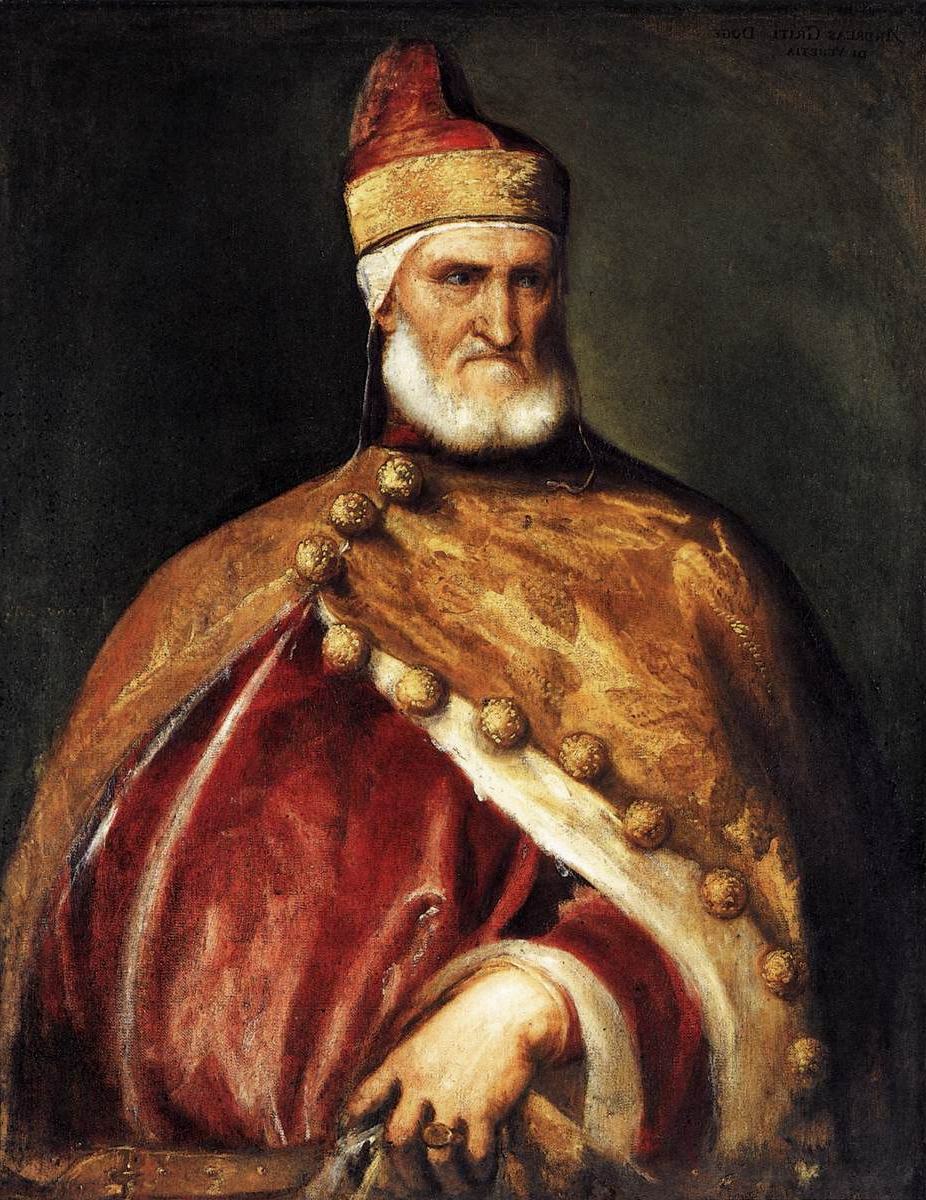
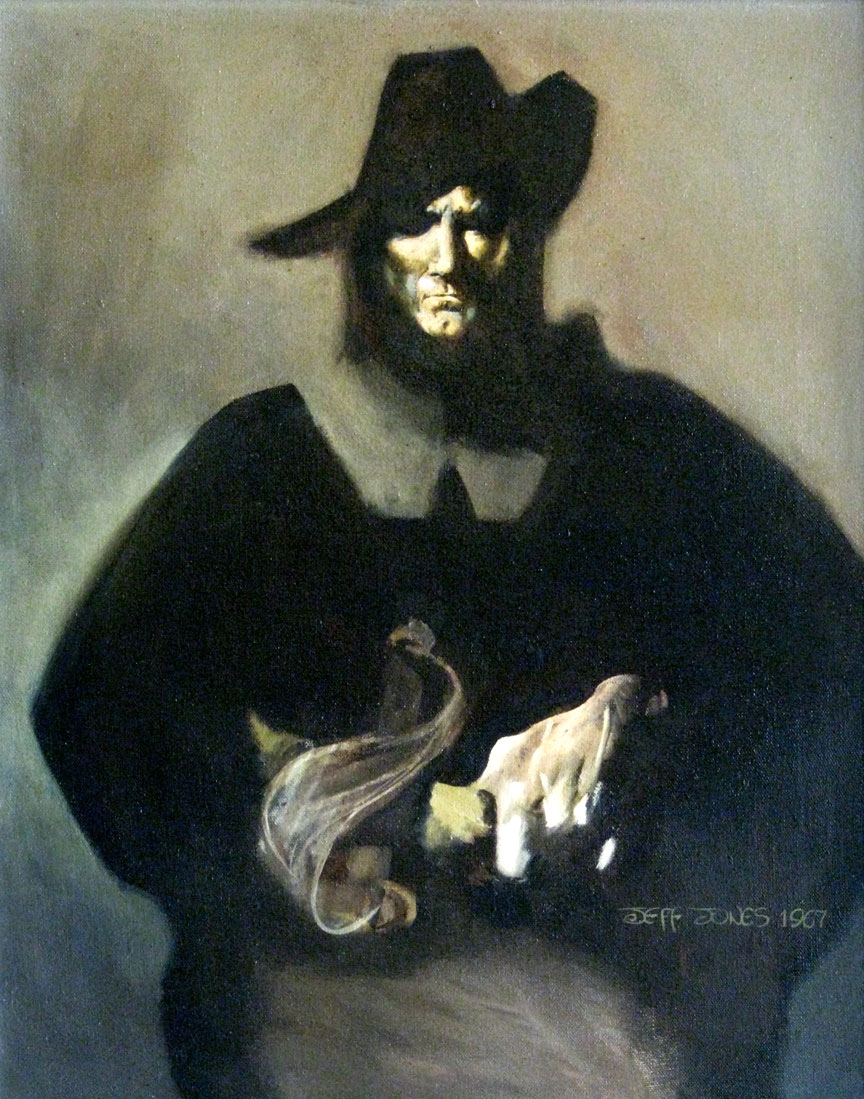
Yesterday afternoon, I spent a little time reading at random in Painting Techniques of the Masters: Painting Lessons from the Great Masters (revised and enlarged edition) by Hereward Lester Cooke, and came across a famous portrait by Titian that, to my eye and mind, could easily have been one of the inspirations for Jeffrey Jones’s oddly proportioned but striking portrait of Robert E. Howard’s Solomon Kane, created for the first edition of a collection of Solomon Kane short stories, Red Shadows, published by Donald M. Grant in 1968:
ABOVE: Titian, Portrait of Doge Andrea Gritti (1544-45), oil on canvas, 133.6 x 103.2 cm.
ABOVE: Titian, Portrait of Doge Andrea Gritti (1544-45), oil on canvas, 133.6 x 103.2 cm. Please note that I’ve flipped Titian’s painting horizontally, i.e., made a mirror image of it, in the above JPEG to facilitate comparison and contrast with Jeffrey Jones’s painting. Mirroring is strategy commonly used by artists to disguise their swipes, though I don’t think I’d go so far as to say that Jones’s “Solomon Kane” is swiped from Titian’s “Doge Andrea Gritti.”
ABOVE: Jeffrey Jones, Solomon Kane (1967), oil on canvas.
As the night wind said to the little lamb: Do you see what I see?
POSTSCRIPT:
I wonder, does anyone else think that Jones’s portrait of Solomon Kane is basically a self-portrait? Because I sure do.
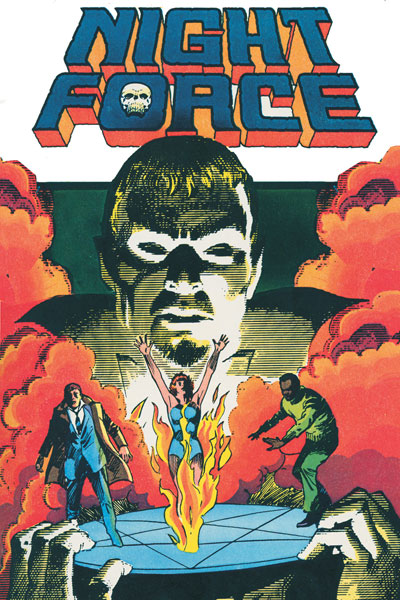
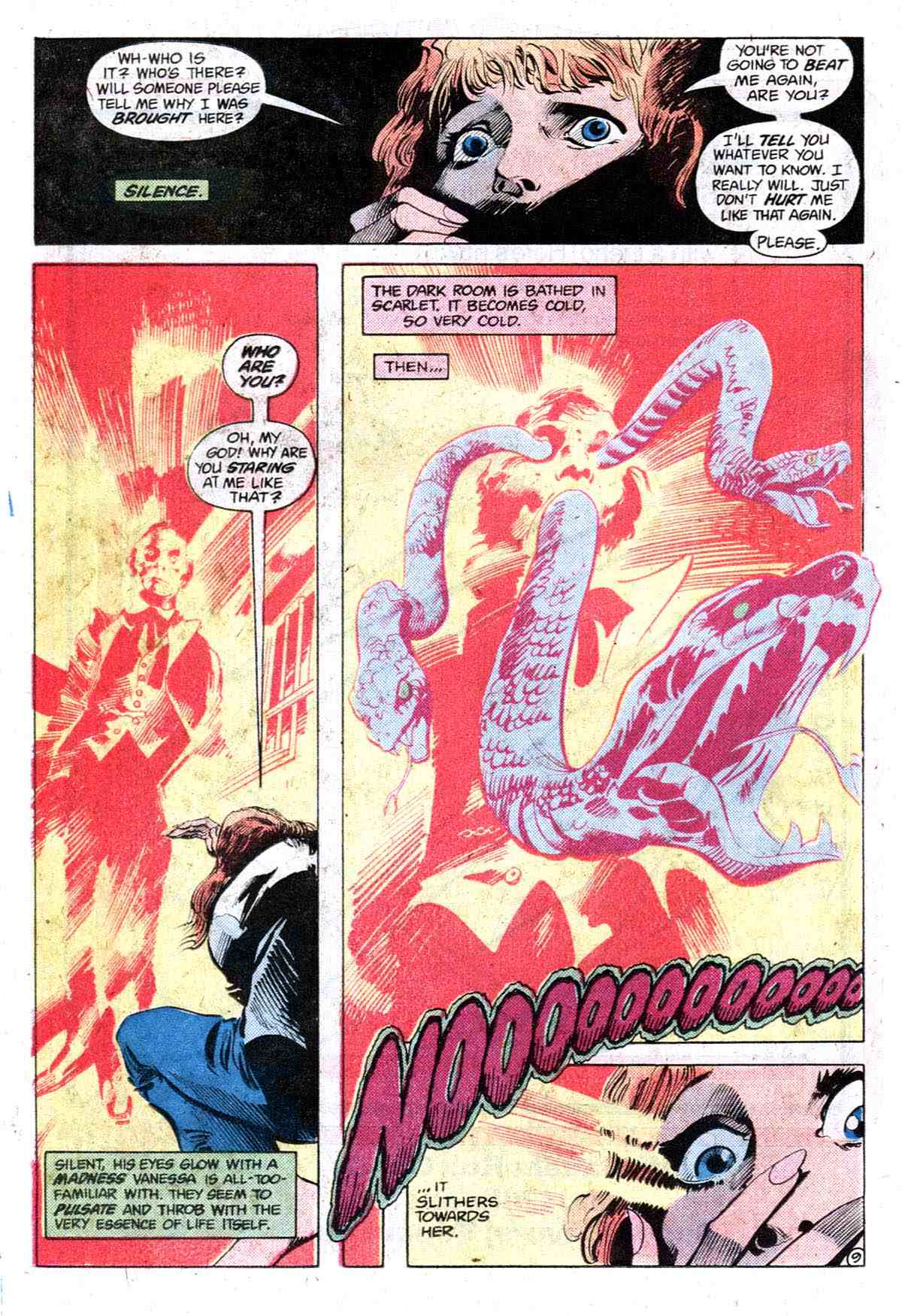
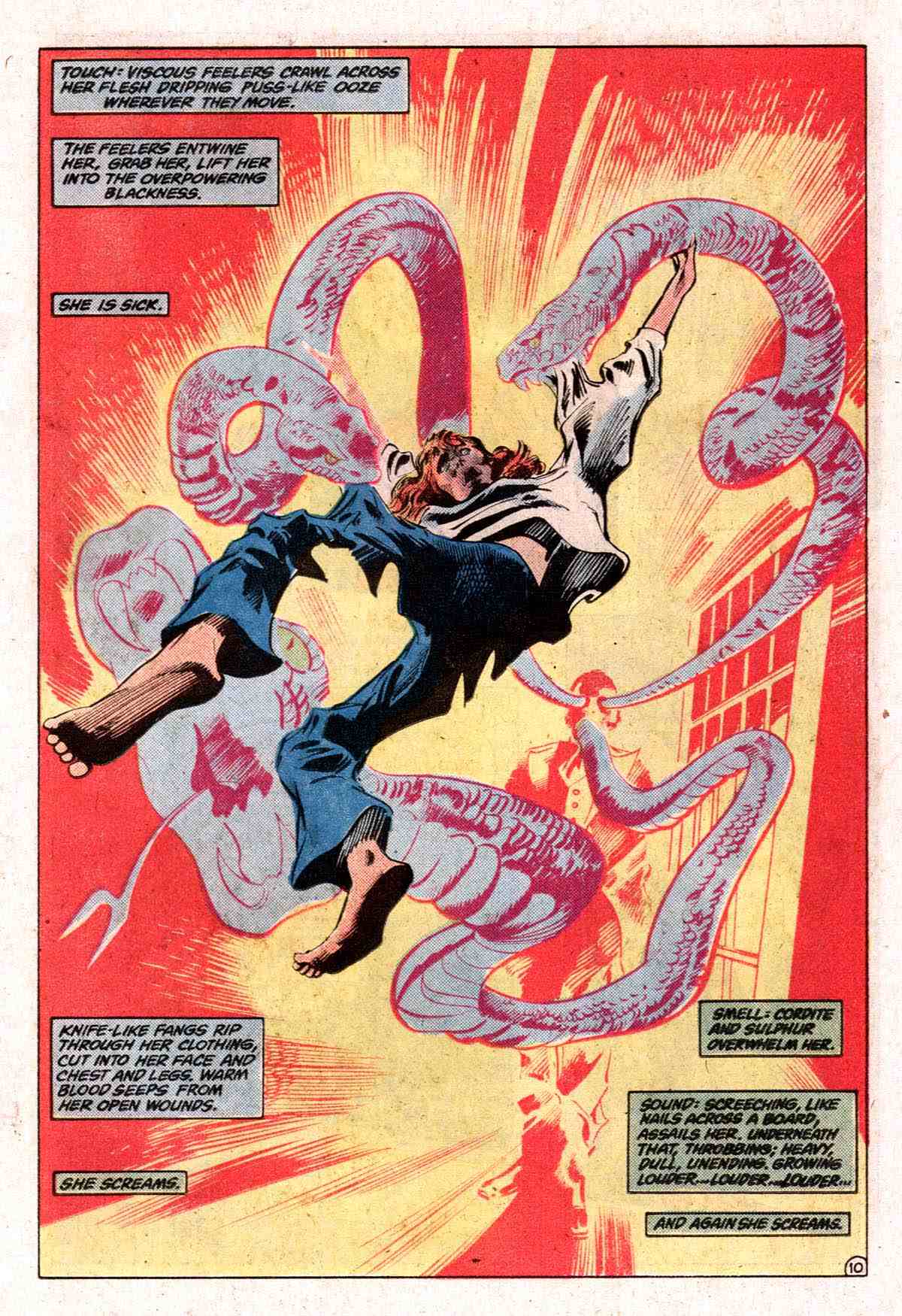
Coming in October from DC Universe, the 352-page Night Force hardcover collection (ISBN-10: 140123285X; ISBN-13: 978-1401232856) reprints, for the first time ever, issues 1 to 14 of the 1982 cult-classic series by writer Marv Wolfman and artist Gene Colan — the team that brought you the acclaimed Marvel series, Tomb of Dracula. Here’s how the publisher describes the series:
The mysterious sorcerer Baron Winter assembles a team of special individuals to fight supernatural threats including Vanessa Van Helsing, granddaughter of Abraham Van Helsing and a powerful psychic, Donovan Caine, a professor of parapsychology who lost an arm and a leg on a mysterious missions, and Zadok Grimm, an ancient warrior in the time of King David. Together, they live in Wintersgate Manor, a labyrinthine mansion in Washington, D.C located in a special juncture of time and space which allows them to be sent to different places and times.
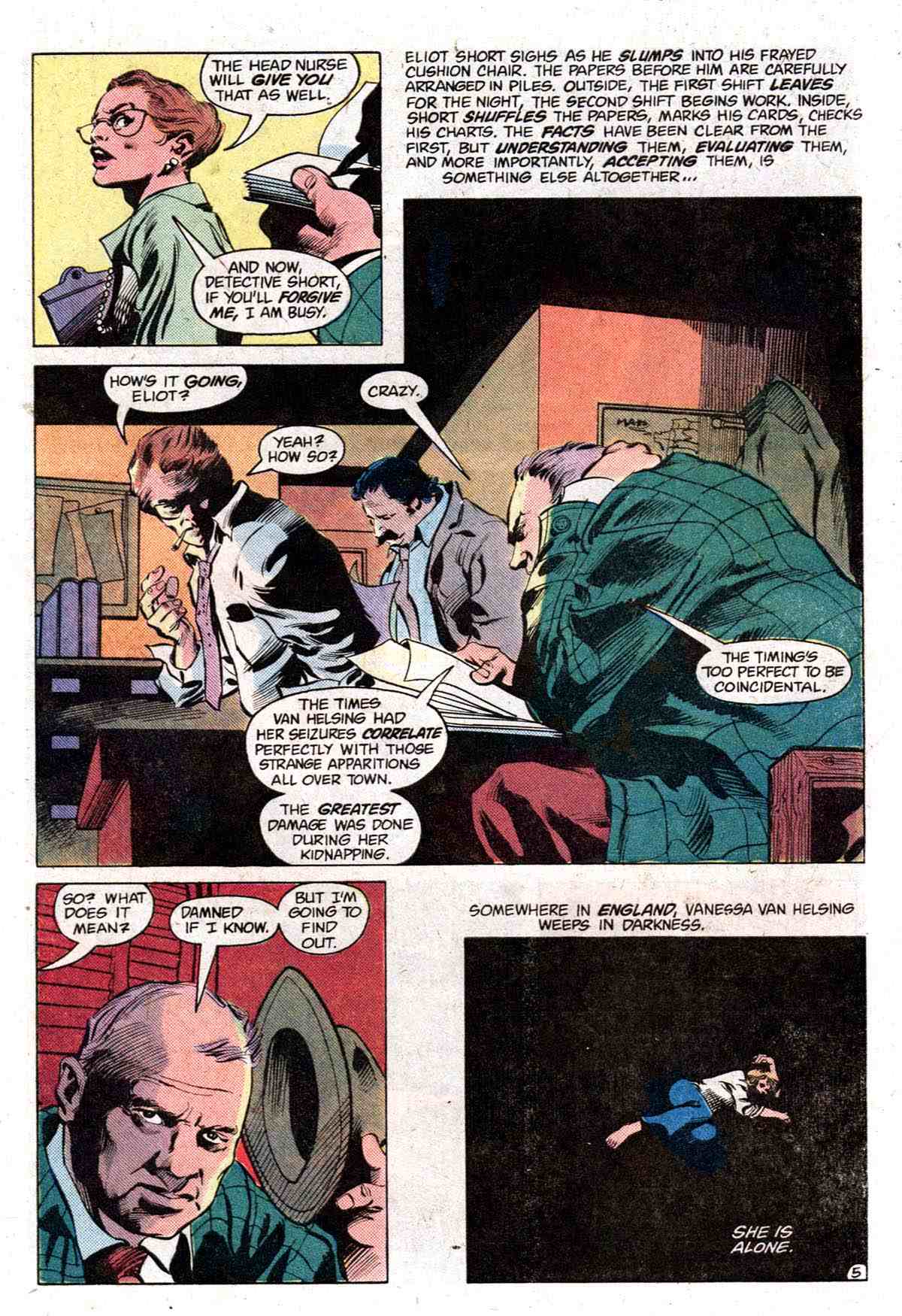
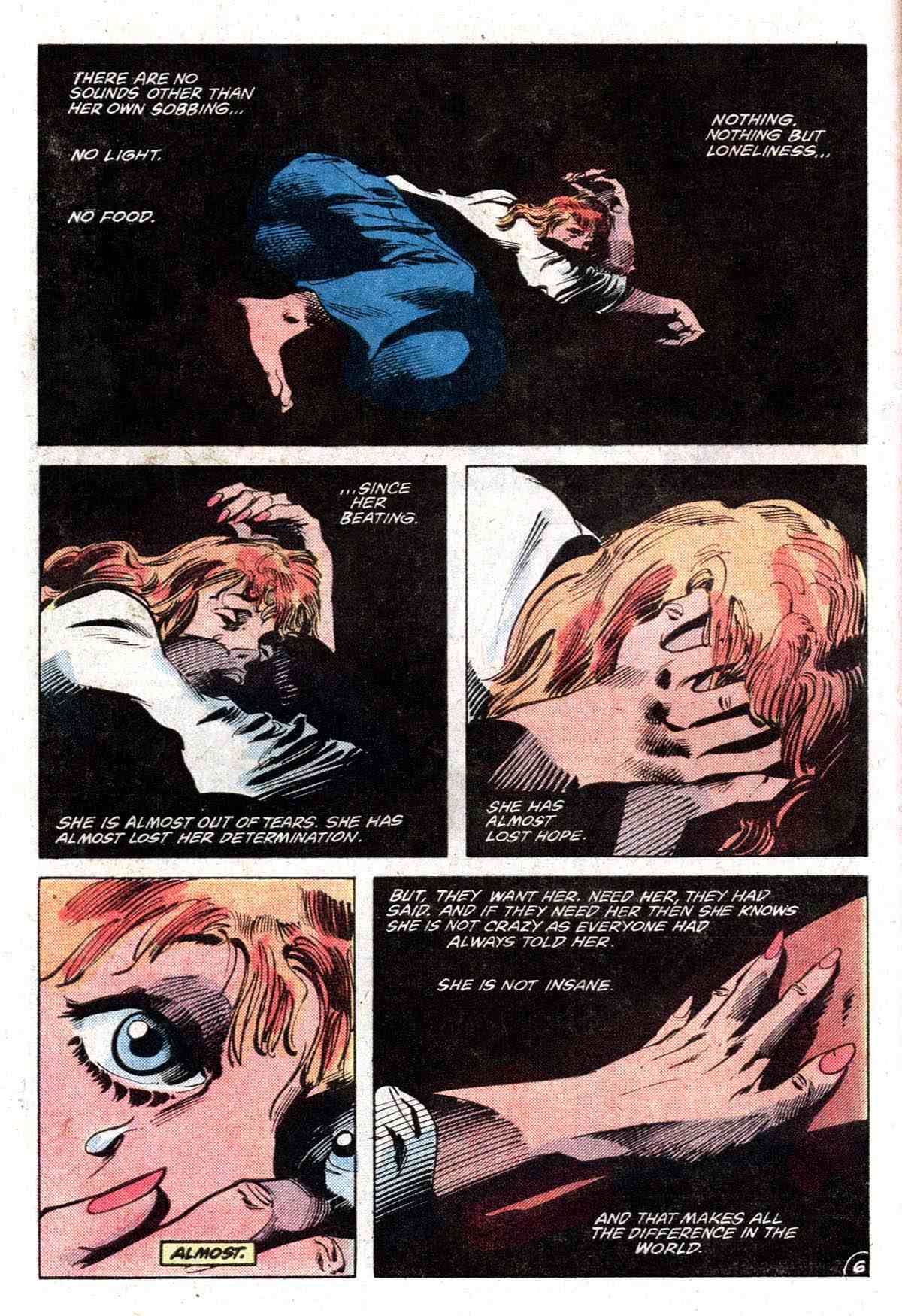
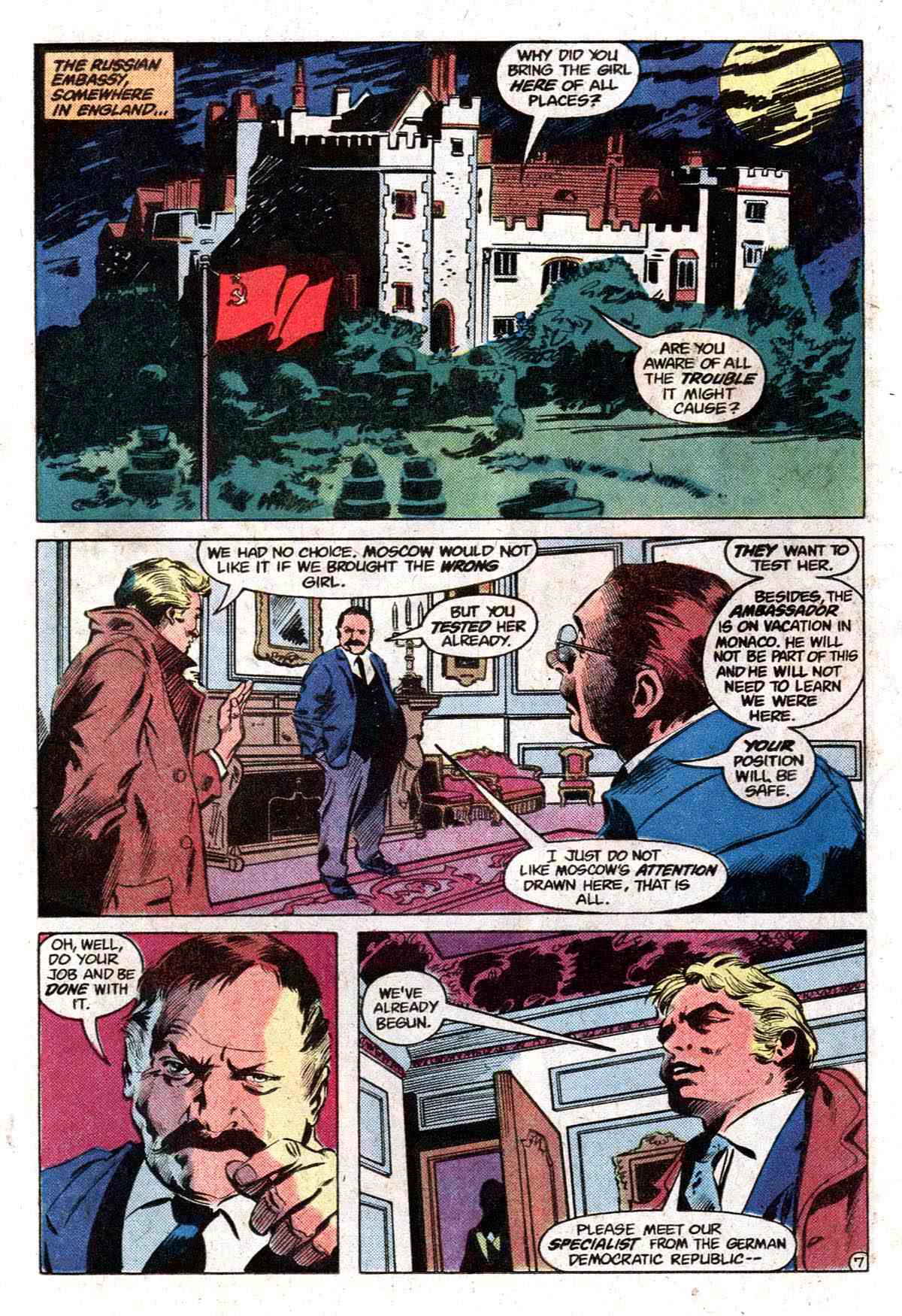
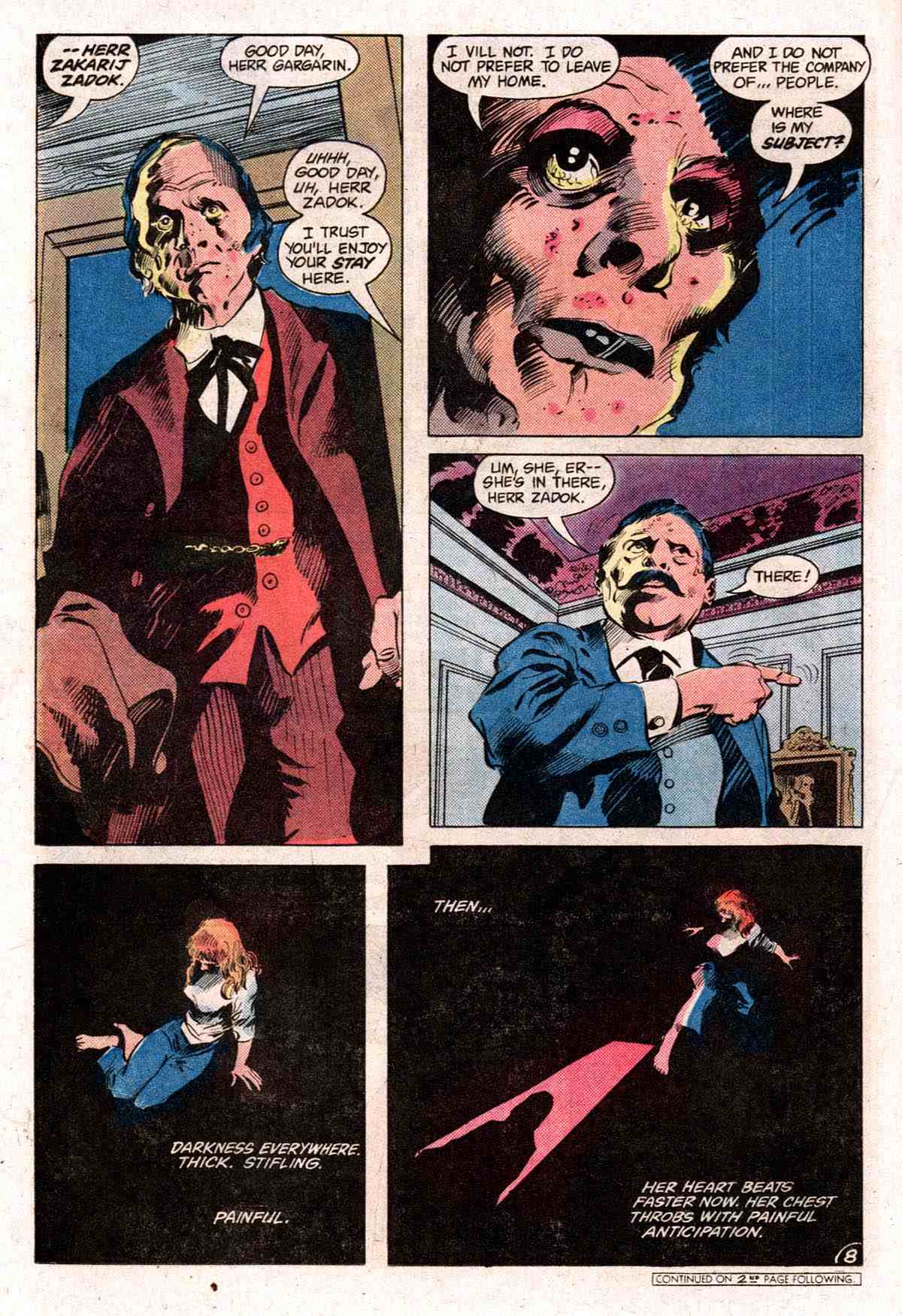
Here’s a taste from issue #4:
Come on, now… you know you want it!
UPDATE (12 December 2011):
According to Amazon, the publication date of the Night Force collection has been pushed back to June 2012. 😦 But it’ll be worth the wait, right? Hope so…
Legendary artist and gentleman Gene Colan, 84, whose career in comics spanned seven decades and included definitive work on many popular characters, including Dracula, Daredevil, Dr. Strange, and Howard the Duck, died Thursday 23 June 2011 at about 11:00 pm at Calvary Hospital in the Bronx from complications of liver disease and cancer. A private funeral will be held on Sunday. In lieu of flowers, the family has asked that Colan’s friends and admirers consider a donation to the new Gene Colan Scholarship at the Joe Kubert School.
It was at Marvel that the artist’s work really began to blossom to its fullest potential. Via the Marvel Method of creating comics, the artist was allowed to compose and direct the stories in the manner that he saw fit (and a writer later scripted the drawn pages) — in his imagination, the conceivable was always achievable. Colan orchestrated action flawlessly and never let the comic art board intimidate him. Those that looked at the quality of his stories in “Daredevil” or “Sub-Mariner” saw a bold artist that brought his heroes to life in true cinematic fashion, equipped with a camera that conveyed the grand movement and power of the Marvel Heroes. His stylized technique and craftsmanship were the strengths that Colan would pass on to his readers in everything he did.
As a reader, I loved Gene’s work. There was a credibility about it: No matter how outlandish the premise or plot, Gene somehow made you believe it. His pencil art was magnificent…in many ways, too good for the assembly line production process and the flimsy printing that it usually received. As good as his work looked in your comics, it was always probably better.
I later got to love Gene. He was a charming, self-effacing gentleman who was genuinely moved when fans tried to tell him how good he was and how much joy his work had given them. He heard that a lot and remained utterly unspoiled by all the praise. In a way, it seemed to make him try harder to improve his drawing and live up to what they said he was.
Mr. Colan’s work was noteworthy on several counts. The first was its sheer duration: He completed his first professional assignment in the 1940s and his last a year or two ago. In between, his art was a mainstay of the Silver Age of comics, as the period from the mid-1950s to about 1970 — a time of heady artistic ferment in the field — is known.
The second was its prodigious volume: Over nearly seven decades he illustrated many hundreds of comics, from the famous, including Batman, Wonder Woman and the Hulk, to the possibly less so, including Ben Casey, Falling in Love and Captain Britain.
The third was his visual style, by all accounts unlike that of any other artist in the business. Where comic-book art tends toward deliberately flat, stylized images, Mr. Colan preferred a realistic look that emphasized texture and fluidity: the drape of a hero’s cape, tilt of a head, the arc of an oncoming fist.
A lifelong film buff, Mr. Colan was known as a master of light and shadow, which lent his work a noirish, cinematic quality.
[…] Gene Colan never would be mistaken for anything less than what he was: One of comics’ unique stylists. He wielded his pencil like a brush to capture the toned subtleties of action, emotion and lighting. He brought a cinematographer’s vision to comics storytelling, and his stories were instantly recognized by fans, treasured by scholars and appreciated enviously by even his most accomplished peers.
While delighting his fans, Colan often frustrated his writers. He was notorious for never reading scripts in advance, so he often ran out of pages before drawing the end of the story. Meanwhile, he would devote half a page to a hand turning a doorknob, or three pages to Captain America merely walking down a street. His indulgences were accepted in the 1960s, when Lee put the artists in charge of pacing the stories. But Colan encountered resistance in the 1970s, when the writers gained influence, and especially in the 1980s, when the editors seized control.
Ultimately, he outgrew his inkers, who always struggled to delineate Colan’s complex penciled drawings. By the 1980s, Colan’s penciling style and printing technology were so refined that, starting with Dean Mullaney at Eclipse Comics, publishers skipped the traditional inking stage and started reproducing Colan’s textured work straight from his pencils, starting with writer Don McGregor’s Ragamuffins and Nathaniel Dusk. Once Mullaney opened this door, printing from Colan’s pencils became the default for the next 20-plus years. Even at the end of his career – Colan’s final feature-length story was a 2009 issue of Captain America – Marvel produced two editions, one in color and the other in black-and-white, so fans could appreciate the pure beauty of Colan’s pencils.
No one could or likely ever will draw quite like Gene Colan.
The Best Damn Creative Writing Blog > Gene Colan is Dead by Rob Vollmar. Here’s an excerpt:
Across the seven decades that Gene Colan contributed to comics, a lot of artistic styles came and went. Though Colan developed his style actively across that span, the progression was always towards a more refined version of himself. Artists that were more easily mimicked may have been more influential but Colan’s style was irreduceable and didn’t lend itself to swiping. If you wanted comics the way he drew them, you had to go to the source. His layouts were dynamic and could described as filmic without limiting either the influence of film or denigrating the potential of comics.
evandorkin > Hey by Evan Dorkin — “There is no mistaking a Gene Colan-drawn comic, they’re like dreams on paper, real yet surreal, glimpses to a world only he could provide access to. Wonderful, just wonderful.”
Everyone’s Wrong and I’m Right > Gene Colan 1926-2011 by Clifford Meth. Here’s an excerpt:
But [even as his health declined in hospice] Gene never lost hope. He continued to talk about his plans for the future. Mind you, this was not a feeble-minded man. An occasional short-term memory loss notwithstanding (and who doesn’t have those after high school?) Gene was clear-thinking and real-world oriented. He just wanted to go home. And he believed that wanting to was enough. This had been a recurring theme in his life. Gene wanted a career drawing comics. He wanted to work for Marvel. He wanted to be the best artist in his field. He wanted to marry Adrienne the minute he laid eyes on her… Gene believed that if he wanted something badly enough, focused and stuck to his guns, he’d eventually get it. And he usually did.
The Fies Files > Gene Colan by Brien Fies. Here’s an excerpt:
He had an instantly recognizable style unlike anyone else’s in the business. His compositions and figures were fluid, like they were poured onto the page with liquid mercury. Arms and eyelids and staircases and cityscapes thrust back and forth between shadow and light. His art was energetic and peerlessly graceful. It was also unique. In a business in which success is quickly imitated–where originals like Neal Adams and Frank Miller and Alex Toth have dozens of clones–no one ever copied Gene Colan. No one could.
He was a master storyteller – but, more than that, he added to the story. Through his art he communicated the kind of subtleties and nuances that no script or direct adaptation could do. He used shadow, facial expression and page composition to express the mood and tone of any given character or setting. It was a rare gift.
Forbidden Planet Internationa Blog Log > Gene Colan R.I.P. by Richard Bruton
Grantbridge Street & Other Misadventures > Gene Colan — click through to read Captain America #601, “Red, White & Blue-Blood,” with script by Ed Brubaker and art by Gene Colan, posted in its entirety by Joe Bloke.
Millarworld.tv Forums > “RIP Gene Colan” by Mark Millar. The link disappeared, but here’s an excerpt:
I loved seeing Gene drawing superheroes because he brought a realistic, painterly quality, a European brush-line to the characters that made them look like people in unusual clothes as opposed to the cardboard cut-out figures icons we’re generally used to. His Superman looked like a brooding Brando, never more so than the beautiful, spooky Phantom Zone mini-series he did with Steve Gerber. Bryan Hitch and I would reference his stuff regularly when we were on Ultimates, that quiet naturalism John Buscema (and Hitchy himself) was so good at very evident in every page of his work.
Monster Brains > RIP Gene Colan by Aeron Alfrey — includes large scans of three cover paintings that Colan created for the mini-series Tomb Of Dracula: Day of Blood! Night of Redemption.”
He was without peer when it came to establishing mood and atmosphere, with an enviable mastery of creating depth and shadow that bordered on being supernatural, in and of itself. His drawings came alive on the page and invoked a sense of wonder and ominous foreboding that few could match and none could better.
The way Gene bent the human form and seemed to distort the very rectangle of the page worked more effectively, in my mind, in Dracula than in any of his superhero work, or in any of the other horror books he worked on. Comics have always walked a tightrope balancing realism with exaggeration–it’s how cartooning works–but Gene’s work was realistic in a way few artists had ever been, and his distortion was equally uncanny. There was a metafictional aspect to how well it fit the character of Dracula. What Gene could do to the flow of a page defies a lot of what I believe even now about comics layout, and if a young artist tries something that doesn’t work, and justifies it based on Gene’s work, it’s with some pleasure that I can say (short version), “You’re no Gene Colan.”
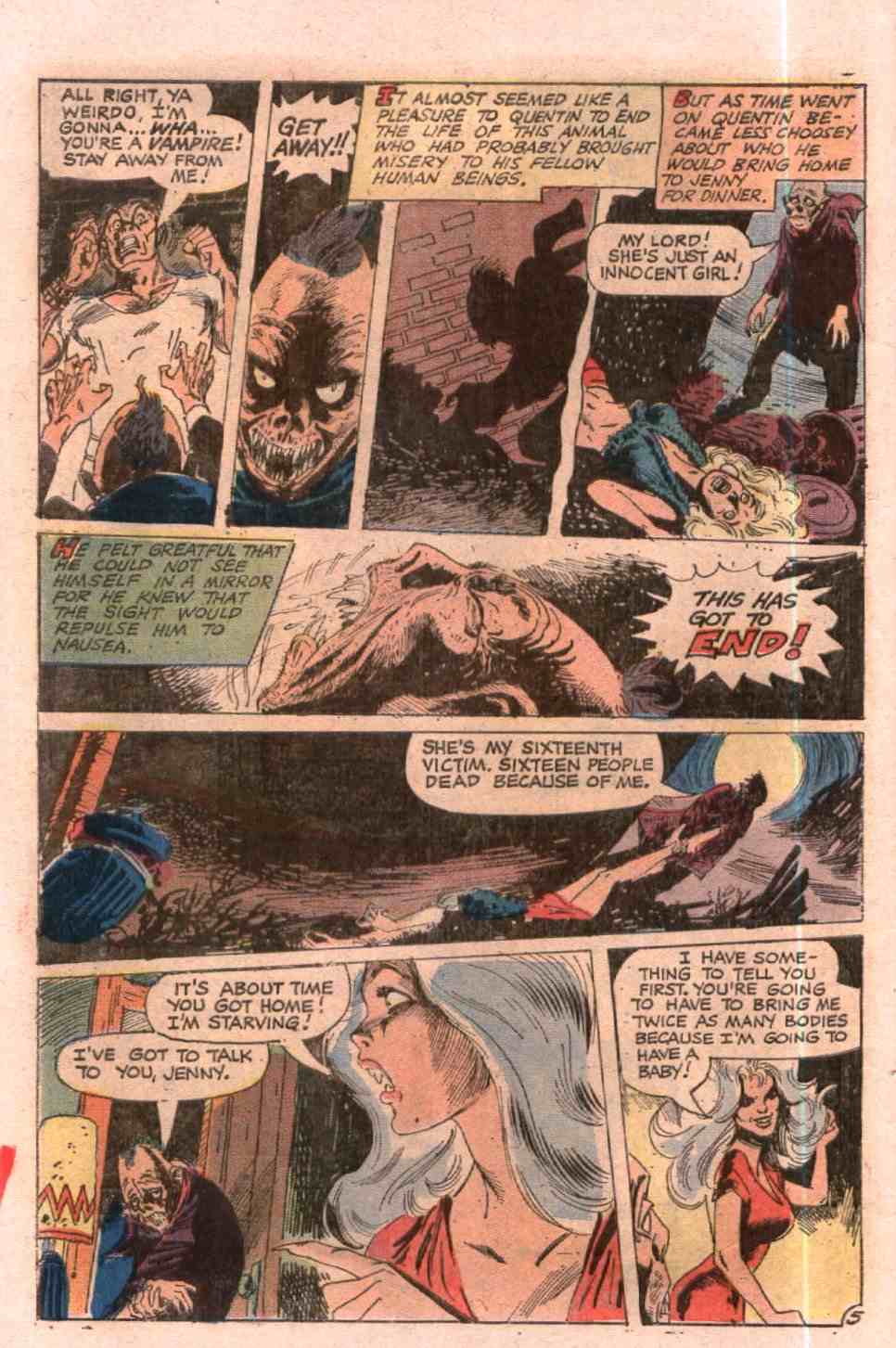
Ragged Claws Network > Heads Up: NIGHT FORCE by Marv Wolfman and Gene Colan — includes an intense seven-page excerpt from Night Force #4 that shows Colan still working at the height of his considerable artistic powers at age 56.
RODMAN: Wally Wood said something to the effect that you had to have a good clip file, ’cause swipes are always preferable to making something up. So, all told, between observation and photos, you’ve got a system where you can do just about anything you want.
COLAN: I guess. Things have to be animated when you’re doing comics; kind of like a cartoon style.
RODMAN: But you don’t use speed-lines or some of the more conventional symbols …
COLAN: I try to blur the scene very often. I still have speed-lines, but I will blur the image. Like if someone is running then the legs are blurred. They’re not quite finished. The drawing has a blurred look. And that to me also denotes action; there are many ways of showing it. Sometimes the after-effect of something going forward, you see the trail of the image behind it several times. These are all cinematic things that I’ve picked up from photographs that I’ve studied. I was always searching – and probably still am, you know – of ways to do it. You know, when you edit a film … Film is movement on a screen, and you can get across an awful lot of effects that way, and feelings that way. You can cut, and inter-cut, and do all kinds of things and there’s motion with that. And I try to do the same thing with a comic book. Because you’re dealing with stills of the figures. I do the best I can with it, by doing a sequence of pictures. And so that if your eye is scanning it may almost look a little bit like it’s moving. I find it enjoyable. It makes the job more fun for me.
RODMAN: Did you start emphasizing action and exploring ways to represent it more consciously in the 1960s as a result of doing so much super hero work? I would think the wild plot set-ups, and the freedom allowed in your part of the Marvel Method, would be generally conducive to visual pyrotechnics.
COLAN: Yeah, it helped me a lot. It’s not new. I mean, I didn’t originate the panels with arms or legs coming out of them. Other artists had done that before. I just started to use it. I felt that if the page was dealing with people just speaking — kind of a very dull page — I had to figure out someway to make it not dull, by varying the angles. Maybe somebody is viewing the person that they’re speaking to through a drinking glass. Something that would be interesting for the reader to look at.
RODMAN: In the Tomb of Dracula miniseries [from 1991], Night of Blood! Day of Redemption! you use quite a degree of distortion in many of the drawings. It’s the sort of thing people only do on the computer these days. And you mentioned that you were always trying to figure out some interesting way of viewing a subject. How were you able to compose those drawings to get the light refractions, or those through-the-lens type effects?
COLAN: It’s doing the art differently. Like warping a picture. Doing something that would catch the reader’s attention. If an arm is thrust forward, it looks almost like it’s coming through the screen. It’s a special effort to accentuate that particular thing you’re looking at. I picked that up from what I’ve seen in photographs. It would be a very good way to begin to show some of these images. Like in Doctor Strange, I would warp the entire room if I had an opportunity.
TwoMorrows.com > The Colan Mystique — an interview with Gene Colan, conducted by Tom Field (from Comic Book Artist #13).
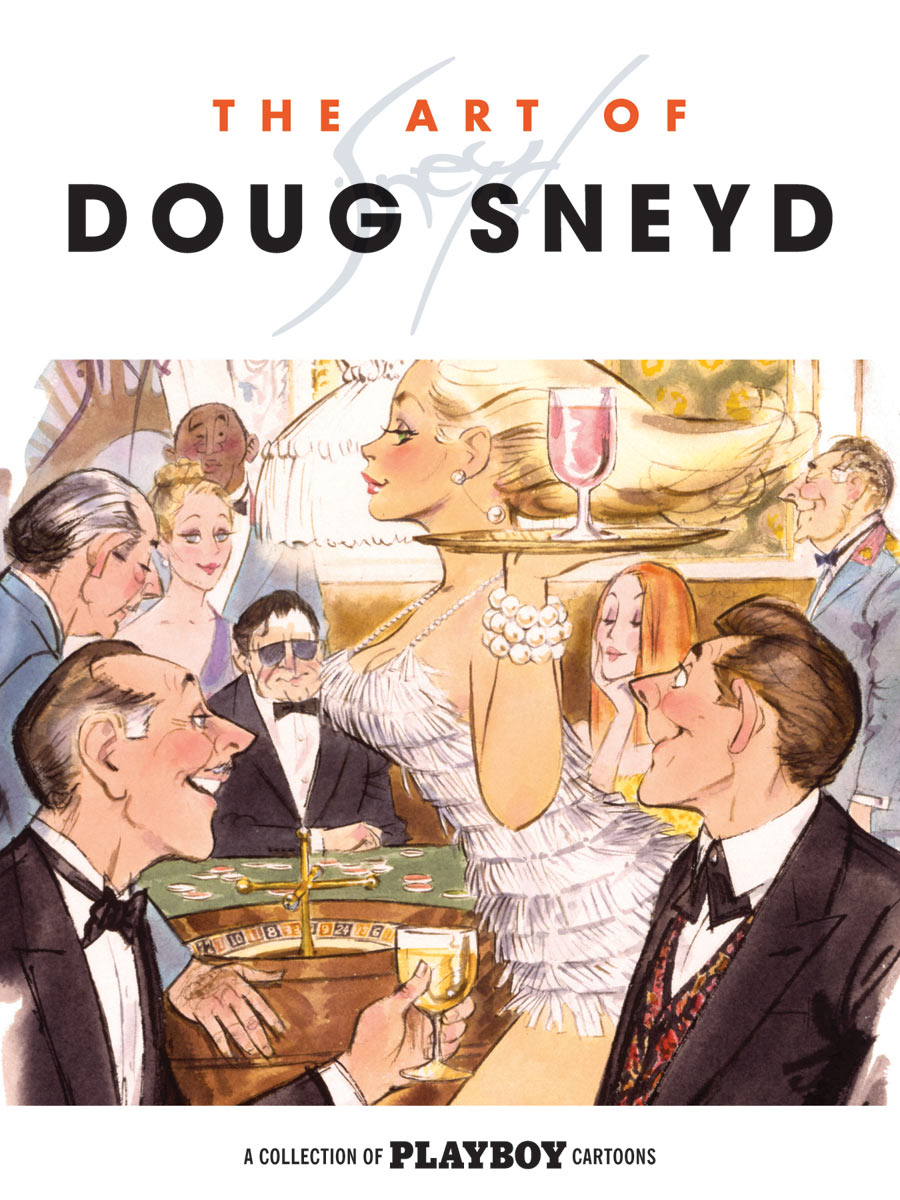
Coming in July from Dark Horse, The Art of Doug Sneyd is a 248-page hardcover collection of “the most lush, sumptuous, striking, and hilarious” of the full-page, colour cartoons that the artist drew for Playboy magazine. The collection (ISBN-10: 1595827250; ISBN-13: 9781595827258) includes a foreword by Playboy founder Hugh Hefner, an introduction by Lynn Johnston, cartoonist of the nationally syndicated strip For Better or For Worse, and reflections from Doug Sneyd himself.
According to the profile on his Web site, Doug Sneyd was born in Guelph, Ontario, spent much of his professional career in Toronto, and continues to maintain a home/studio at Lake Couchiching in central Ontario, though he prefers to spend winters in Orange Beach, Alabama. Sneyd’s cartoons have appeared in Playboy since 1963. The artist “was a founding member of the Canadian Society of Book Illustrators and has been a member of the National Cartoonists’ Society and the Association of American Editorial Cartoonists. Twenty-four of his full-page color Playboy cartoons are among the 229 Sneyd works included in the National Archives of Canada in Ottawa.”
















 Ragged Claws Network