Another day, another cover scan from the library of yours truly:
[CLICK IMAGE TO ENLARGE]

"This day's experience, set in order, none of it left ragged or lying about, all of it gathered in like treasure and finished with, set aside." –Alice Munro, "What is Remembered"
Another day, another cover scan from the library of yours truly:
[CLICK IMAGE TO ENLARGE]
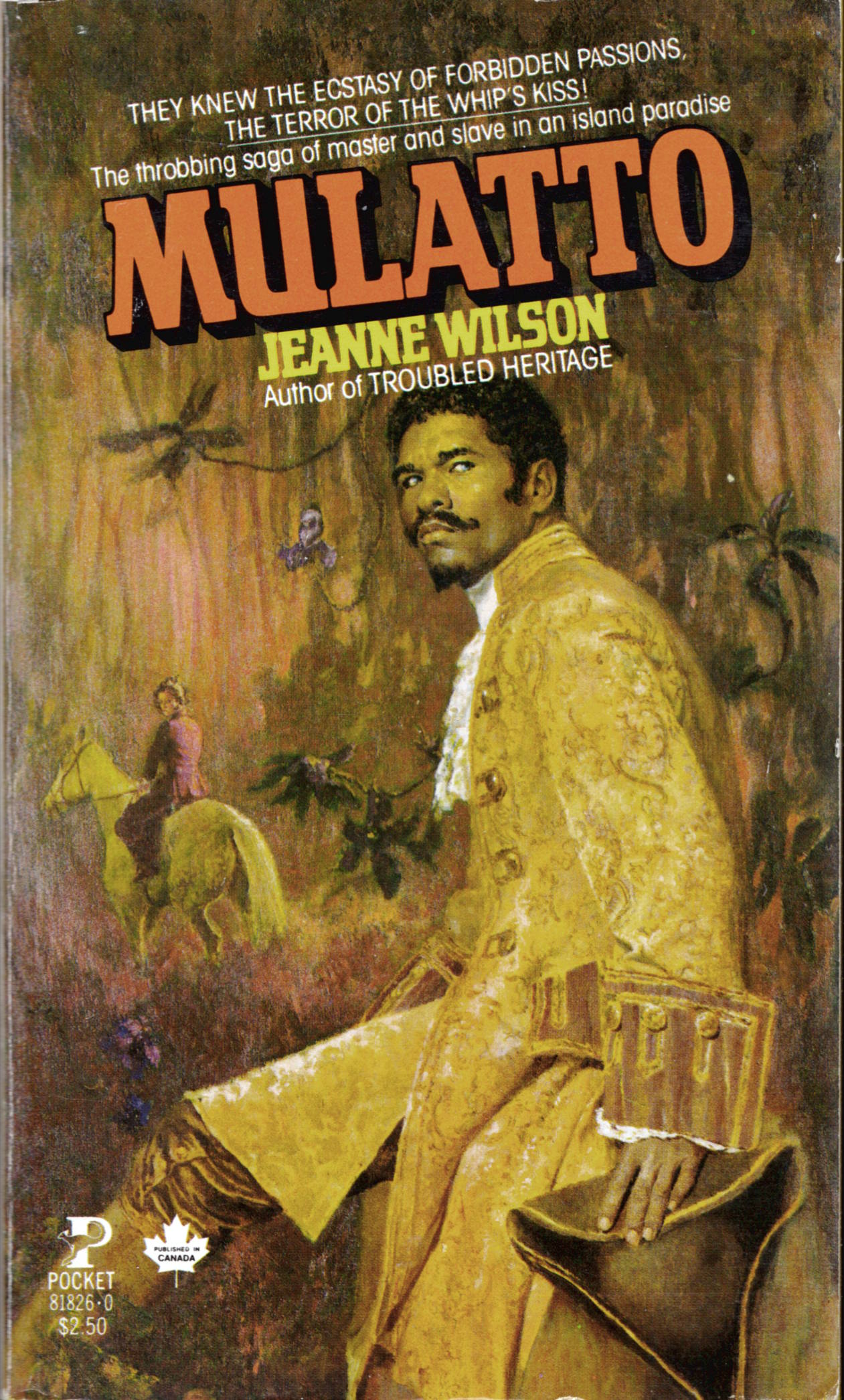
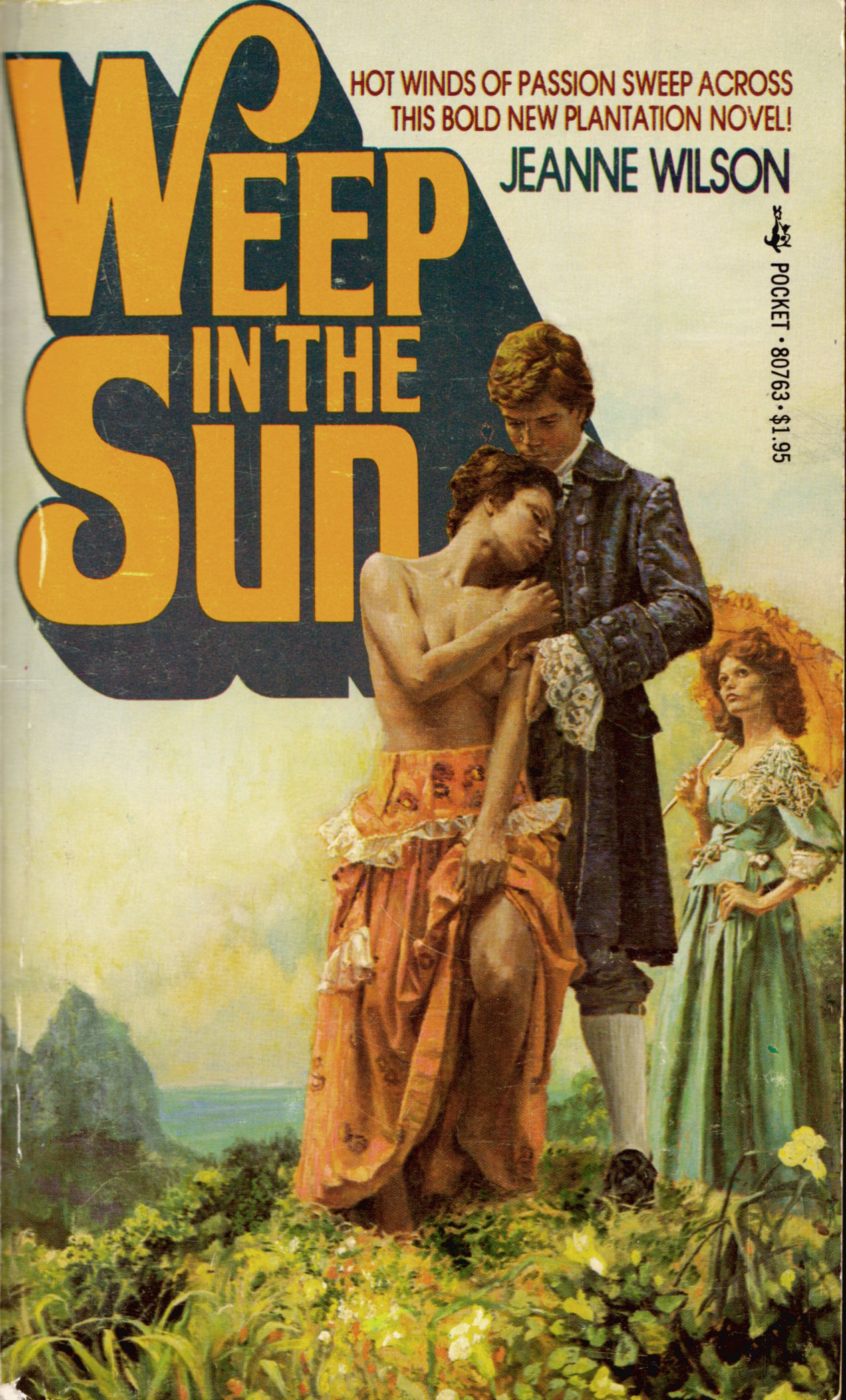
The paintings on the covers of Mulatto and Weep in the Sun by Jeanne Wilson are obviously by the same artist, but that artist, unfortunately, is uncredited, and I can see no evidence of a signature either, which is too bad, because the artist’s skills as a draftsman and painter are considerable and I am kind of curious to know how his or her career played out after 1979, the year these paperbacks were published:
[CLICK IMAGES TO ENLARGE]
Yes, I do own both novels, and yes, the scans are mine, but no, I haven’t read them, and no, I won’t be reading them any time soon.
Because the truth is, the plantation-titillation genre — not the usual appellation, I know, but close enough — holds no attraction for me.
Coming in Spring 2014:

The publisher’s description:
What DO women want?
They might want to float into the sky while hosting a brunch party. They might want a couple of handsome cops to come over and get rid of a snake problem. They might seek a doctor’s treatment for “wise-ass disease” or fantasize about revenge and forgiveness at the dentist’s office. They might want to sing the White Girl Blues and dance the White Girl Twist.
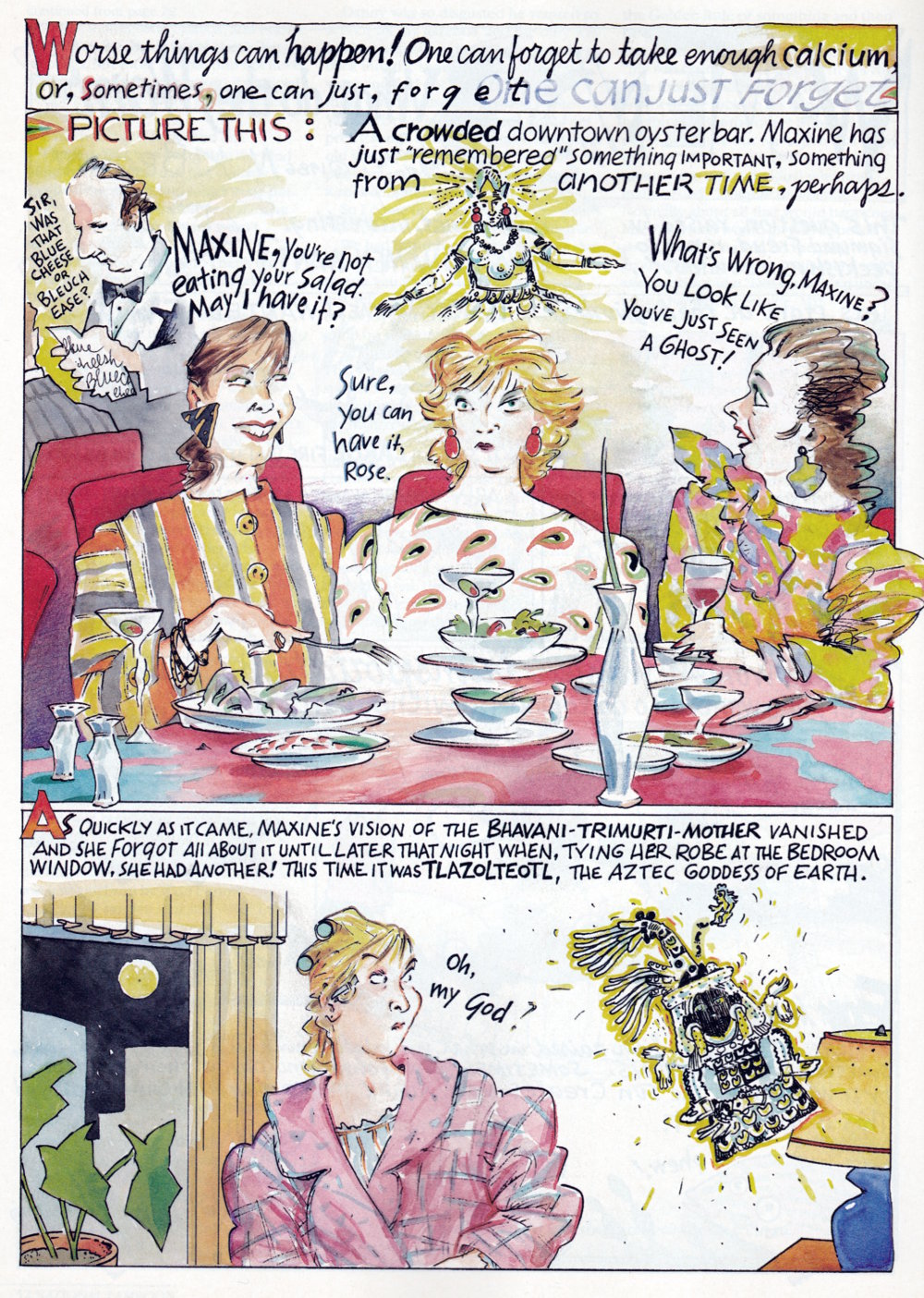
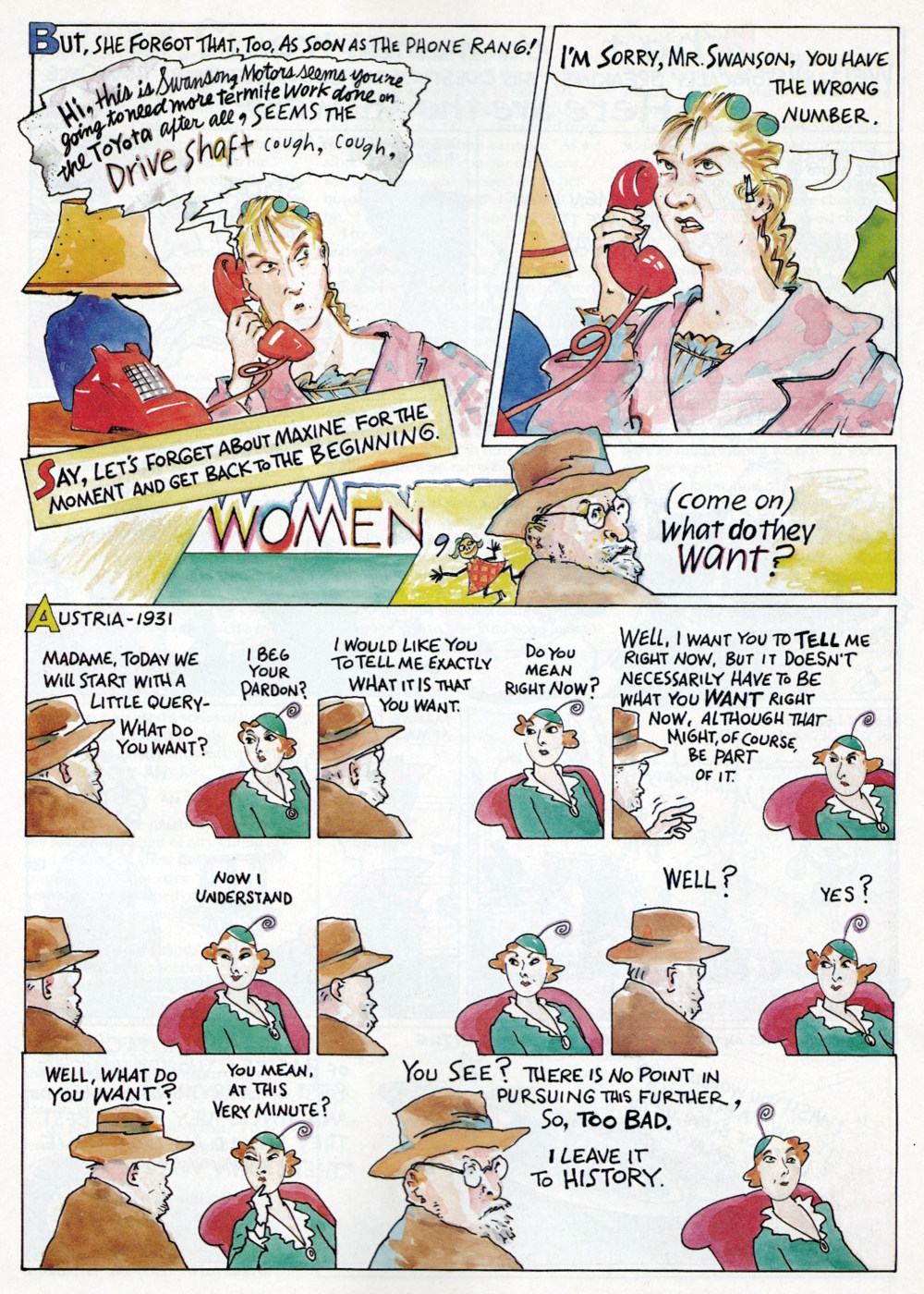
One of the funniest cartoonists of the last four decades, M.K. Brown has accumulated a body of work long savored by aficionados but never comprehensively collected — until now. Women, What Do We Want? is the first retrospective collection of Brown’s cartoons and comic strips from the National Lampoon from 1972-1981, as well as other magazines such as Mother Jones, The New Yorker, Atlantic Monthly, and Playboy; and her comics from underground publications like Arcade, Wimmin’s Comics, Young Lust, and Twisted Sisters.
Her cartoons combine a penchant for the absurd with the gimlet observational eye of Roz Chast. Brown satirizes suburban anxiety and ennui by turning it upside-down and sideways, and her slightly grotesque yet lovable characters are perfectly captured in her restless pen line and delicate jewel-tone watercolors.
In these pages: Read instructions for the use of glue, making a pair of pants, home auto repair, coping with chainsaw massacres, and jackknifing your big rig. Travel around the world to witness the giant bananas of Maui, strange sightings in Guatemala, camel and a “Saga of the Frozen North.” Learn about love ’round the world, among eccentric suburbanites, and in a “Condensed Gothic” romance. “Another True-Life Pretty Face in the Field of Medicine” introduces Virginia Spears Ngodátu, who (with a bit of a name change) would go on to star in “Dr. Janice N!Godatu,” Brown’s series of animated shorts that appeared on The Tracy Ullman Show alongside the first incarnation of The Simpsons. Aliens, old people, pilgrims, mermen, monitor lizards, tiny floating muggers and other weirdos feature in Brown’s side-splitting single-panel gag strips.
And what about men? Don’t worry — you’ll meet Mr. Science and his pointless experiments; “Earl D. Porker, Social Worker,” who converses with household items and forgets the cat food; a man whose head is a basket of laundry; and others.
Black & white with 16 pages of color.
Details:
Format: Softcover, 200 pages
Publisher: Fantagraphics (February 25, 2014)
Language: English
ISBN-10: 1606997084
ISBN-13: 978-1606997086
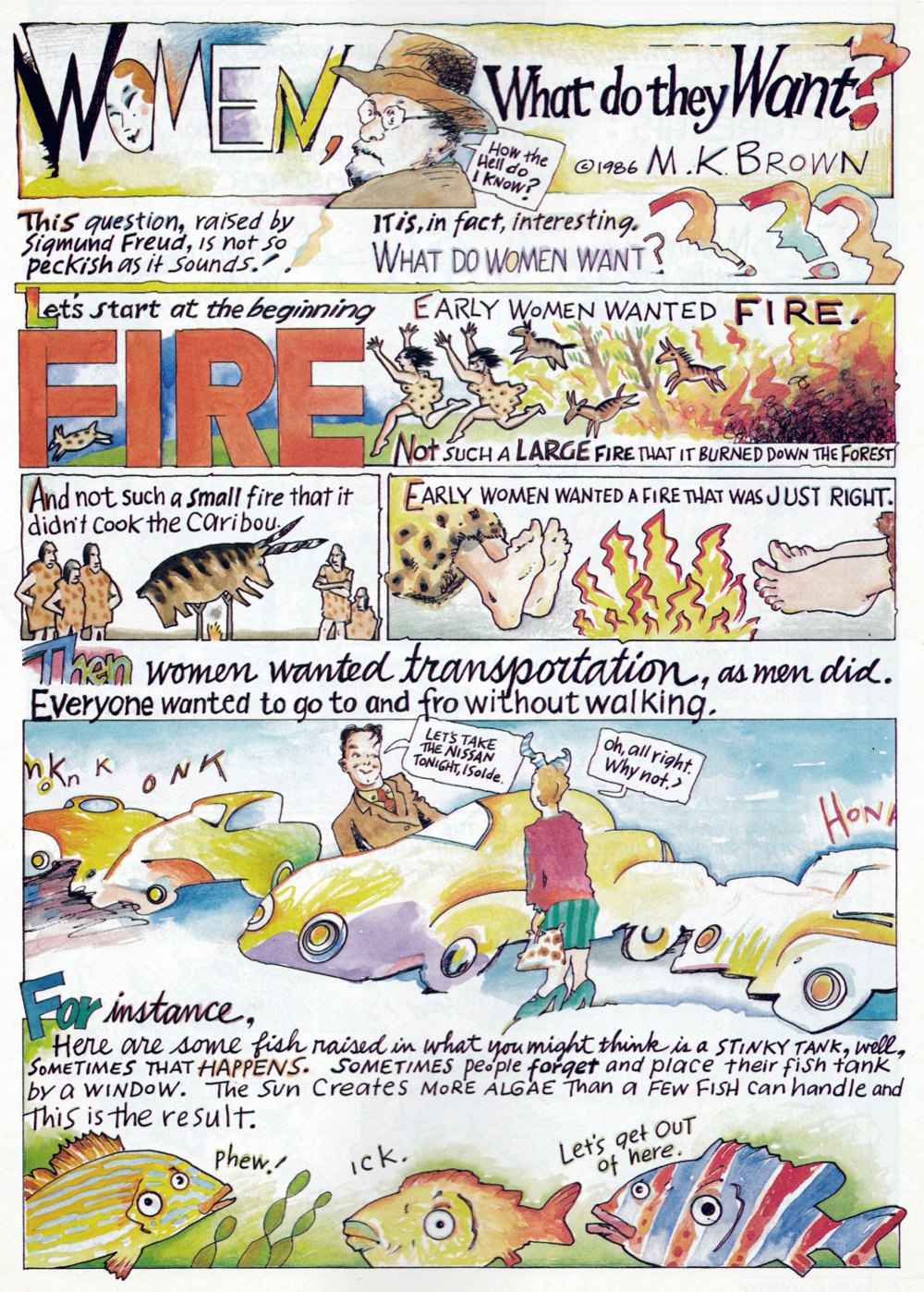
Although Fantagraphics has not yet announced the exact contents of the book, I am sure it will include the following strip, which was first published in the March 1986 number of National Lampoon:
[CLICK IMAGES TO ENLARGE]

BLAST FROM THE PAST:
[CLICK IMAGE TO ENLARGE]

My book, my scan… for better or for worse…
RELATED POSTS:
[CLICK IMAGES TO ENLARGE]


Only one of the above paperbacks (scanned straight outta the collection of yours truly) includes a cover credit, but the art on the front of it and two others is signed “Lou Feck,” so… mystery solved! Unfortunately, the art on the fourth, Where Murder Waits, is only signed with the initials “L.F.,” but since the letter forms look the same as in the full signature, the time period is right, and the style is right in artist’s wheelhouse, I strongly suspect that that one is by Lou Feck as well.
The cover of Ice! is a fold out, obviously. Pity that the image, when folded in, doesn’t quite cover the underlying pages. Bet the designer wasn’t too happy when those books were delivered from the printer.
And finally, although Feck’s interpretation of A Canticle for Leibowitz is heavily indebted to the work of Paul Lehr, that cover is iconic — a classic!
[CLICK IMAGES TO ENLARGE]


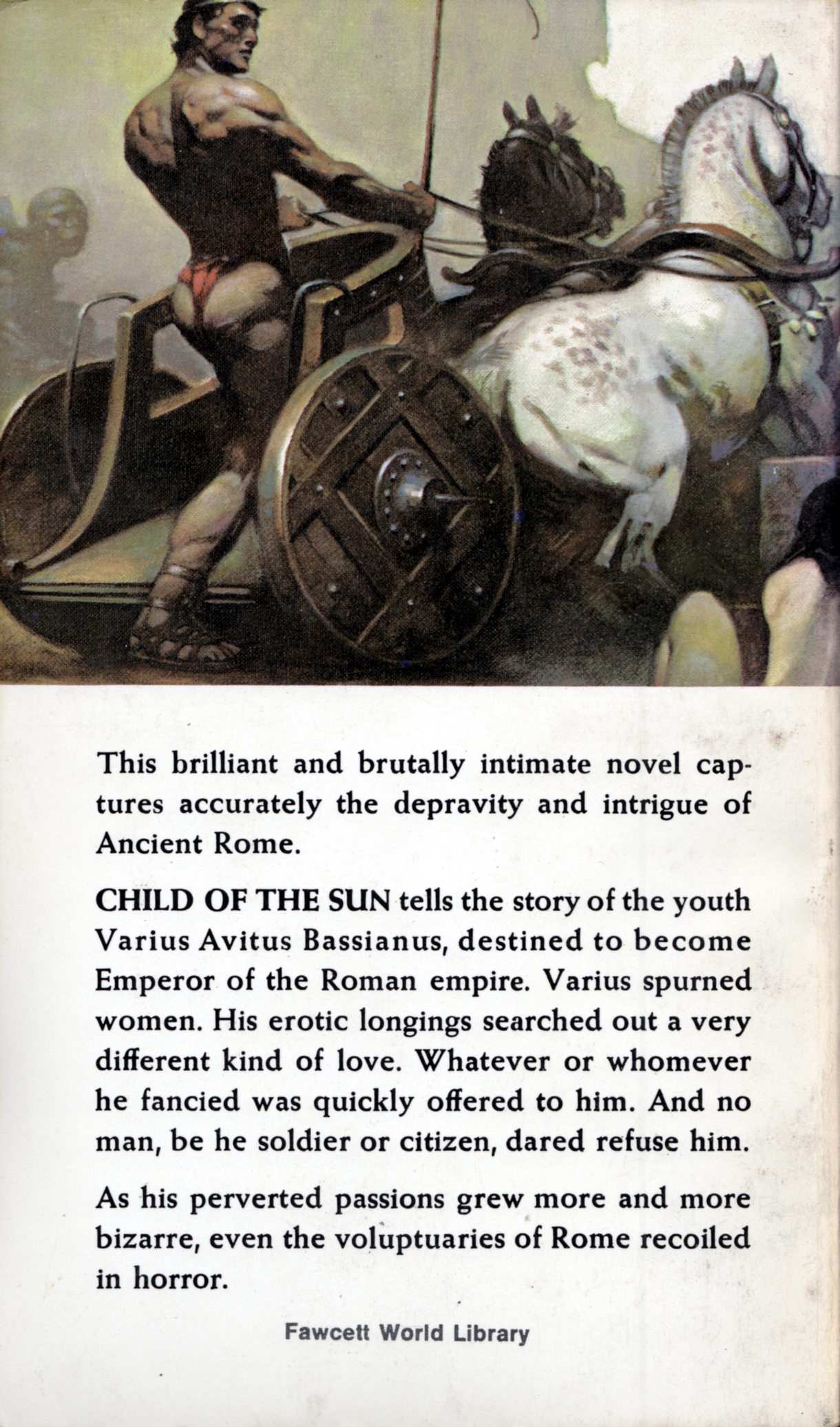

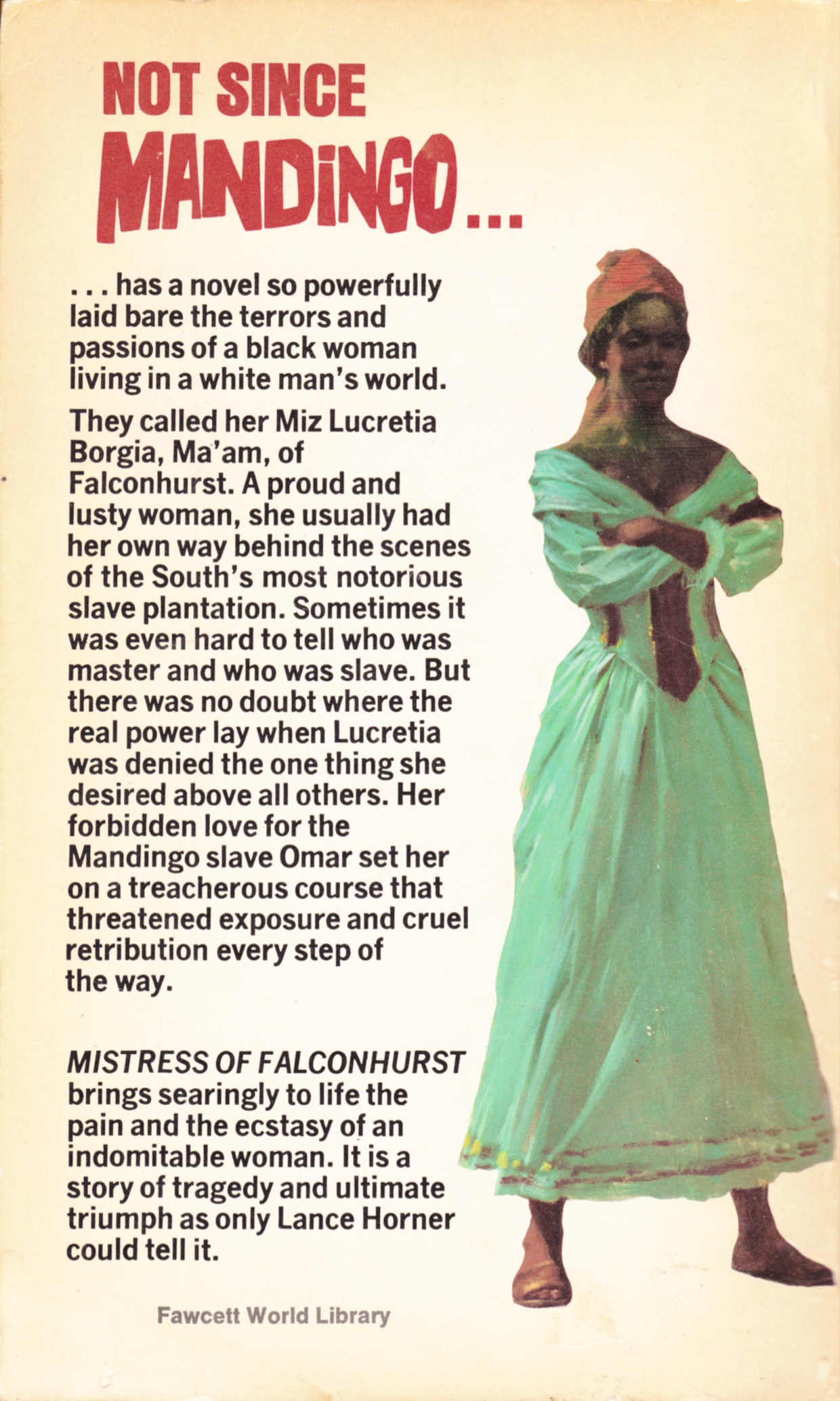

I know that I have posted a scan of Rogue Roman before, but what you see above is a new scan of a different copy of the novel (I have two). I only recently obtained a copy of Child of the Sun (for cheap at — where else? — Value Village), with cover art by Frazetta, so that scan is new, too, as are the others. Seeing those two covers together, Rogue Roman and Child of the Sun, one can appreciate, I think, the significant change — some would say, improvement — in Frazetta’s oil technique from the 1960s to the celebrated paintings of the 1970s.
I have no idea who painted the uncredited covers of The Street of the Sun or Mistress of Falconhurst, although the latter includes the initials (?) RES in the lower left-hand corner. If you know who RES is, feel free to post the artist’s name in the comments section below. [Apparently, RES is Robert E. Schulz; see comment section below.]
As for The Street of the Sun, let’s just say that although the loose illustrative style is attractive, and distinctly less “old-fashioned” than the other three, it is entirely unexceptional for the time period (the late 1960s) and could have been produced by any number of artists.
From Wikimedia Commons, the free media repository, here are four studies for The Sea Maiden by British artist Herbert James Draper, along with the dramatic, and oddly erotic, final painting; the eroticism was intentional, of course:
[CLICK IMAGE TO ENLARGE]
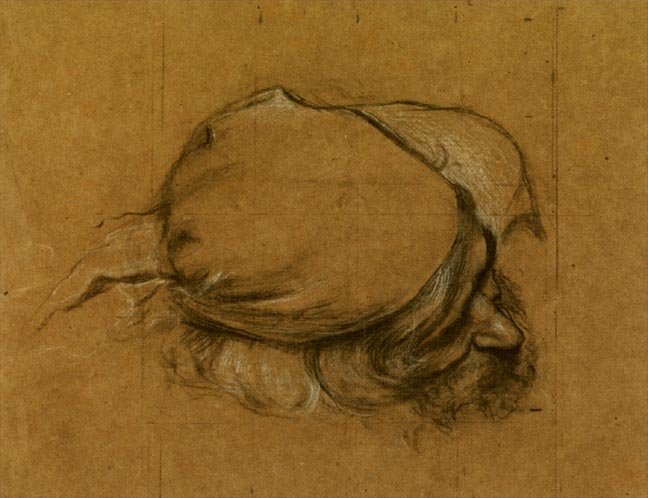


Draper’s inspiration:
CHASTELARD.
Have you read never in French books the song
Called the Duke’s Song, some boy made ages back,
A song of drag-nets hauled across thwart seas
And plucked up with rent sides, and caught therein
A strange-haired woman with sad singing lips,
Cold in the cheek like any stray of sea,
And sweet to touch? so that men seeing her face,
And how she sighed out little Ahs of pain
And soft cries sobbing sideways from her mouth,
Fell in hot love, and having lain with her
Died soon? one time I could have told it through:
Now I have kissed the sea-witch on her eyes
And my lips ache with it; but I shall sleep
Full soon, and a good space of sleep.— Algernon Charles Swinburne, Chastelard, a tragedy (1866)
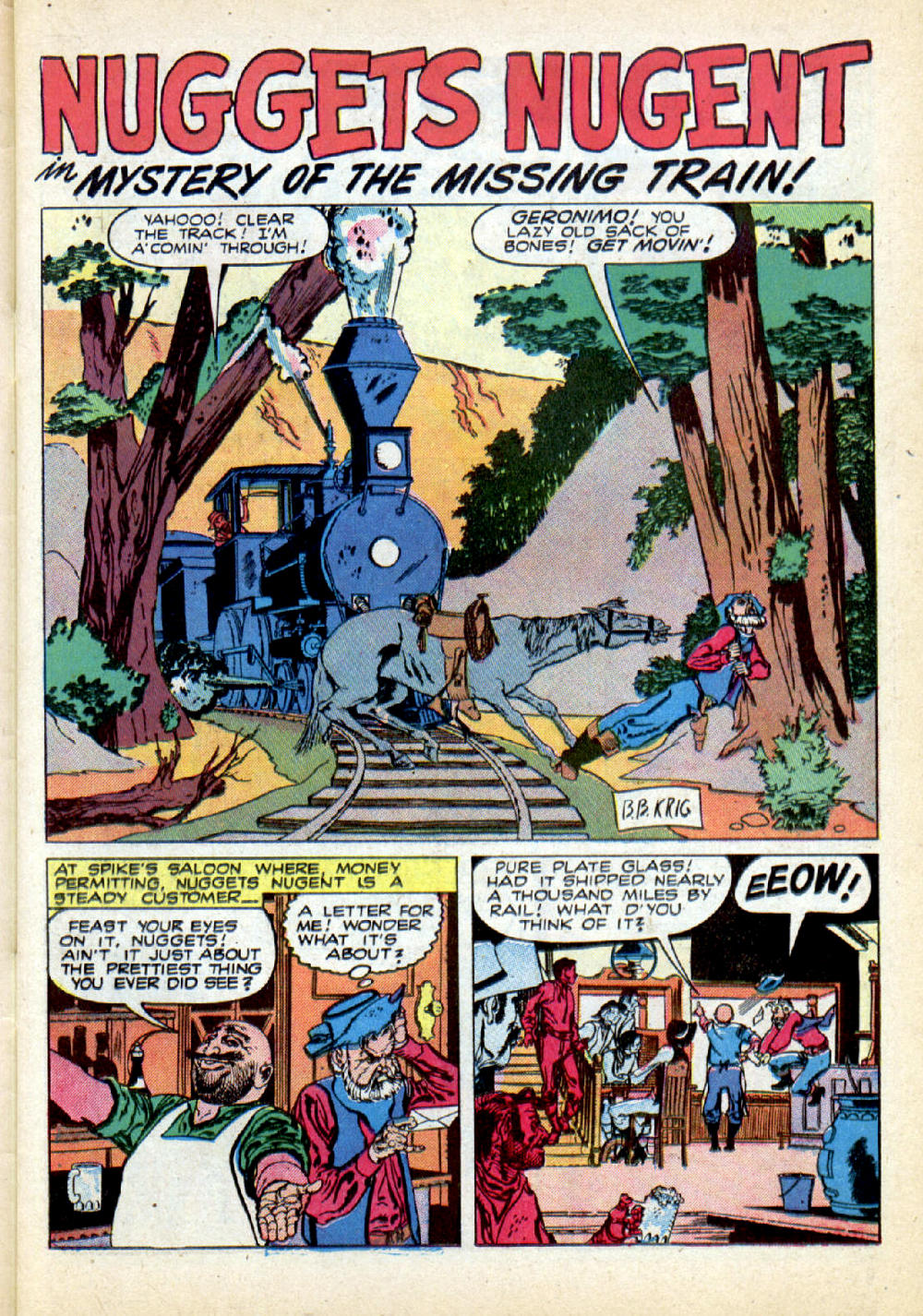
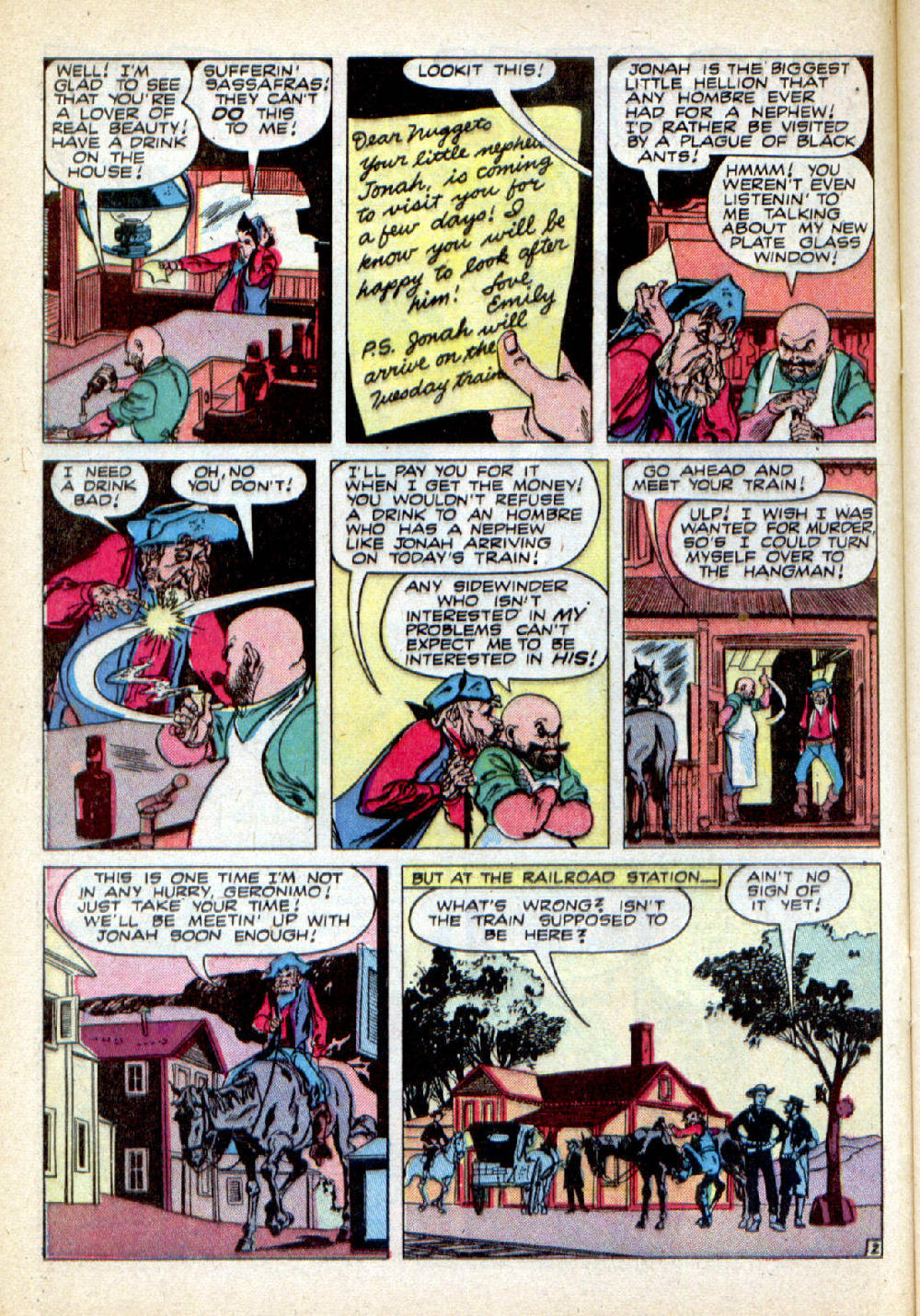
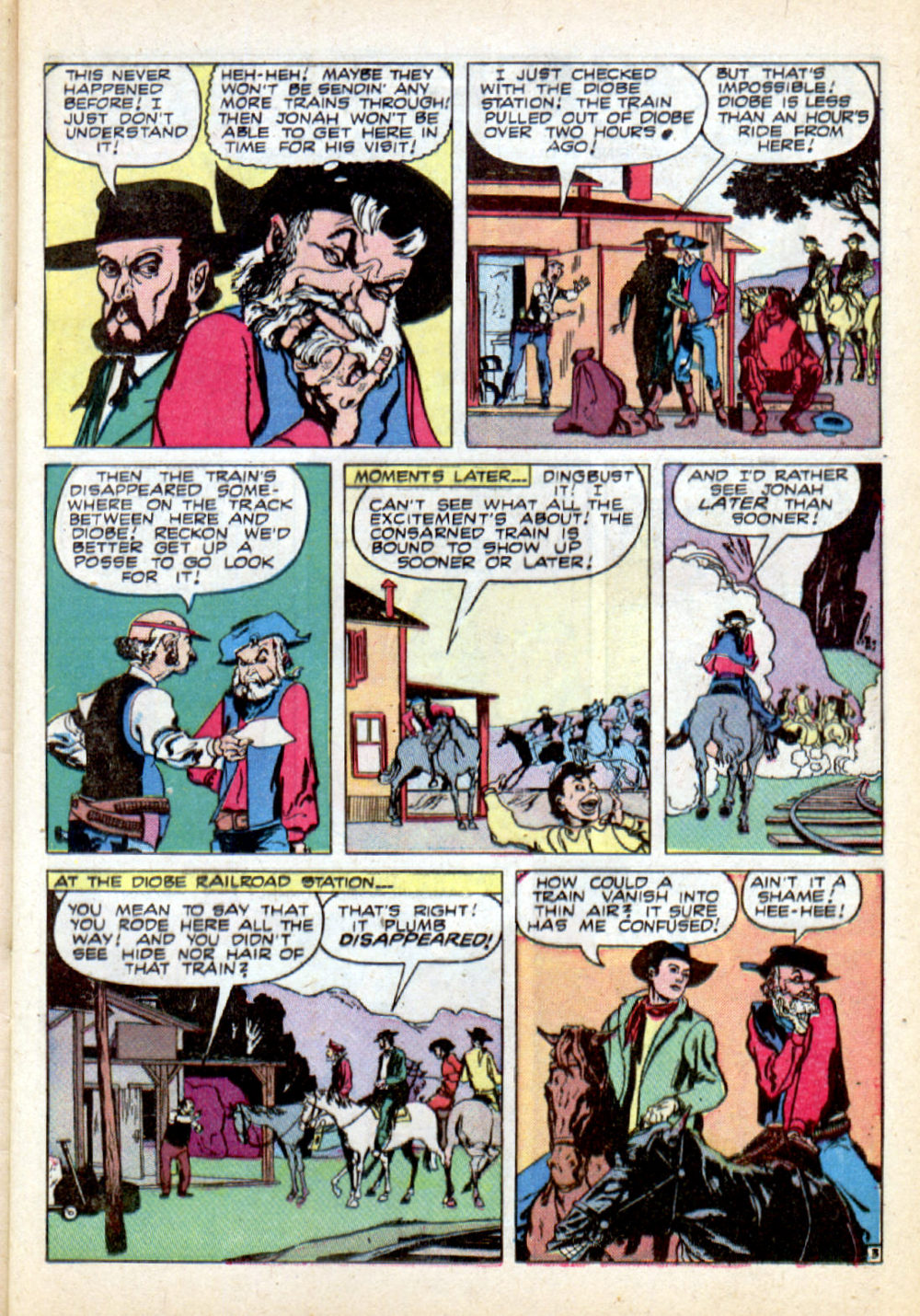
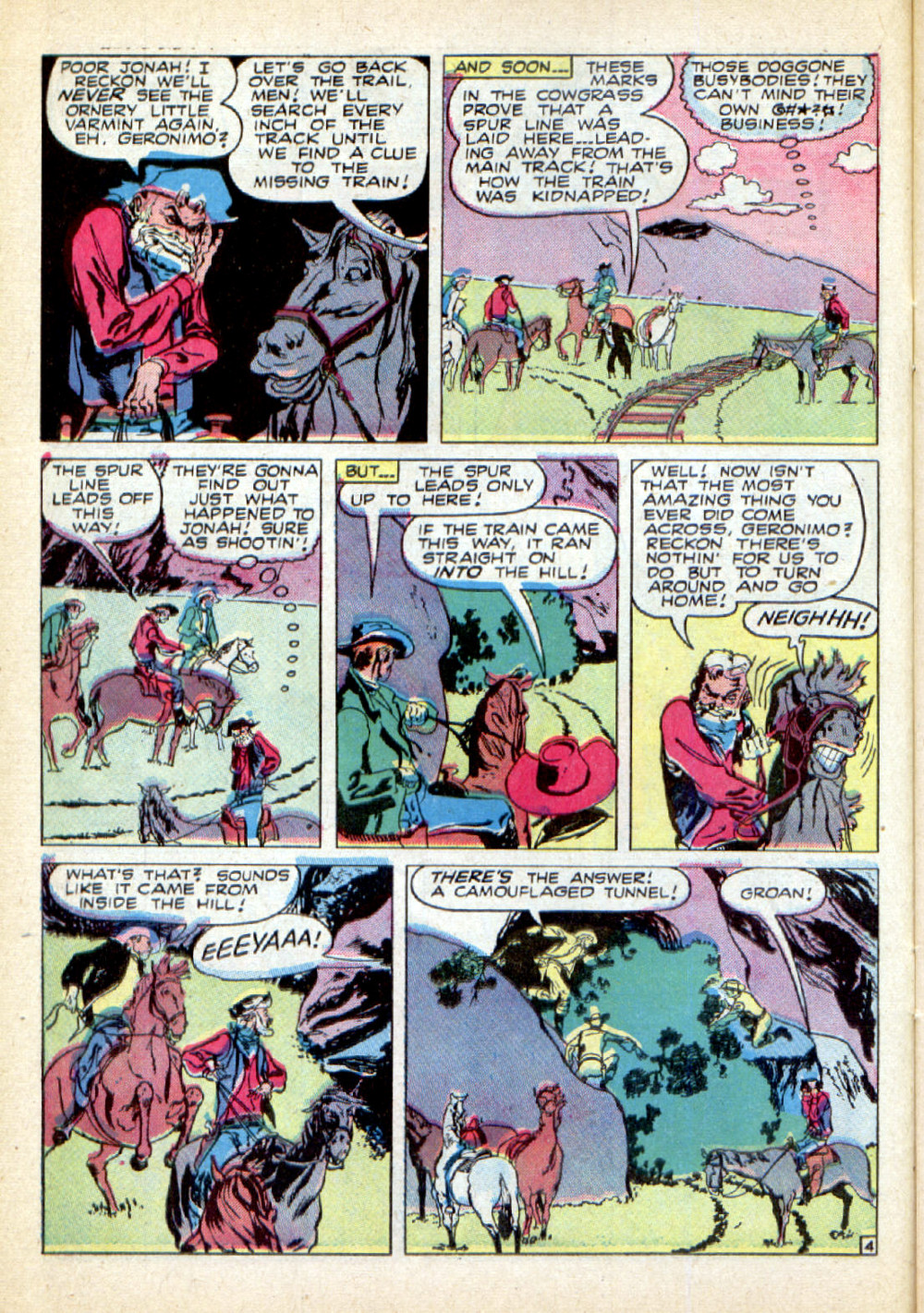
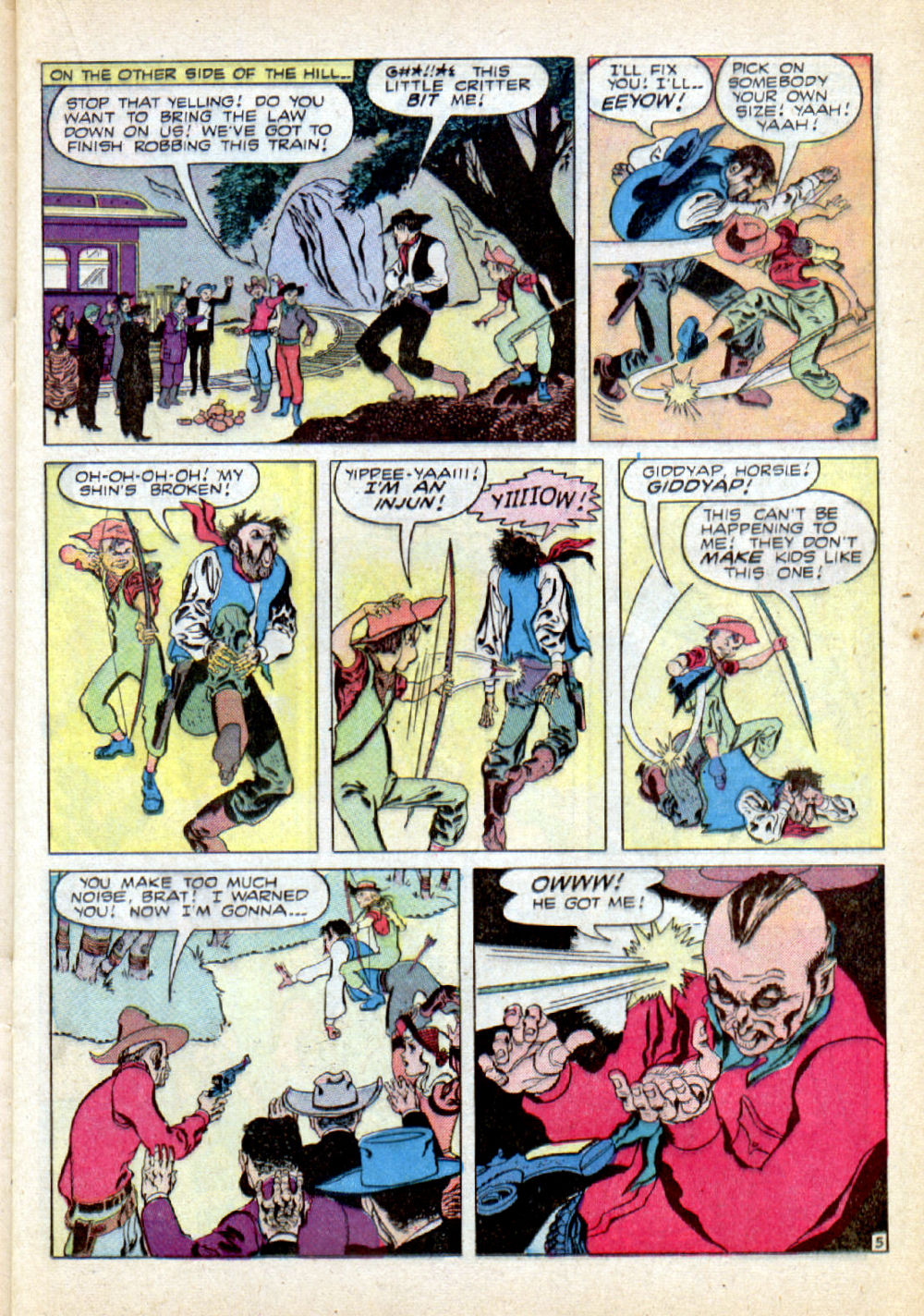
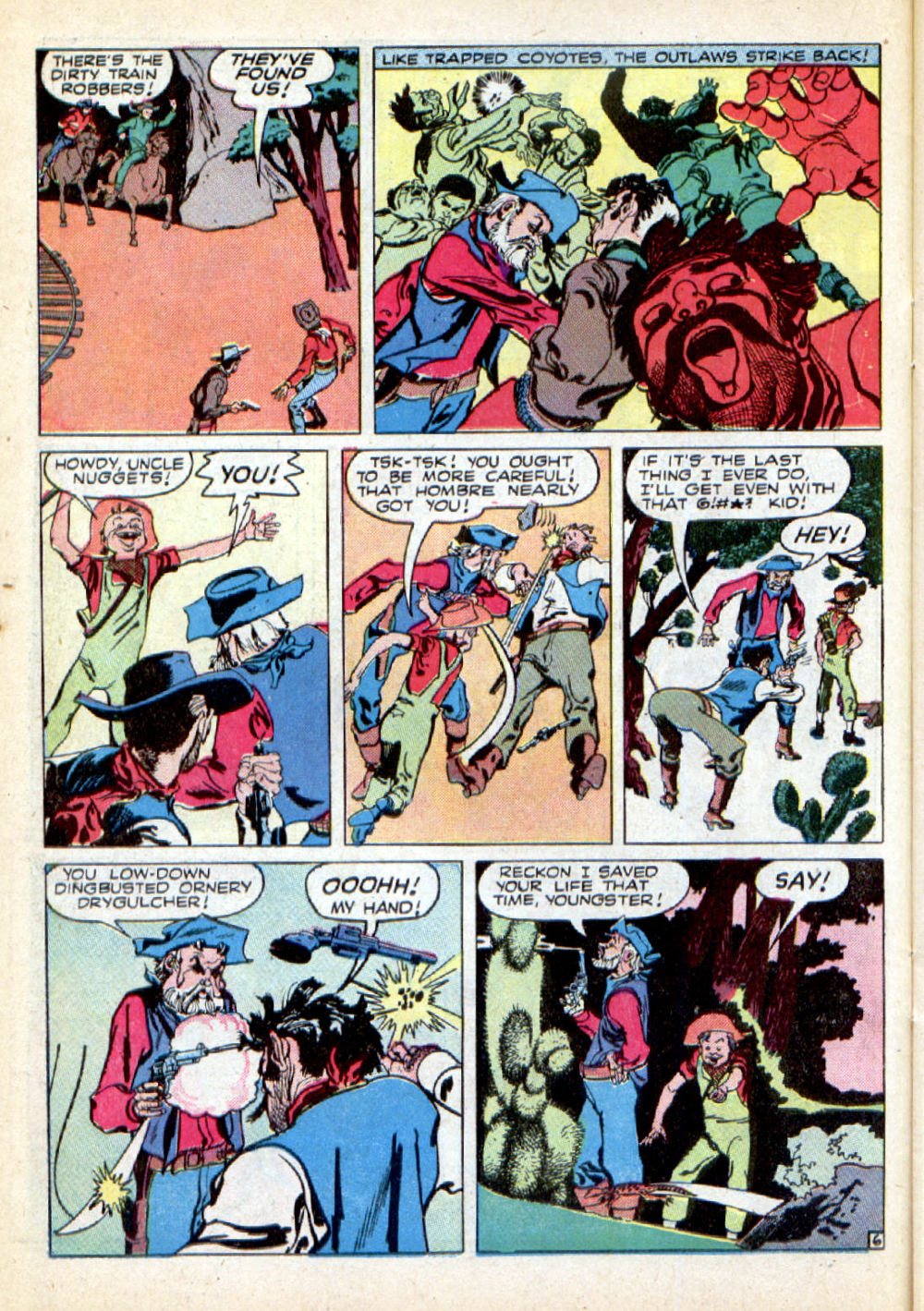
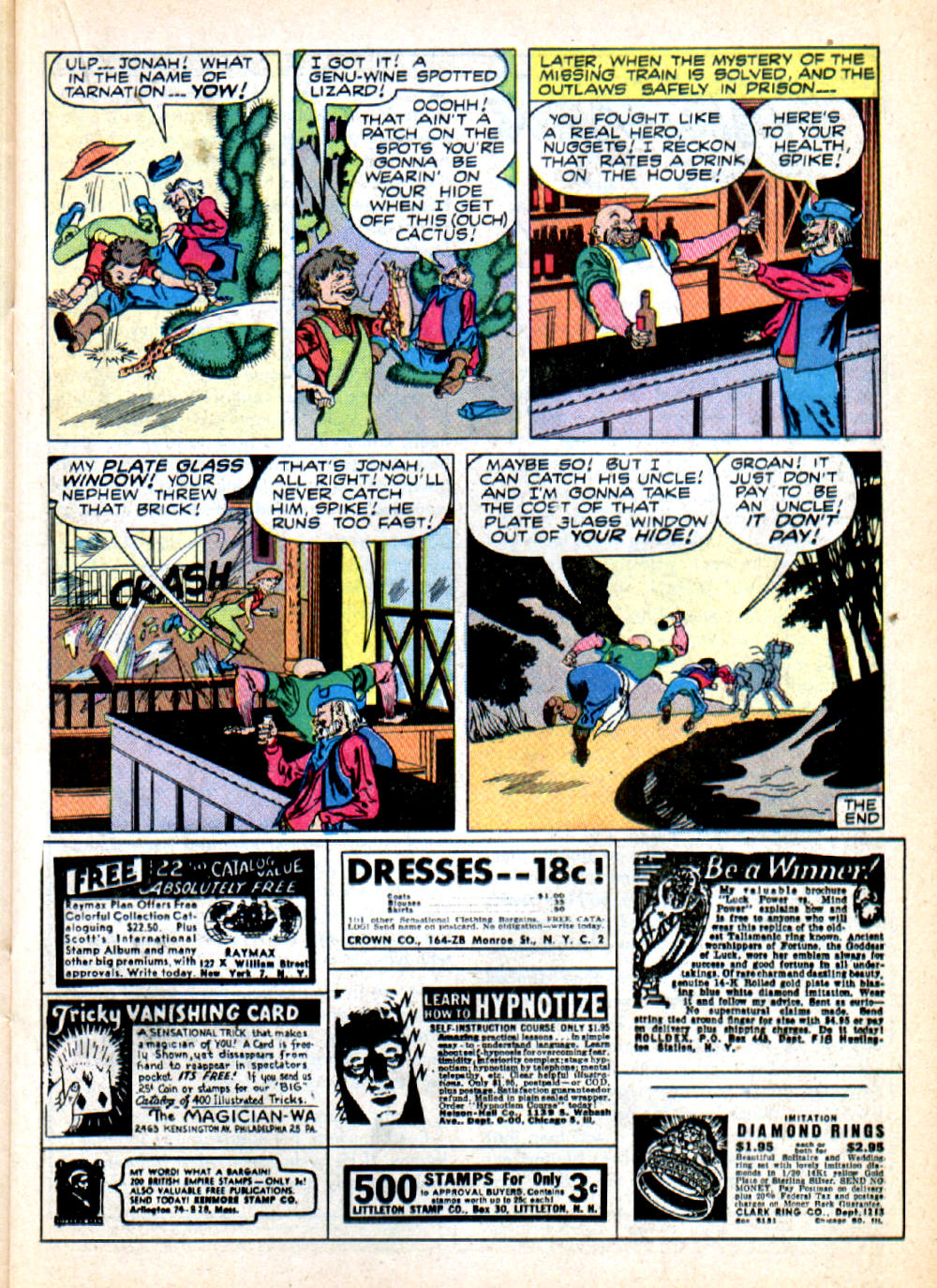
From The Westerner Comics #27 (June 1950), here’s “Mystery of the Missing Train,” featuring Nuggets Nugent, with art by Bernie Krigstein:
[CLICK IMAGES TO ENLARGE]
A dramatic illustration (by an uncredited artist) and a bold, complementary title treatment (by an uncredited designer) combine to lift the overall design of the cover of Denis Pitts’ thriller novel from the late 1970s about a terrorist threat to Manhattan to a very high level:
[CLICK IMAGES TO ENLARGE]

The lesson here: even though some genres (or time periods) may appear to be (or may in fact be) more blessed than others, great illustrative book covers can appear in any genre (or period).
 Ragged Claws Network