
Just a friendly note to let fans of Jeffrey Jones know that ebay seller intergalactic (Positive Feedback: 99.8%) has multiple copies of two vintage posters by Jeffrey Jones on sale right now: Chastity (9 available, as of today, for the “Buy It Now” price of US$10.95 each plus shipping) and Sleep (10 available, as of today, for the “Buy it Now” price of US$12.95 each plus shipping). I myself purchased one copy of each poster a short time ago, and was impressed both by the service and by the quality of the merchandise, though please keep in mind, if you decide to follow my lead, you buy at your own risk.
Look Here: A third obscure paperback cover by Frank Frazetta
The paperback indicia doesn’t include a publication date, but according to a couple of Web sites, the Paperback Library reprint edition of Danger Planet, which featured “Captain Future, inter-galactic agent of justice, whose identity is top secret, whose strength is ultimate,” was published in 1969, some 24 years after the original!
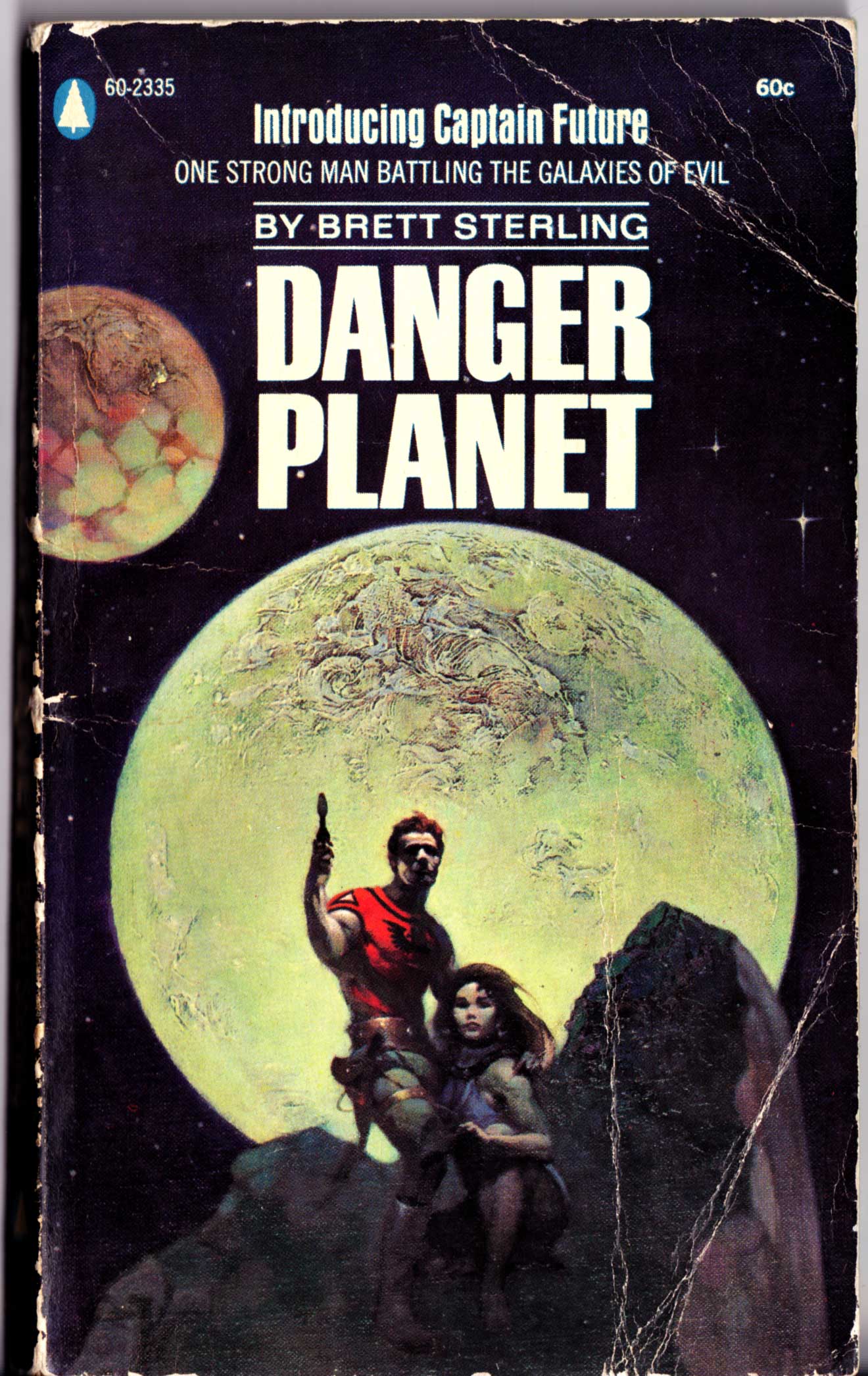

As you can see from the above image of the actual painting (which was painted on an 18.75 x 12.5 inch canvasboard panel!), the section with Frazetta’s signature, and much else, was cropped for the cover. Frazetta didn’t get an interior cover credit either. Because everybody knows it’s timeless action heroes like “Captain Future” that sell books, not cover artists…
Look Here: Two SF covers by Paul Lehr
The Knight novel has no publication date (n.d.) but is copyright 1965:
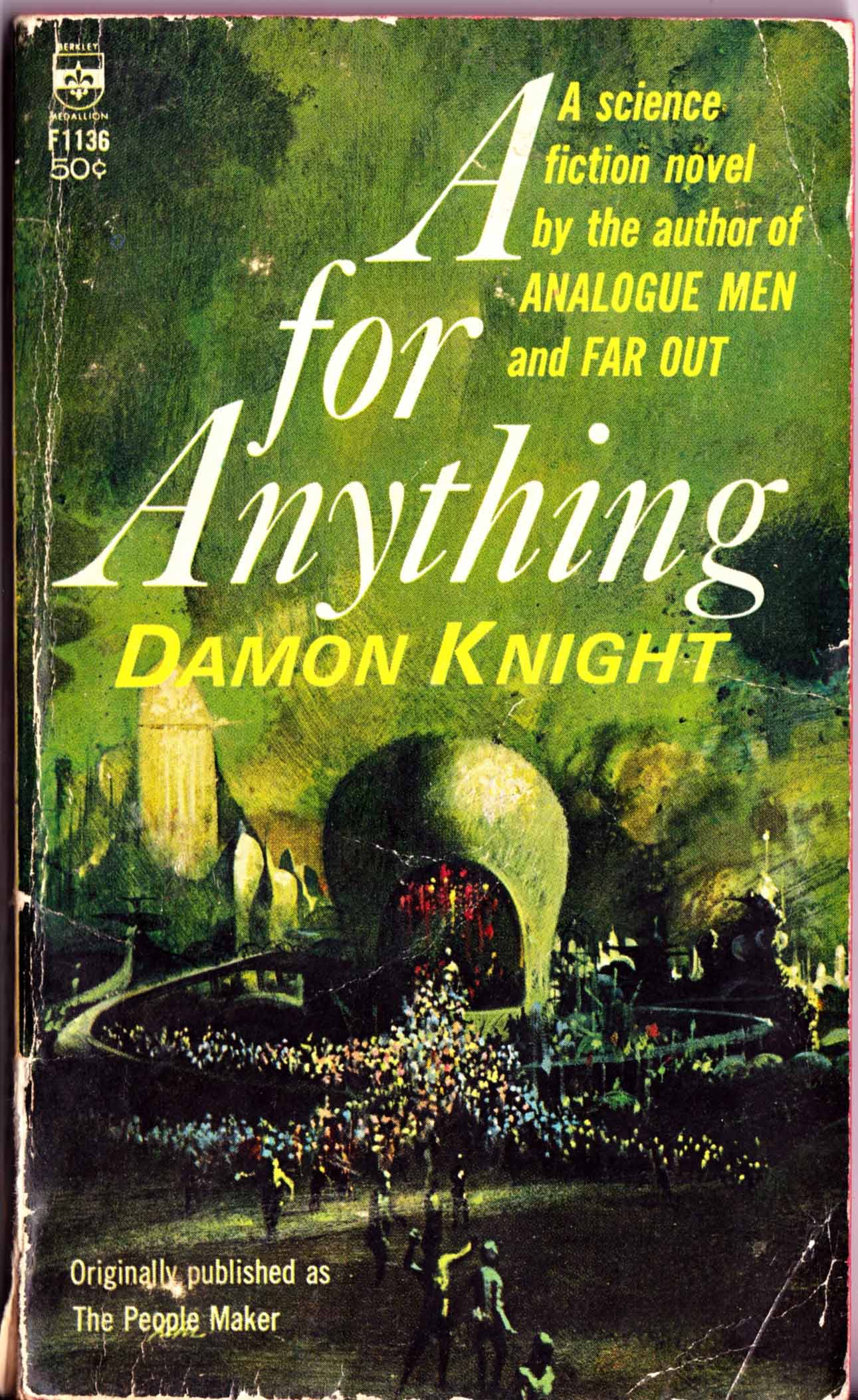
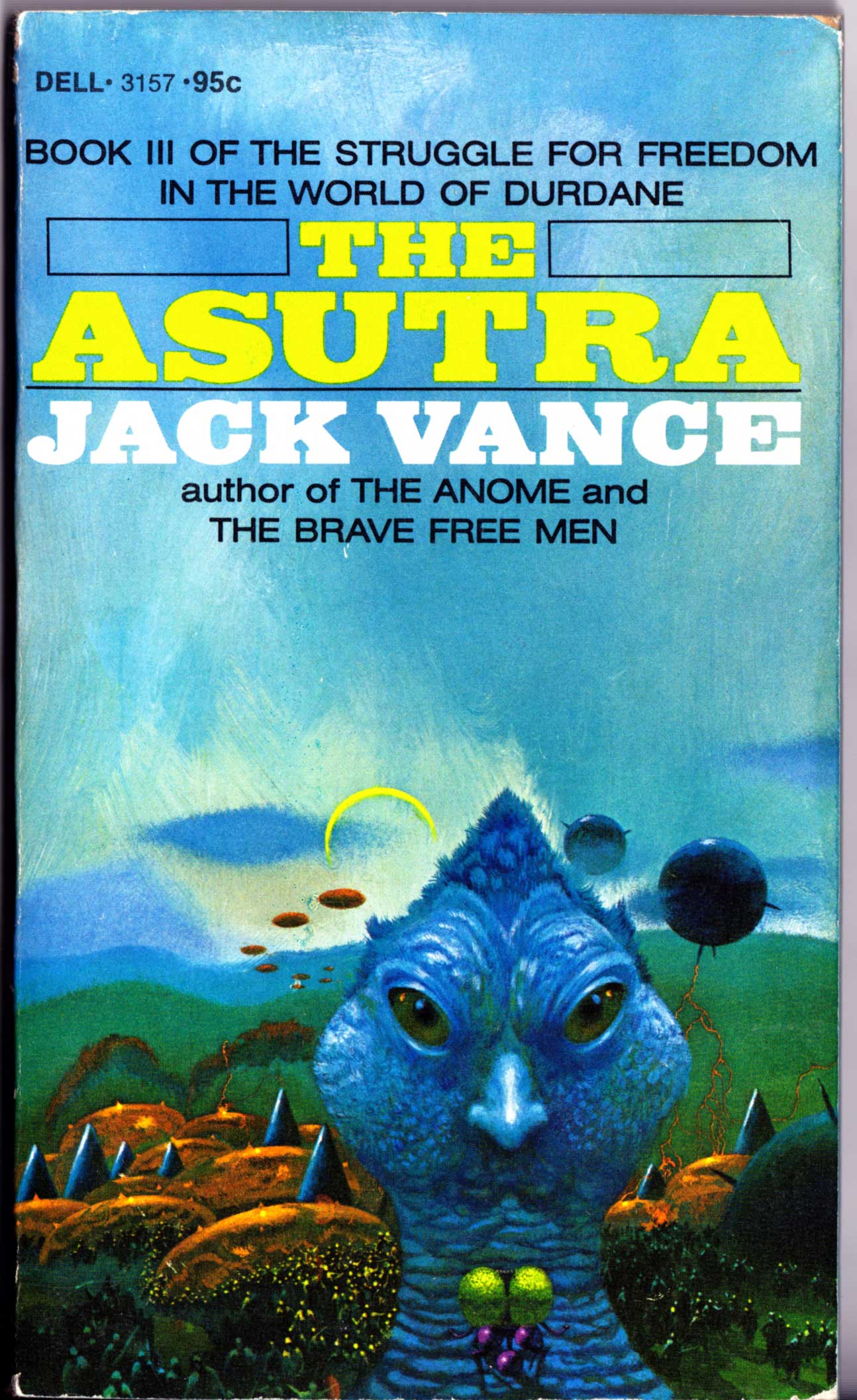
Click here to view all of the covers by Paul Lehr that I’ve posted to date.
Look Here: Five more by Paul Lehr



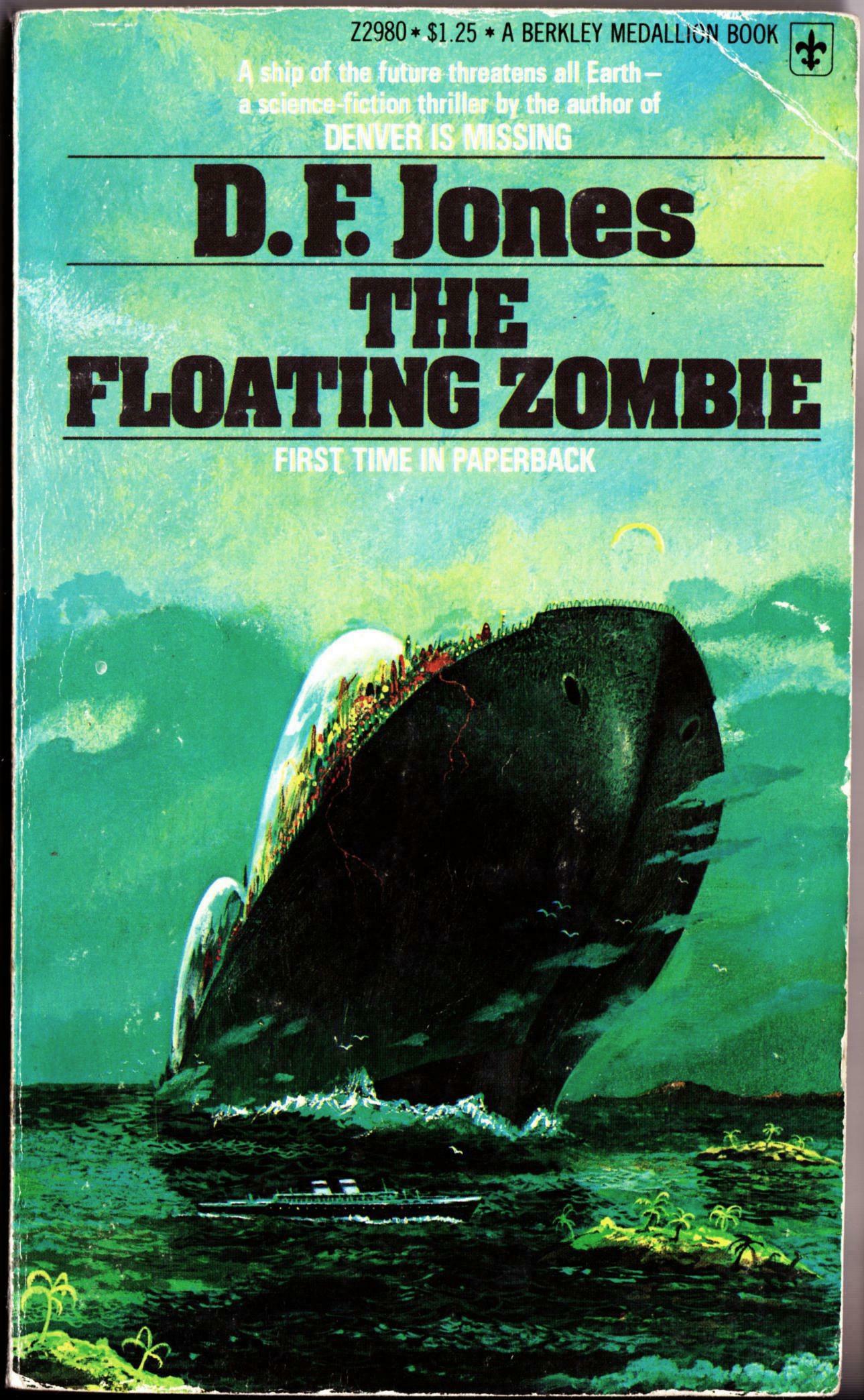

Click here to view all of the Paul Lehr paperback covers I’ve posted so far.
Look There, and Here: “Harry” by Jeffrey Jones
Over at Atomic Surgery, blogger Staq Mavlen has posted scans of Jeffrey Jones’s short story, “Harry,” from Vampirella #85, in crisp black and white. What Mavlen doesn’t mention is that “Harry” was originally published in Vampirella #32, with day-glo colours by none other than Richard Corben! To compare the two versions, simply click here to read the black-and-white reprint and scroll down on this page to read the original colour publication:
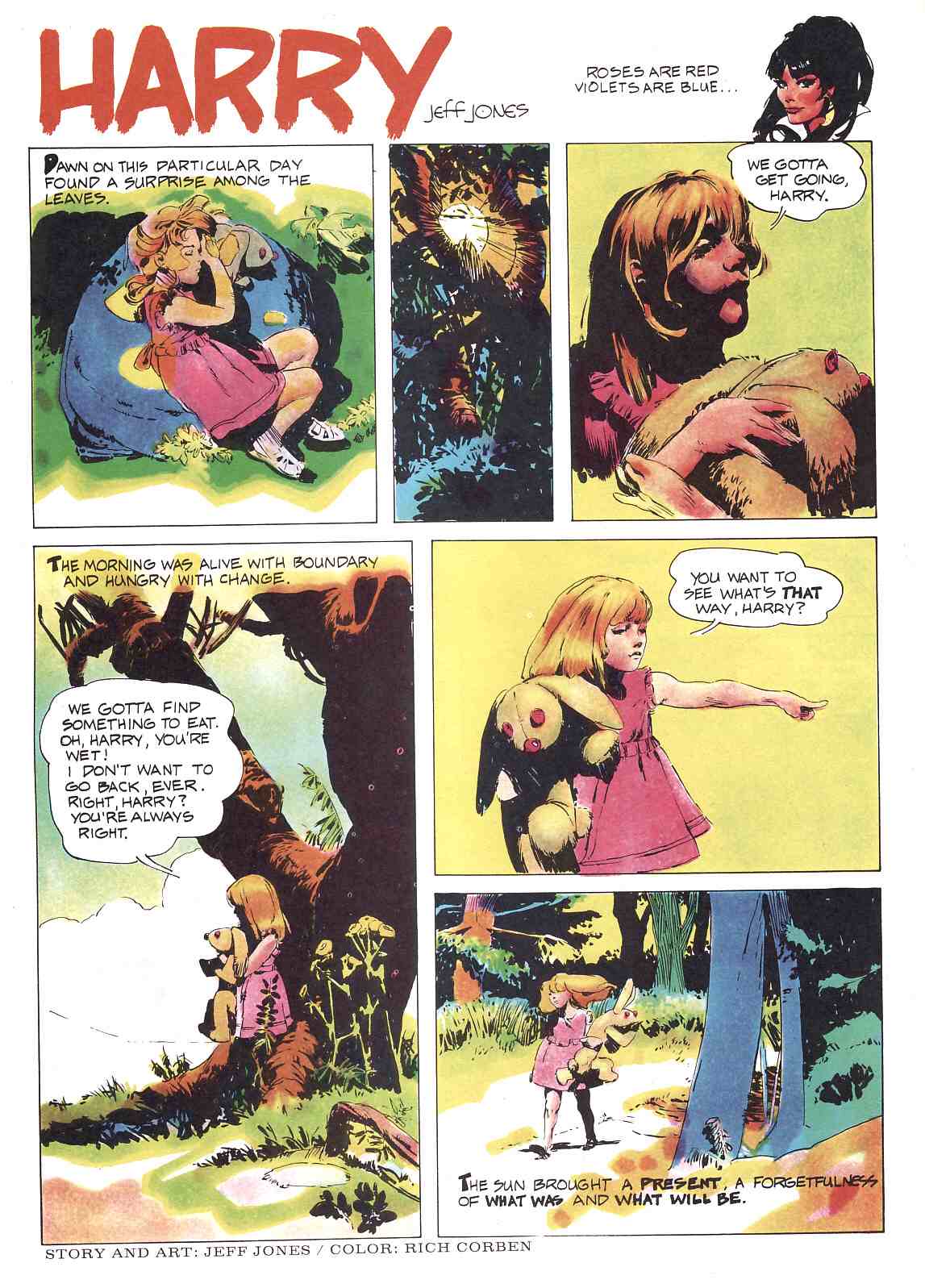


Anyone prefer the colour version?
Look Here: Two more paperback covers by Jeffrey Jones
The cavalcade of covers by Jeffrey Jones continues, though the pace is slowing…

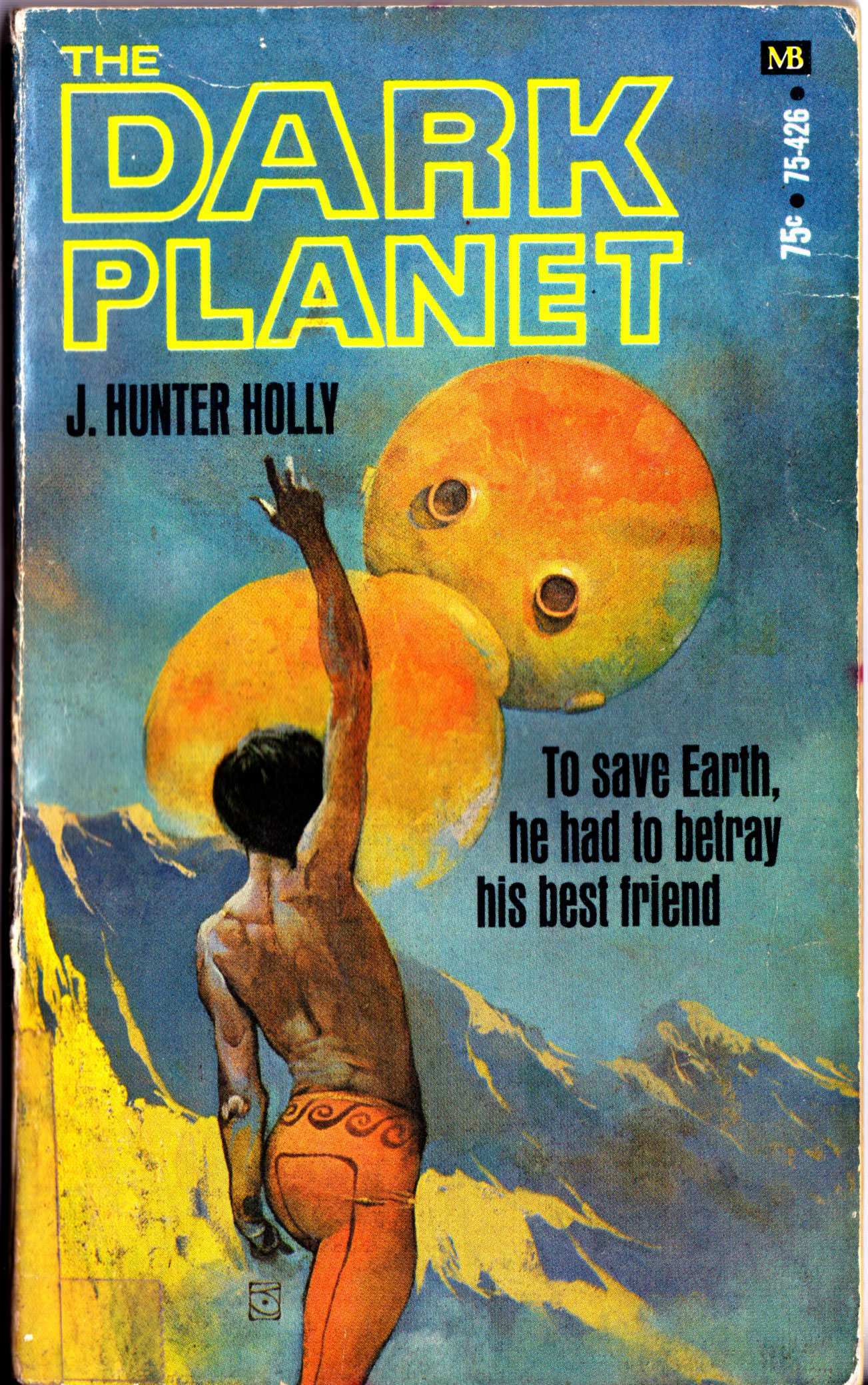
Click here to view the entire collection (so far).
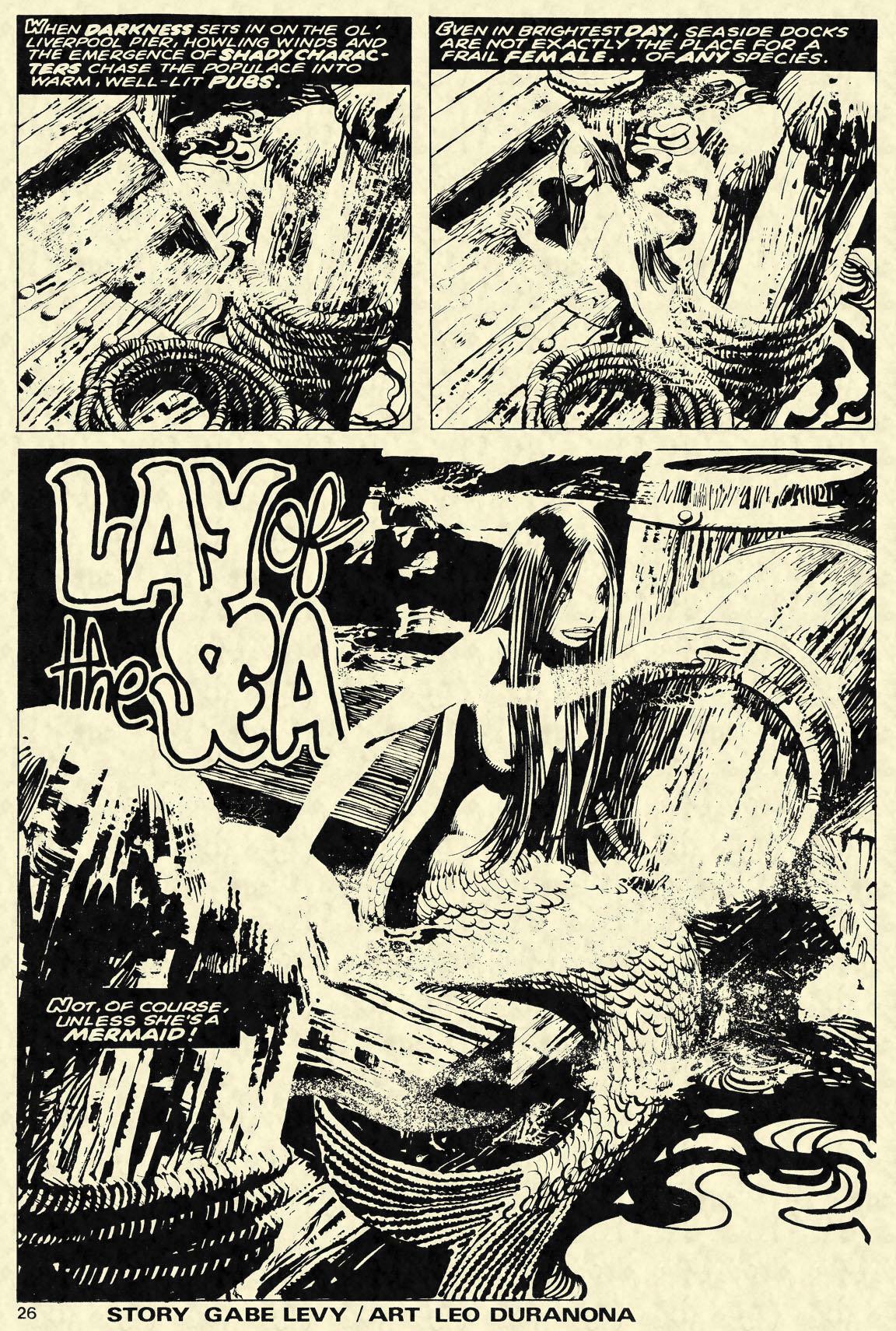
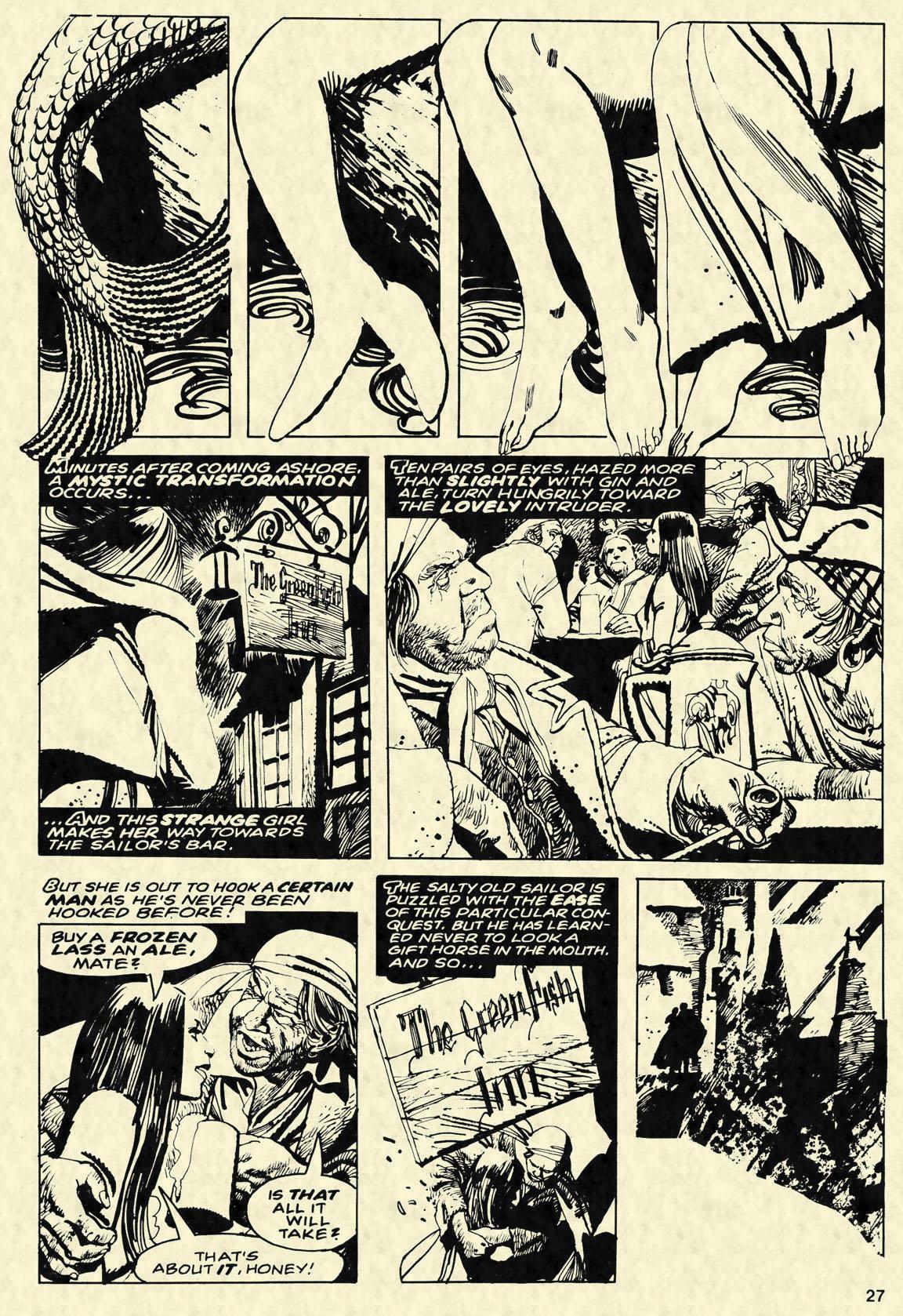
Look Here, Read: “Lay of the Sea,” with art by Leo Duranona
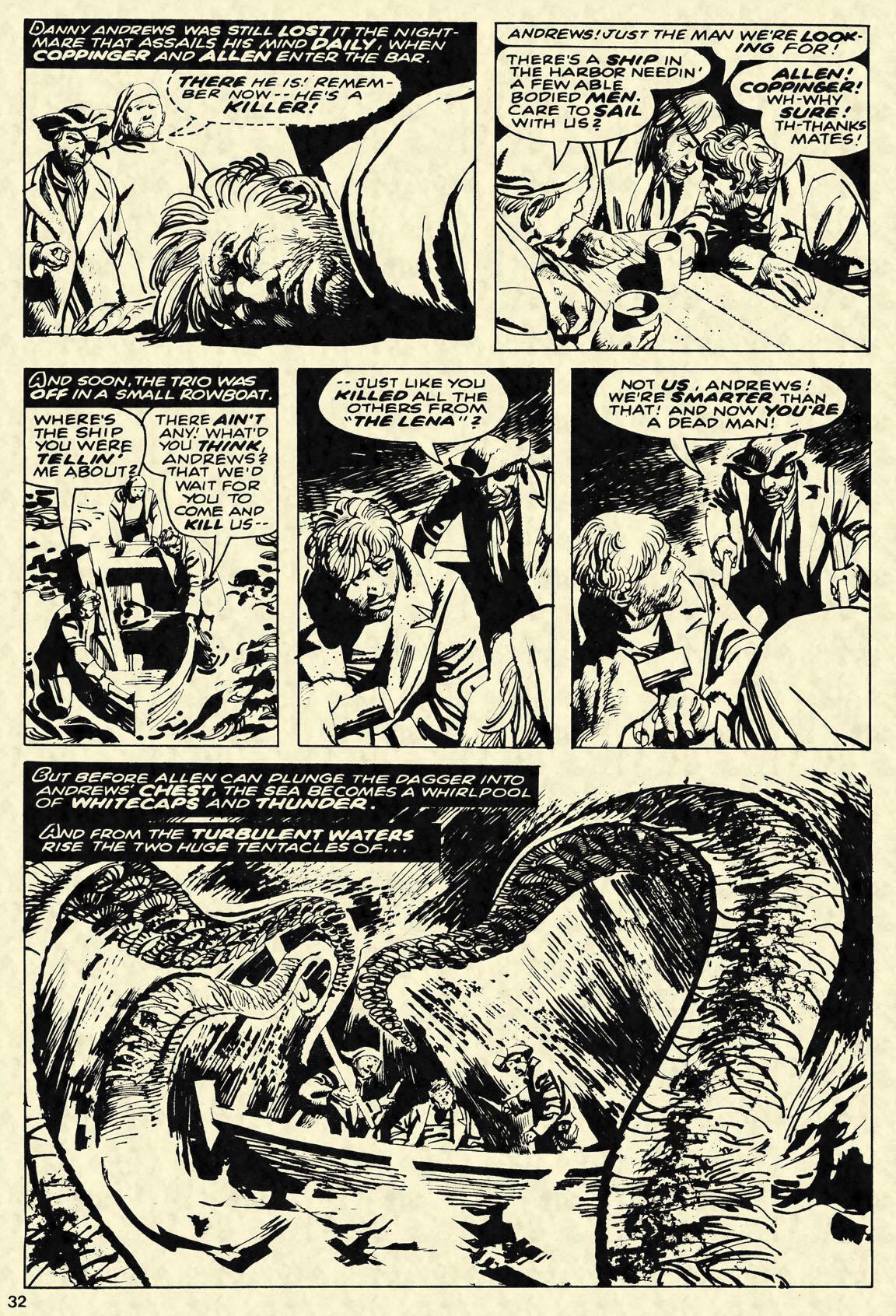
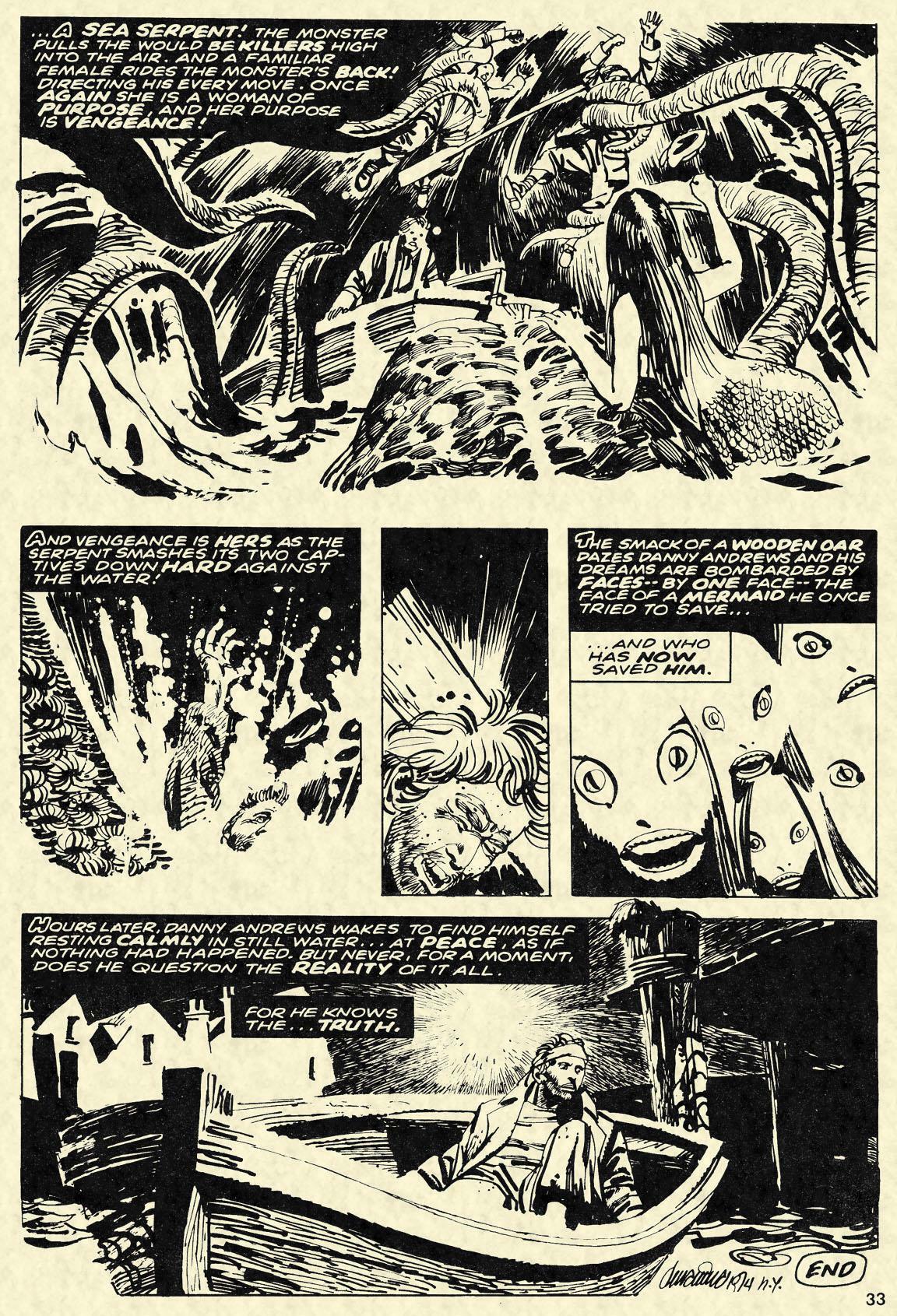
From the pages of Devilina, volume 1, number 1 (January 1975), here’s the unfortunately named, but expertly illustrated, “Lay of the Sea,” with story by Gabe Levy and art by Leo Duranona (1938-):
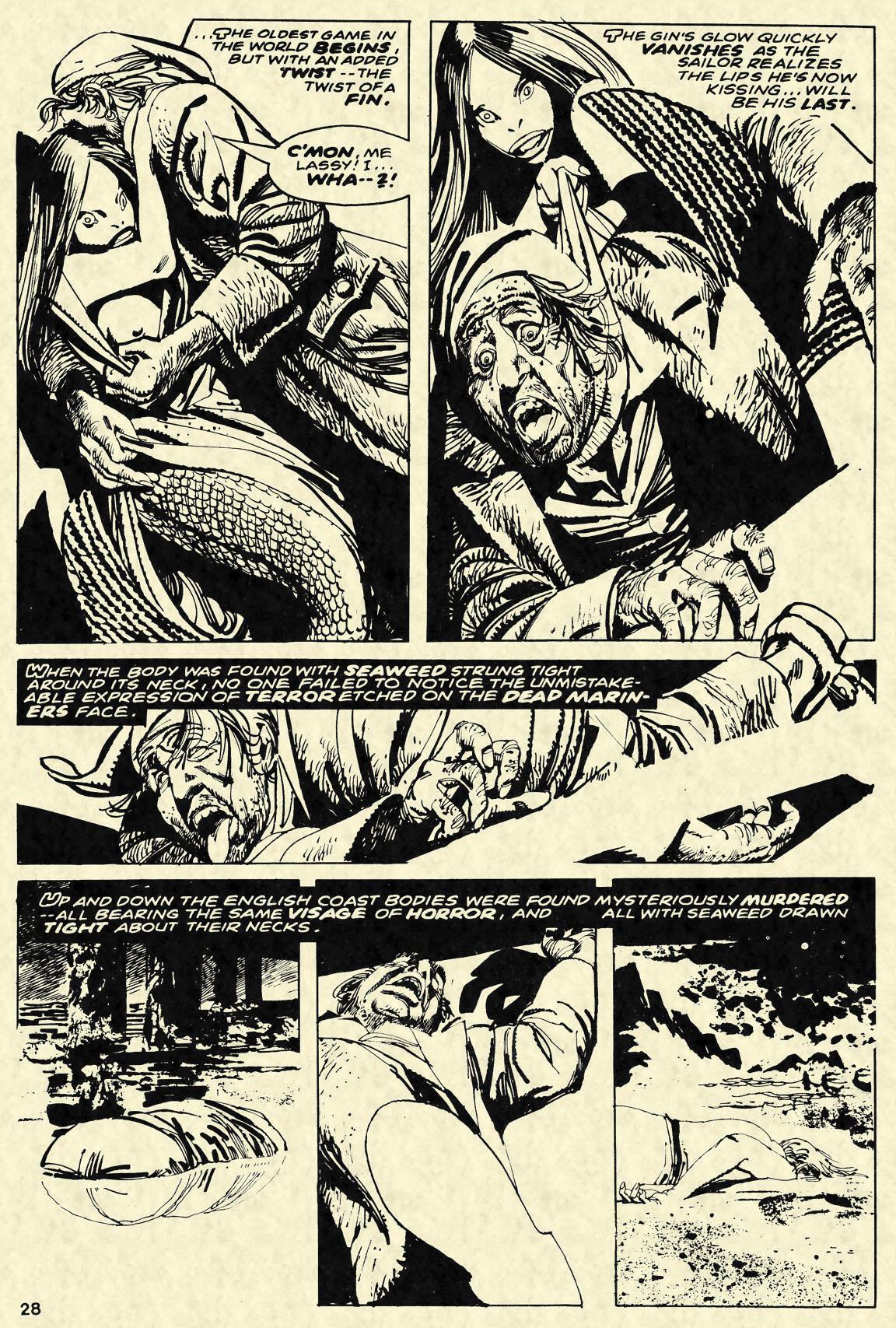
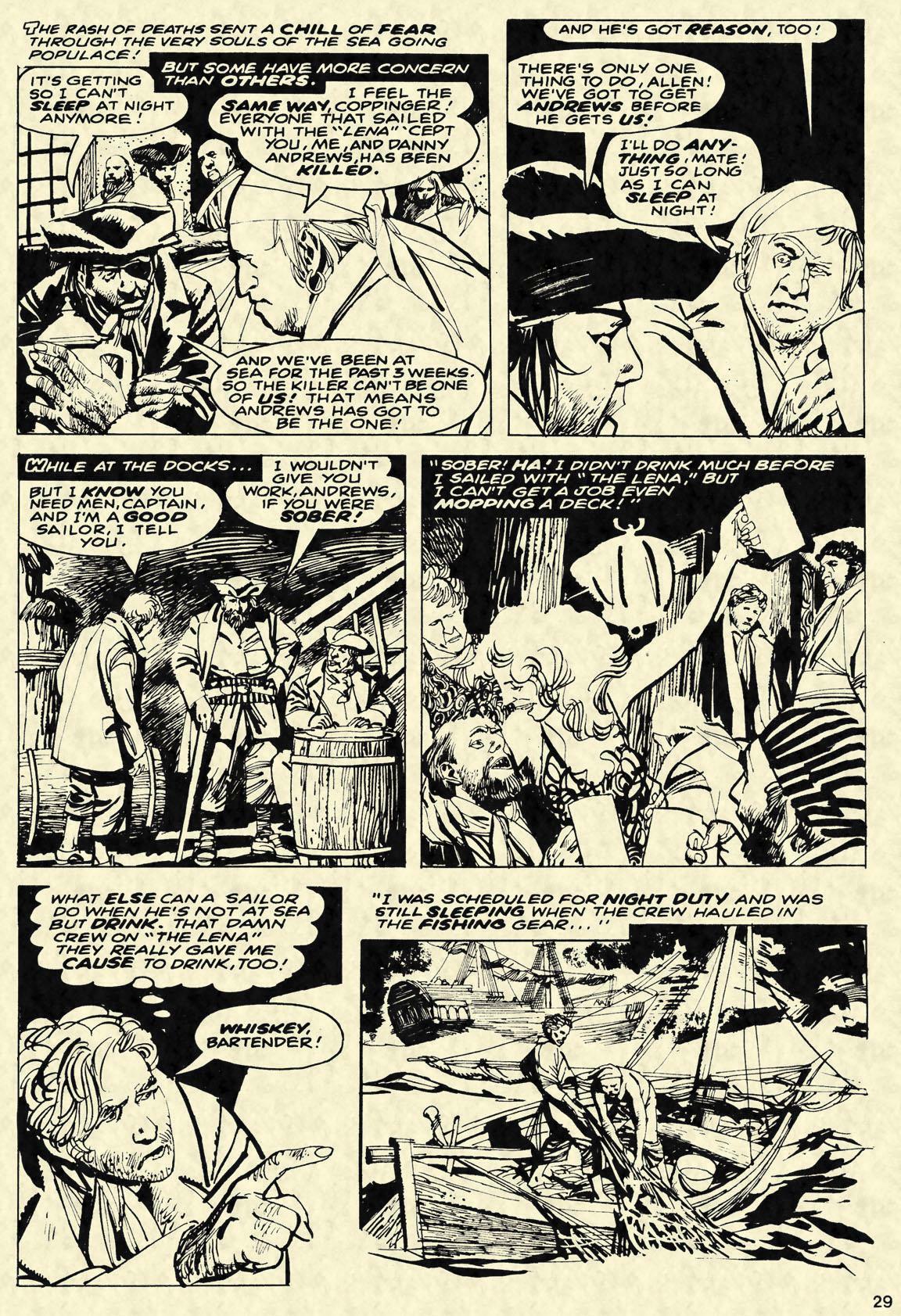
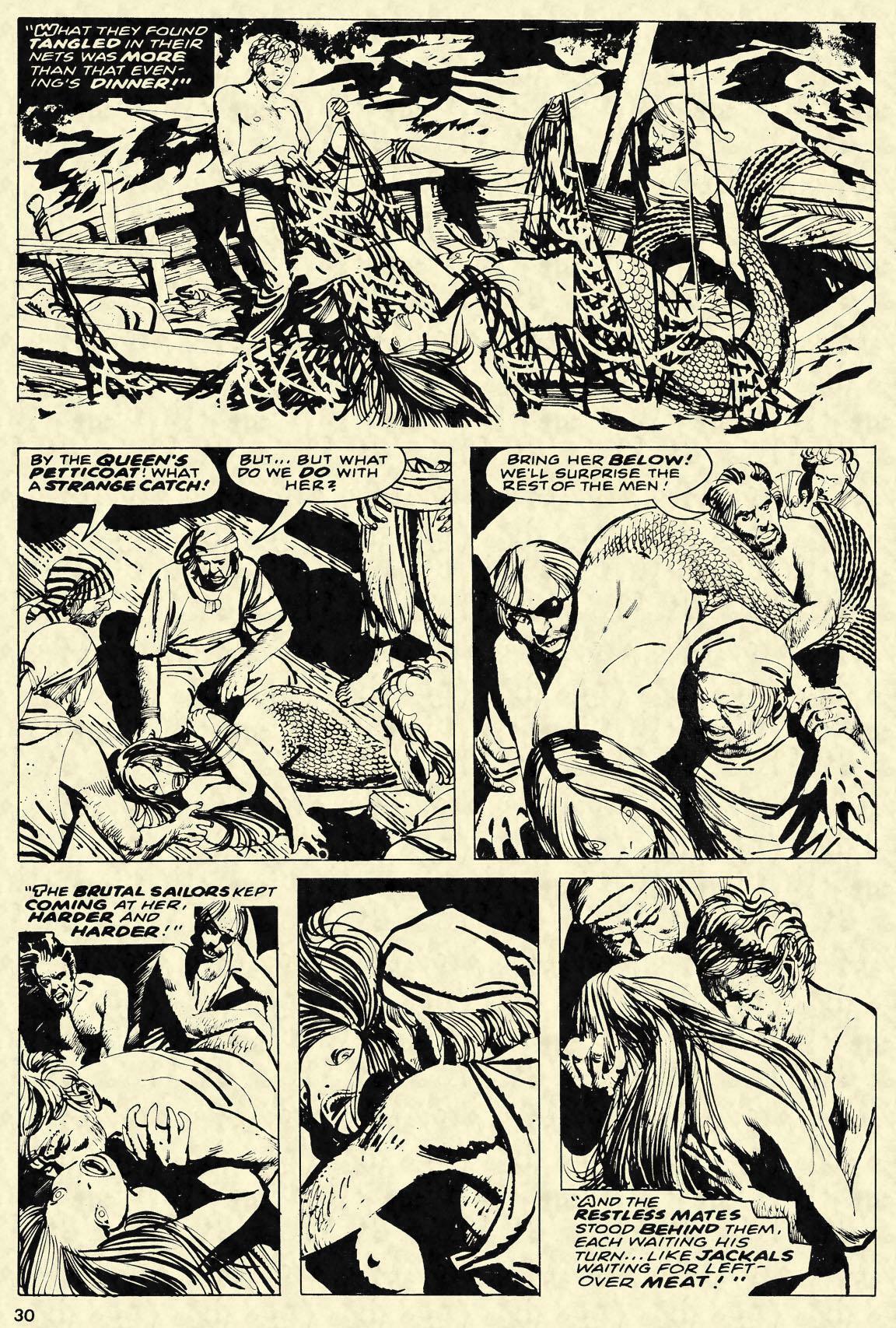
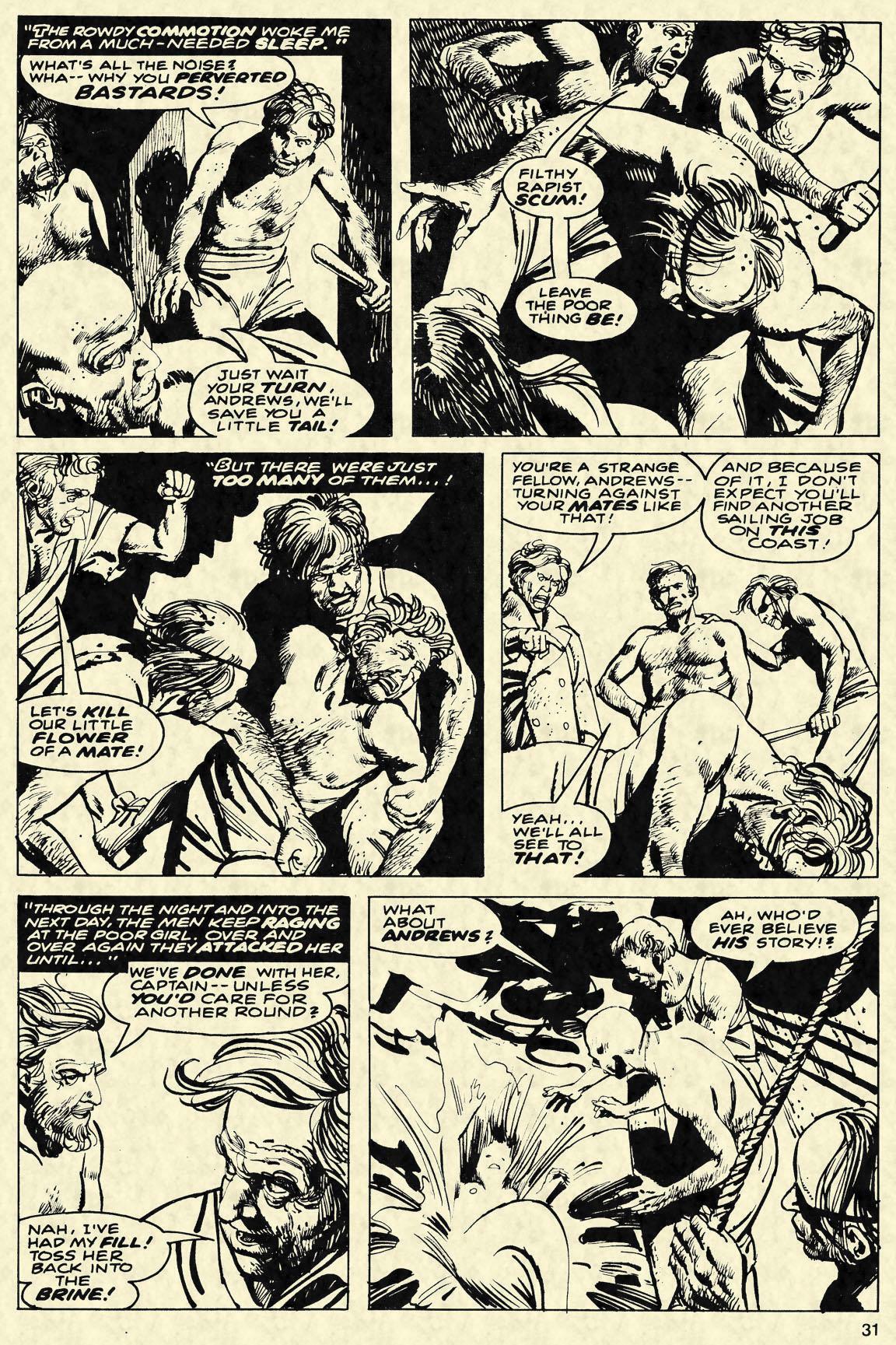
Look Here: Ten more paperback covers by Jeffrey Jones
The original reproduction on many of the following covers by Jeffrey Jones, all from the library of yours truly, was very poor, so my scans are sometimes not the best here. One exception is the last cover, Twilight of the Serpent, which actually showcases Jones’s artwork in more detail and with more lively colour than does the rather dour reproduction on the back cover of publisher Underwood-Miller’s lavish hardcover, The Art of Jeffrey Jones.
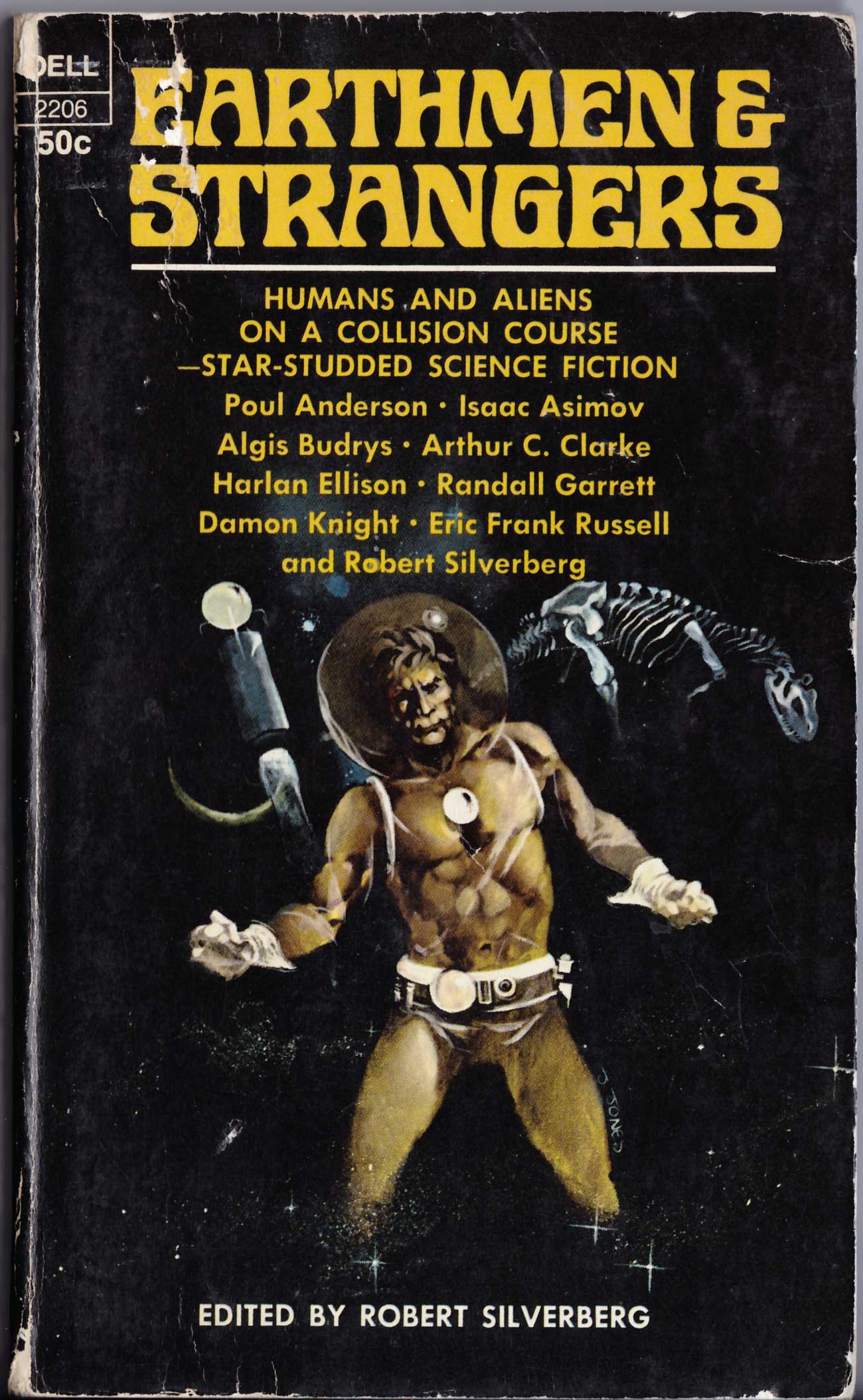
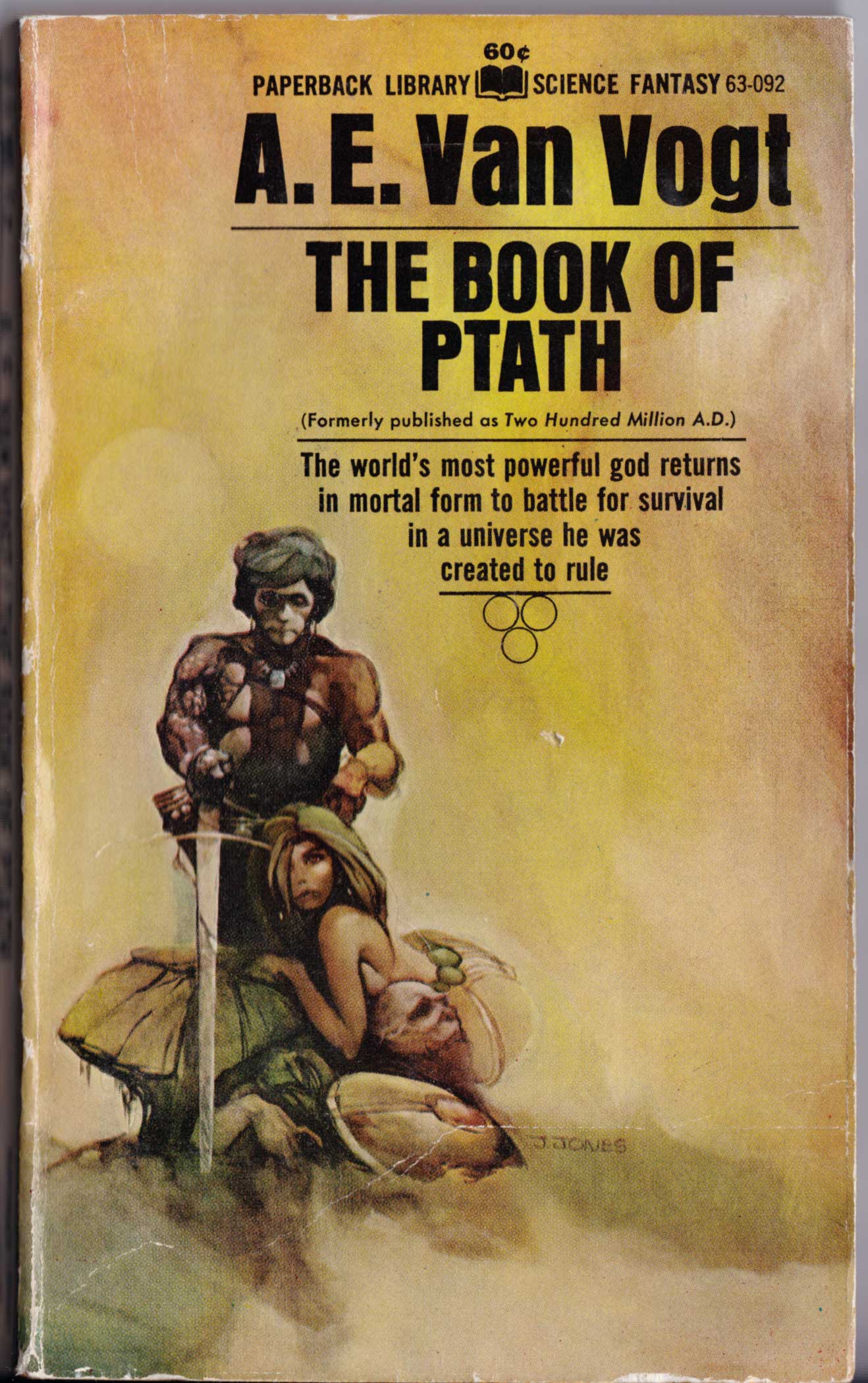
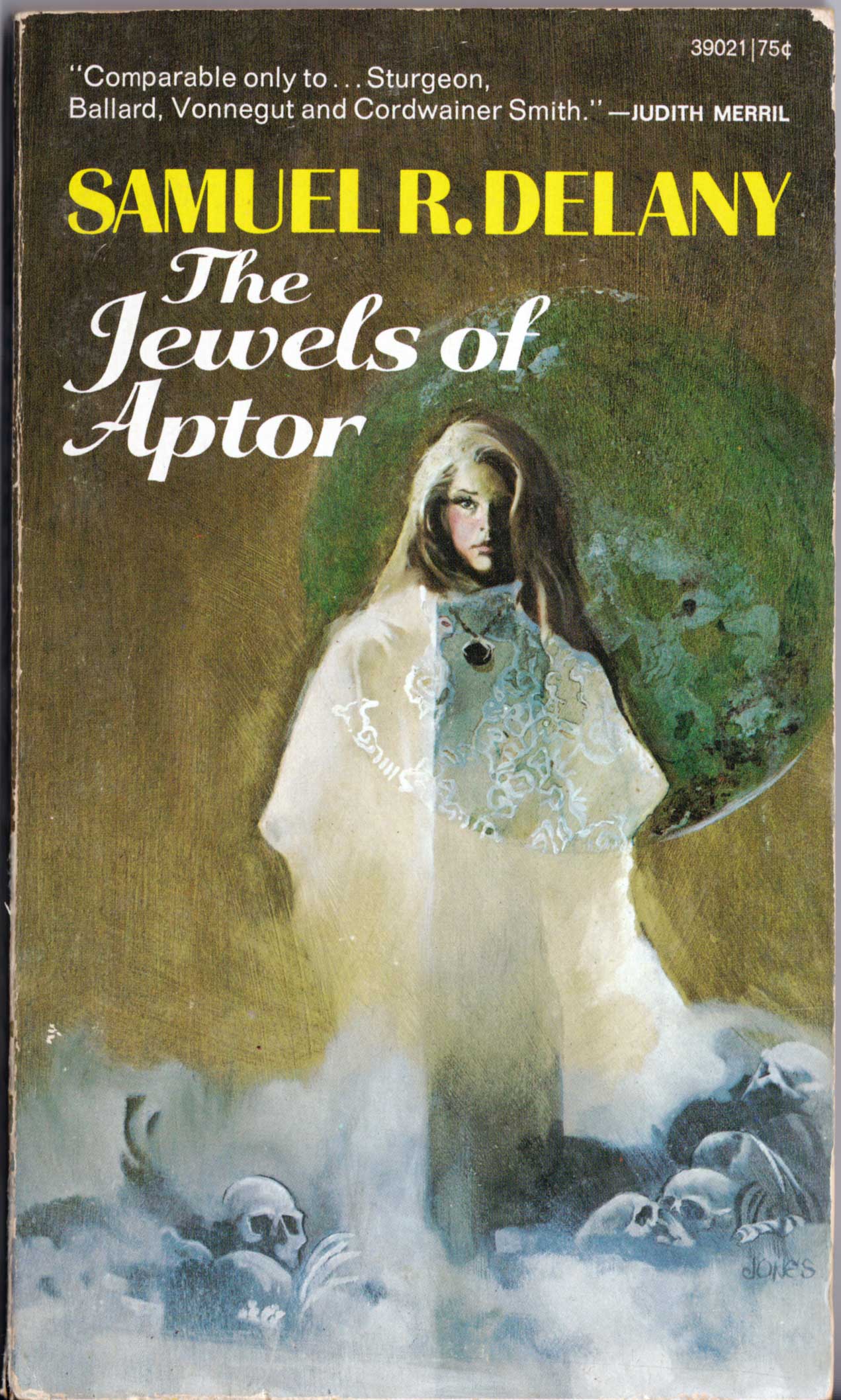
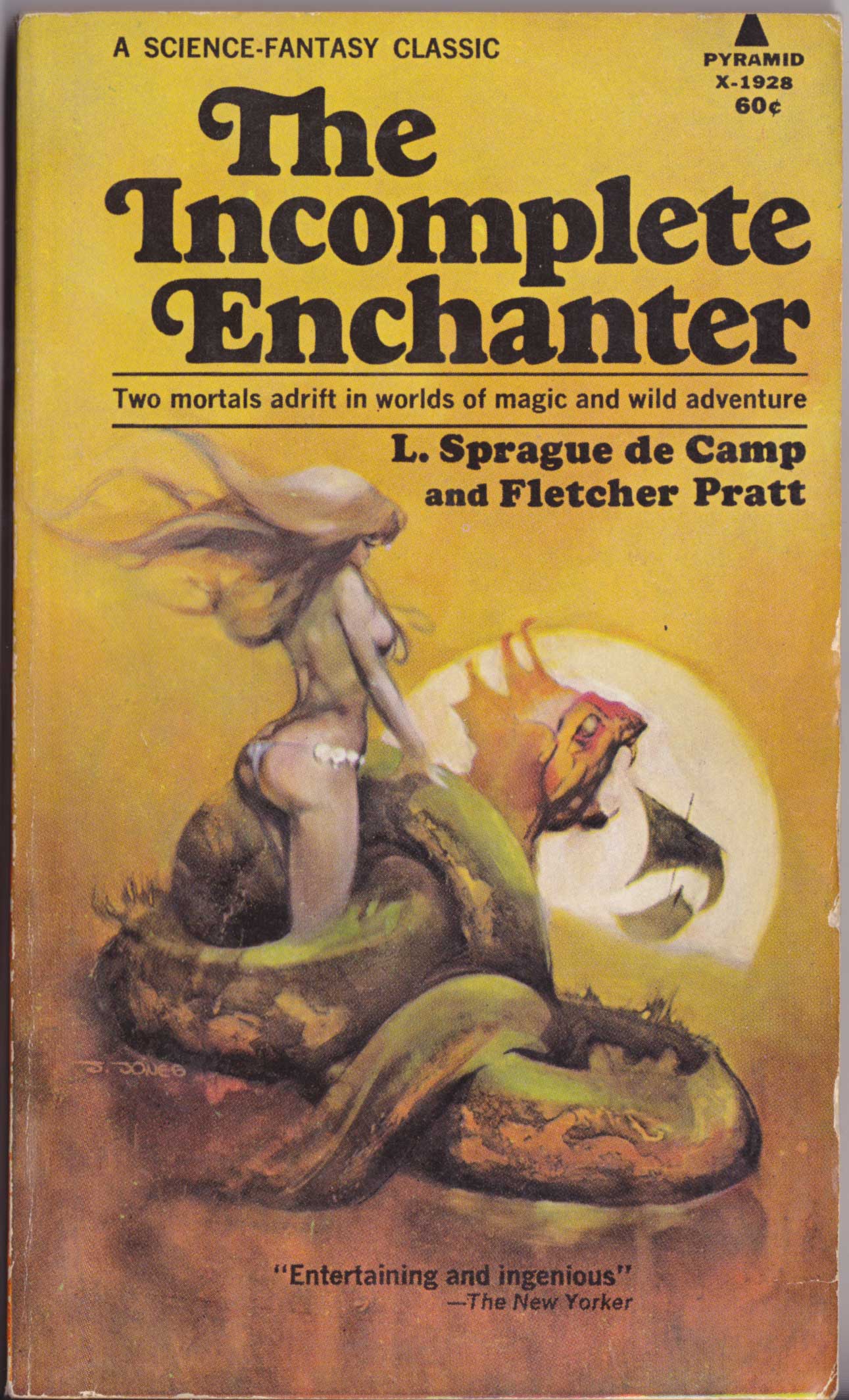

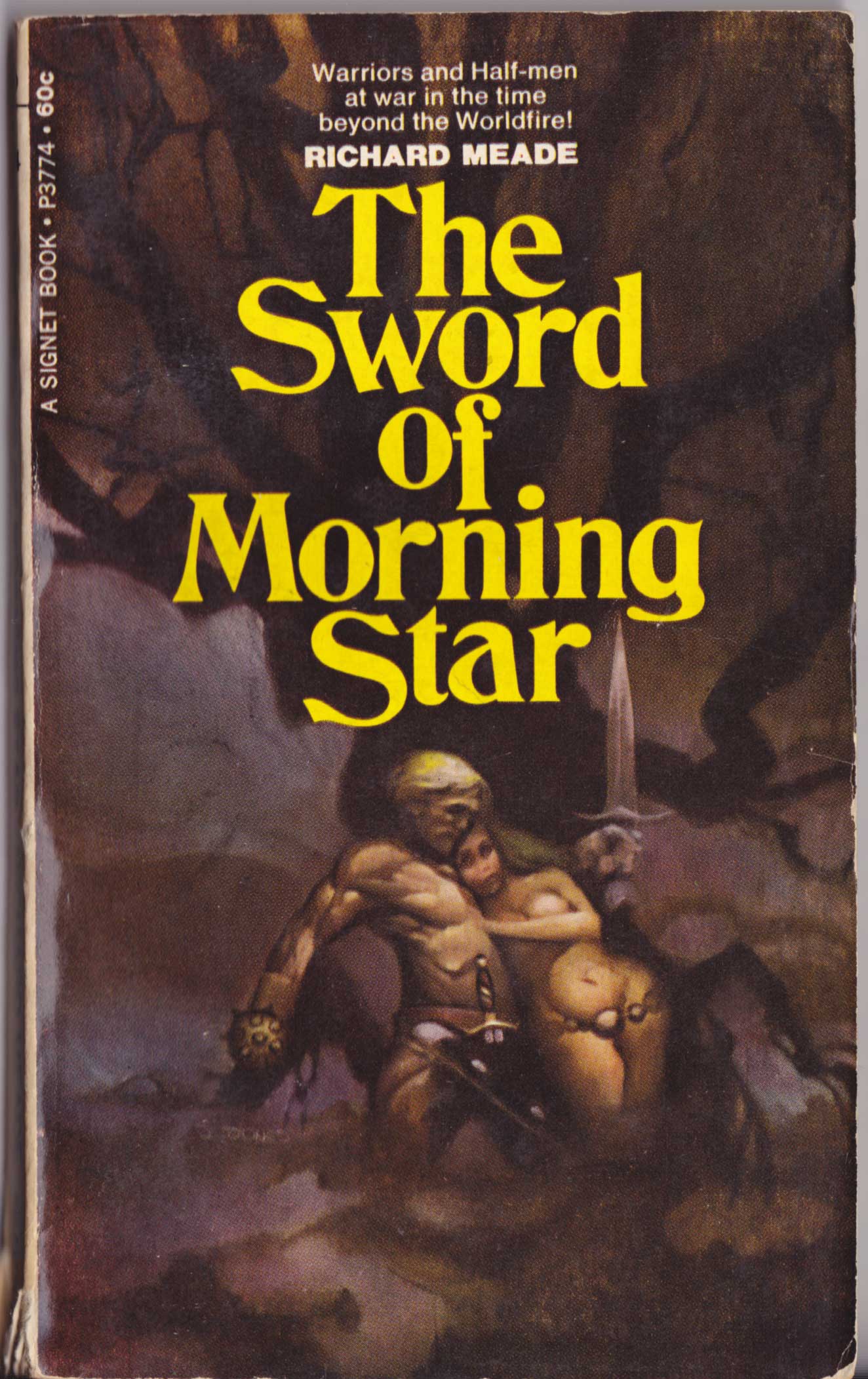
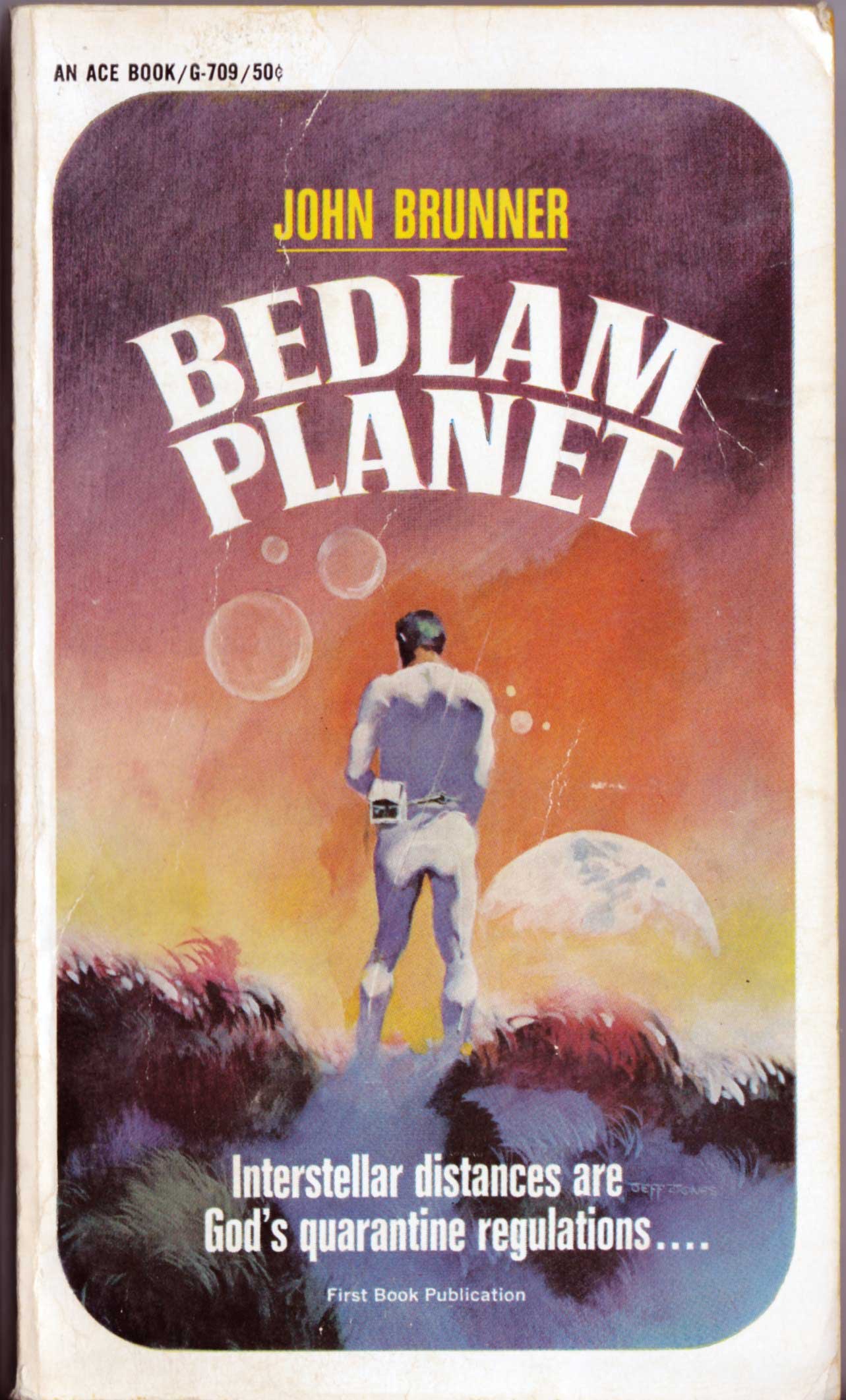

My favourites this time around are the covers for The Curse of Rathlaw (1968), an early effort in which Jones’s attractive design for the vignette is nicely reinforced by the typography, and Twilight of the Serpent (1977), a later cover which displays Jones’s hard-won skills as a draftsman (or draughtsman, if you prefer), mastery of lost-and-found edges in oil painting, and increasing willingness in the 1970s and early 1980s to produce images that went against the grain of traditional heroic fantasy.
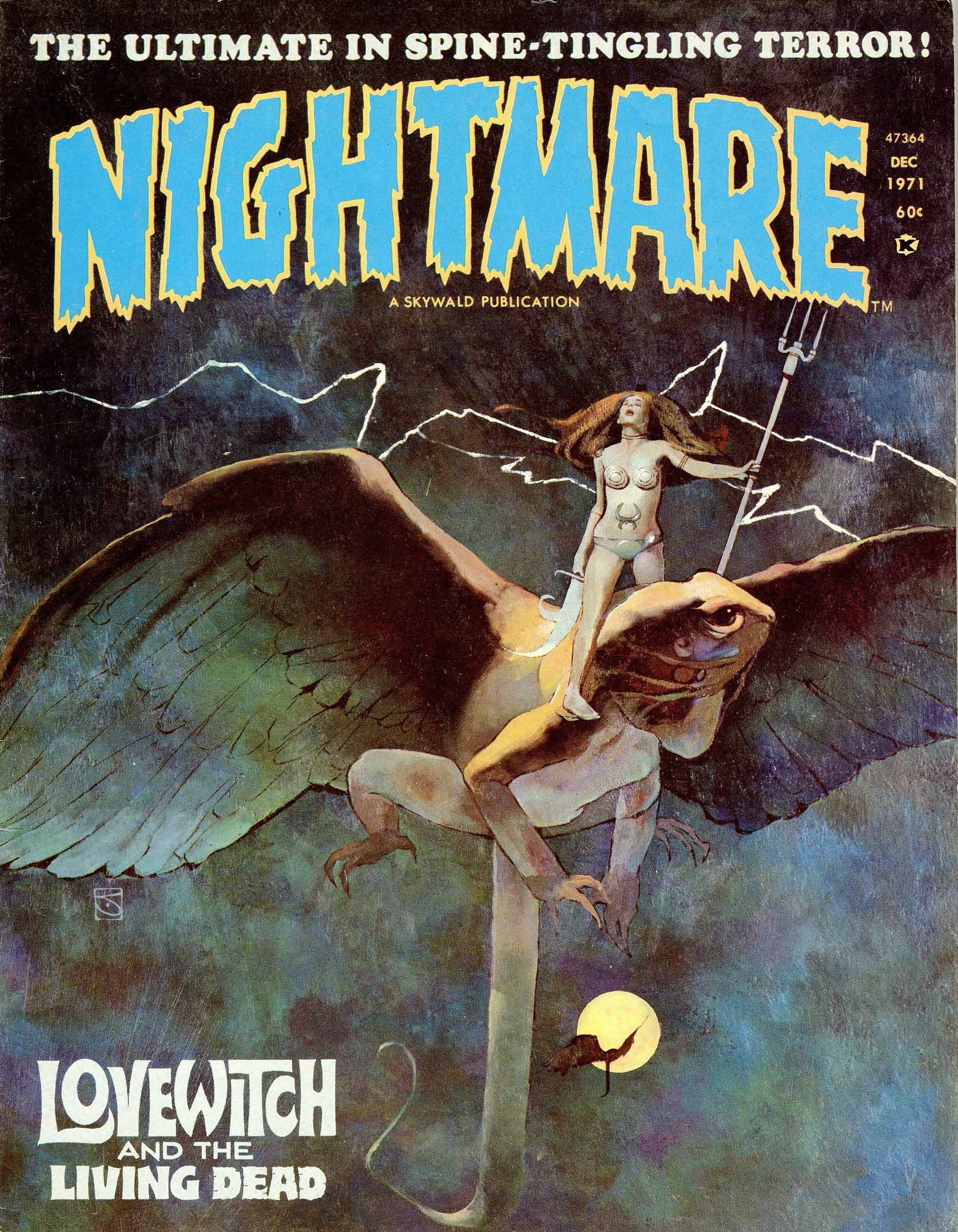
Look Here: “Nightmare” cover by Jeffrey Jones
The following cover by Jones is from the Skywald horror magazine, Nightmare, volume 1, number 6 (December 1971):
Look Here: Four more covers by Paul Lehr
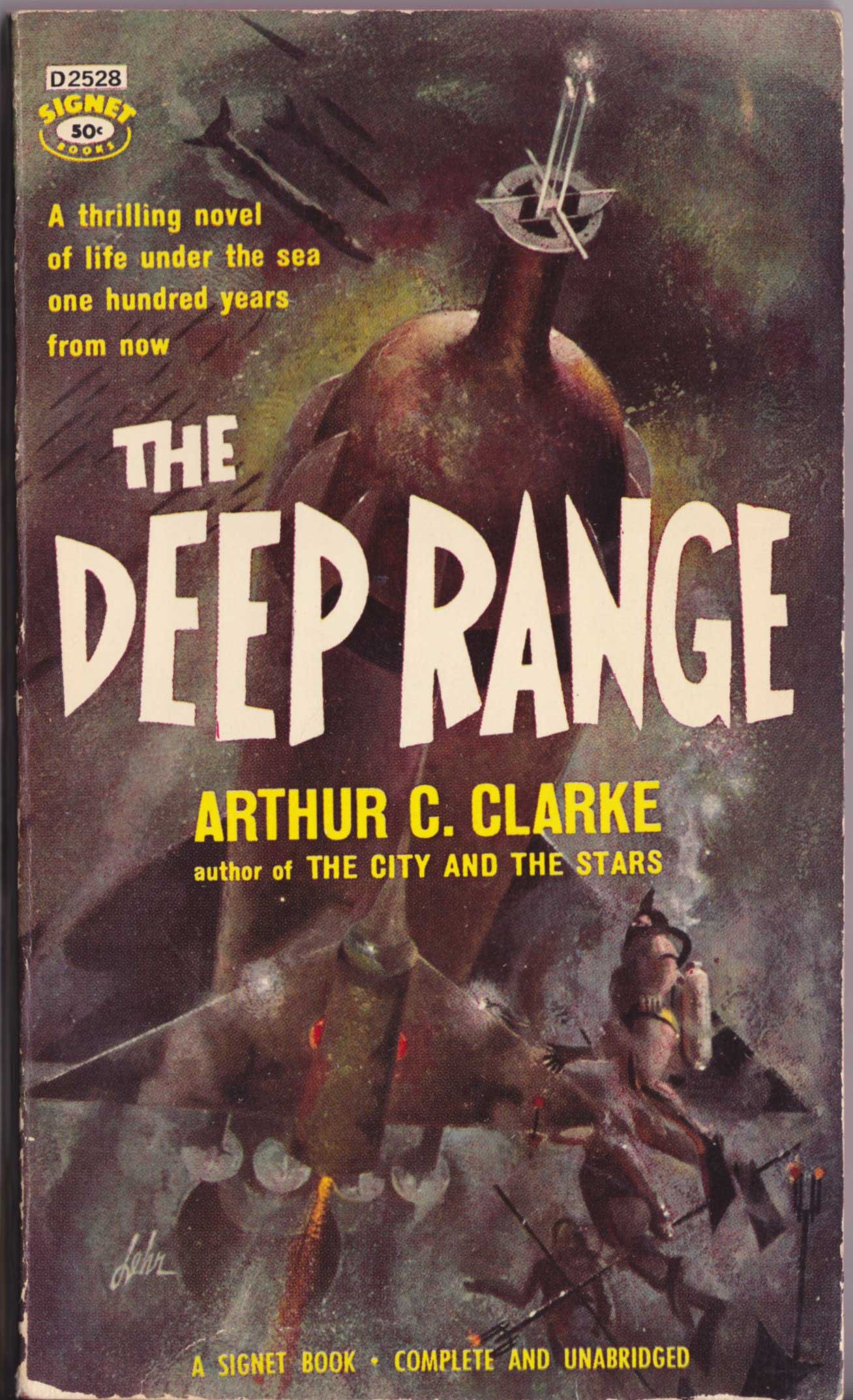

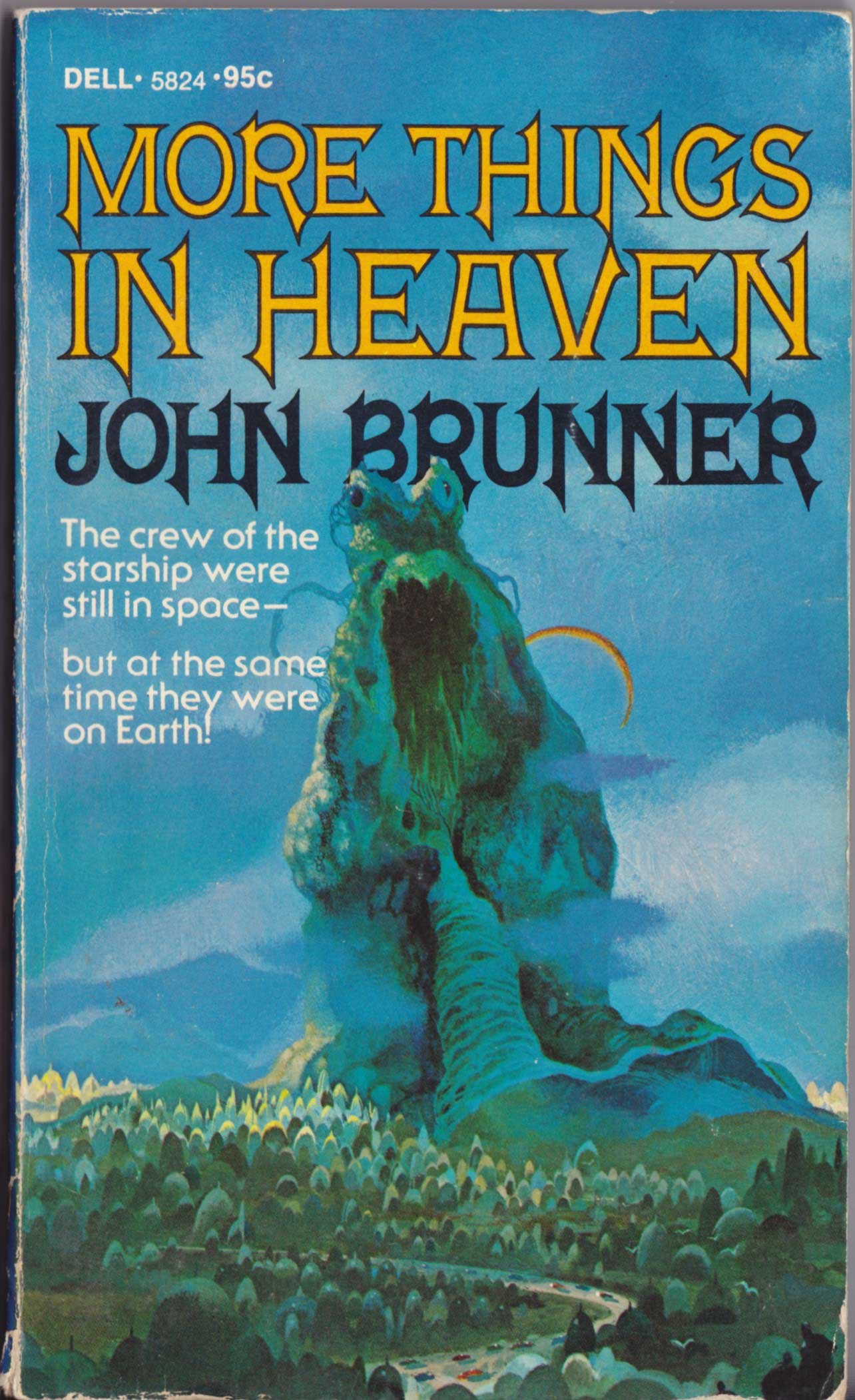
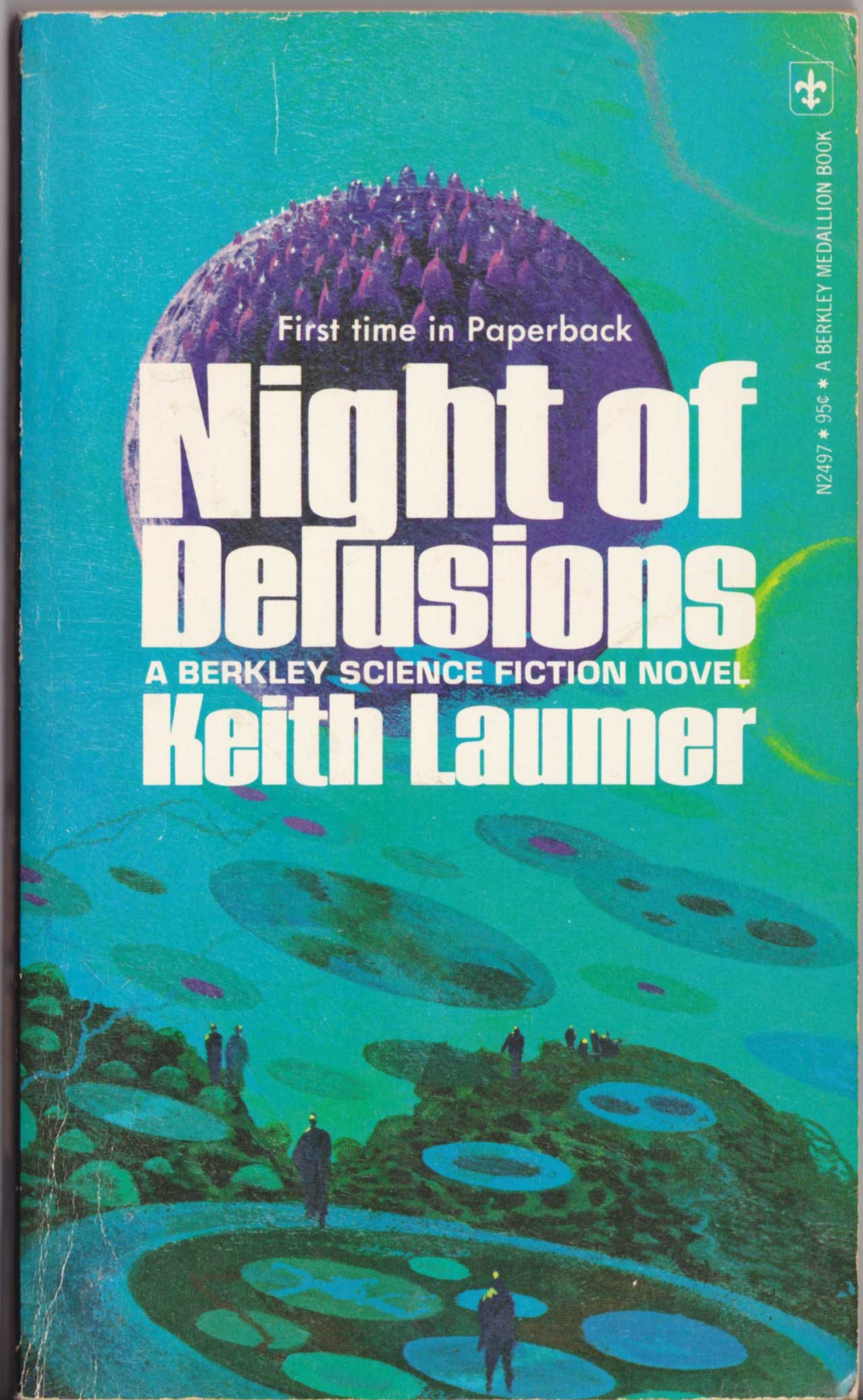
The 1964 edition of The Deep Range by Arthur C. Clarke with the cover by Paul Lehr is a pretty cool find, I think. It’s a pity the artwork is obscured by the title, etc., but the book is in excellent condition, so it scanned fairly nicely, and of course, it is instructive to compare it with Lehr’s later covers, which, unlike The Deep Range, typically combine highly saturated colours with a strict adherence to traditional colour schemes.
 Ragged Claws Network