Comics · Here, Read · Look Here · Trevor Von Eeden

Look Here, Read: “String-Out,” with art by Trevor Von Eeden

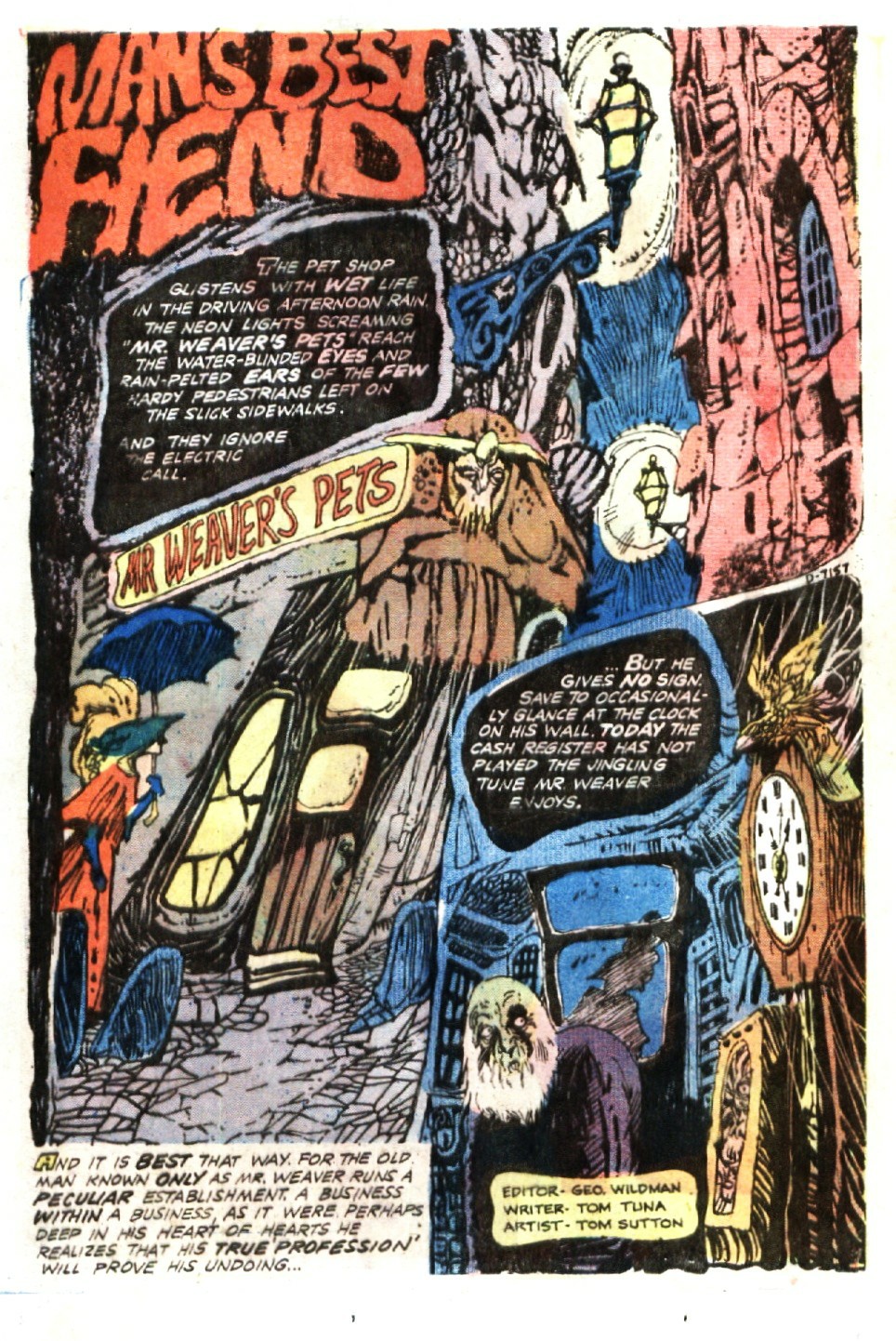
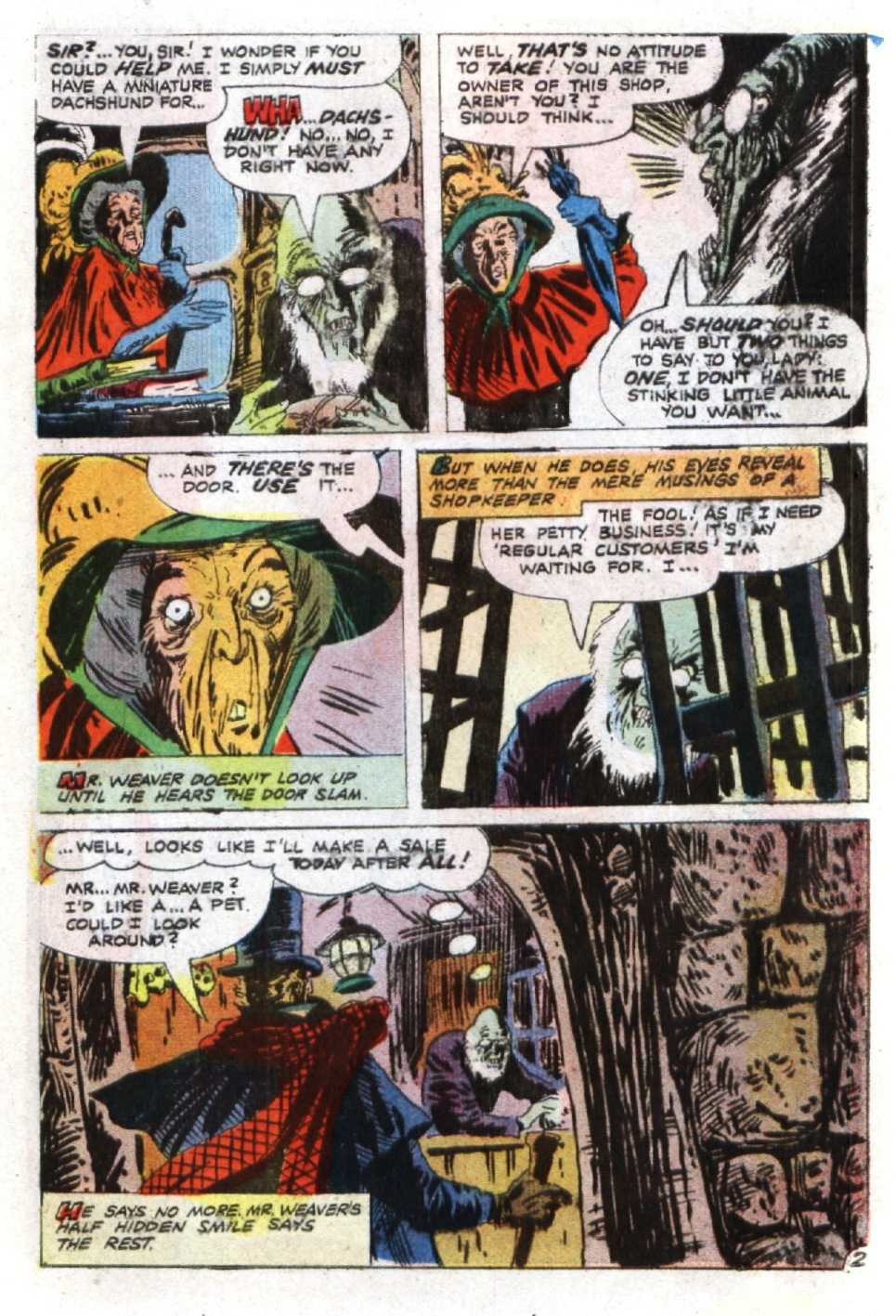
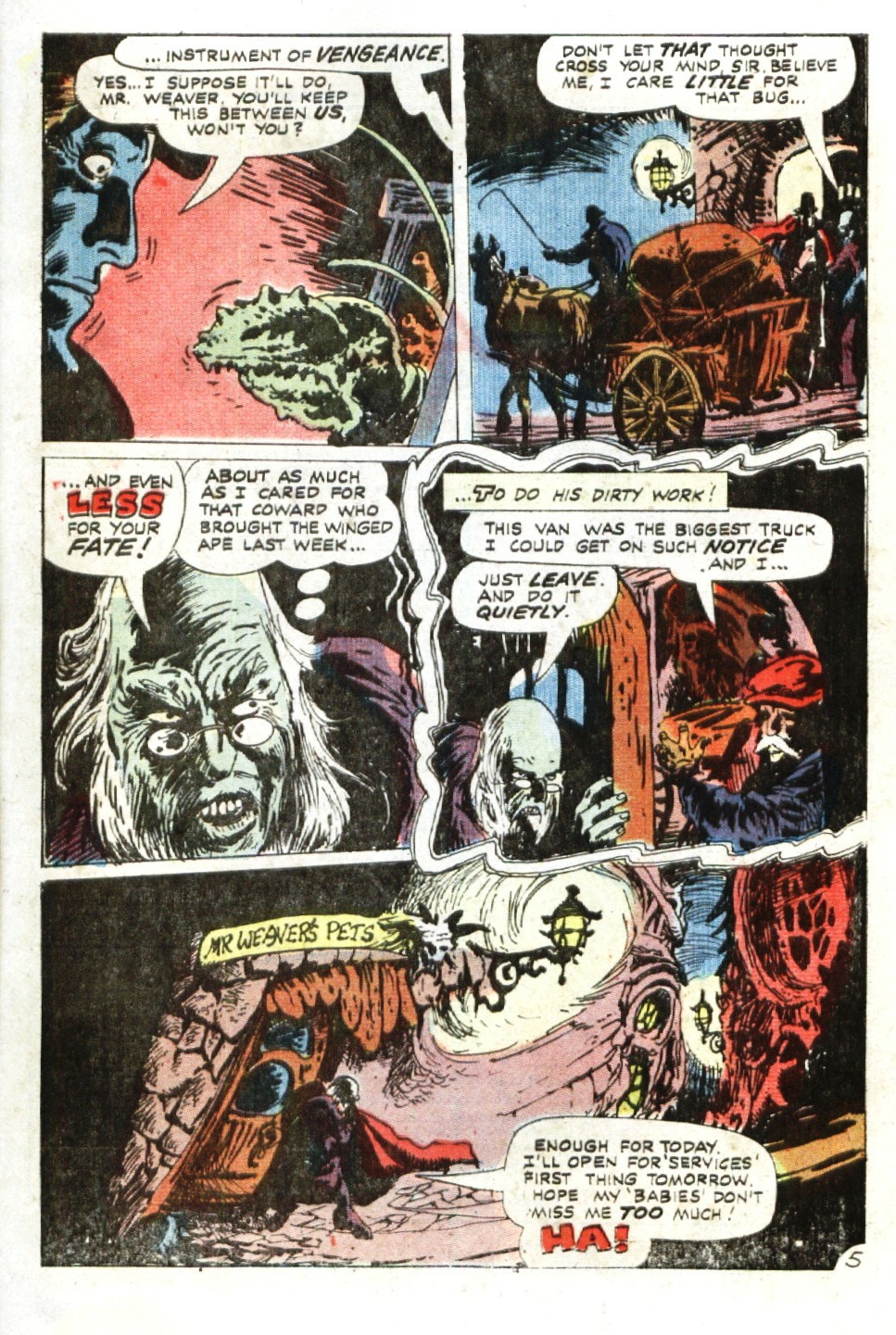
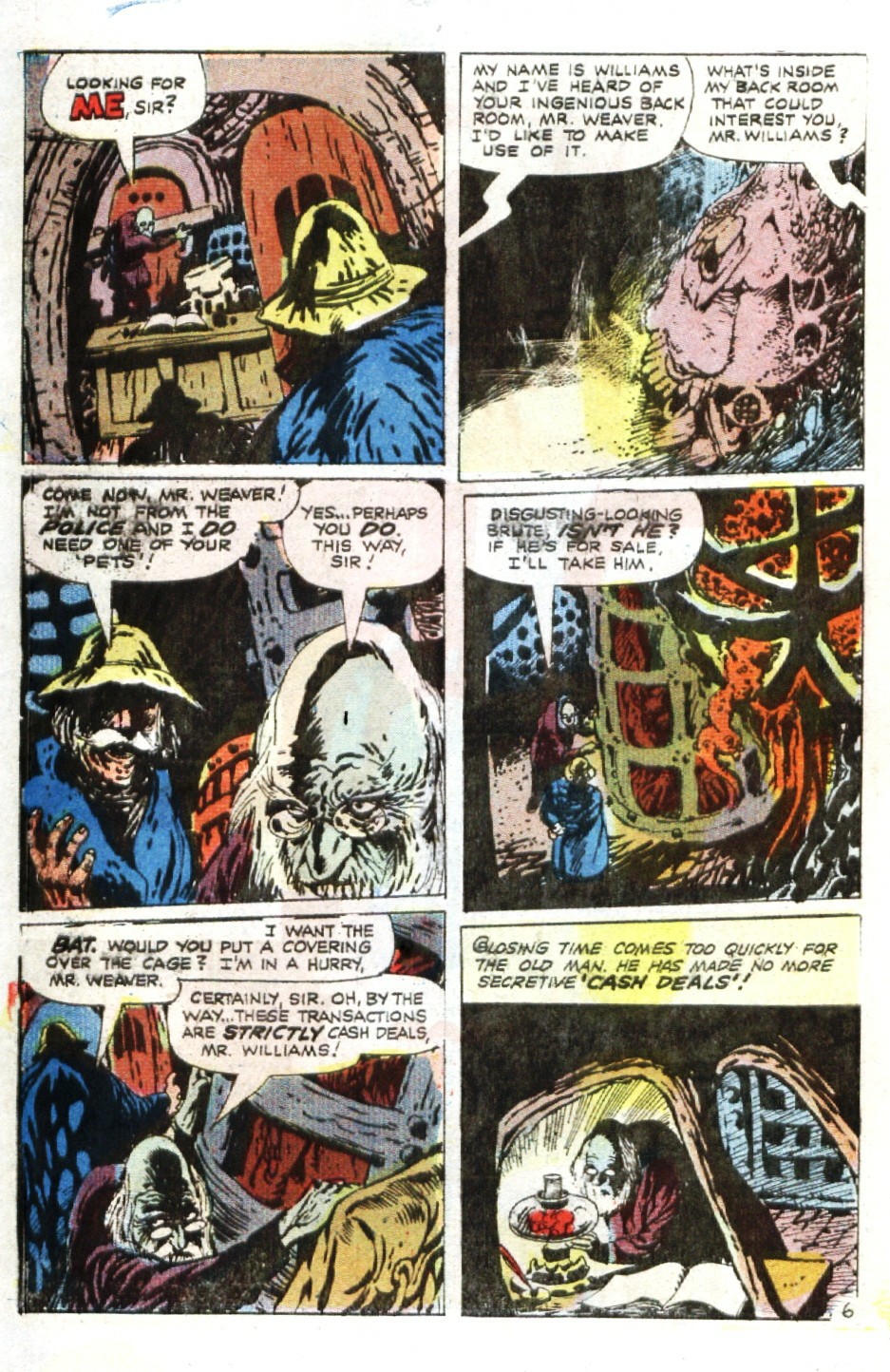
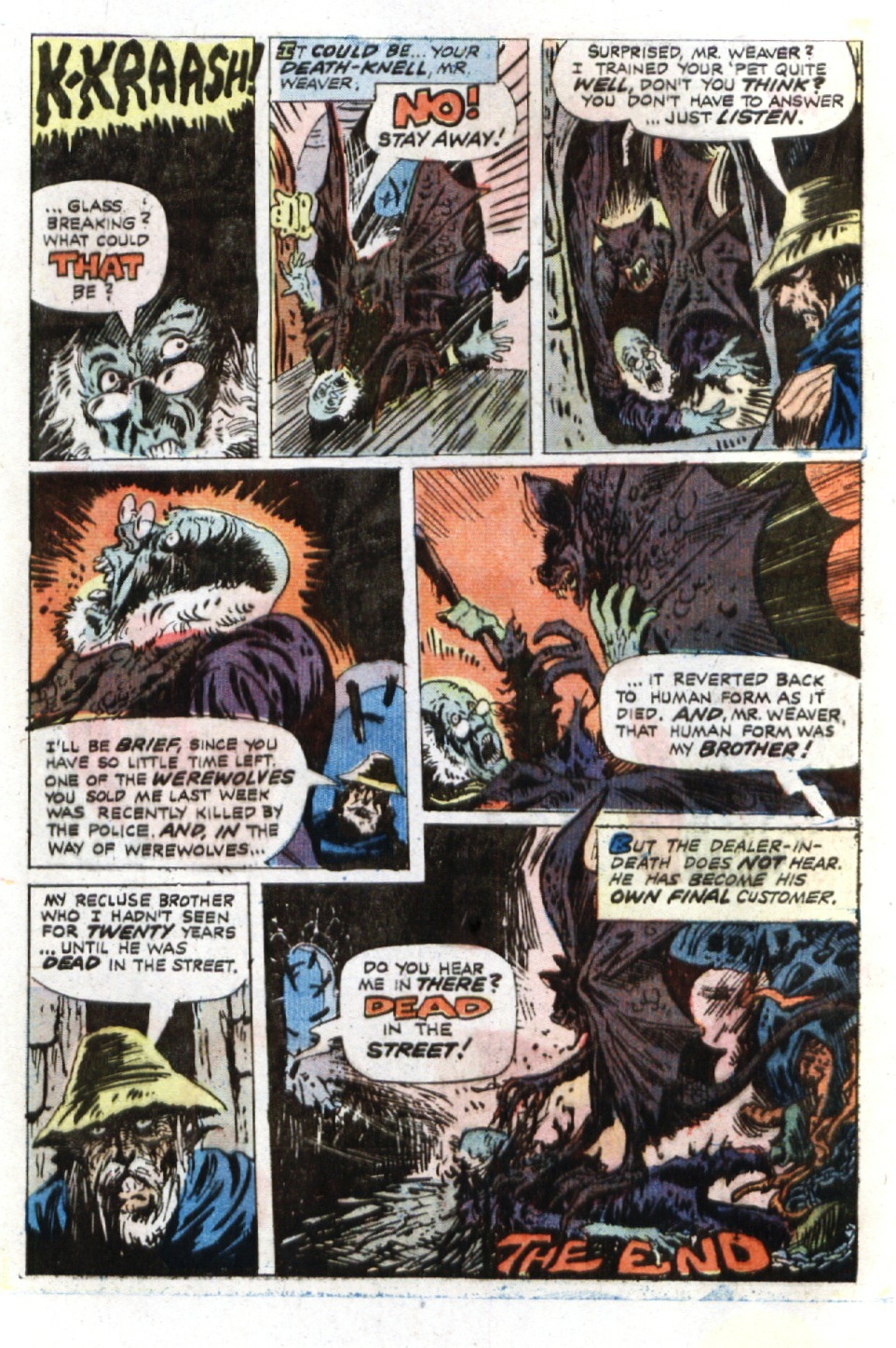
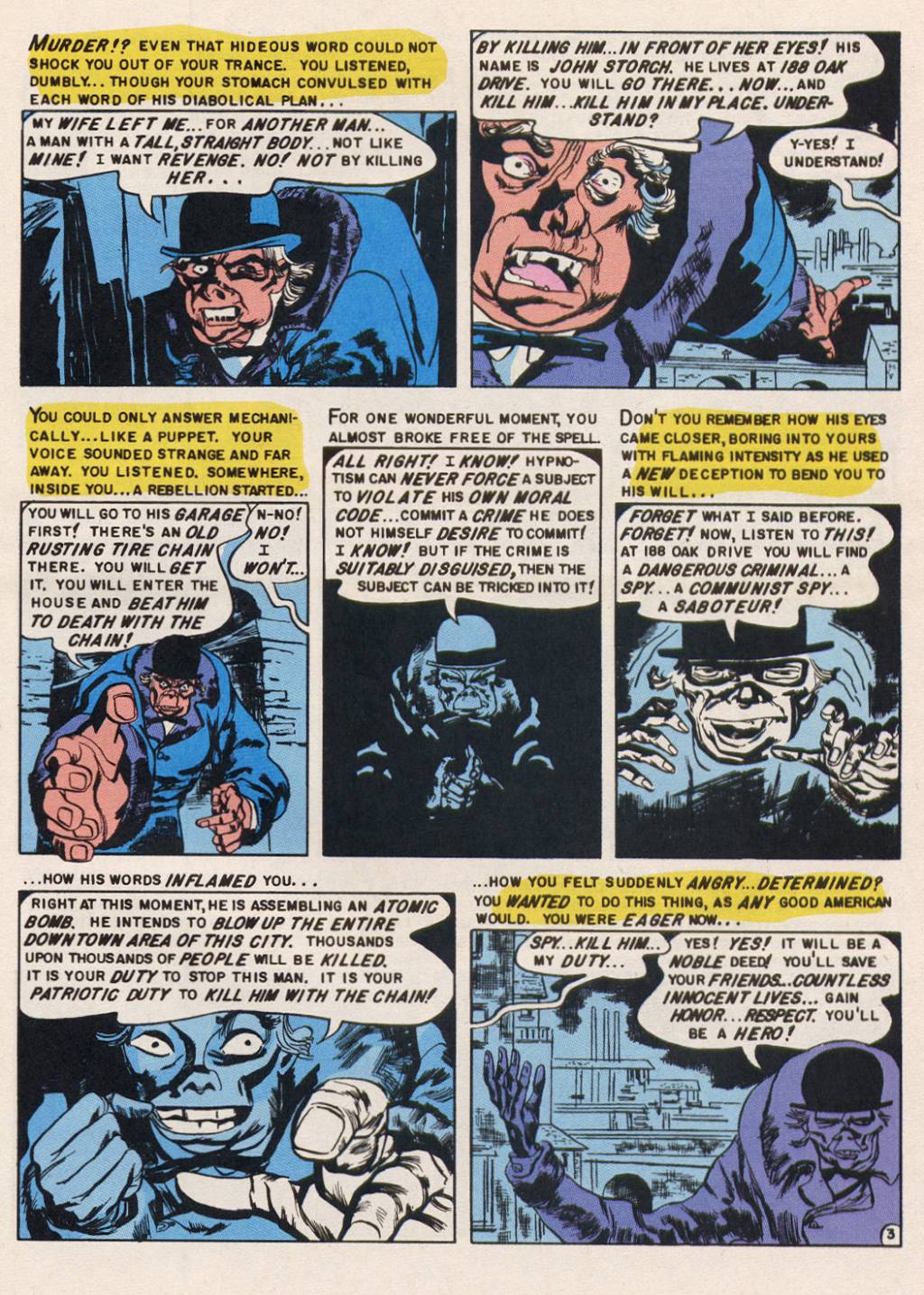
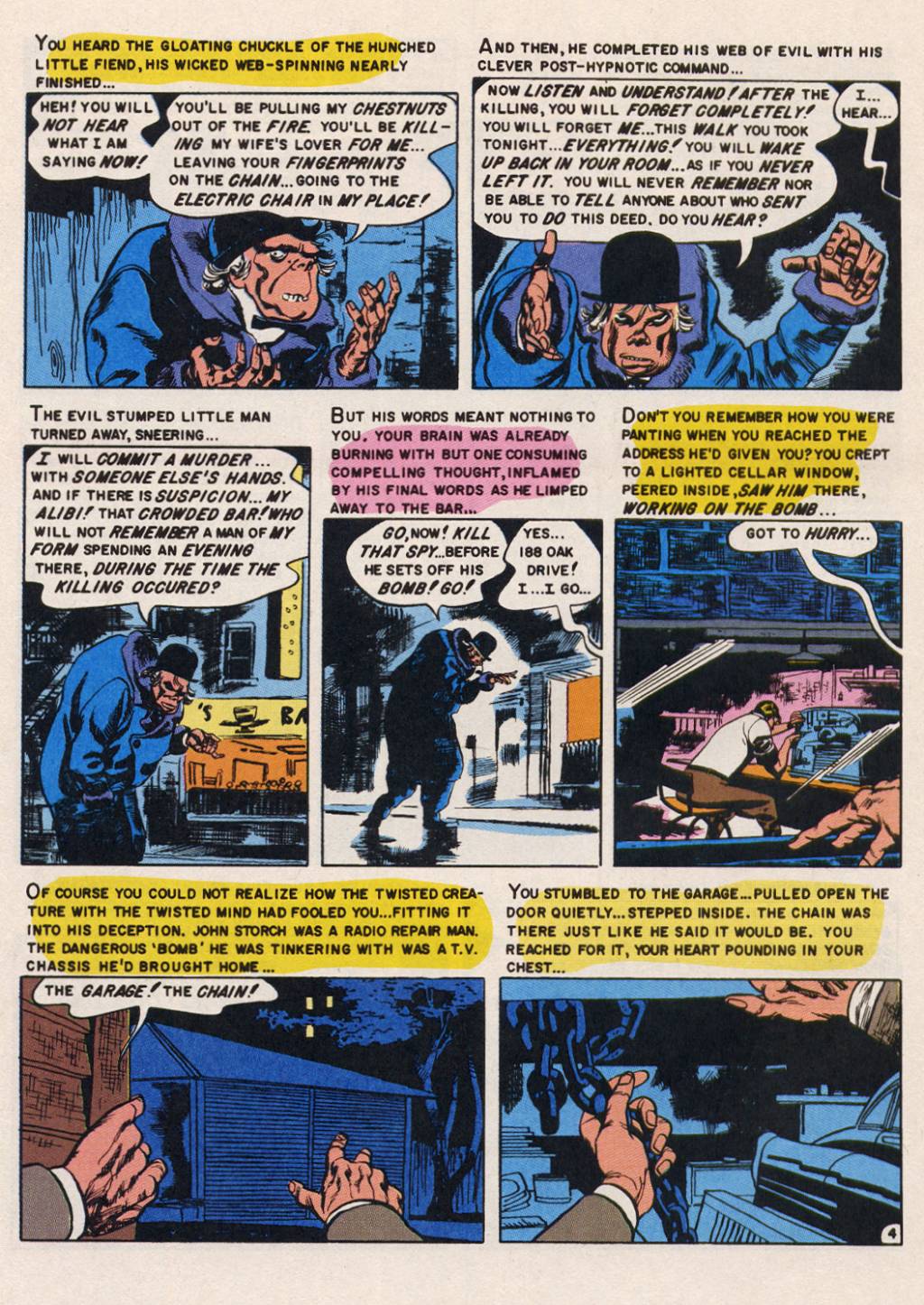
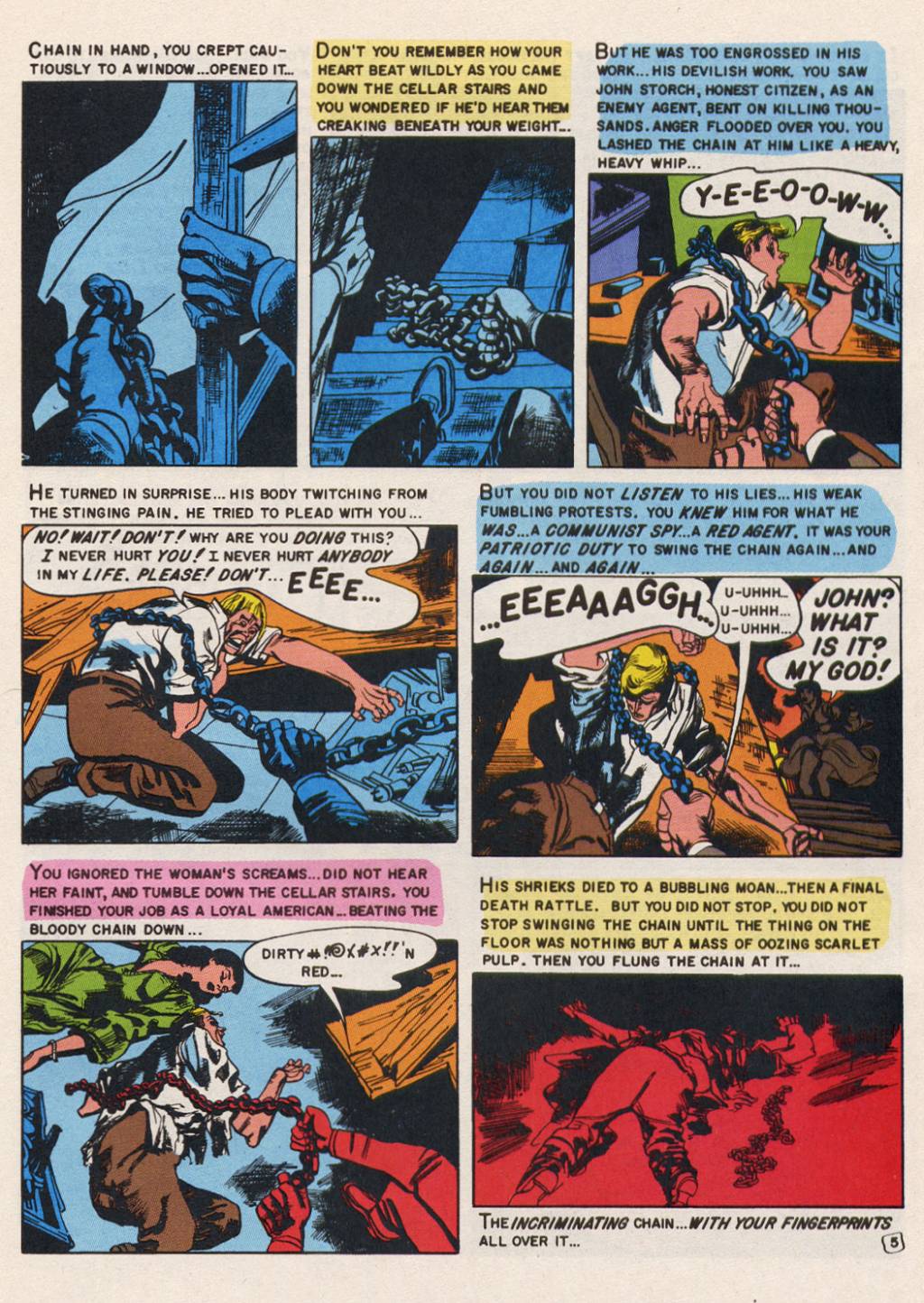
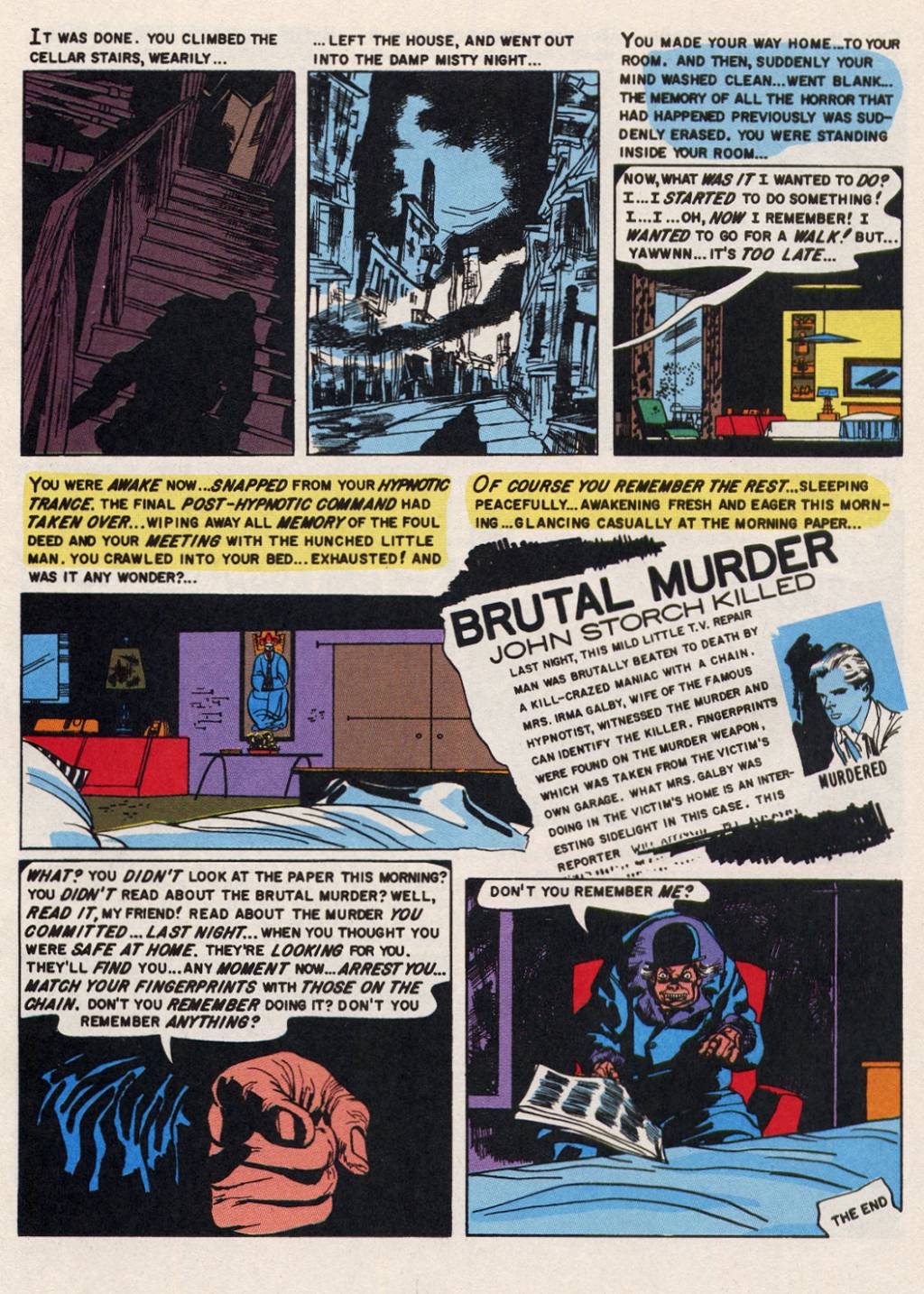
From House of Mystery #316 (May 1983), here’s “String-Out,” a hallucinatory tale of psychological collapse by Robert Loren Fleming and Trevor Von Eeden, co-creators of the cult classic comics series, Thriller:

[CLICK IMAGES TO ENLARGE]

A scan of a black-and-white reprint of “String-Out” that appeared in Australia is available on Trevor Von Eeden’s official website.

Heads Up! · Look Here · Richard Thompson · Sergio Aragones

Heads Up: Team Cul de Sac welcomes Sergio Aragones!

Team Cul de Sac is an online fundraising site that has been working since January 2011 to encourage cartoonists to donate original art made especially for a book about Parkinson’s awareness. The book is being produced in honour of the award-winning cartoonist-creator of the syndicated comic strip Cul de Sac, Richard Thompson, who on 16 July 2009 announced to the online community that he himself was diagnosed with Parkinson’s disease. Part of the profits from the sale of the book will go to benefit the Michael J Fox Foundation (MJFF), and the original art will be auctioned as part of the fundraiser with all of auction money going to MJFF.

Many well-known cartoonists such as Mell Lazarus, Stephan Pastis, R. Sikoryak, Gary Trudeau, and Bill Watterson, have already donated wonderful collages, drawings, and paintings to the cause, but on Tuesday the amazing Sergio Aragonés stepped up to show everyone how it’s done:

[CLICK IMAGE TO ENLARGE]

In addition to bidding on the various pieces of original artwork when they are put up for auction in the fourth quarter of this year and/or buying the book when it launches in May/June 2012, you can also support Team Cul de Sac and Parkinson’s research either through the purchase of a print or fanzine via the Team Cul de Sac blog or through the purchase of a custom Cul de Sac gift via Zazzle!

Hilda Terry · Look Here · Look There

Look There (and Here): Selections from EVER SINCE ADAM AND EVE

Back in 2008, Mike Lynch posted a bunch of cartoons that he had scanned from Ever Since Adam and Eve, edited by Alfred Andriola and Mel Casson, who dedicated the book to the National Cartoonists Society. Here are the links:

Featured artists include Alfred Andriola, Stan and Jan Berenstain, Walter Berndt, Milton Caniff, Irwin Caplan, Al Capp, George Clark, Chon Day, Gregory D’Alessio, Harry Devlin, Rube Goldberg, Harry Hanan, Al Hirschfeld, Hank Ketcham, Frank King, George Lichty, Marty Links, Kate Osann, Russell Patterson, Alex Raymond, Carl Rose, Charles Schulz, Ronald Searle, Barbara Schermund, Noel Sickles, Otto Soglow, Henry Syverson, J. W. Taylor, Hilda Terry, and Mort Walker.

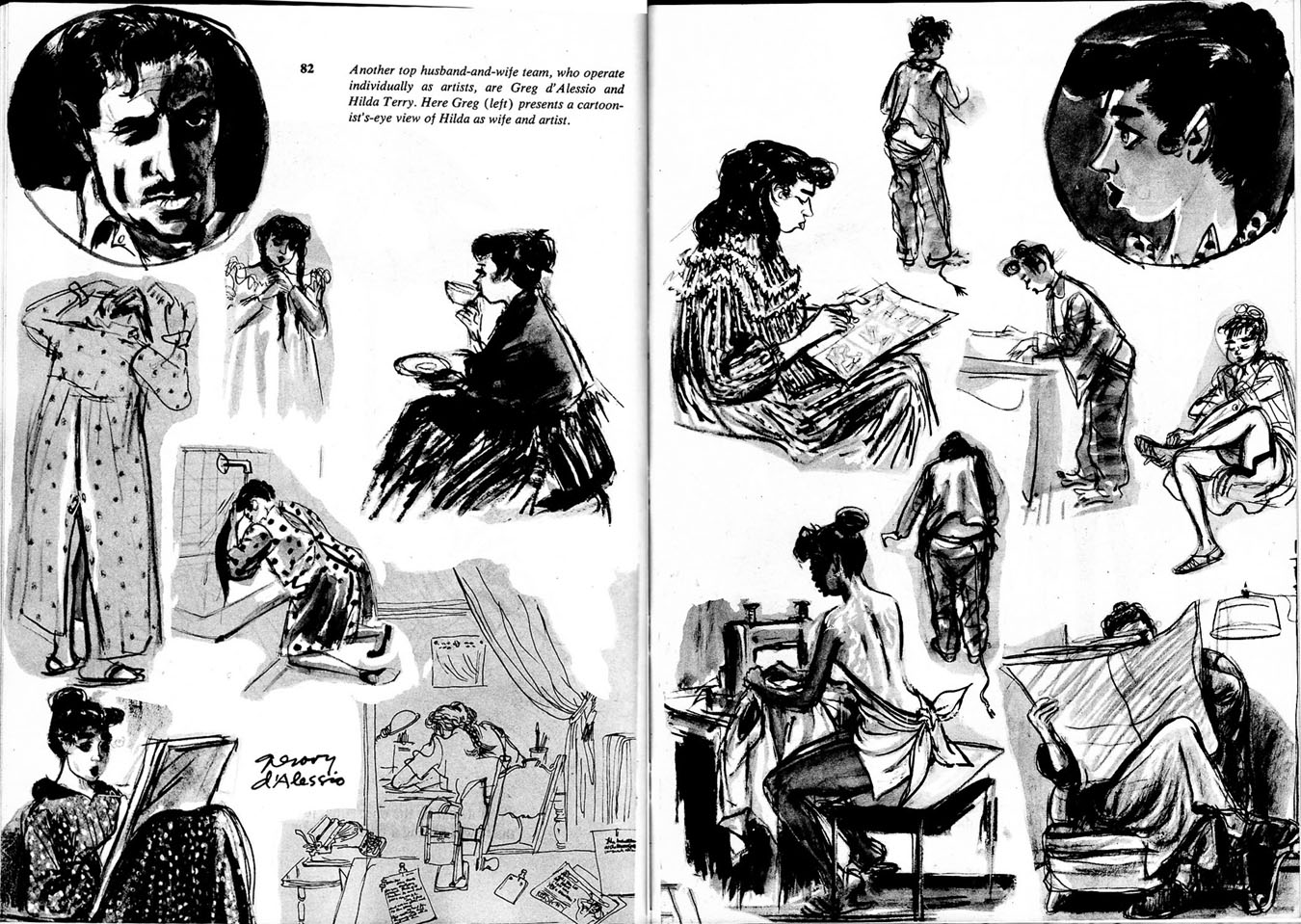
Quite a few heavy hitters in there, I think you’ll agree. But of all the cartoons and drawings from Ever Since Adam and Eve that Mike posted, here’s the one that interests me most:

[CLICK IMAGE TO ENLARGE]

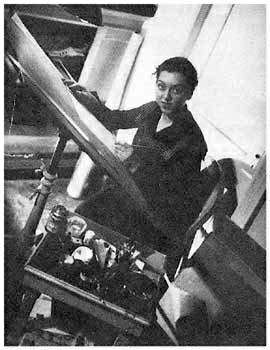
The artist is Gregory d’Alessio, and the model is his wife, cartoonist Hilda Terry, whose work has been featured several times here at RCN:

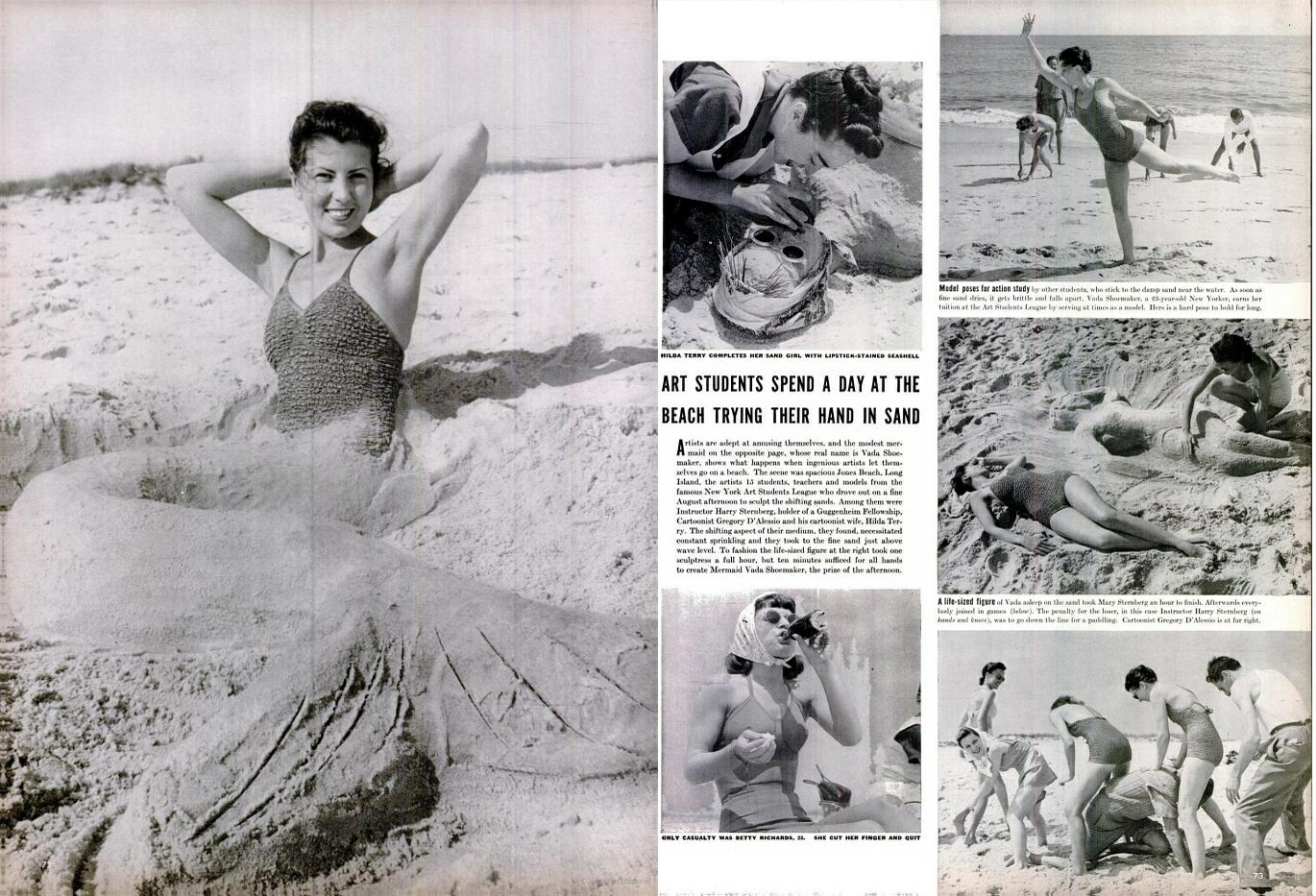
In addition to being a syndicated cartoonist, a painter, and an influential guitar music enthusiast, Gregory d’Alessio was vice-president of the Art Students League in New York from 1937 to 1944 and was an instructor in drawing at the League from 1960 until his death in 1993 at the age of 88. D’Alessio’s wife of 55 years, Hilda Terry, also became a regular instructor at the League in the 1980s (after her “retirement”), teaching a class in drawing twice a week, and continued in that capacity, near as I can tell, pretty much right up until her death in 2006 at age 92.


BONUS IMAGE:

[CLICK IMAGE TO ENLARGE]
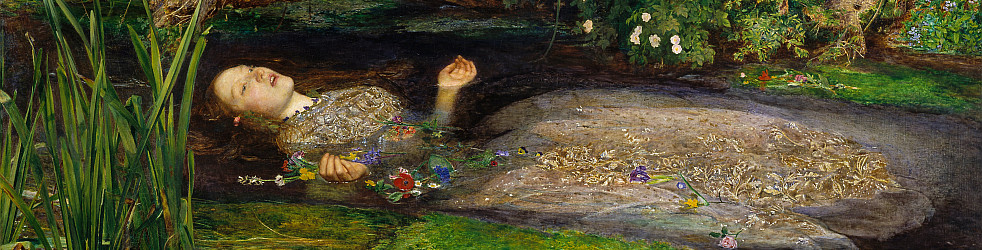
Illustration Art · Look Here · Original art vs. printed page · Richard Corben

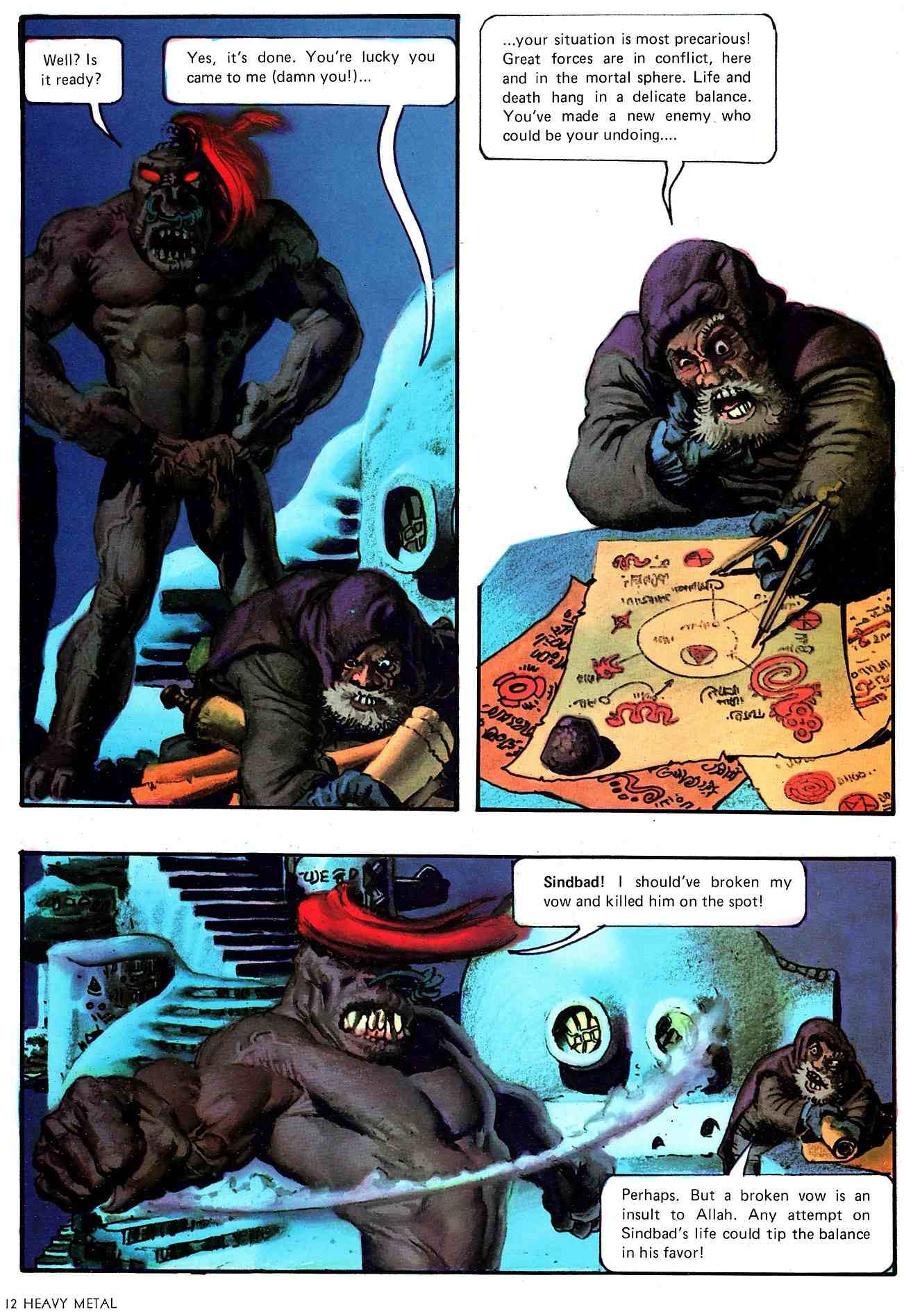
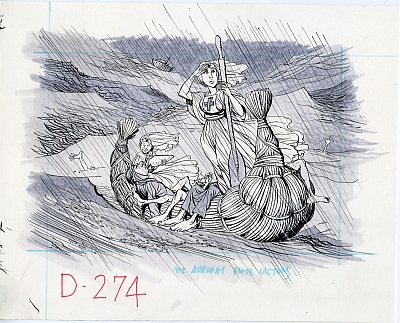
Look Here: NEW TALES OF THE ARABIAN NIGHTS, page 23, by Richard Corben

[CLICK IMAGES TO ENLARGE]

I invented a technique —my system of color overlays —which apparently nobody can understand, but it’s really very simple. The luminescent quality of my color overlays is derived from the way I combine the colors. I shoot the photomechanical separations myself, to a slightly higher contrast than a normal photo engraver would do. This makes the colors appear brighter. I’m excited when I do finally see the colors. I can see if my ideas work well or not so well.”
—Richard Corben in conversation with Brad Balfour,
Heavy Metal #53 (August 1981)


Comics · Here, Read · Look Here · Walt Kelly

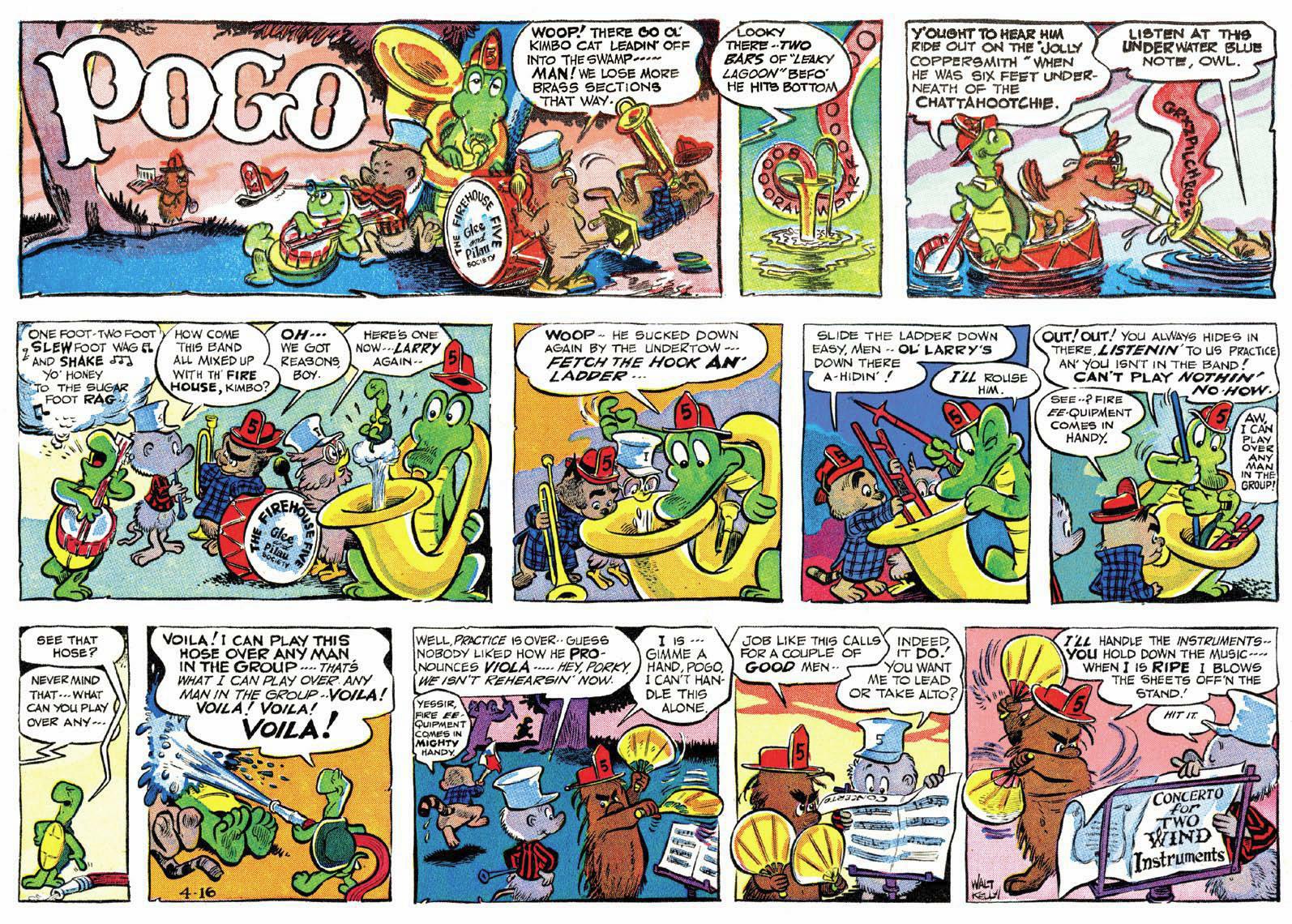
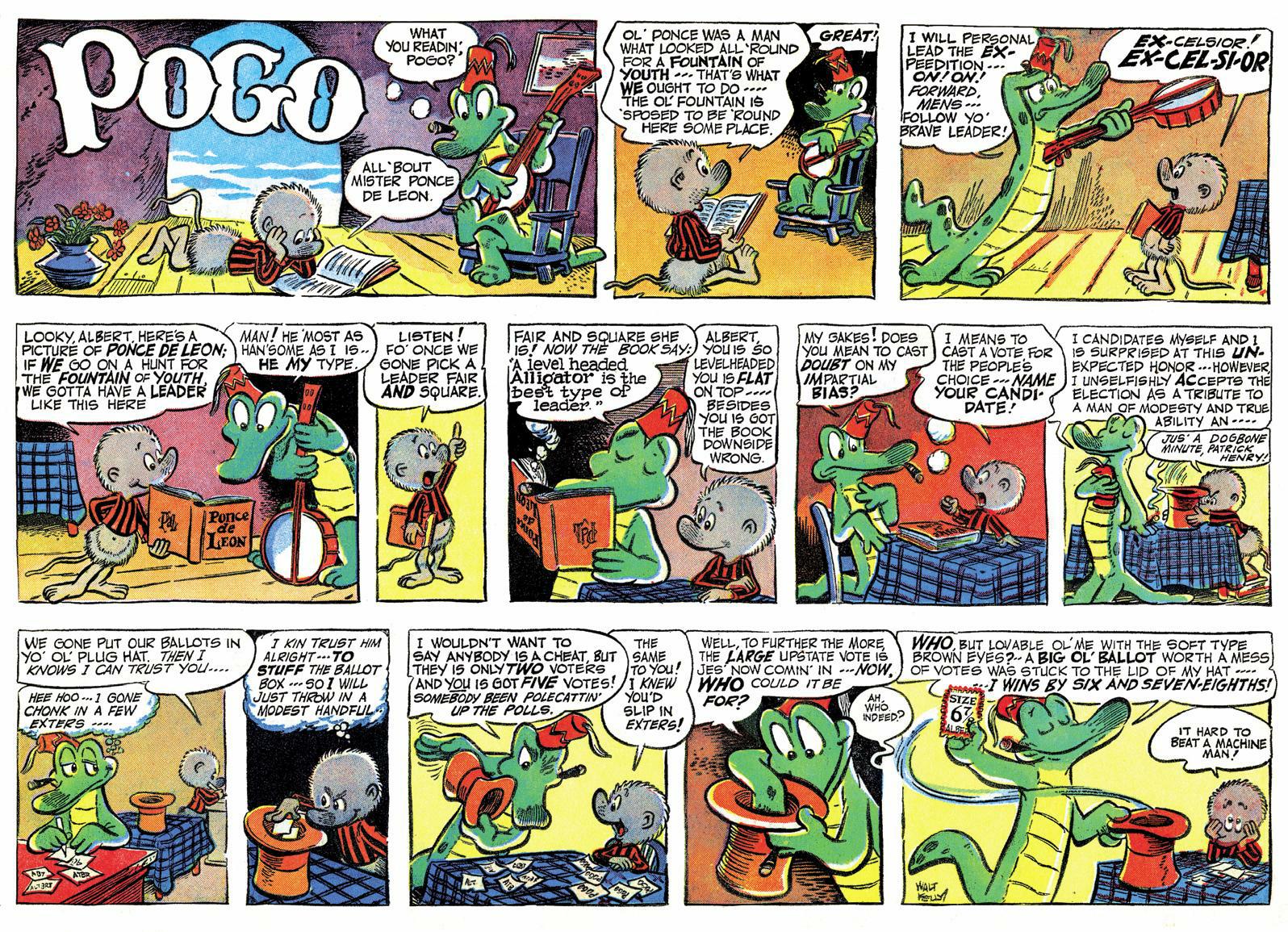
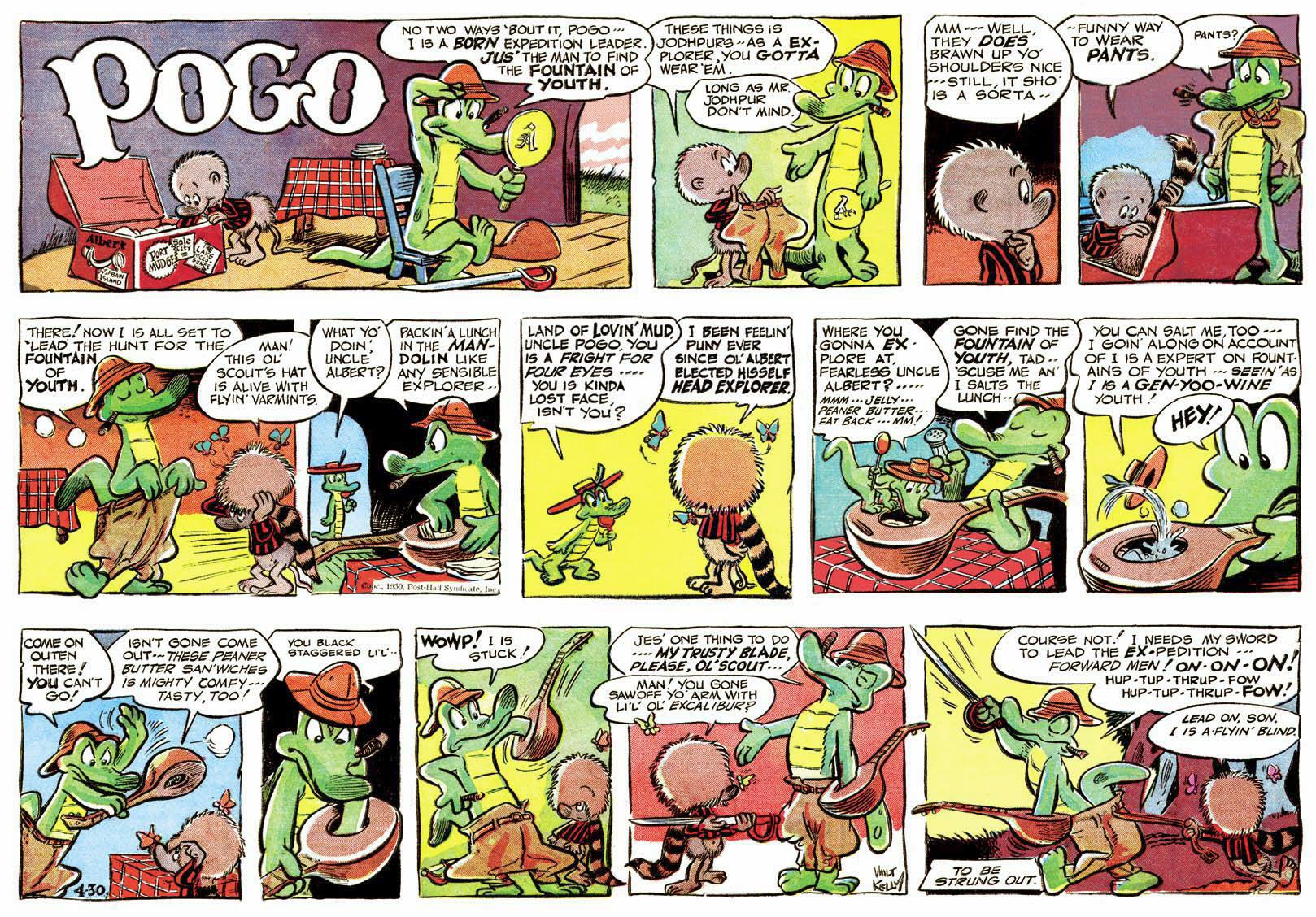
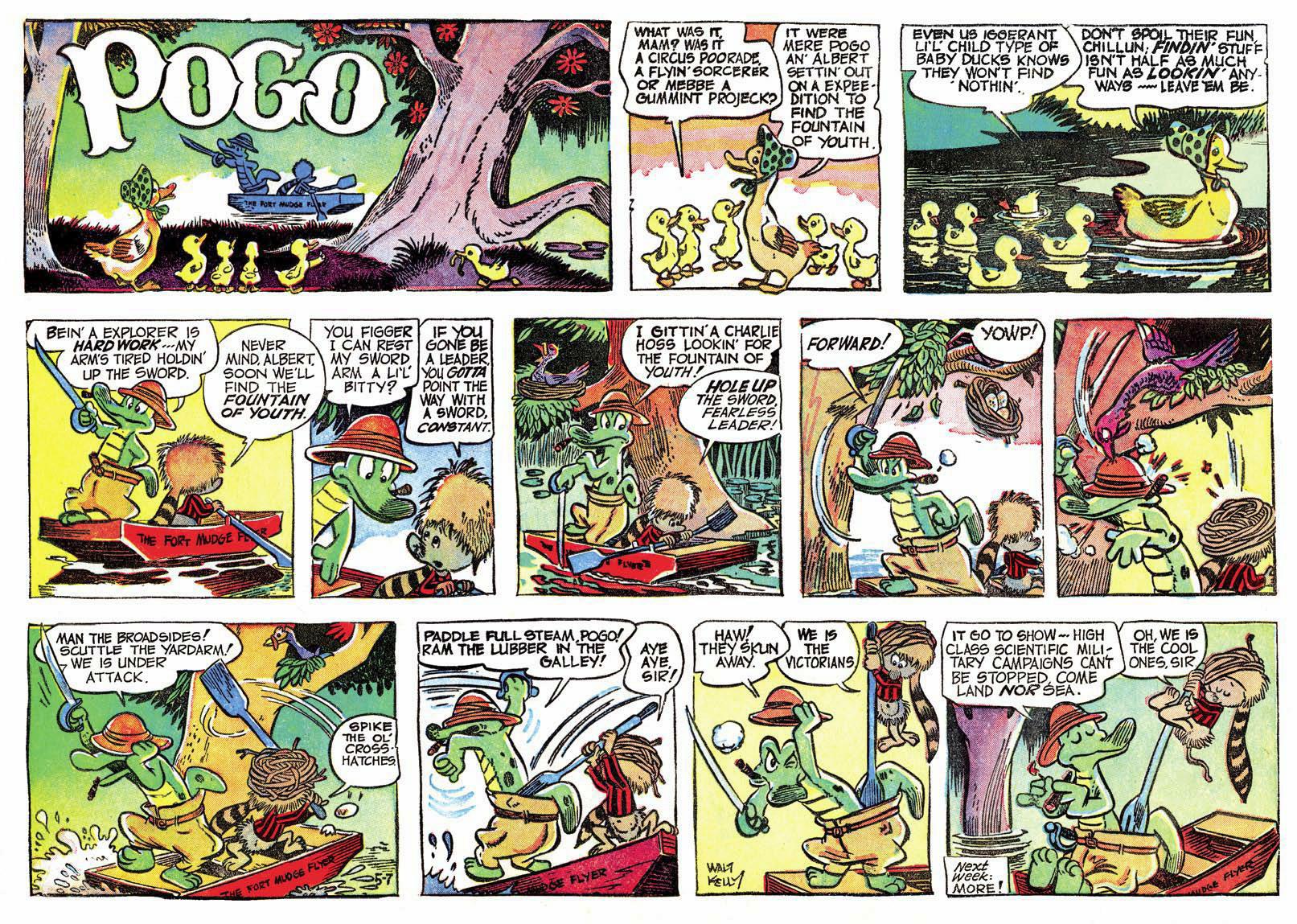
Look Here, Read: Four consecutive POGO Sundays (April 16th to May 7th, 1950) by Walt Kelly

Pogo – Vol. 1 of the Complete Syndicated Comic Strips by Walt Kelly is now in stock in the Fantagraphcs warehouse. Below are the four POGO Sundays included in the PDF preview available via a link on this page in the Fantagraphics catalogue, which makes this post a preview of the preview of the book:

[CLICK IMAGES TO ENLARGE]
Carmine Infantino · Comics · Here, Read · Look Here

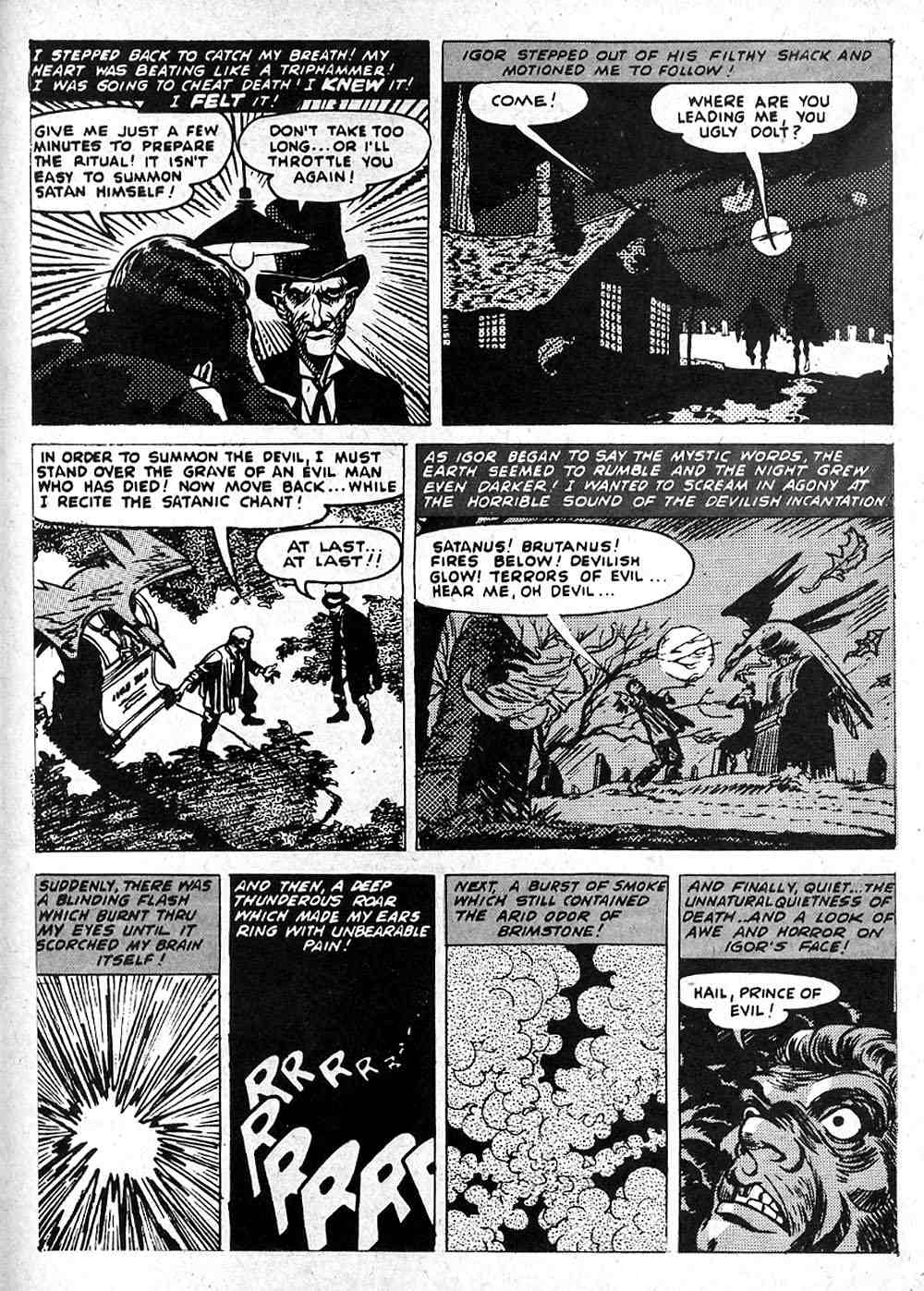
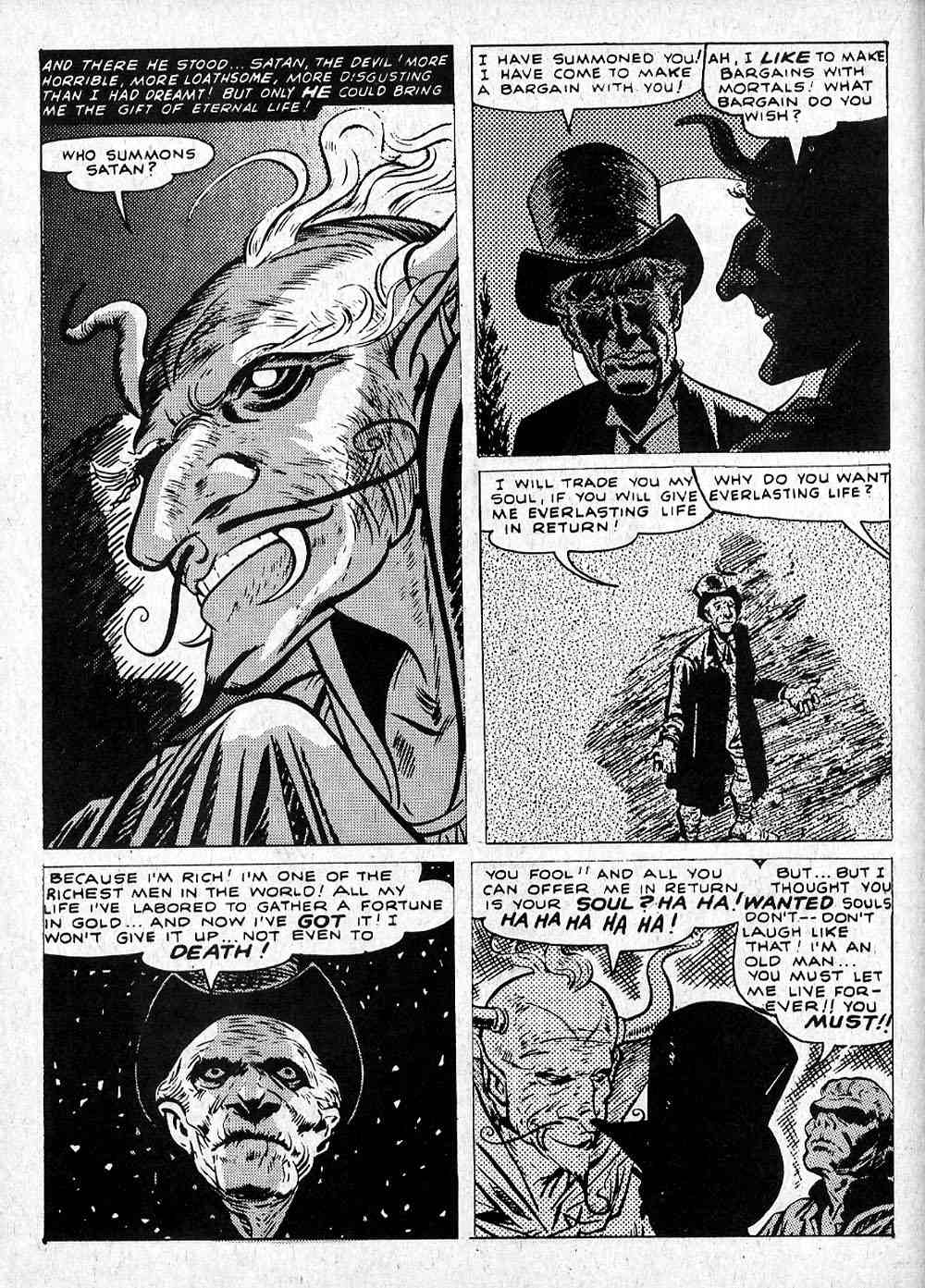
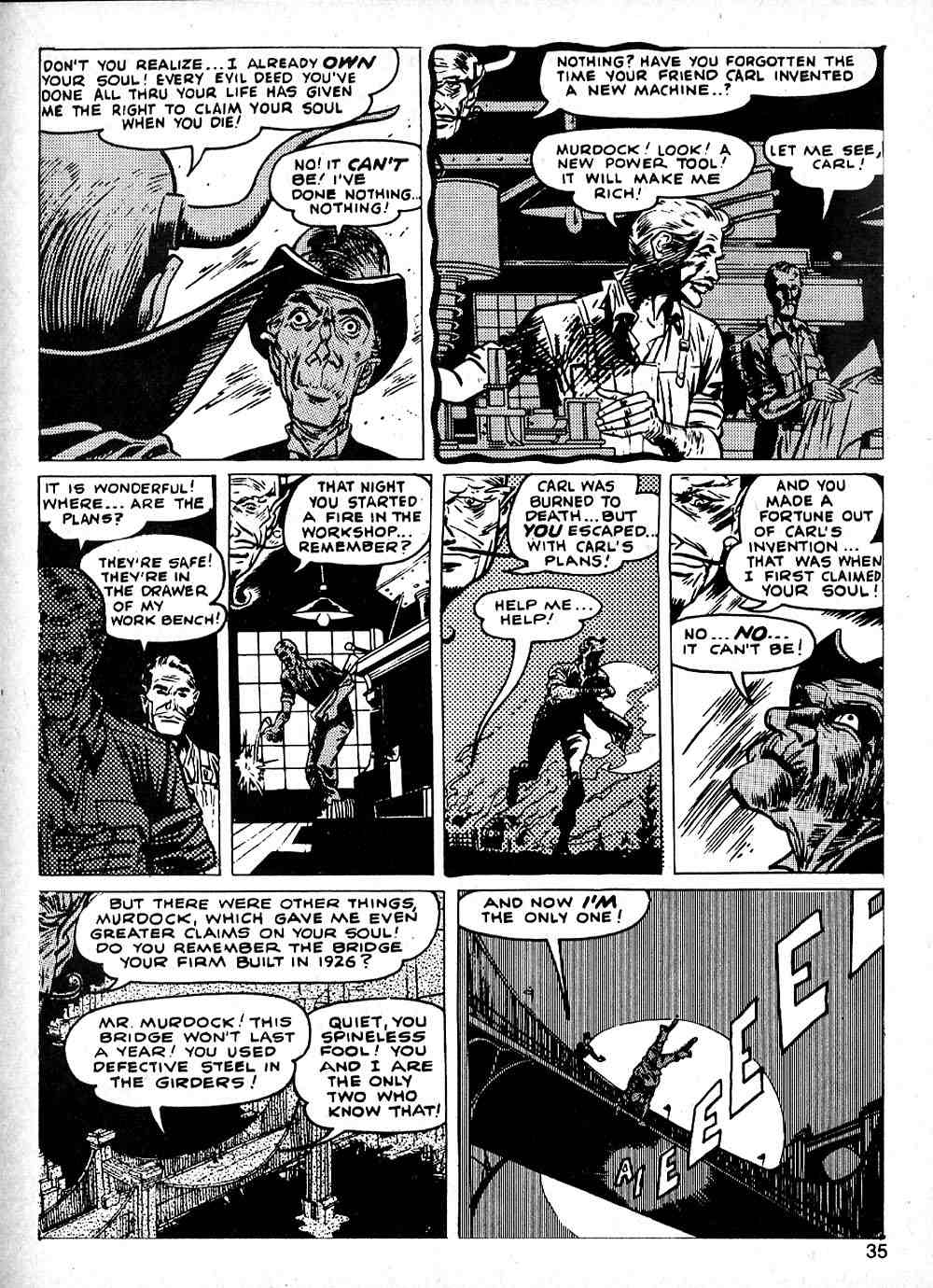
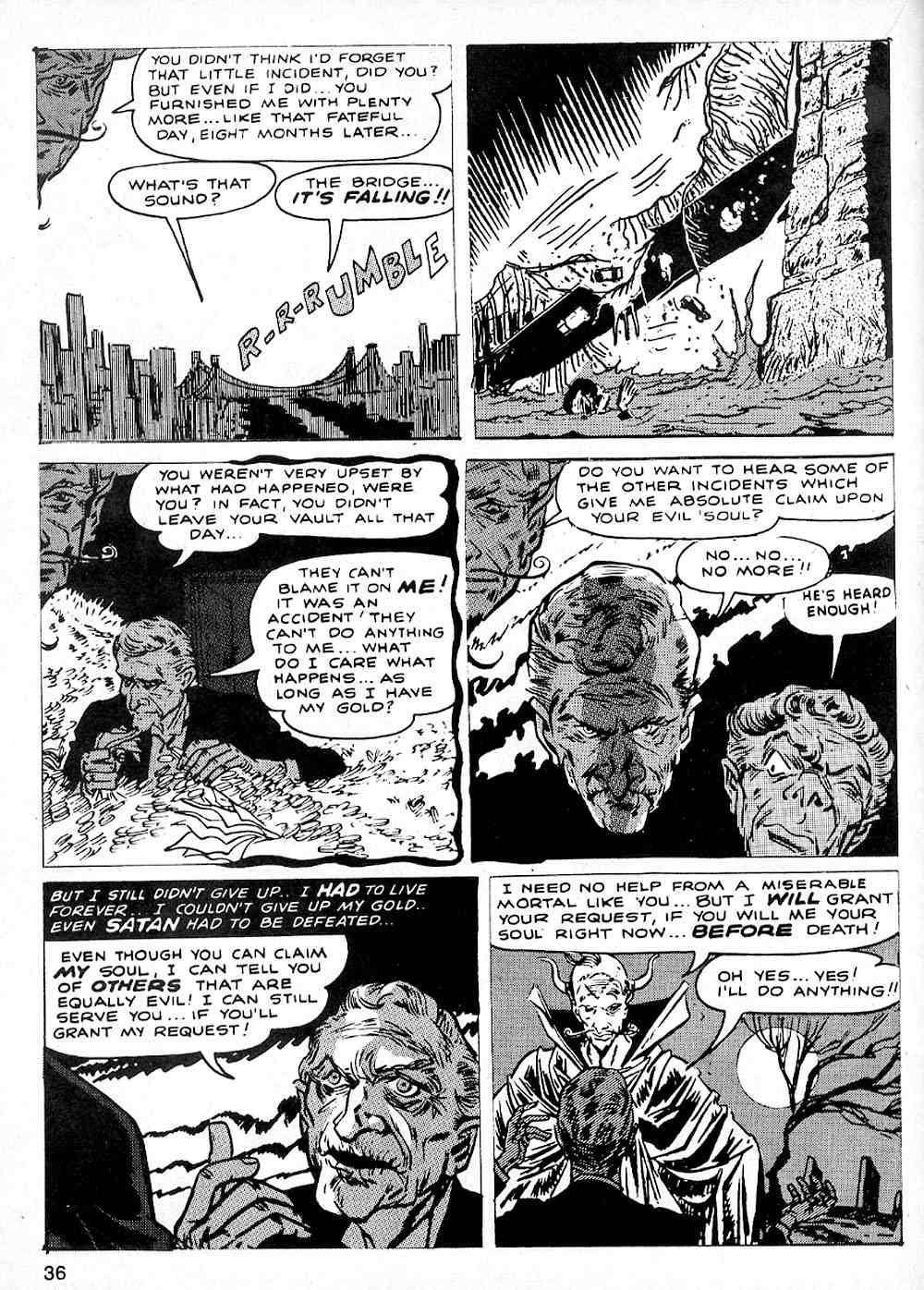
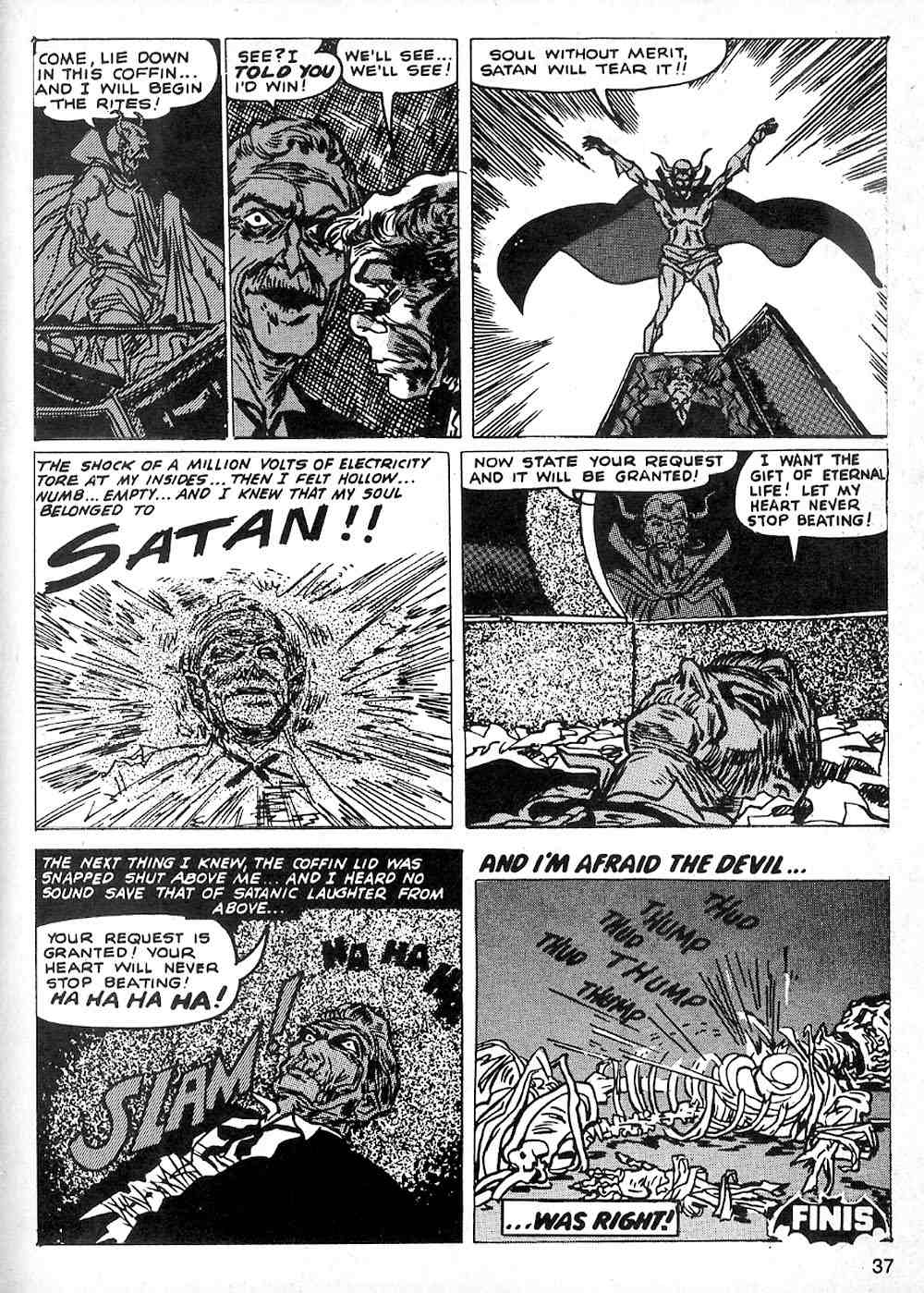
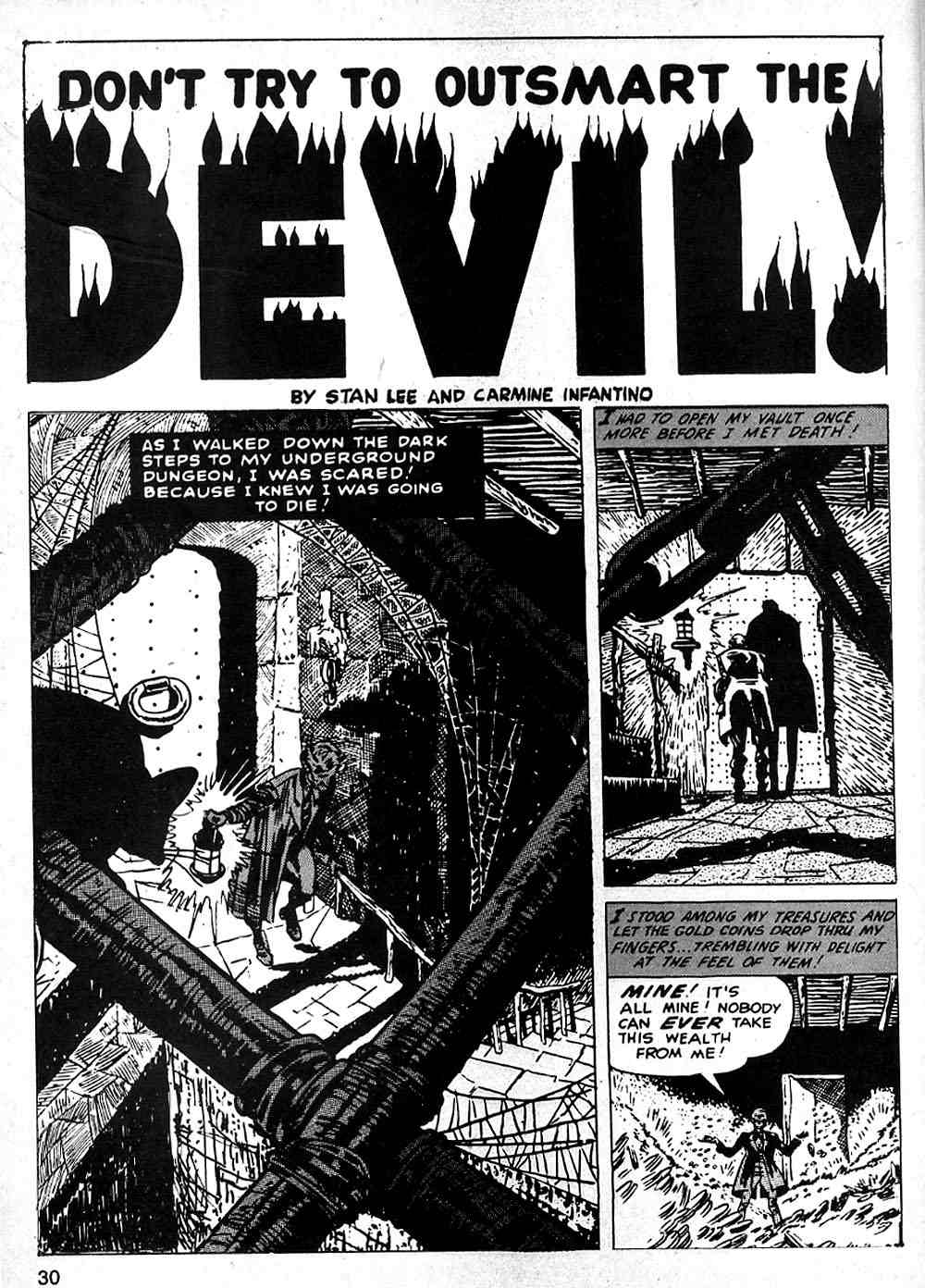
Look Here, Read: “Don’t Try to Outsmart the Devil,” with art by Carmine Infantino

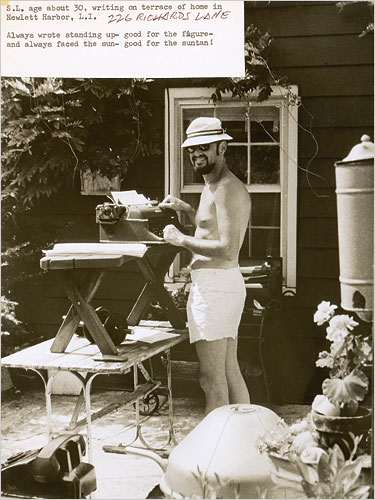
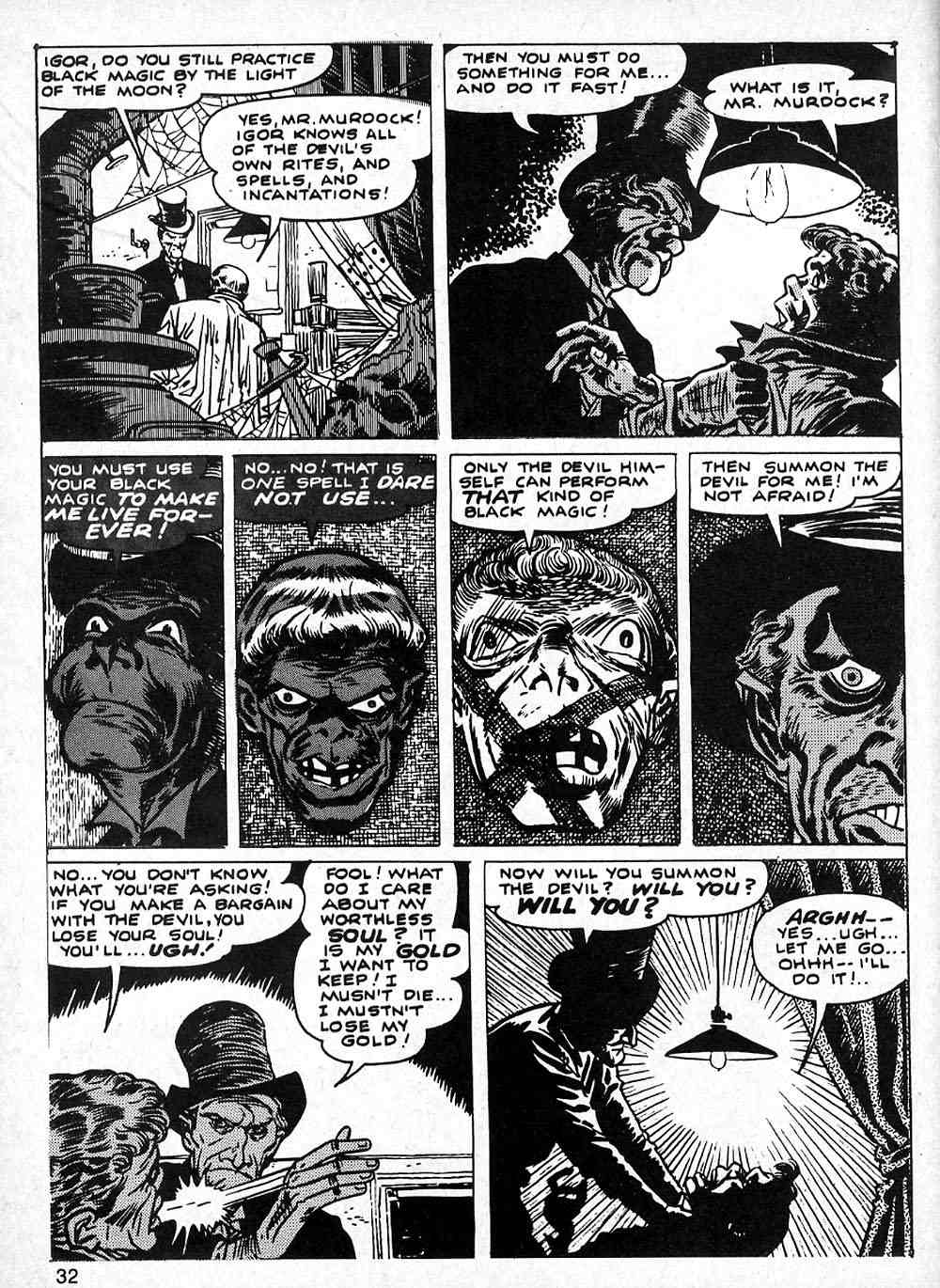
From Vampire Tales #3 (February 1974; reprinted from Adventures into Terror #13 [December 1952]), here’s “Don’t Try to Outsmart the Devil,” with script by Stan Lee and pencils by a much-admired artist who, by his own admission, never actually lived up to his considerable potential, Carmine Infantino, while, depending on what source you trust, the inks were either by Infantino himself or by Gil Kane; this is followed by a cool picture of Stan Lee typing at an improvised stand-up desk on the terrace outside his house in the early 1950s:

[CLICK IMAGES TO ENLARGE]

Carmine Infantino writes:

The enigma of my art is that it never fully matured. In the 1960s, as I was maturing as an artist, I stopped drawing in favor of attaining the executive positions. A good friend of mine once asked, “Why don’t you ever talk about your artwork? Why don’t you have any around your apartment?” The answer is simple: my artwork is an unfinished symphony, a painting never completed, a baby never raised.

I don’t know what direction I would have gone into had I continued to draw through my executive tenure. There were all sorts of works coming out of me at the time. I could see the growth that applying myself very differently was bringing. Right up to my becoming Editorial Director, the art was constantly growing and changing.

It was almost like someone else was controlling the work. It was gaining sophistication, but the evolution was never completed. To this day, I know not what it was to have become. Or it might not have grown any further. Considering I was working in the commercial medium of comics, it could have stopped quite naturally at that point.

[Source: Carmine Infantino, The Amazing World of Carmine Infantino: An Autobiography, second printing (Lebanon, N.J.: Vanguard Productions, 2001), pp. 172-174.]