From the collection of yours truly, as usual:
[CLICK IMAGE TO ENLARGE]

"This day's experience, set in order, none of it left ragged or lying about, all of it gathered in like treasure and finished with, set aside." –Alice Munro, "What is Remembered"
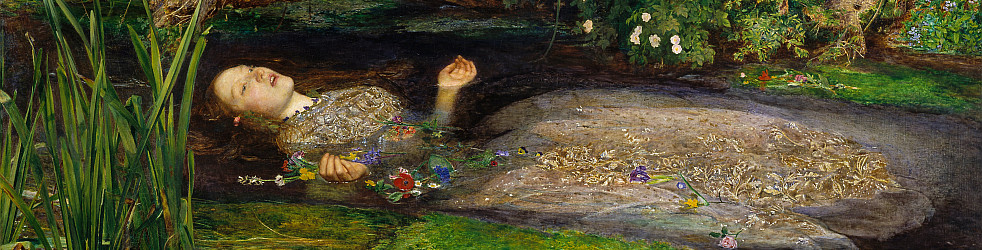
From the collection of yours truly, as usual:
[CLICK IMAGE TO ENLARGE]
[CLICK IMAGES TO ENLARGE]

— VIA —
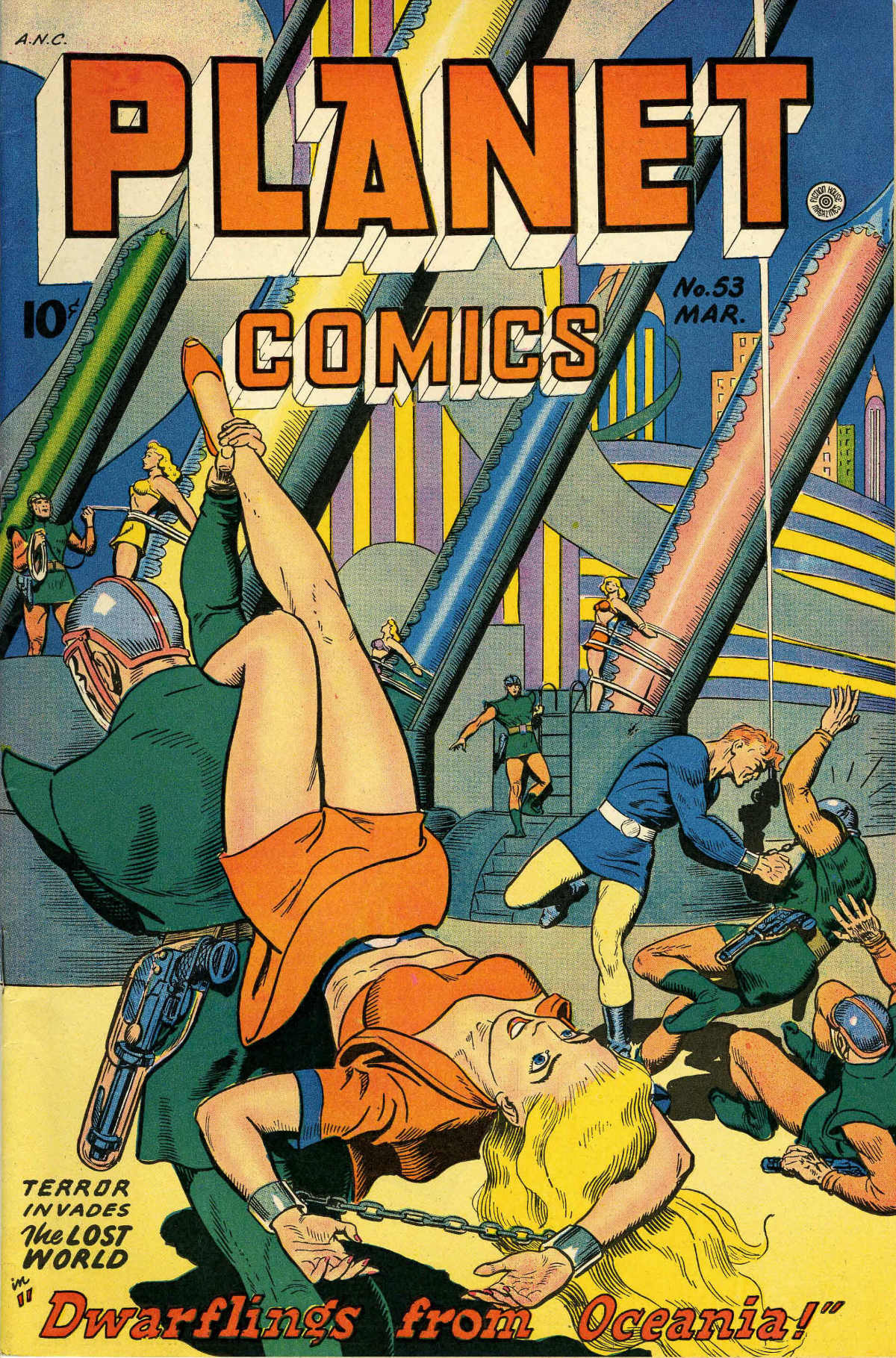
The blonde in Doolin’s Planet Comics cover must be light as a feather… perhaps low gravity has made her so… or Jenny Craig… or artistic license… or something…
BONUS IMAGE:
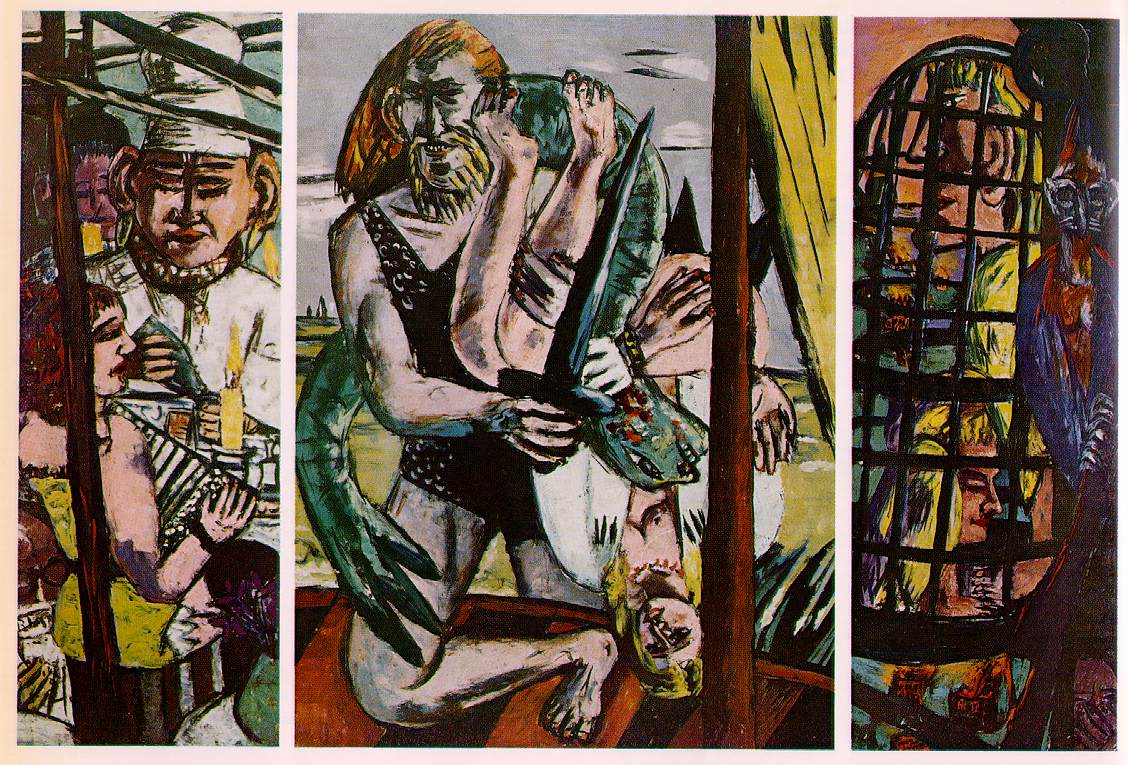
— VIA —
RELATED POST:
I often think that I should be more systematic in presenting my cover scans, but then again, because I’m always buying new stuff, I think it might be easier for you simply to remember to check out the various categories and tags at the bottom of each post if you see work that you like; there might just be more by the same artist on view in other posts:
[CLICK IMAGES TO ENLARGE]
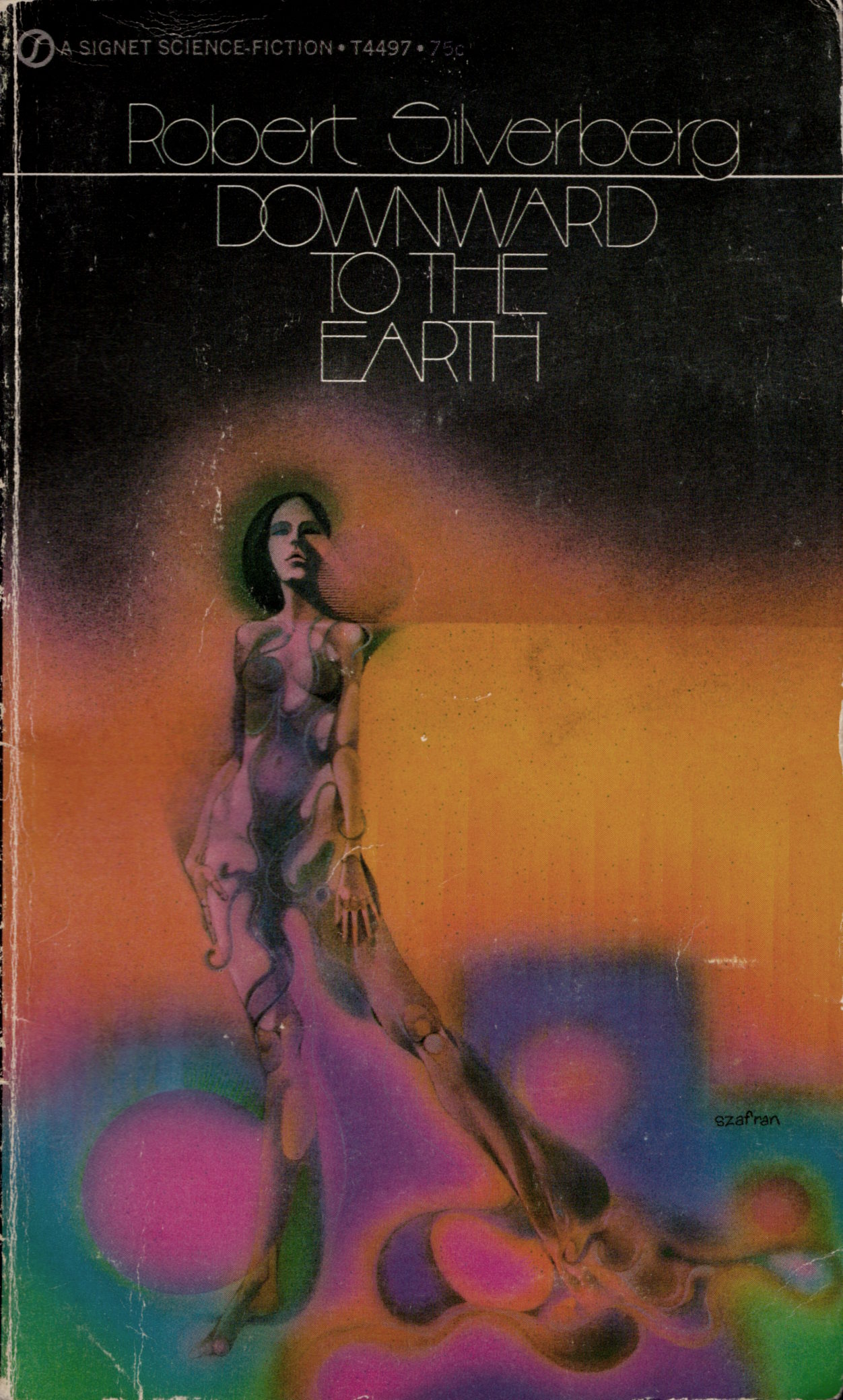

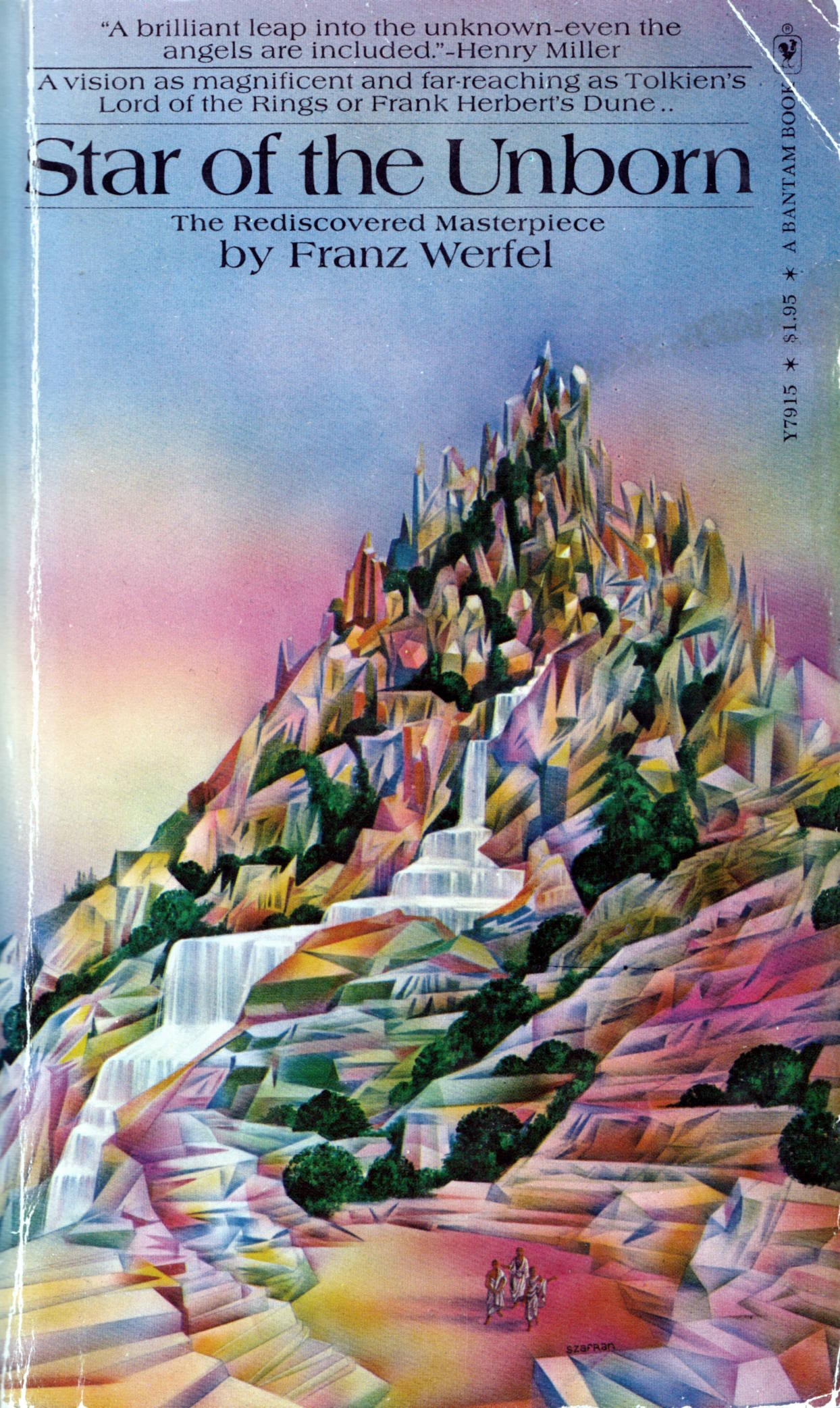

Szafran’s Downward to the Earth cover art (1971) clearly owes a lot to the “magic realist” airbrush paintings of the German artist Paul Wunderlich; the other two covers, however, owe nothing at all.
RELATED LINK:
More covers today with strong art by an underrated illustrator whose work I’ve featured before here at RCN:
[CLICK IMAGES TO ENLARGE]

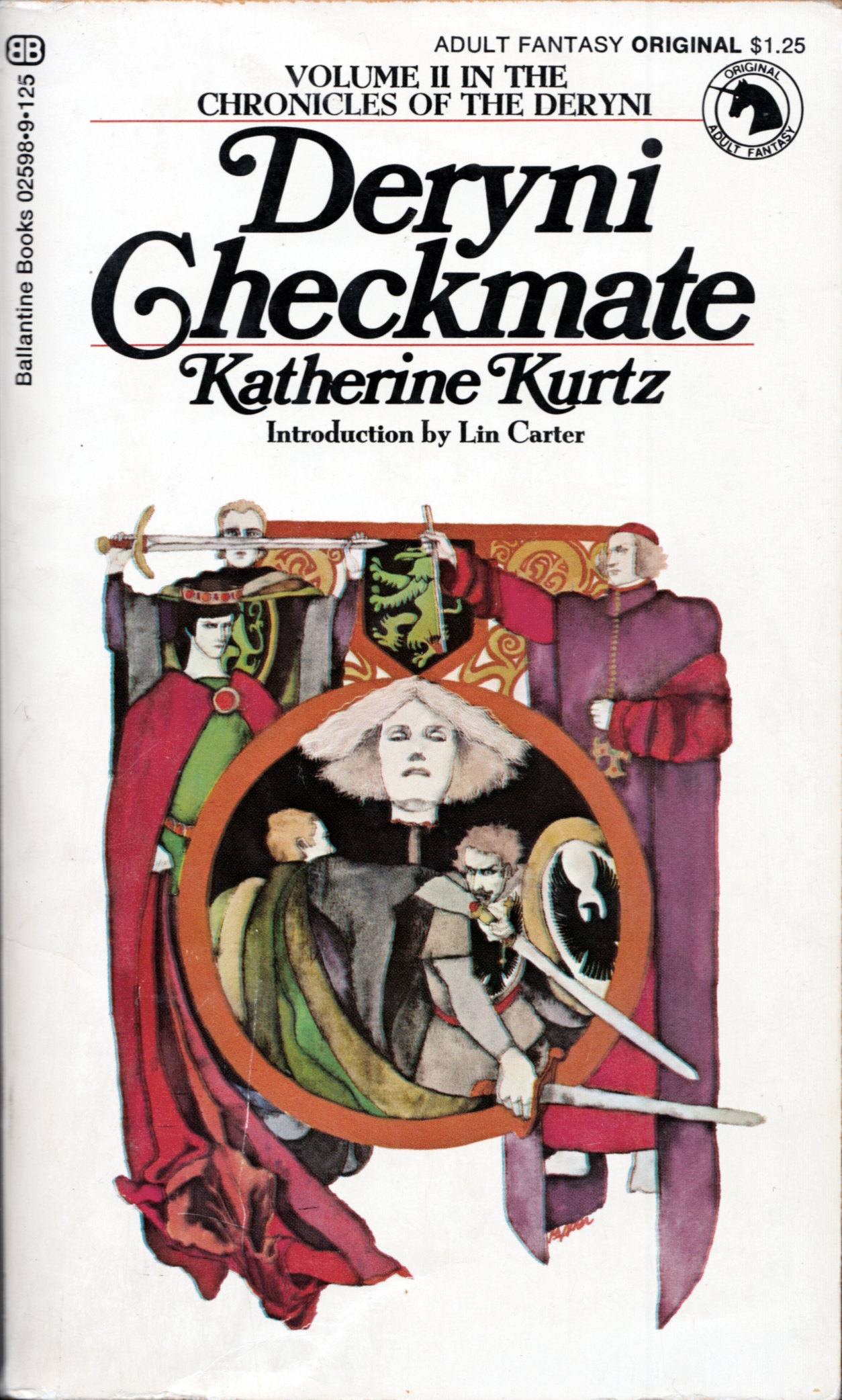
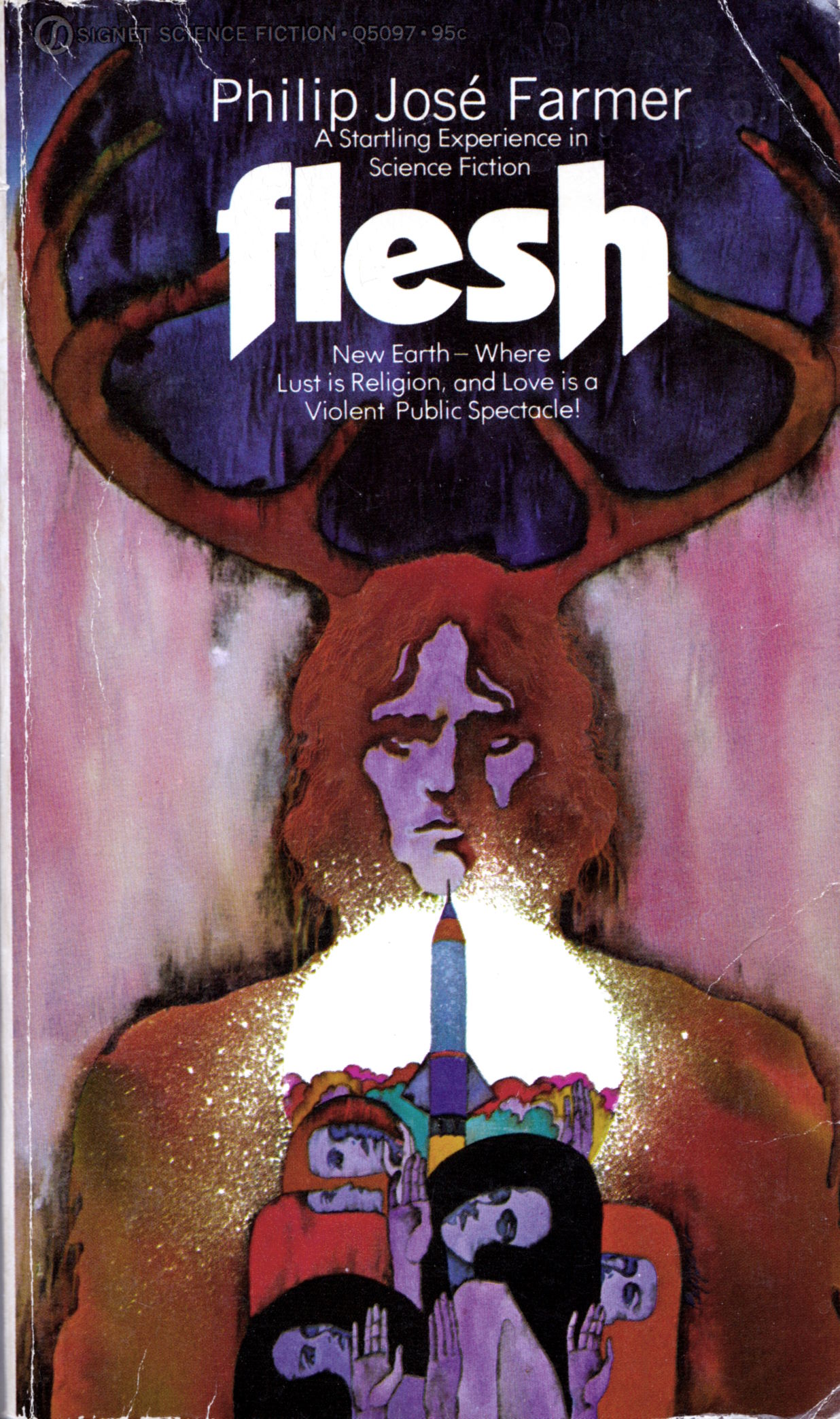
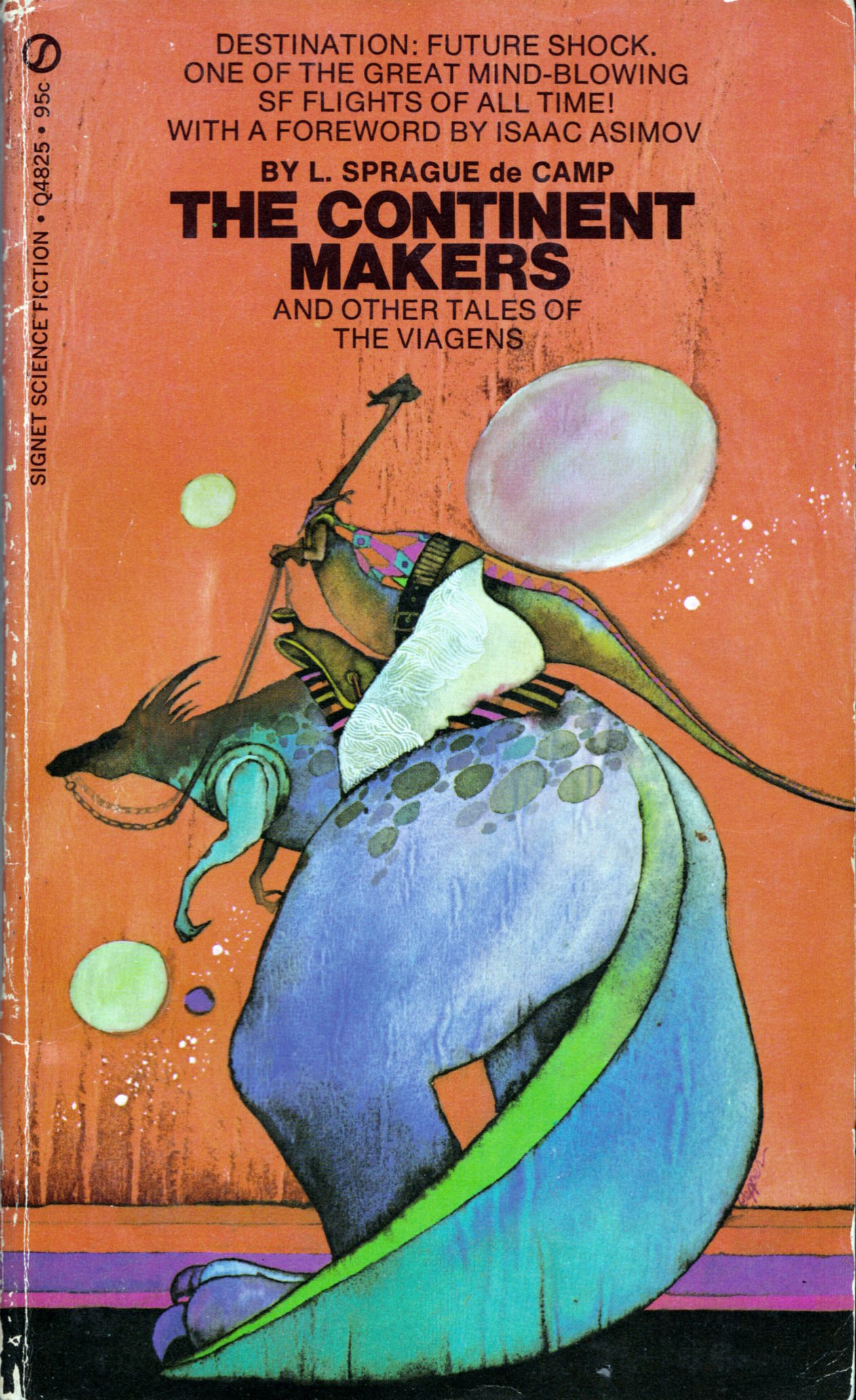
To view all of the covers with art by Bob Pepper that I’ve scanned and posted so far, click here and scroll down the page.
Another day, another cover scan from the library of yours truly:
[CLICK IMAGE TO ENLARGE]
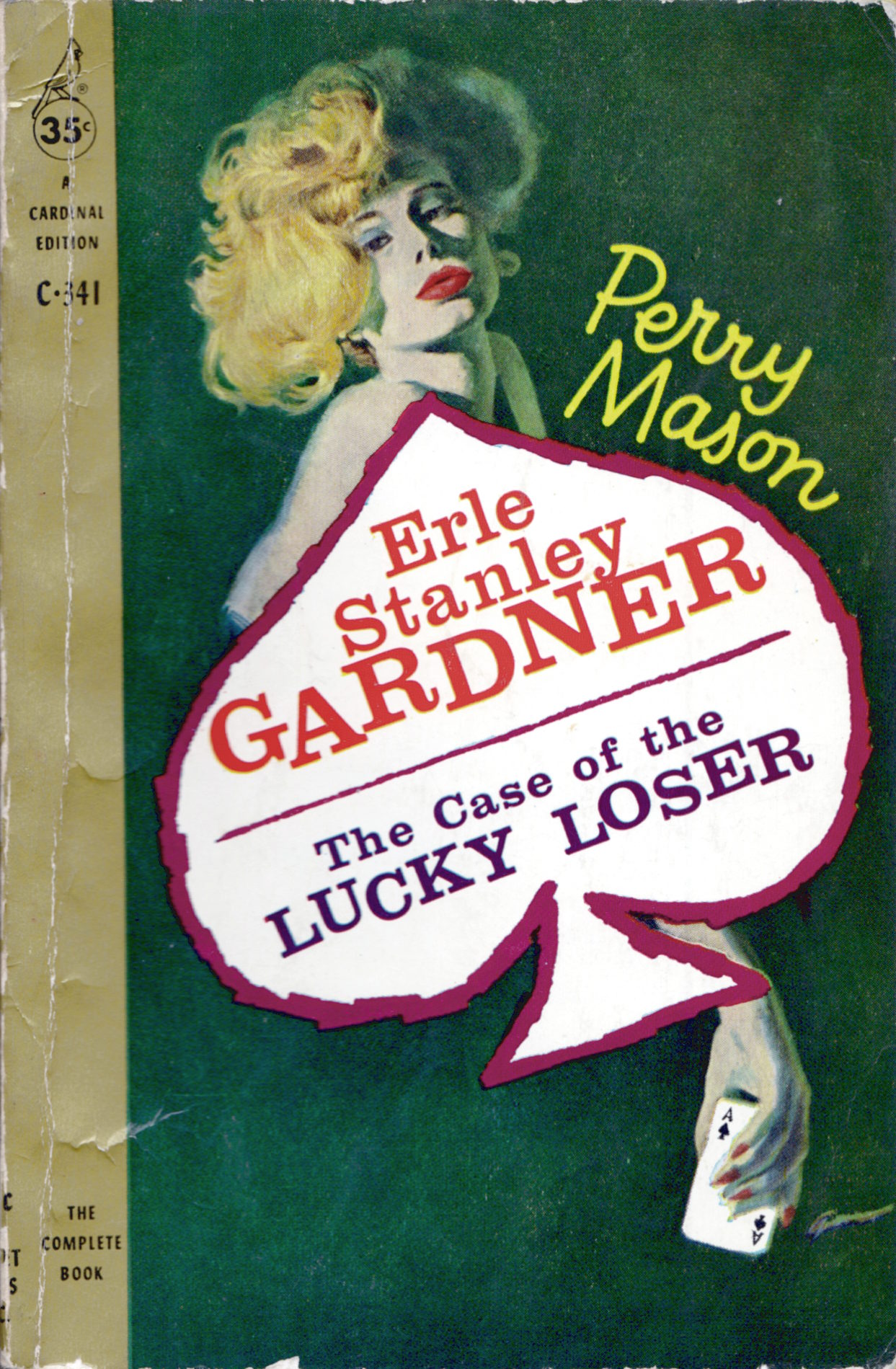
The paintings on the covers of Mulatto and Weep in the Sun by Jeanne Wilson are obviously by the same artist, but that artist, unfortunately, is uncredited, and I can see no evidence of a signature either, which is too bad, because the artist’s skills as a draftsman and painter are considerable and I am kind of curious to know how his or her career played out after 1979, the year these paperbacks were published:
[CLICK IMAGES TO ENLARGE]
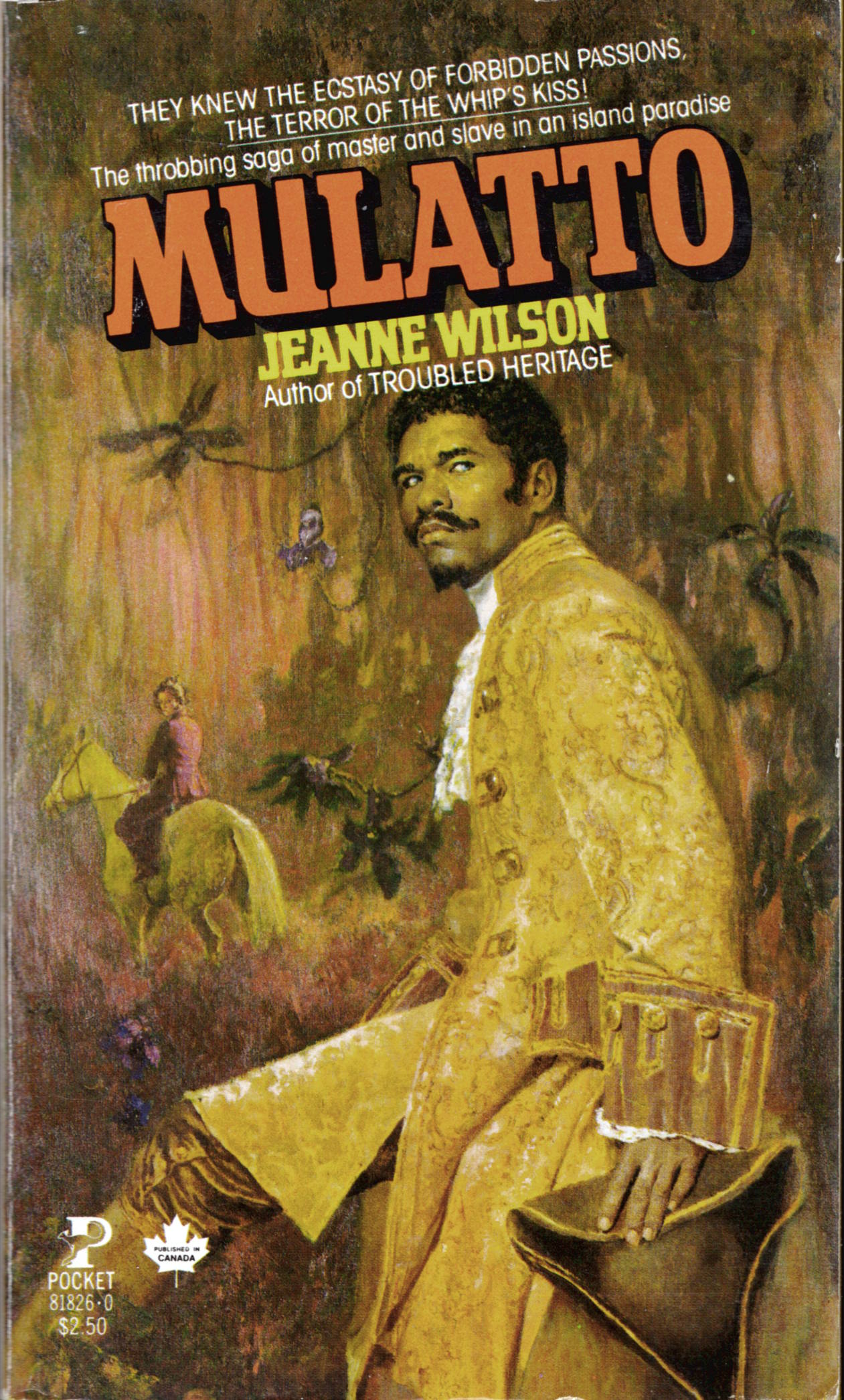
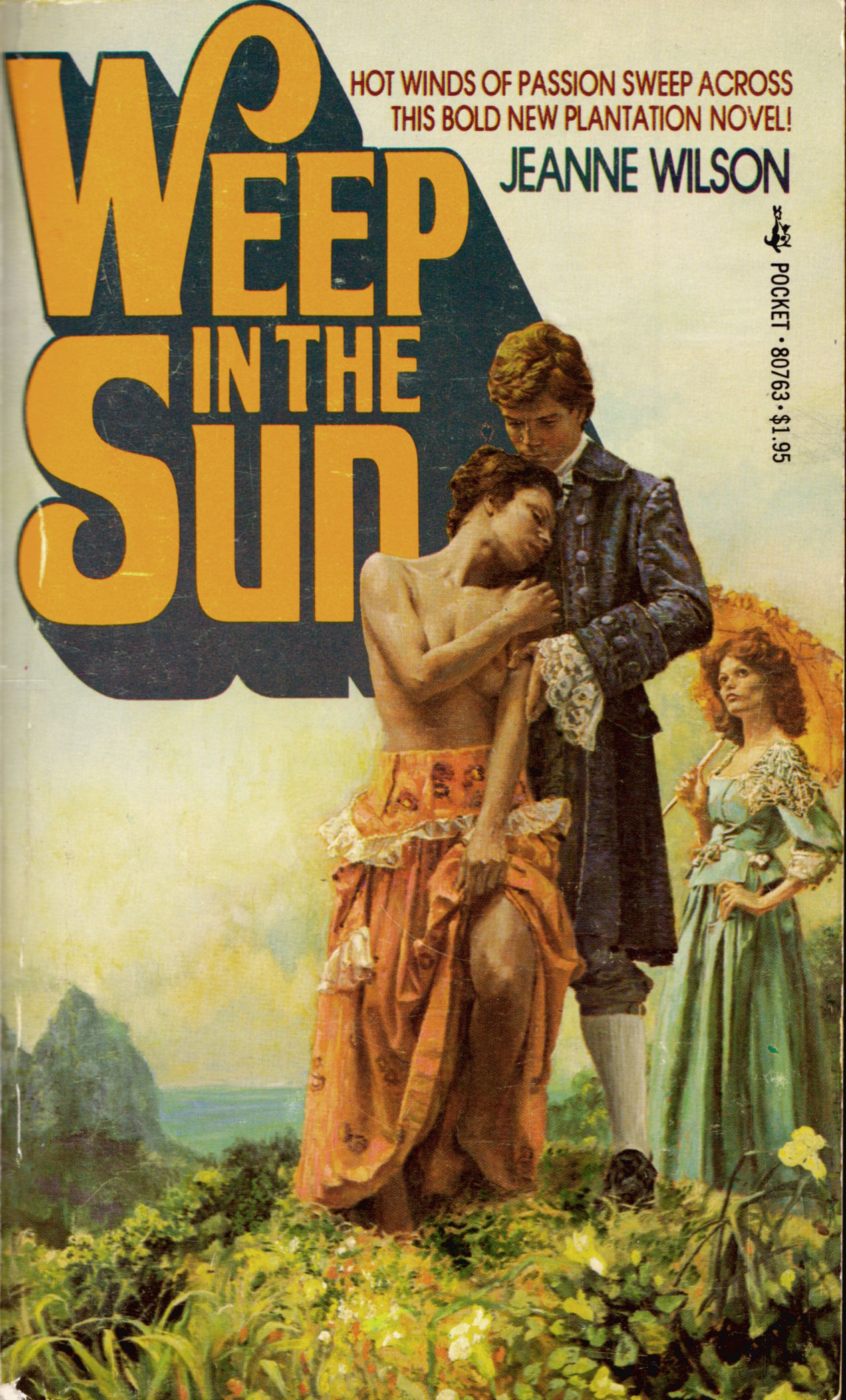
Yes, I do own both novels, and yes, the scans are mine, but no, I haven’t read them, and no, I won’t be reading them any time soon.
Because the truth is, the plantation-titillation genre — not the usual appellation, I know, but close enough — holds no attraction for me.
[CLICK IMAGE TO ENLARGE]

My book, my scan… for better or for worse…
RELATED POSTS:
[CLICK IMAGES TO ENLARGE]


Only one of the above paperbacks (scanned straight outta the collection of yours truly) includes a cover credit, but the art on the front of it and two others is signed “Lou Feck,” so… mystery solved! Unfortunately, the art on the fourth, Where Murder Waits, is only signed with the initials “L.F.,” but since the letter forms look the same as in the full signature, the time period is right, and the style is right in artist’s wheelhouse, I strongly suspect that that one is by Lou Feck as well.
The cover of Ice! is a fold out, obviously. Pity that the image, when folded in, doesn’t quite cover the underlying pages. Bet the designer wasn’t too happy when those books were delivered from the printer.
And finally, although Feck’s interpretation of A Canticle for Leibowitz is heavily indebted to the work of Paul Lehr, that cover is iconic — a classic!
[CLICK IMAGES TO ENLARGE]


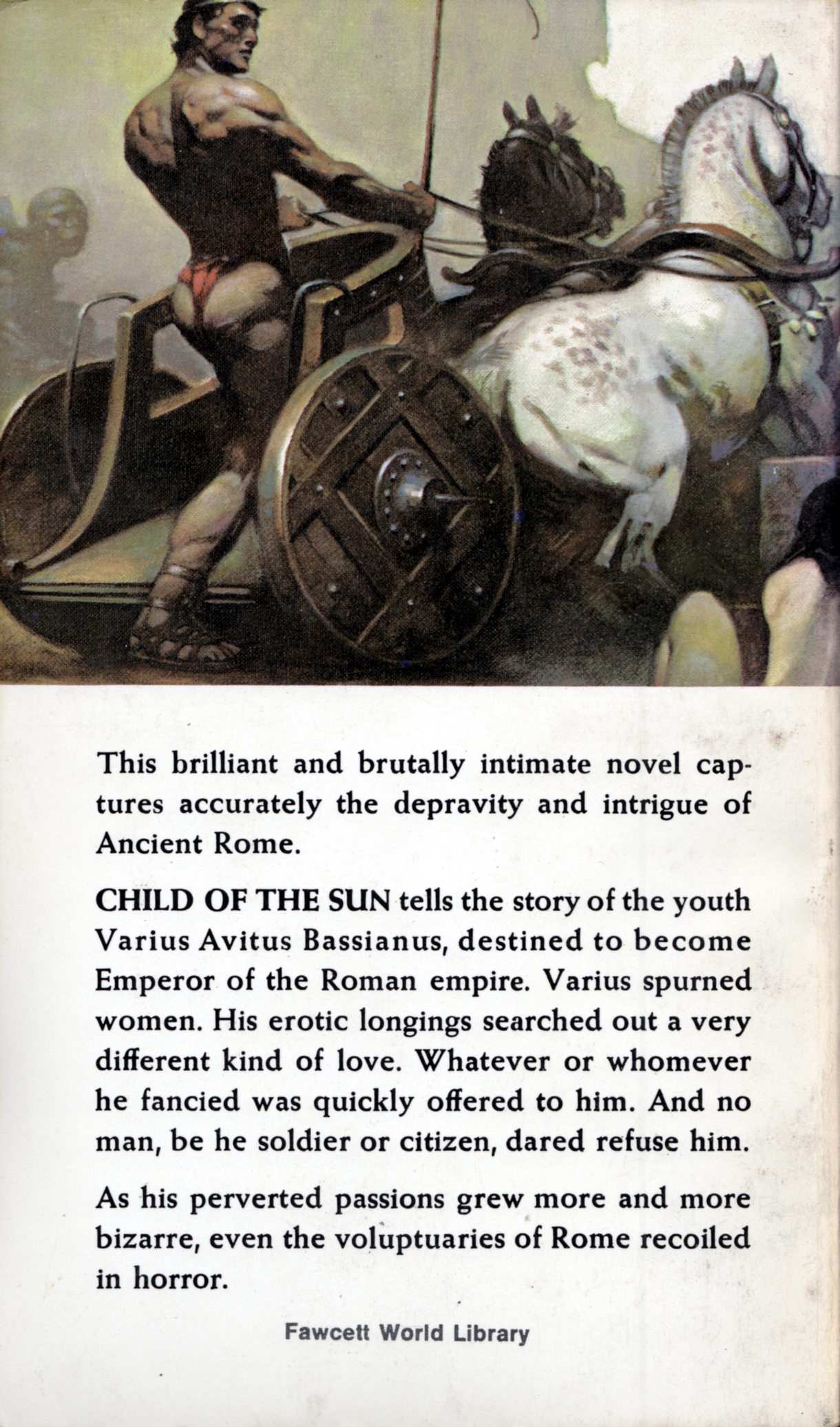

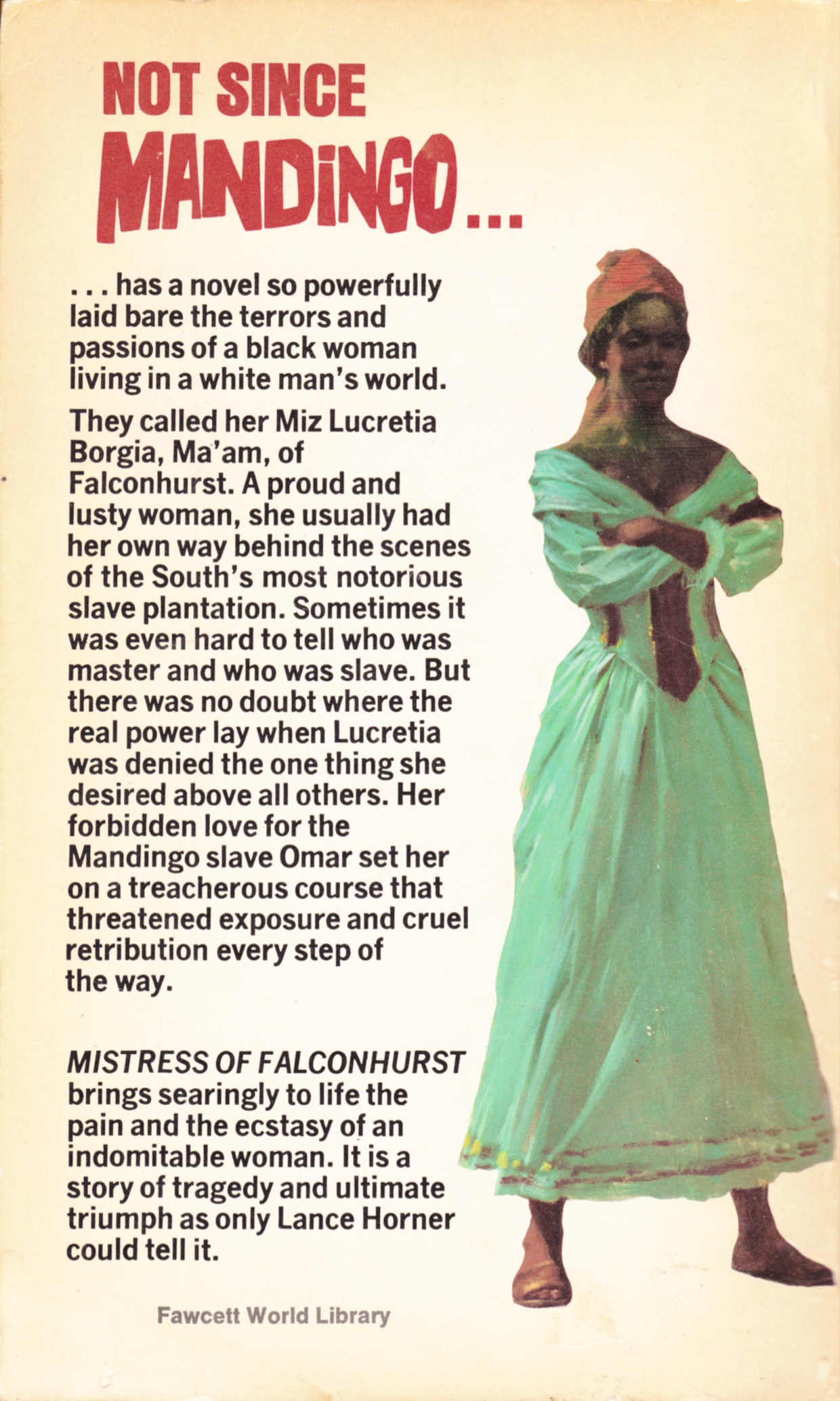

I know that I have posted a scan of Rogue Roman before, but what you see above is a new scan of a different copy of the novel (I have two). I only recently obtained a copy of Child of the Sun (for cheap at — where else? — Value Village), with cover art by Frazetta, so that scan is new, too, as are the others. Seeing those two covers together, Rogue Roman and Child of the Sun, one can appreciate, I think, the significant change — some would say, improvement — in Frazetta’s oil technique from the 1960s to the celebrated paintings of the 1970s.
I have no idea who painted the uncredited covers of The Street of the Sun or Mistress of Falconhurst, although the latter includes the initials (?) RES in the lower left-hand corner. If you know who RES is, feel free to post the artist’s name in the comments section below. [Apparently, RES is Robert E. Schulz; see comment section below.]
As for The Street of the Sun, let’s just say that although the loose illustrative style is attractive, and distinctly less “old-fashioned” than the other three, it is entirely unexceptional for the time period (the late 1960s) and could have been produced by any number of artists.
A dramatic illustration (by an uncredited artist) and a bold, complementary title treatment (by an uncredited designer) combine to lift the overall design of the cover of Denis Pitts’ thriller novel from the late 1970s about a terrorist threat to Manhattan to a very high level:
[CLICK IMAGES TO ENLARGE]

The lesson here: even though some genres (or time periods) may appear to be (or may in fact be) more blessed than others, great illustrative book covers can appear in any genre (or period).
 Ragged Claws Network