[CLICK IMAGES TO ENLARGE]
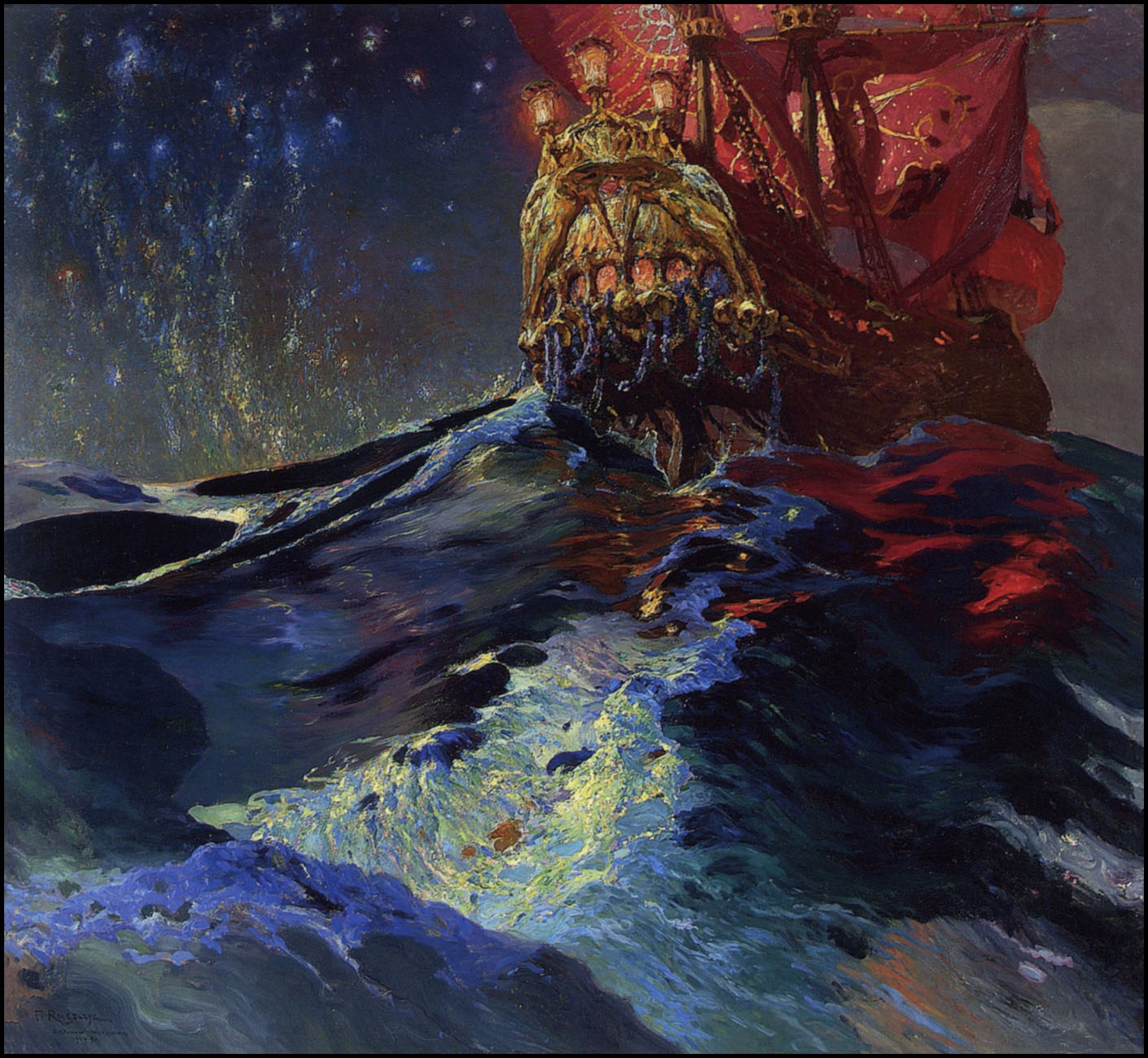
ABOVE: Ferdynand Ruszczyc, Nec Mergitur (1905). Via The Pictorial Arts.
RELATED POST:
TANGENTIAL BONUS IMAGE:
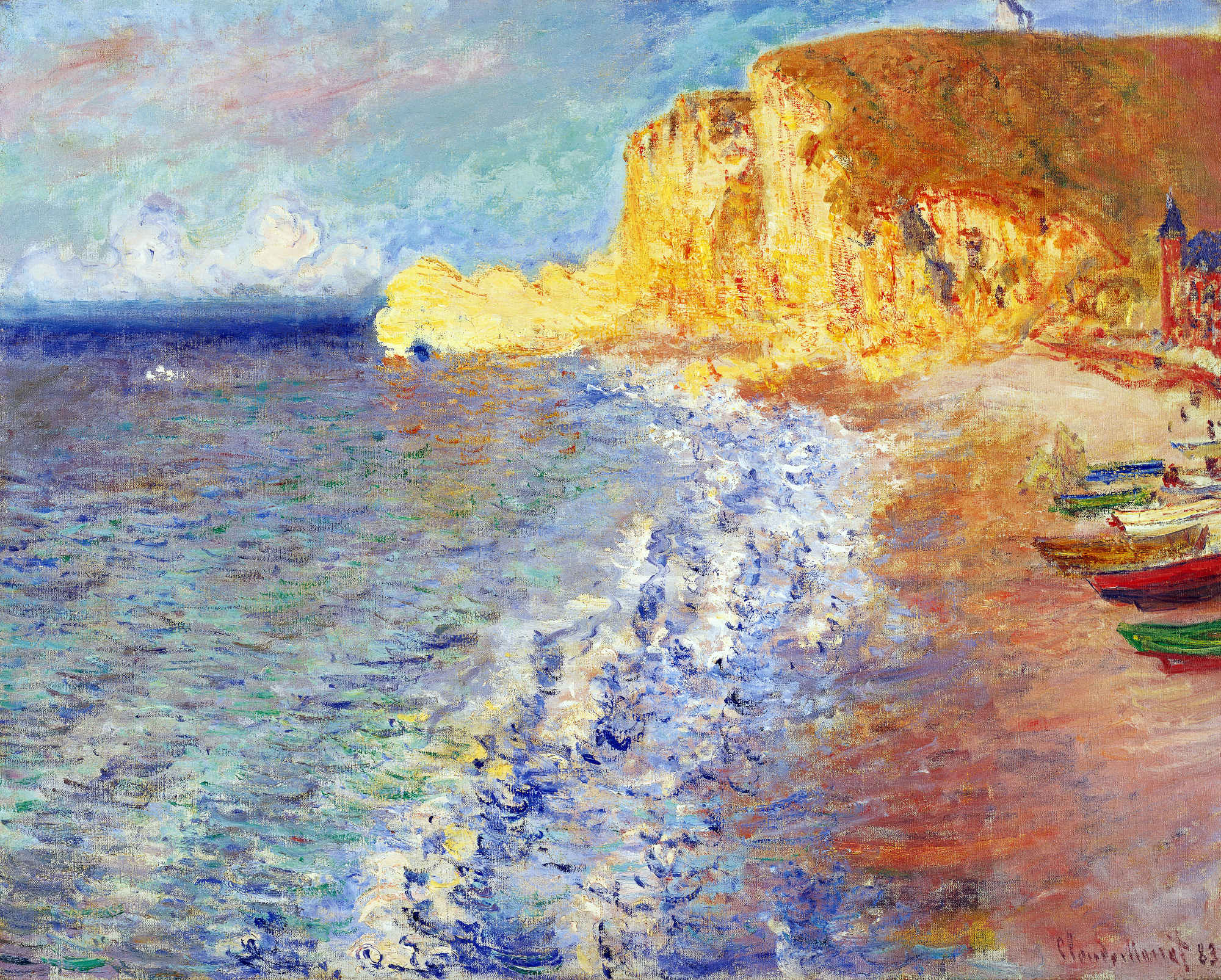
ABOVE: Claude Monet, Morning at Etretat (1883), oil on canvas, 81 x 63 cm. Via TRANSISTORADIO.
"This day's experience, set in order, none of it left ragged or lying about, all of it gathered in like treasure and finished with, set aside." –Alice Munro, "What is Remembered"
[CLICK IMAGES TO ENLARGE]
ABOVE: Ferdynand Ruszczyc, Nec Mergitur (1905). Via The Pictorial Arts.
RELATED POST:
TANGENTIAL BONUS IMAGE:
ABOVE: Claude Monet, Morning at Etretat (1883), oil on canvas, 81 x 63 cm. Via TRANSISTORADIO.


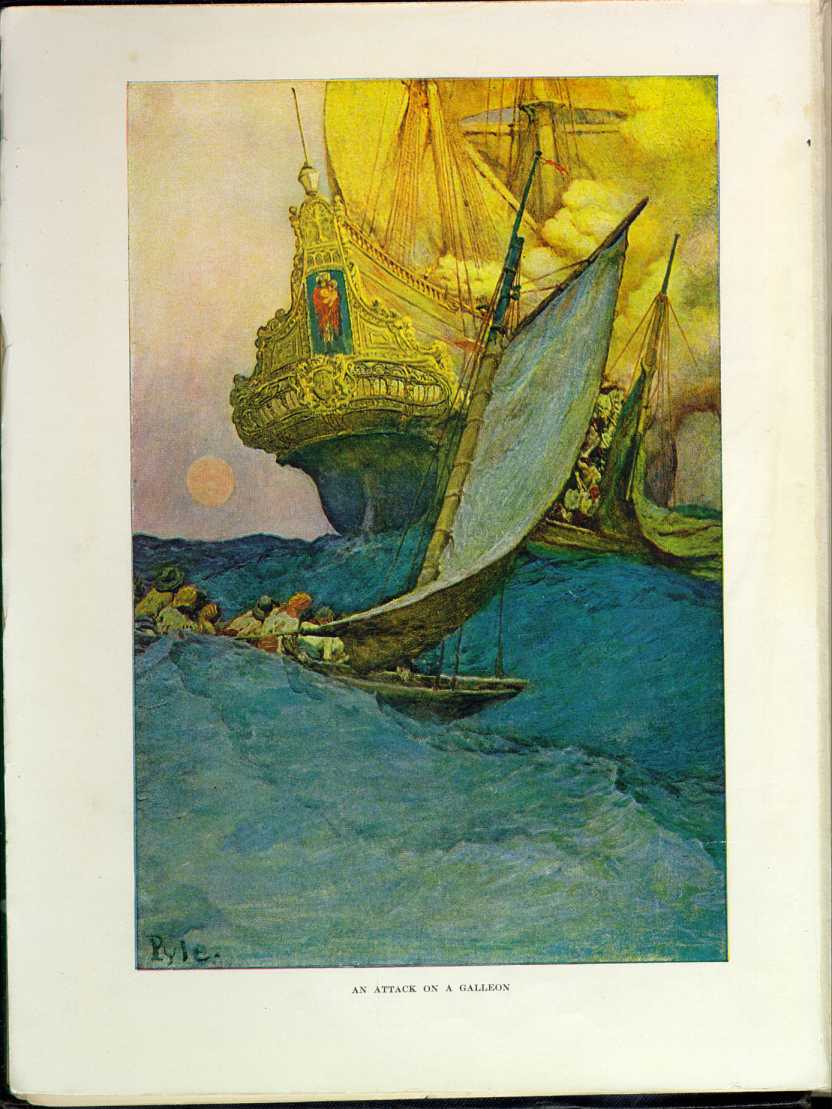
I should point out, I guess, that the year that I have for Pyle’s “An Attack on a Galleon” — 1905 — is the year the illustration was published while the year for Ferdynand Ruszczyc’s Nec Mergitur [Does Not Sink? Unsinkable?] — also 1905 — is the year it was painted. Which is to say, it seems very likely to me that the great Howard Pyle painted his galleon first, and that the up-and-comer Ruszczyc — who celebrated his 35th birthday in 1905, the same year Pyle turned 52 — became aware of Pyle’s painting in reproduction and, for whatever reason, decided to create his own version of Pyle’s composition. But maybe someone out there knows better?
Anyone think that any resemblance between the two is mere coincidence? Because I sure don’t…
LikeLike
I think it’s not coincidence at all, but I wonder if perhaps Pyle used a photograph from that time that may have been circulated around like a newspaper or from some other source. It reminds me of the whole Dennis the Menace cartoon that were made at the same time from two different people the same year and even closer by date (might have been the same week or just days apart from across the pond). Frazetta as you know did the same thing, but the funny thing is how he denies the fact he used it. Hilarious.
LikeLike