Comics · Here, Read · Look Here · Tom Sutton

Look Here, Read: Two more MIDNIGHT TALES by Nick Cuti and Tom Sutton

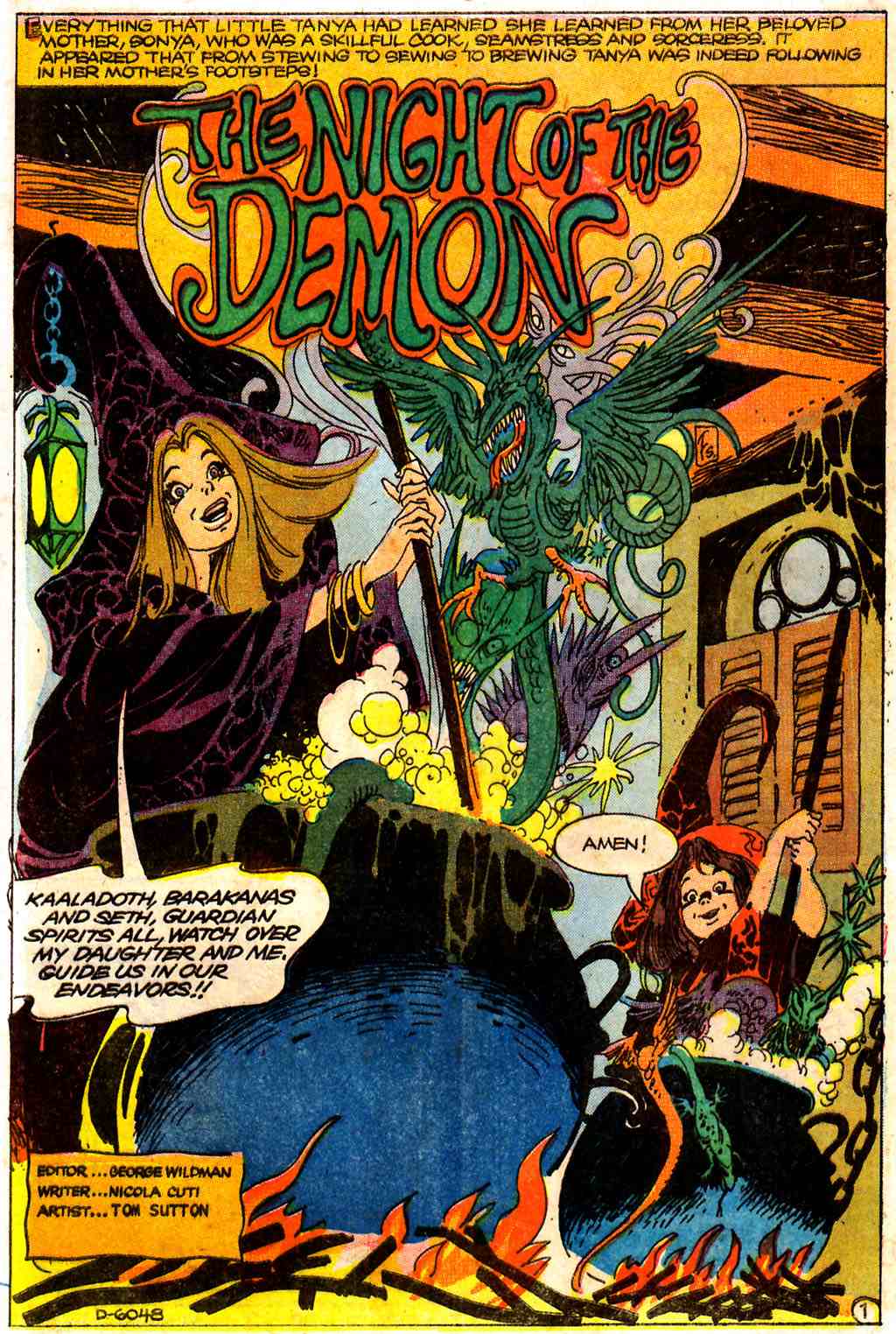
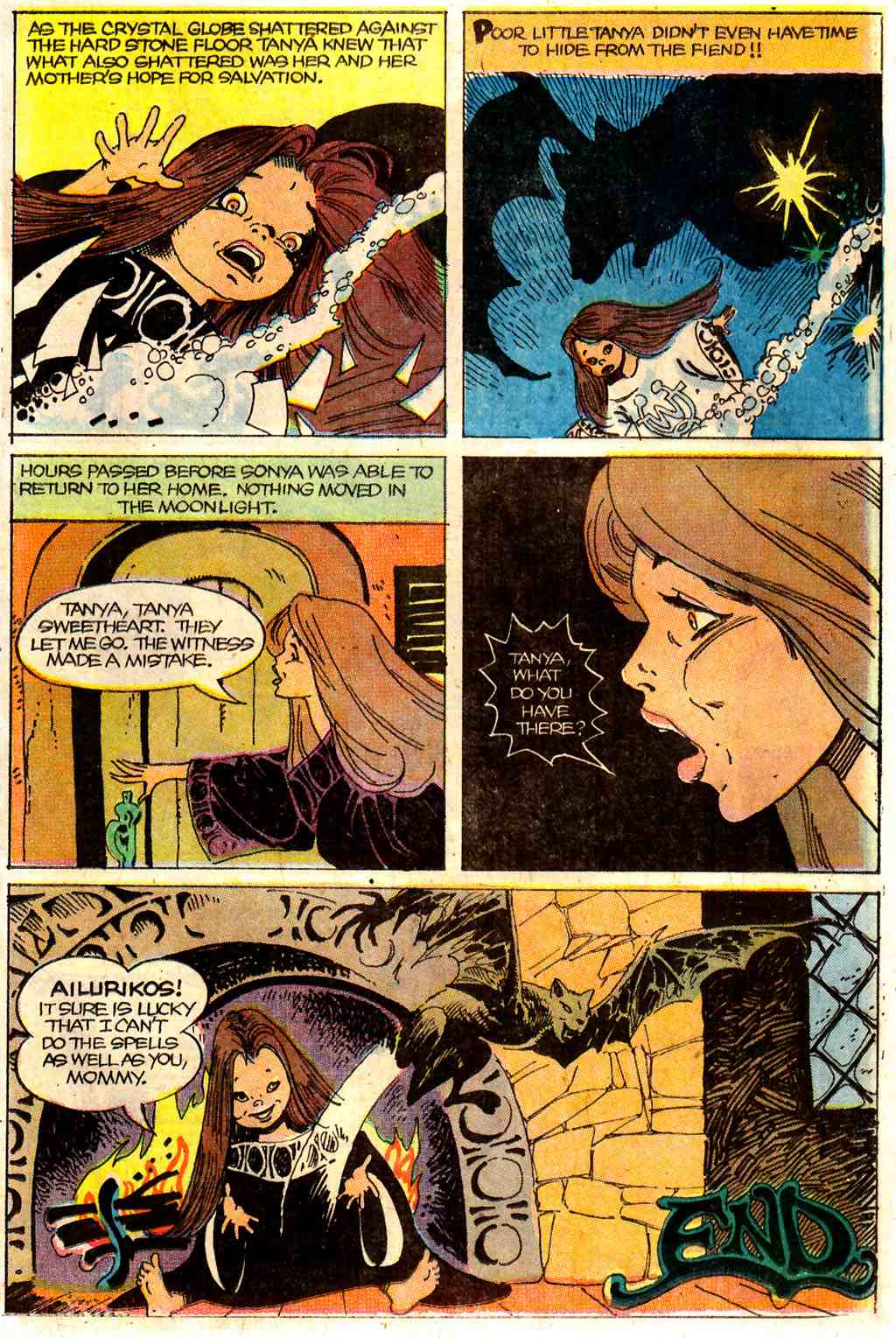
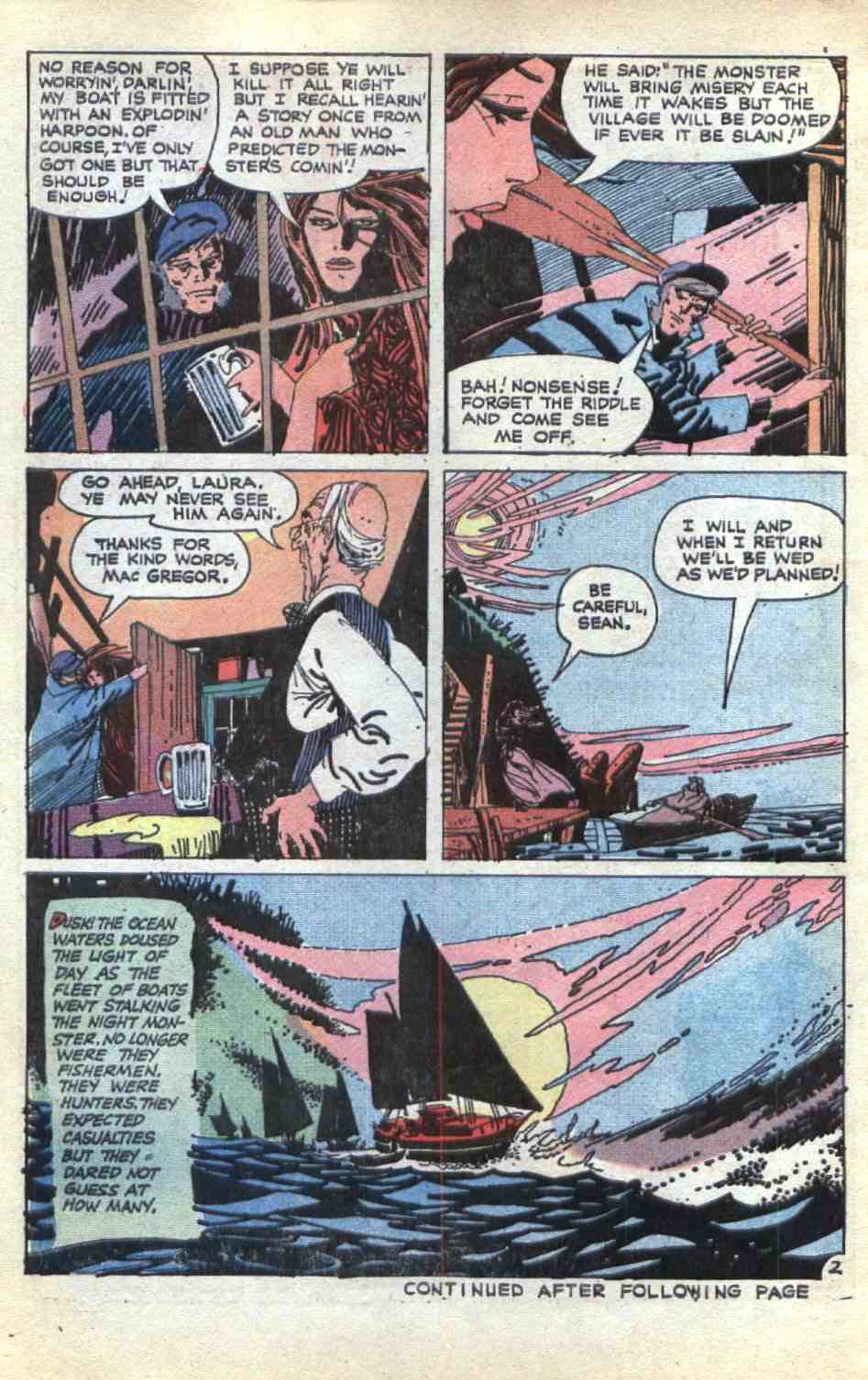
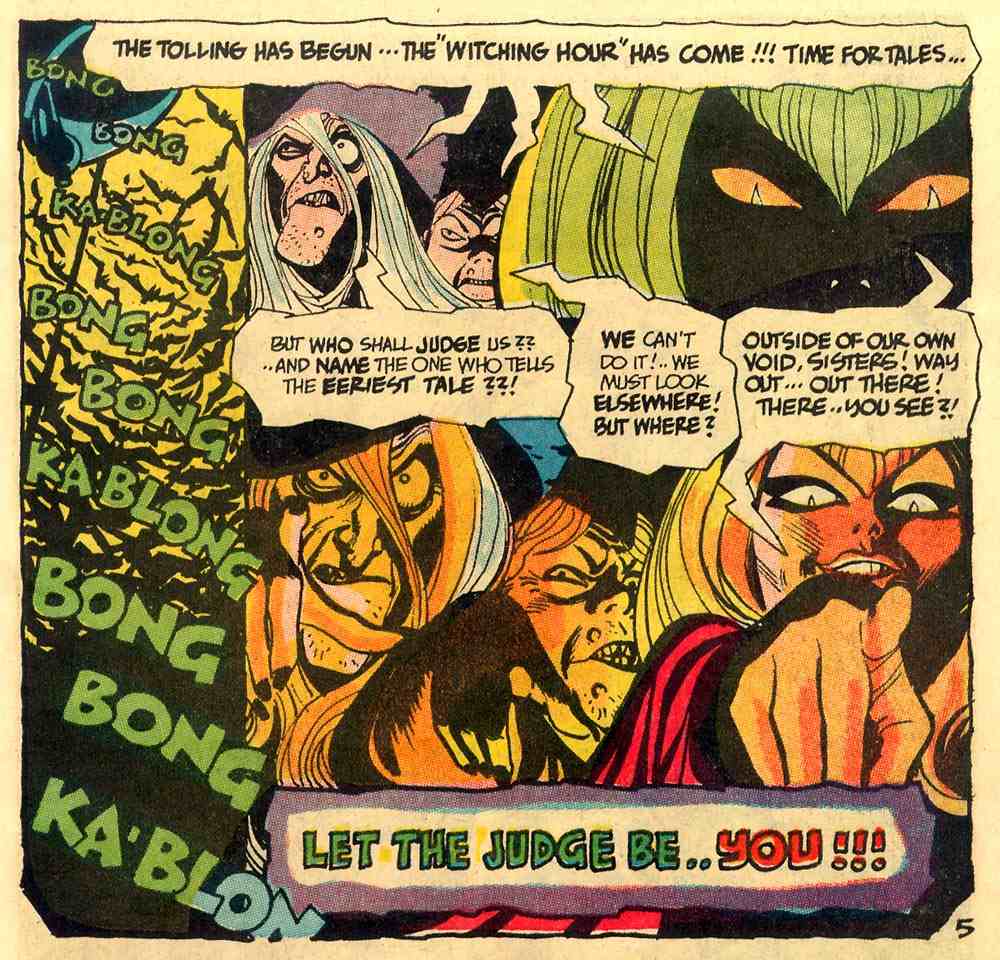
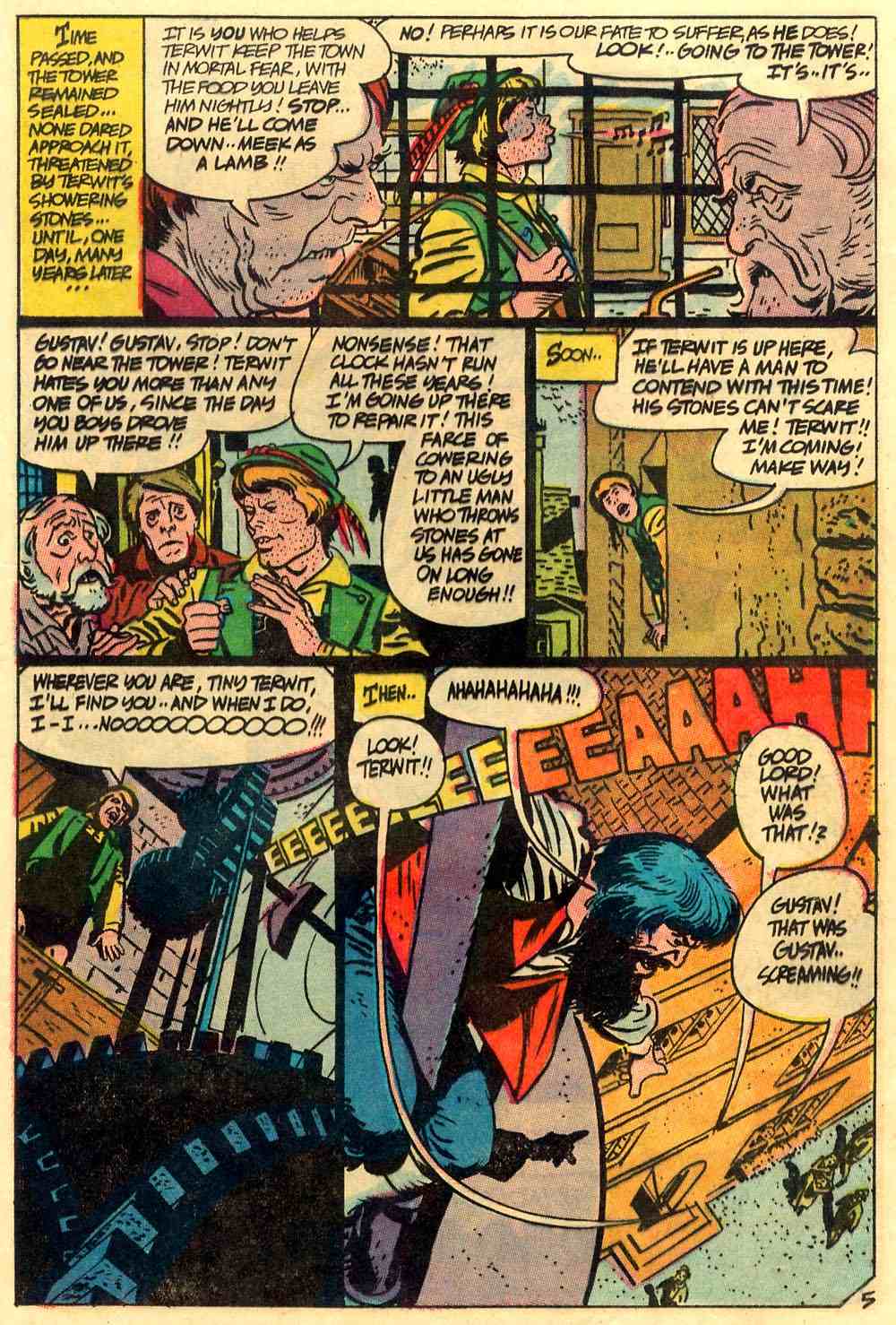
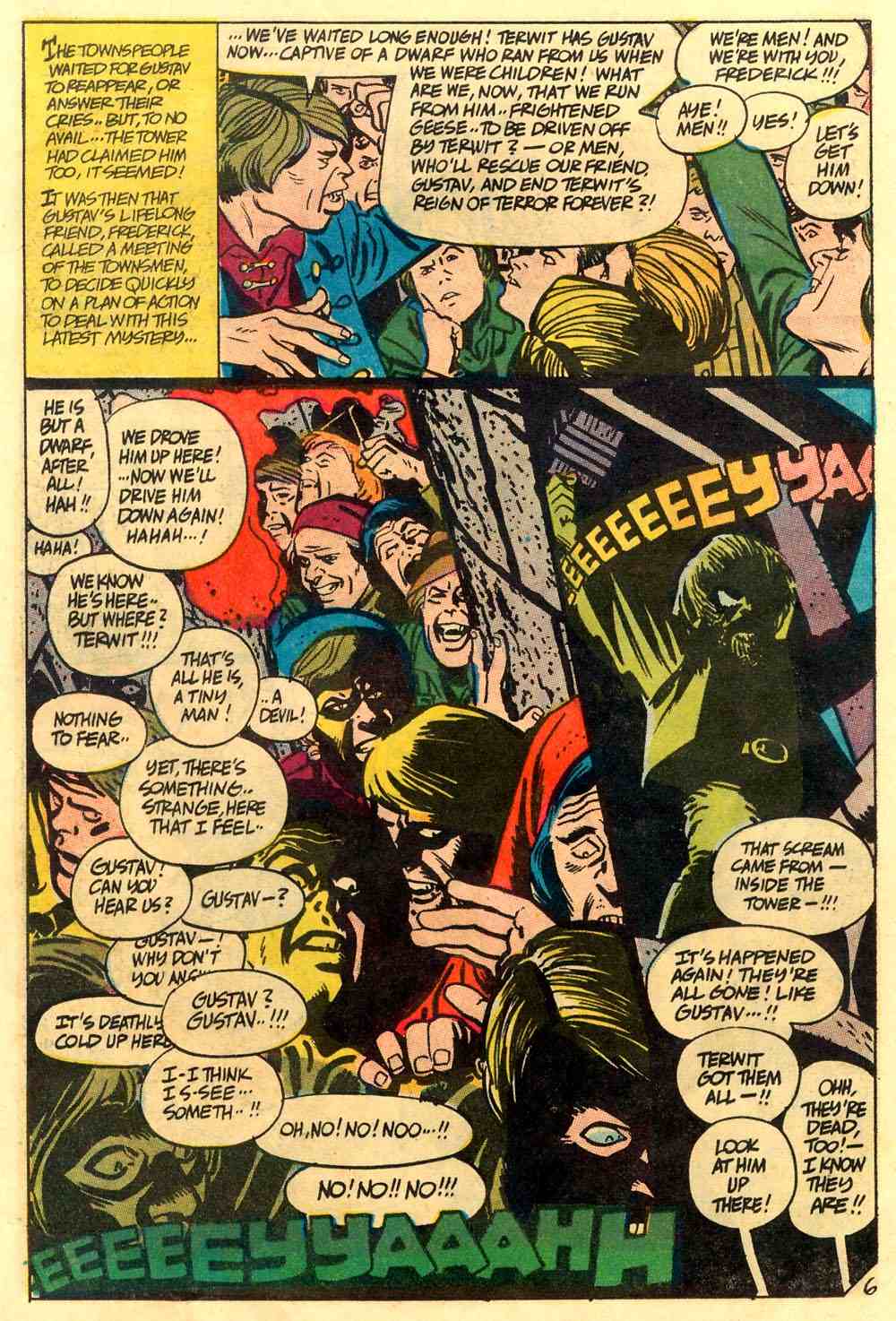
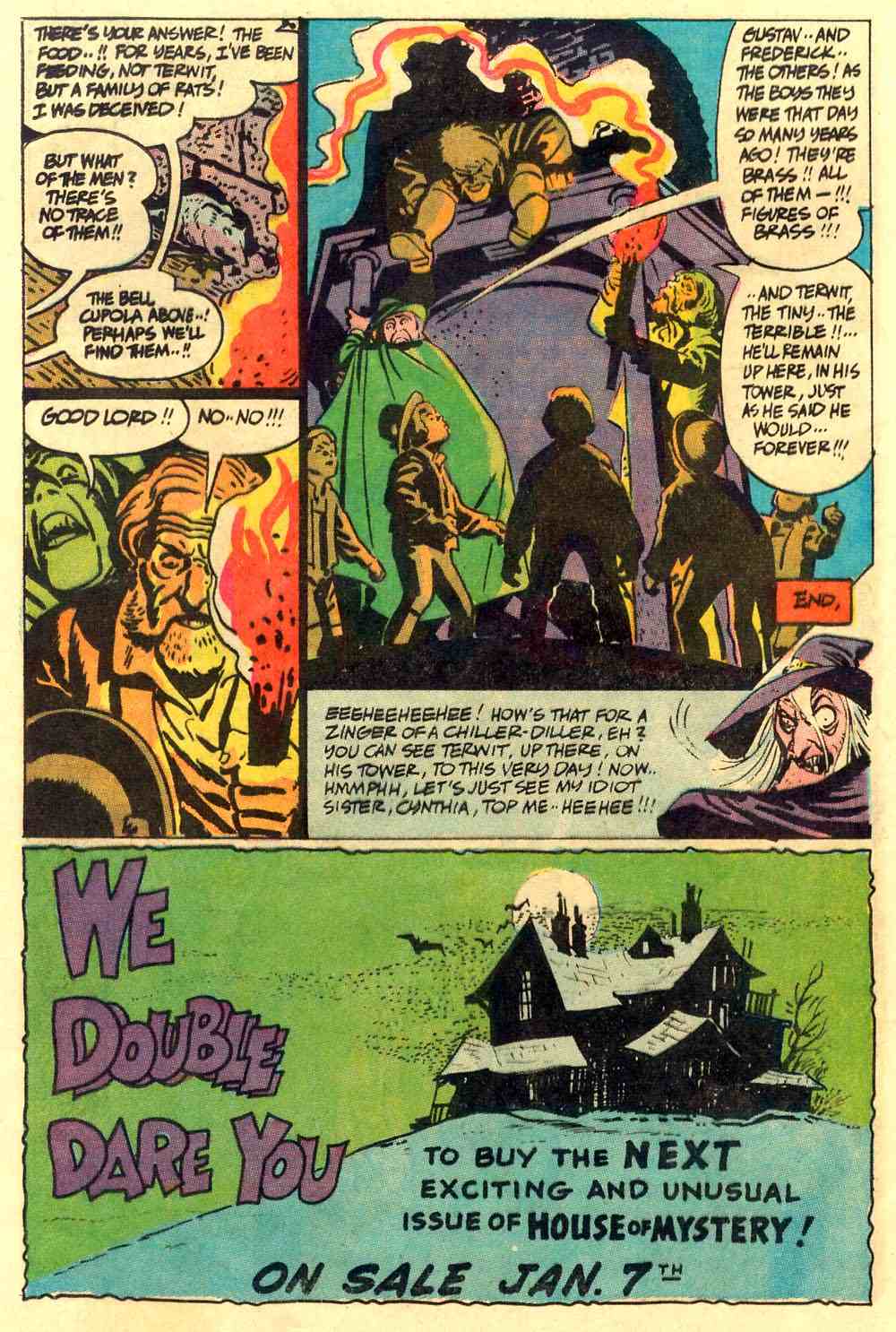
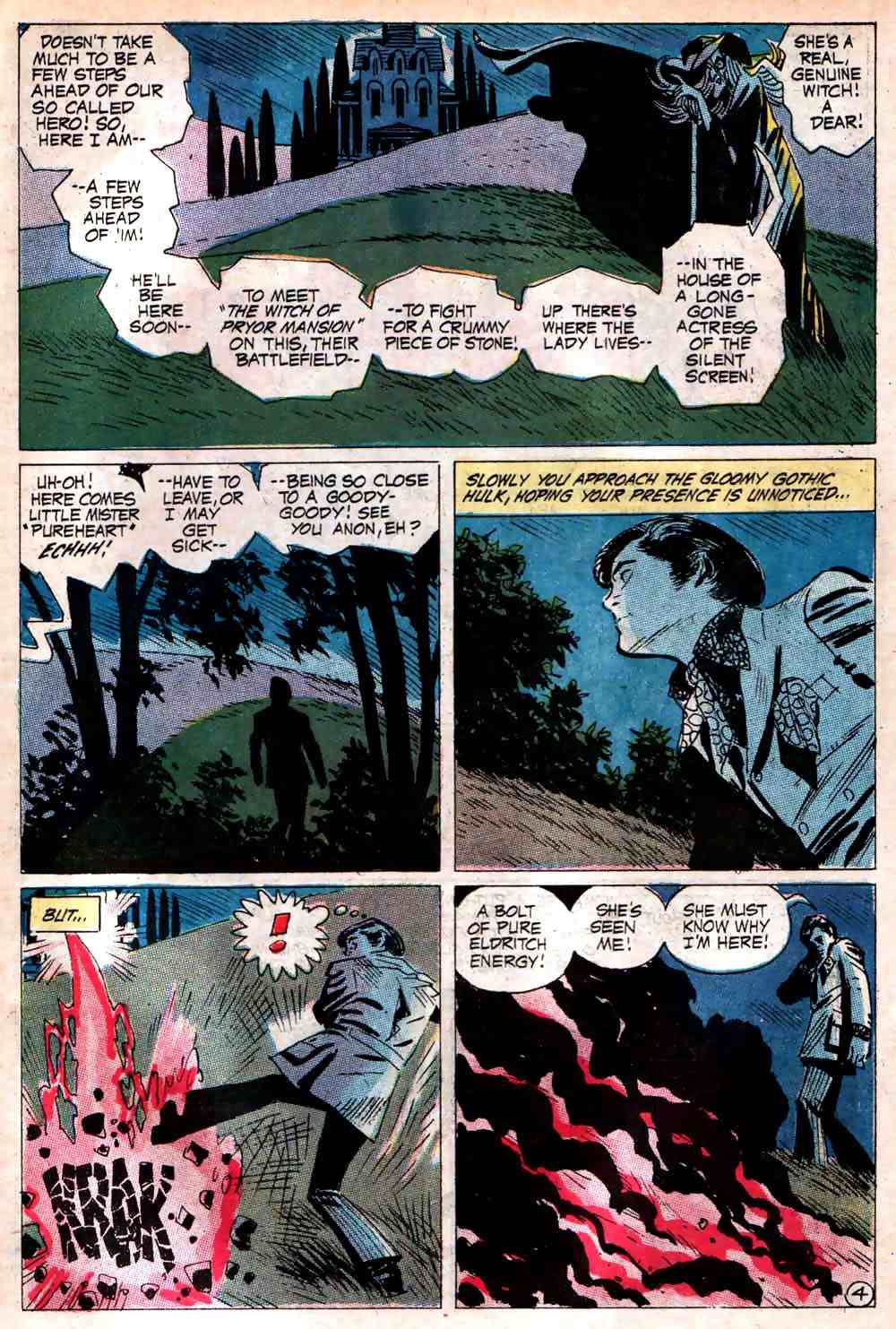
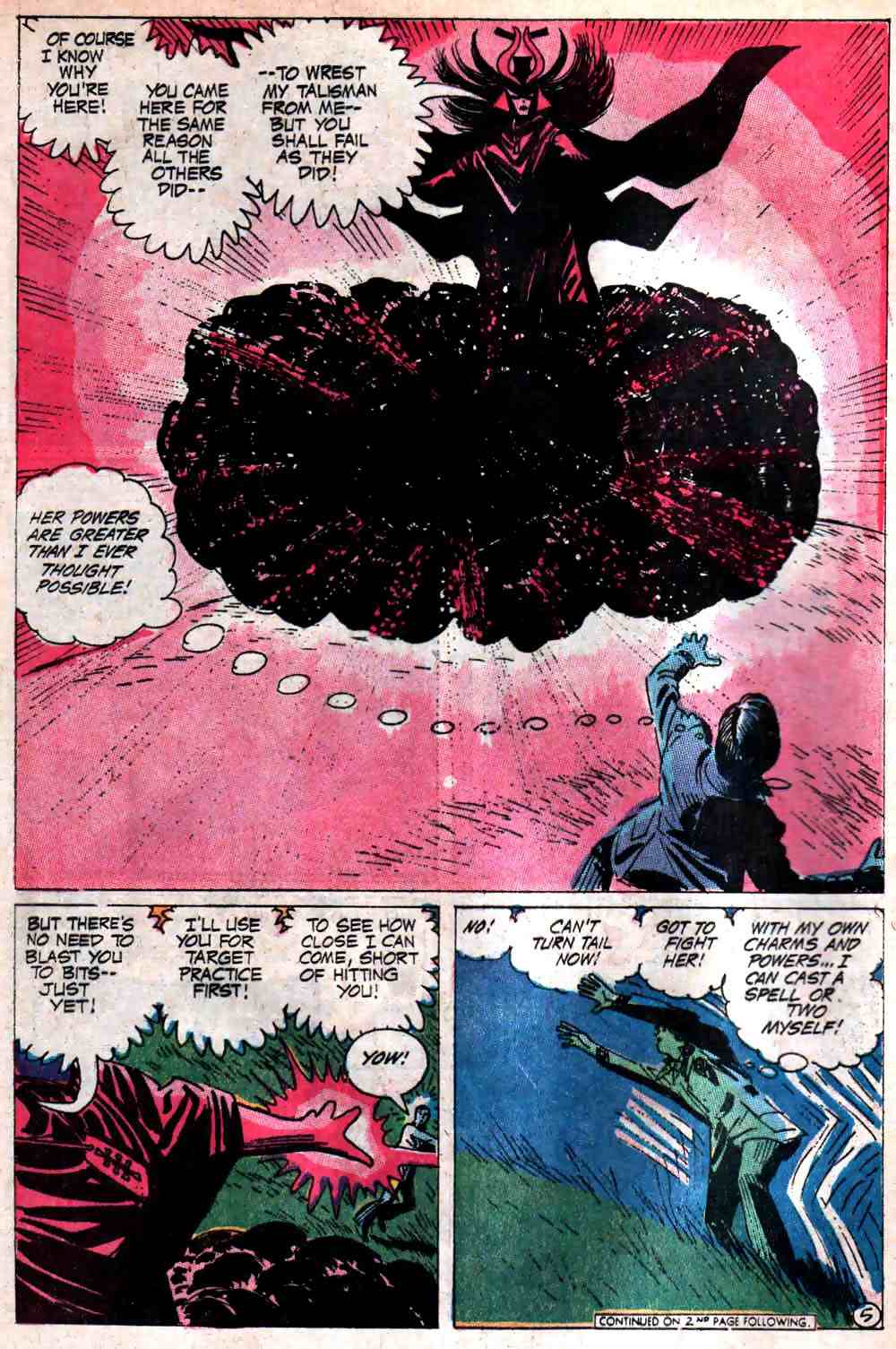
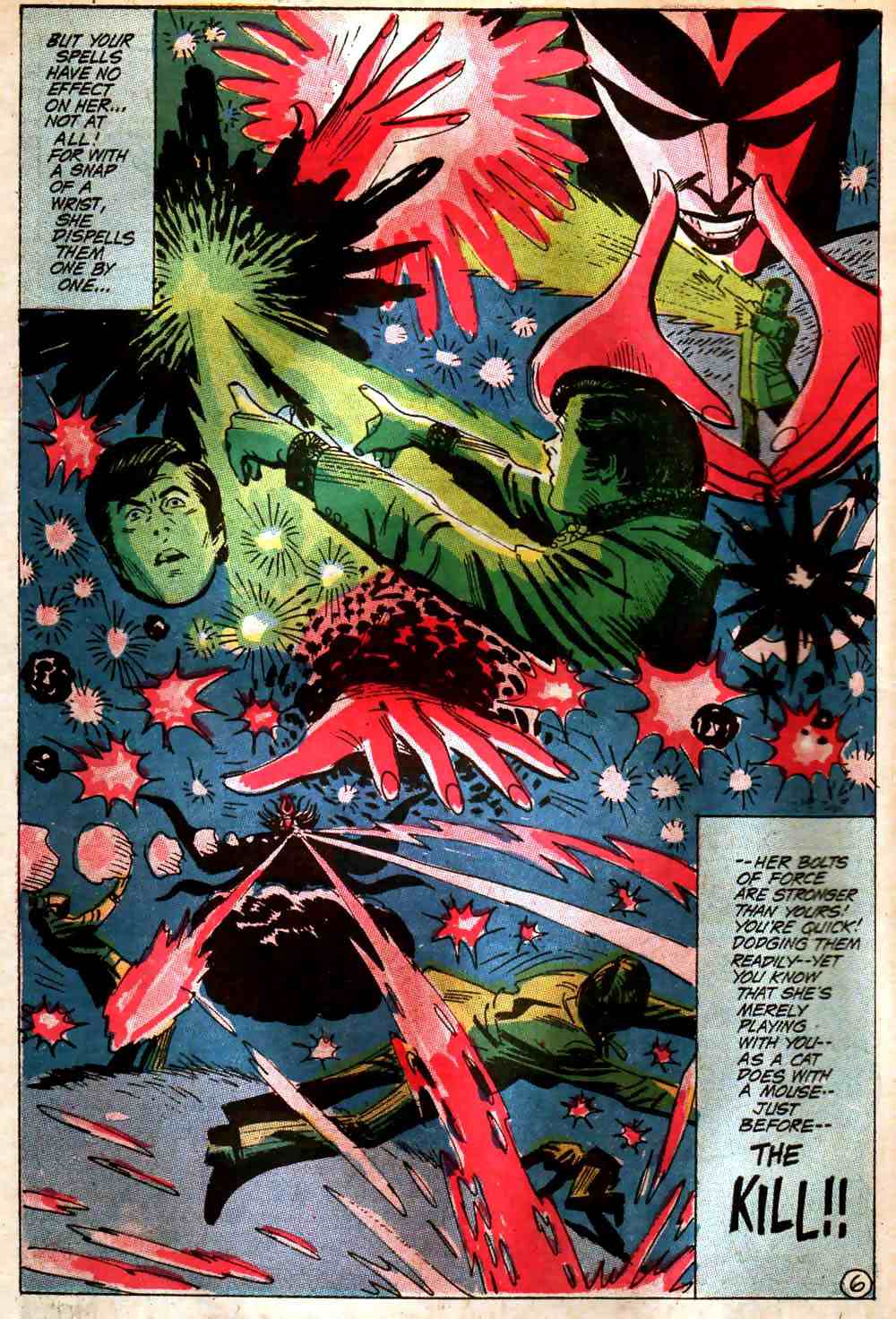
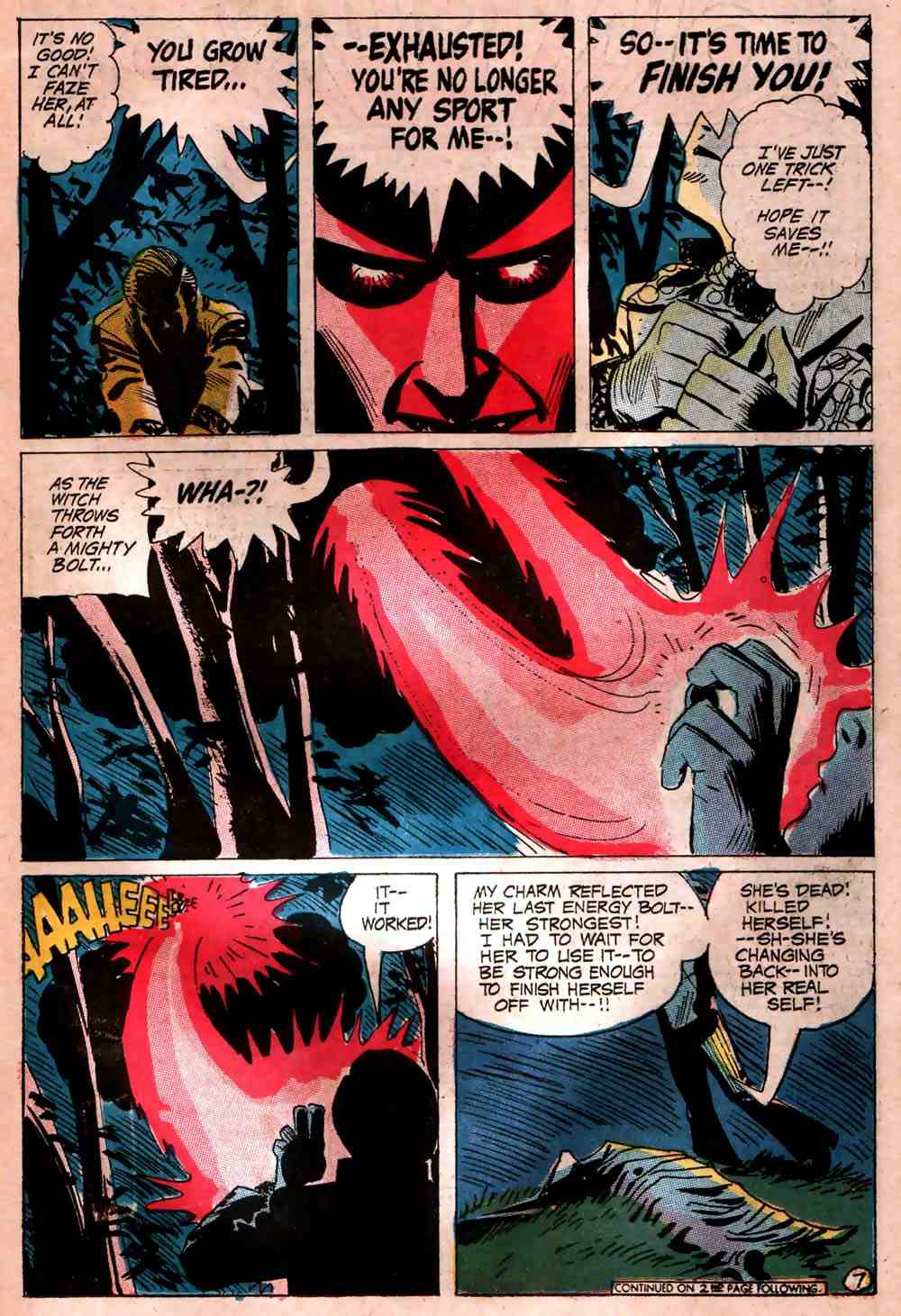
First up, from Midnight Tales volume 3, number 9 (October 1974), here’s “The Night of the Demon,” with script by Nick Cuti and art by Tom Sutton:

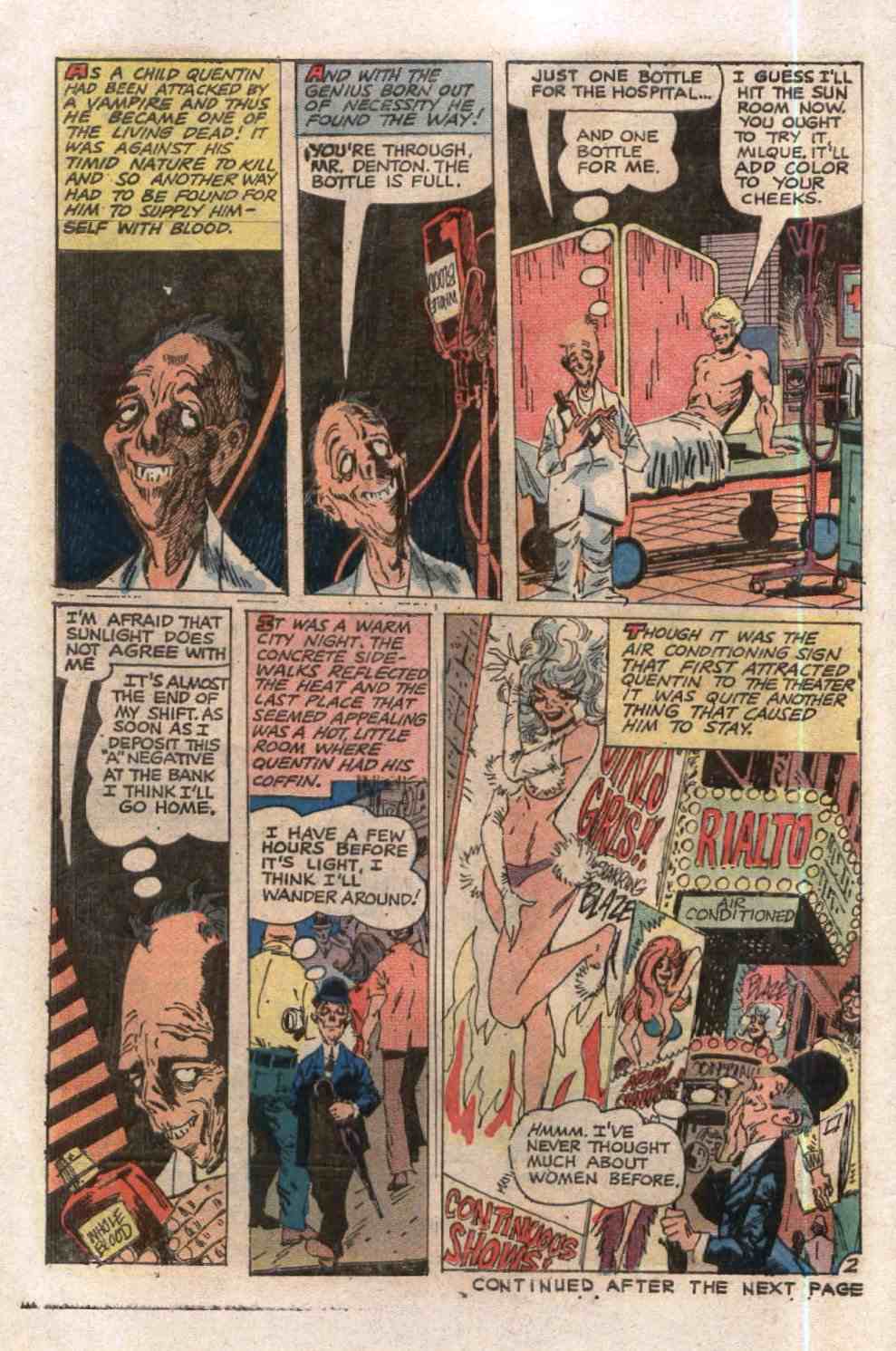
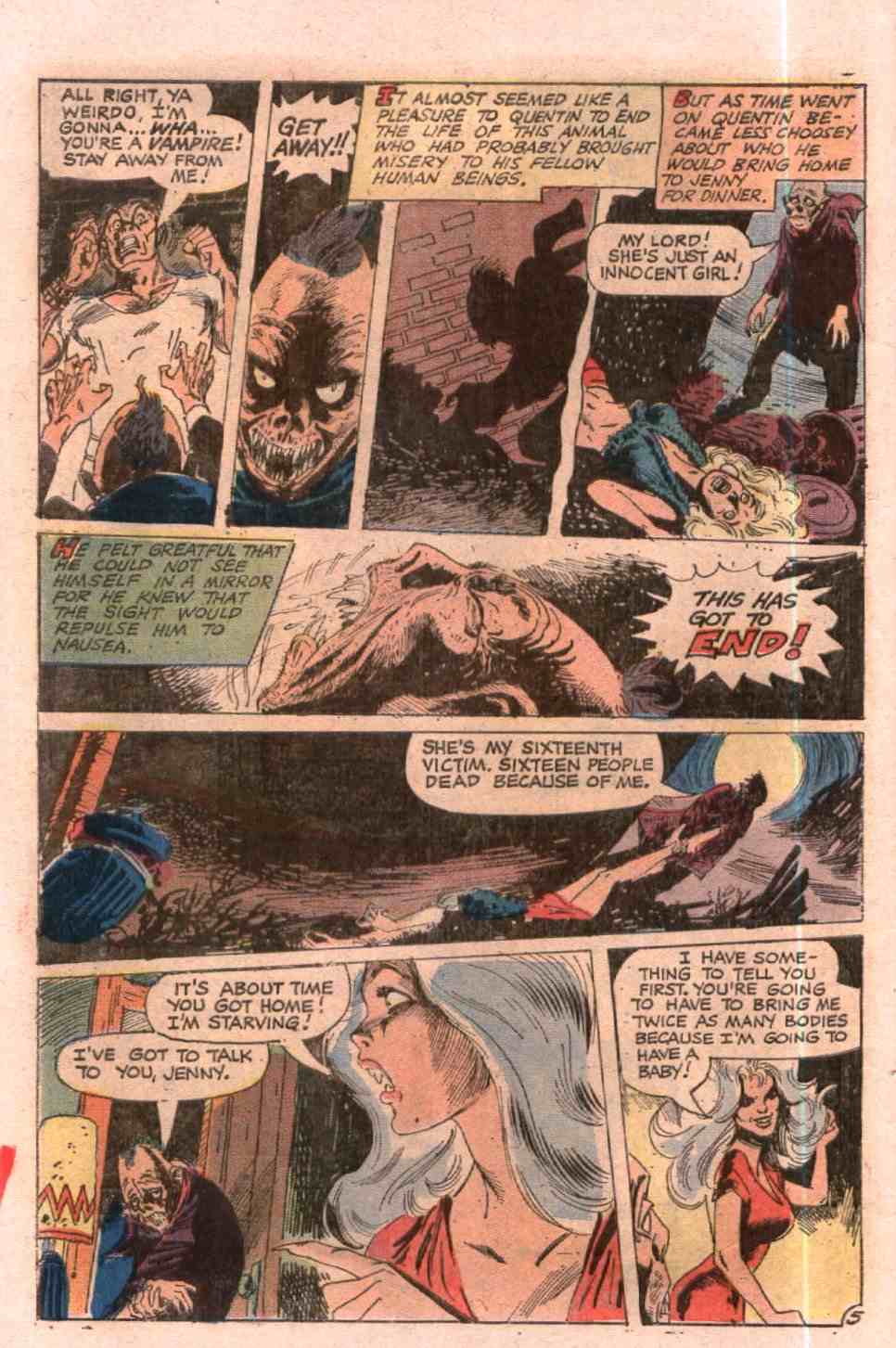
And next, from Midnight Tales volume 3, number 10 (December 1974), here’s “The Strange Mr. Milque,” with script by Nick Cuti and art by Tom Sutton:

BONUS LINK:

Look Here, Read: Two MIDNIGHT TALES by Nick Cuti and Tom Sutton

Comics · Gene Colan · Heads Up!

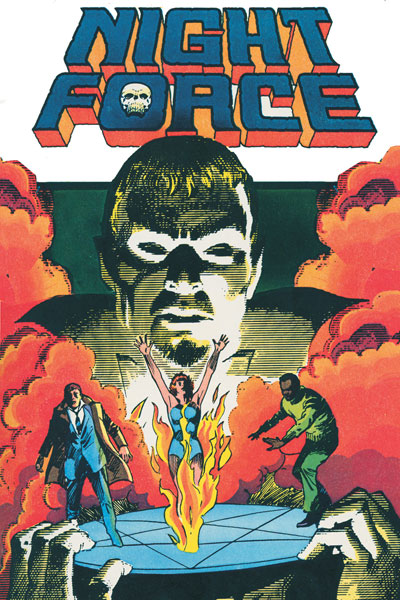
Heads Up: NIGHT FORCE by Marv Wolfman and Gene Colan

Coming in October from DC Universe, the 352-page Night Force hardcover collection (ISBN-10: 140123285X; ISBN-13: 978-1401232856) reprints, for the first time ever, issues 1 to 14 of the 1982 cult-classic series by writer Marv Wolfman and artist Gene Colan — the team that brought you the acclaimed Marvel series, Tomb of Dracula. Here’s how the publisher describes the series:

The mysterious sorcerer Baron Winter assembles a team of special individuals to fight supernatural threats including Vanessa Van Helsing, granddaughter of Abraham Van Helsing and a powerful psychic, Donovan Caine, a professor of parapsychology who lost an arm and a leg on a mysterious missions, and Zadok Grimm, an ancient warrior in the time of King David. Together, they live in Wintersgate Manor, a labyrinthine mansion in Washington, D.C located in a special juncture of time and space which allows them to be sent to different places and times.

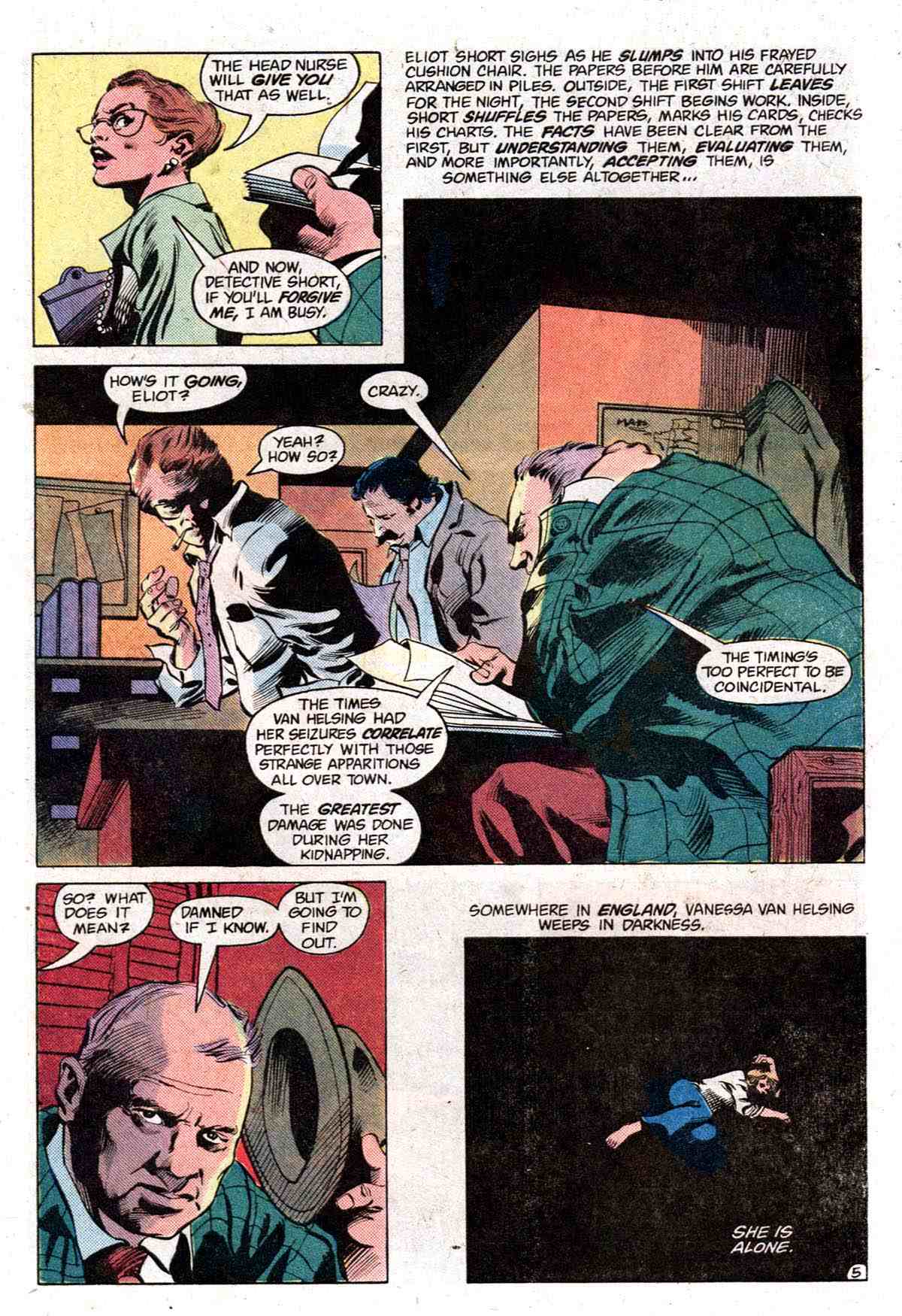
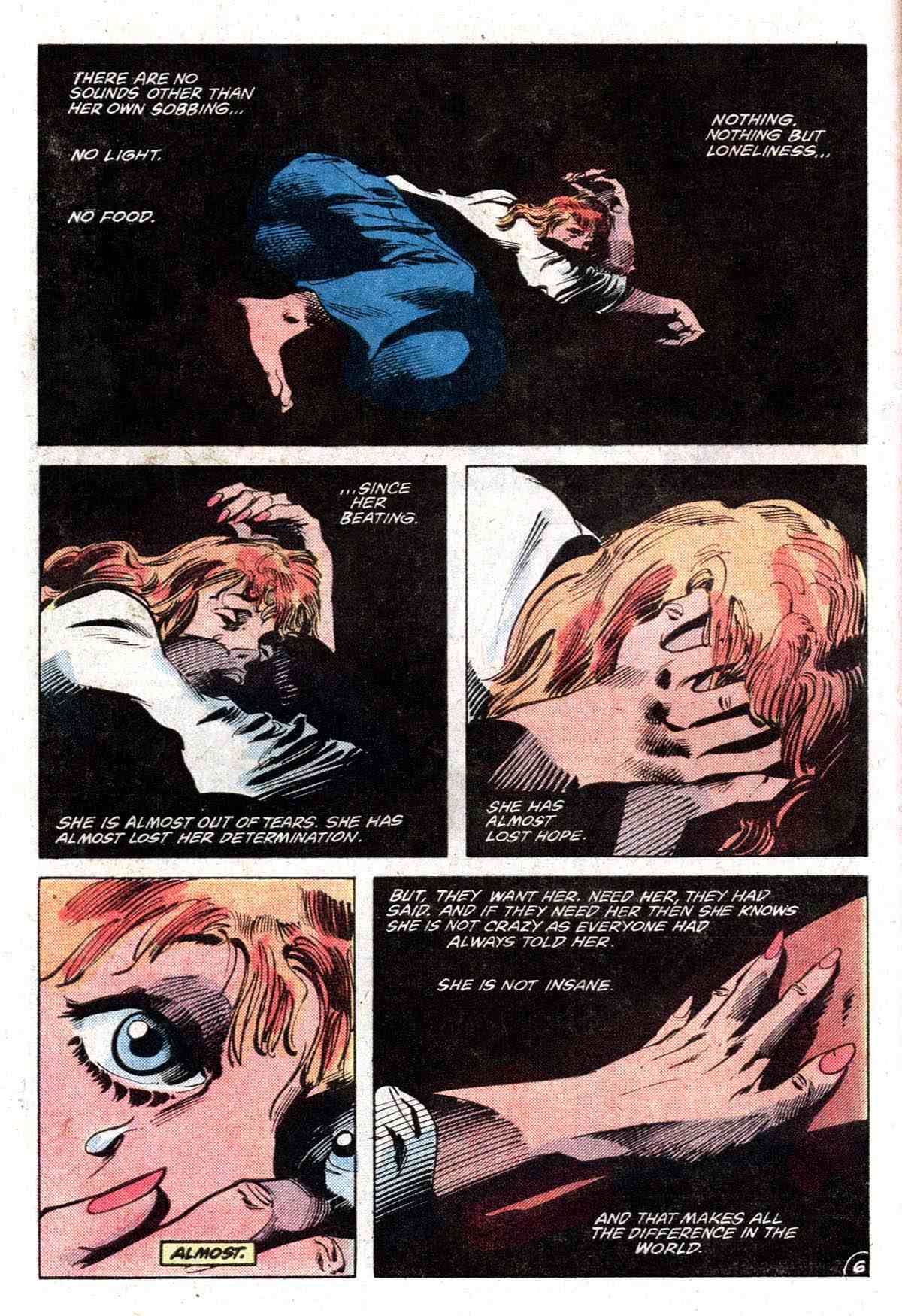
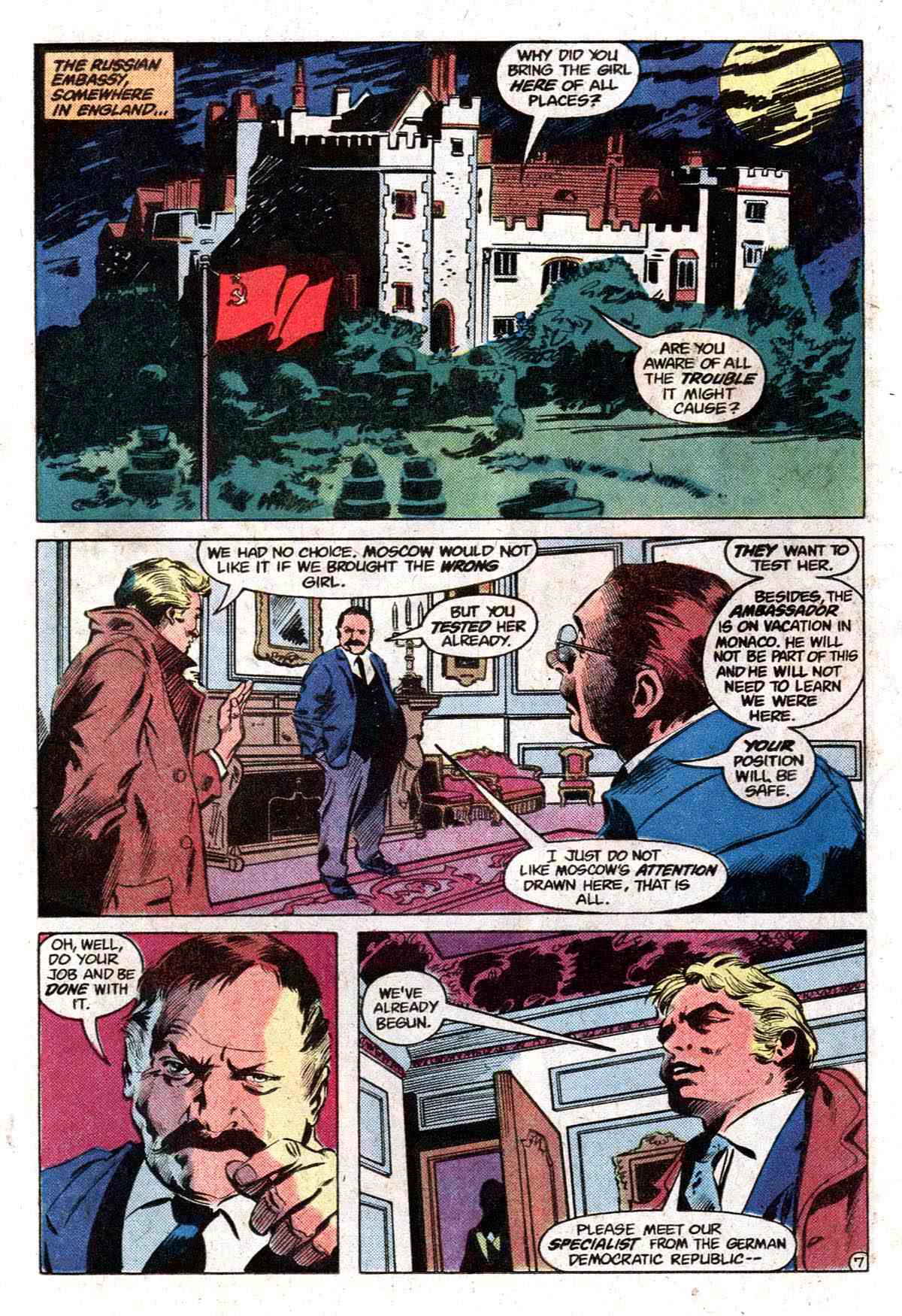
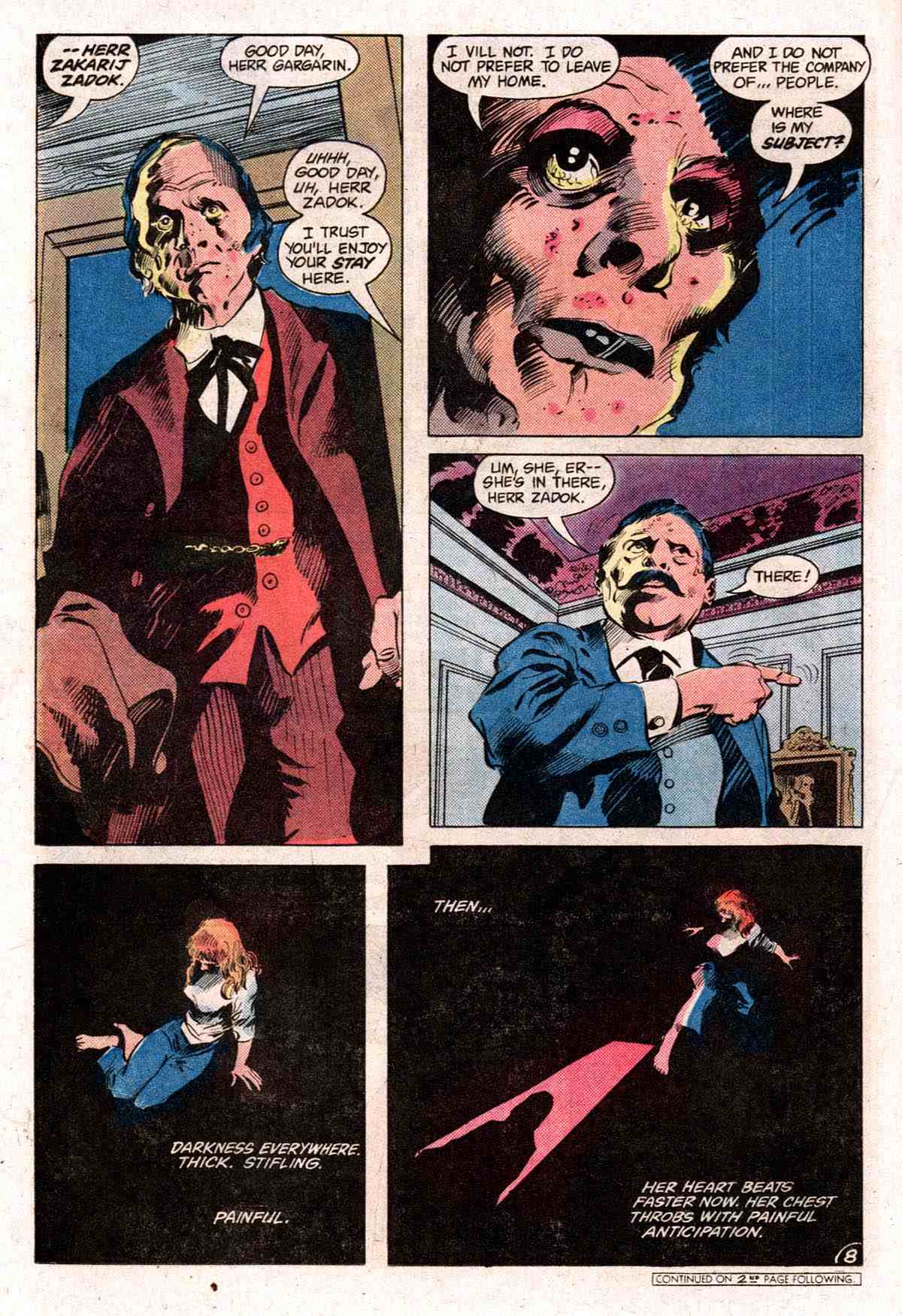
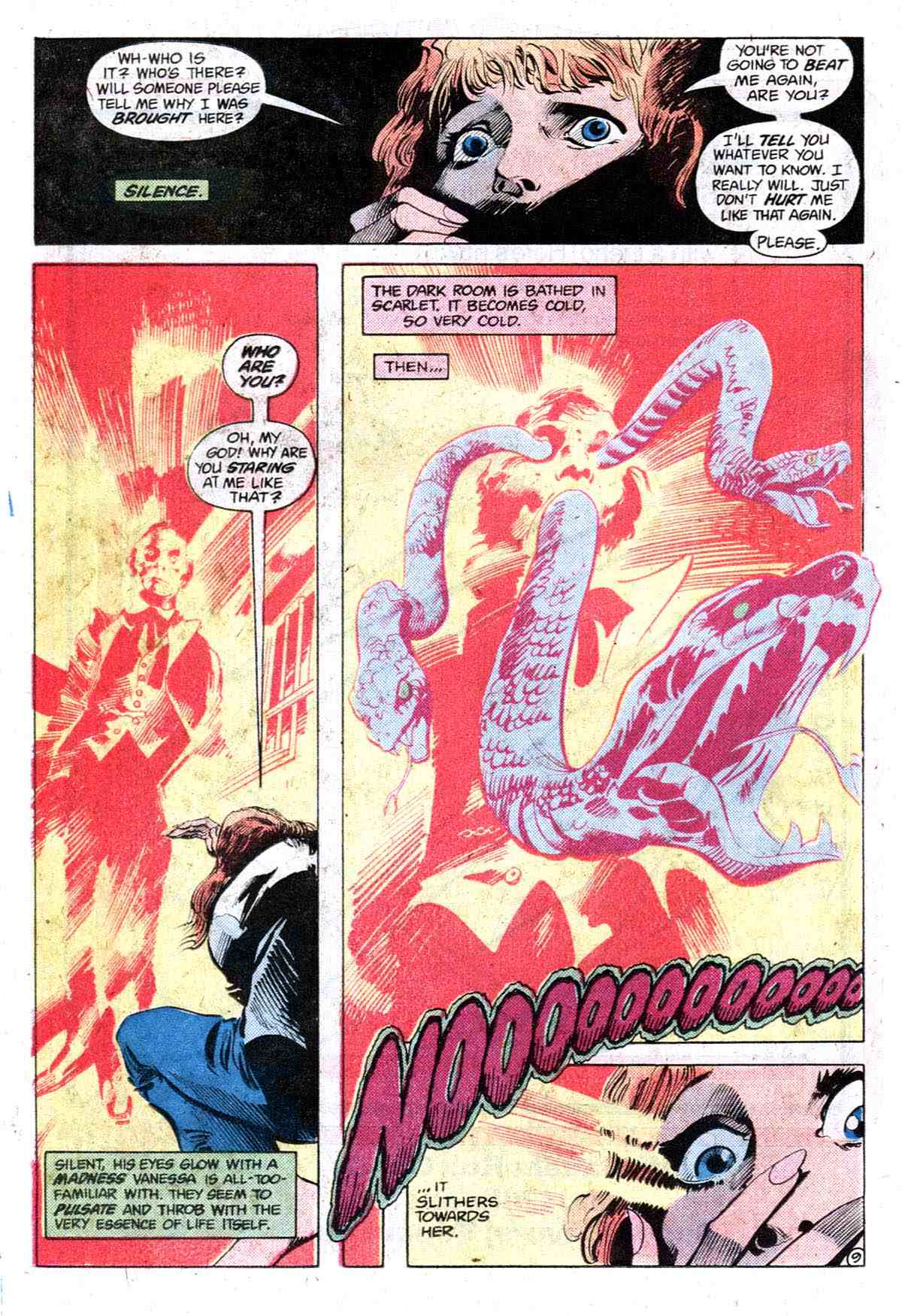
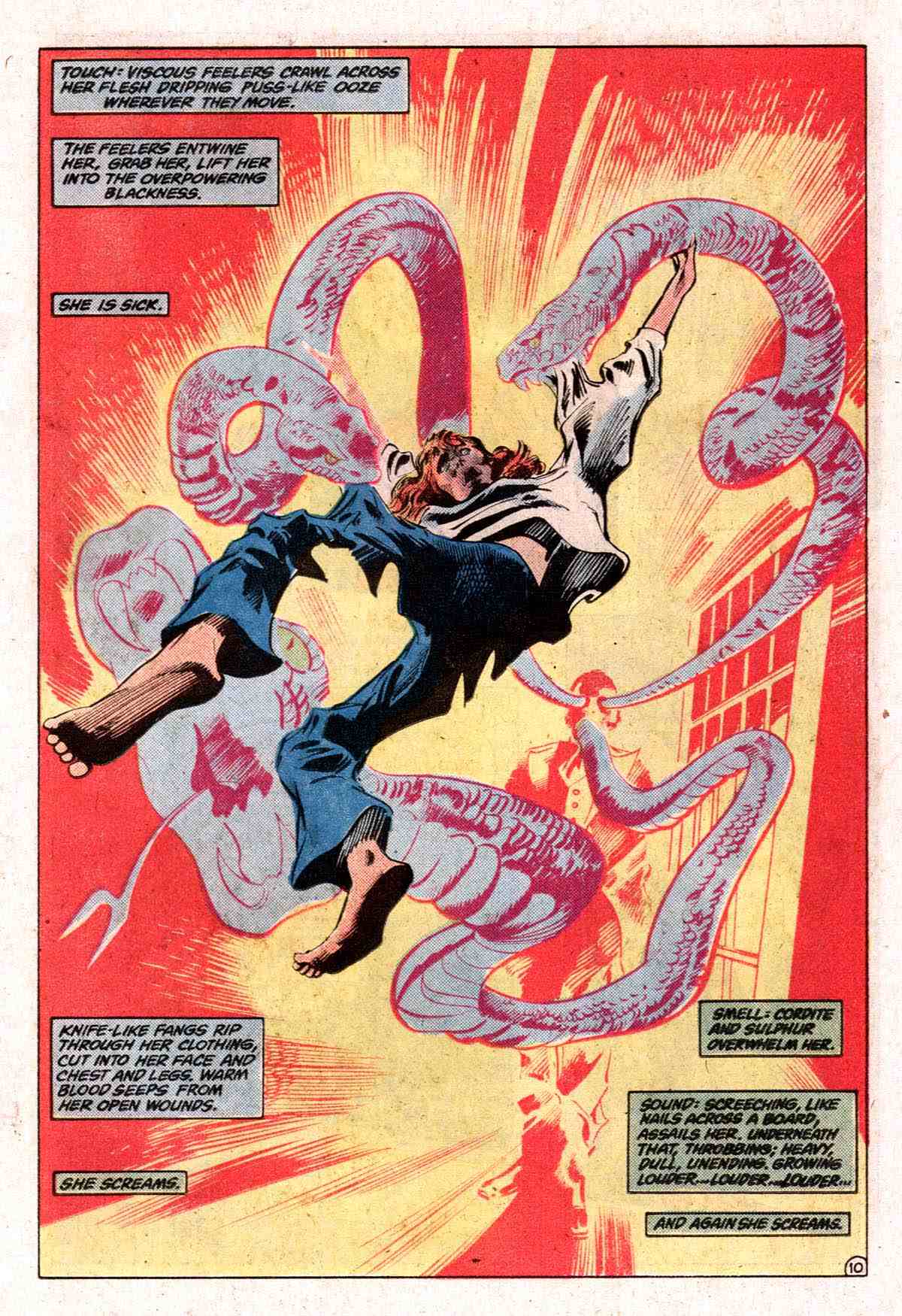
Here’s a taste from issue #4:

Come on, now… you know you want it!


UPDATE (12 December 2011):

According to Amazon, the publication date of the Night Force collection has been pushed back to June 2012. 😦 But it’ll be worth the wait, right? Hope so…

Comics · Here, Read · Look Here · Tom Sutton

Look Here, Read: Two MIDNIGHT TALES by Nick Cuti and Tom Sutton

First up, from Midnight Tales volume 3, number 7 (June 1974), here’s “Goo,” with script by Nick Cuti and art by Tom Sutton:

And next, from Midnight Tales volume 3, number 8 (July 1974), here’s “The Kilgore Monster,” with script by Nick Cuti and art by Tom Sutton:

To view a cover and a couple of stories with art by Tom Sutton that I posted back on 05 May 2011, click here.

UPDATE (30 June 2011):

Look Here, Read: Two more MIDNIGHT TALES by Nick Cuti and Tom Sutton

Bernie Wrightson · Comics · Comics (Jones) · Here, Read · Jeffrey "Jeff" Catherine Jones · Look Here · RIP: Jeffrey Catherine Jones (1944 - 2011)

Look Here, Read: “The Believer,” reconstructed by Rotomago

On 30 May 2011, I received a private message from Rotomago — co-creator, with the Serb artist Vuyacha, of a forthcoming graphic novel inspired by the pied piper of Hamelin, creator and maintainer of the Alberto Breccia Bibliografía, and a sometimes visitor to Ragged Claws Network — who made me an offer I couldn’t refuse. After confiding to me, in very personal and moving terms, his thoughts on the recent death of Jeffrey Catherine Jones, Rotomago wrote:

As a way to bring my little rock to the cenotaph, I have a curiosity you may like to put on your website. In the Jeff Jones site, the story THE BELIEVER by Jones and Wrightson is featured. It is mentioned that: «unfortunately the two colors were printed in reverse». The same version is reproduced in the recent book on Jones but it was published in an other way in France, in a four color process printing, in the magazine Special USA n°14/15 in June 1985.

So there it was, out of the blue: in tribute to Jeffrey Jones, a fellow I didn’t know and who didn’t know me wanted provide my blog with scans of “The Believer,” by Jeffrey Jones and Bernie Wrightson, as it was published in a French magazine in 1985, with the colours printed in a way that brought the piece more into line with the intentions of the artists.

I immediately accepted the offer. But it didn’t stop there. The next day, Rotomago emailed me another note, which read, in part, as follows:

Please wait one more day for the Believer. Since both versions are flawed, the original with reversed duotone, the French in four colors with an addition of blue and yellow, I’m actually building a third “virtual” one.

Since I hadn’t yet seen the French version, I had to take Rotomago’s word that it was flawed in some way, but I definitely was intrigued by the promise of a “virtual” version of the story. I did, however, email Rotomago to ask him, please, if he would, to send me the flawed French version as well as his new and improved version. I explained that my plan, hatched at that very moment, was to display the two versions that he would have in hand once he was done together with the original version, which I already had on display here at RCN, in a single post. I said I thought it would be instructive.

This morning, I received the files, and now here I am, ready to share them with you.

But please note: if you wish to share the “virtual” version of “The Believer” with others — I know I can’t stop you — I hope that you will acknowledge Rotomago as the wizard who has brought the story as close as it has ever been to the original intentions of Jones and Wrightson and perhaps even give credit to RCN as the source of the files. Or better yet, don’t just take the files and re-post them but instead simply link to this post.

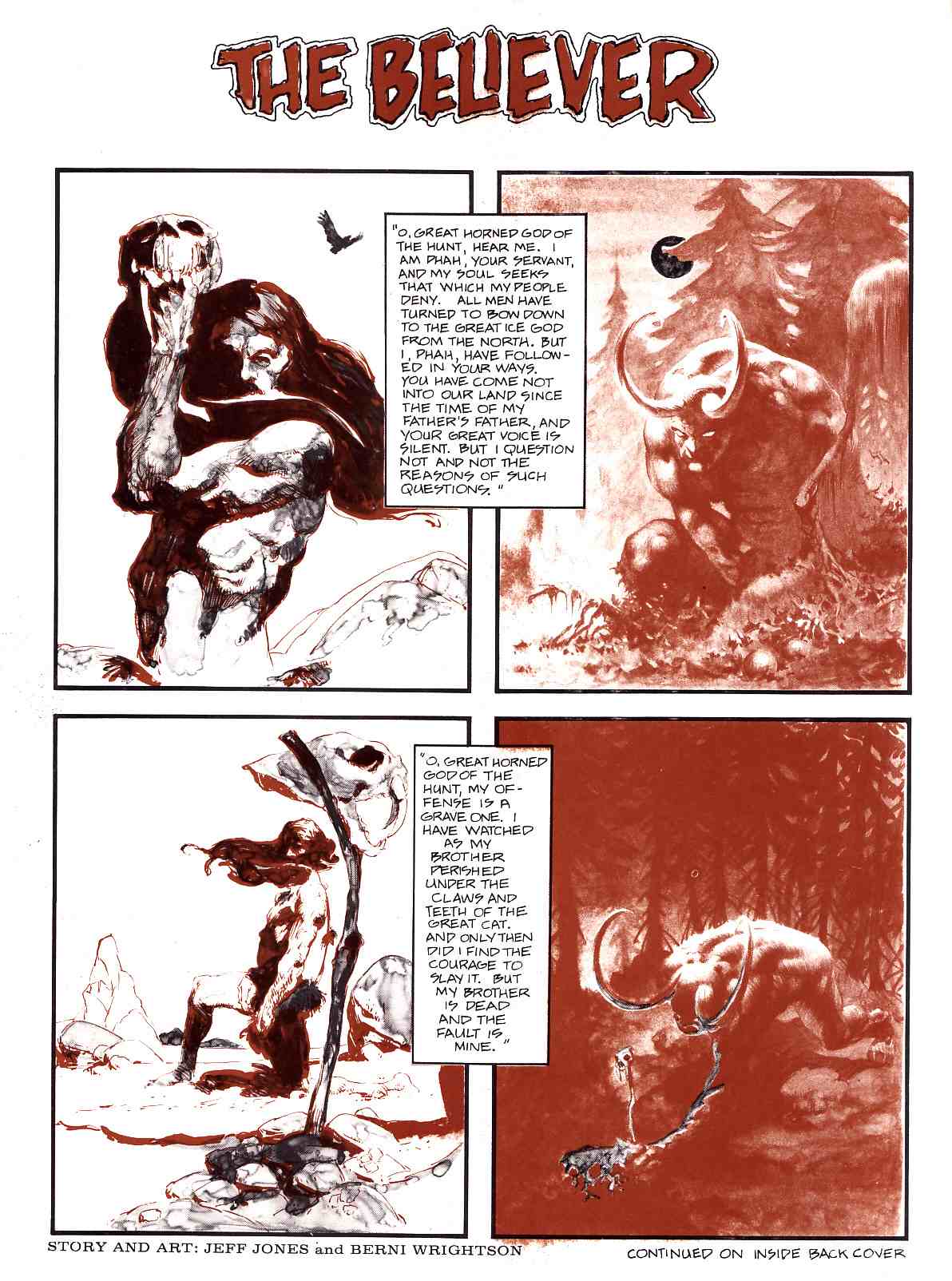
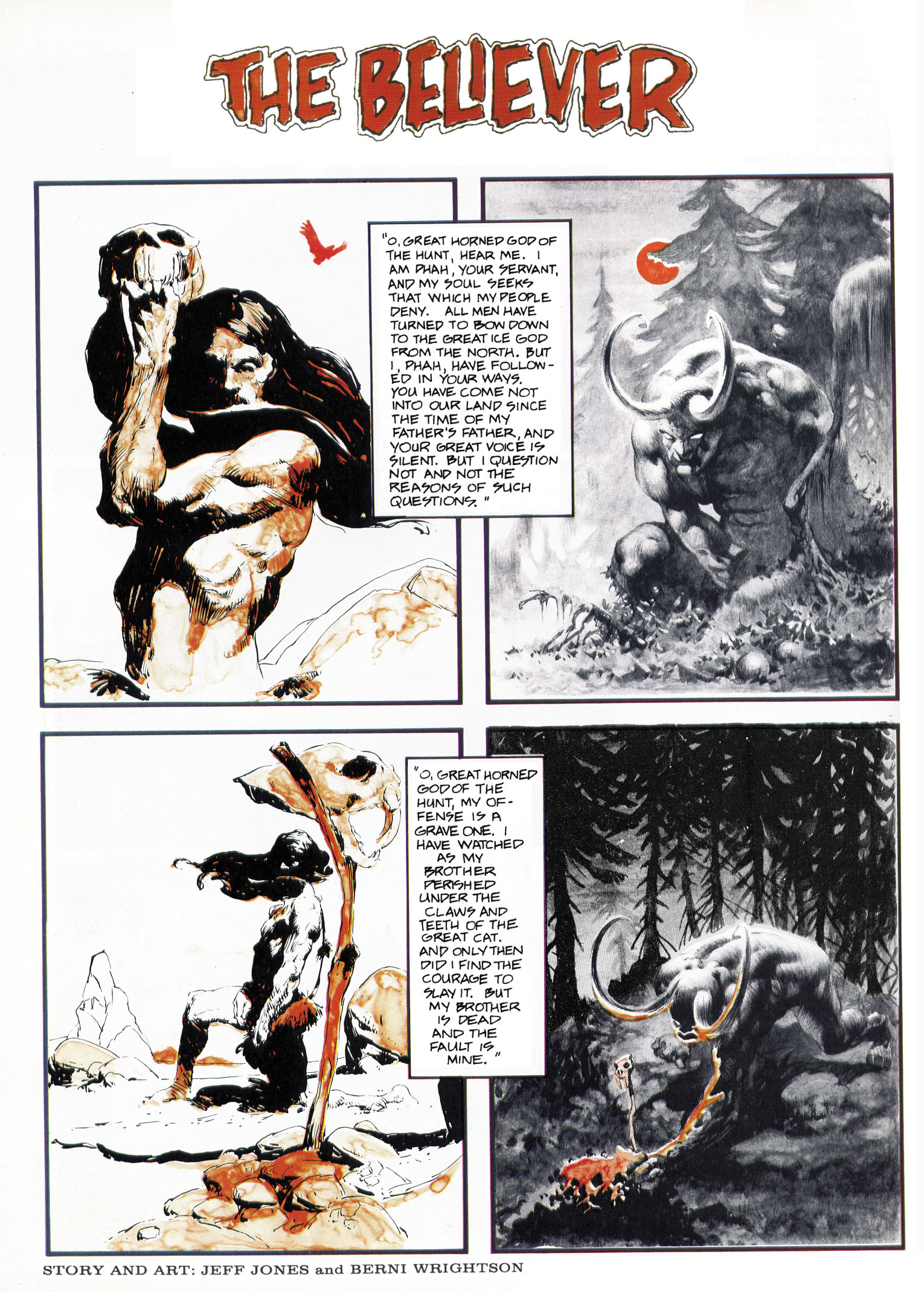
Anyway, that being said, let’s take (another) look at “The Believer” as it originally appeared on the inside-front and inside-back covers of Vampirella #33, way back in 1974; notice that, although most of the panels look okay despite the printing error, one panel in particular, the last panel on the first page, is extremely difficult to decipher:

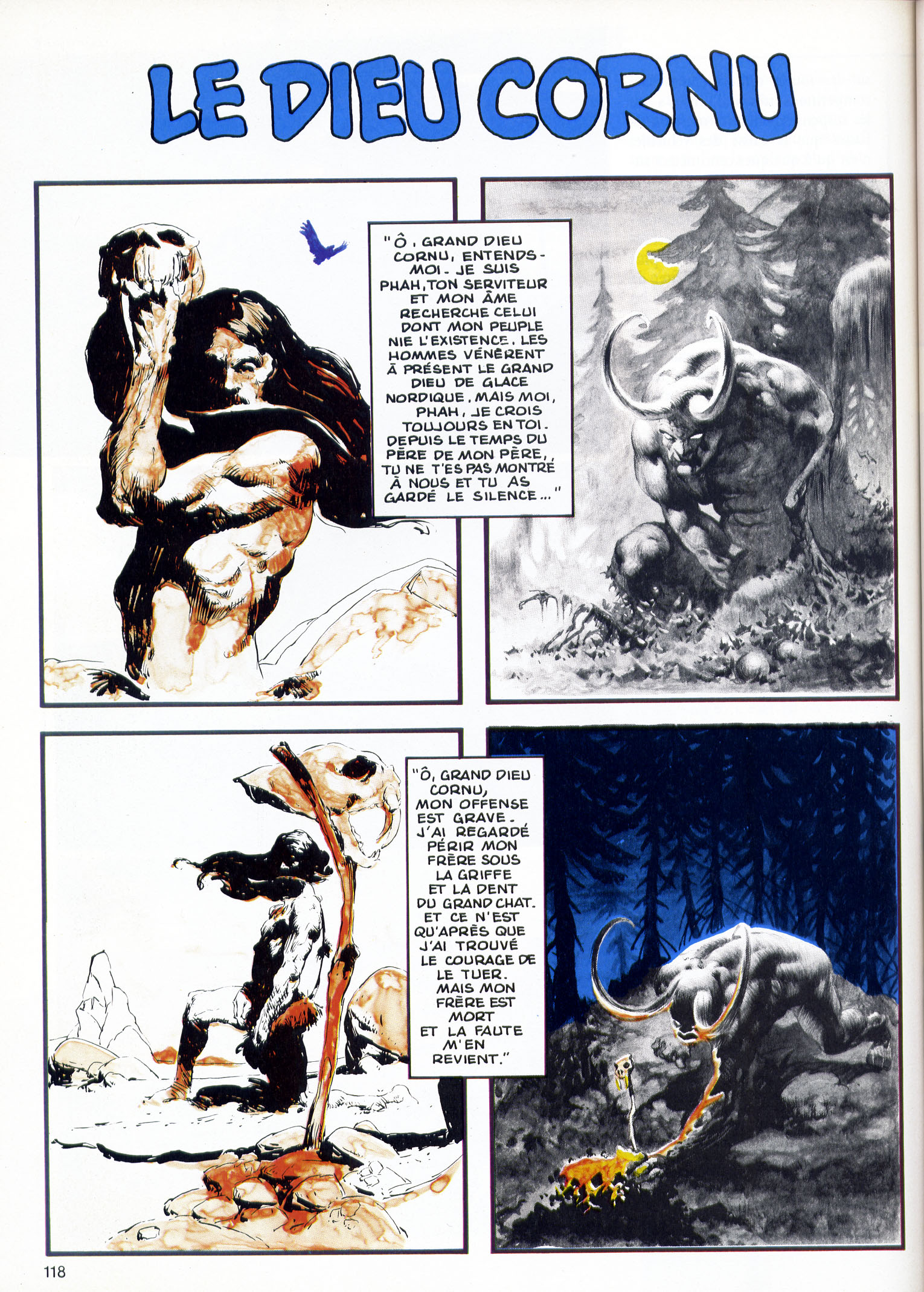
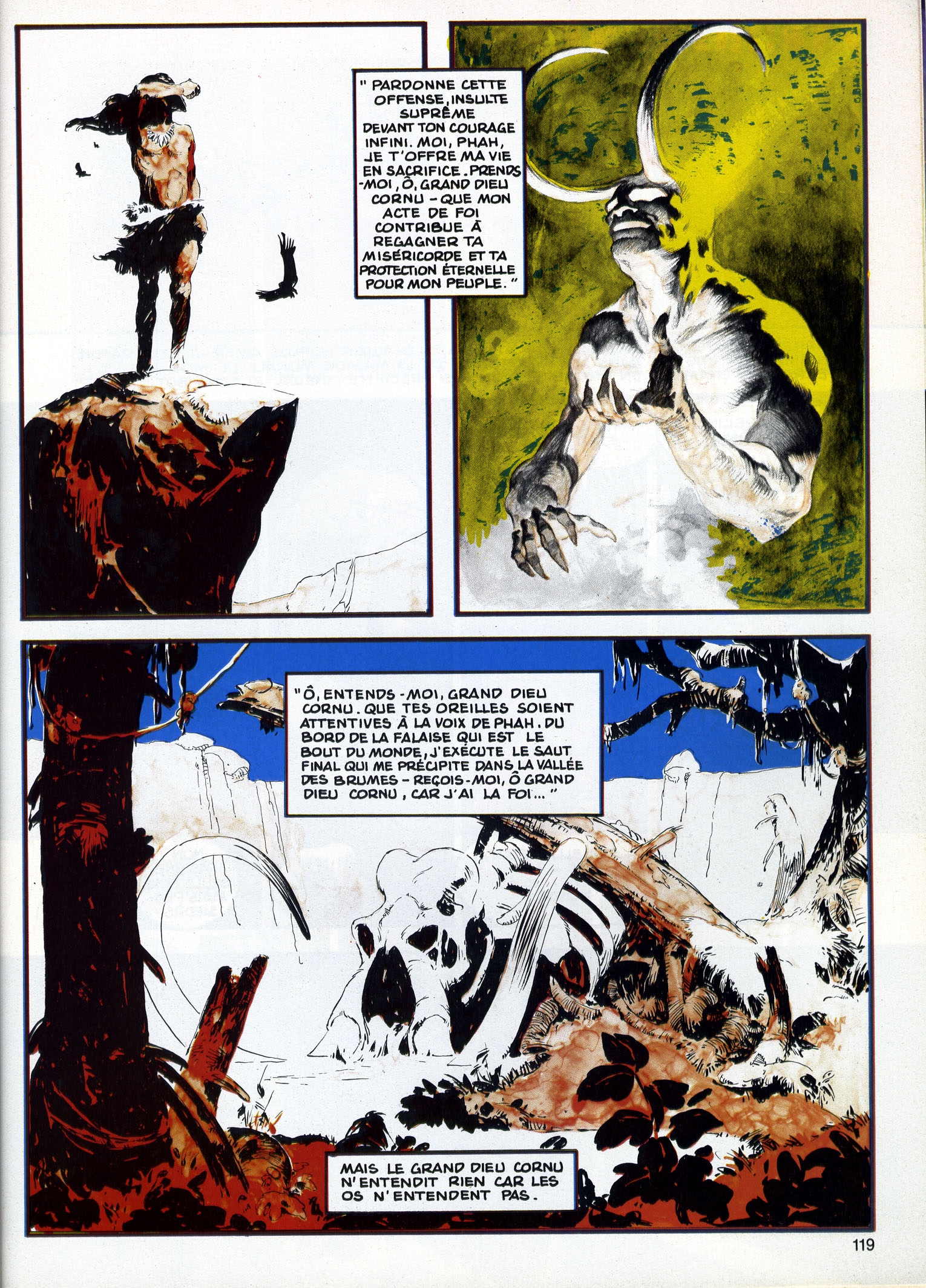
Next up is the version of “The Believer” that appeared, in French, in Special USA #14/15 in June 1985, just over ten years after the story’s original publication; notice that, with four colours at their disposal rather than two, the powers that be at Special USA took it upon themselves to tart up the art with obtrusive swatches of deep cerulean blue and acid yellow:

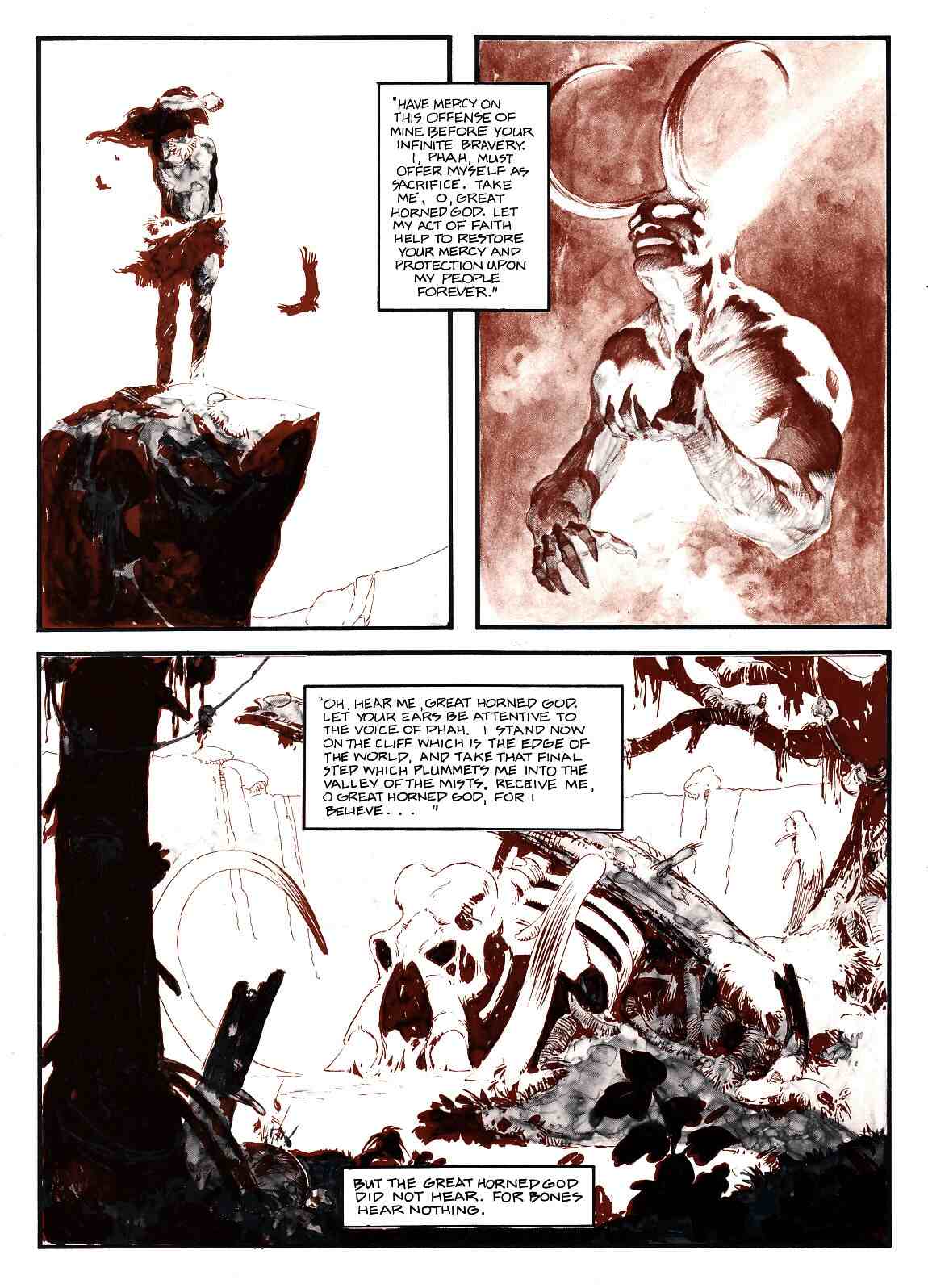
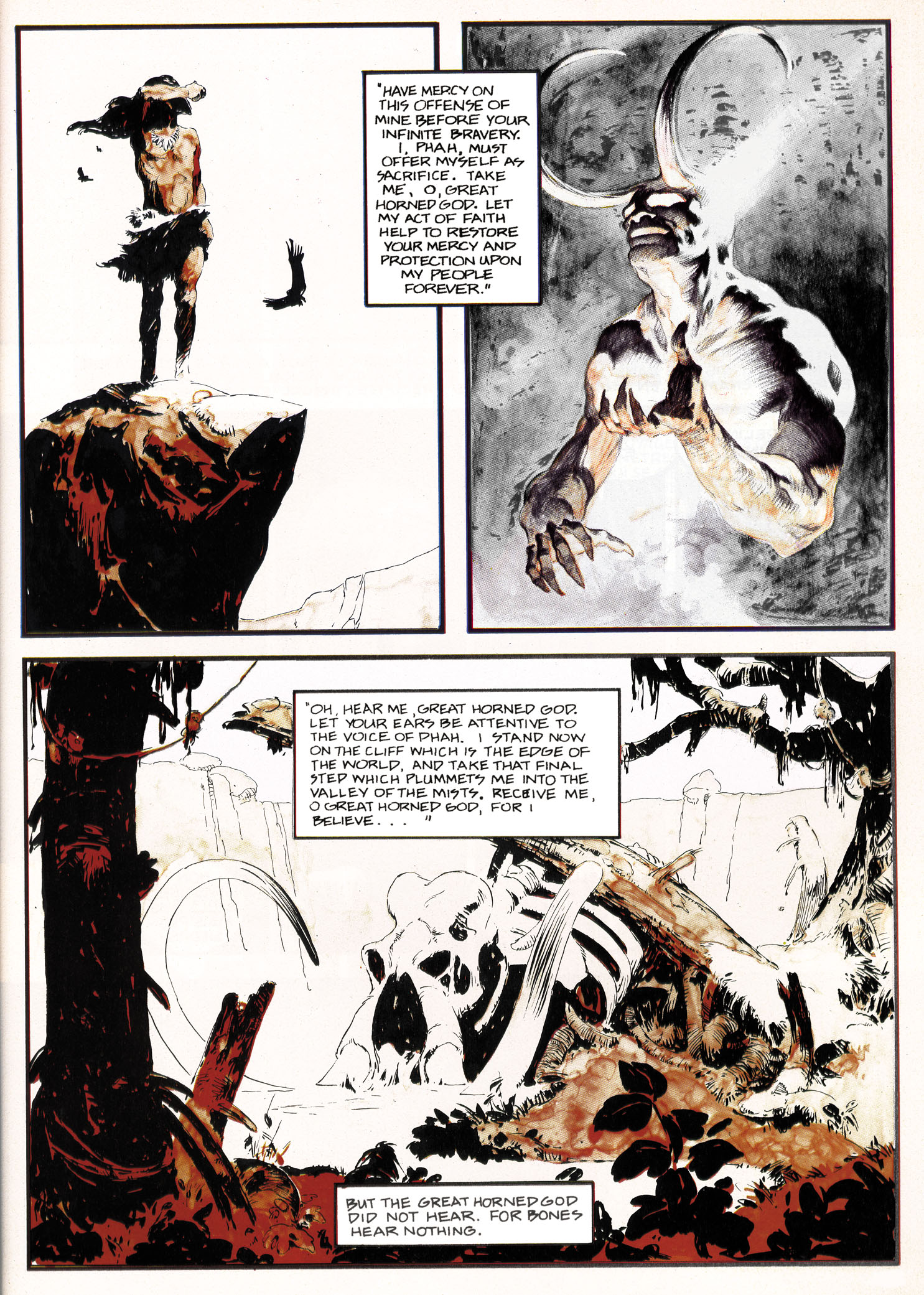
And now, at last, here’s Rotomago’s reconstruction of “The Believer,” with the colours as they ought to have been printed way back in 1974:

In the message that accompanied the files, Rotomago shared the following observations, which I will now share with you:

It surely would be feasible to make a decent reconstructed version fitted for publication. It would require multiple high-quality scans of both versions, a subtle balance of the colors layers, some alteration in the place of colors layers as the overlapping of colors is not always correct in the French version, a very long pixel by pixel cleansing (especially to remove the green stains [probably added by the French color engraver] in the background of Wrightson’s Page2 Panel2), as well as a slight increase in the size of pages to avoid blurring.

But for the web view, I hope that this far from perfect version, will do the job.

Note that after having spent some time studying these two pages on my screen, my fancy for them has even more increased! Such delicate and subtle pictures!

Although I, for one, sort of miss the fiery red-orange cast of Wrightson’s horned-god panels as they appeared in the original printing, I’m sure that fans of Jeffrey Jones and Bernie Wrightson will want to thank Rotomago for the terrific work he has done to reconstruct “The Believer” that should have been but wasn’t. But even if they don’t, I know that I personally want to thank him, again, for his surprising, unsolicited contribution to this site and for going the extra mile to enhance our appreciation of a story that many have admired over the years but none have seen reproduced in exactly this way before, ever.

Finally, one more time, here are the links to Rotomago’s blogs:

Alberto Breccia Bibliografía
le charmeur de rats
Comics · Guy Peellaert · Heads Up!

Heads Up: Fantagraphics acquires Peellaert’s THE ADVENTURES OF JODELLE and PRAVDA

From the press release written by Jacq Cohen:

THE ADVENTURES OF JODELLE
Written by: Pierre Bartier; Drawn by: Guy Peellaert
Hardcover • Full-Color
Release: May 2012

PRAVDA
Written by: Pascal Thomas; Drawn by: Guy Peellaert
Hardcover • Full-Color
Release: November 2012

FANTAGRAPHICS ACQUIRES RIGHTS TO TWO LEGENDARY BELGIAN CLASSICS: PEELLAERT’S THE ADVENTURES OF JODELLE AND PRAVDA

Fantagraphics Books has signed a deal to release two groundbreaking graphic novels from cult Belgian artist Guy Peellaert (1934-2008): The Adventures of Jodelle (1966) and Pravda (1967). The remastered editions will be produced in collaboration with the late artist’s estate, which will contribute previously unseen material for extensive archival supplements.

Both albums were originally released in France by Eric Losfeld, the controversial publisher who passionately defied censorship in the lead-up to the cultural revolution of 1968; along with Jean-Claude Forest’s Barbarella, Peellaert’s Jodelle and Pravda were among the earliest of European adult-oriented graphic novels.

The Adventures of Jodelle, whose voluptuous title heroine was modeled after French teen idol Sylvie Vartan, is a satirical spy story set in a Space Age Roman-Empire fantasy world. Its then-revolutionary clashing of high and low culture references, borrowing as much from Renaissance painting as from a fetishized American consumer culture, marked the advent of the Pop movement within the nascent “9th art” of comic books, not yet dignified as “graphic novels” but already a source of great influence in avant-garde artistic circles. Visually, Jodelle was a major aesthetic shock. According to New York magazine, its “lusciously designed, flat color patterns and dizzy forced perspective reminiscent of Matisse and Japanese prints set a new record in comic-strip sophistication.”
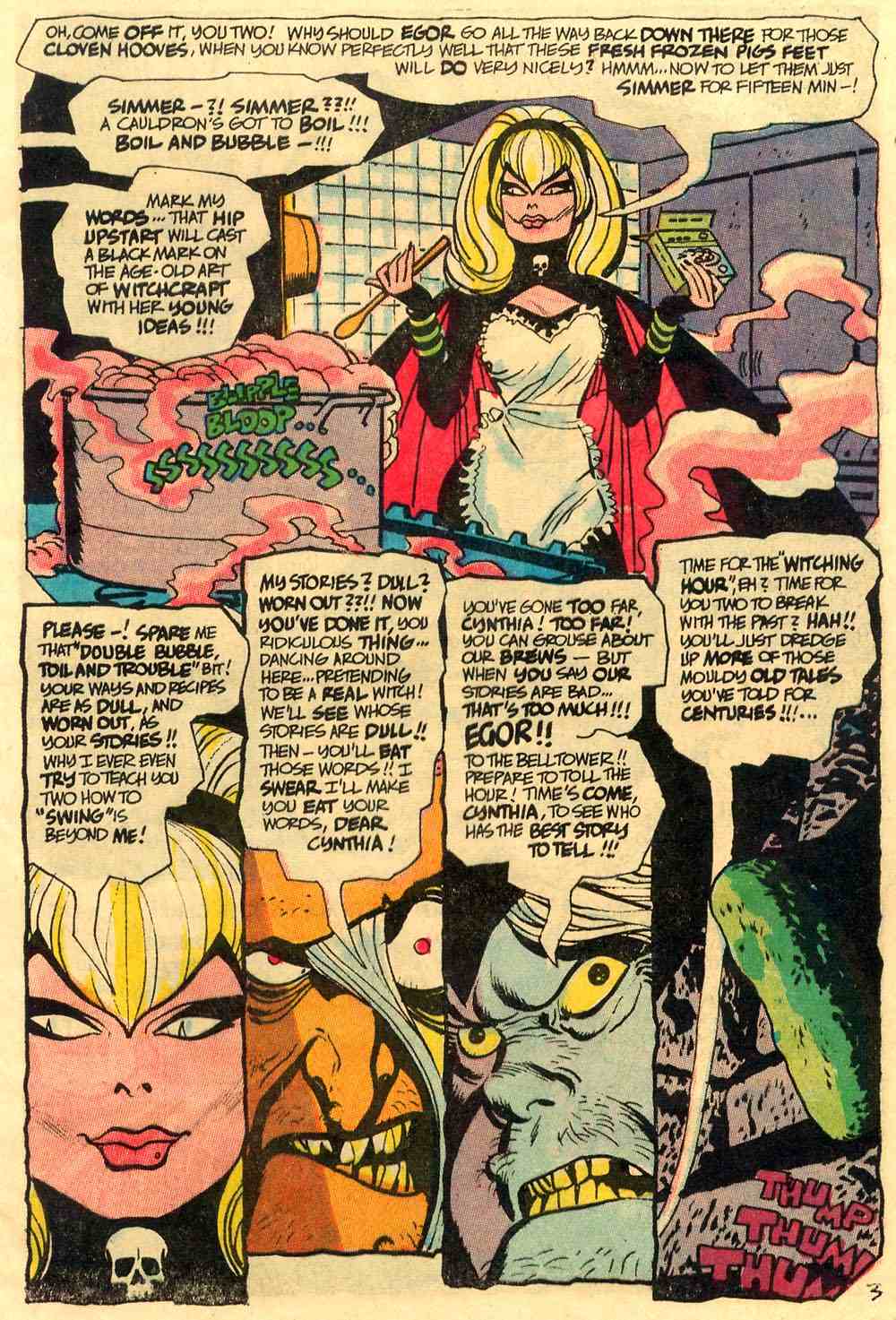
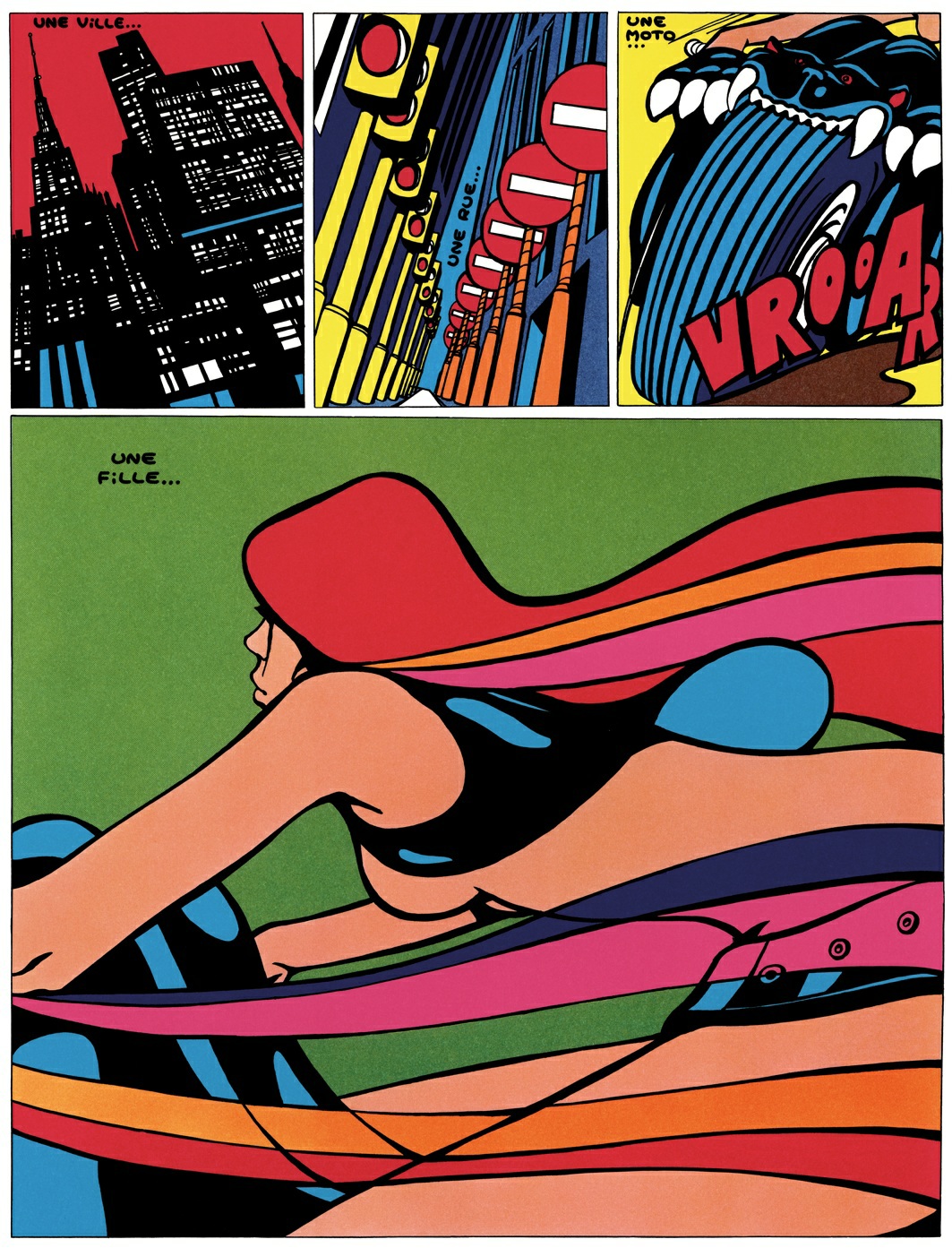
Released a year later and first serialized in the French counter-culture bible Hara-Kiri, Pravda follows the surreal travels of an all-female motorcycle gang across a mythical American landscape, led by a mesmerizing cold-blooded heroine whose hyper-sexualized elastic anatomy was this time inspired by quintessential Gallic chanteuse Françoise Hardy. Pravda‘s eye-popping graphics pushed the psychedelic edge of Jodelle to dazzling new heights, further liberating the story from narrative conventions to focus the reader’s attention on the stunning composition and glaring acid colors of the strips, with each frame functioning as a stand-alone cinematic picture.

Pravda, with its themes of female empowerment and beauty emerging from chaos, became an instant sensation on the European underground scene, inspiring various tributes and appropriations from the worlds of film, literature, fashion, music, live arts, advertising or graphic design. Over the years, it has acquired a rarefied status as a unique and timeless piece of Pop Art defying categorization or trends, and has found itself exhibited in such unlikely “high culture” institutions as the Musée d’Orsay or the Centre Pompidou. An early admirer of Peellaert’s radical vision — along with luminaries as diverse as Jean-Luc Godard (who optioned the film rights to Pravda) and Mick Jagger — Frederico Fellini praised Jodelle and Pravda as “the literature of intelligence, imagination and romanticism.”

The Adventures of Jodelle was published in the United States in 1967 by Grove Press, whose legendary editor-in-chief Richard Seaver (the man credited with introducing Samuel Beckett, William Burroughs and Henry Miller to America) also provided the translation; Pravda has never been released in English, despite its lead character transcending the long out-of-print book where she originated to become a peculiar iconic figure, the maverick muse of a few “au courant” art and design aficionados from Paris to Tokyo.

Refusing to cash in on the phenomenal success of Jodelle and Pravda (he viewed the former as a one-time graphic “experiment” of which the latter marked the accomplishment) the reclusive Peellaert abruptly left cartoons behind after only two albums at the dawn of the 1970s to pursue an obsessive kind of image-making which painstakingly combined photography, airbrush painting and collage in the pre-computer age. His best-known achievement in America remains the seminal 1973 book Rock Dreams, a collection of portraits which resulted from this distinctive technique and was hailed as “the Sistine Chapel of the Seventies” by Andy Warhol’s Interview magazine, eventually selling over a million copies worldwide, influencing a generation of photographers and earning its place in the pantheon of rock culture. Other well-known creations include the iconic artwork for David Bowie’s Diamond Dogs album cover (1974) as well as The Rolling Stones’ It’s Only Rock ‘N’ Roll the same year. Peellaert also created the indelible original poster for Martin Scorcese’s Taxi Driver (1978), the first of many commissions from renowned auteurs including Wim Wenders, Robert Altman, Stephen Frears, Alain Resnais and Robert Bresson.

As the original negatives and color separations for Jodelle and Pravda are long lost (interestingly, Peellaert never reclaimed the original ink-on-paper pages from Losfeld) Fantagraphics will be re-coloring both books digitally. “The original books were colored via hand-cut separations from Peellaert’s detailed color indications,” said Fantagraphics co-publisher Kim Thompson, who will be editing and translating the new editions. “Since the Losfeld editions were printed quite well and Peellaert’s linework is thick and simple, we’re going to be able to generate crisp black-and-white versions of the line art to start from which should duplicate the original ‘look’ exactly. Although actually our edition of Pravda should be better than the original, which had some pretty erratic color registration.”

The Adventures of Jodelle is scheduled for release in May 2012, and Pravda in November 2012, both in deluxe oversized hardcover editions. Each will feature an extensive original essay discussing the works and their historical context, accompanied by numerous archival illustrations and photographs.

“I am terrifically excited to bring these two landmark books to American audiences — especially Pravda, which has never been published in English,” said Thompson. “They are some of the most graphically jaw-dropping comics ever put to paper. They remain both quintessentially 1960s in attitude and look, and utterly timeless.”

BONUS LINKS:

BulleDaire.com > Pravda la Survireuse — a page out of Peellaert’s book.

CON C DE ARTE > PEELLAERT EN MÚSICA E IMÁGENES — an overview of Peellaert’s artistic career.

Ride the Machine > Guy Peelaert and Pravda the Overdriver — includes two double-page spreads from Pravda.

Bill Draut · Comics · Here, Read · Look Here

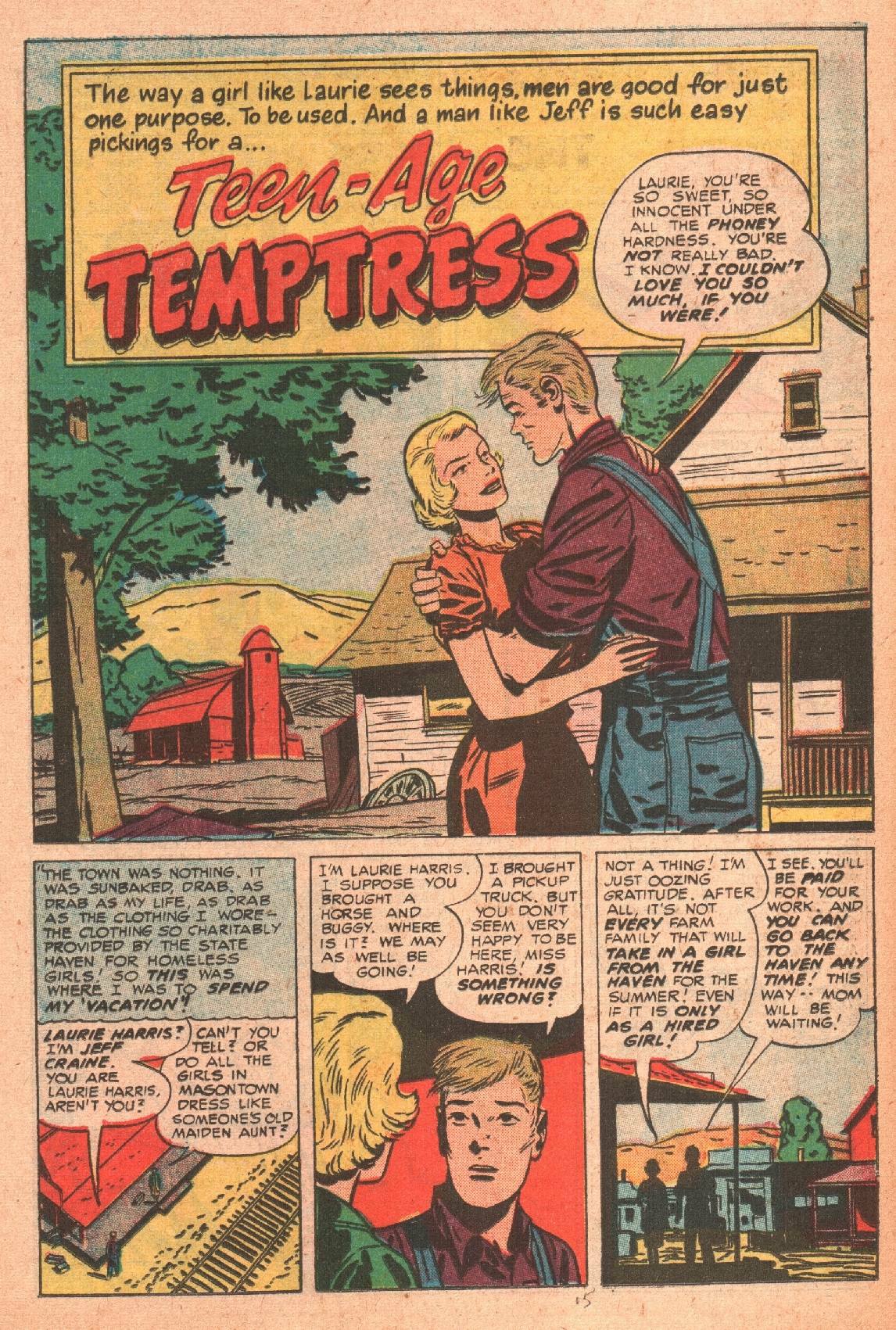
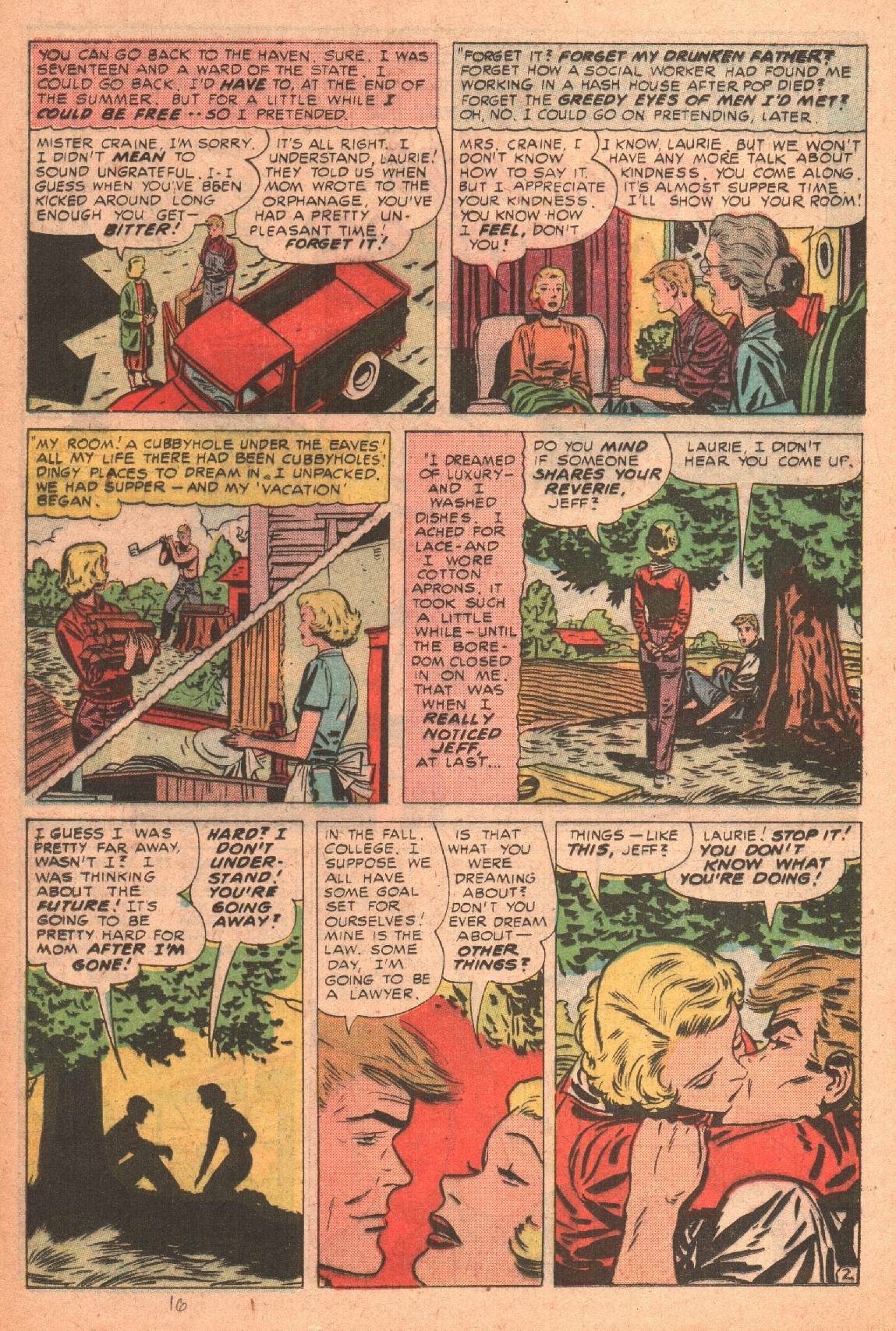
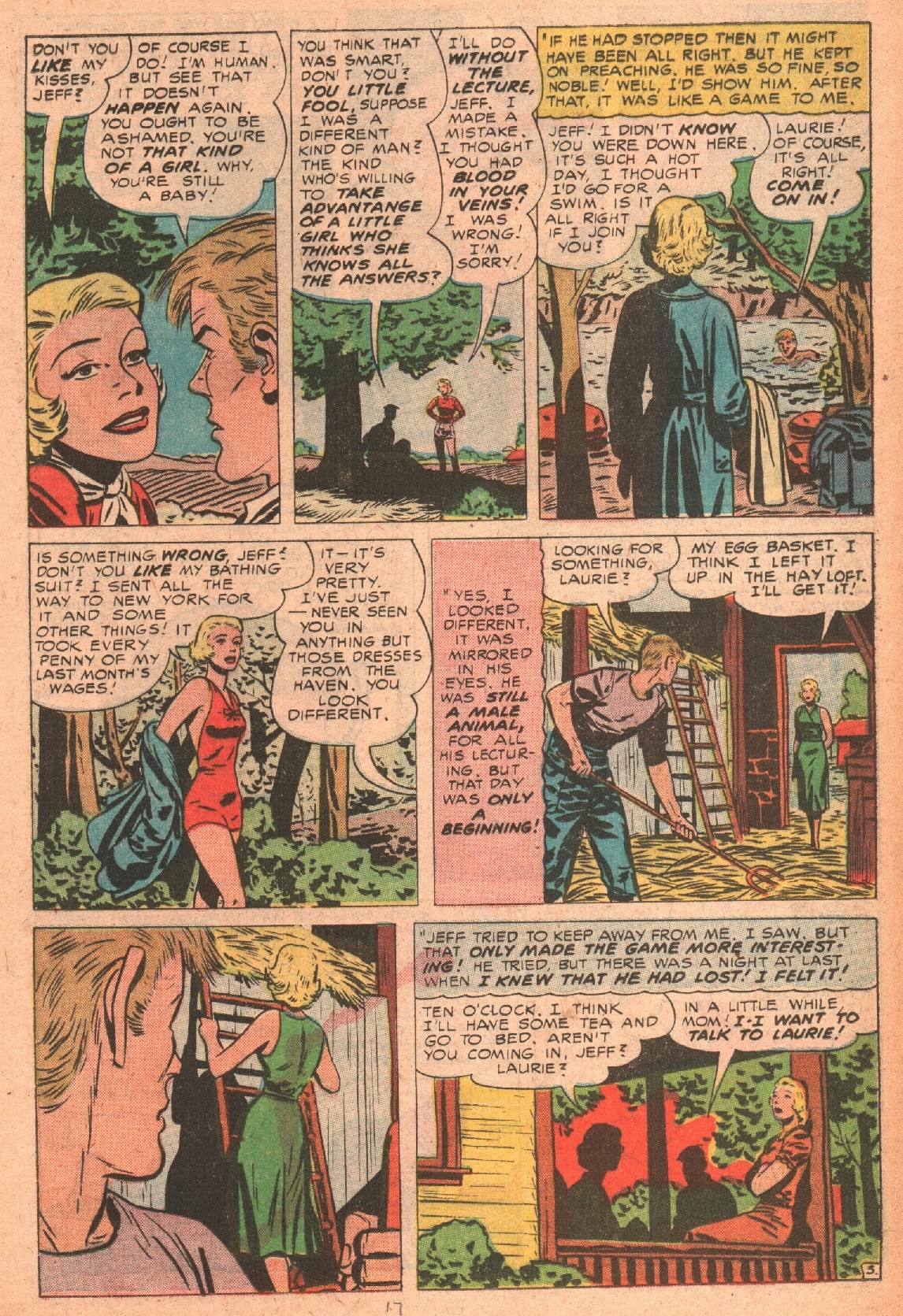
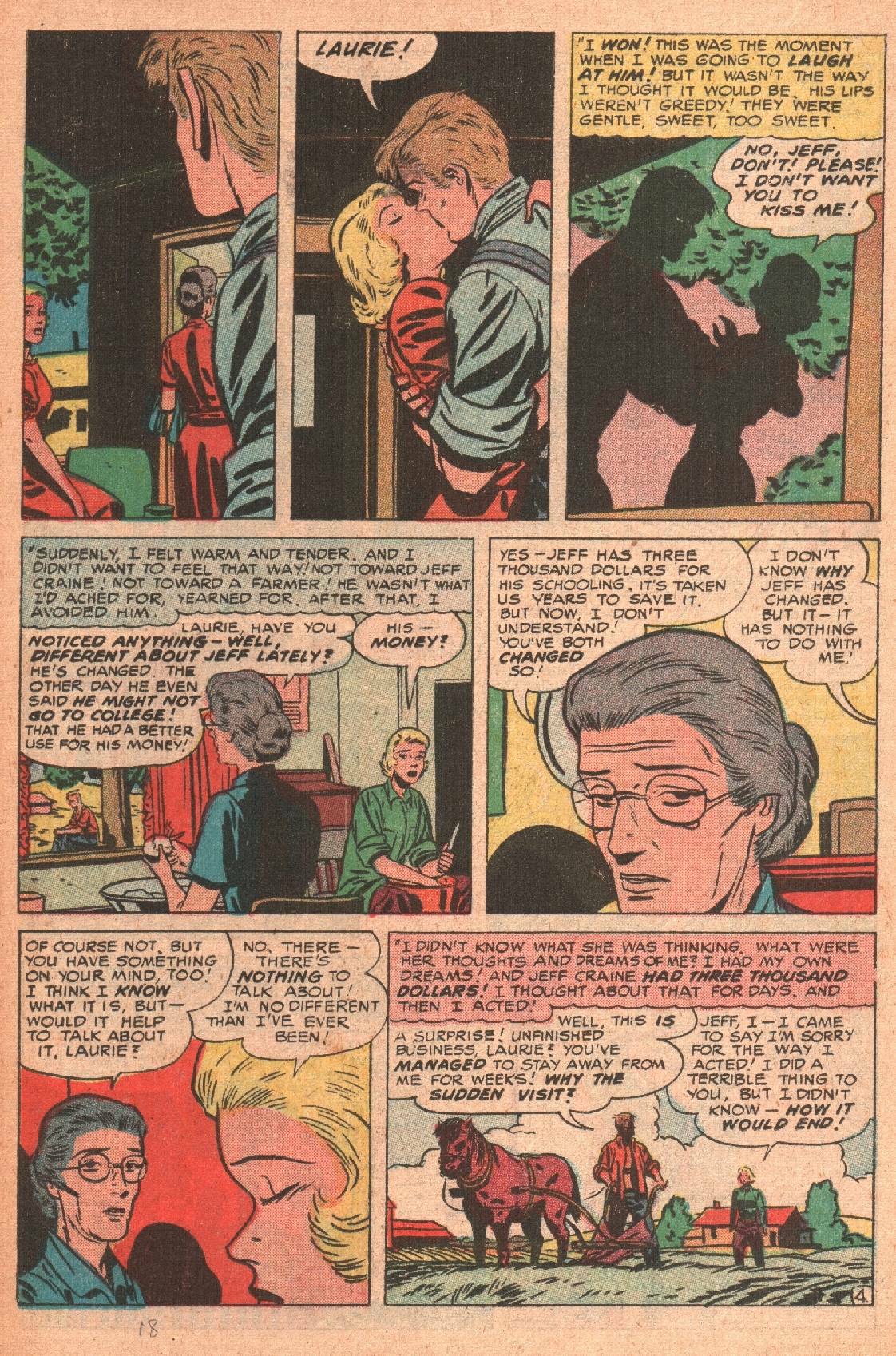
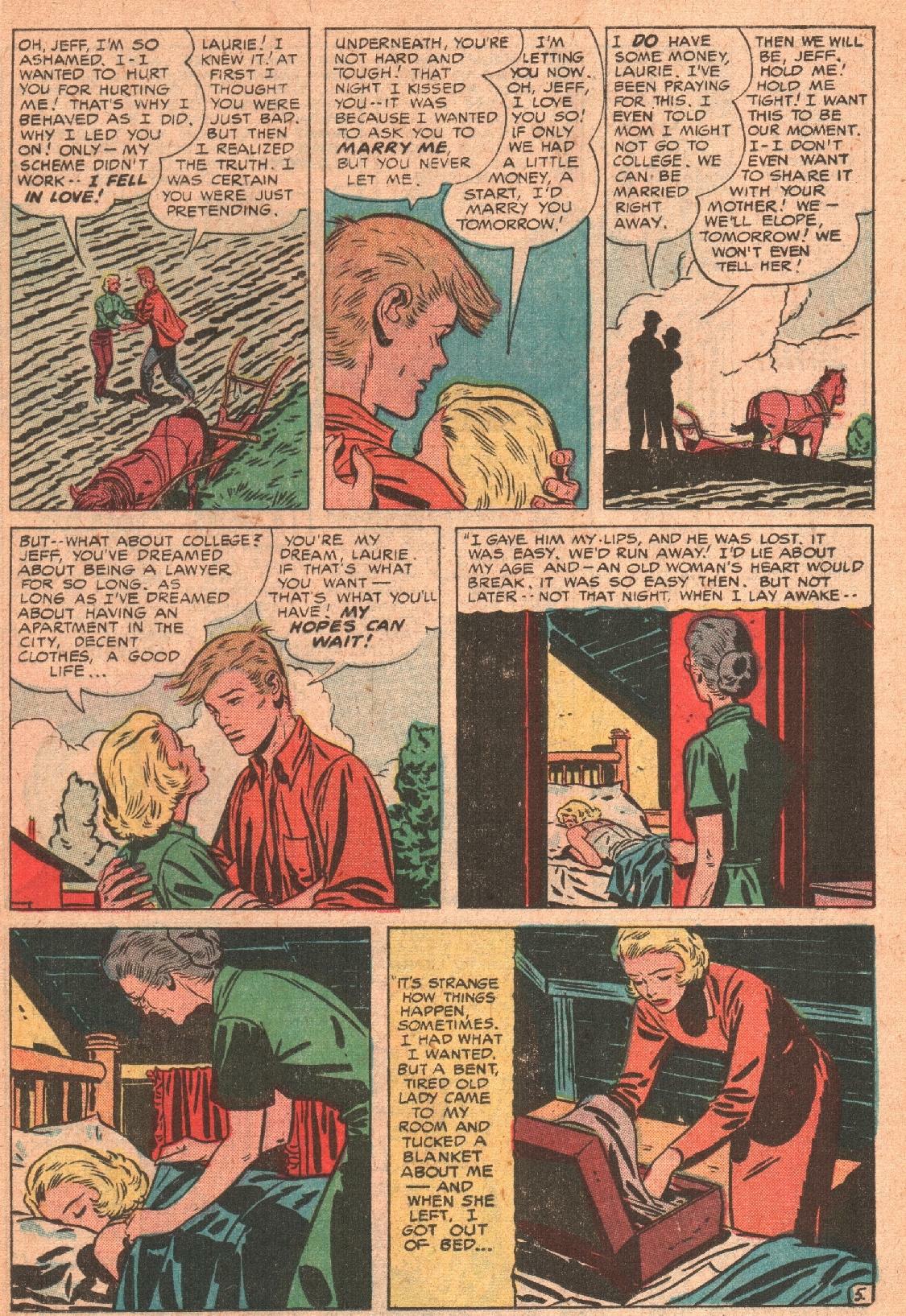
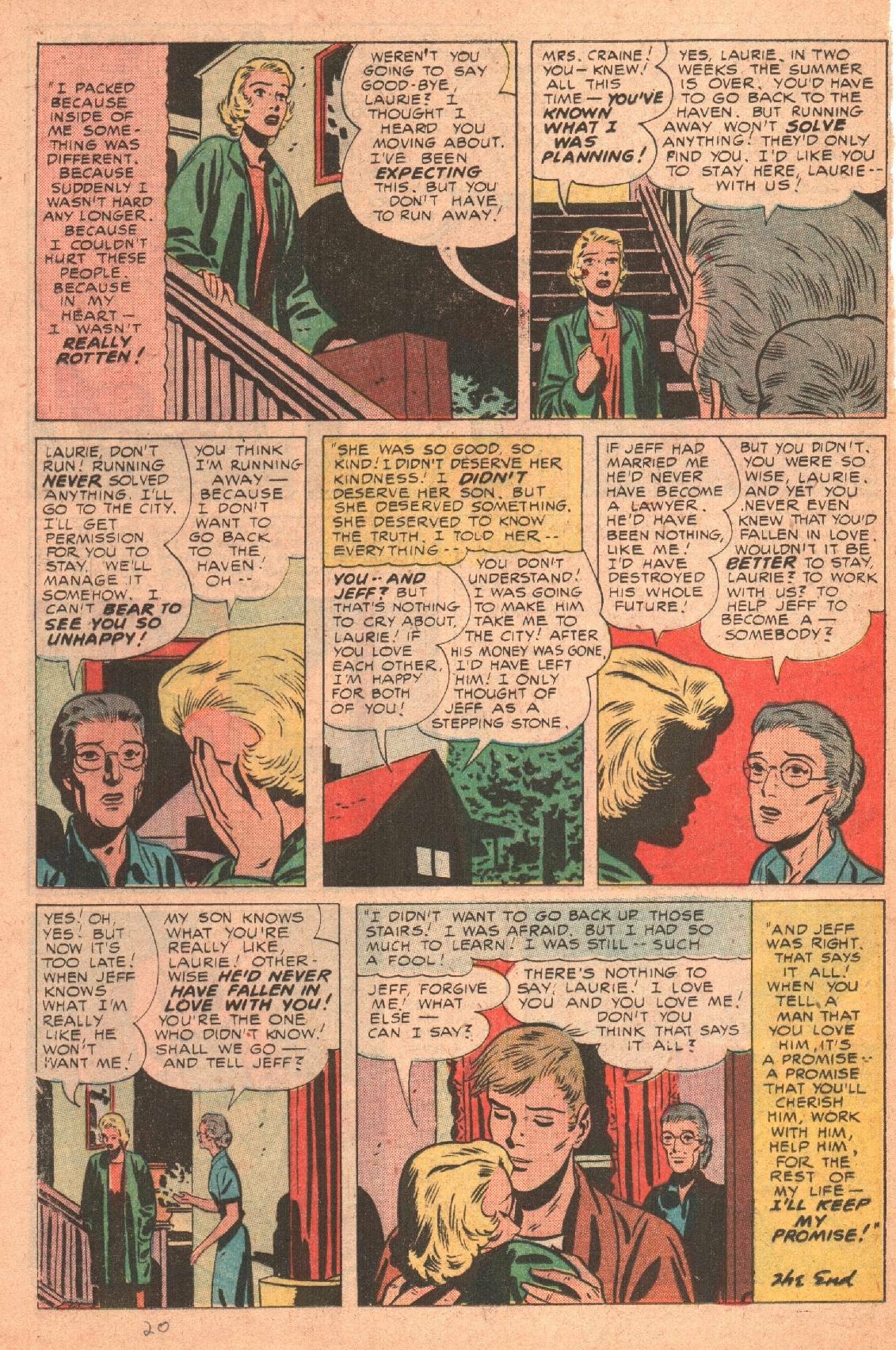
Look Here, Read: “Teen-Age Temptress,” with art by Bill Draut

From Young Love #8 (October-November 1954), here’s “Teen-Age Temptress,” with straightforward, sensitive graphic storytelling by reliable Simon and Kirby studio workhorse, Bill Draut, whose vigorous visualization of “The Right to Love” was featured on RCN on 06 May 2011:

[CLICK IMAGES TO ENLARGE]

When Draut was good, he was very, very good…